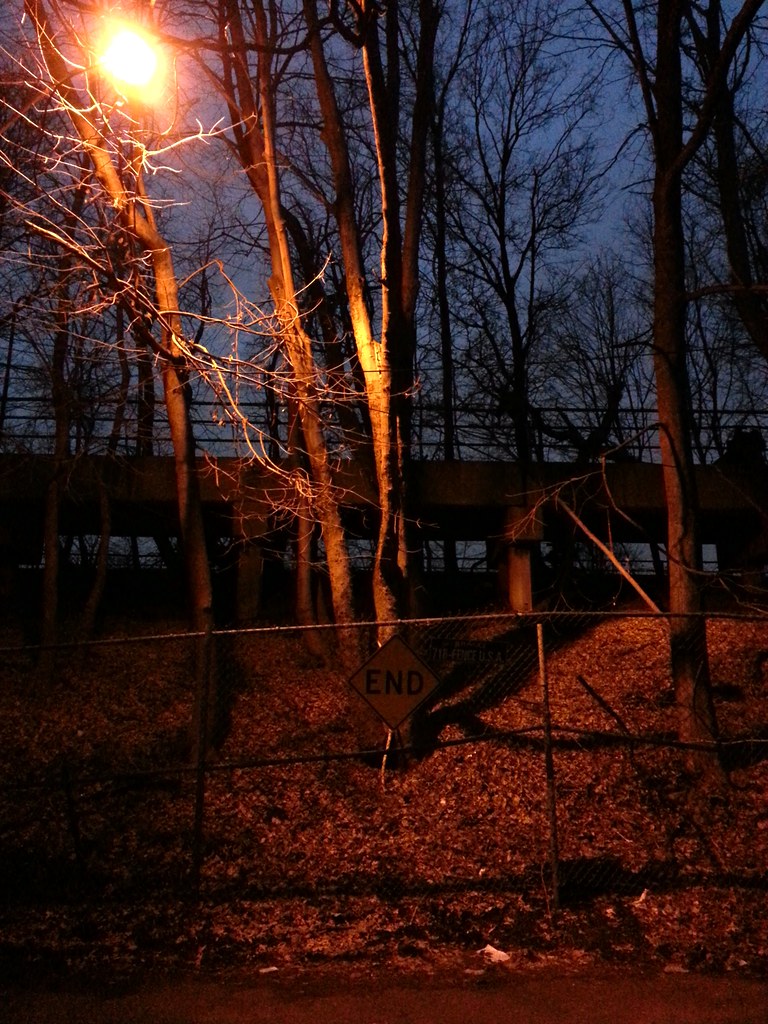
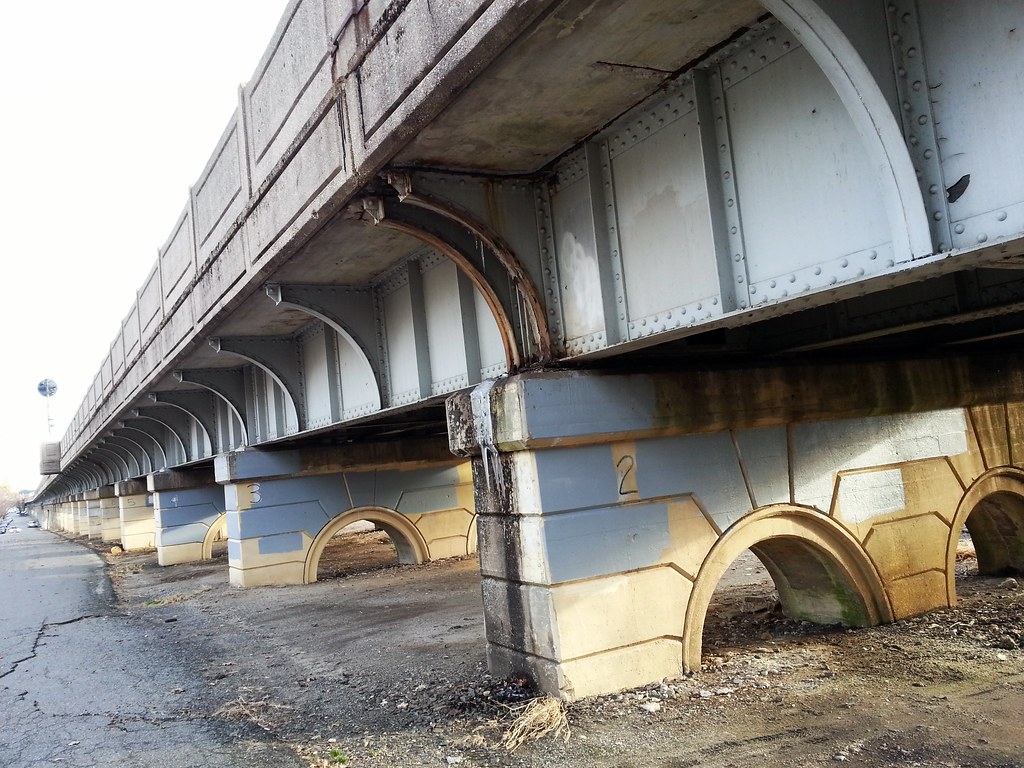
You can see the silhouetted ghost of the Rockaway Beach Branch running across the top of the embankment.




Part of a patchwork of more than 10,000 acres of parkland ringing Jamaica Bay
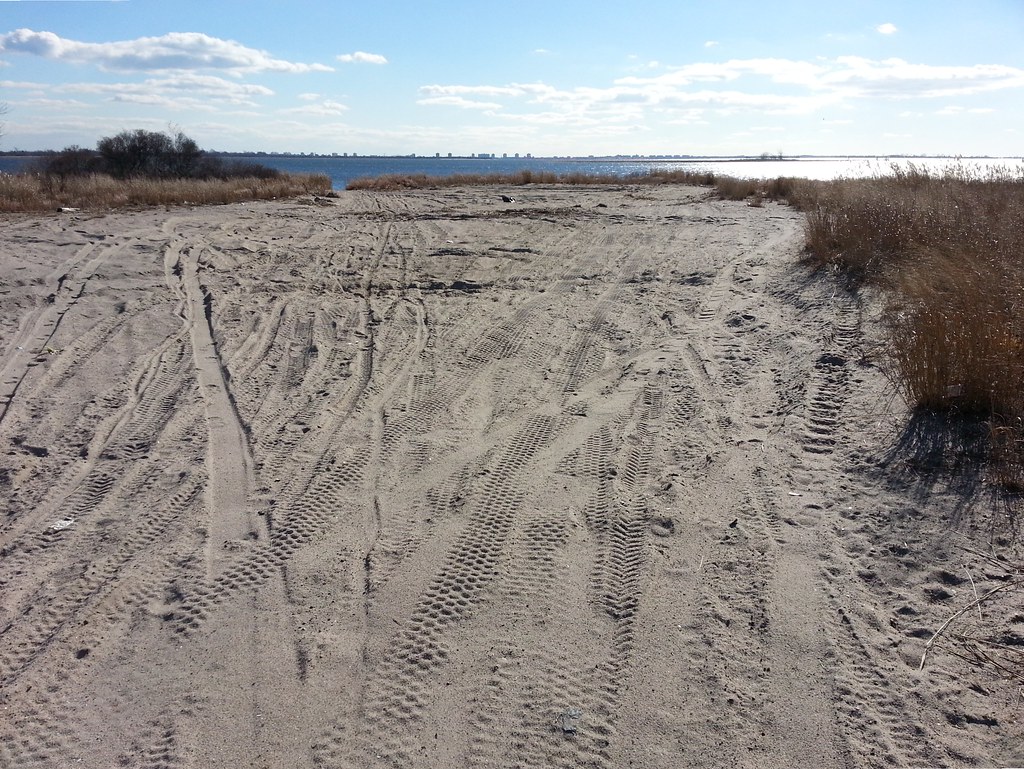
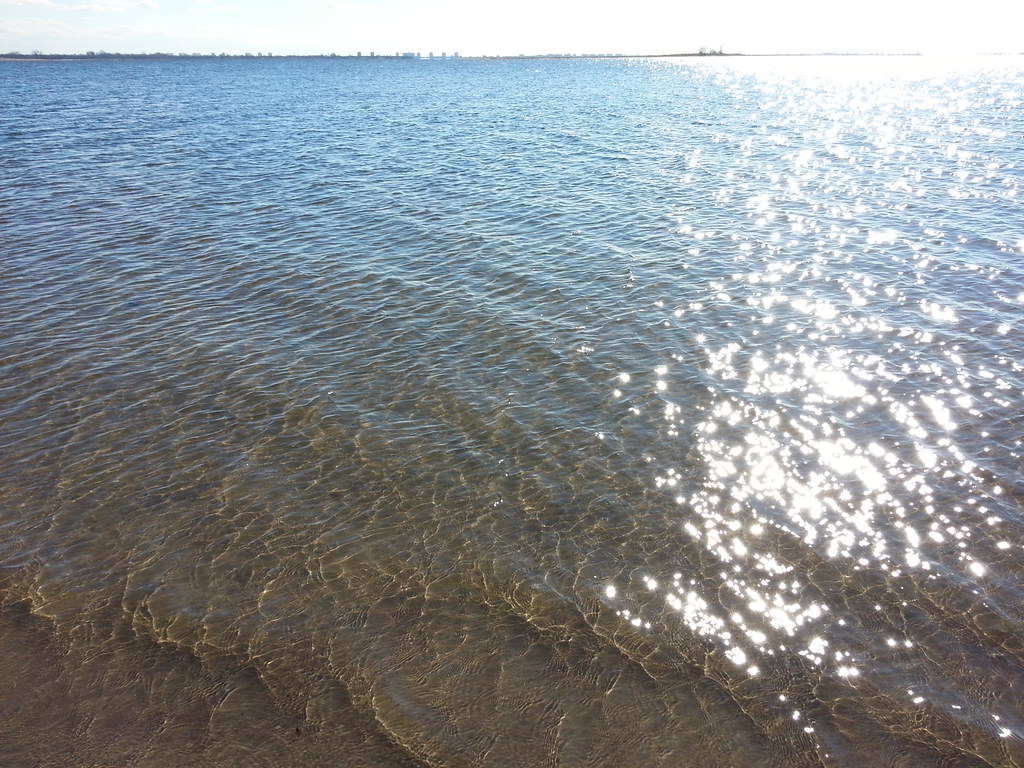
You can see some apartment towers rising in the Rockaways off in the distance.

I used to wonder why I would often find coconuts lying in the sand on out-of-the-way beaches in NYC. Now I know!
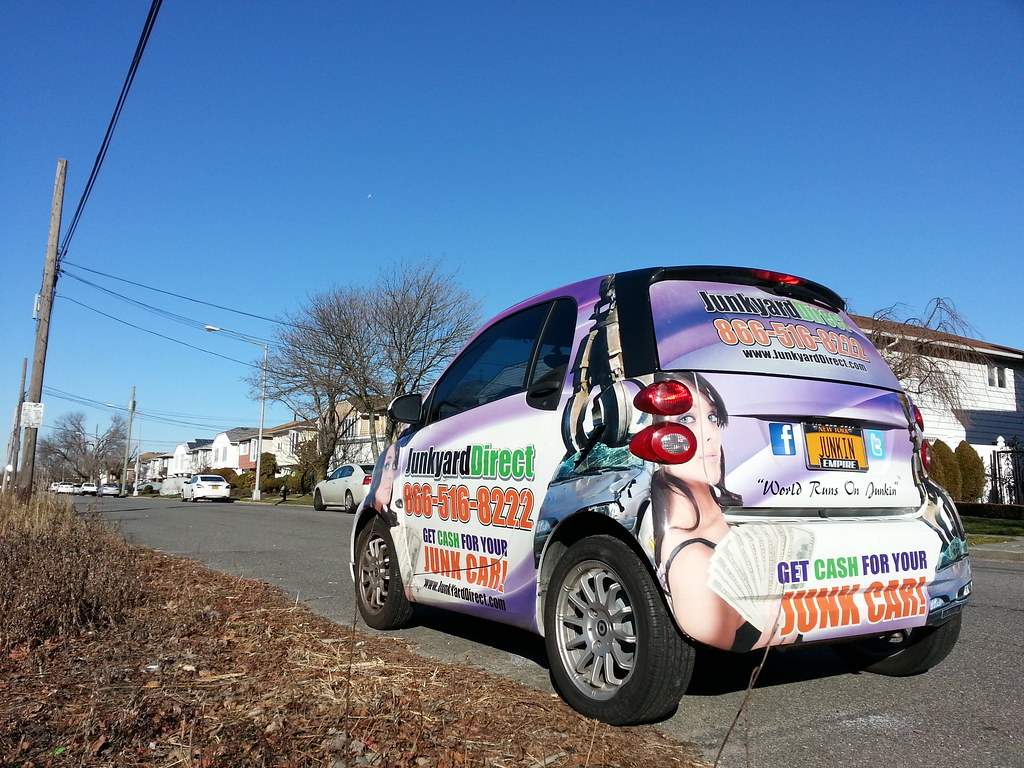
I love the juxtaposition of the alluring, money-laden model and the car being torn to pieces by a giant metal claw. Here's a closer look.

I'm standing in Queens, but that's Brooklyn on the other side. The border between the two boroughs is quite convoluted.

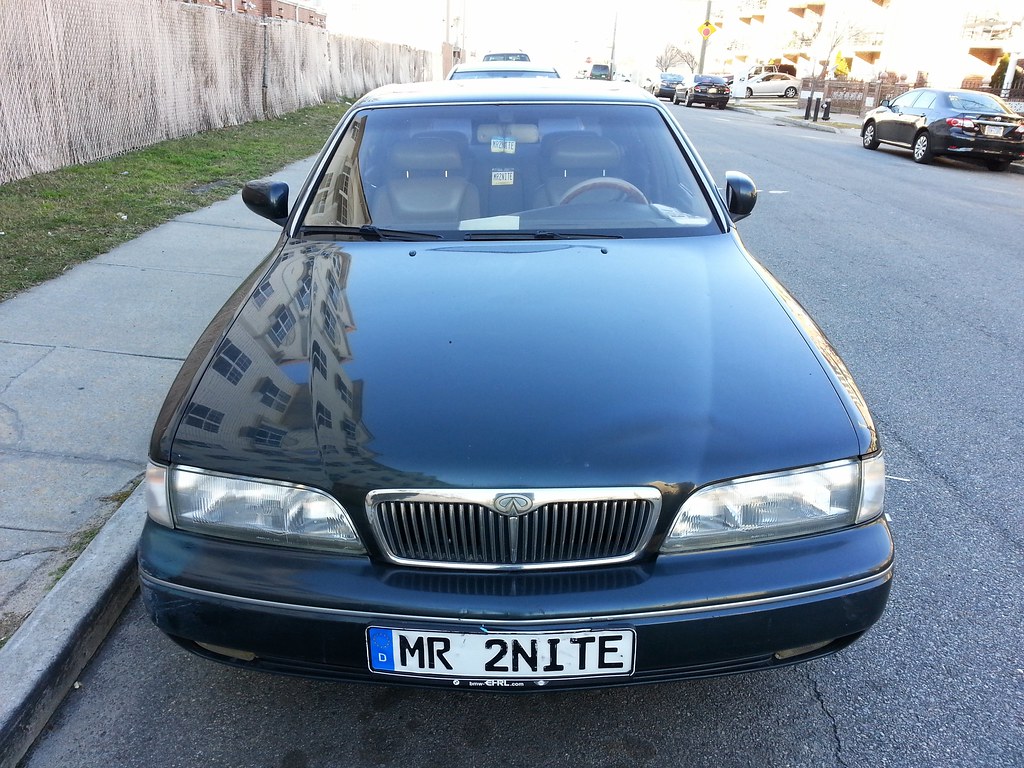
Plus two more hanging from the rear view. Now let's walk around back and see what his real license plate is.

I'm going to count all of these collectively as one memorial, so just consider this an extension of #94.

This street is a remnant of a once-major route that ran across southern Queens.

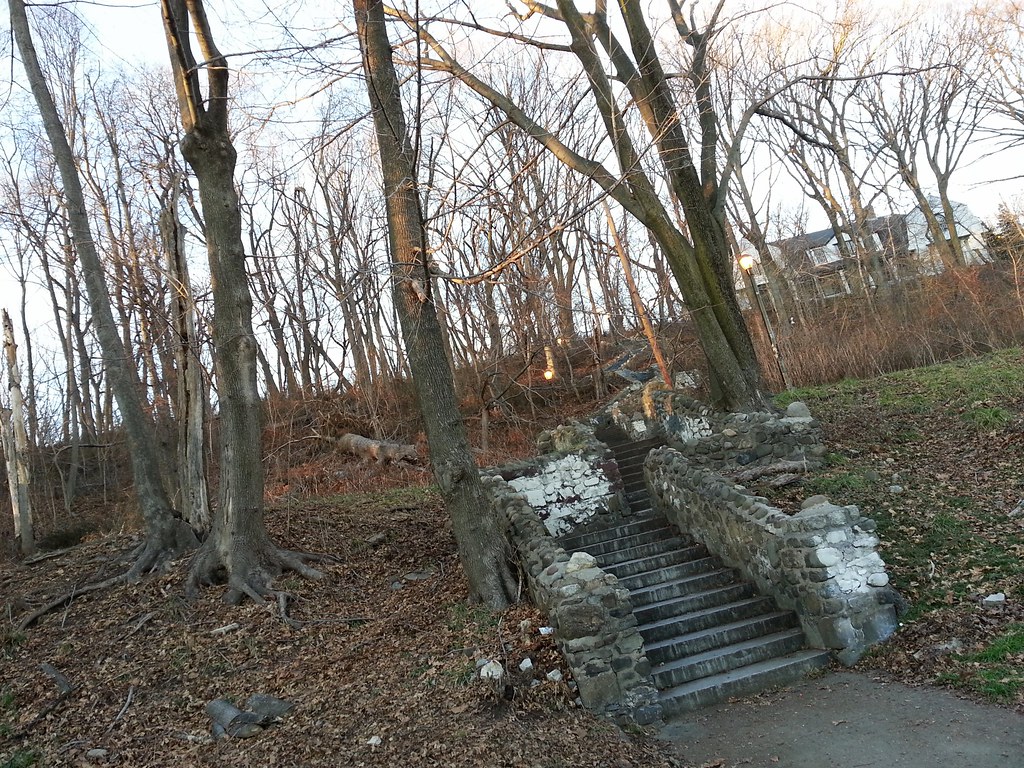
These stairs ascend to Oak Ridge, constructed in 1905 as the clubhouse for Forest Park's golf course. The building currently houses the park's administrative headquarters, the Queens Council for the Arts, and a community center. Here's a closer look at the place.

This installation fuses the classic style of a backboarded milk crate with the elegant not-running-into-the-wall-ness of a pole-mounted hoop.

An early supermarket built during the Depression by Fred Christ Trump


Vibrant translucency can be found in abundance on the J train's elevated station platforms. I took this shot at the Norwood Avenue stop; you can see some photos from the other stations on the MTA's surprisingly excellent Arts for Transit page.
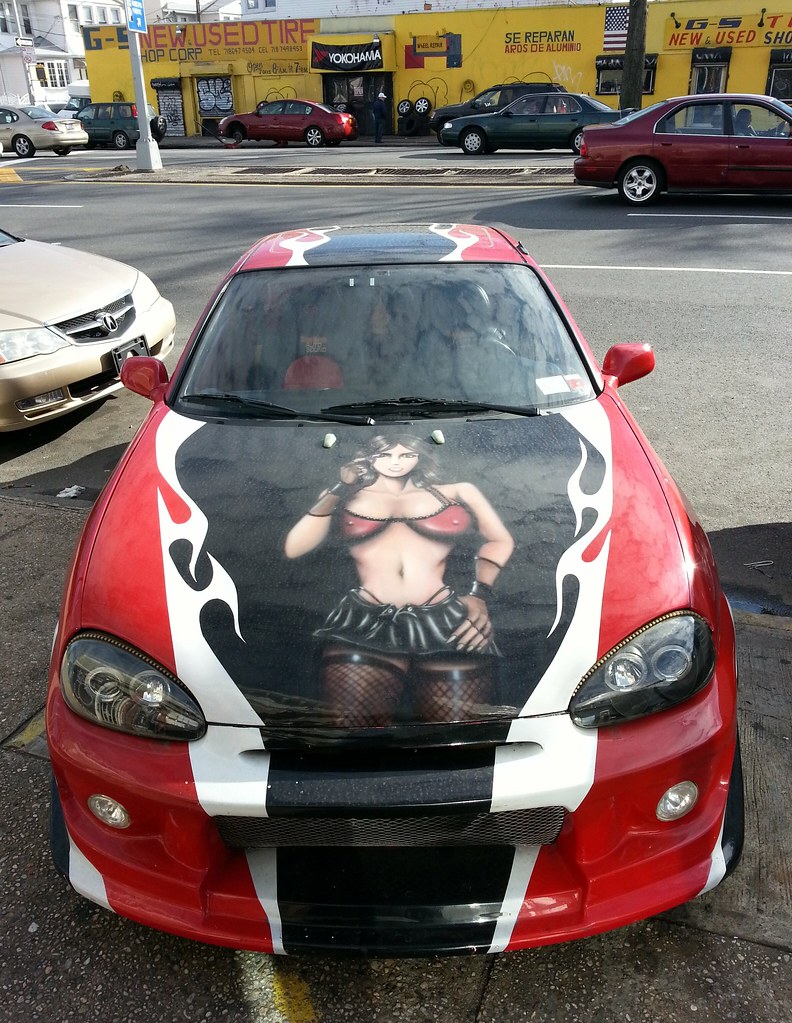


This strange little alley leads to three dwellings tucked away inside the other houses on the block.

This piano showroom is a rare surviving piece of the old Lalance & Grosjean factory. According to the AIA Guide to New York City:
"Until most of the antique, red-painted brick structures were wasted in the mid 1980s to form yet another shopping center, this intricate array of 19th-century mill buildings was a remarkable relic of the era when the Village of Woodhaven claimed a nationally known tinware and agateware manufacture. Its products graced many an American kitchen for generations, and the Lalance & Grosjean factory employed hundreds."


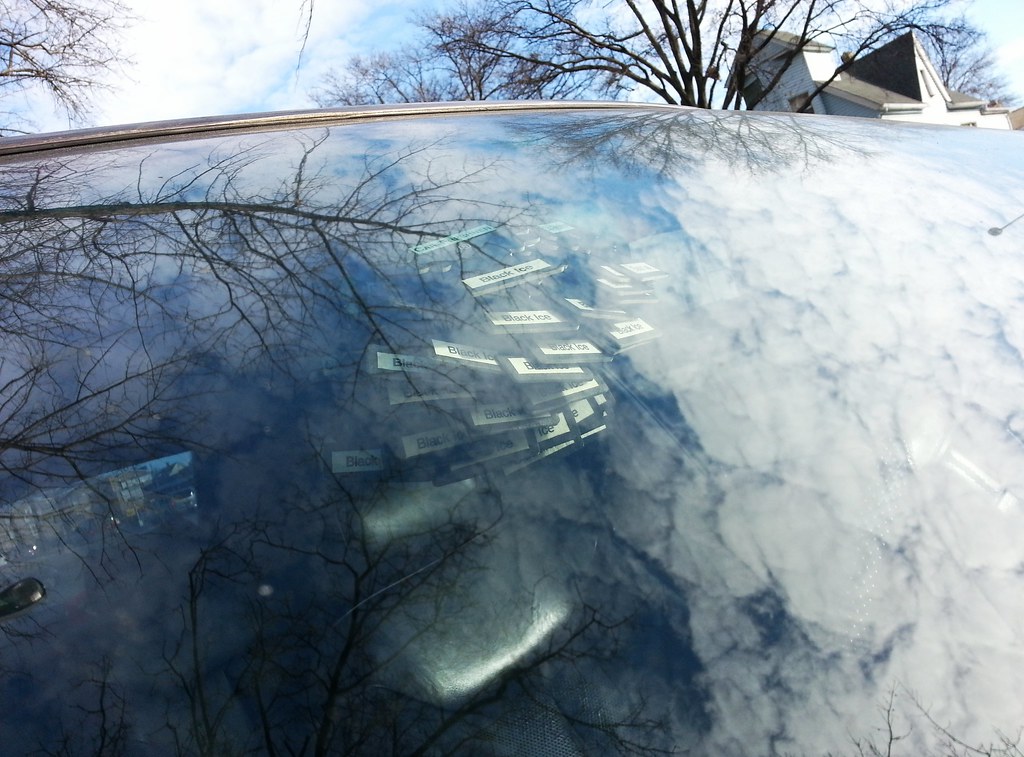
The interior of this car smells either really good or really bad.
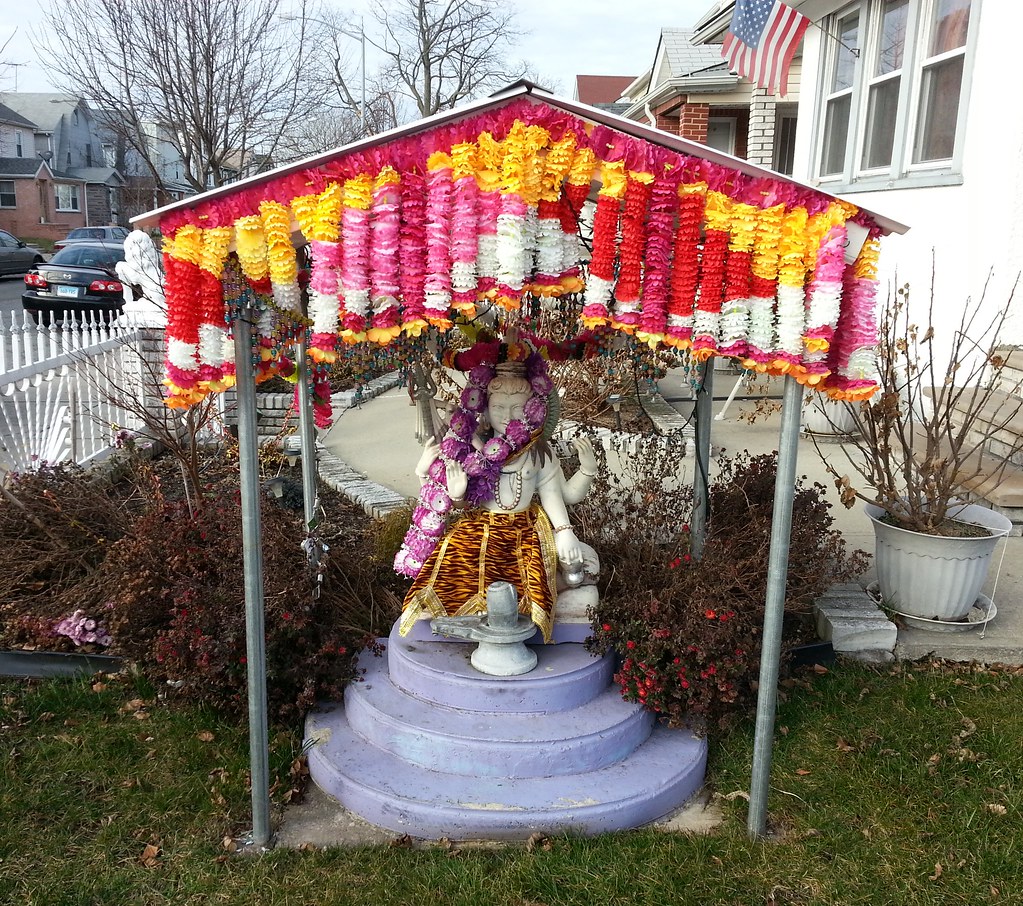
This Hindu god is represented not just by the statue, but also by the lingam placed in front of it.


This dead end north of the Lower Montauk Branch is lined with big ol' American sedans from the late '60s and early '70s. Plus one devilish-looking limo to boot.

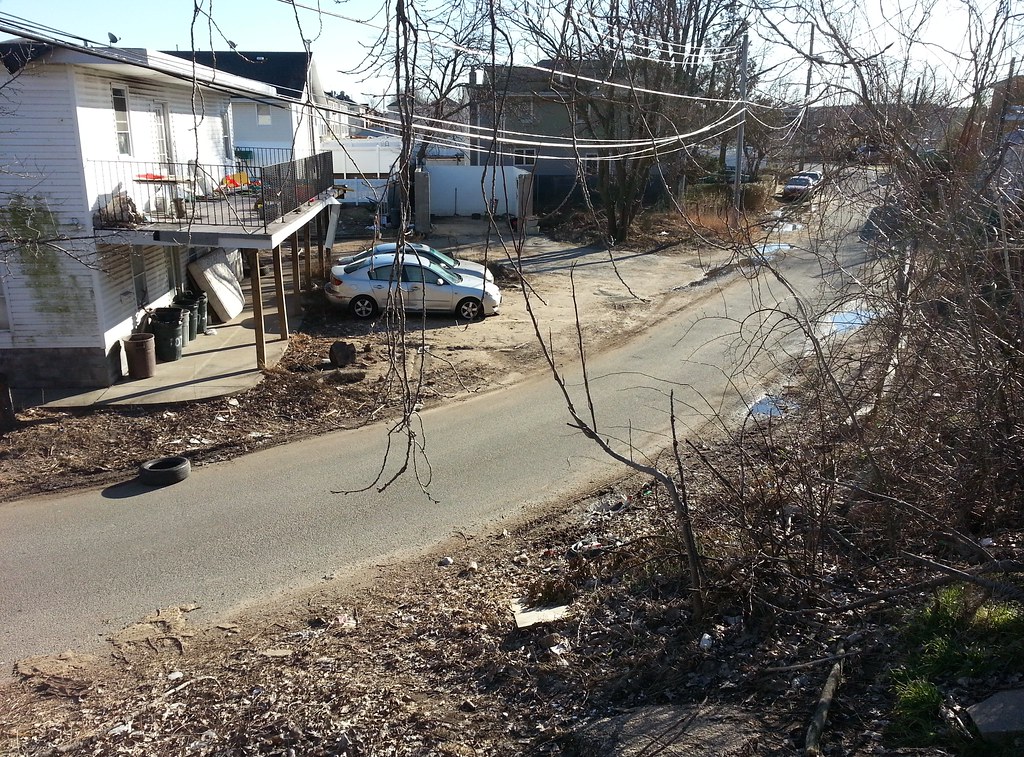
for illegal dumping: a secluded spot between a warehouse and a lightly used rail line at the end of a dead-end street

Rubie's started out as a neighborhood candy shop in 1950, and it's since grown into a multinational costume manufacturer and retailer.