

This triangle honors Captain William C. Dermody, a dedicated and outspoken abolitionist who was mortally wounded in the Civil War on May 12, 1864 during the battle of Spotsylvania in Virginia. . . .
Prior to 1865, this plot of land located on 216th Street and 48th Avenue was the site of the local two-room school house. In 1866, this site was dedicated to the memory of Captain Dermody by a ceremonial meeting of a Union and Confederate veteran, each planting a special tree: a maple to represent the North and a sycamore to represent the South. The trees were to grow together as a symbol of the communal hope for a better union. To this effect, a monument was placed in the square with the inscription “For a Better Union 1861-1865,” which remains there today.

No car tested by Consumer Reports has ever scored higher than this electric sports sedan.

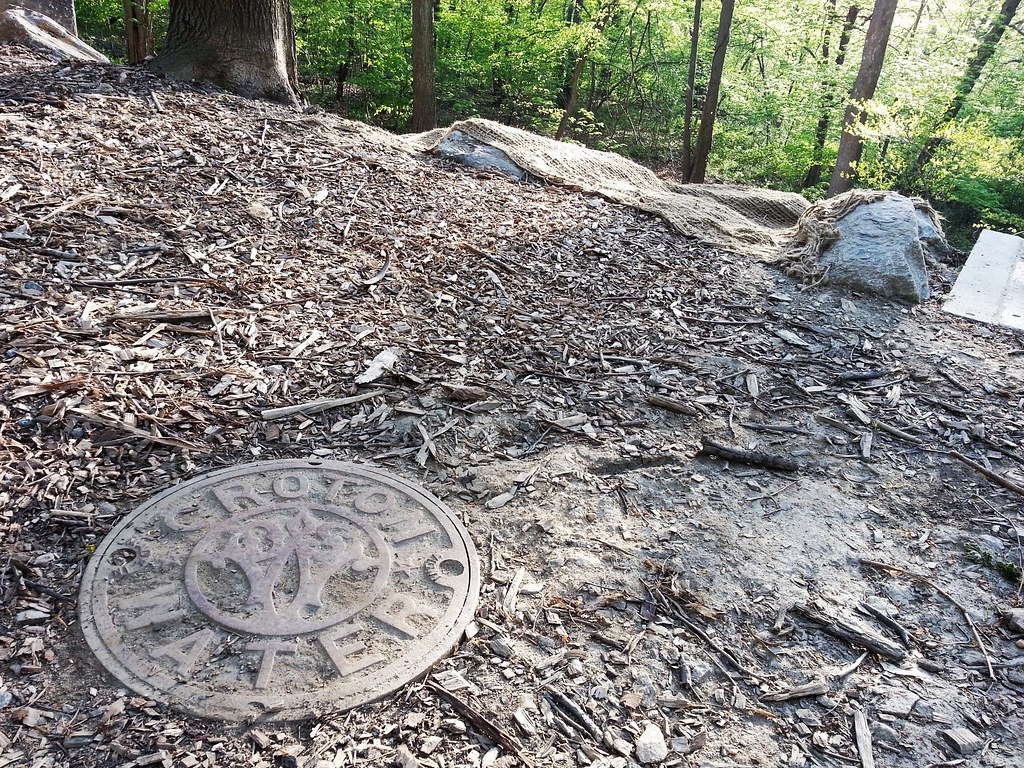
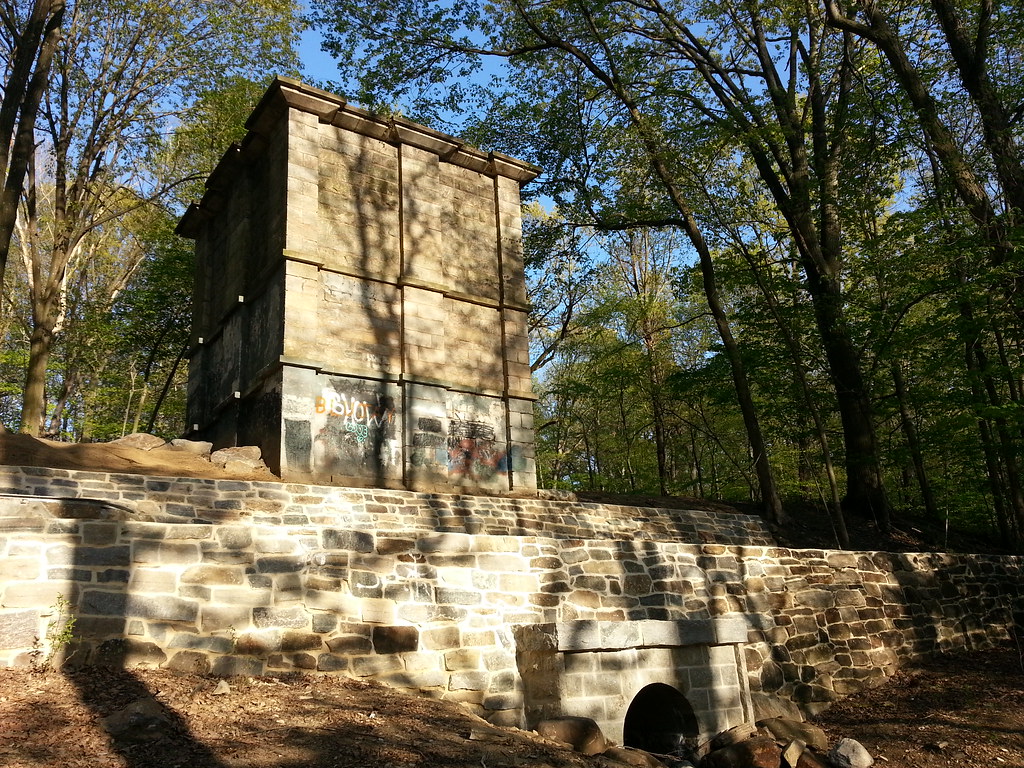
Like the other weirs along the Old Croton, this structure, standing atop both the aqueduct and an intersecting stream,
provided a means of draining a section of the aqueduct tunnel for repairs or in anticipation of water overflow. The weirs were located near streams so the excess water could be diverted to them. The weirs also had openings at the top of the weir structure, hence providing a source of ventilation for the water and to help regulate the water flow through the tunnel.
Each waste weir had a sluice gate which diverted excess water out of the tunnel and into a nearby stream.
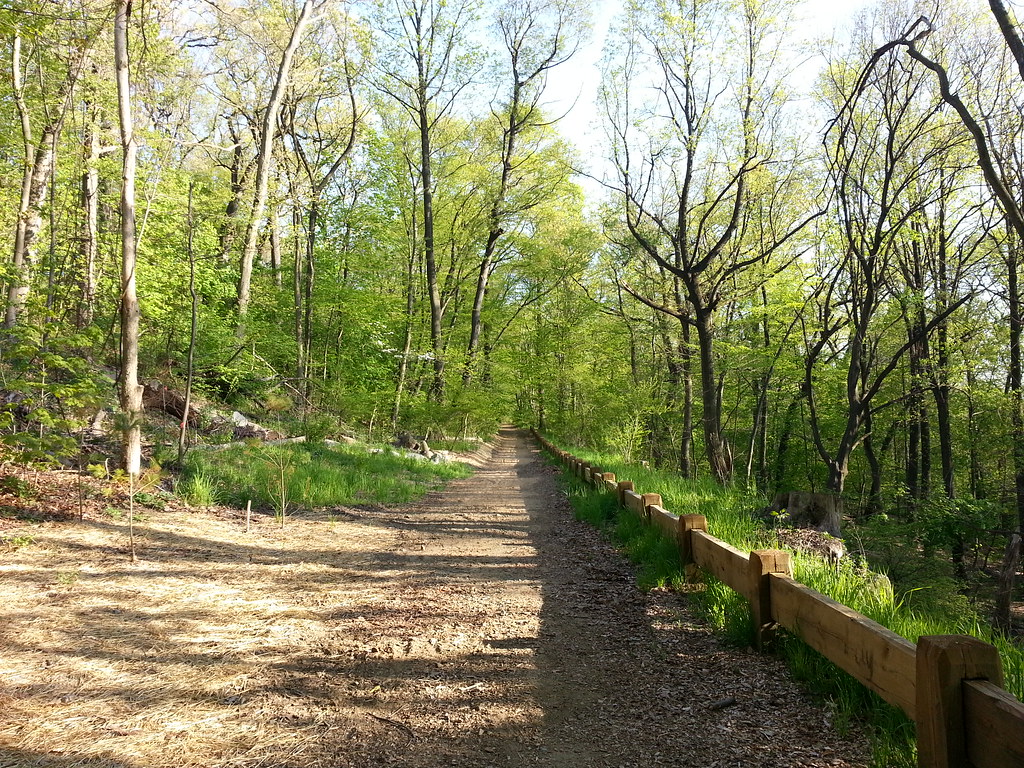
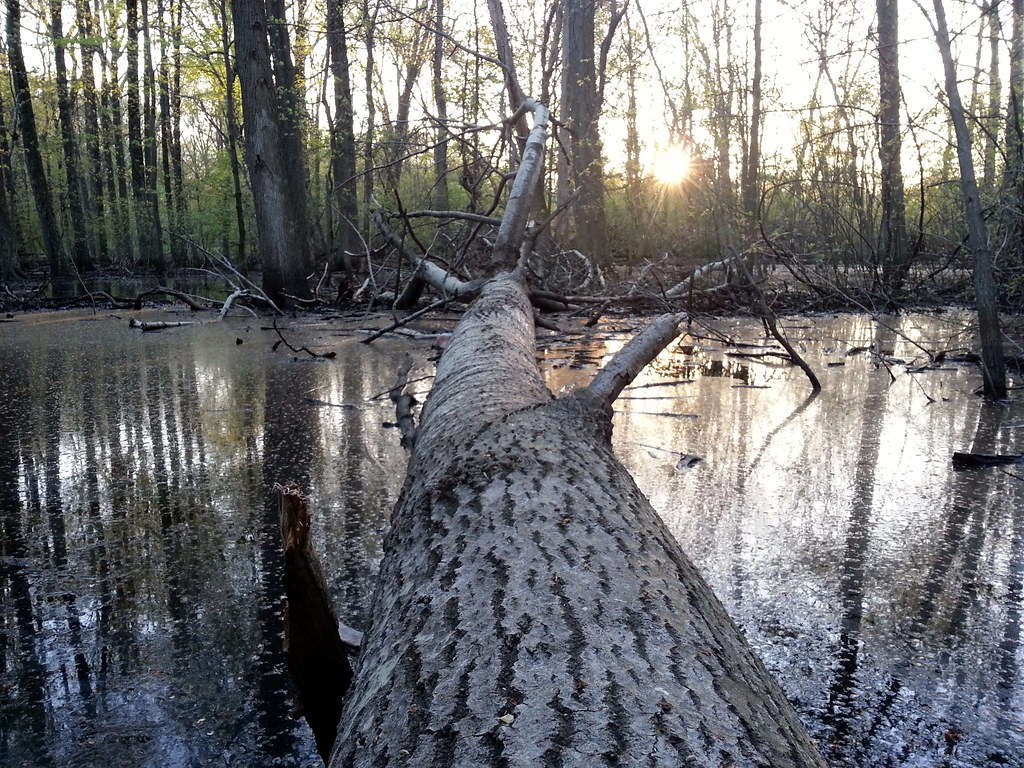
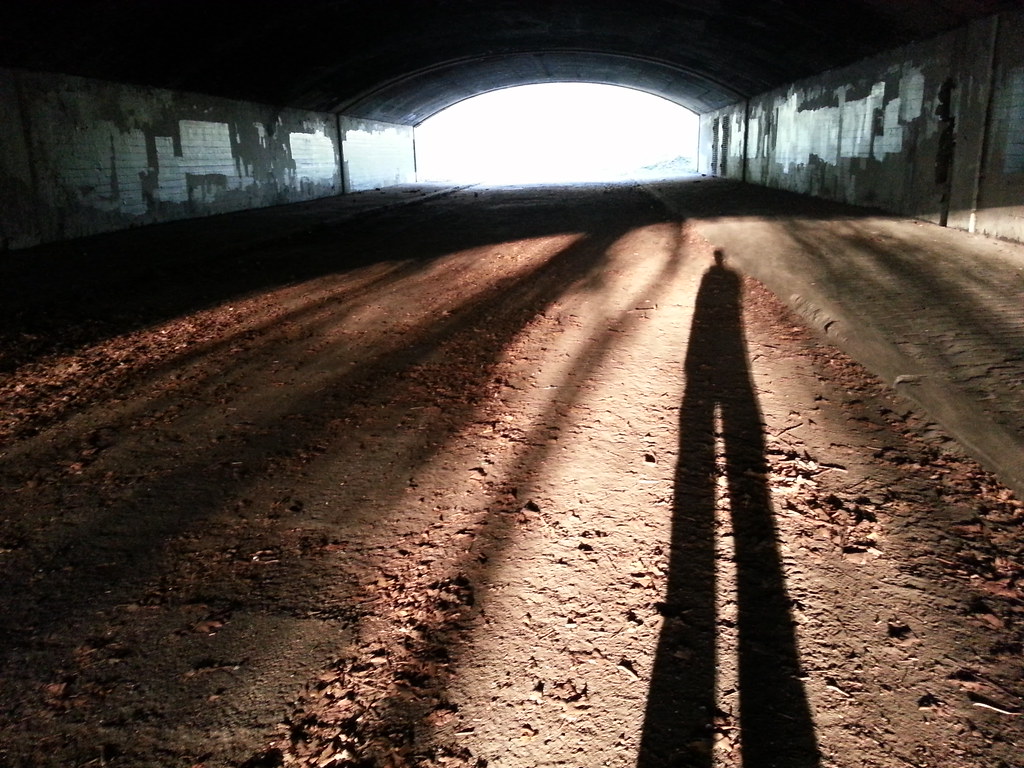
As you might have guessed, this trail follows the route of the Old Croton Aqueduct. This portion inside Van Cortlandt Park is a bit more secluded than the last stretch I walked.
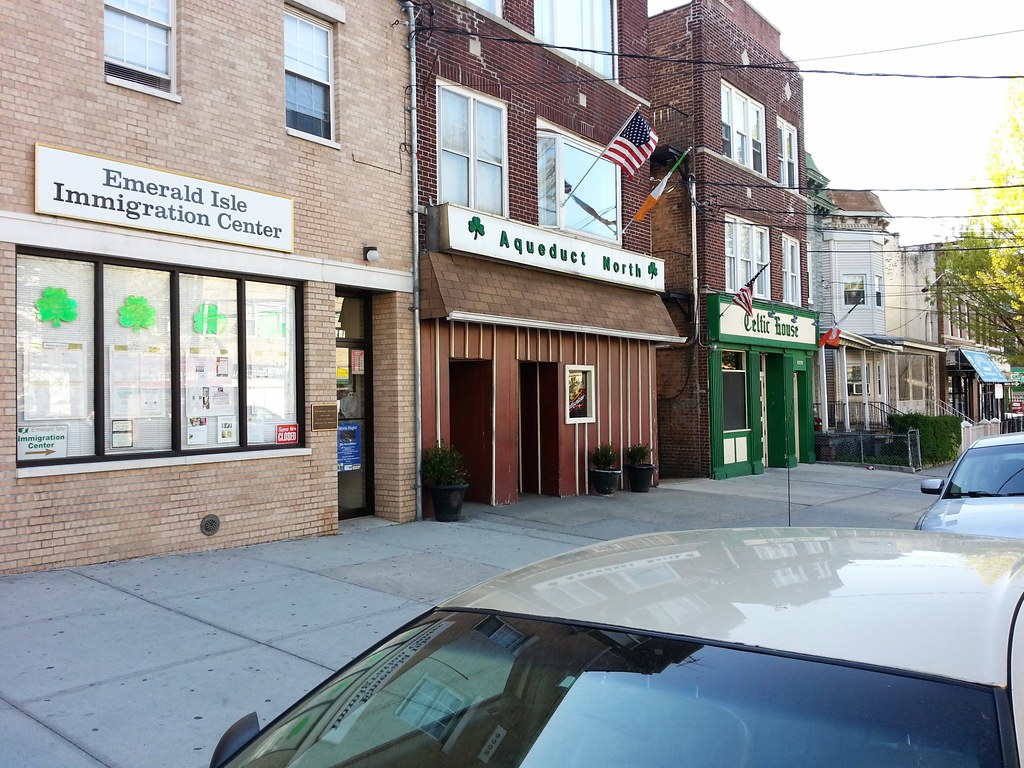
The commercial heart of Woodlawn, where the brogues are plentiful and the pubs are too
I'm walking every street in New York City.
This is the counterpoint to my walk across the US. Instead of seeing a million places for just a minute each, I'm going to spend a million minutes exploring just one place. By the time I finish walking every block of every street in all five boroughs, I'll have traveled more than 8,000 miles on foot — all within a single city. Details!
Email me at matt@imjustwalkin.com
Subscribe to my email list
Maps: Progress | Photos

~9,954 miles walked
Your donations allow me to keep walking full-time. If you think what I'm doing is valuable and you'd like to offer some support, I would be very grateful. On the other hand, if you think I'm a worthless bum, feel free to email me and tell me to get a job, bozo. Both are excellent options!
