
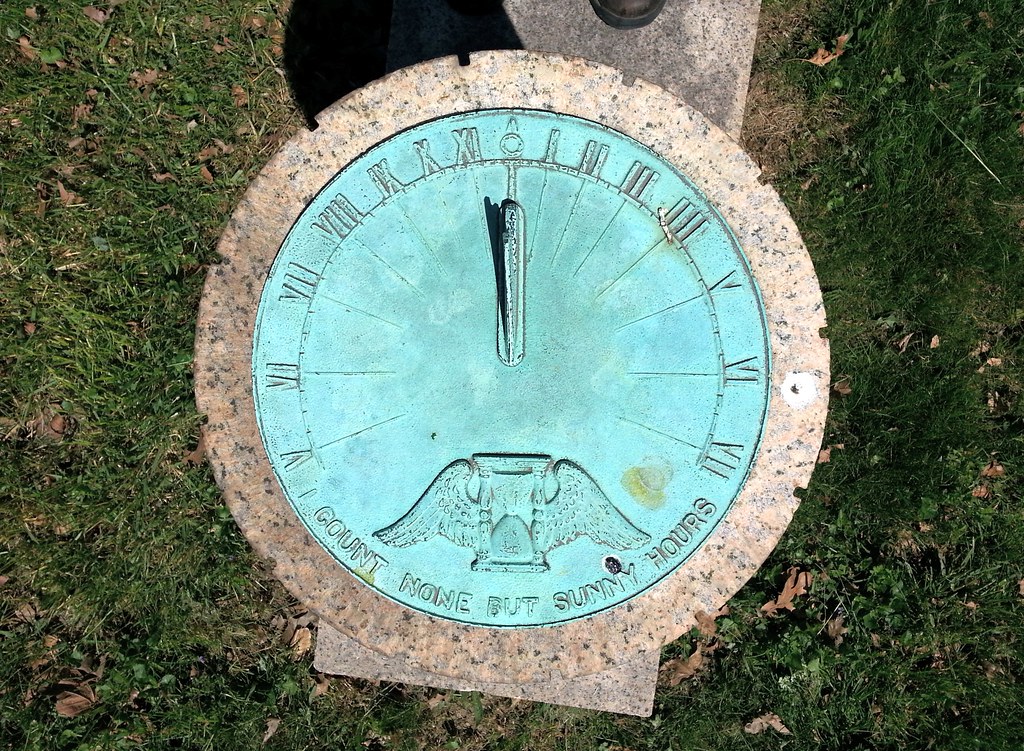
Frances Mary Gillies must have been a very practical woman (so I'm sure she wouldn't have minded that I had to stand on her tombstone to take this photo).
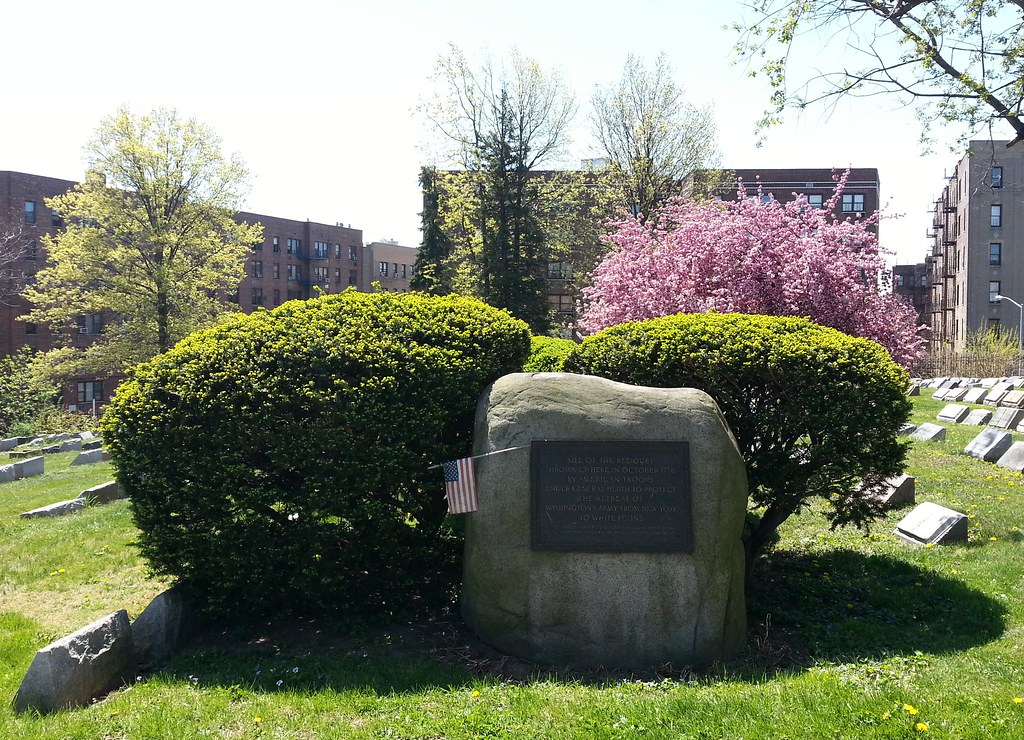
"Site of the redoubt thrown up here in October, 1776 by American troops under General Heath to protect the retreat of Washington's army from New York to White Plains"
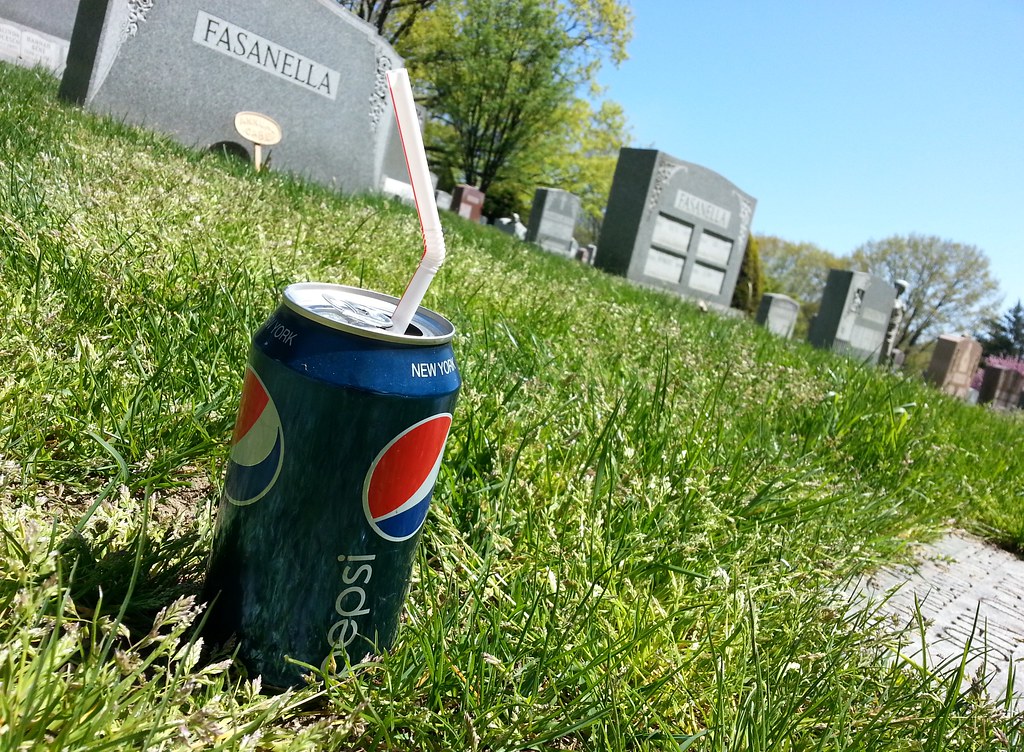
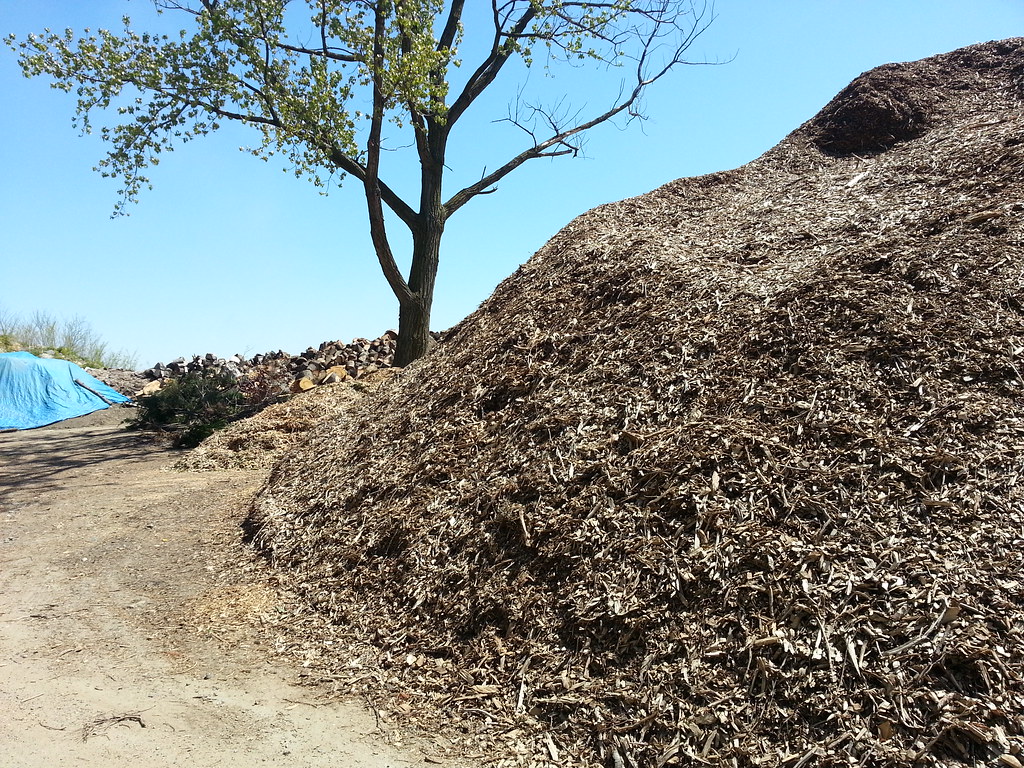
Here at Woodlawn, they're still dealing with the aftermath of Hurricane Sandy. Today I saw a crew taking down yet another tree (or maybe just some of its branches). It sounds like Green-Wood was hit the hardest of all the city's cemeteries, though.
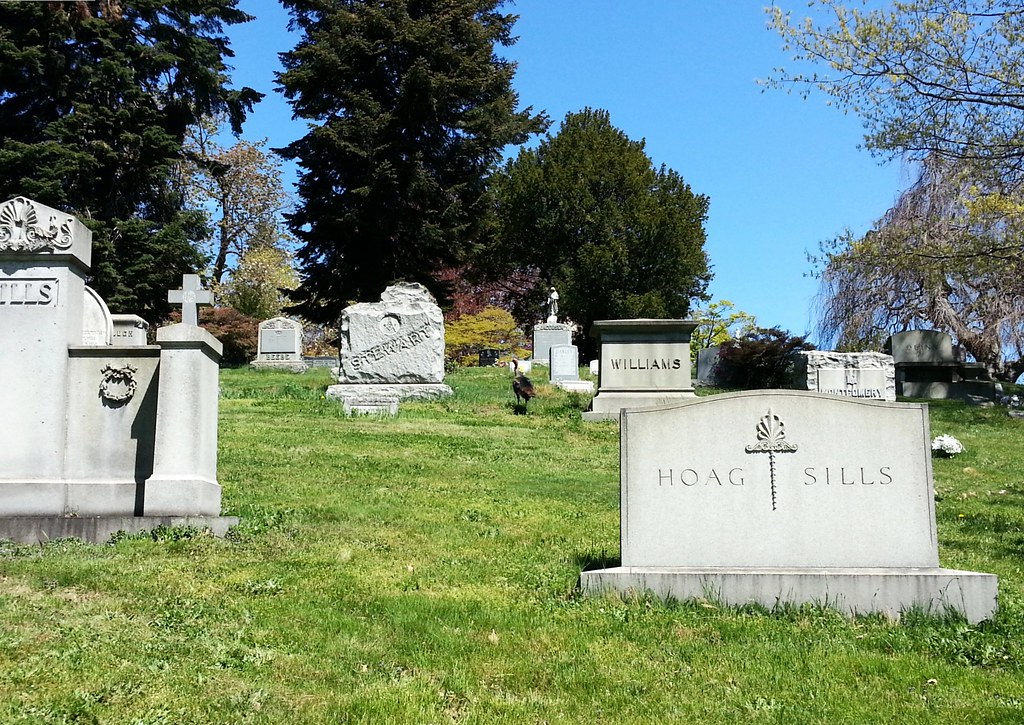
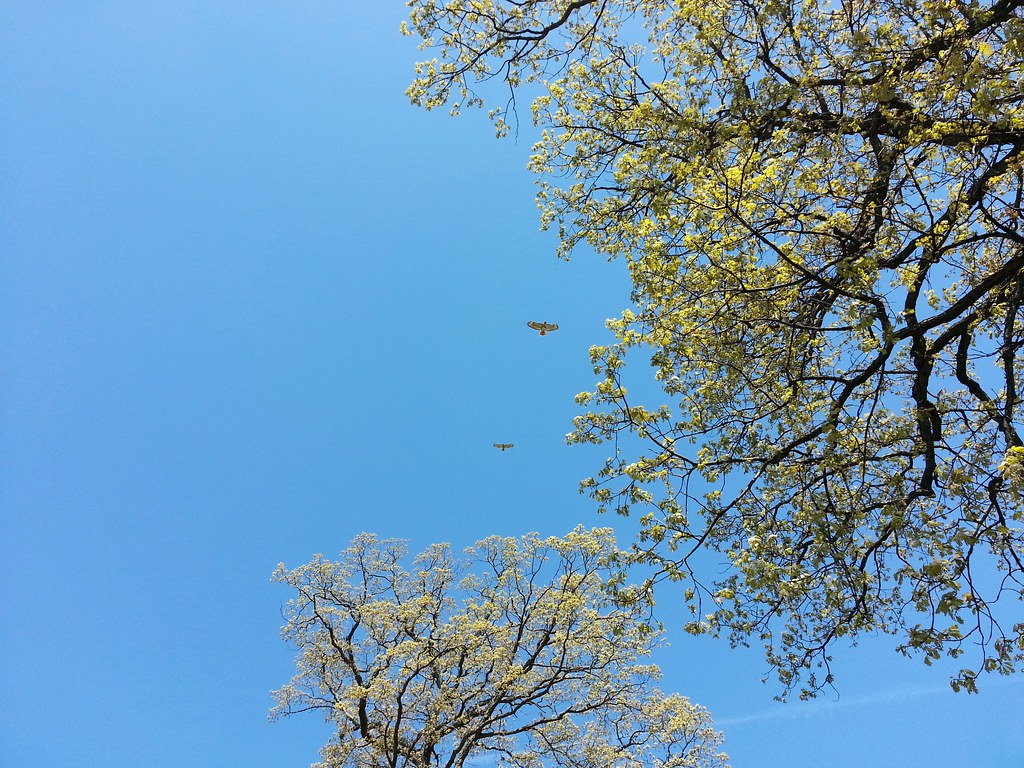
There's a second one there somewhere; it must have been behind a headstone when I snapped this shot.
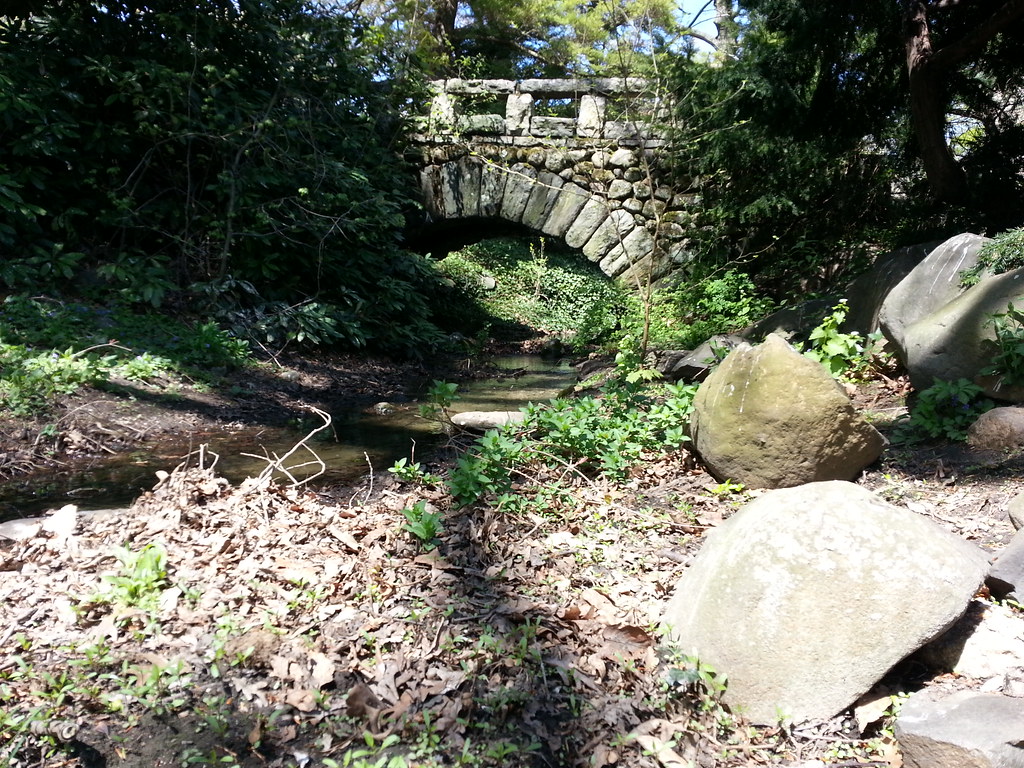
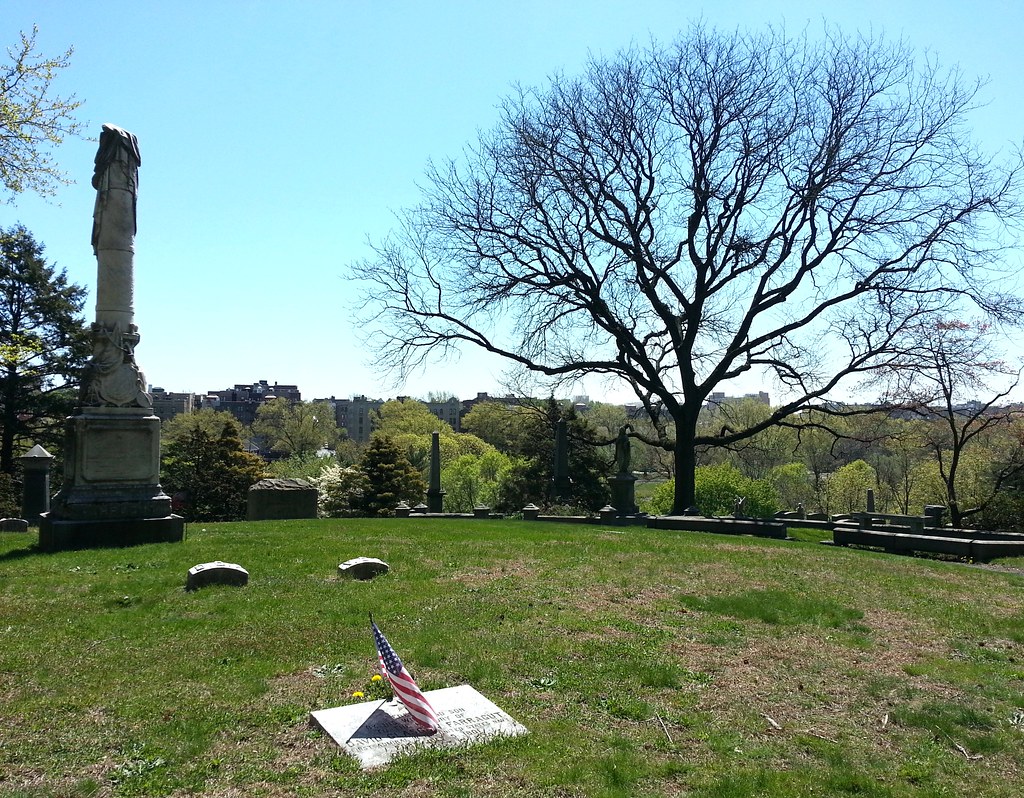
Recently designated a National Historic Landmark (one of 112 in NYC), this is the gravesite of David Farragut, the US Navy's first admiral. (His adoptive brother, David Dixon Porter, was the second.)
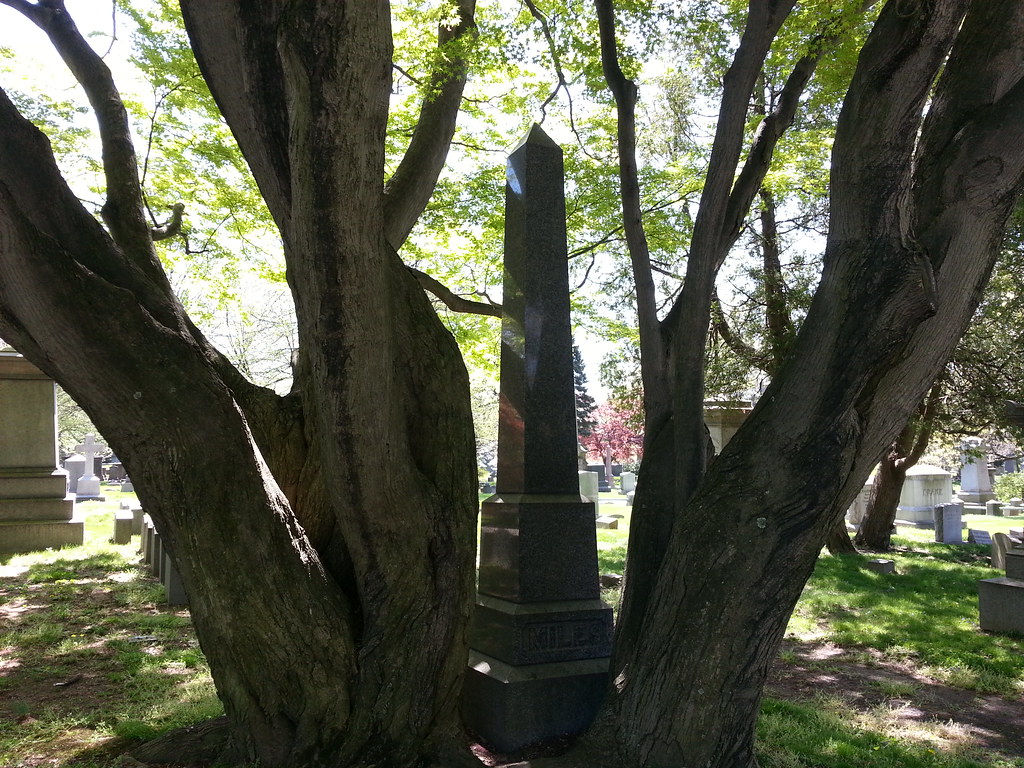
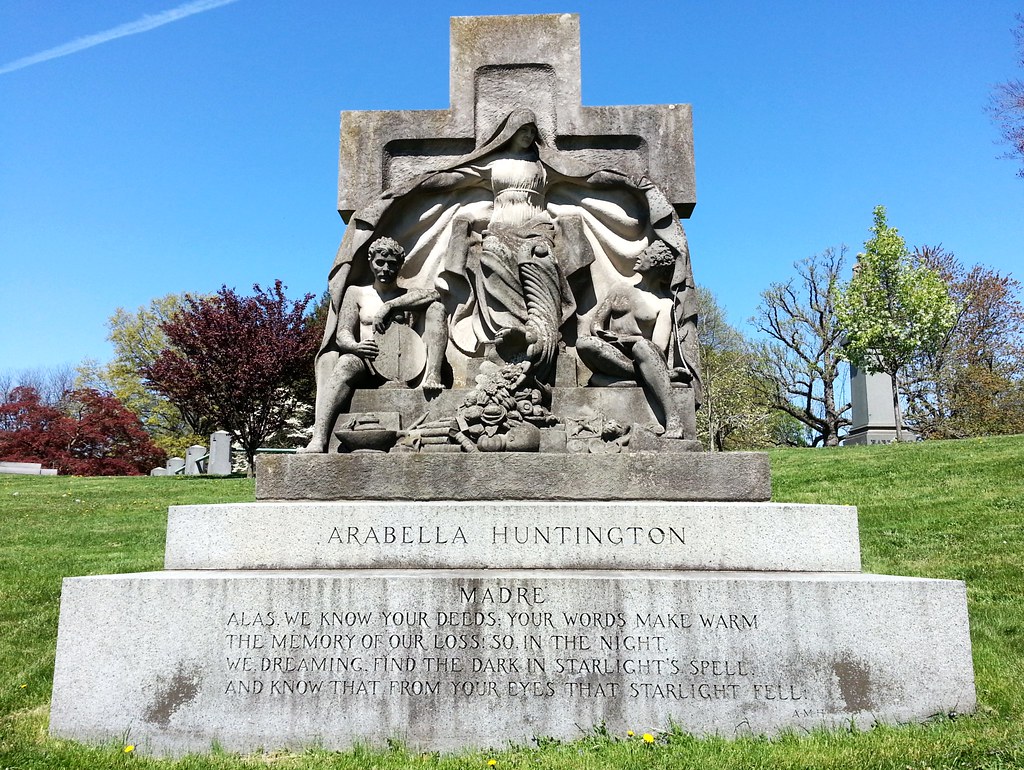
The second wife of Collis P. Huntington (musta been quite a catch), Arabella rose from humble roots in Richmond, Virginia to become "the richest woman in the world" when she inherited a massive chunk of Huntington's fortune upon his death.
She later married her former husband's nephew, Henry E. Huntington, an influential businessman who played an important role in the development of Southern California. Henry and Arabella, under the guidance of a trusted dealer, amassed a tremendous collection of artwork, which they later deeded to the public along with Henry's extensive library and the rest of their estate in San Marino, California, forming the institution now known as the Huntington. Henry and Arabella were buried on the property in a mausoleum designed by John Russell Pope that bears more than a passing resemblance to a later, more well-known creation of his: the Jefferson Memorial. (Arabella's monument here in Woodlawn is merely a cenotaph.)
While researching Mrs. Huntington, I found an NY Times article from 1902 about "an exciting automobile chase" that she was involved in. The "large black machine" in which she was riding blew past a policeman on the streets of Harlem and then
fairly bounded away and it swung at a tremendous pace westward through One Hundred and Twentieth Street into Mount Morris Park West, north along that short, broad thoroughfare to One Hundred and Twenty-fourth Street and on up Fifth Avenue. As it dashed across One Hundred and Twenty-fifth Street it came so near to a collision with a crowded car that spectators held their breath. The course was laid straight up the avenue, but [Officer] Hanley was gradually . . . gaining on the automobile.At a jammed-up 135th Street, Officer Hanley finally caught up to Mrs. Huntington's machine — on his bicycle. He estimated that her driver had been flying up Fifth Avenue at the blazing speed of 17 miles per hour. He dutifully hauled the driver into the station house over Mrs. Huntington's protestations, but she was able to bail him out immediately and continue on her way to her country house in the Bronx.
(Interestingly, Arabella wasn't the only member of the Huntington family to be written up in the Times that year for traveling in a speeding automobile. See "Prince Hatzfeldt Fined For Motor Scorching". Spoiler alert: 30 miles an hour!)
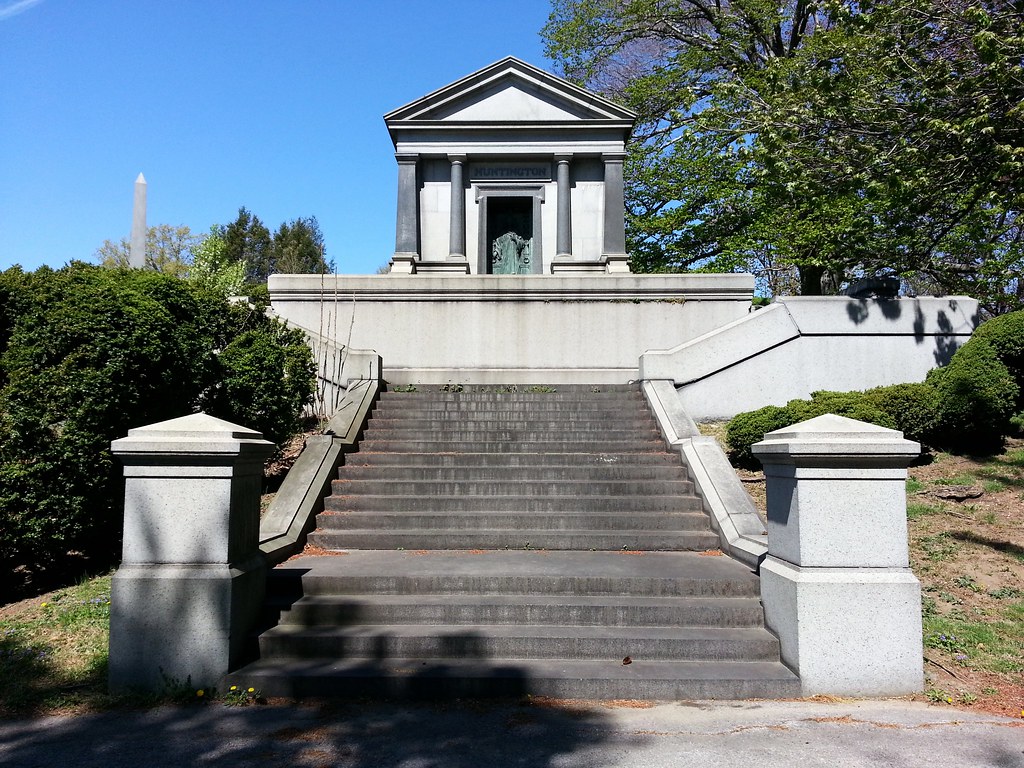
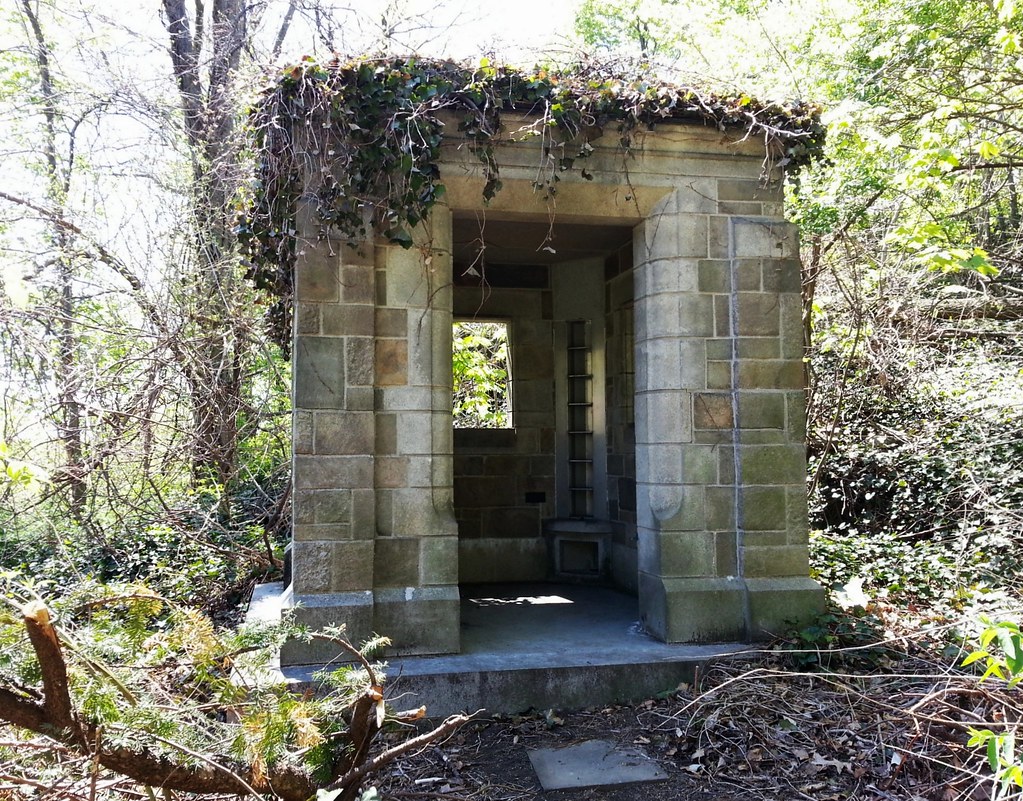
of Collis P. Huntington, the powerful 19th-century railroad magnate (and, as we recently learned, primary benefactor of the Huntington Free Library). About Mr. Huntington's relentless pursuit of his goals, his biographer wrote:
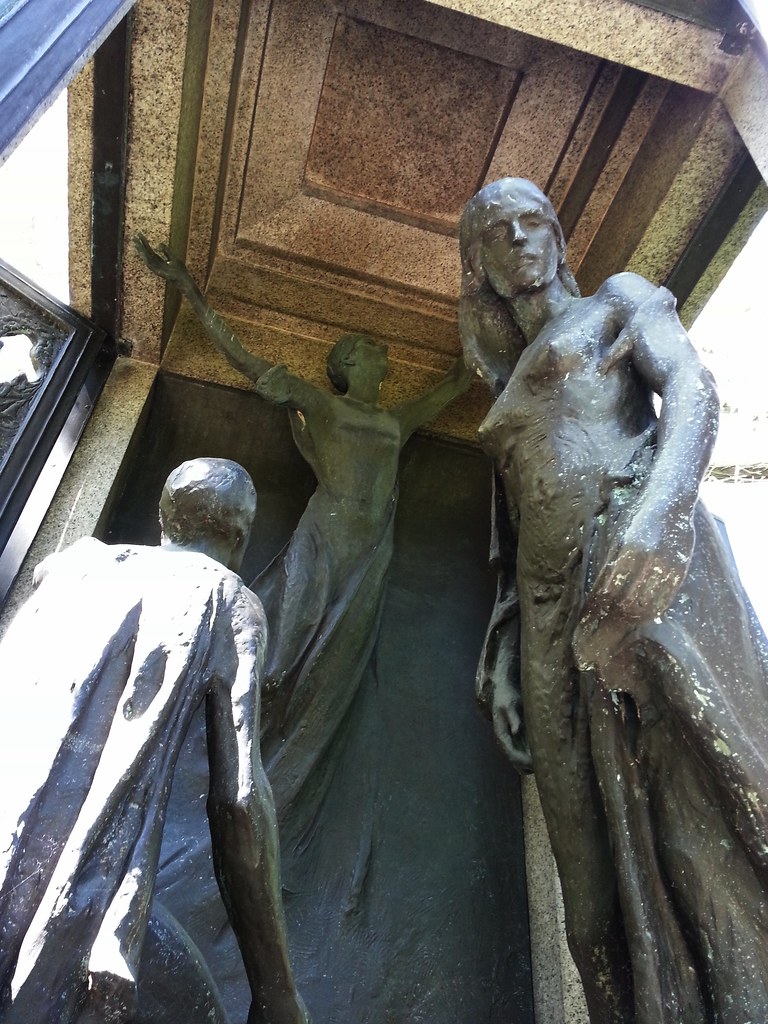
He was that kind of fighter, a slugger lacking in what might be called peripheral moral vision. He saw only what was necessary for success. Huntington did not see qualifying ifs, ands, or buts . . . In the milieu of cutthroat competition, he was unyielding, tireless, ruthless and fertile of stratagems.(Here's a closer look at that intriguing door.)

I'm walking every street in New York City.
This is the counterpoint to my walk across the US. Instead of seeing a million places for just a minute each, I'm going to spend a million minutes exploring just one place. By the time I finish walking every block of every street in all five boroughs, I'll have traveled more than 8,000 miles on foot — all within a single city. Details!
Email me at matt@imjustwalkin.com
Subscribe to my email list
Maps: Progress | Photos

Your donations allow me to keep walking full-time. If you think what I'm doing is valuable and you'd like to offer some support, I would be very grateful. On the other hand, if you think I'm a worthless bum, feel free to email me and tell me to get a job, bozo. Both are excellent options!
