
"I told you Palden Thondup Namgyal, Chogyal of Sikkim, visited the '64-'65 World's Fair!"
(This column is located in Flushing Meadows-Corona Park, at the former New Amsterdam Gate entrance to the '64-'65 Fair.)


This spacious trunk line is being installed beneath 126th Street, the dividing line between Willets Point and Citi Field. According to one of the workers, the rest of the Iron Triangle will remain sewerless, presumably until the auto repair shops are leveled to make way for New York's "next great neighborhood", when and if that ever happens.

Out on the walkway in front of Citi Field, amid a swarm of thousands of personalized bricks, sit a dozen or so granite plaques (hopefully all correct by this point) memorializing notable events in Mets history. The one pictured recalls a game between the Mets and the Cubs that took place during the heat of the 1969 pennant race. The first-place Cubs had faltered late in the season, and had watched their mid-August nine-game division lead dwindle to a mere game-and-a-half advantage over the red-hot Mets by September 9. As an editor at The Week magazine remembers it:
On the afternoon of Sept. 9, 1969, during a crucial game between the Chicago Cubs and the New York Mets, a black cat appeared on the field at Shea Stadium. From my seat in the upper deck, I watched the mysterious cat circle Cubs third baseman Ron Santo, awaiting his turn at bat. As 56,000 people began to point and cheer, the cat padded directly up to the Cubs' dugout steps. There it stopped, and seemed to fix its gaze on manager Leo Durocher. A roar of exultation filled the stadium. The game stopped, as the players all stopped to look at the black cat looking at Leo. It was just a cat, of course, but after that none of us doubted that the first-place Cubs were doomed. The Mets beat the poor cursed Cubbies that day, and the next. The Cubs fell out of first place for good, as the Mets, with fairy dust on their spikes, went on to win the World Series.

The skeleton of an A-frame shelter stands in the woods around Flushing Airport.

One of many ornamental pieces sprucing up an abandoned homeless campsite at Flushing Airport
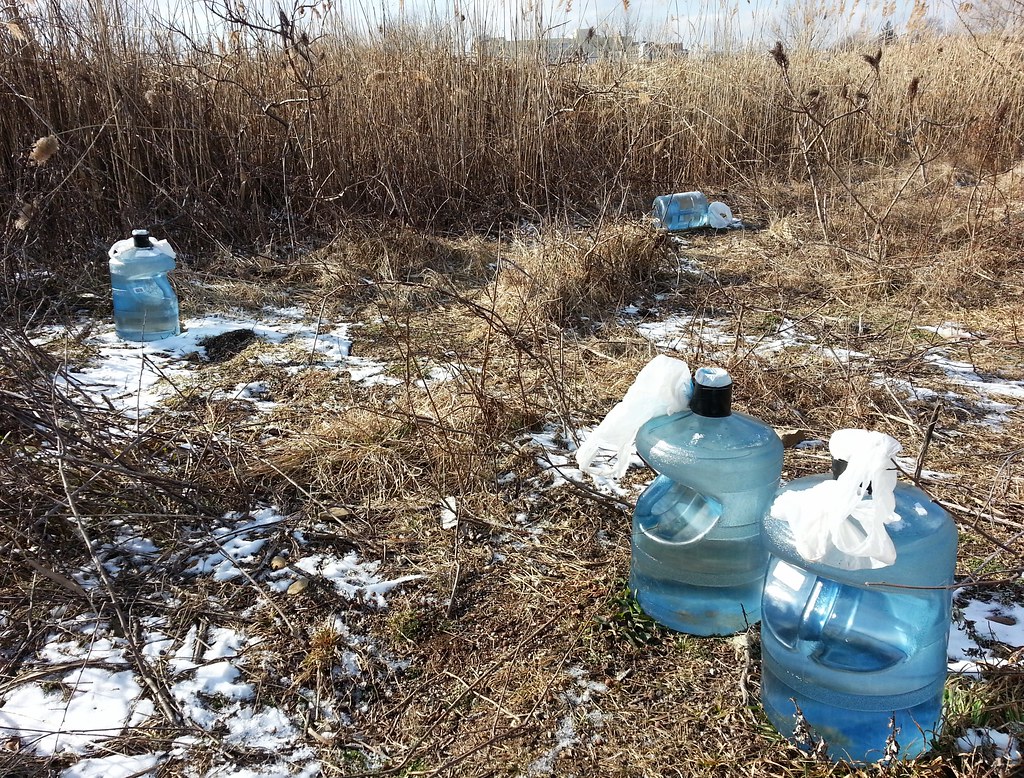
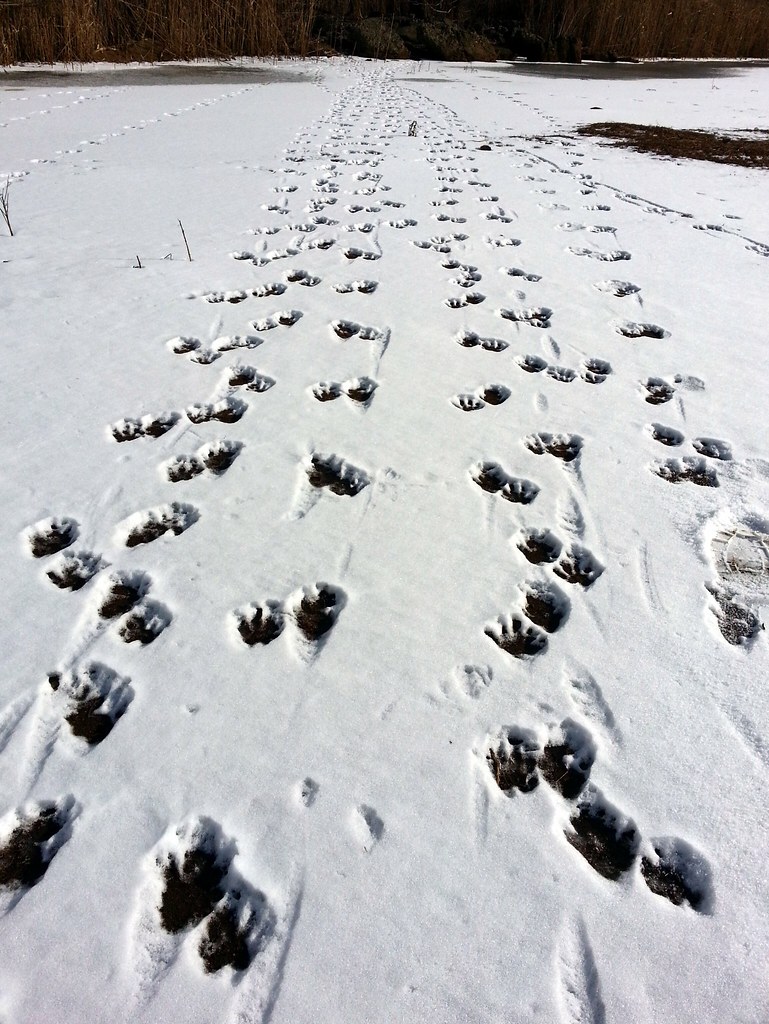
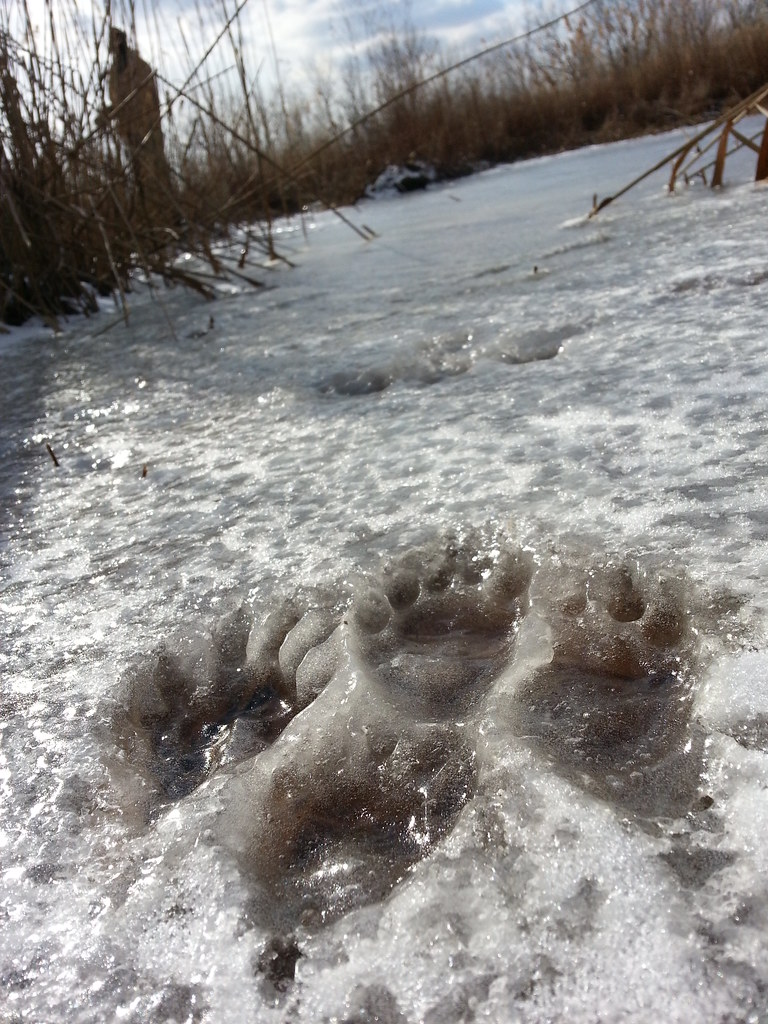
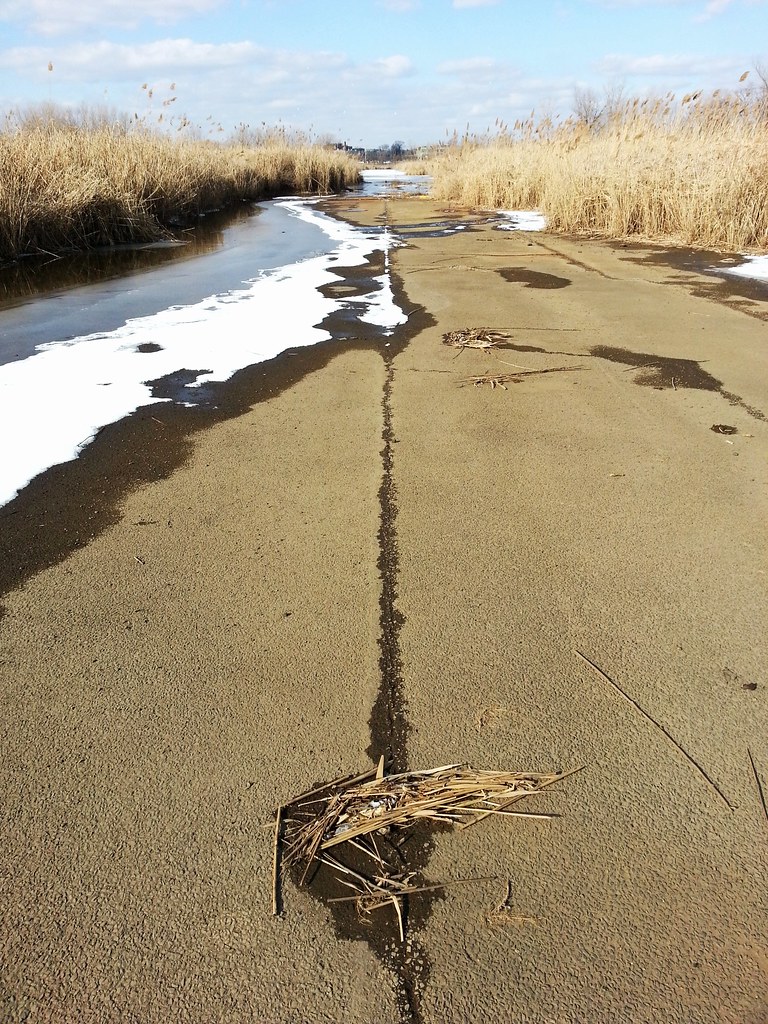
Opened in 1927, this was once a bustling airport in the days before LaGuardia. It later served as a base for blimps and skywriting planes before closing its gates for good in 1984. Many proposals for its reuse have come and gone in the years since, the city's inaction complemented nicely by nature's reclamation of the area as marshland (check out the aerial view). Other than the runway, there are few traces of the airport to be found; the old hangars hung in there for more than two decades, but were finally demolished a few years ago.
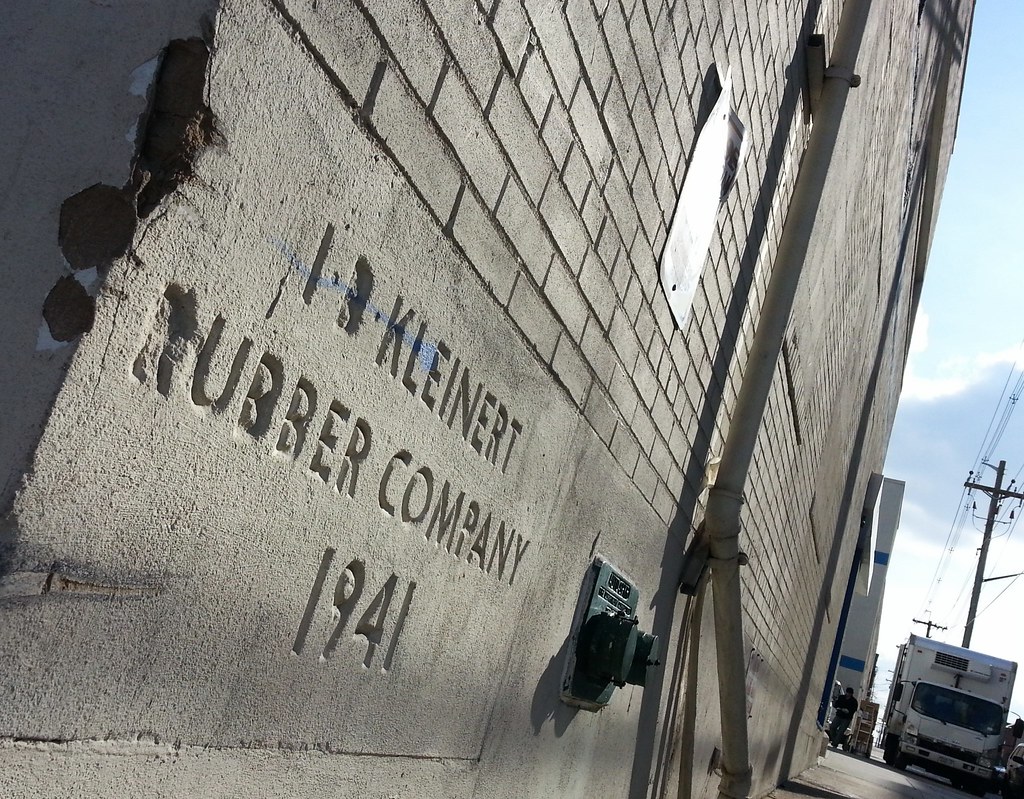
Our old friend Conrad Poppenhusen established a rubber factory in College Point in the 1850s; within a couple of decades, a number of other rubber men had set up shop in town, including Isaak Kleinert, who seems to be mostly remembered for a dress shield he developed. Kleinert's still exists today, now headquartered in Alabama, and bills itself as "the world's authority on sweat protection". I wonder if they've also maintained their position as "makers of America's finest water-proof baby needs".

I'm walking every street in New York City.
This is the counterpoint to my walk across the US. Instead of seeing a million places for just a minute each, I'm going to spend a million minutes exploring just one place. By the time I finish walking every block of every street in all five boroughs, I'll have traveled more than 8,000 miles on foot — all within a single city. Details!
Email me at matt@imjustwalkin.com
Subscribe to my email list
Maps: Progress | Photos

~9,954 miles walked
Your donations allow me to keep walking full-time. If you think what I'm doing is valuable and you'd like to offer some support, I would be very grateful. On the other hand, if you think I'm a worthless bum, feel free to email me and tell me to get a job, bozo. Both are excellent options!
