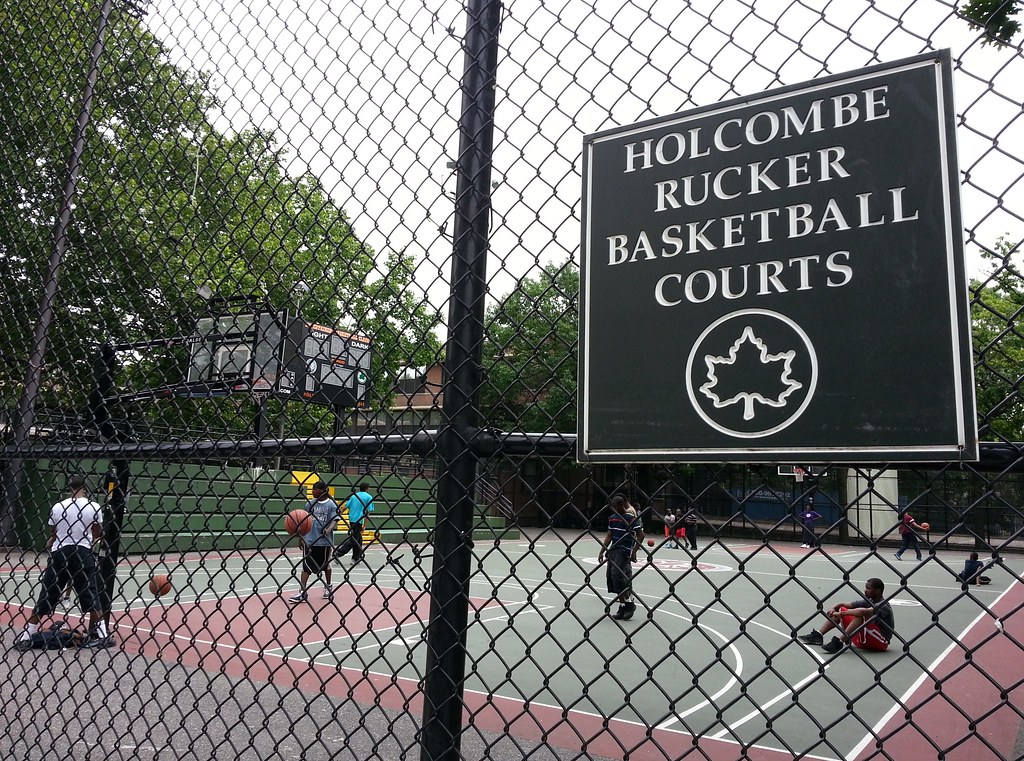

Former site of — you guessed it — the Polo Grounds. Previously seen from above.

I'm almost done walking the Bronx, the home territory of these signs, but, as we now know, they've invaded Harlem as well.
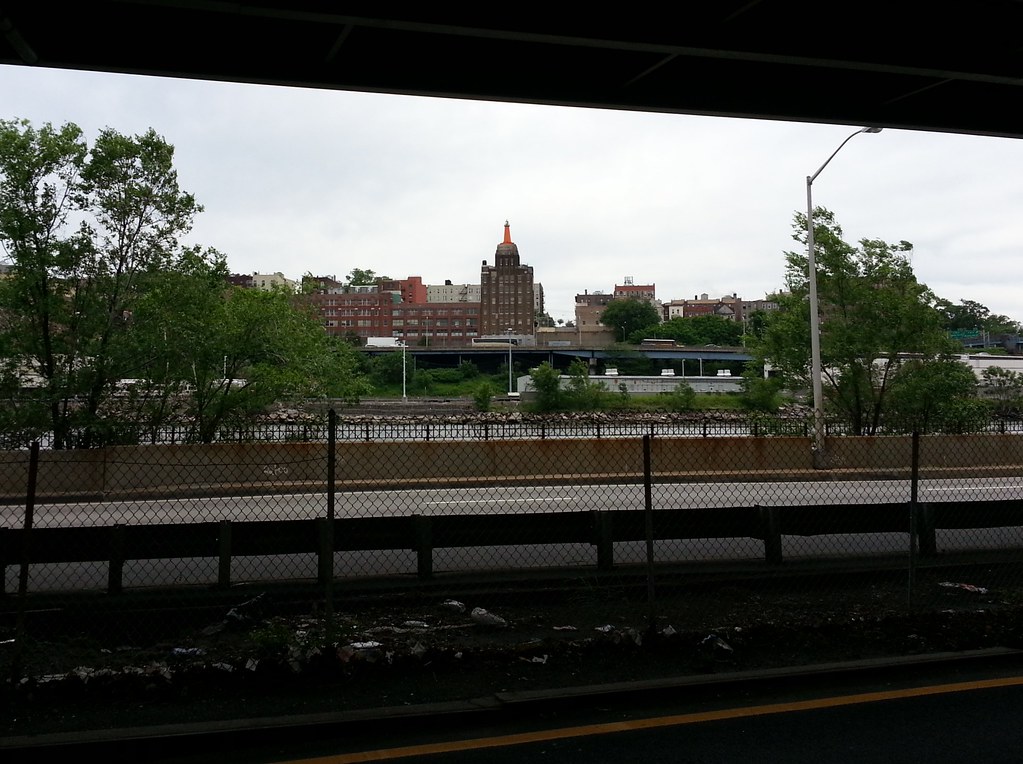
The newly orange beacon of the Bronx, as seen from the Manhattan side of the river

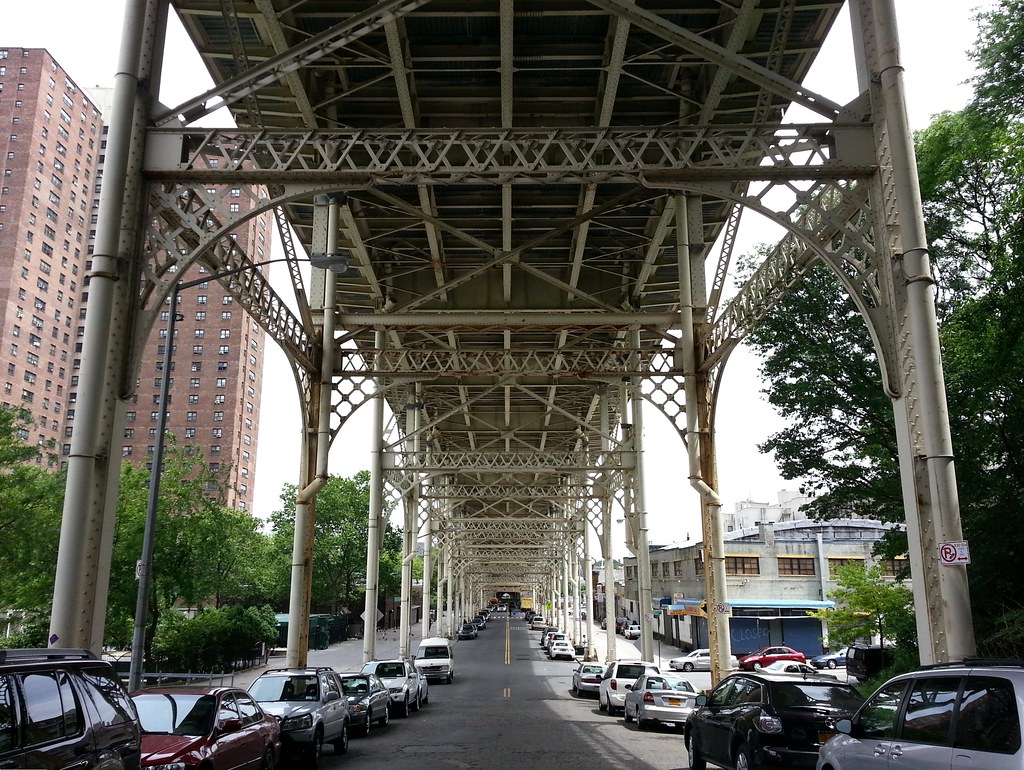
This staircase leads up to the foot of the Macombs Dam Bridge on the Manhattan side of the Harlem River, and its lacy iron railing bears many similarities to the fencing we saw on the bridge not too long ago. The elevated roadway in the background is the 1,600-foot-long 155th Street Viaduct, which connects the bridge to a part of the street grid that sits atop a steep hill, 110 feet above the level of the river.
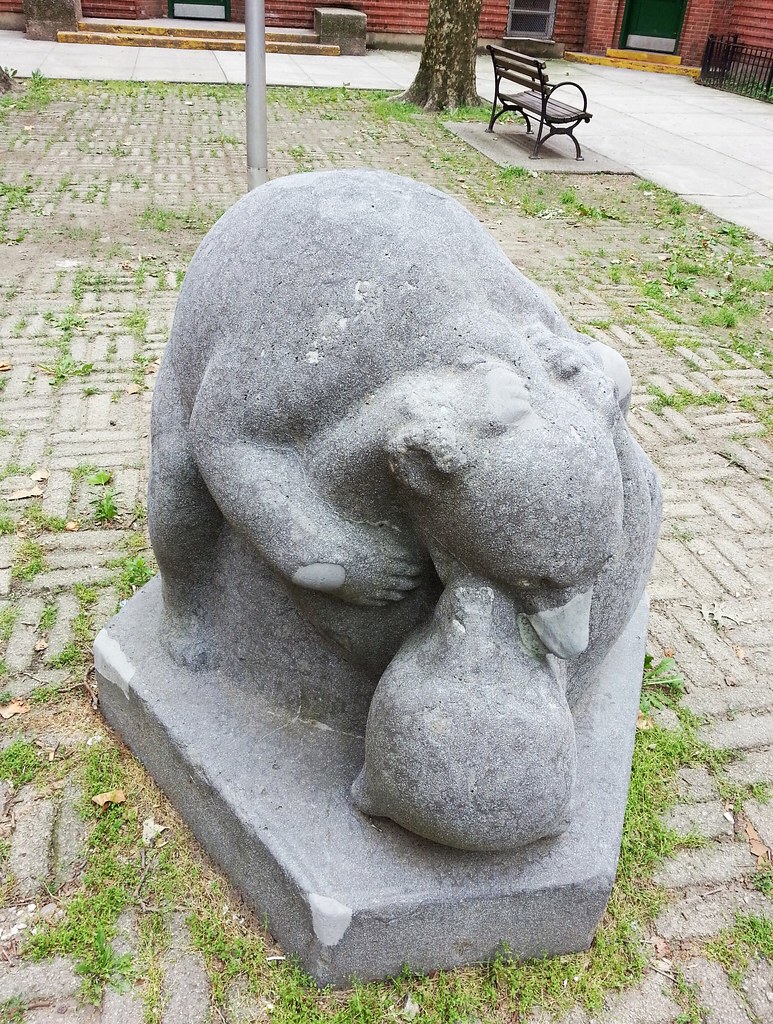
at the landmarked Harlem River Houses, opened in 1937 as New York's first federally subsidized public housing project
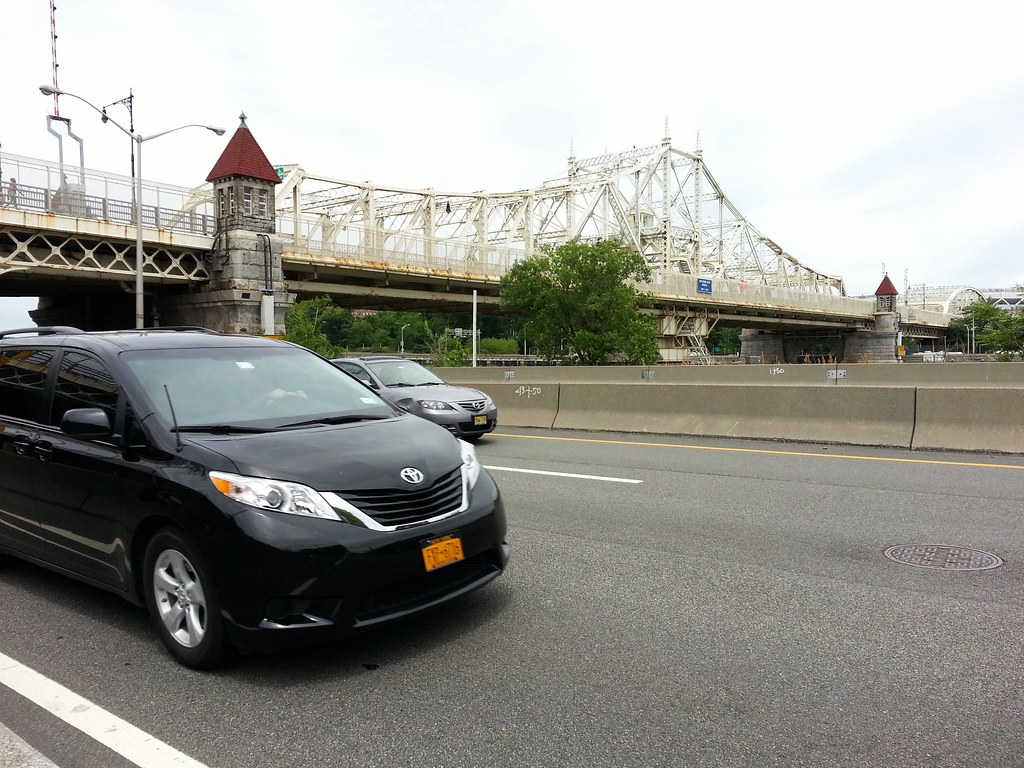
This 1895 span is not the first river crossing built at this location; that distinction belongs to the dam, constructed by Robert Macomb, that Lewis G. Morris and his comrades famously tore a hole through one night in 1838.

You don't say.
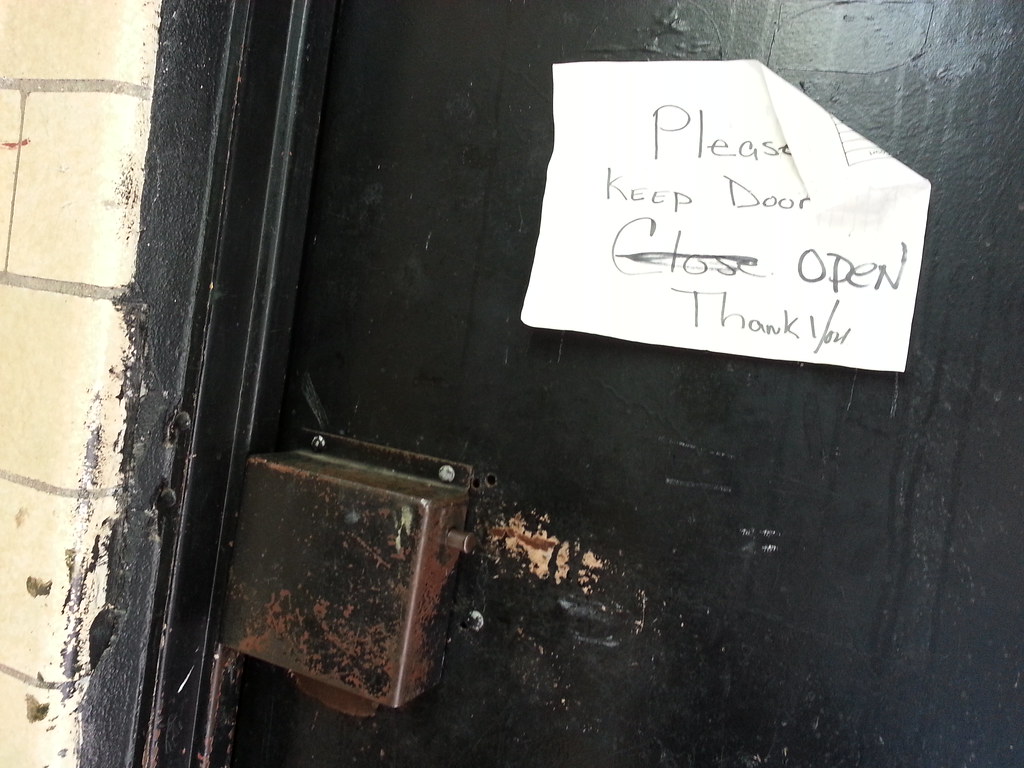
But then again... what's that just to the right of the wall?

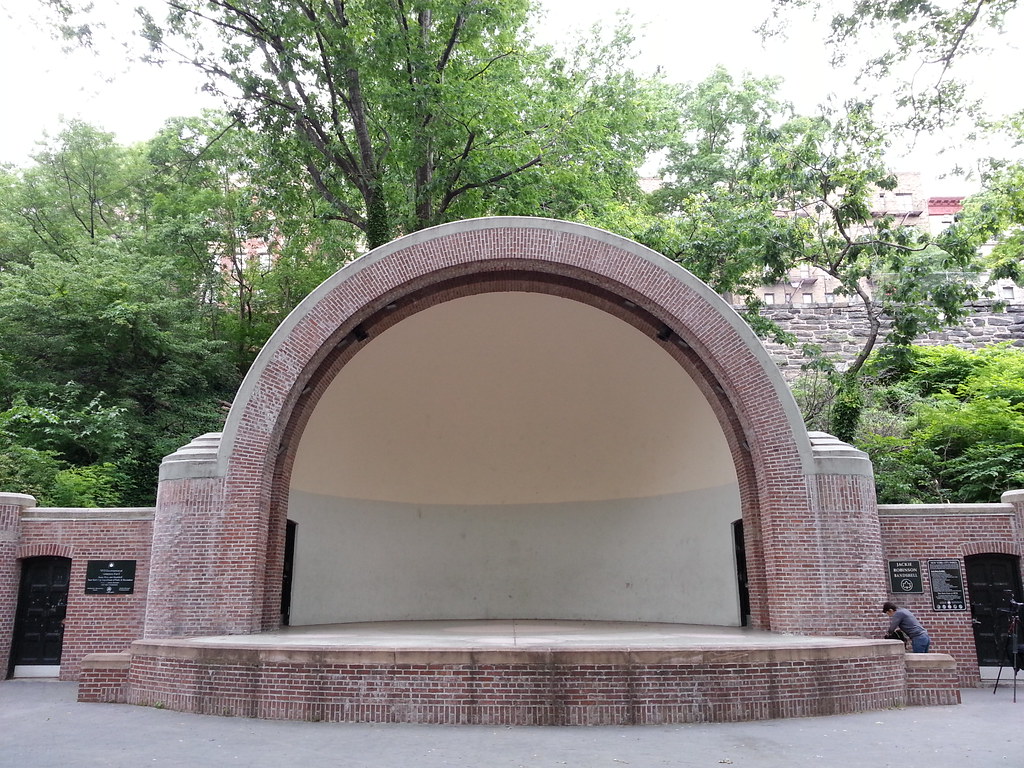
Dating back to the 1930s, this bandshell was just renovated a few years ago.
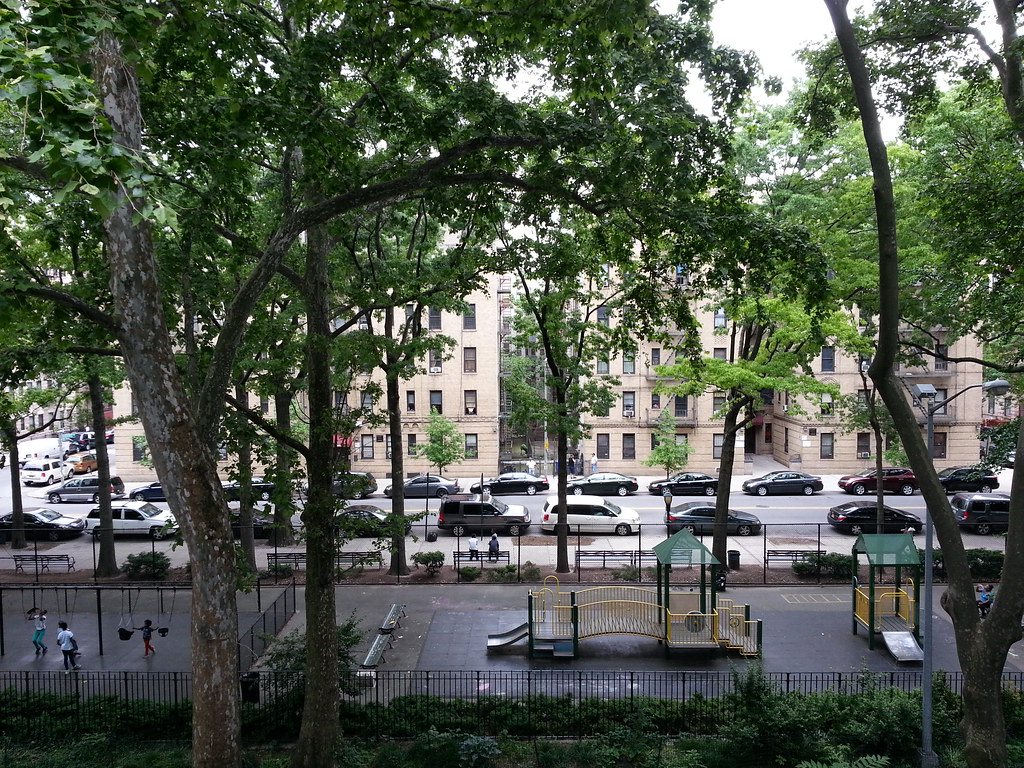


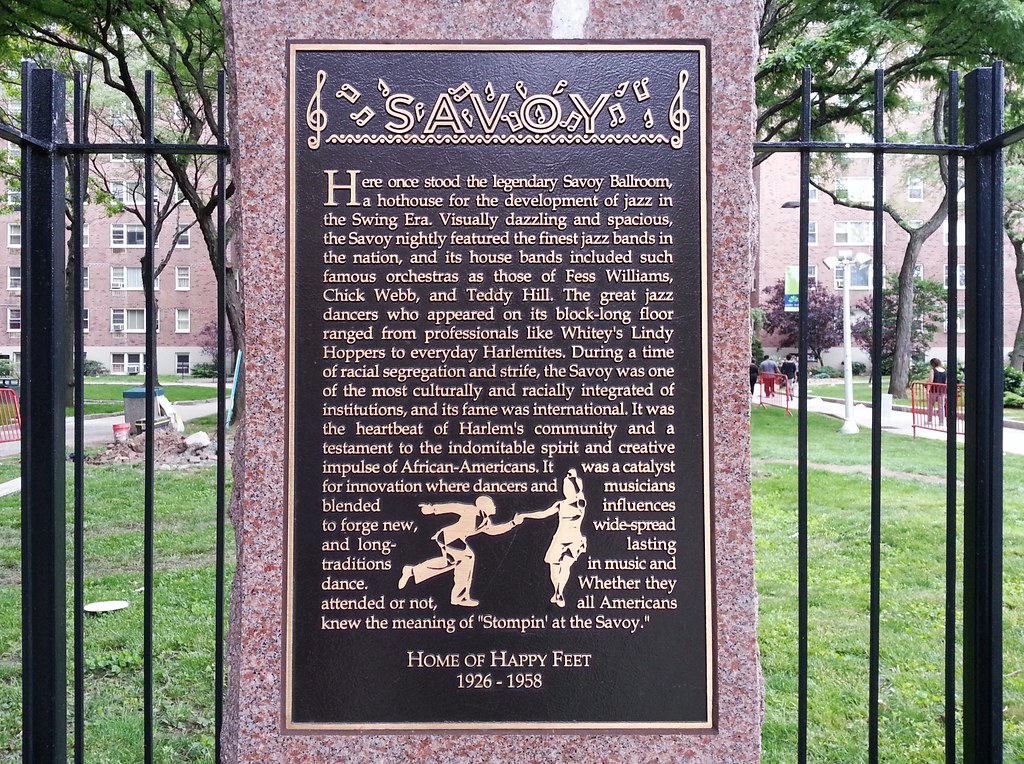
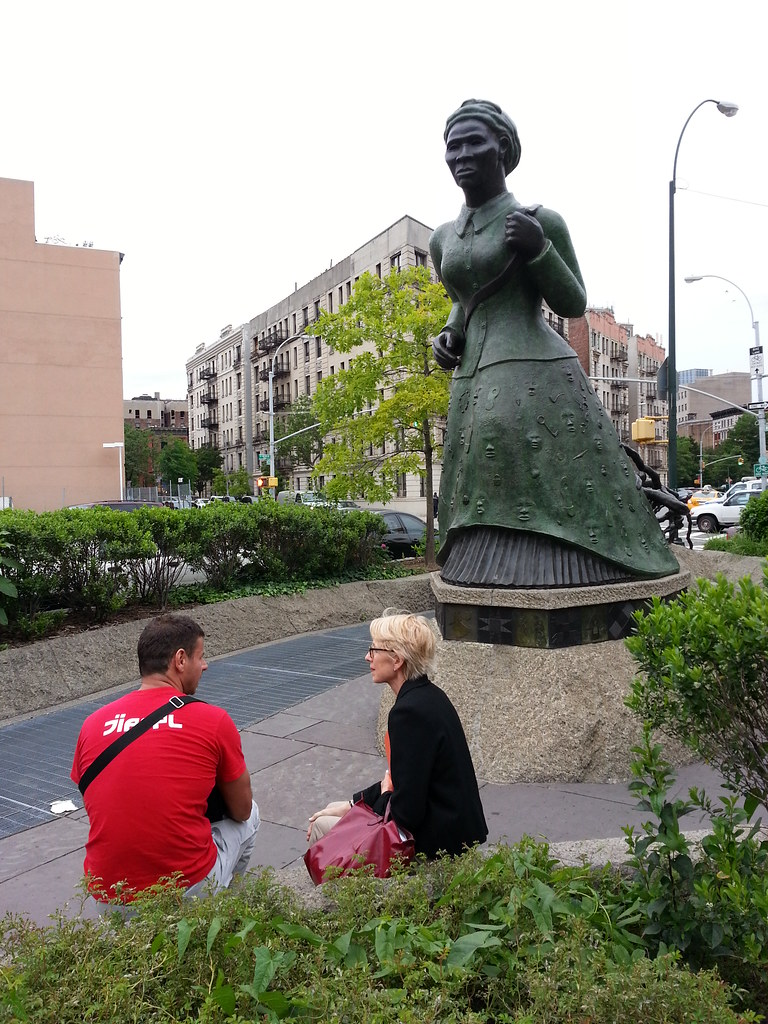
Swing Low: Harriet Tubman Memorial
You can see more detailed photos here.

This was originally the Regent Theater (interior pictures here), designed by the prolific Thomas W. Lamb and opened in 1913 as "one of the first luxurious movie theaters in New York City". The inaugural film shown here was Pandora's Box, starring our friend John Bunny.
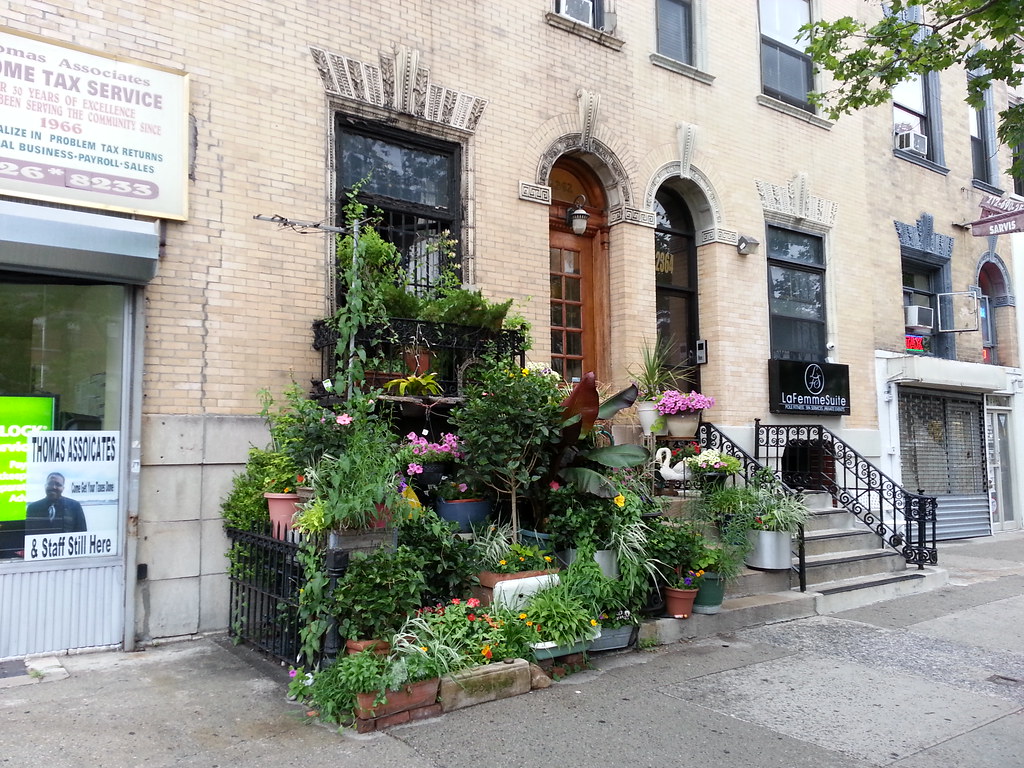


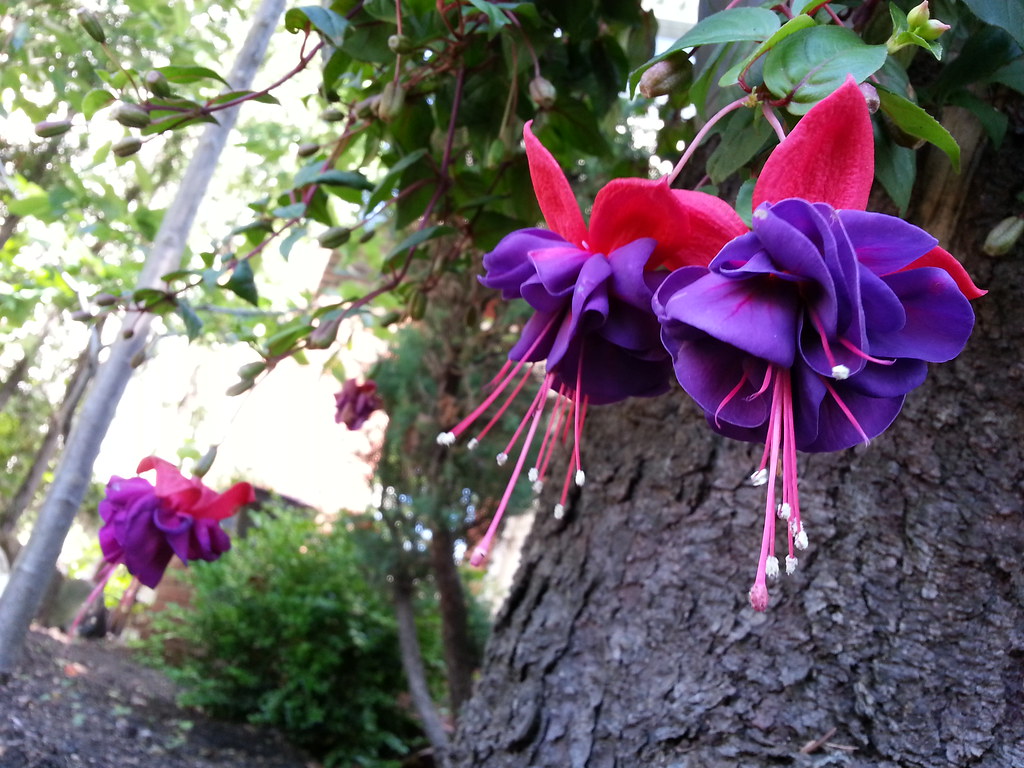
Adding some color to an uncharacteristically overgrown patch of land in tidy Mill Basin
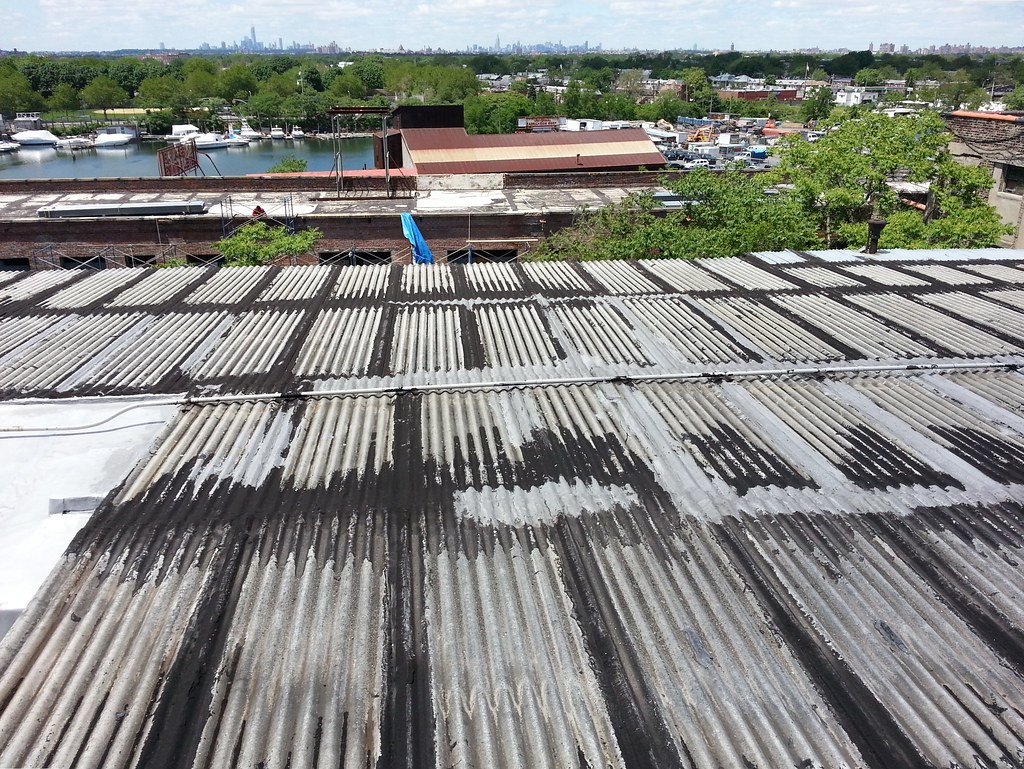
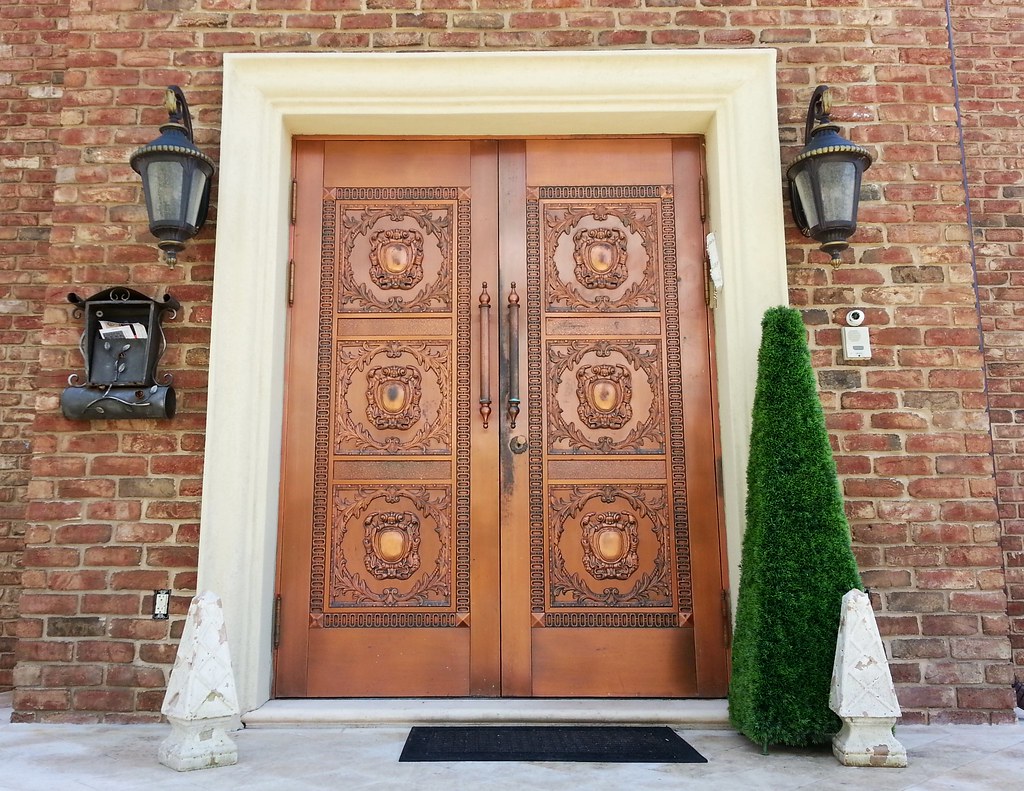


This is the hood ornament of a Soviet-made 1958 Волга ГАЗ-21 (Volga GAZ-21). Here's a shot of the whole car, and here's one of the dashboard (note the Cyrillic characters).
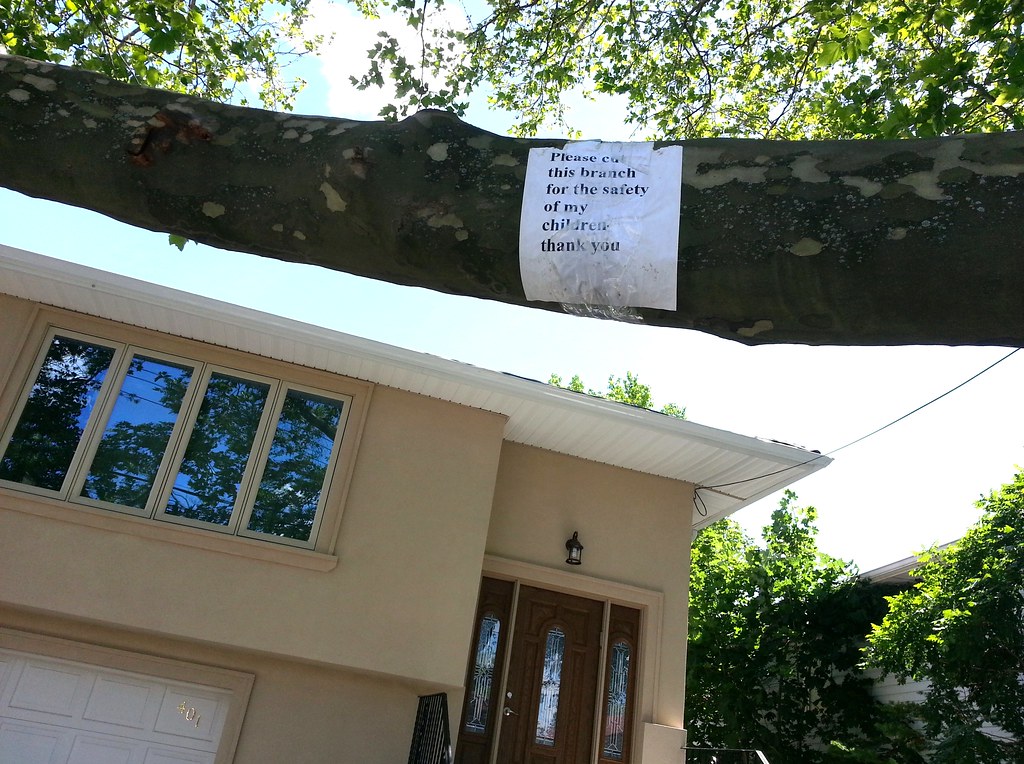

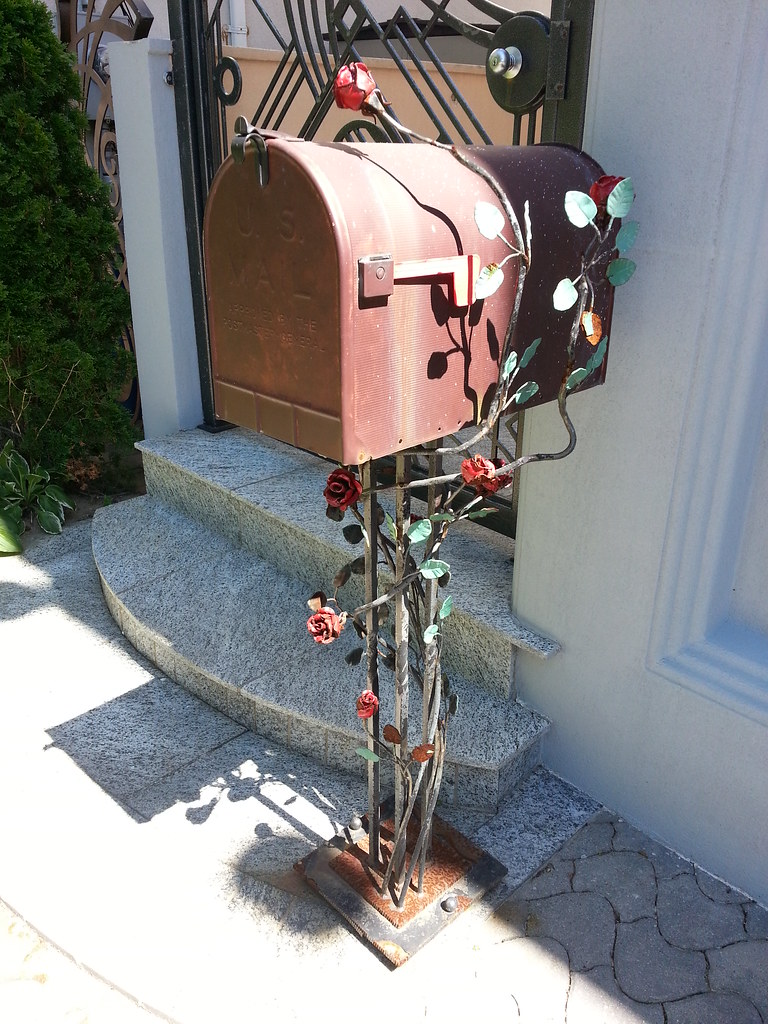


This 7,000-square-foot monstrosity, with its "cruise-ship-meets-mob-mansion" aesthetic, was built by Anthony "Gaspipe" Casso, a former underboss of the Lucchese crime family. (Casso subsequently had the house's architect murdered, fearing the man knew too much about his illegal activities.)
The Turano family (a mother and her two gynecologist sons) later took up residence here, purchasing and extensively renovating the house (hey, somebody had to repair the holes punched in the walls by FBI agents looking for bodies) with a boatload of dirty money from their intimate companion Carl Kruger, a currently imprisoned former state senator who spent much of his time with them here in "the most unconventional of domestic arrangements — at once public and opaque, widely whispered about and poorly understood."

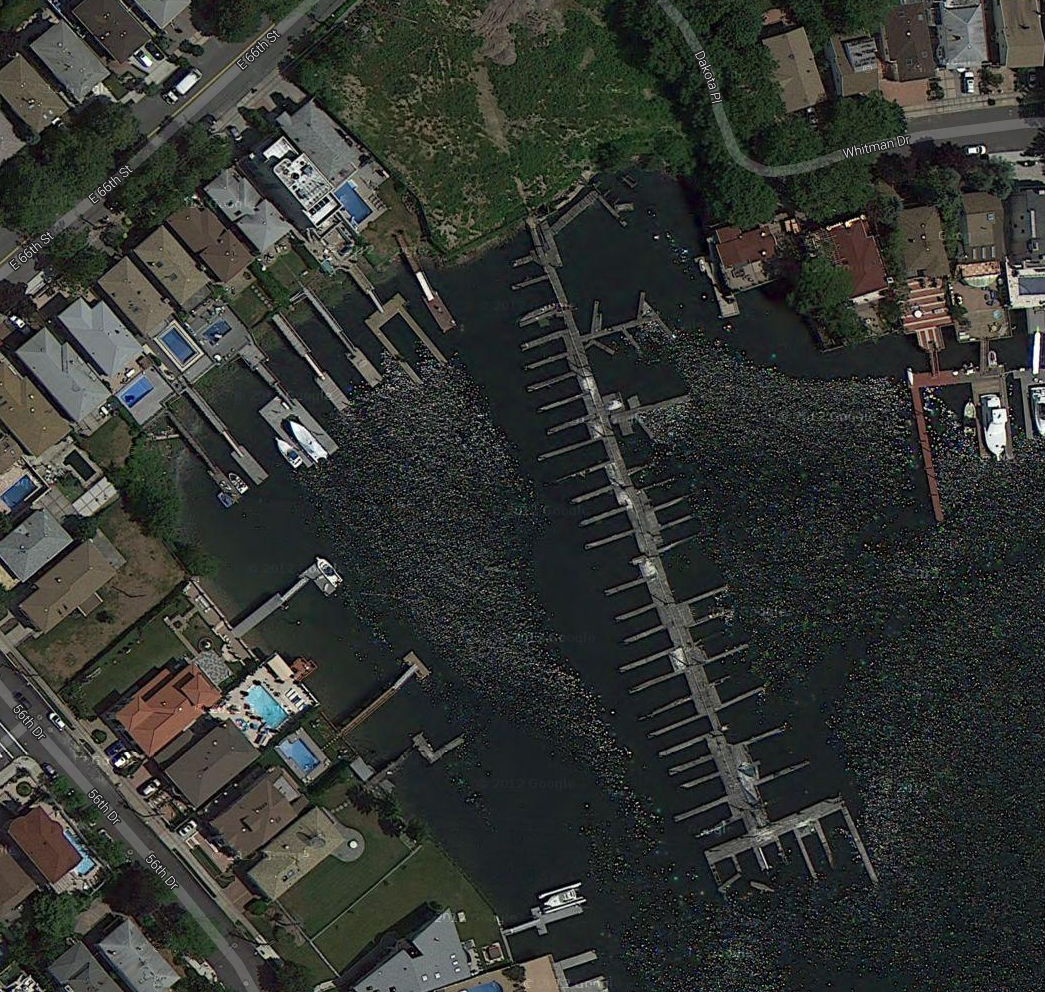
This is the street entrance to the walled-off waterfront patio at the Gaspipe-Turano-Kruger house. You can see an aerial image of the house and patio here.
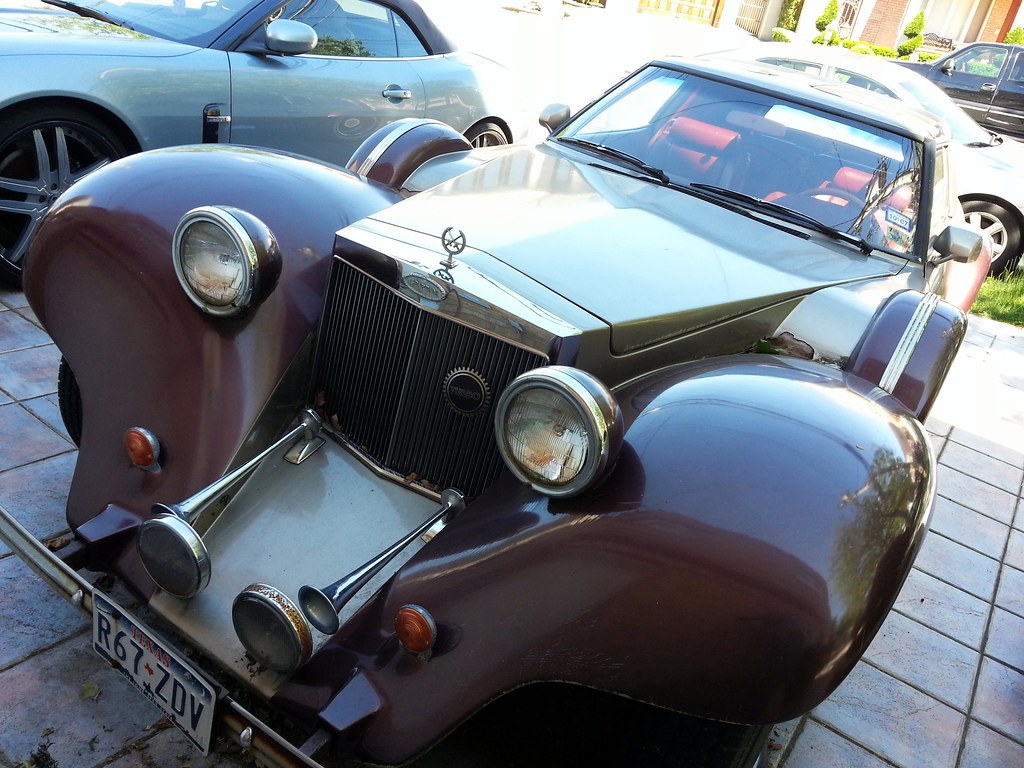

This is one of a few pedestrian passages that cut across the streets of Mill Basin, some more charming than others.
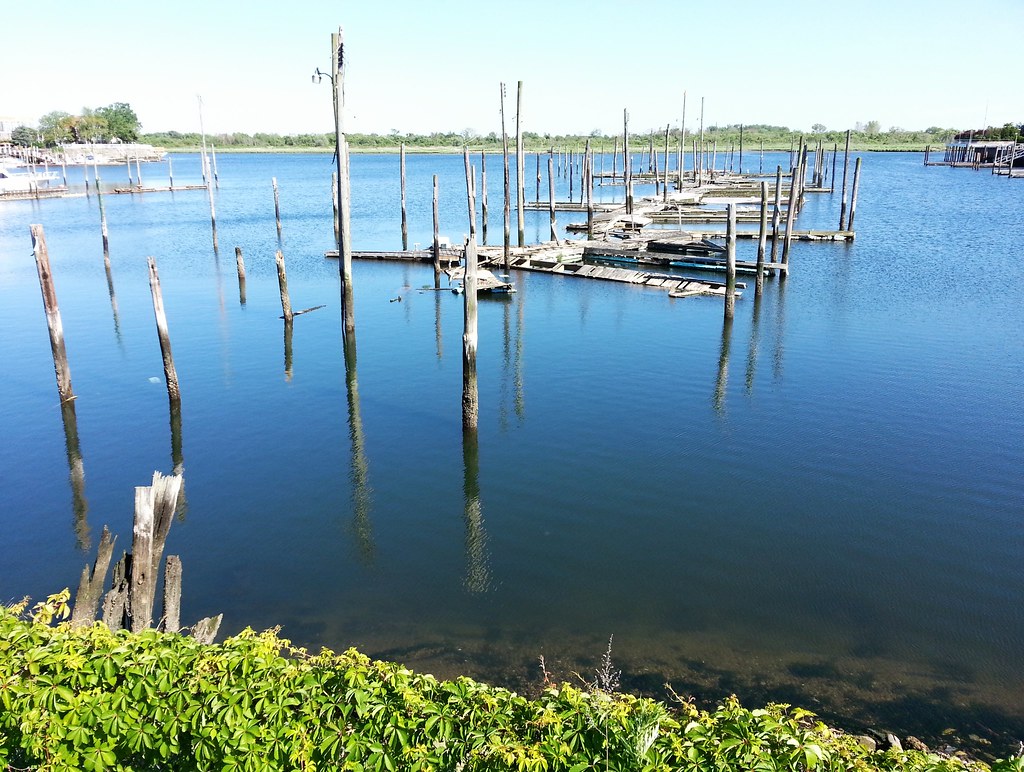
I think they may have been out of use for a while, but they certainly looked a lot better before Hurricane Sandy hit.
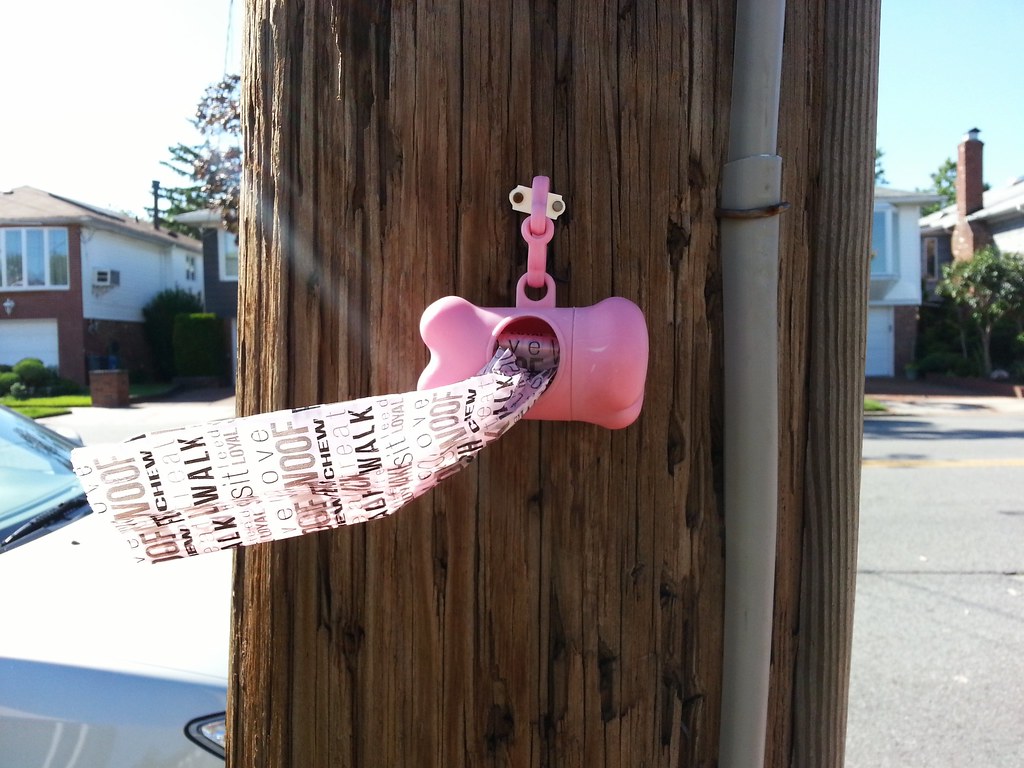


This is a delivery vehicle for the Mill Basin Deli, honoree of New York State Senate Resolution J576-2011.
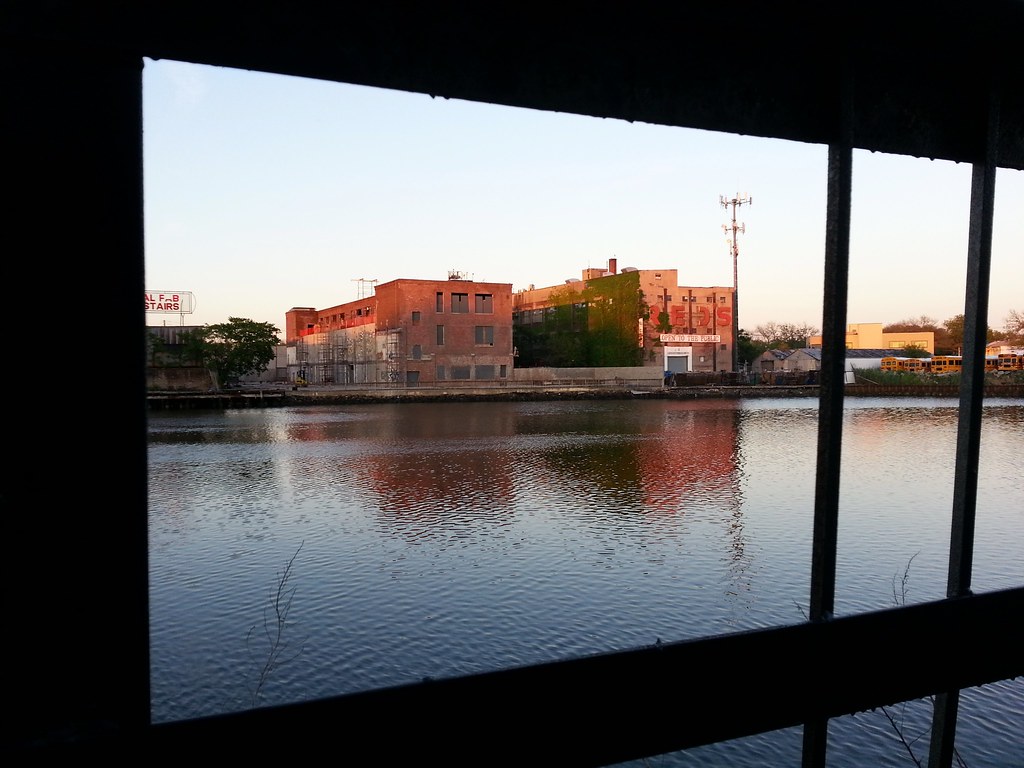

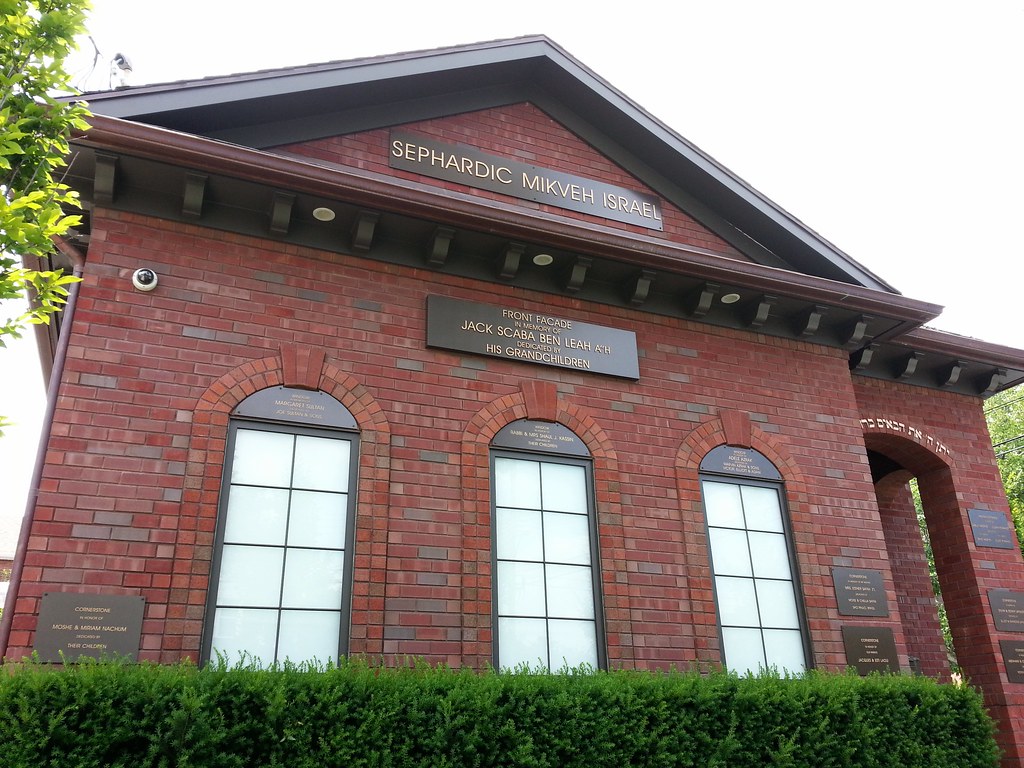
Just about every component of this mikveh has been visibly sponsored by someone or another.

It'll still be a while before they're ready to eat; last year's fig bonanza reached full force in late August.