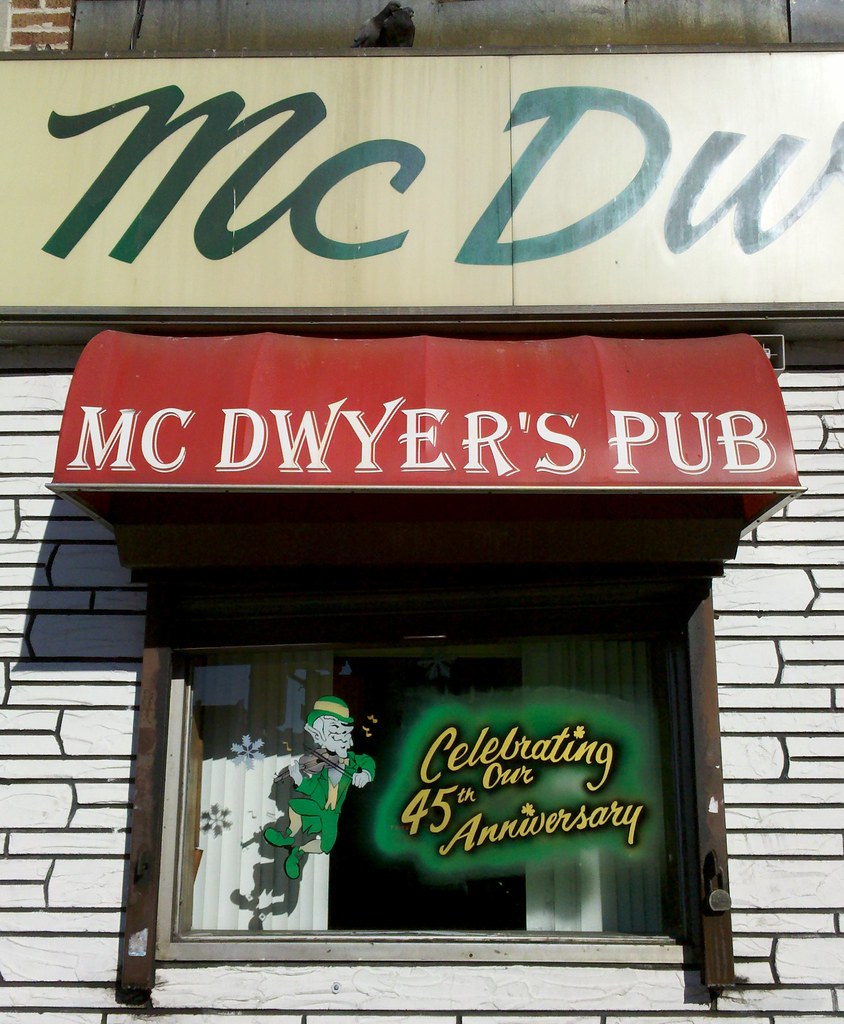
A vestige of the strong Irish presence in Norwood that began to fade in the 1990s.
On another note, the font used on the awning is called Algerian. It is all over the city, and everywhere else, and is used by every type of business imaginable. I see it at least half a dozen times every day. It's far too ornate and specific for such broad use. SO STOP IT, PEOPLE. This Flickr group sums up my feelings nicely.
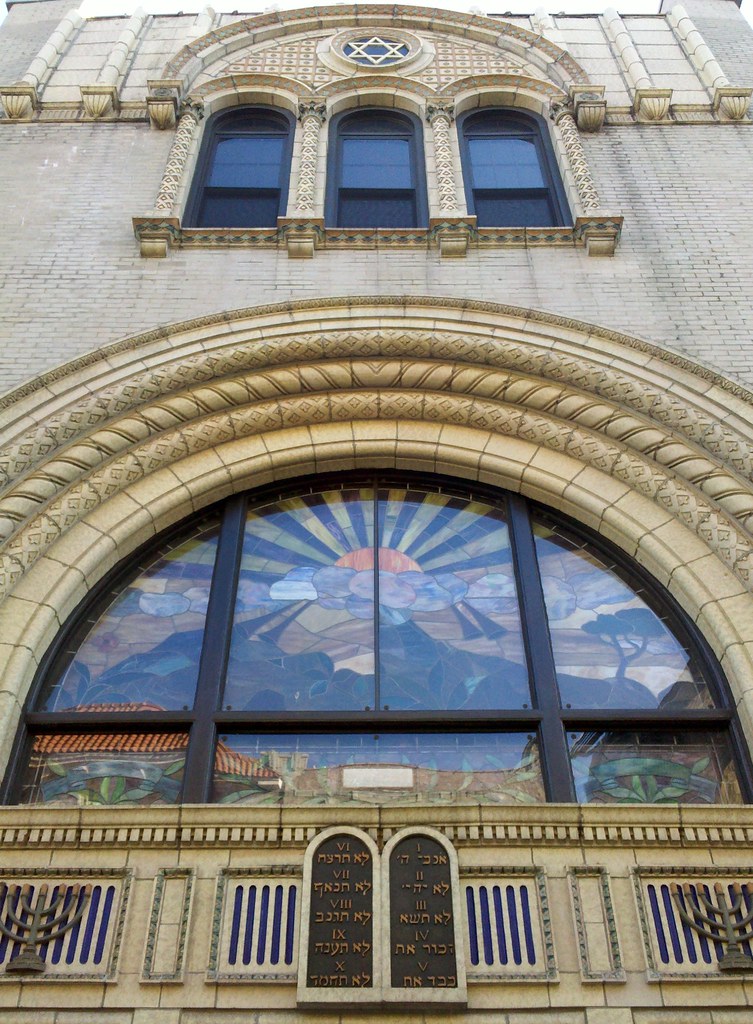
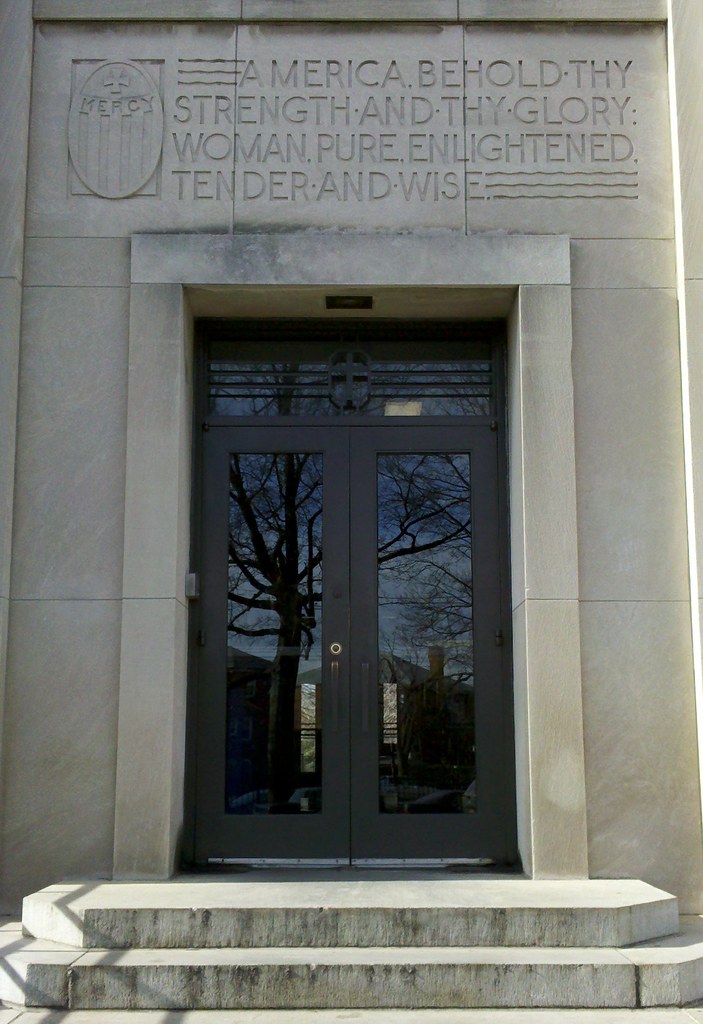
Led by the prominent Rabbi Herschel Schacter for more than five decades, it now houses the Msgr. Boyle Head Start program.

A Khmer Buddhist temple, part of the Bronx's little-known Cambodian community
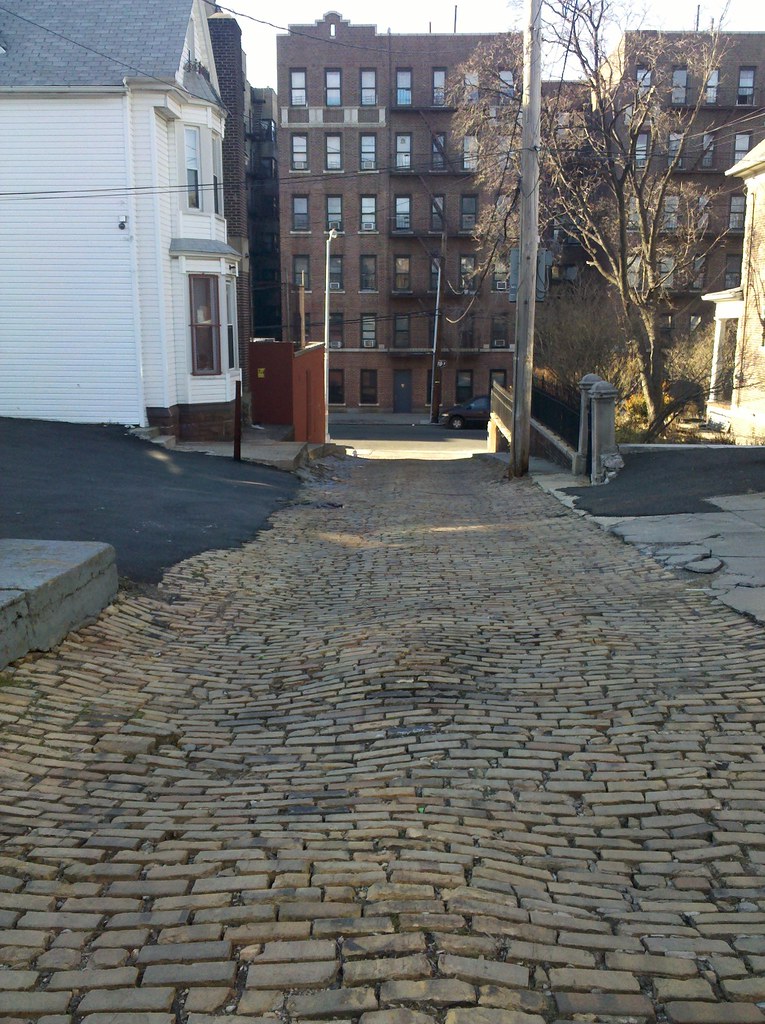
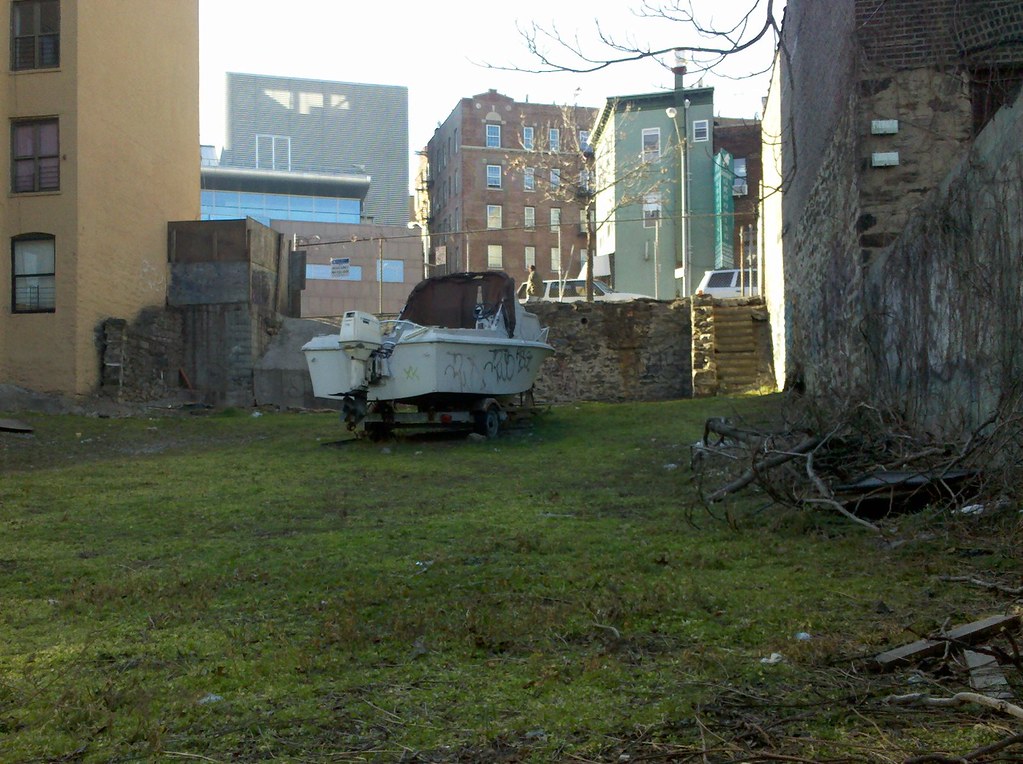
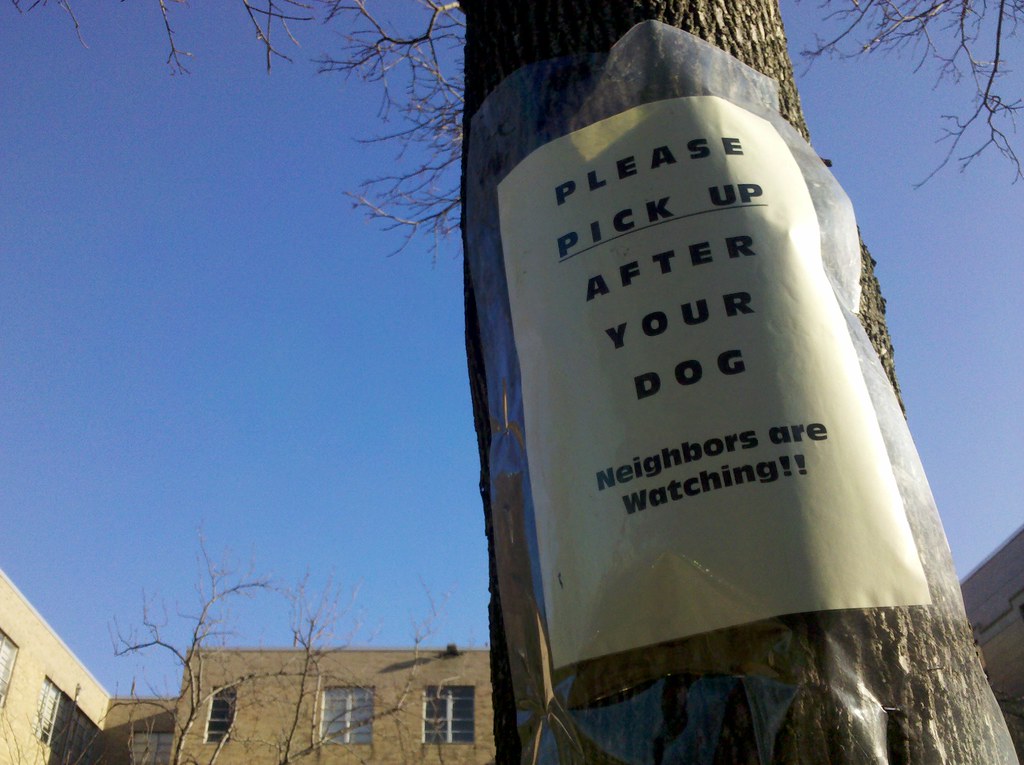
I took this photo on Poe Place, which is named for a beloved former resident of the Bronx. Fittingly, there are two public libraries within a one-block radius of this literary alleyway.

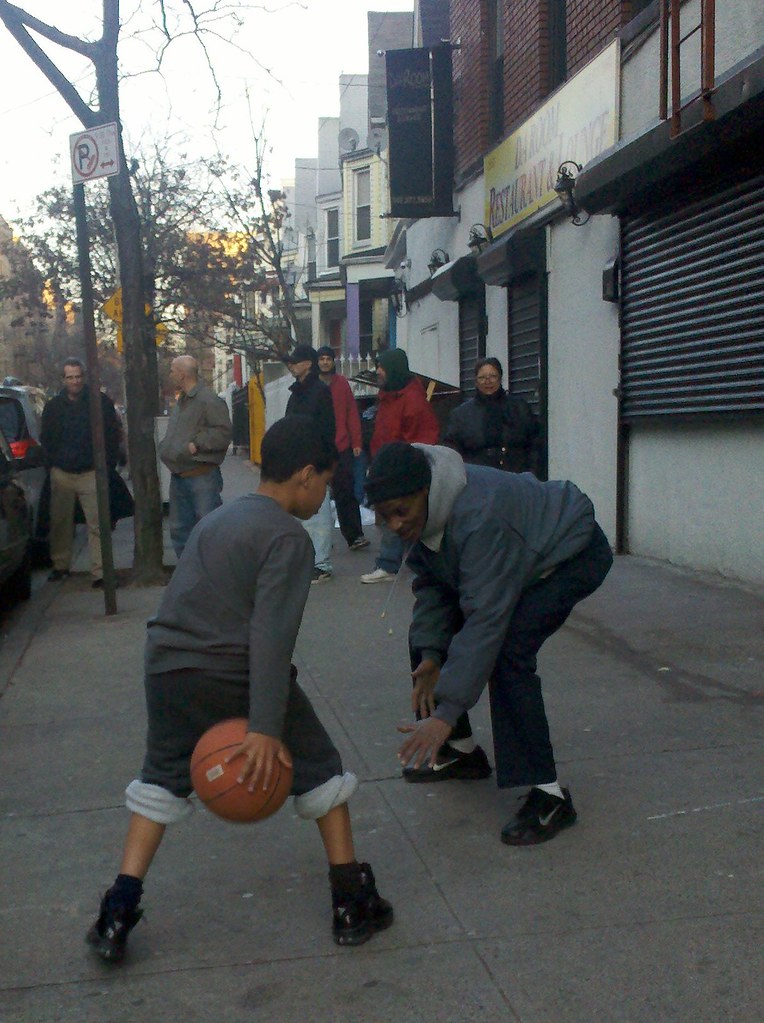
The bottom of the fire escape ladder was serving as the basket.

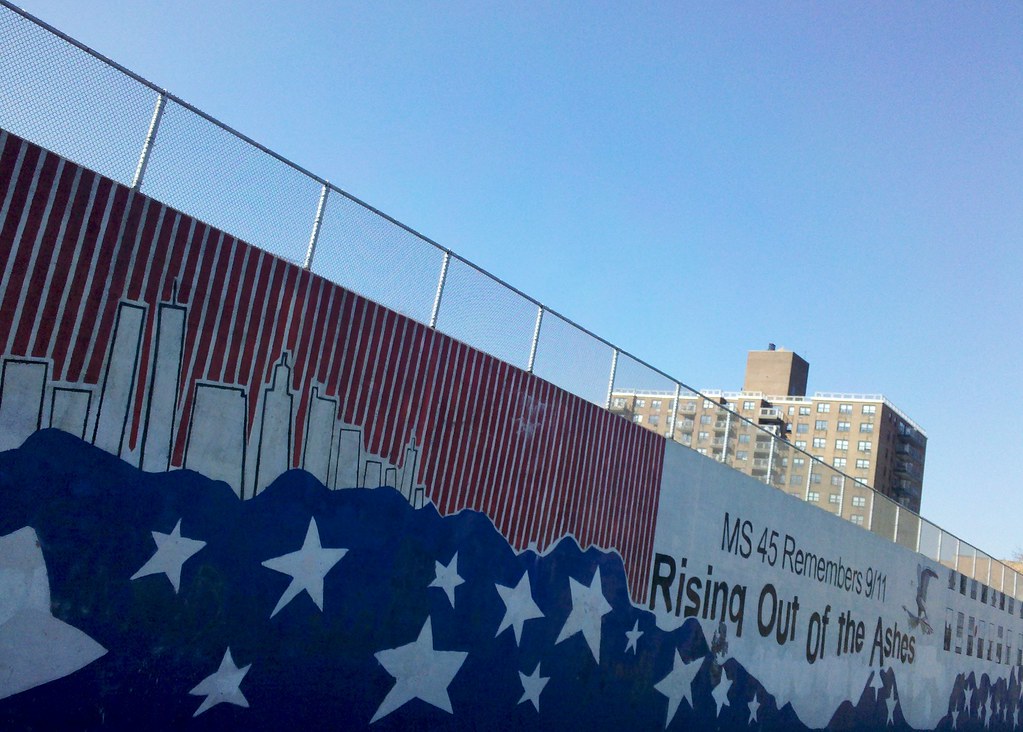

It's recess time at MS 45 in the Bronx. This playground, along with many others in the city, is part of a joint-use program that opens school playgrounds to the public on evenings, weekends, and whenever school is out of session.
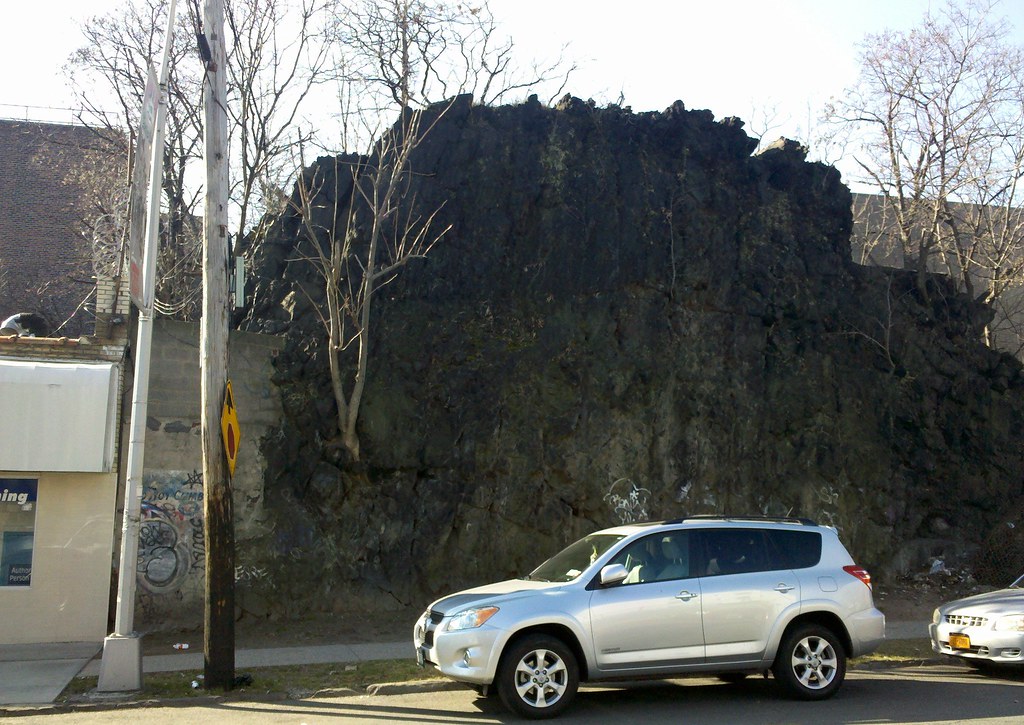
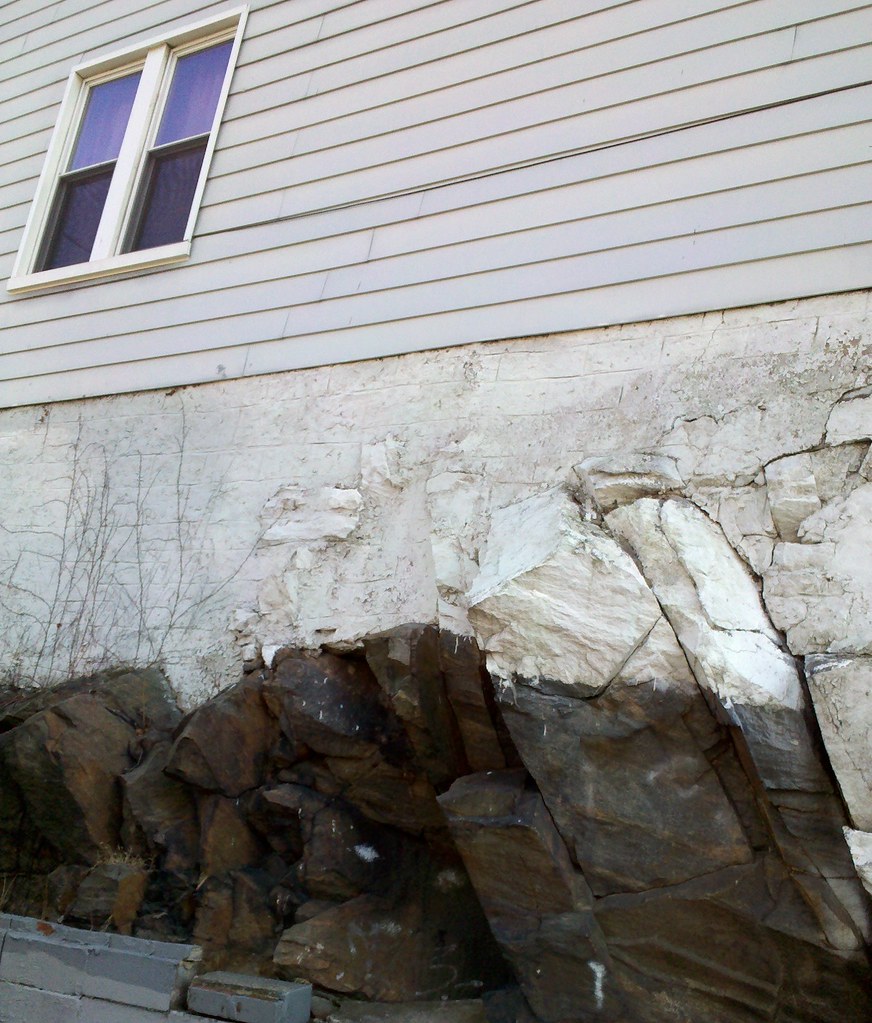
From the looks of aerial photos, this rock face is one side of an L-shaped remnant of the bedrock that was mostly blasted away to create residential lots.

Many of America's most renowned sideways basketball players have honed their skills on this court.

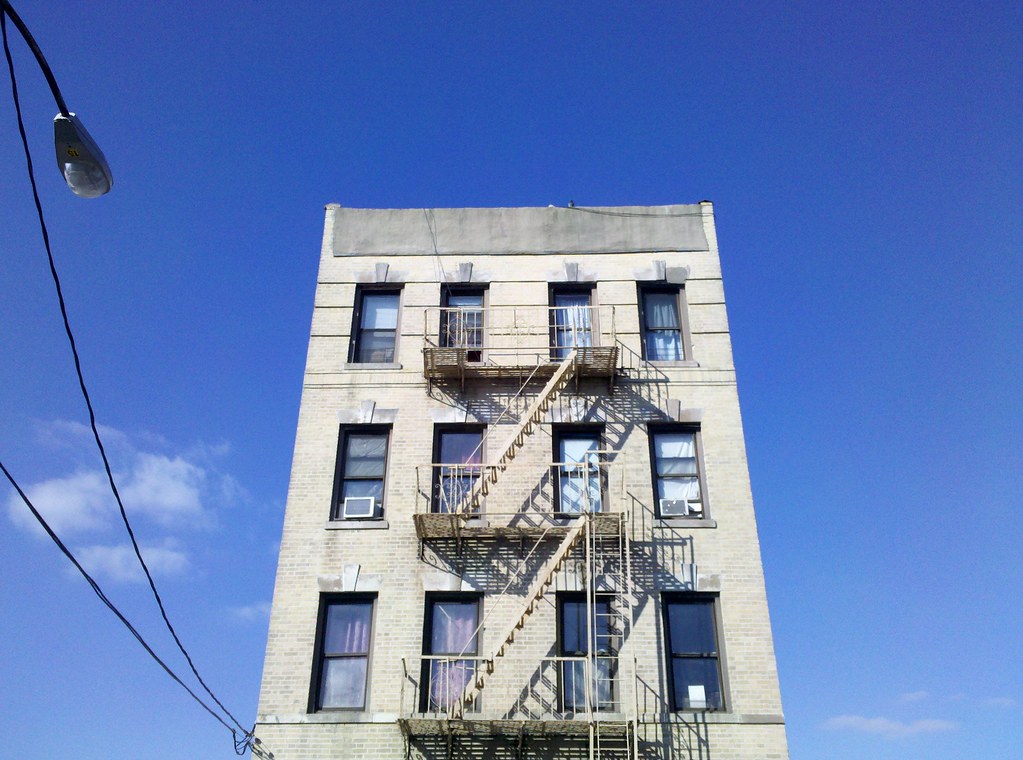
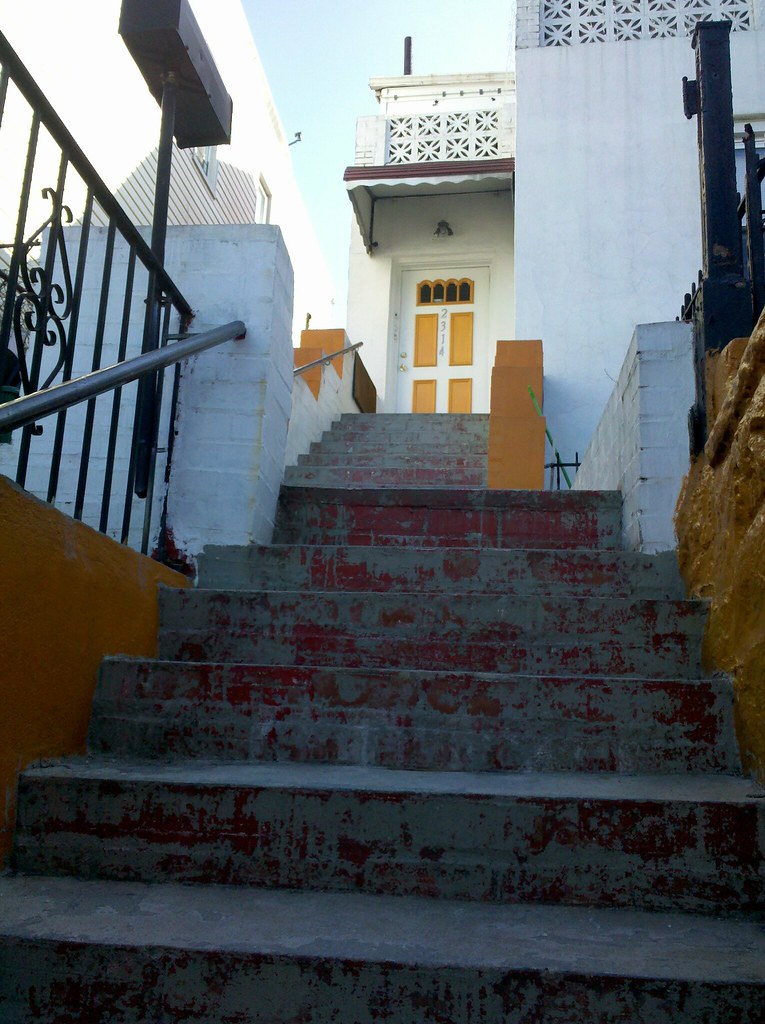
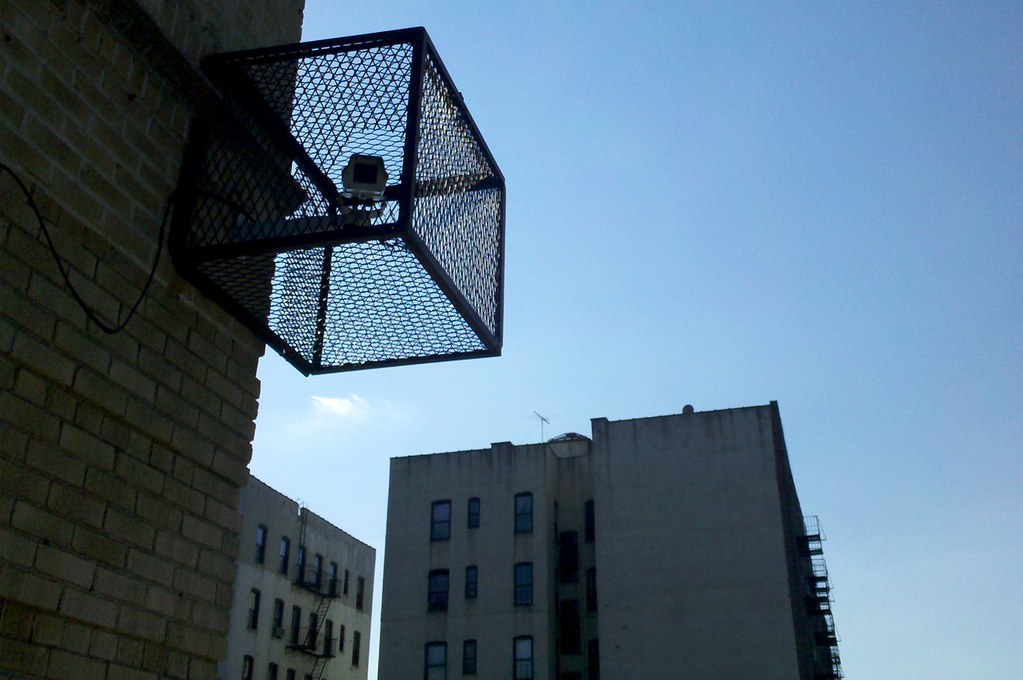

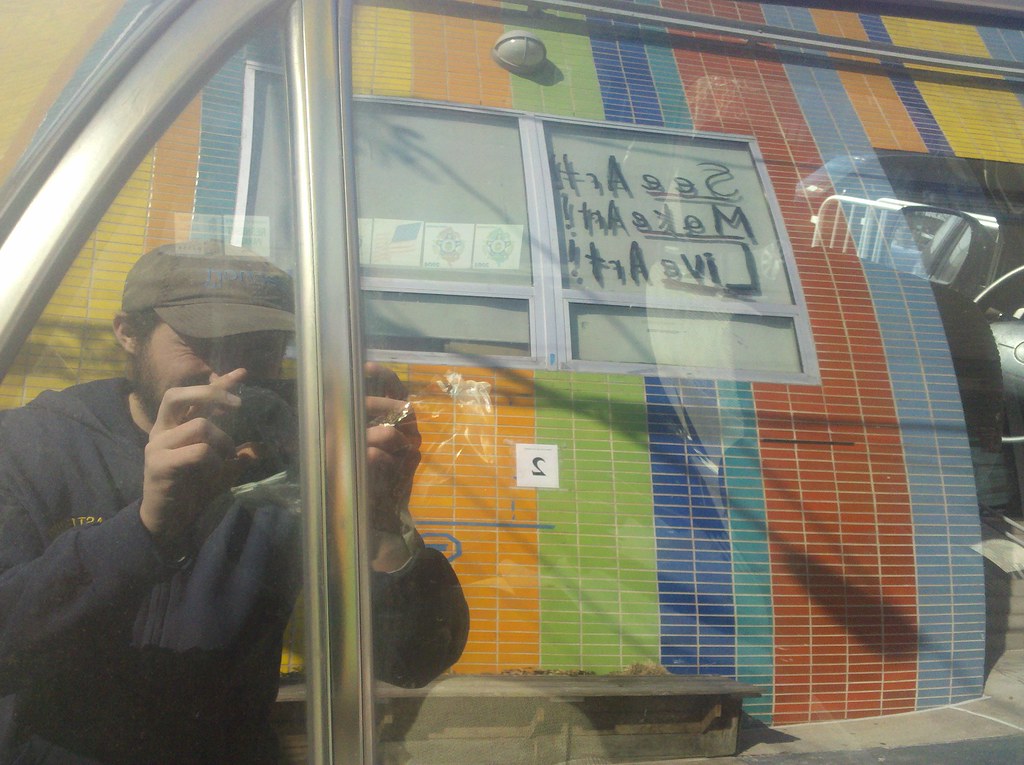


A man with a camera is not generally extended a very warm welcome in an industrial neighborhood. The people you meet in these areas tend to have a hard time believing anyone would choose to spend his free time, or could find anything interesting or beautiful, in their corner of the world, and so they instead assume you're up to no good, and treat you accordingly with suspicion.
But sometimes you run into someone like Fernando, whose natural instinct is to embrace the world around him rather than question it. If some weird dude with a camera happens by, maybe you can have some good laughs with him instead of worrying what he's doing there.
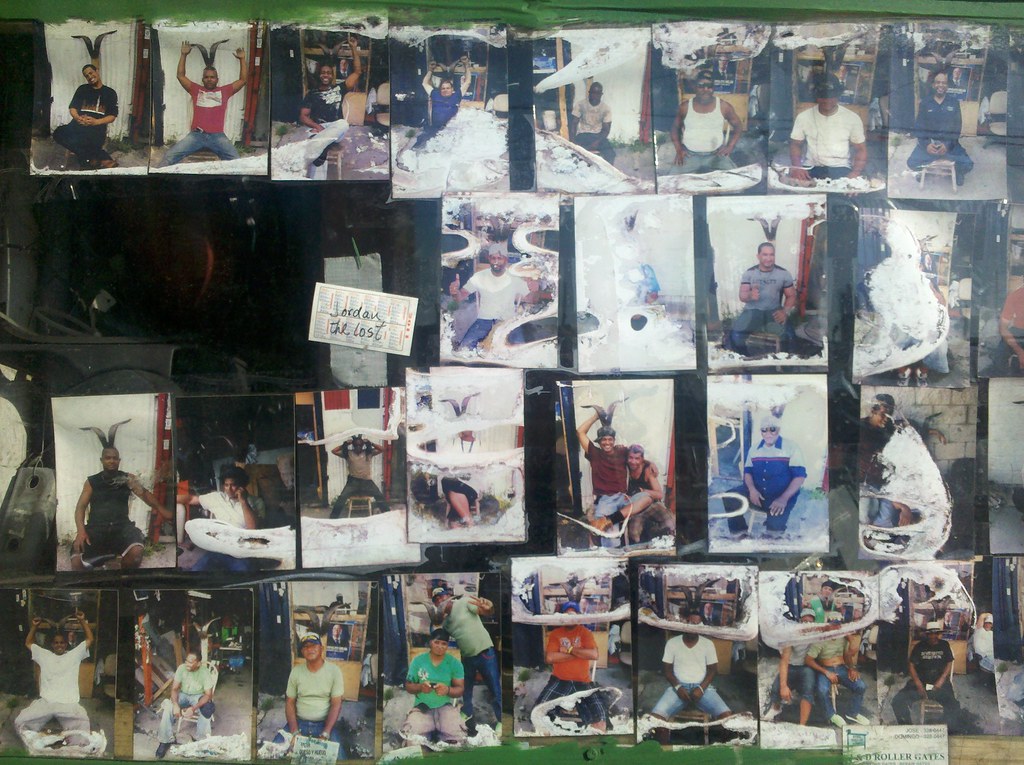
As I approached Fernando's auto parts shop (I assume that's what it was — there were ten million side-view mirrors hanging from the walls and ceiling), I noticed a window full of snapshots. On closer inspection, all the pictures featured someone sitting in a chair with some sort of horns sticking out from the top of their head. As soon as Fernando saw me looking at the photos, he invited me to take a seat in the famous chair so he could photograph me, and he was happy to pose for my camera as well. I couldn't communicate with him well enough to ask about the significance of the horns, but his co-worker did excitedly show me another impressive pair, this one mounted above the fire extinguisher and attached to a cattle skull that looked like it came straight from a clichéd movie desert.
(On the wall behind him you can see a poster for Hipólito Mejía, who is opposing Danilo Medina in the upcoming Dominican presidential election.)

This cemetery, whose oldest headstone dates to 1749, is contained within Drake Park, one of the few spots of green left amidst the vast industrial landscape of Hunts Point, and the site of a Cornell University/Parks Department investigation into the effectiveness of different types of trees in removing pollutants from the air.
Hunts Point was once a pastoral paradise, drawing wealthy New Yorkers to its teeming shores and verdant fields. First settled in the late 1600s by Robert Hunt and his family, it maintained a rural character into the early years of the 20th century. Looking around now, it's hard to imagine the orchards and dairy farms that stood here less than 100 years ago.
The Hunt estate was a home away from home for Joseph Rodman Drake, a physician and poet who died of tuberculosis in 1820 at the age of 25. Fifteen years later his daughter published a collection of his works, the best known of which are The Culprit Fay and The American Flag. For a good part of the 19th century, Drake and Fitz-Greene Halleck (his friend and fellow poet), were widely renowned as two of America's greatest literary figures (although Edgar Allan Poe would beg to differ), but they have since been almost entirely forgotten by the public. They do live on, however, in the names of Drake and Halleck Streets, which, together with the parallel thoroughfares of Whittier, Longfellow, and (probably) Bryant, form a four-block-wide poetic boulevard running through Hunts Point.
Drake is buried here in the Hunt family cemetery, his epitaph written by his friend Halleck:
Green be the turf above thee
Friend of my better days
None knew thee but to love thee
Nor named thee but to praise


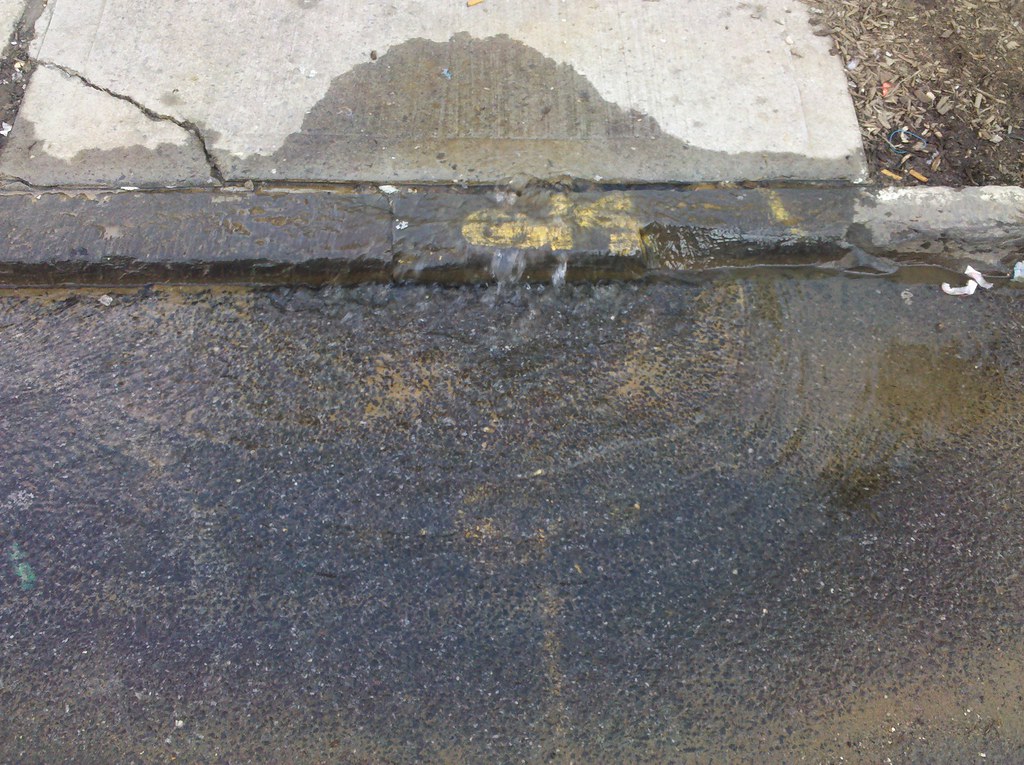
there was a considerable amount of water gushing out of the sidewalk crack. A water line must have burst beneath the pavement; a guy walking past told me it's been like that for over a week. The leak created a little stream flowing all the way down the block, around the corner, and down that block as well.


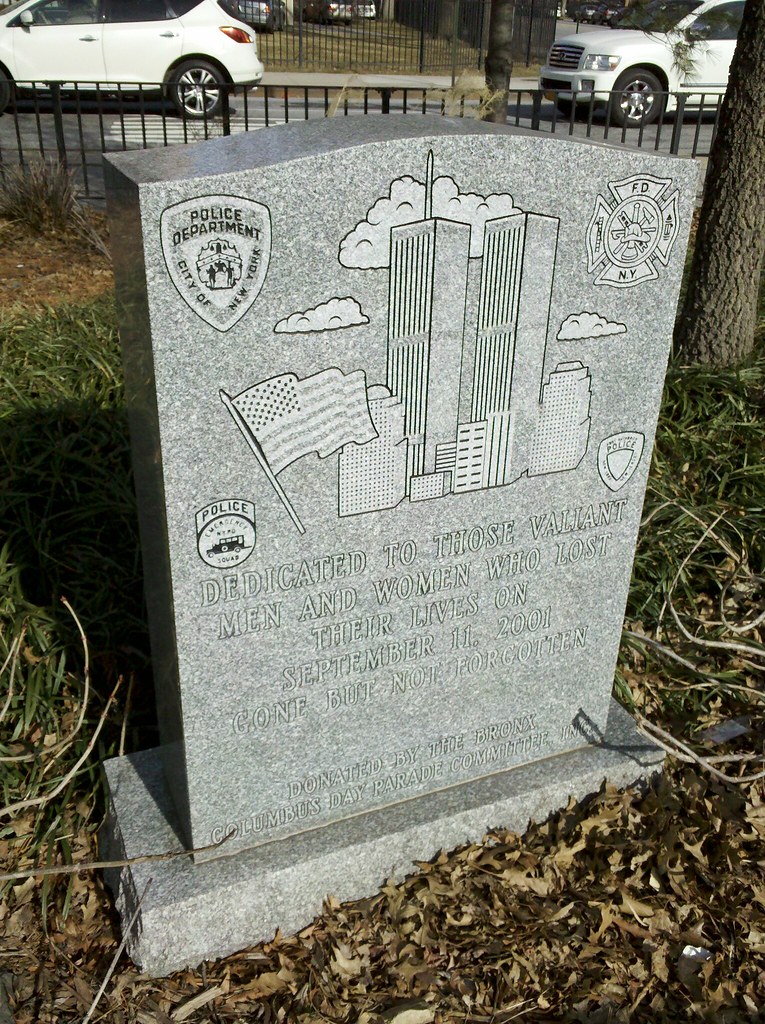
This park, located along Pelham Parkway in the Bronx, commemorates five wars: WWI, WWII, the Korean War, the Vietnam War, and the Persian Gulf War. The WWII stele bears the following inscription:
TO THE GERMAN GENERAL
"NUTS"
FROM THE AMERICAN GENERAL

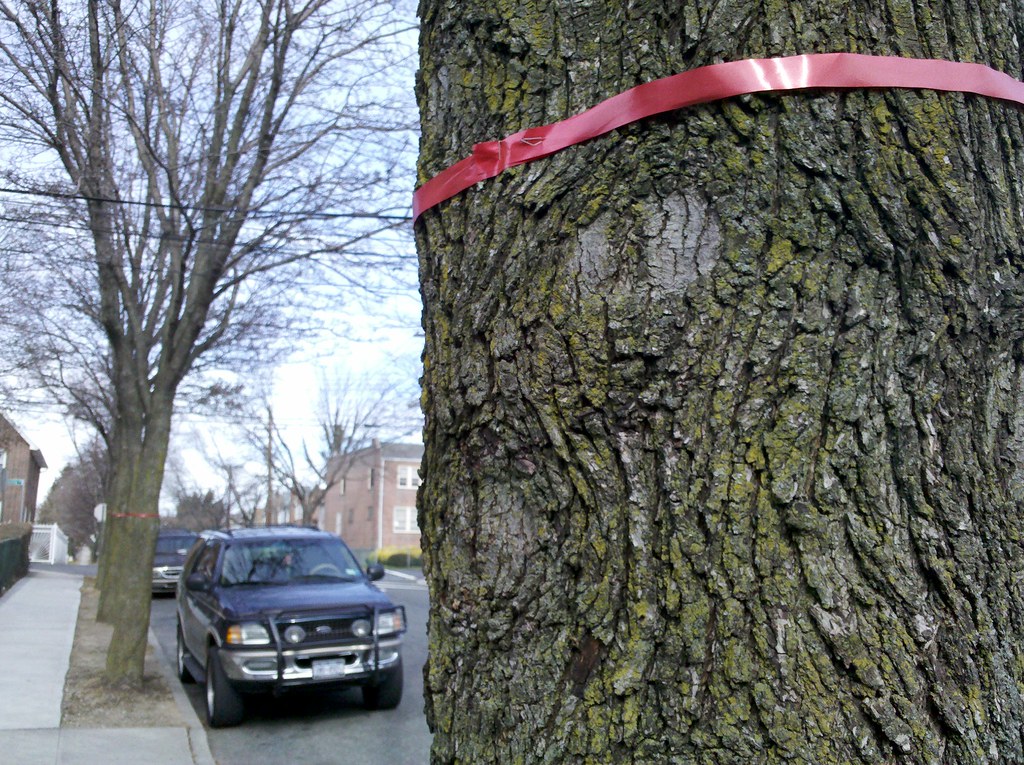
They were tied around at least half the trees on this side of the block. An anti-drug statement?
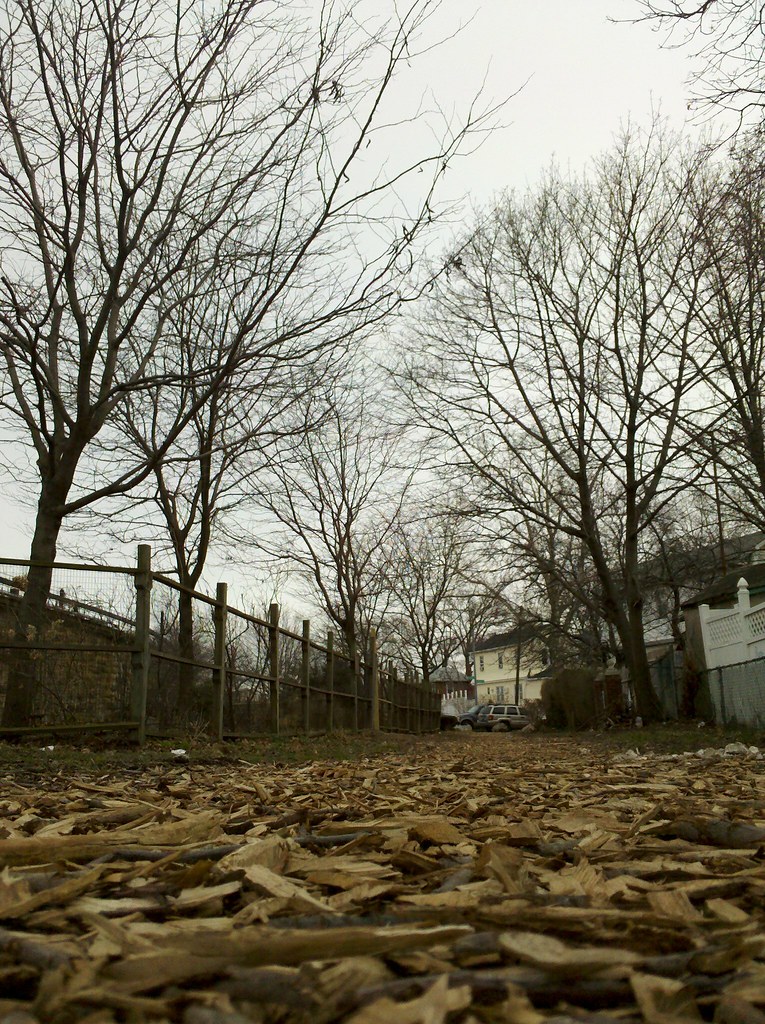
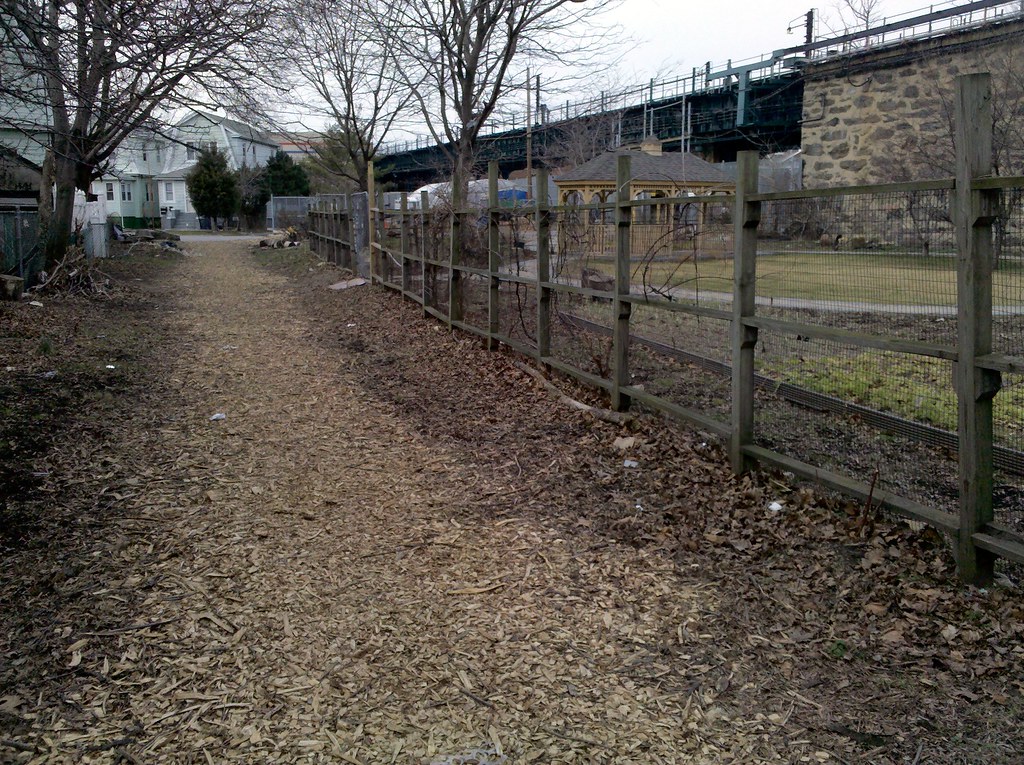
Still labeled as such on many maps, it's now a footpath around Bissel Gardens.