

I think these massive steel braces are going to be (or maybe already have been) used for trench shoring during the installation of new sewer and water lines in the area.
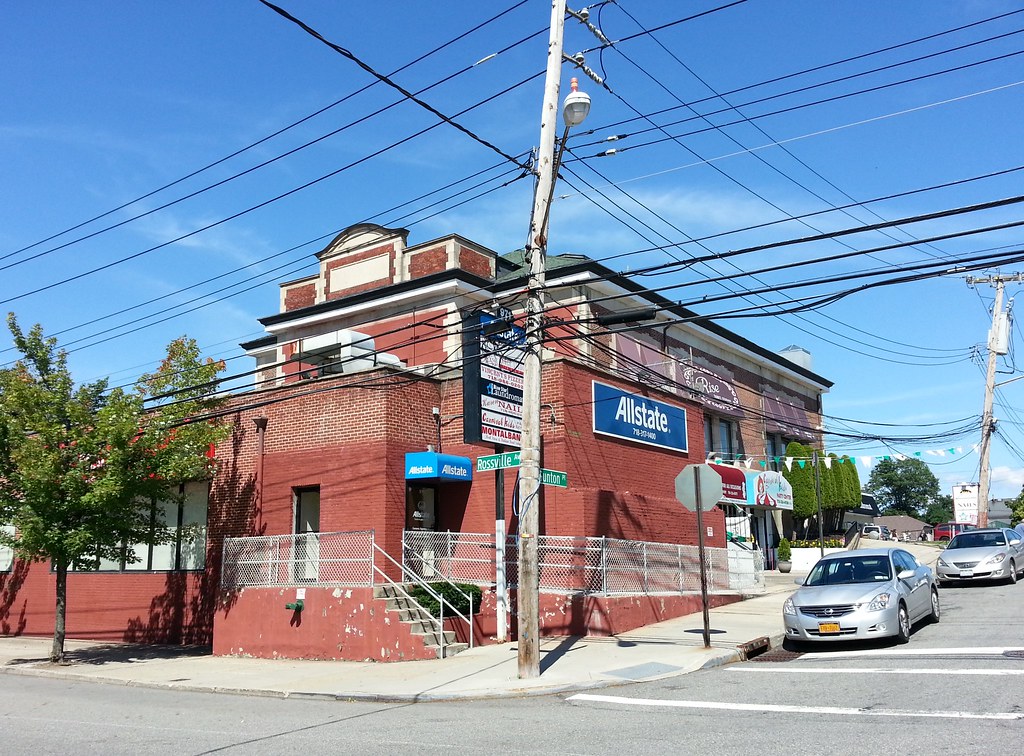
I'm not sure when the squat brick addition in the front was built, but the more elaborate structure rising behind it, currently home to a dance studio, deli, and kids' party center, was erected in 1901 as a public school. After the school closed in 1945, the building became a factory for the Marimac Novelty Company.

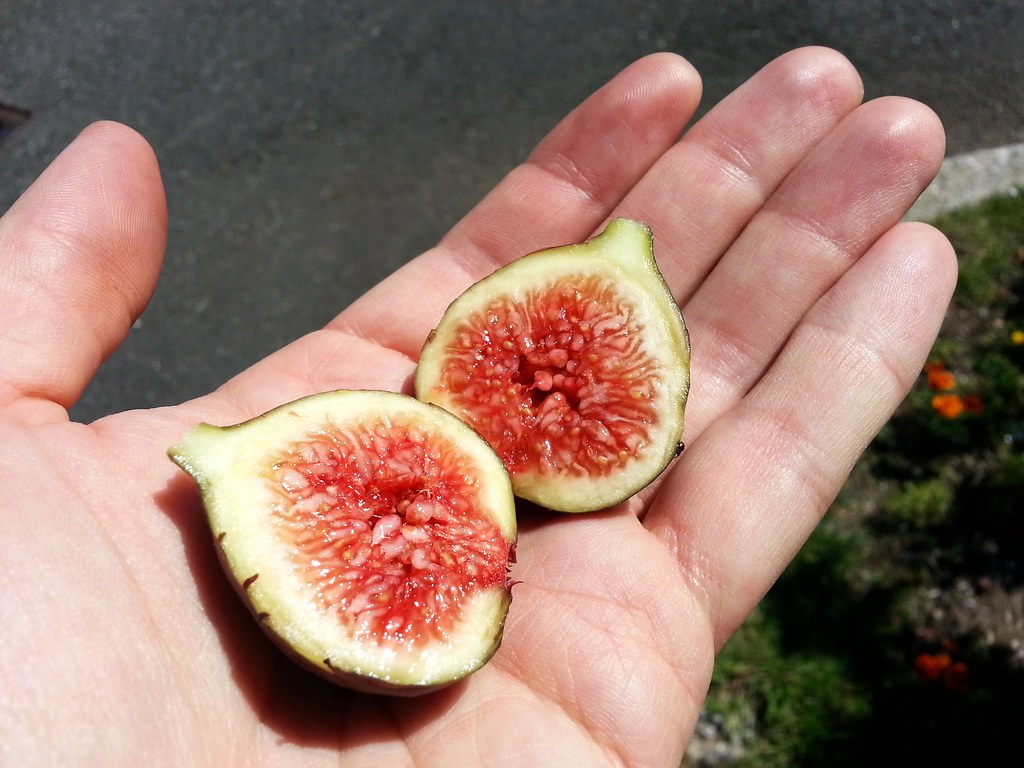
Something I never knew before I started this walk: there are approximately 500 gazillion fig trees in New York City. In some parts of the outer boroughs, I'll see a dozen or more each day. This particular fig is of the Brown Turkey variety, but you can find other types growing in the city as well.
While we think of figs as individual fruits, they're actually inside-out inflorescences — each of those fleshy little strands is actually a tiny flower! But how on earth do these flowers get pollinated? As we learned earlier, figs have an amazing relationship with a very small, specialized kind of wasp:
A female wasp of this type is able to crawl inside a fig through a tiny opening opposite the stem. Once inside, she lays her eggs, and in the process transfers pollen from the fig in which she was born. The larvae feed on the individual flowers in which they are growing until they reach maturity, at which point the males and females mate. The males then chew tunnels leading out of the fig and subsequently die, and the females (bearing pollen from the fig's flowers) escape through these tunnels and seek out new figs in which they can lay eggs of their own.Things get a bit more complicated — and interesting — with gynodioecious species (whose ranks include the figs typically grown in the US); you can learn more about them here if you are so inclined.
I should also note that the fig cultivars generally found in NYC, like the Brown Turkey, are parthenocarpic, which means they produce sterile fruit that does not require pollination — or wasps — to develop. (California's Calimyrna figs, on the other hand, must be pollinated for the fruit to mature. This has resulted in a strange-looking annual ritual in which paper bags are stapled to thousands of acres of fig trees.)
(Sound/look familiar?)

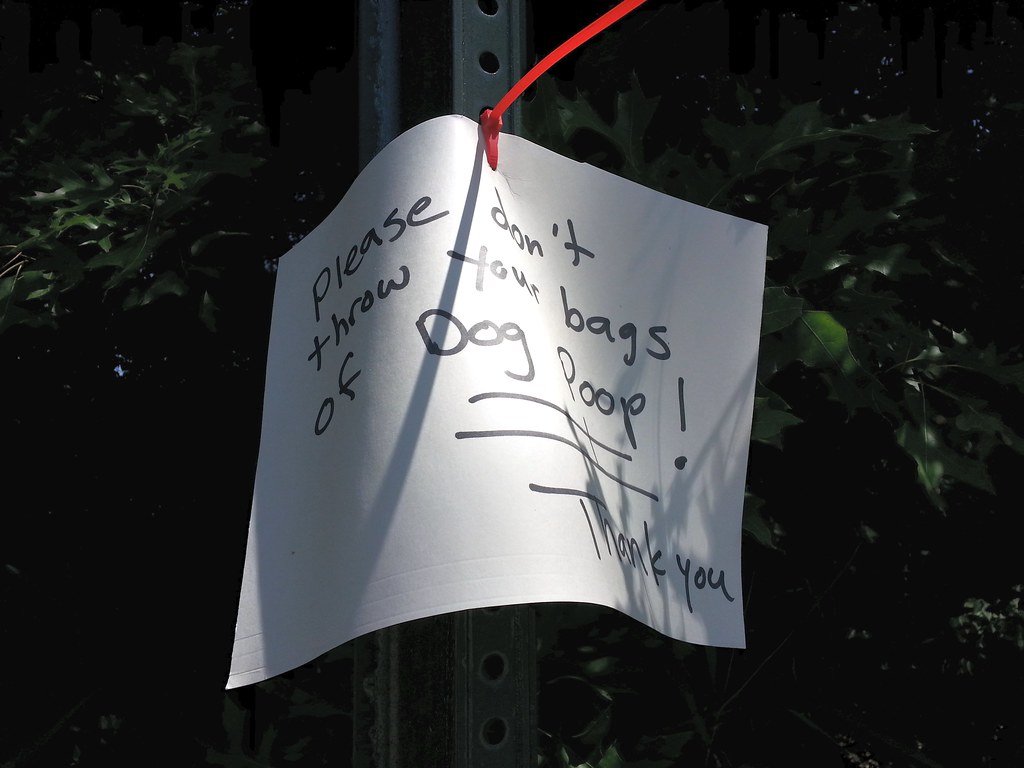

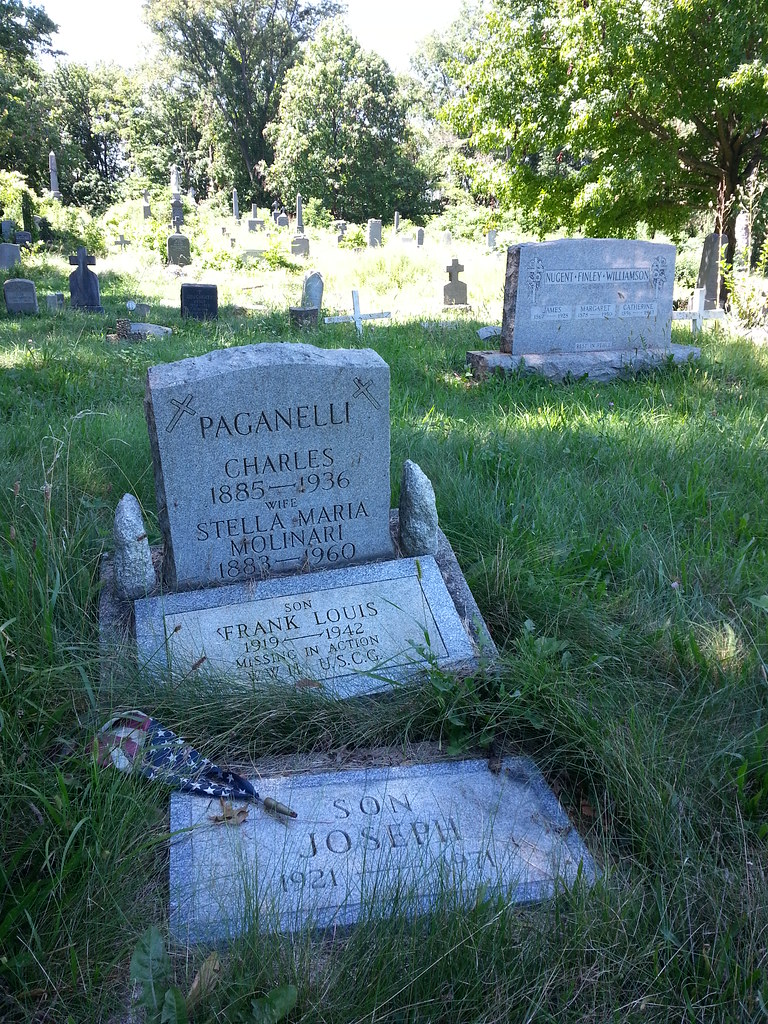
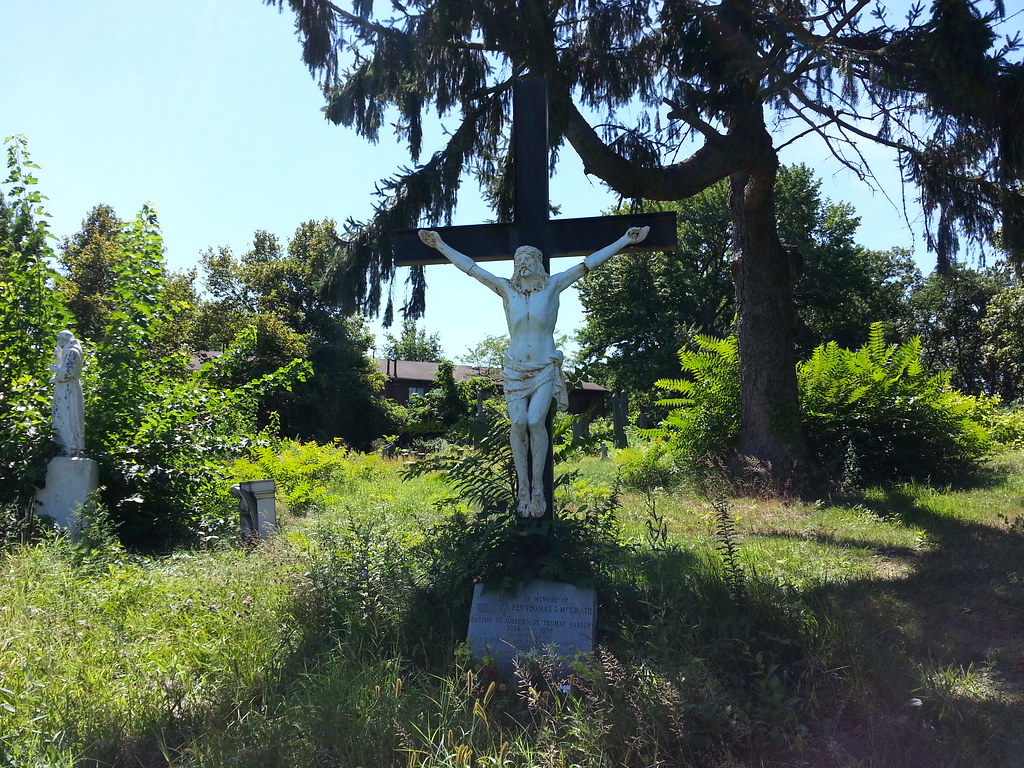
Established in 1862, according to an engraved stone at the entrance

A halfhearted attempt to pass as a classic NYC taxicab

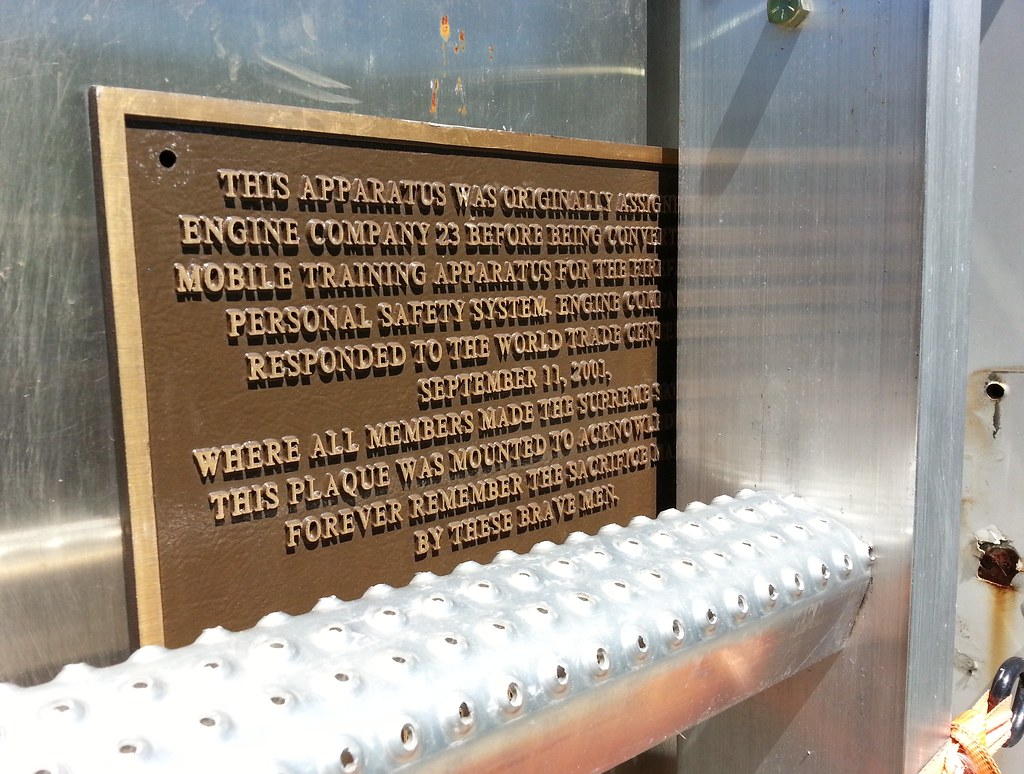
Mounted on a fire truck parked outside Staten Island's Engine Company 168/EMS Battalion 23 firehouse
I'm walking every street in New York City.
This is the counterpoint to my walk across the US. Instead of seeing a million places for just a minute each, I'm going to spend a million minutes exploring just one place. By the time I finish walking every block of every street in all five boroughs, I'll have traveled more than 8,000 miles on foot — all within a single city. Details!
Email me at matt@imjustwalkin.com
Subscribe to my email list
Maps: Progress | Photos

~9,954 miles walked
Your donations allow me to keep walking full-time. If you think what I'm doing is valuable and you'd like to offer some support, I would be very grateful. On the other hand, if you think I'm a worthless bum, feel free to email me and tell me to get a job, bozo. Both are excellent options!
