

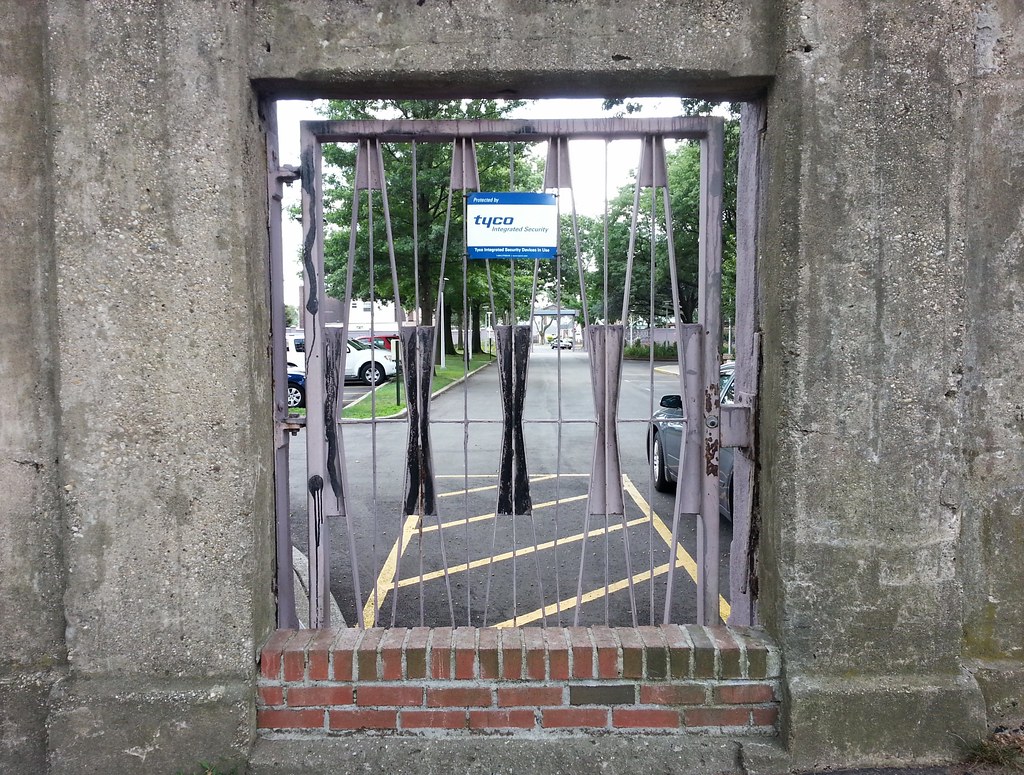
On the other side of this wall is the Little Sisters of the Poor's Queen of Peace Residence.
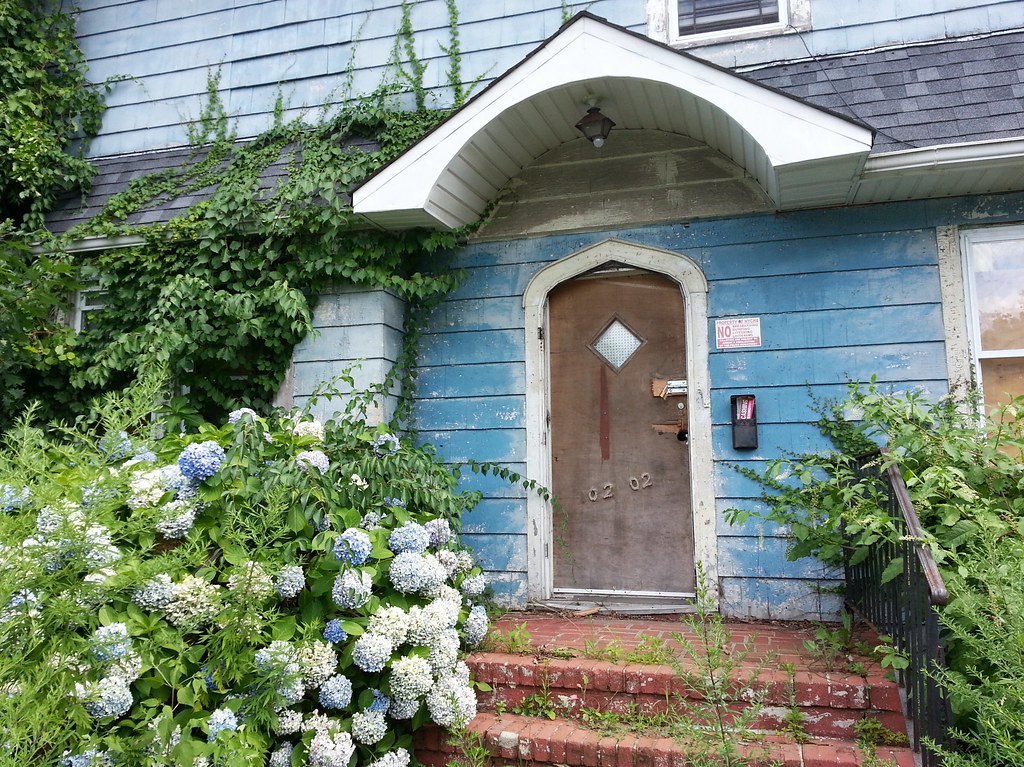
Repossessed by the Federal Housing Administration; acquired by the city's Housing Authority
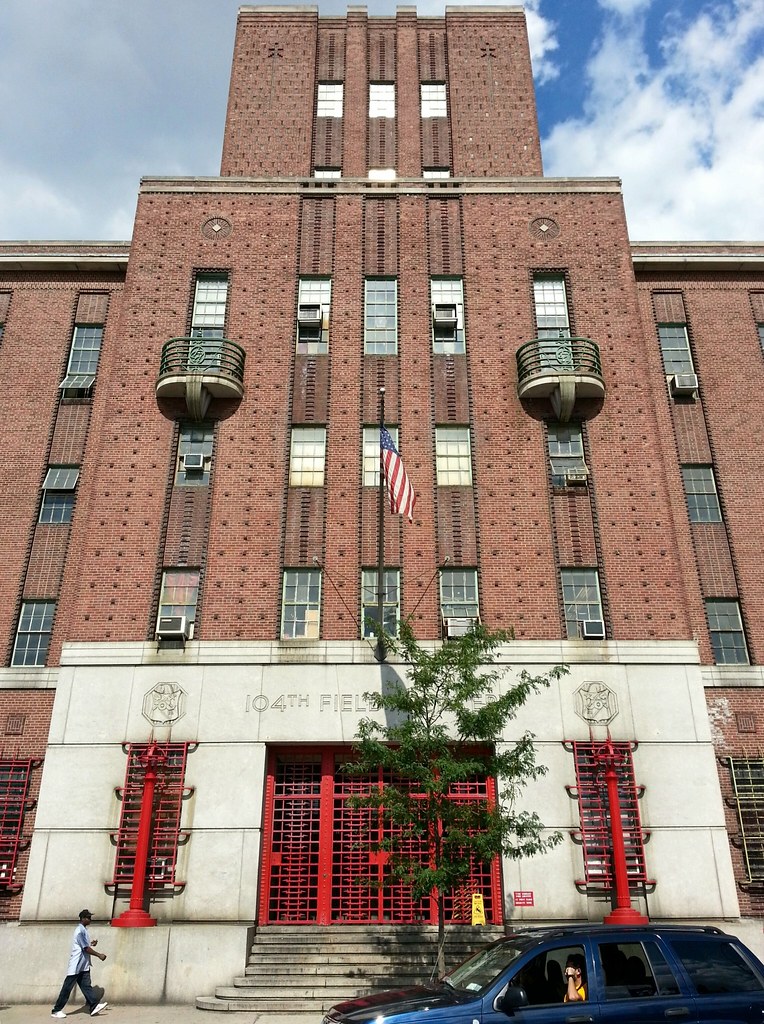
This Art Deco structure (wider shot here) was built in 1933. Babe Ruth served in the 104th Field Artillery, a unit of the New York National Guard, for a few years in the 1920s (photos here), but that was before the regiment moved to this location. On a related note, you can see Ruth's World War I draft card (from back in his Boston Red Sox days) here.
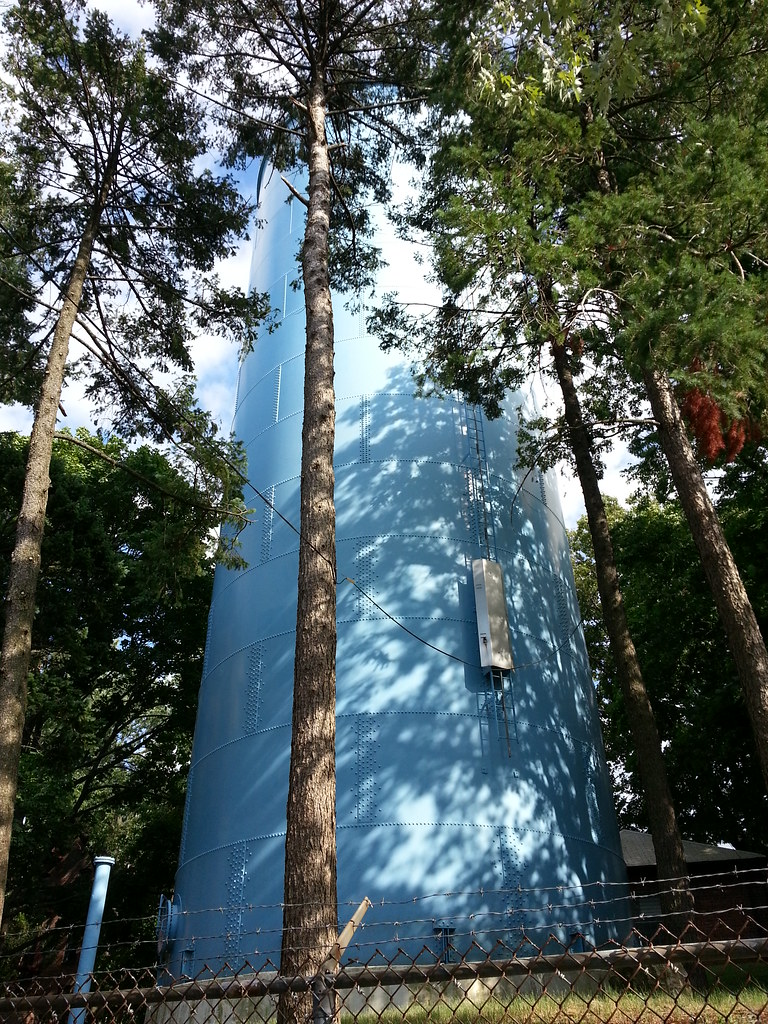
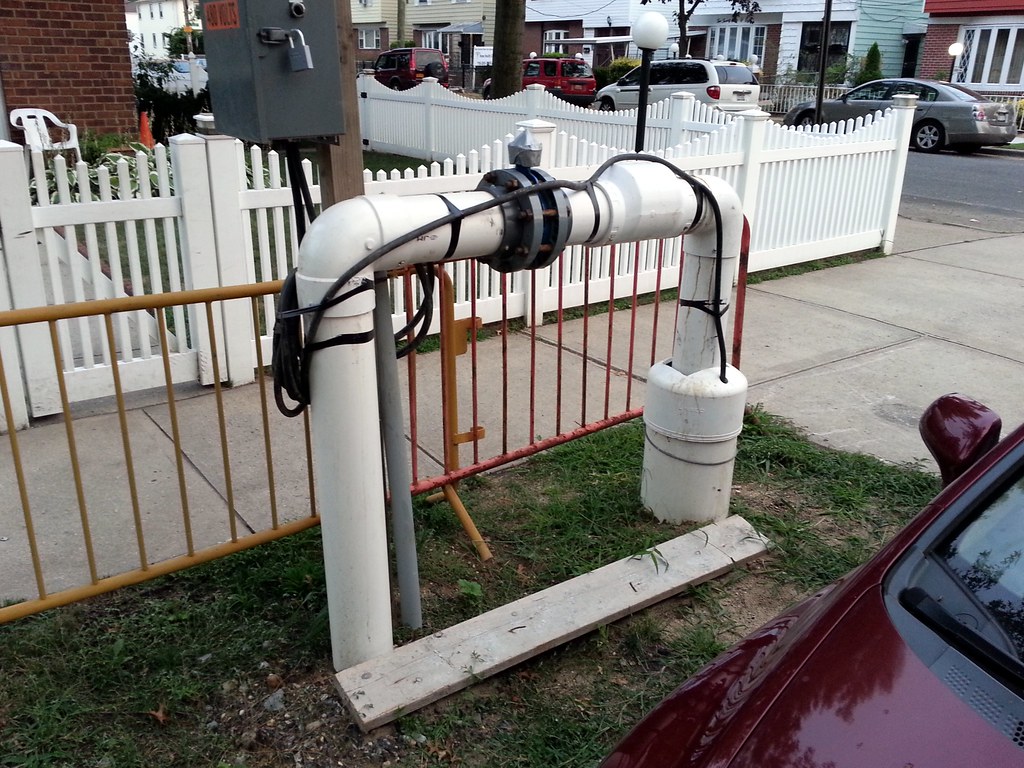
surround an old water storage tank that was built by the Jamaica Water Supply Company and is now part of the city's unused groundwater supply system.
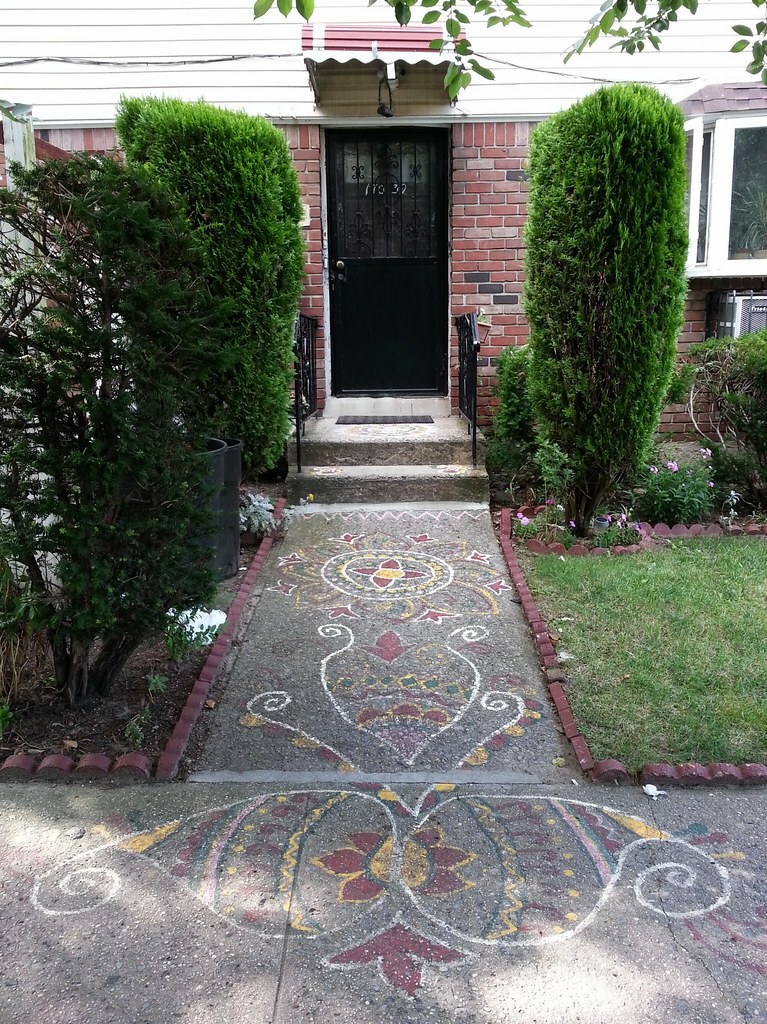
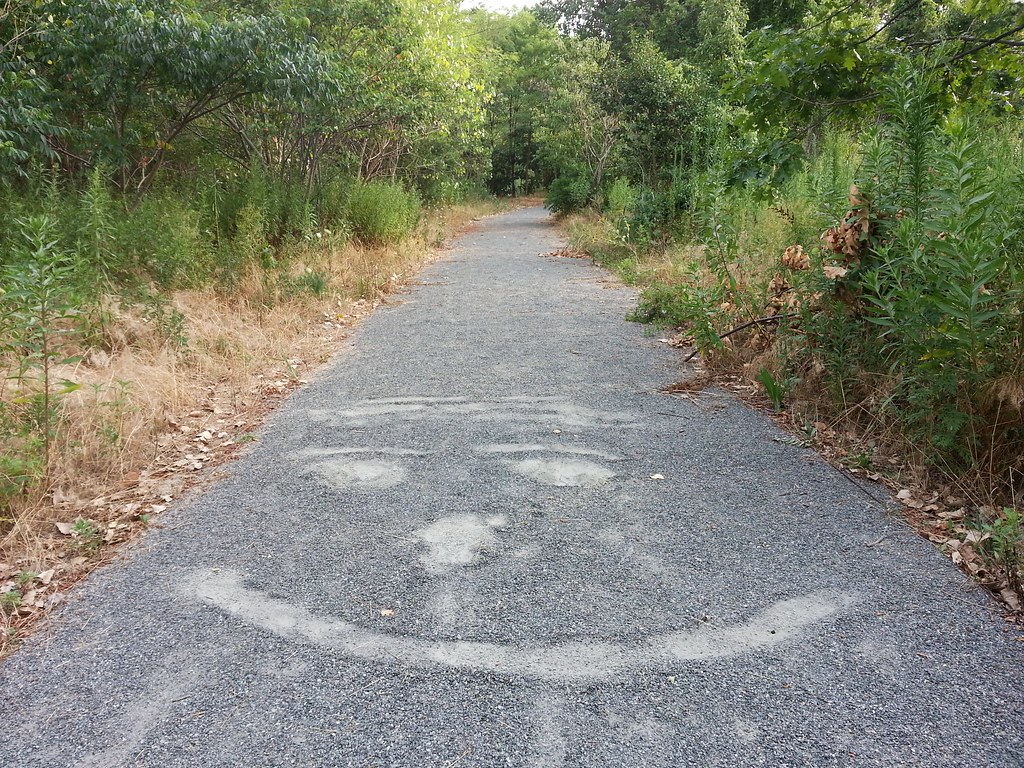
I've seen several similar paintings in other parts of the city, and I finally figured out what they are: rangoli designs! Rangoli (known regionally by other names, including kolam, alpana/alpona, aripan, and mandana) is an ancient art form, traditionally practiced by women, that originated in the Indian subcontinent. You can see more examples here, and you can watch the "world's largest alpona" — several acres in size — being painted on a major thoroughfare in Dhaka, Bangladesh here.



The plaque relates the legendary account of General Woodhull's death, claiming that on August 28, 1776, after having been captured, he "was mortally wounded by a British officer near this spot for refusing to say God save the King".
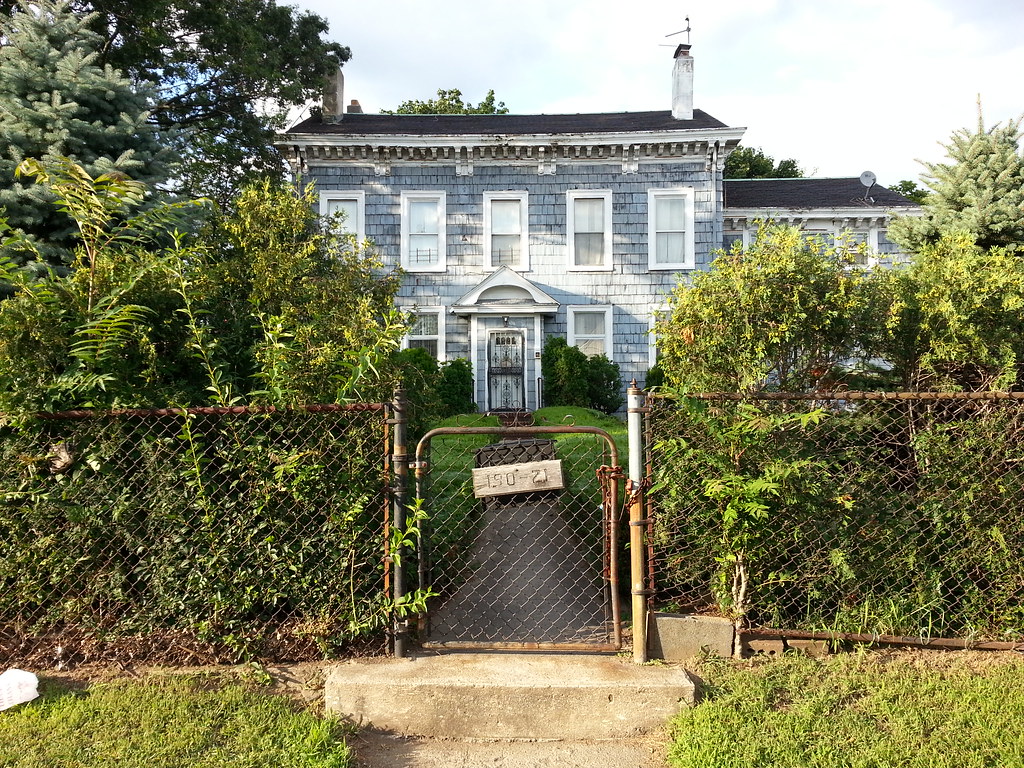
According to the AIA Guide to New York City, this "large, freestanding, elaborately ornamented Italianate house is a remarkable throwback to the area's 19-century roots."
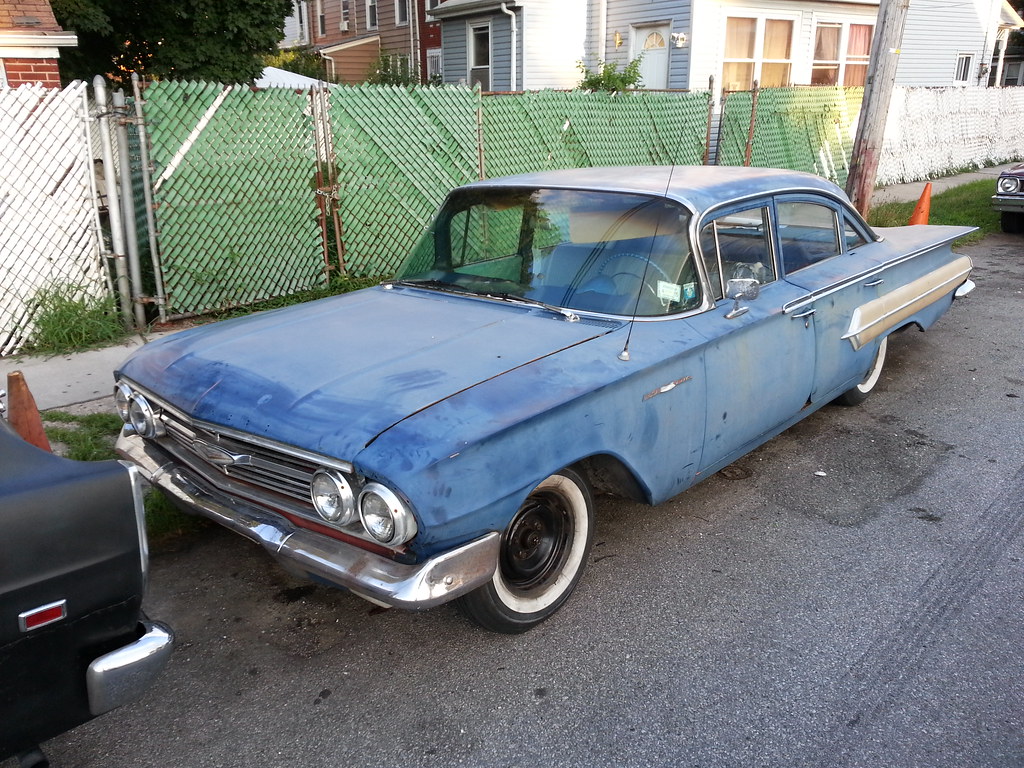
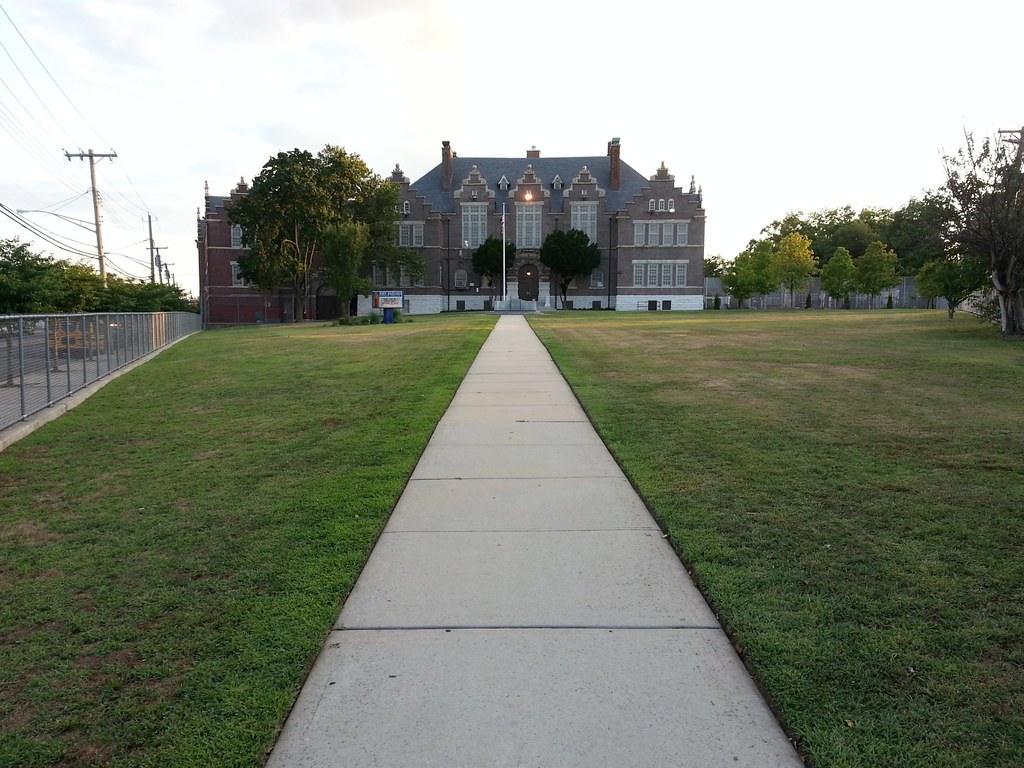
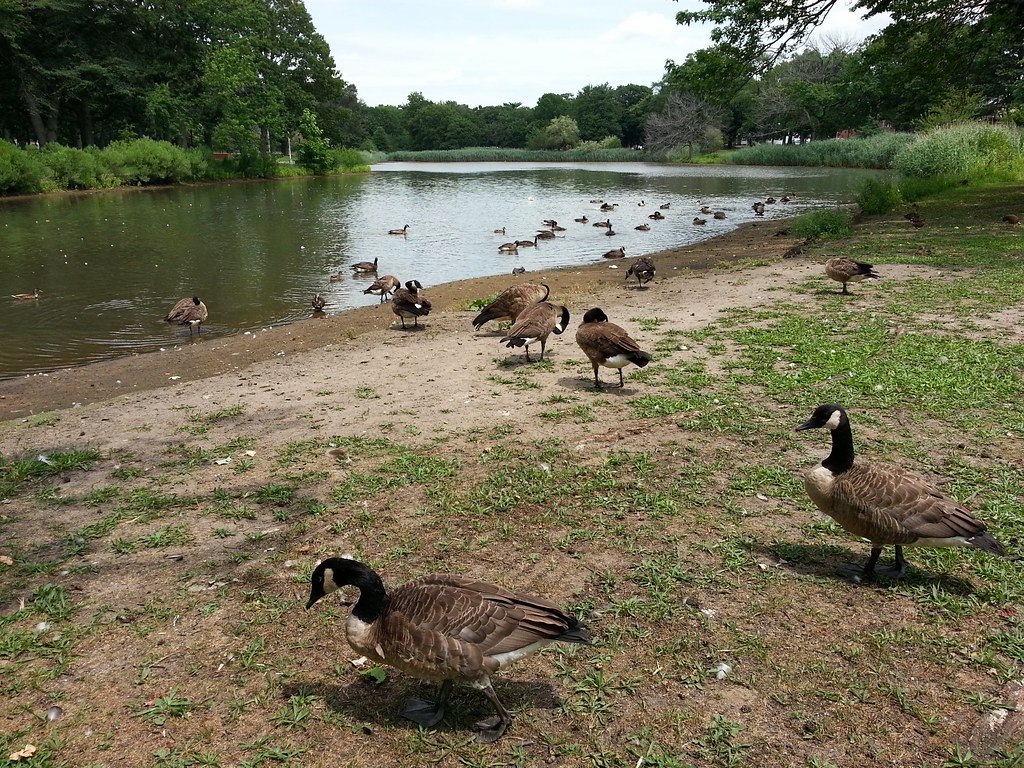
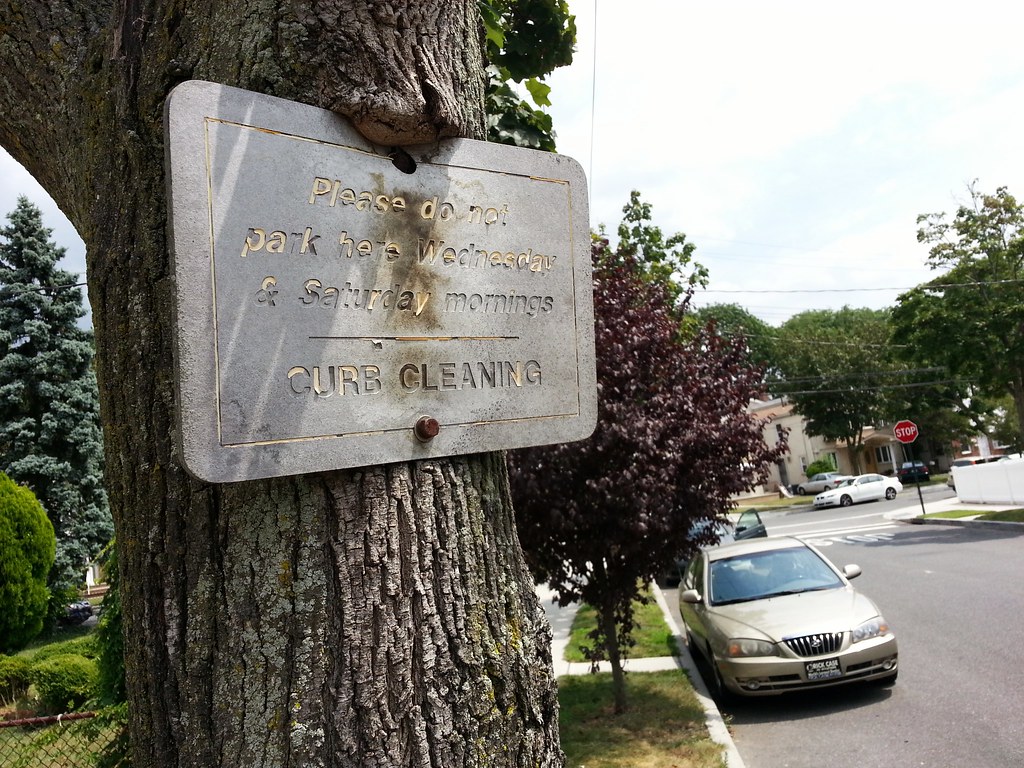
There is no city street cleaning out here in Rosedale; this sign must have been put up by a Type A homeowner on a rigid sidewalk-sweeping regimen.
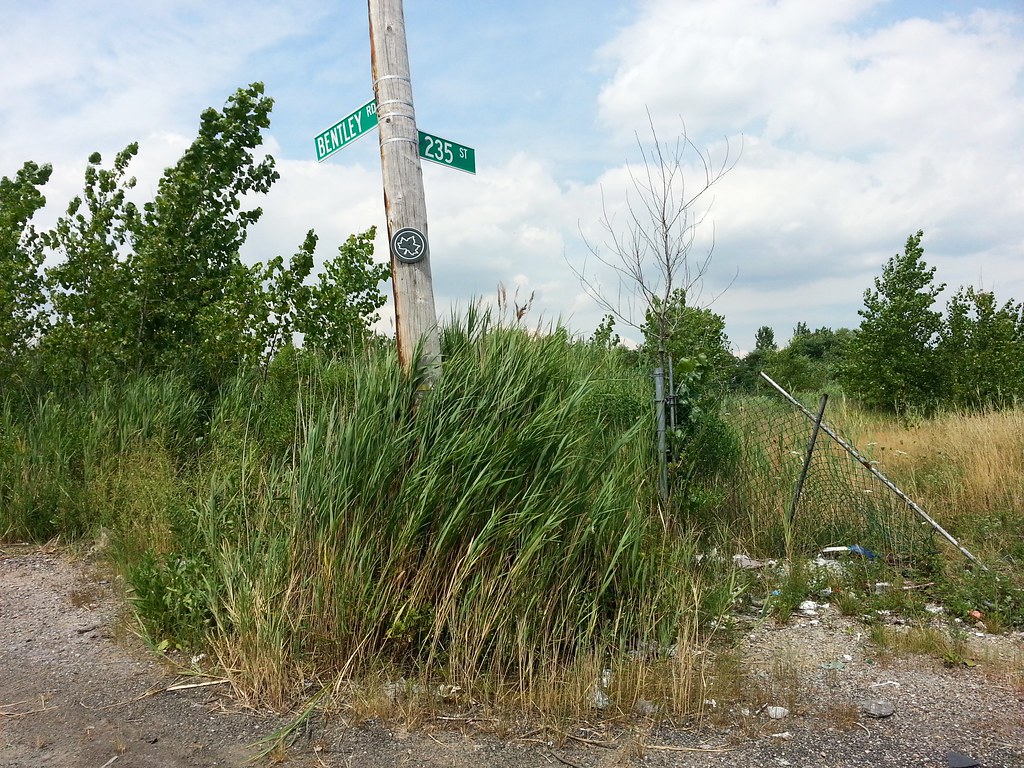
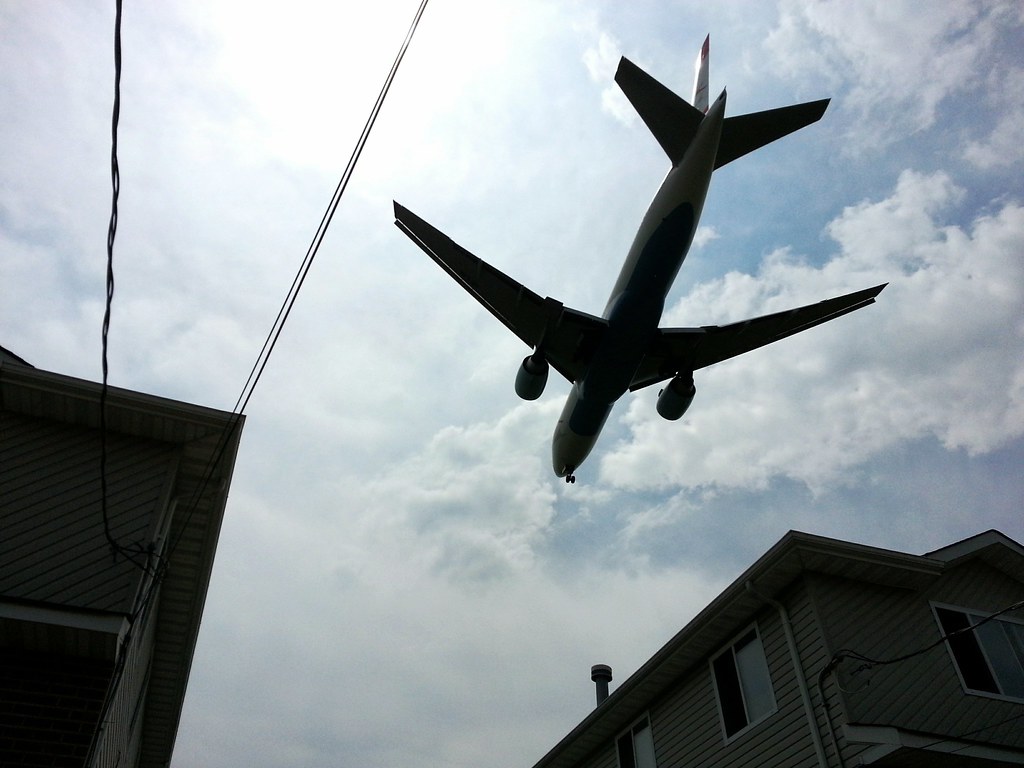
As we've seen, the western edge of Rosedale lies directly beneath a much-used approach to JFK Airport.


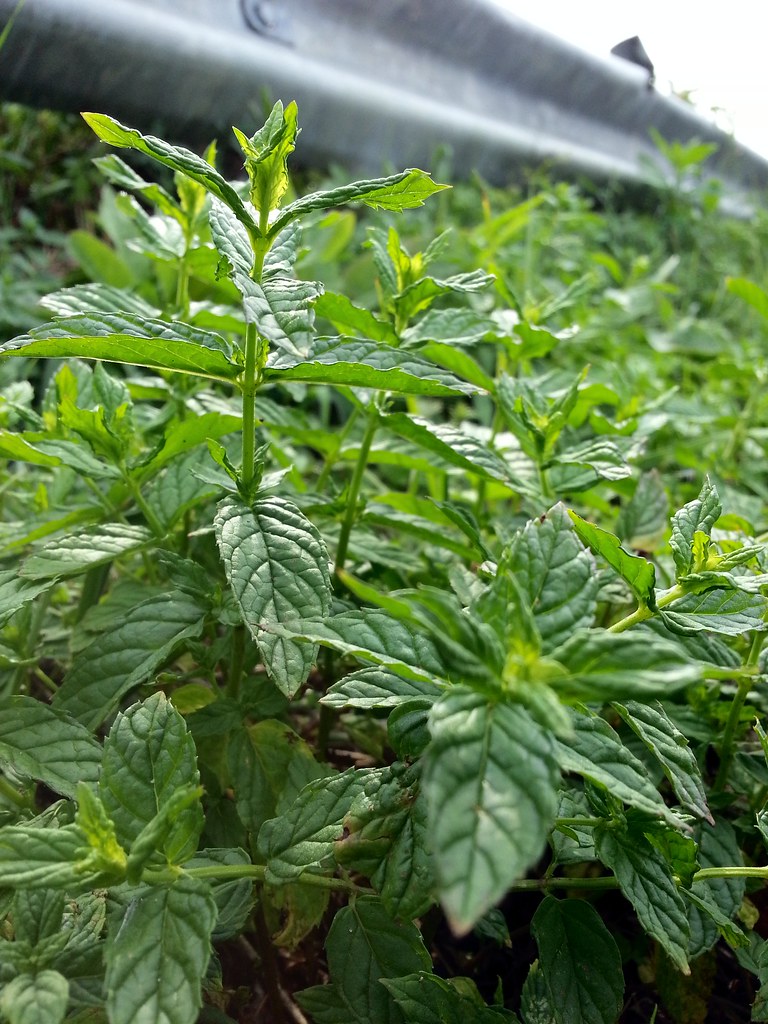

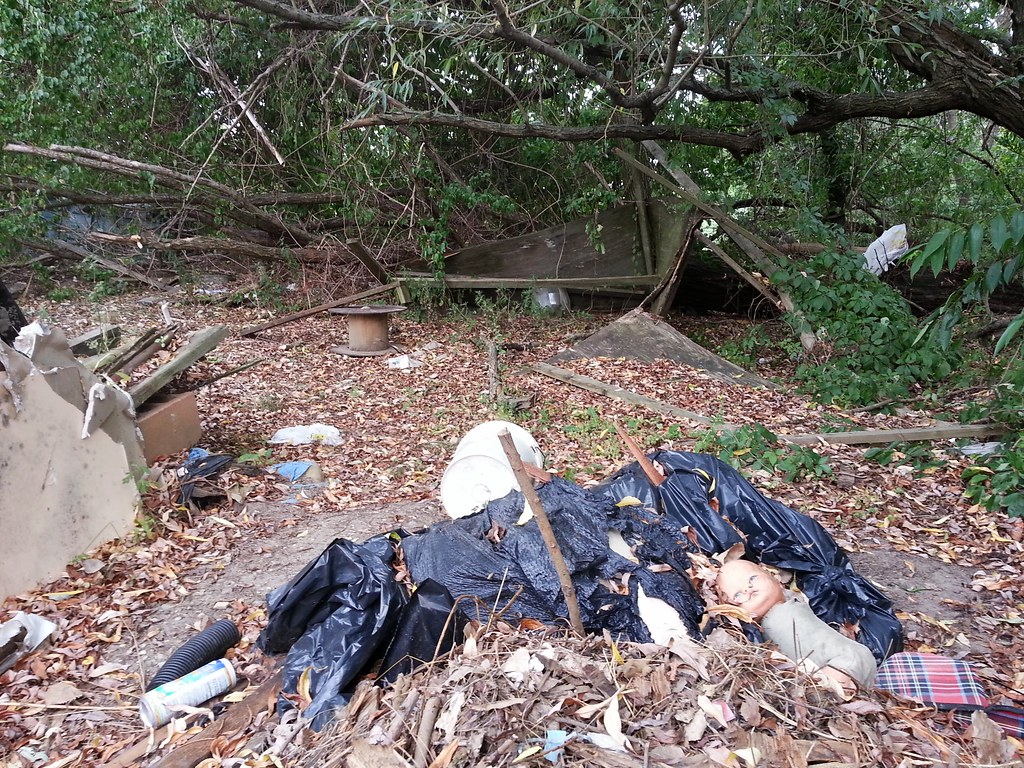

watching a match at Idlewild Cricket Field*, a well-kept facility (photo here) largely hidden away at the edge of town in the woods of Idlewild Park Preserve. Apparently it's not uncommon for international cricketers to play here; one of today's teams was from Trinidad and Tobago.
* The article linked above is the best source of information I could find about the field, but it's also highly exaggerative at times. Most notably, its claim that Idlewild is like several world-class cricket stadiums "all rolled in one" is completely absurd.


It's just like watching the Mets: guys throwing balls, guys swinging bats, jets roaring overhead...

Three conflicts that don't usually make it onto war memorials

Day 579
Today’s haul
July 31st, 2013
The streets of Rosedale and Brookville may not be paved with gold, but today they were basically paved with zinc, copper, nickel, and steel. Look at this ridiculous collection of coins I picked up off the pavement! Finding more than 10 coins on one walk is extremely rare for me, but today I collected 117. And they were scattered about, too; there wasn't just one big mother lode. Of course, the more I found, the more time I spent looking at the ground, so I probably noticed a considerably higher percentage of coins than I normally would.* But still, this is preposterous. By the end of the day, my thigh was sore (or at least annoyed) from being smacked by the 12 pounds of metal in my pocket every time I took a step.
For the record, my total take, based on today's exchange rate, was about $2.2897: 2 quarters, 4 dimes, 7 nickels, 103 pennies, and 1 Canadian penny.
(I snapped this photo two days later.)
* I also did most of my walking in the street today — asphalt is easier on the feet than concrete, and traffic in this area is light enough that it's safe to avoid the sidewalks — which means I had very little pedestrian competition in my treasure hunt, and also means I was passing right through the areas where people are most likely to drop coins when they park and get out of their cars. But even with these factors taken into consideration, 117 coins is simply obscene.
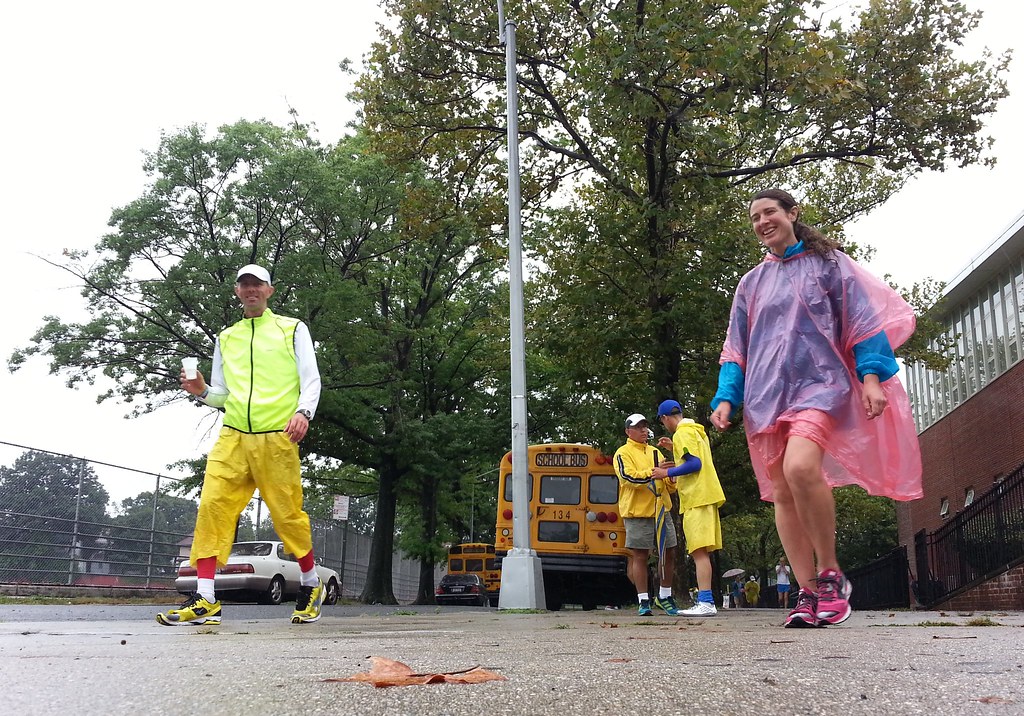
are enjoying the rain — a welcome break from the oppressive summer heat — at the Self-Transcendence 3,100 Mile Race. Vasu has taken the lead since our last visit, and he'll finish tomorrow. Unfortunately, I'm going to miss it, as I'll be out of town for the next few days.
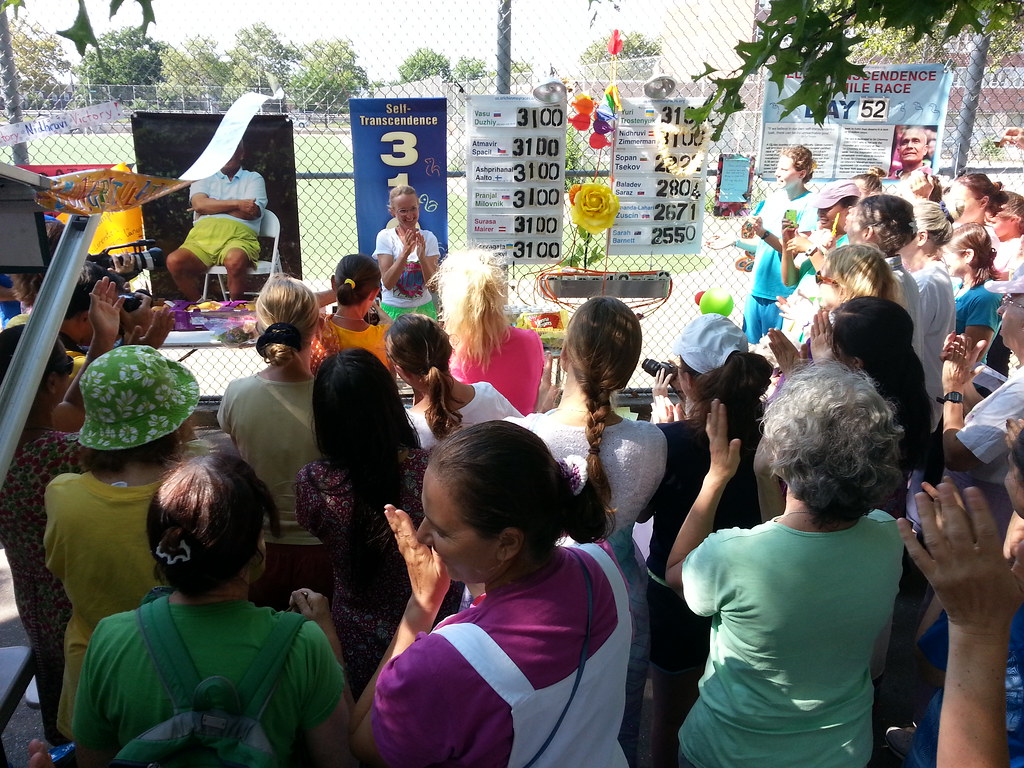
I just got back into town and missed Nidhruvi crossing the finish line of the Self-Transcendence 3,100 Mile Race by about five minutes. Twelve runners started the race this year, and she's the last of the eight who finished. I spent more time at the race last year, and saw a few finishes, so you can peruse my 2012 race photos if you want to get a better sense of this astounding annual event. And for an in-depth and awesomely photographed look at this year's contest, check out Utpal Marshall's blog, Perfection Journey.
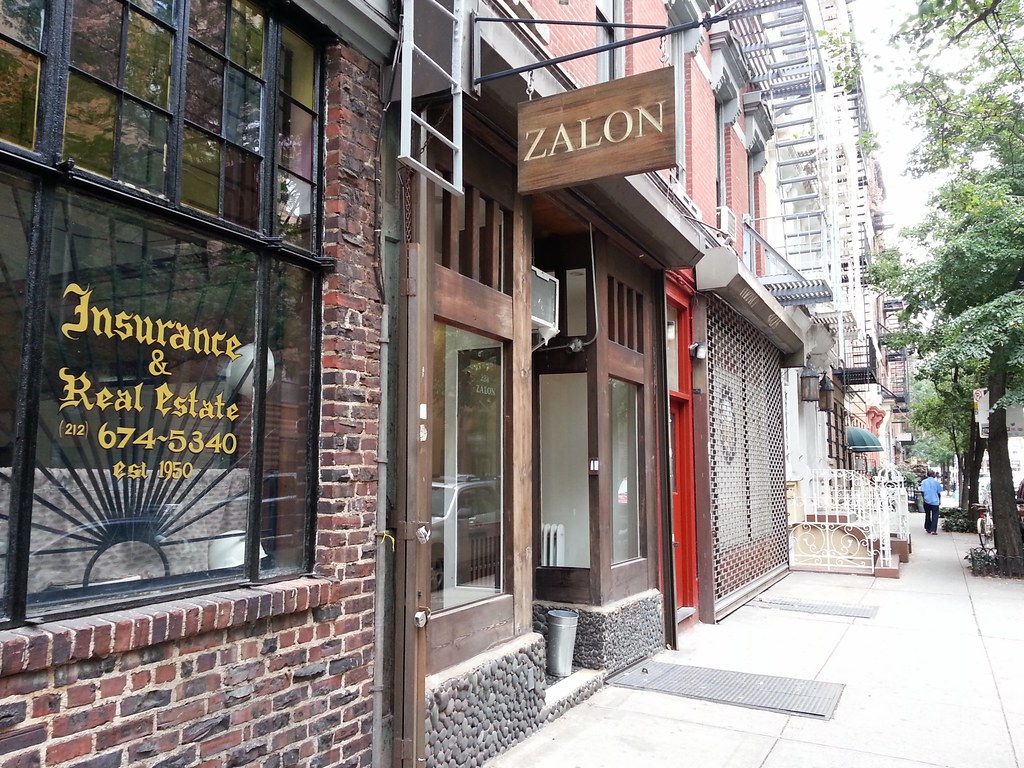
I wasn't officially walking today, but I had to document this barberzhop that I overlooked when I first passed it by last year.
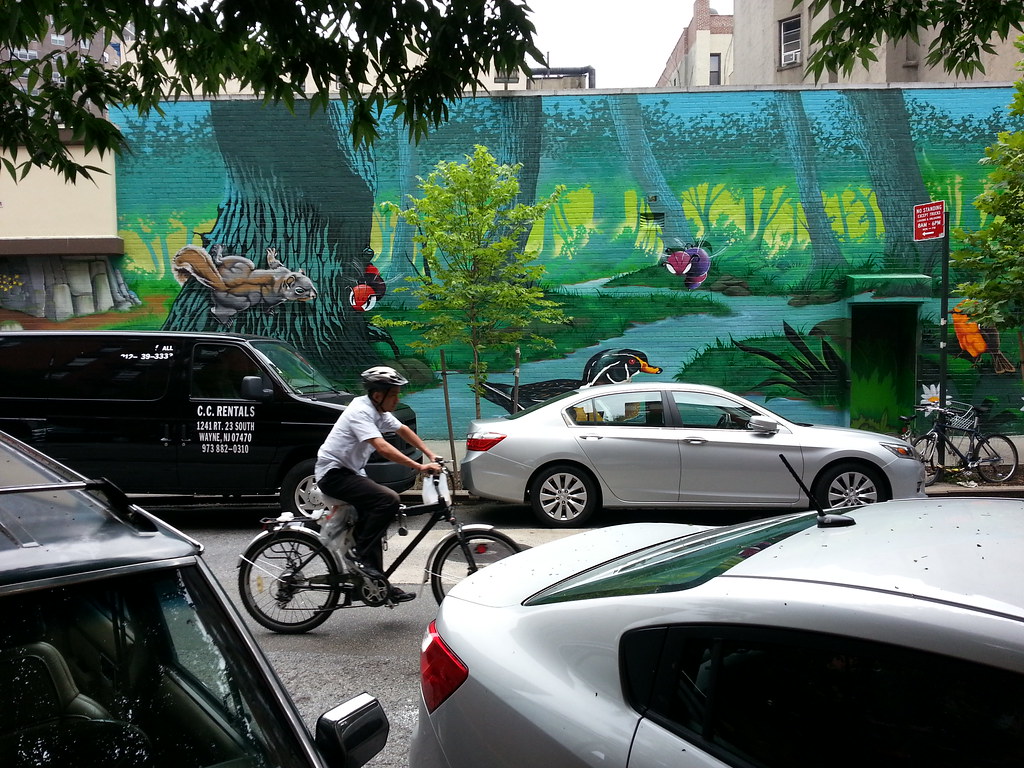
As we've seen, the Royal Kingbee, well known for his omnipresence on the walls of Bronx Rite Aids, has made a move into the East Village. So I suppose it was only a matter of time before he turned up outside one of the chain's drug stores here in Manhattan.
Day 588
Today’s route — 0.02 miles
August 9th, 2013

I was just heading north tonight on Lafayette Street when I noticed an open gate at Jones Alley. The inner gate was still locked, so I couldn't go very far, but I had to take the opportunity to cover a tiny bit of new ground.
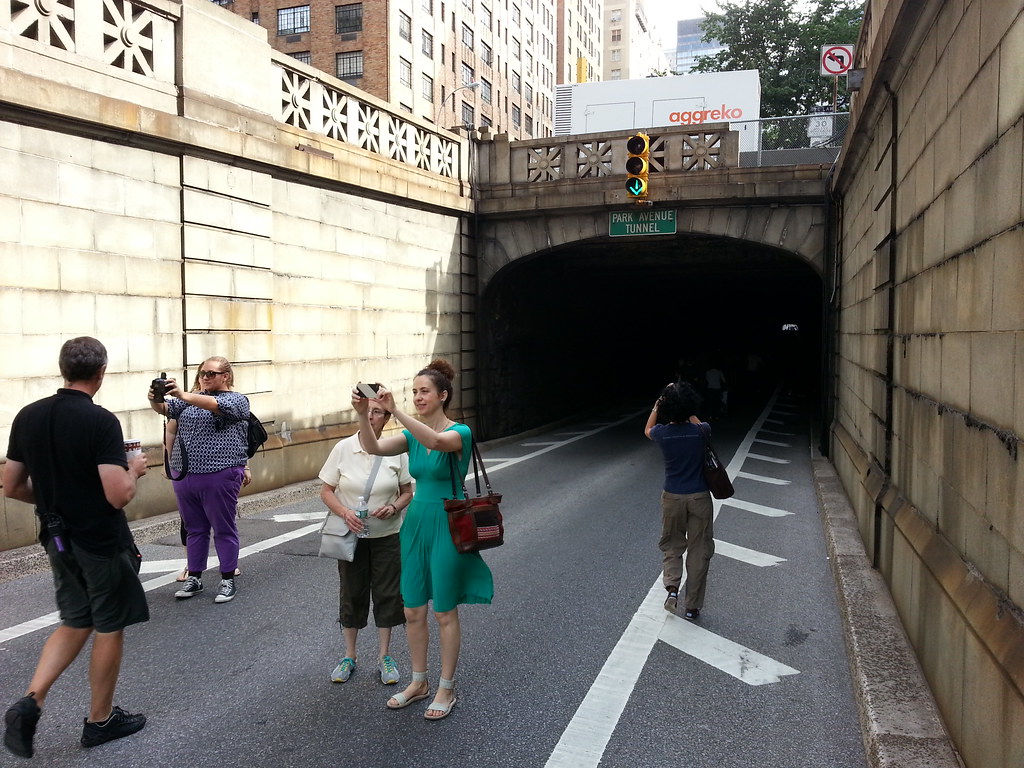
This 150-some-year-old railroad-turned-automobile tunnel beneath Park Avenue is normally off limits to pedestrians, but the city DOT has decided to open it to foot traffic as part of this year's Summer Streets, "an annual celebration of New York City’s most valuable public space—our streets. On three consecutive Saturdays in the summer, nearly seven miles of NYC’s streets are opened for people to play, walk, bike, and breathe." It's the first time the public has been allowed to walk through the tunnel since the 1930s (or ever, depending on your source).
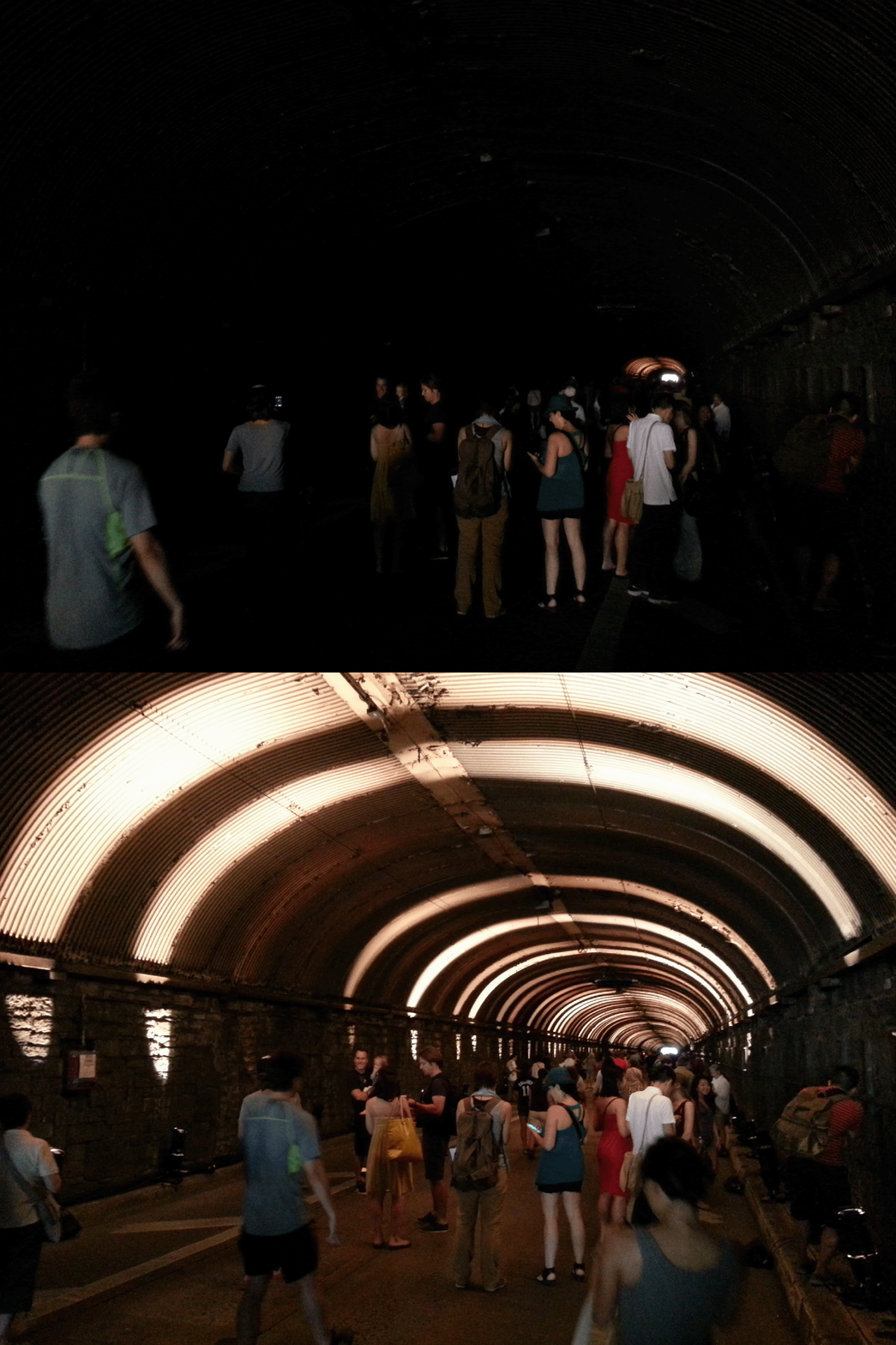
In addition to being open to pedestrians, the Park Avenue Tunnel has been transformed into Rafael Lozano-Hemmer's Voice Tunnel during this year's Summer Streets. You can watch a short video about the installation here.

The Park Avenue Viaduct (a.k.a. "Overhead Roadways around Grand Central Terminal") — another cool piece of infrastructure only accessible to pedestrians during Summer Streets
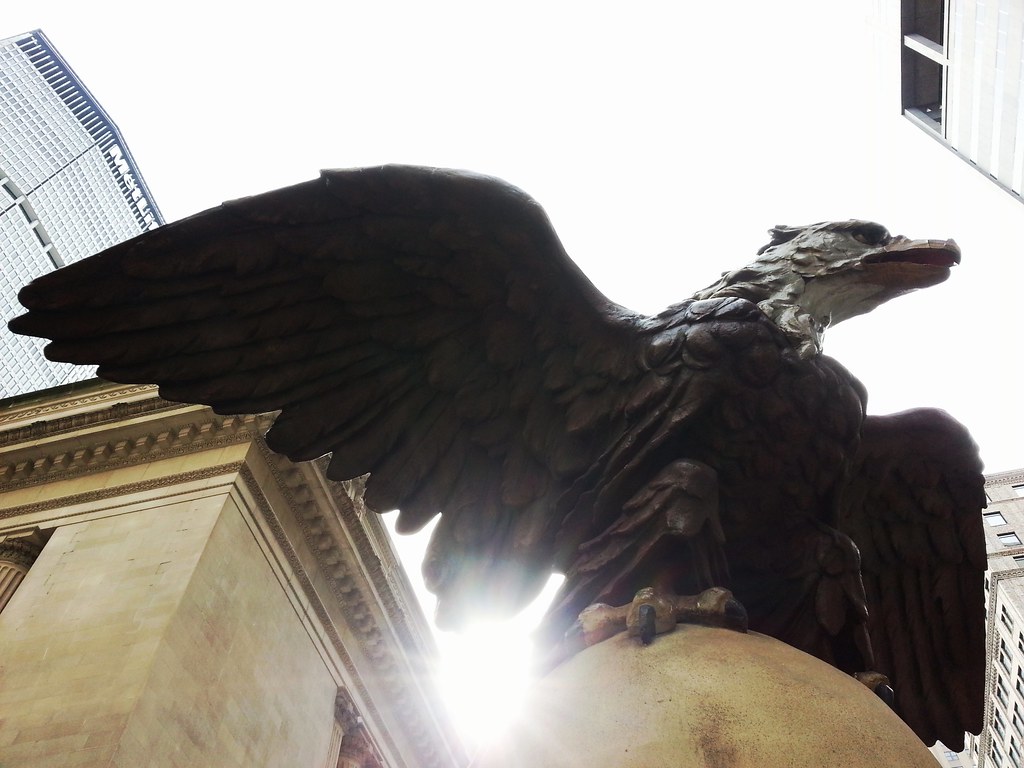
This big cast-iron eagle is one of perhaps ten or twelve similar sculptures that once stood atop the old Grand Central Station. They were installed during the turn-of-the-20th-century reconstruction of the station, which had previously been known as Grand Central Depot (and which featured a breathtaking iron and glass arched train shed). When the station was demolished and replaced by the current Grand Central Terminal in the early 20th century, the birds took flight, ending up in the hands of several different people and institutions. Their whereabouts are now mostly known, thanks to the efforts of a couple of dedicated eagle hunters.
The eagle pictured above landed at a Capuchin seminary in Garrison, New York, where it remained until 2001, when the friars donated it to the MTA. It has since returned to Grand Central and can now be seen perched on the building's southwest corner, making it the second eagle to have found its way back home after the diaspora. One of the aforementioned eagle hunters was not happy with this choice of location, however, telling the NY Times that placing the bird in such a prominent spot would be a "travesty" and "would aversely affect the view of Grand Central that Jacqueline Kennedy Onassis fought so hard to preserve."
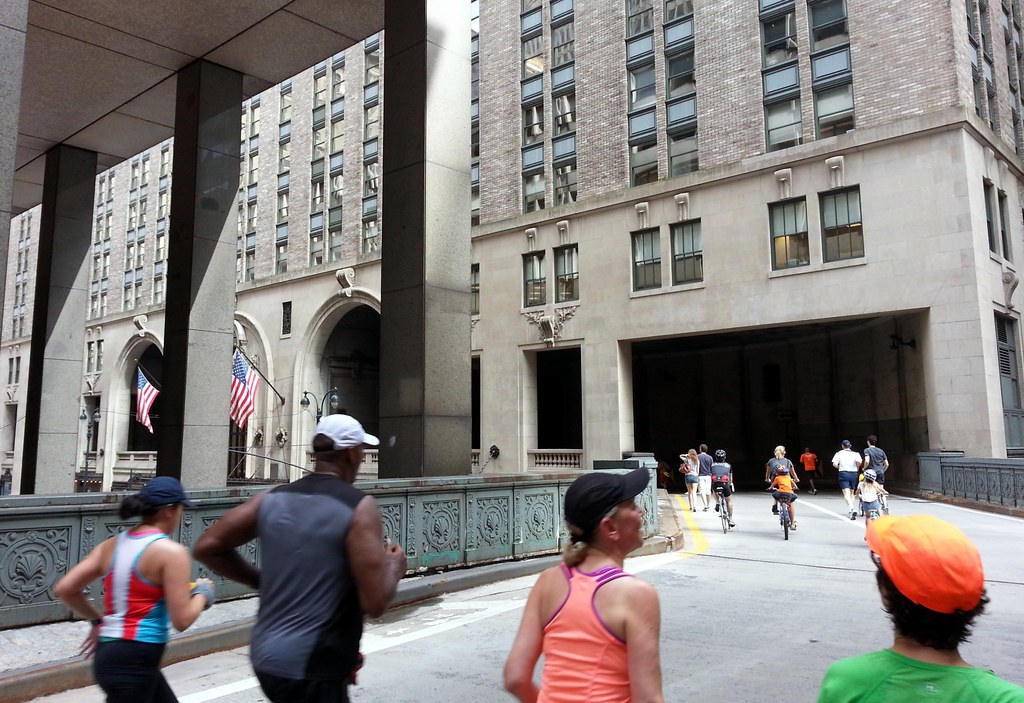
Heading north, the eastern branch of the Park Avenue Viaduct passes through the bottom of the Helmsley Building, descending to street level and rejoining the western (southbound) lanes of Park Avenue at 46th Street.

Inside the Helmsley Building on the eastern (northbound) leg of the Park Avenue Viaduct, almost back at street level


