
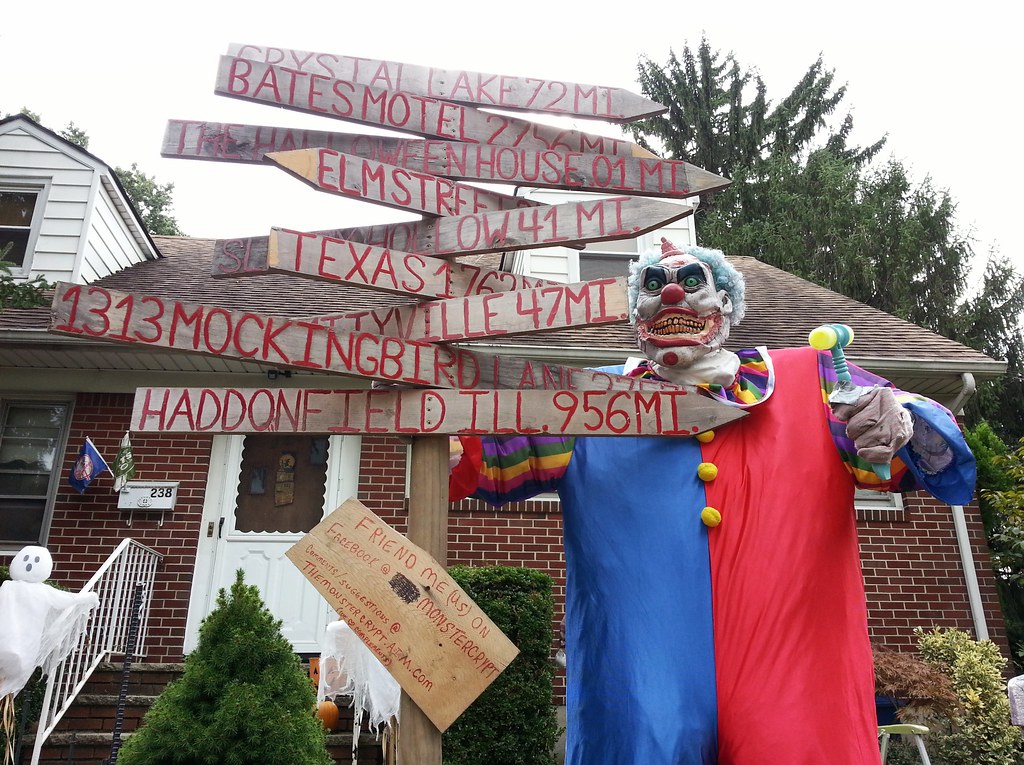
The squeaky hammer of death!
Check out the rest of the yard.
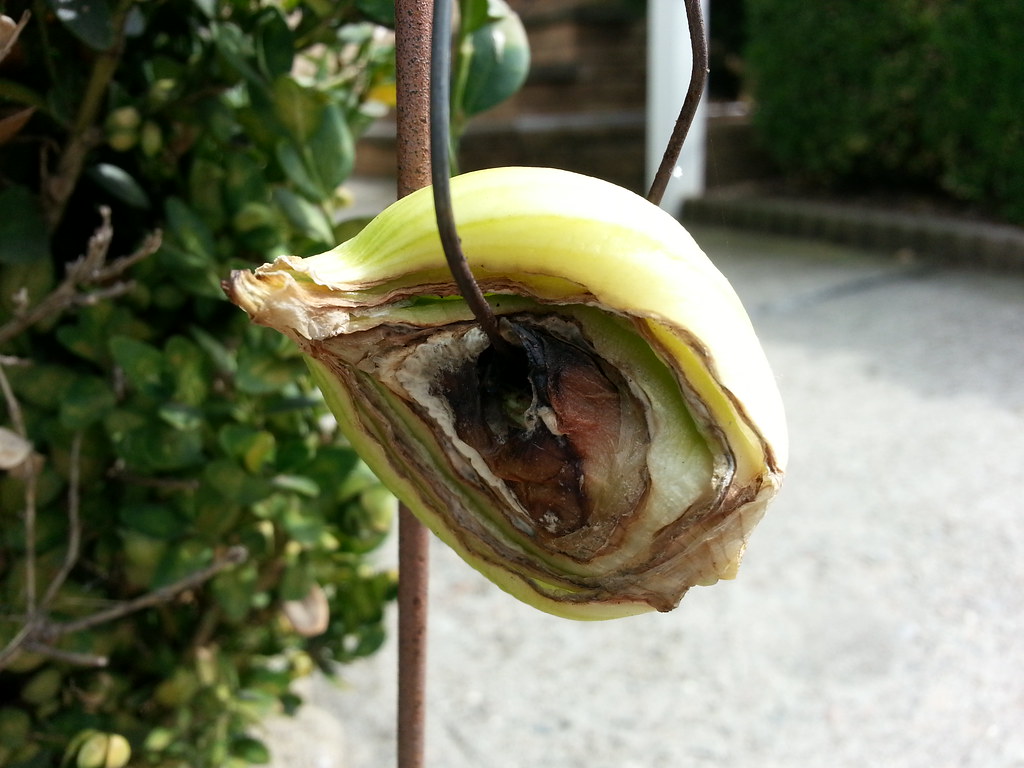
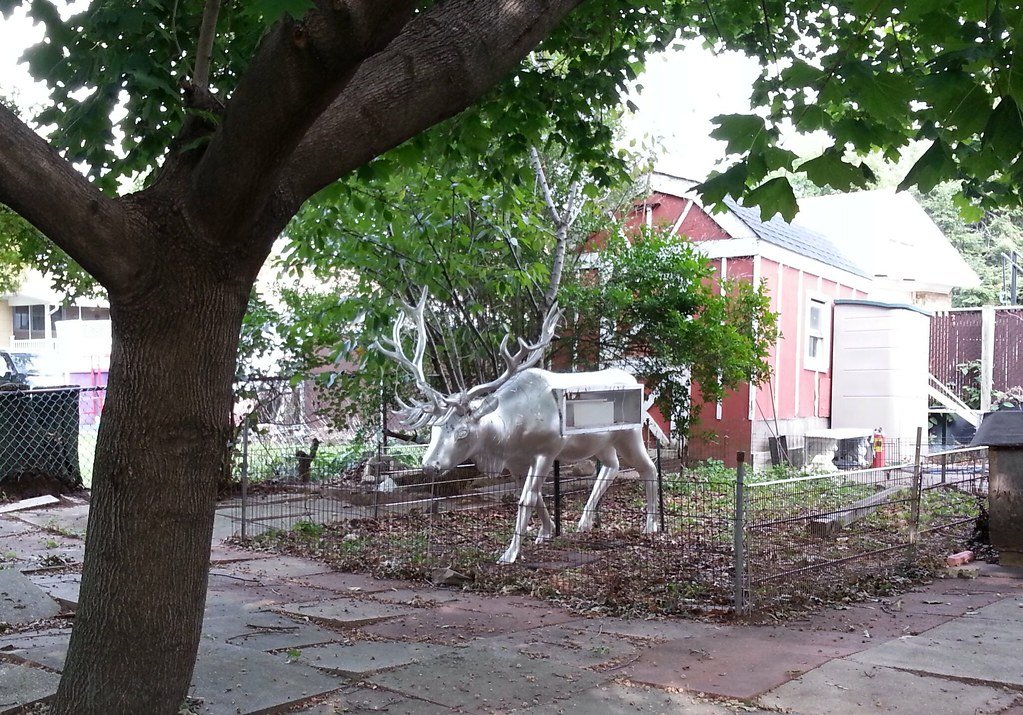
Animal repellent? Good luck charm? Here's a wider shot; there was also one hanging symmetrically on the other side of the walkway.
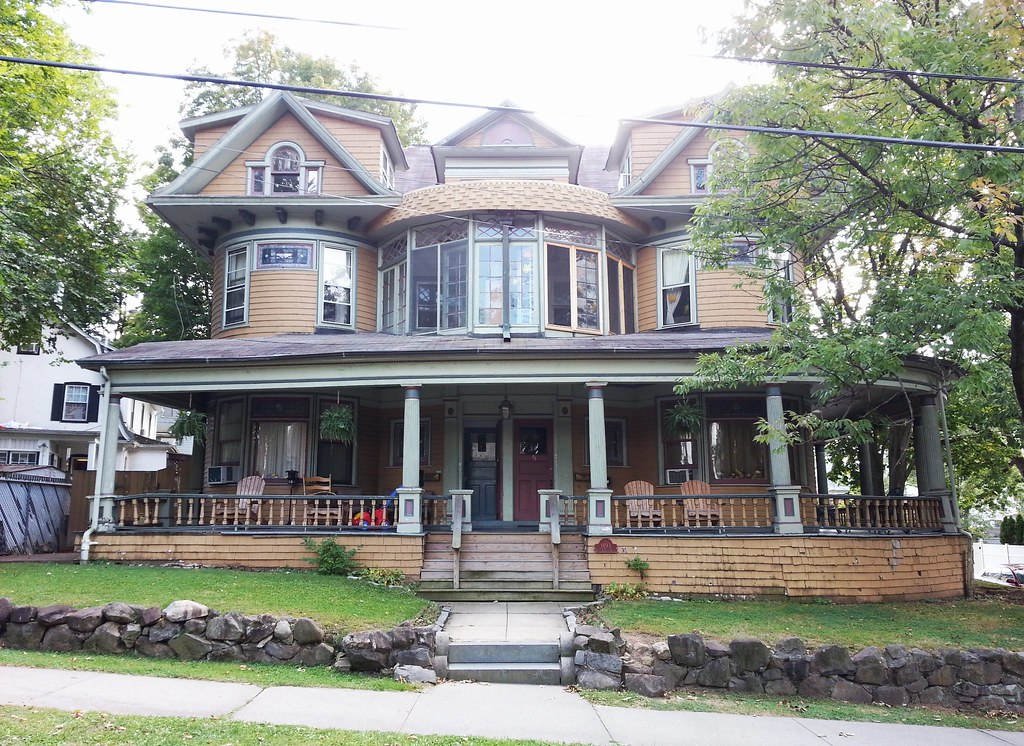
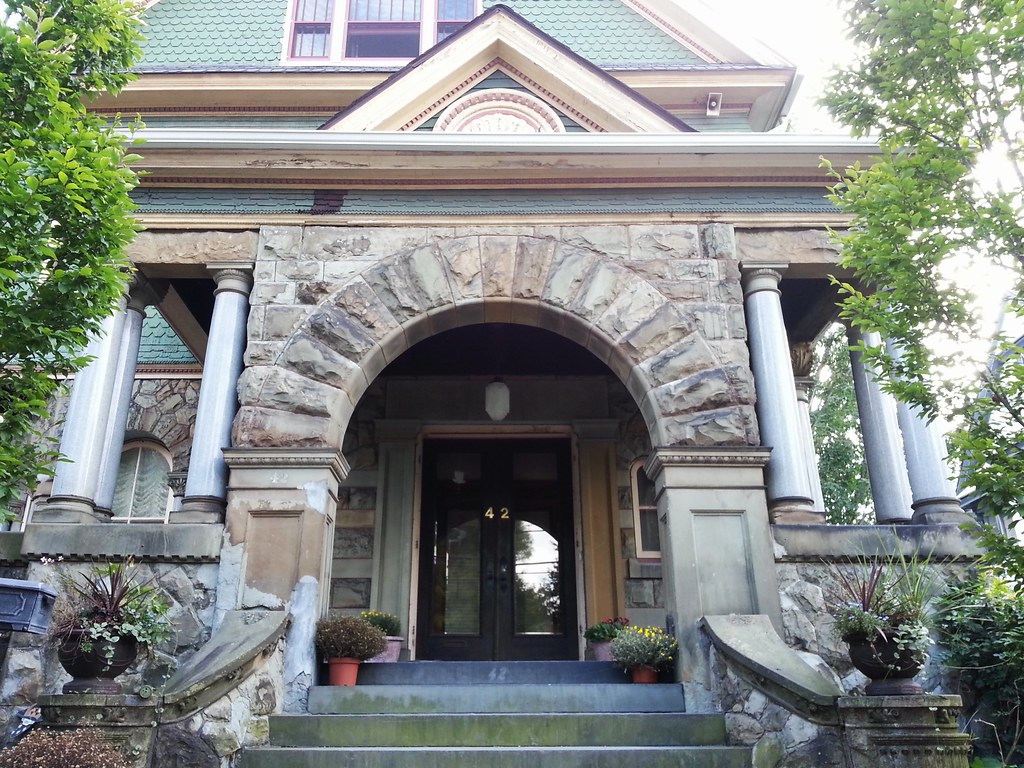
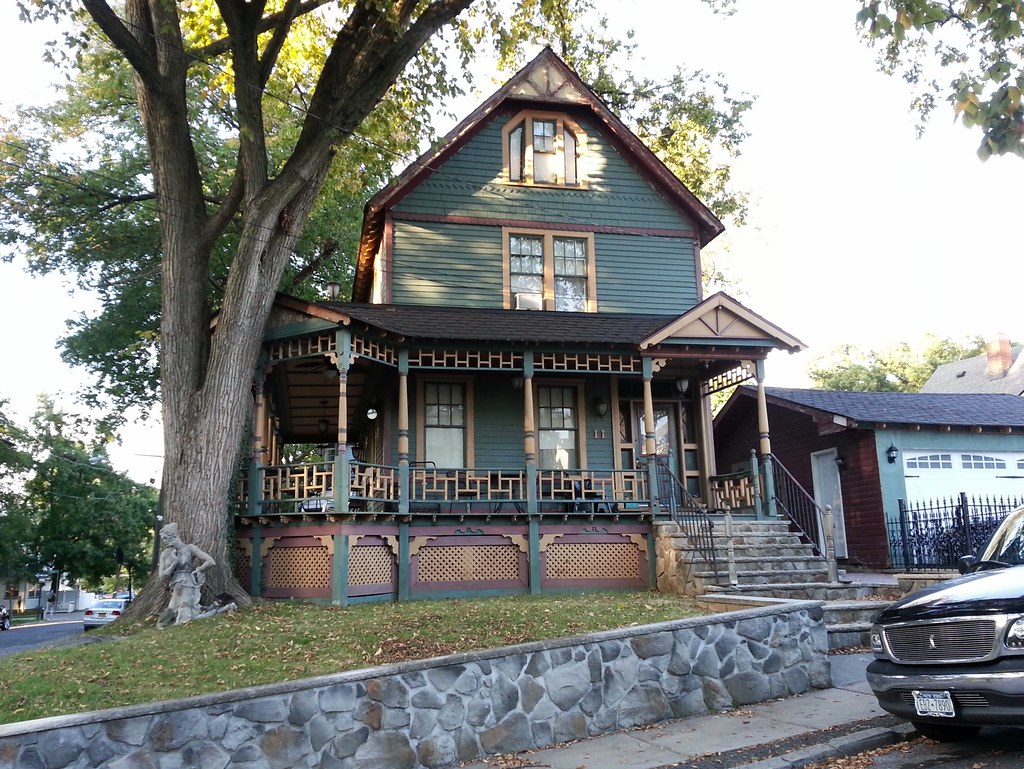
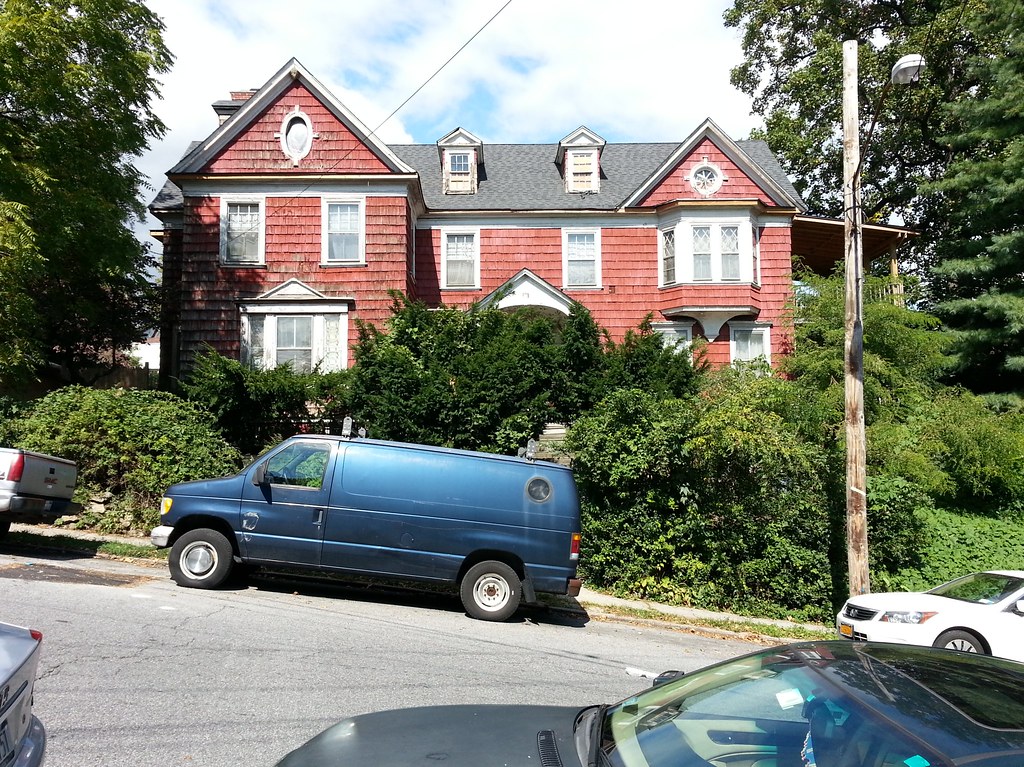
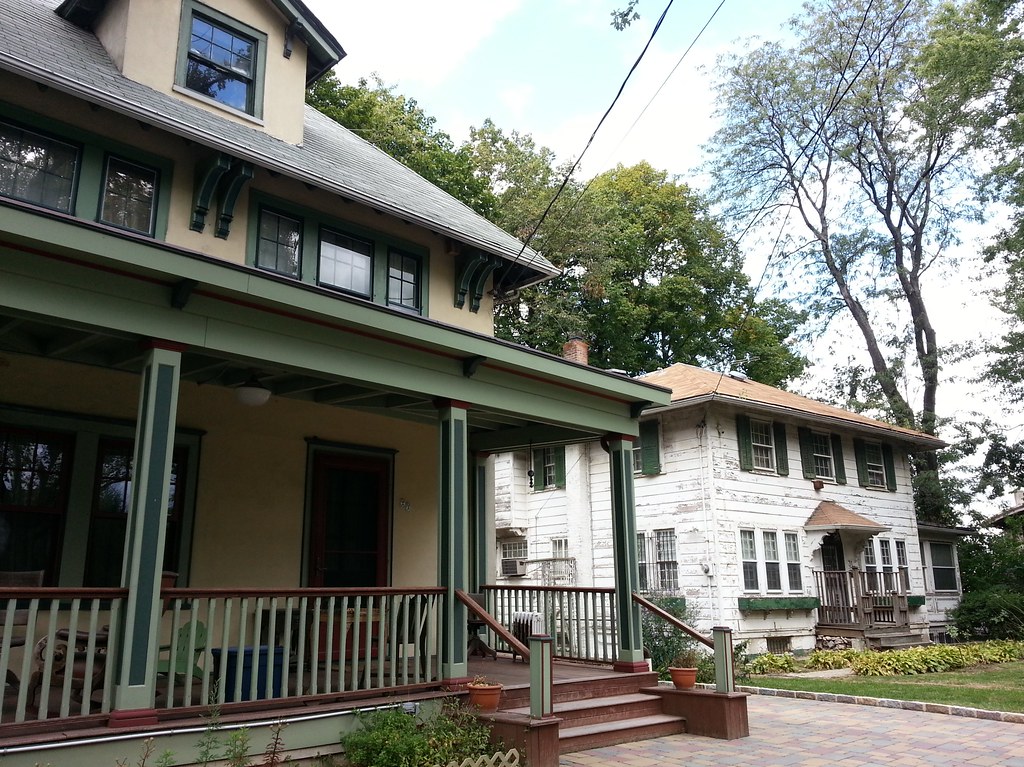
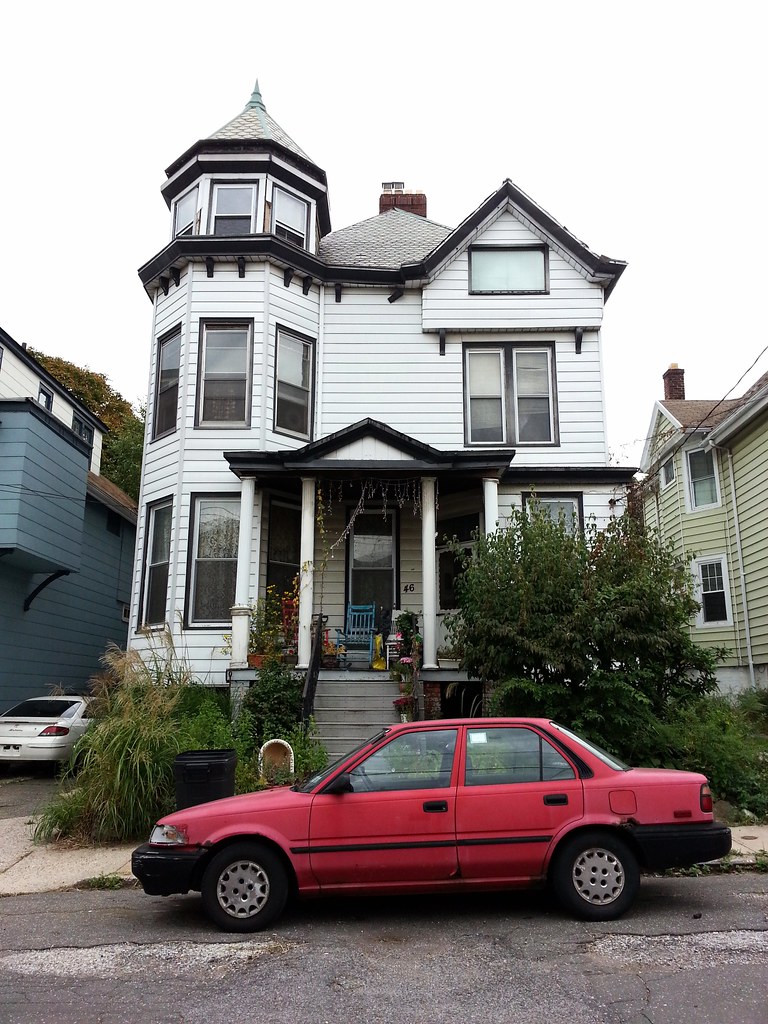
Built around 1893, this house was originally the residence of Isaac K. Funk (of Funk & Wagnalls).
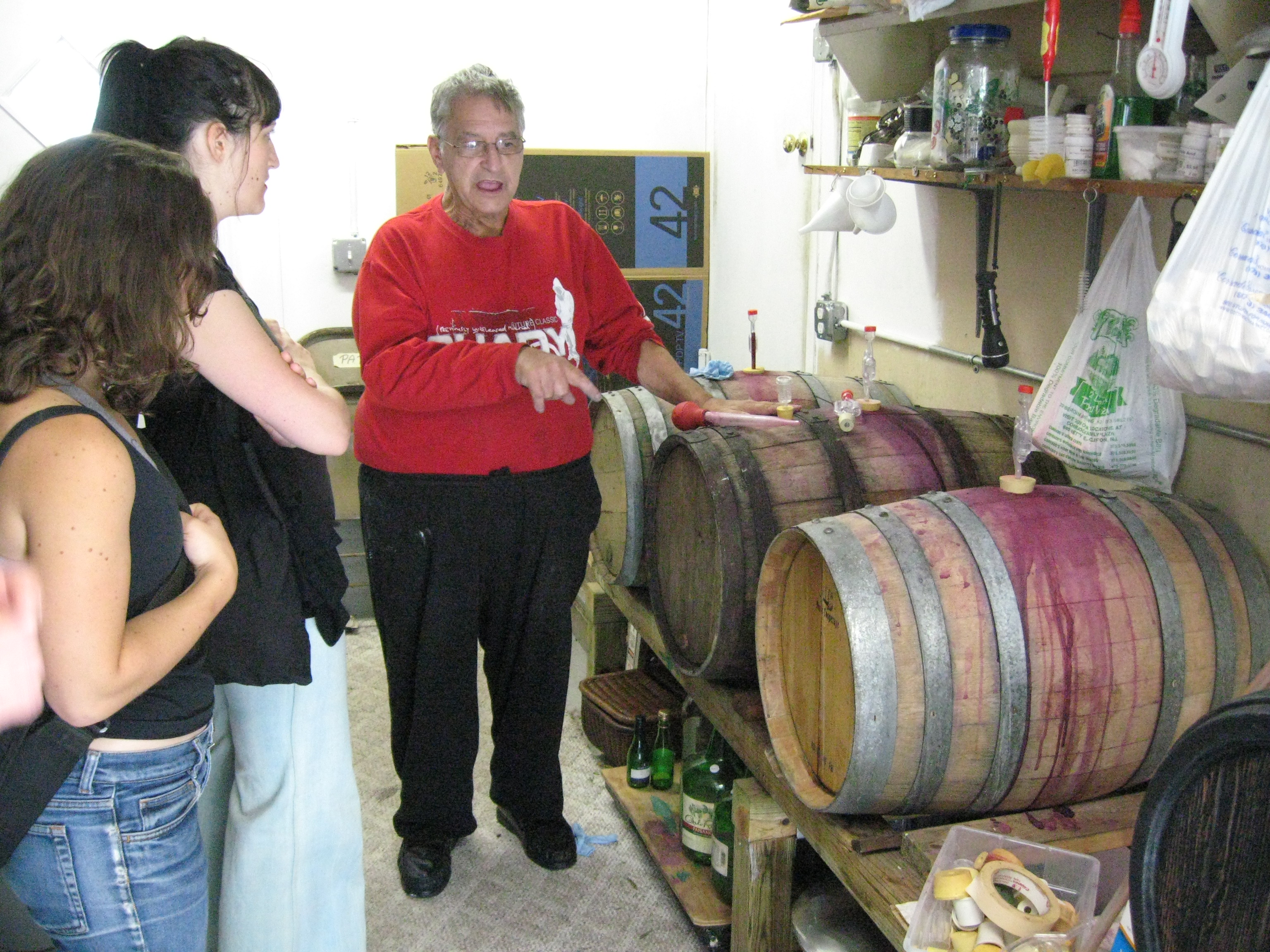
The surrounding neighborhood, now called Westerleigh, was once known as Prohibition Park; it was developed as a summer retreat by the National Prohibition Party. Most of its streets are named for people and states that were prominent in the anti-alcohol movement (including Neal Dow, the "Napoleon of temperance"). I was with a few friends the first time I ever walked through the area; fittingly, we passed right by a guy pressing grapes in the driveway of his friend's garage winery!

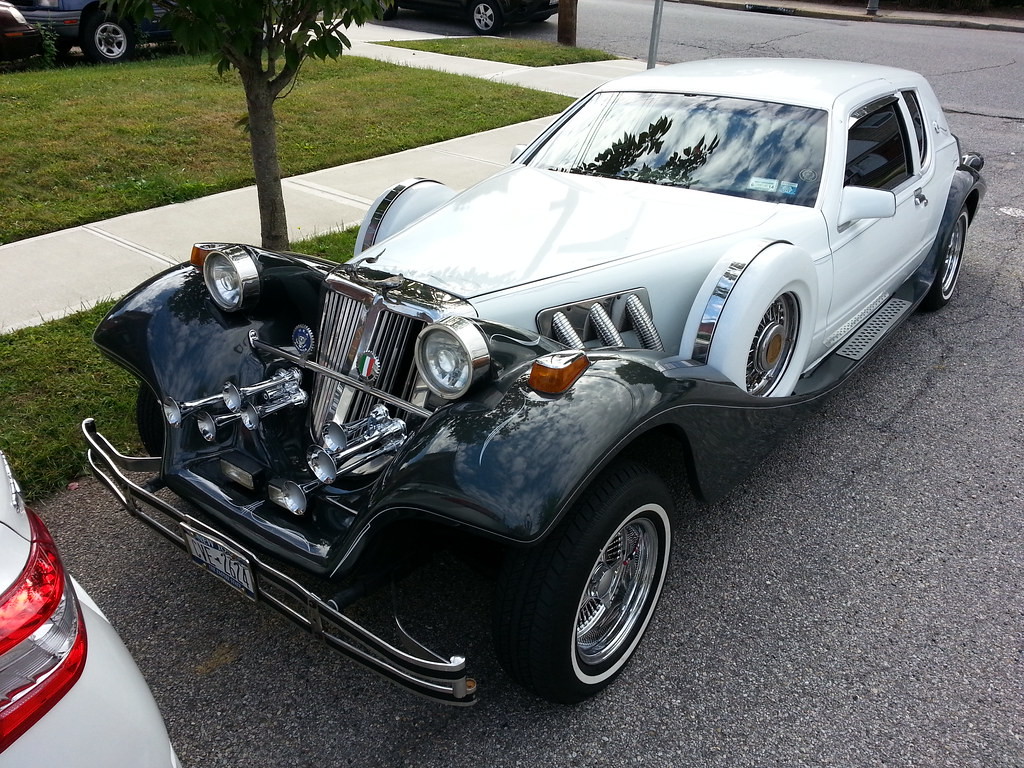
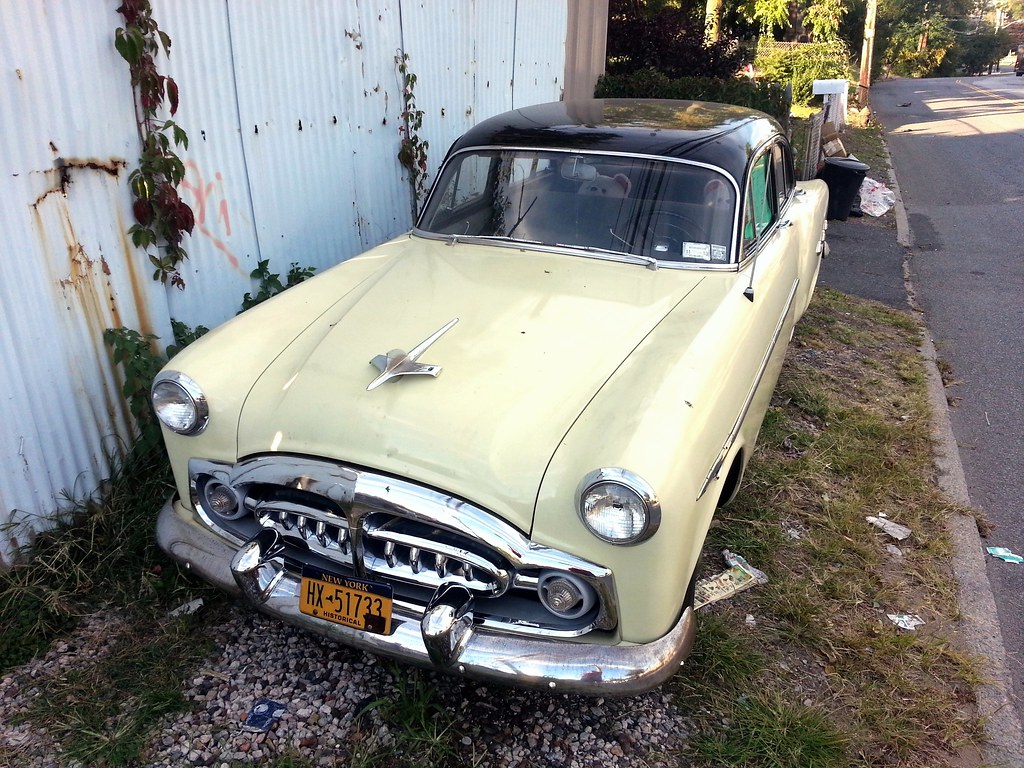
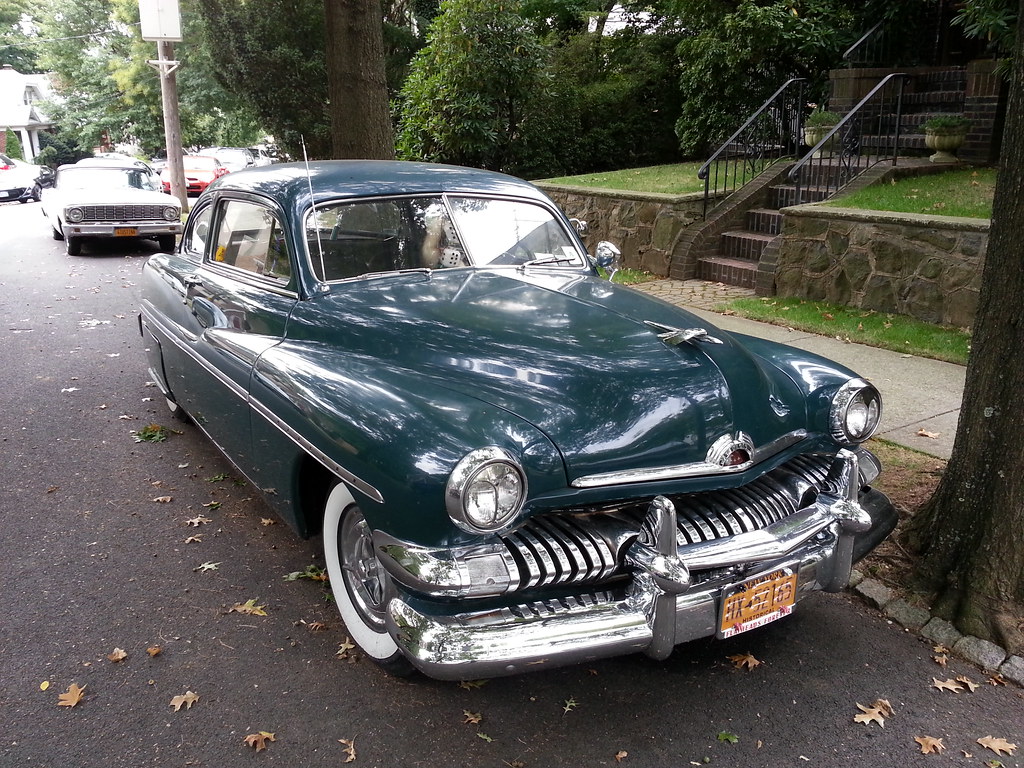
This neoclassic car is built on the frame and suspension of an '85 Mercury Cougar.


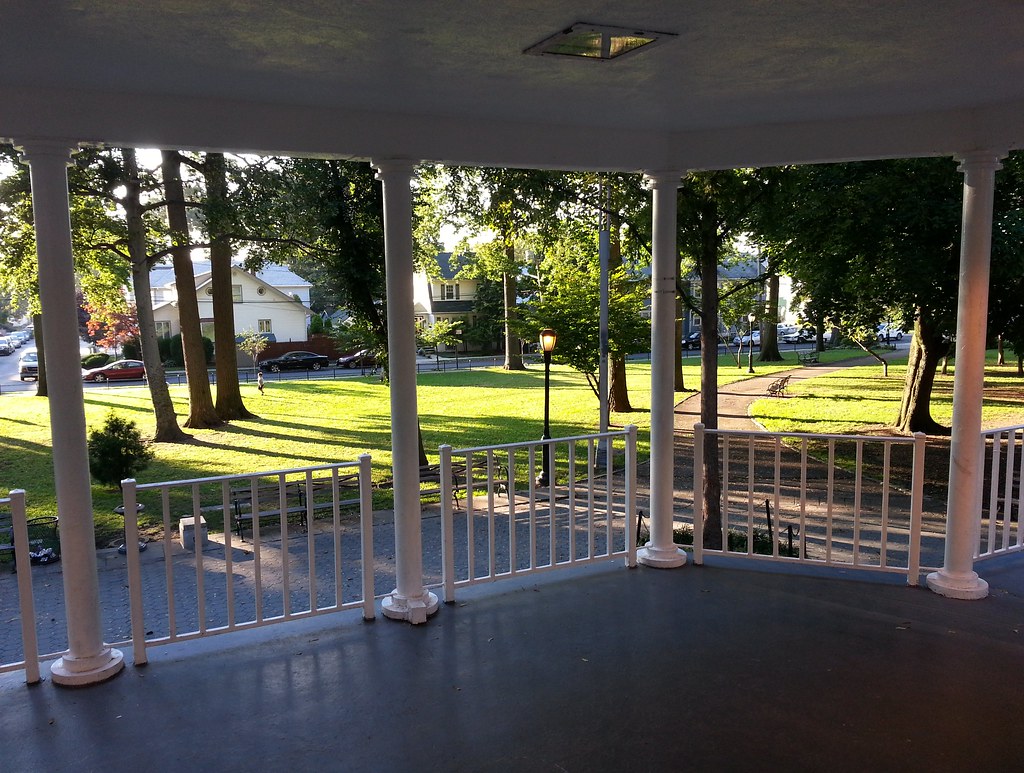
Westerleigh Park, above, was once part of the picnic grove of Prohibition Park.
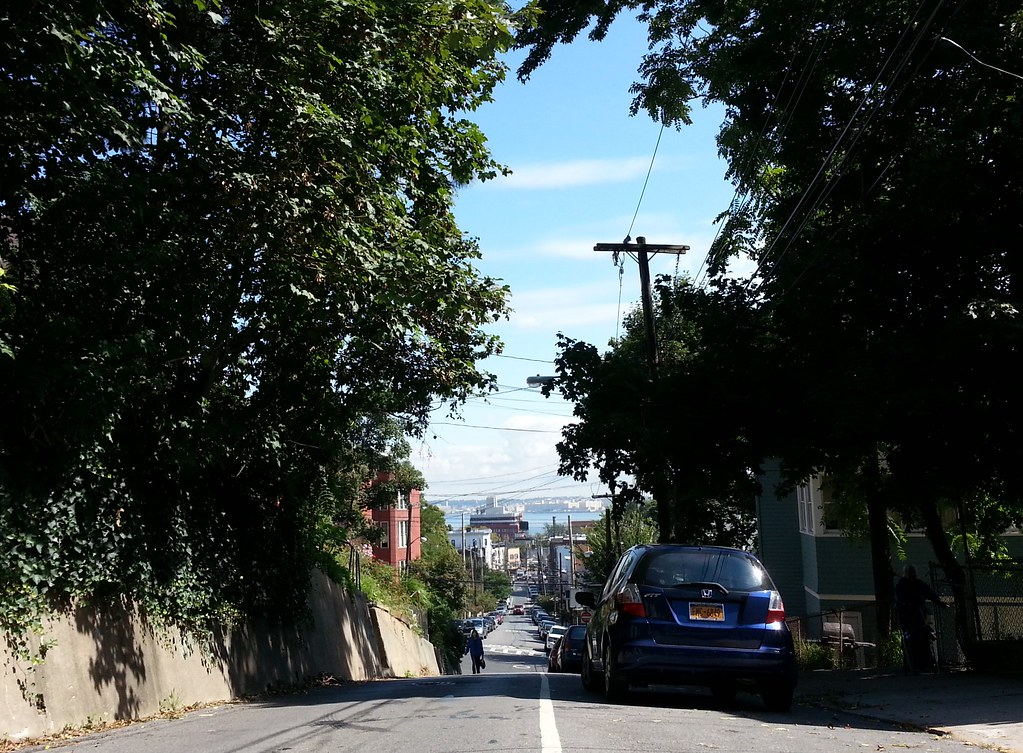
Looking out at Brooklyn across Upper New York Bay
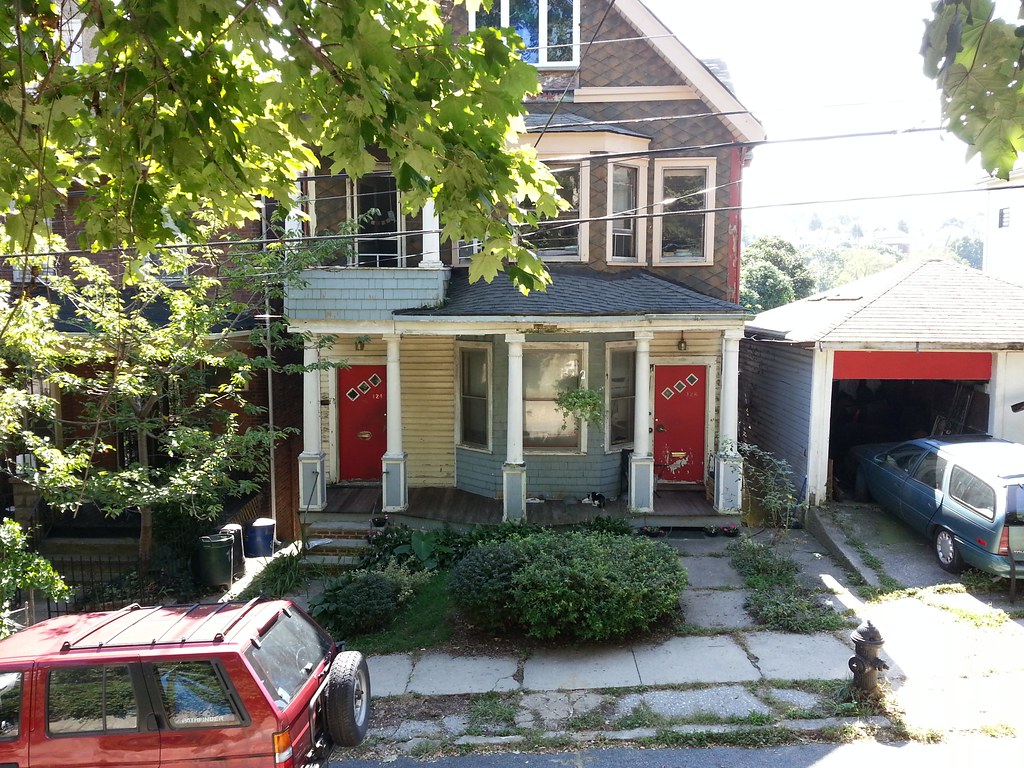
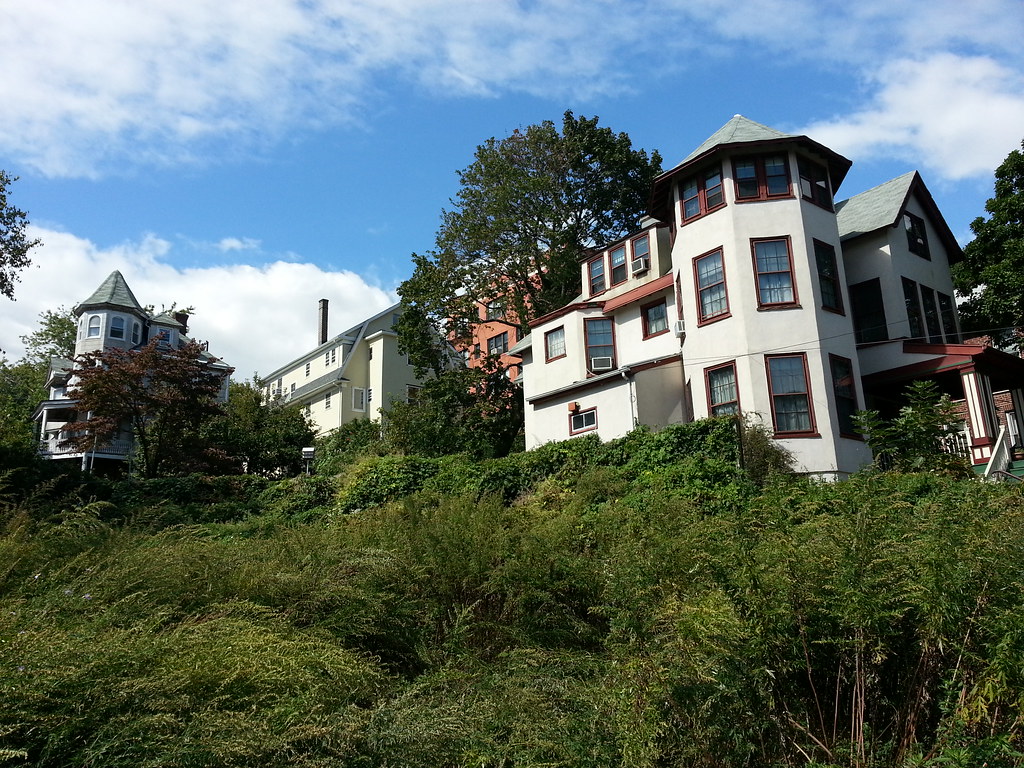
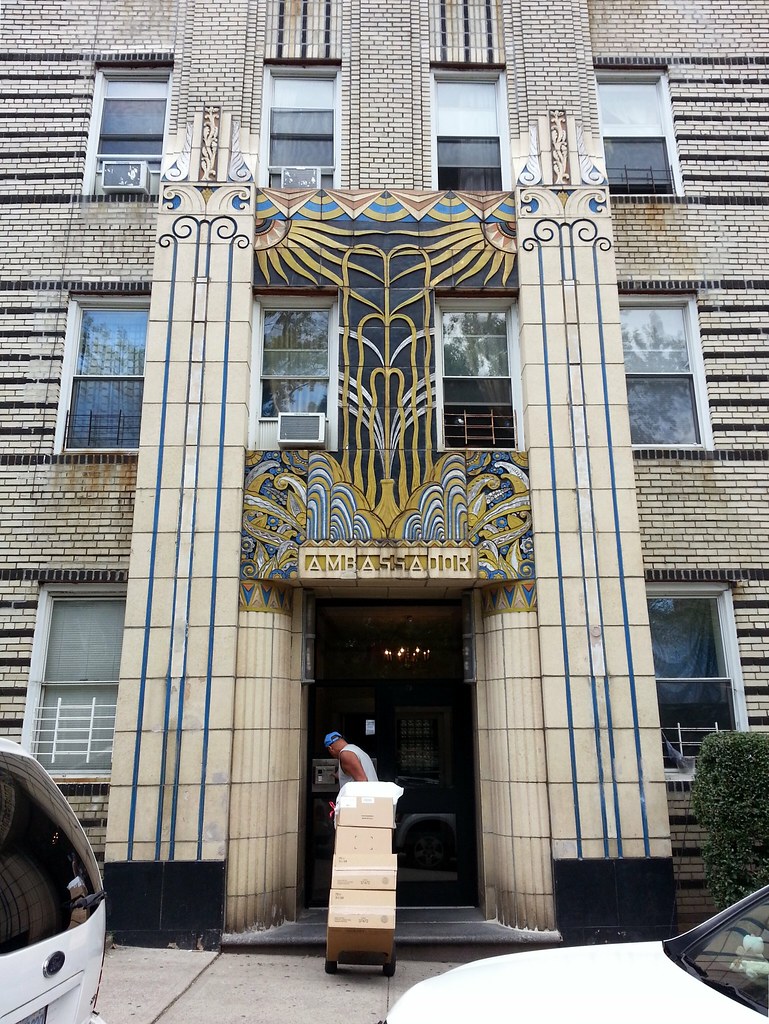
Paul Newman and Martin Sheen each lived here at some point, and Emilio Estevez, Sheen's son, was reportedly born inside the building.
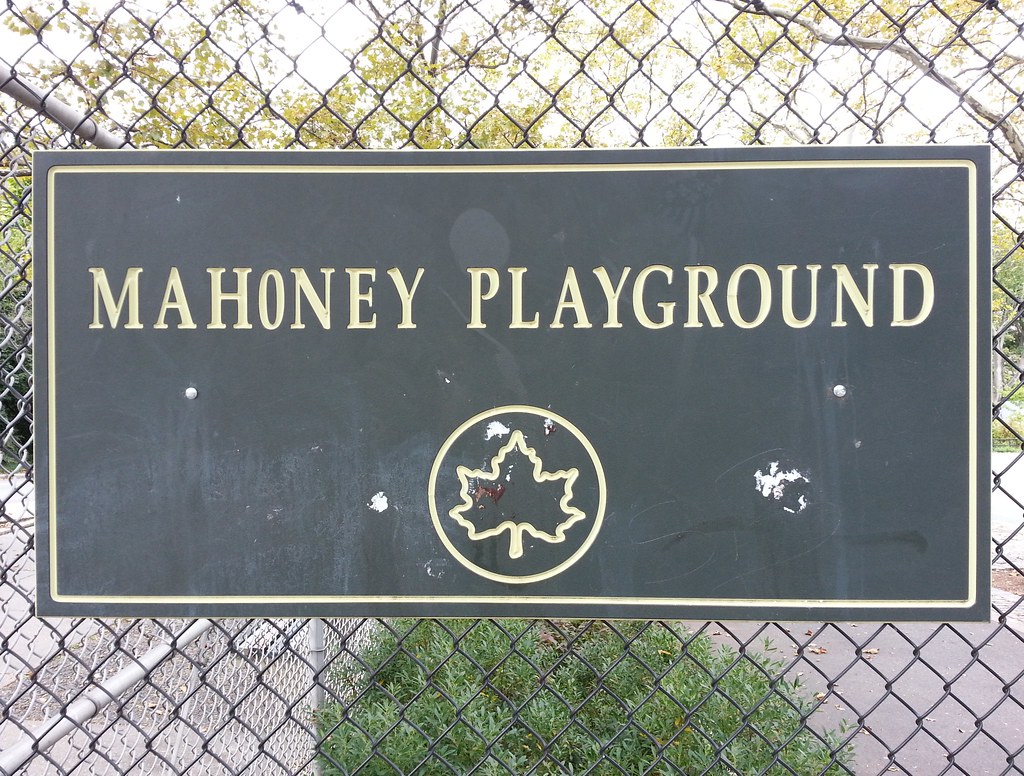
There were two or three other identical signs posted elsewhere around the playground.

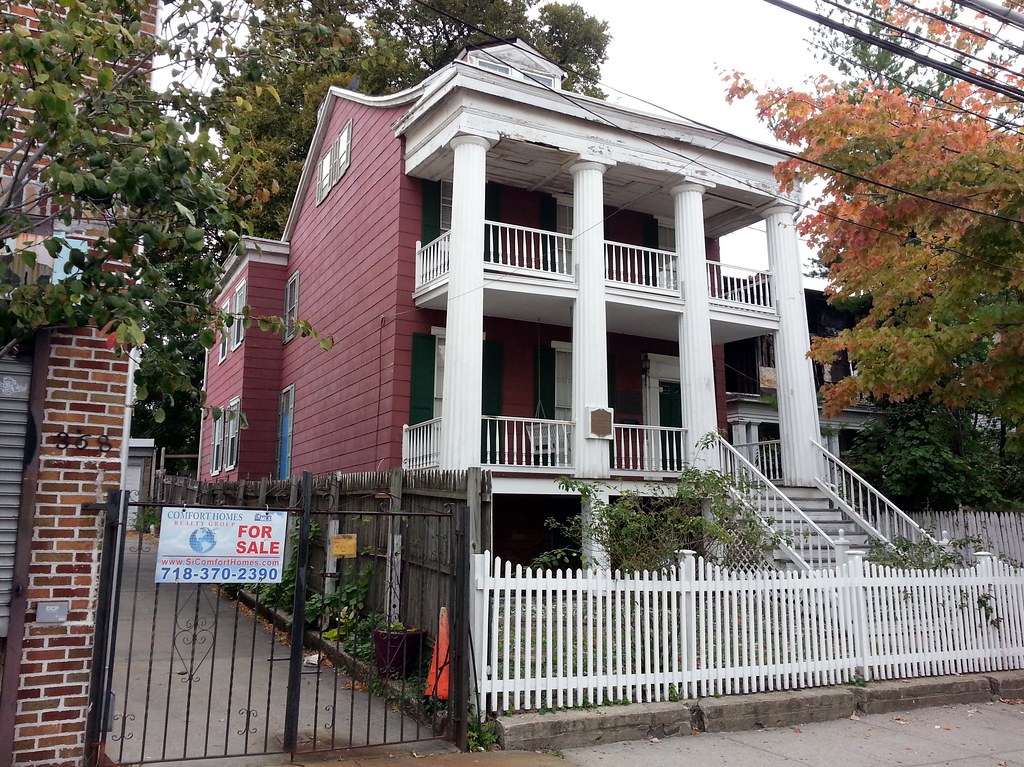

It's surprising to come upon this large hexastyle municipal building in the middle of a sleepy residential block.
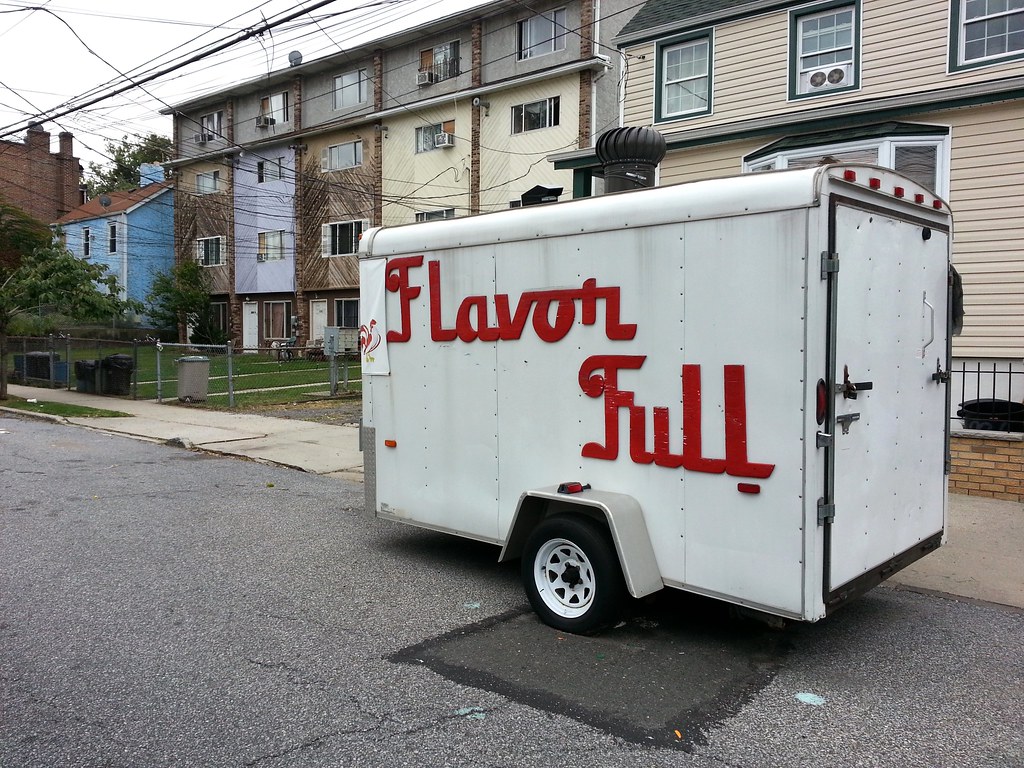
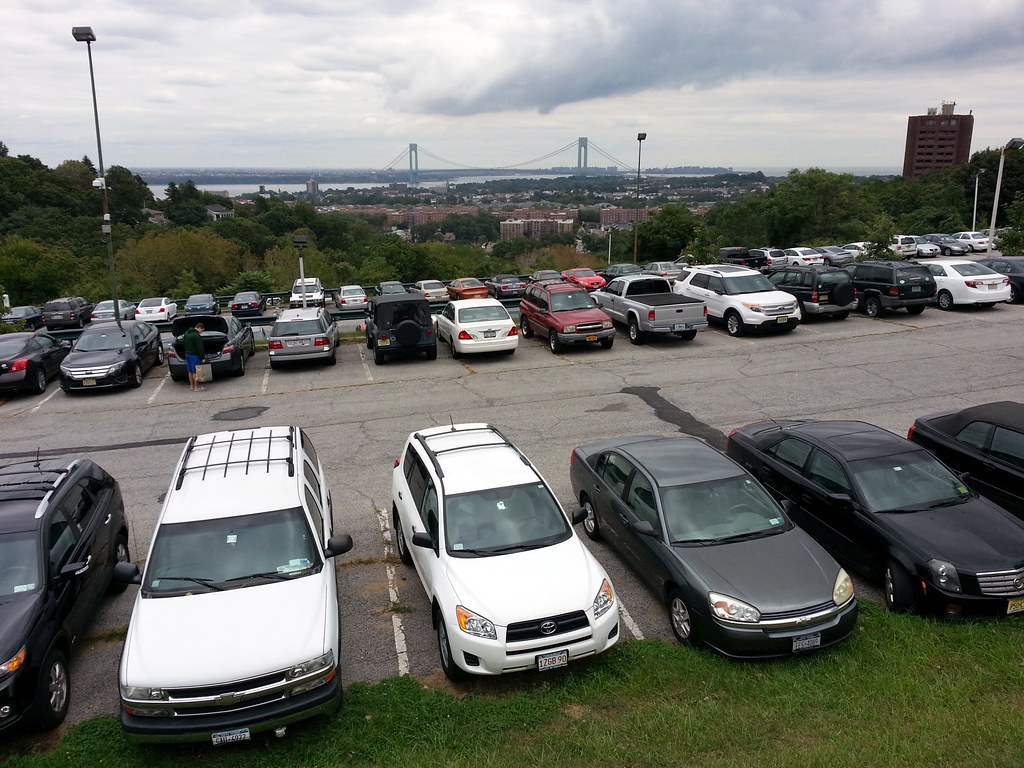
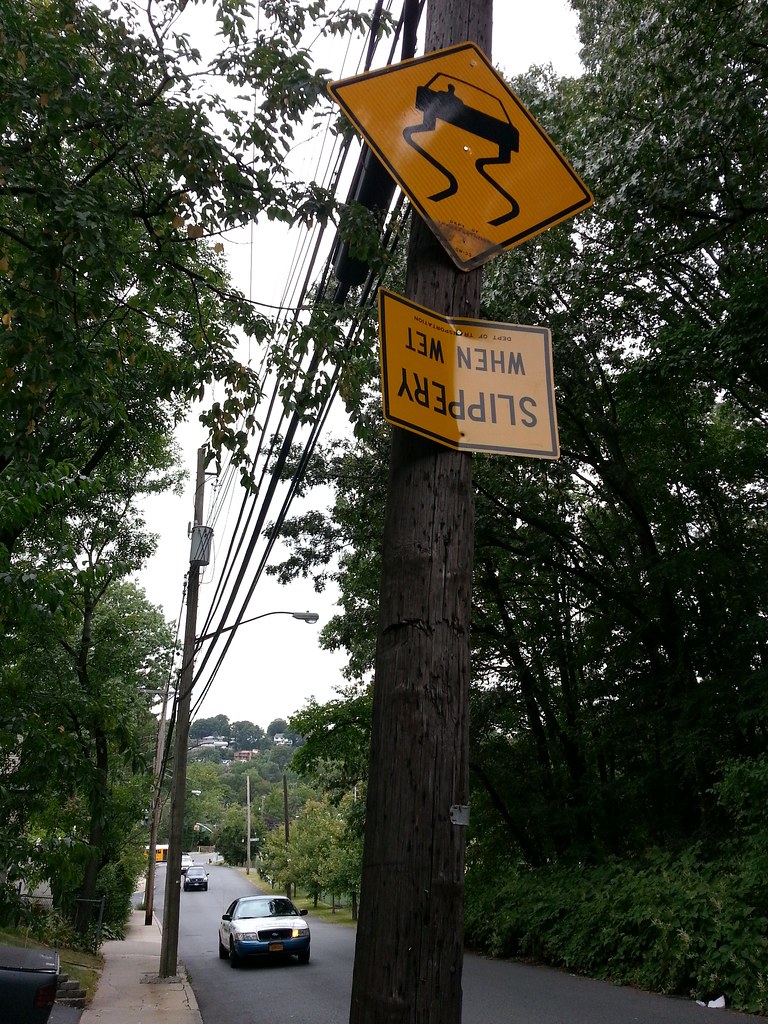
from just about the top of Grymes Hill. That's the Verrazano-Narrows Bridge in the distance.

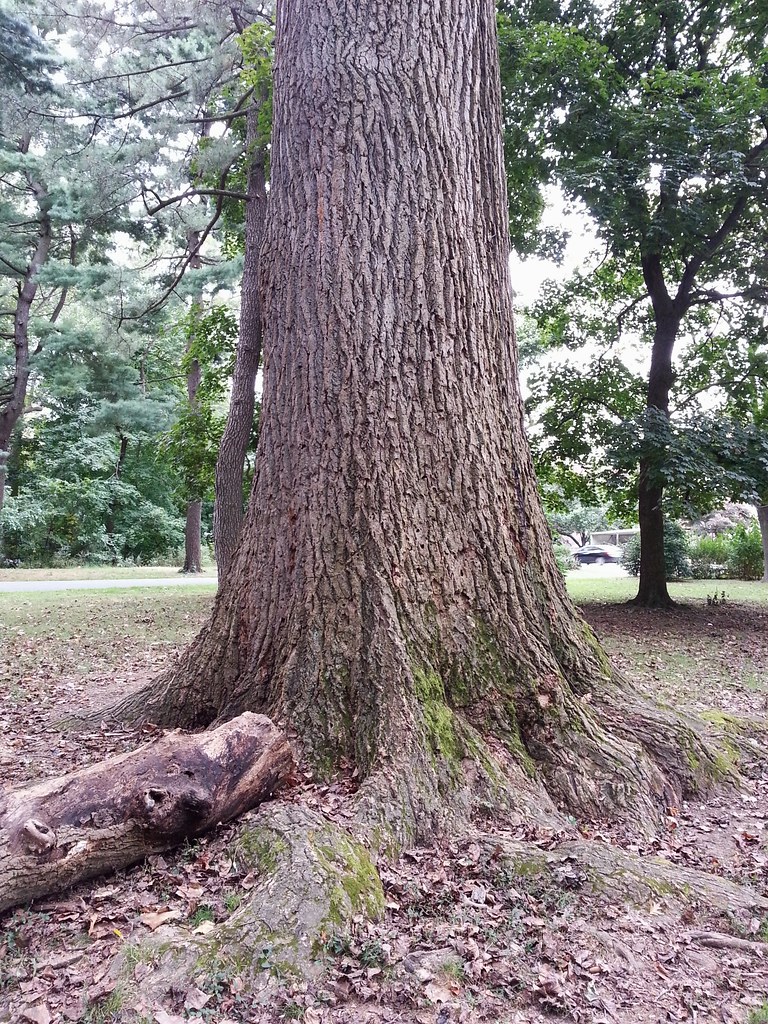
This tulip tree is one of the two largest known trees in the city. (It looks much more impressive when you have your friends hold hands and attempt to encircle its trunk.) The Queens Giant is older and taller (134 feet vs. 119 feet as of thirteen years ago), but the Colossus has more limbs and a thicker trunk, giving the two trees roughly the same mass of somewhere around 50,000 pounds. (Here's a look up toward the top of the Colossus.)
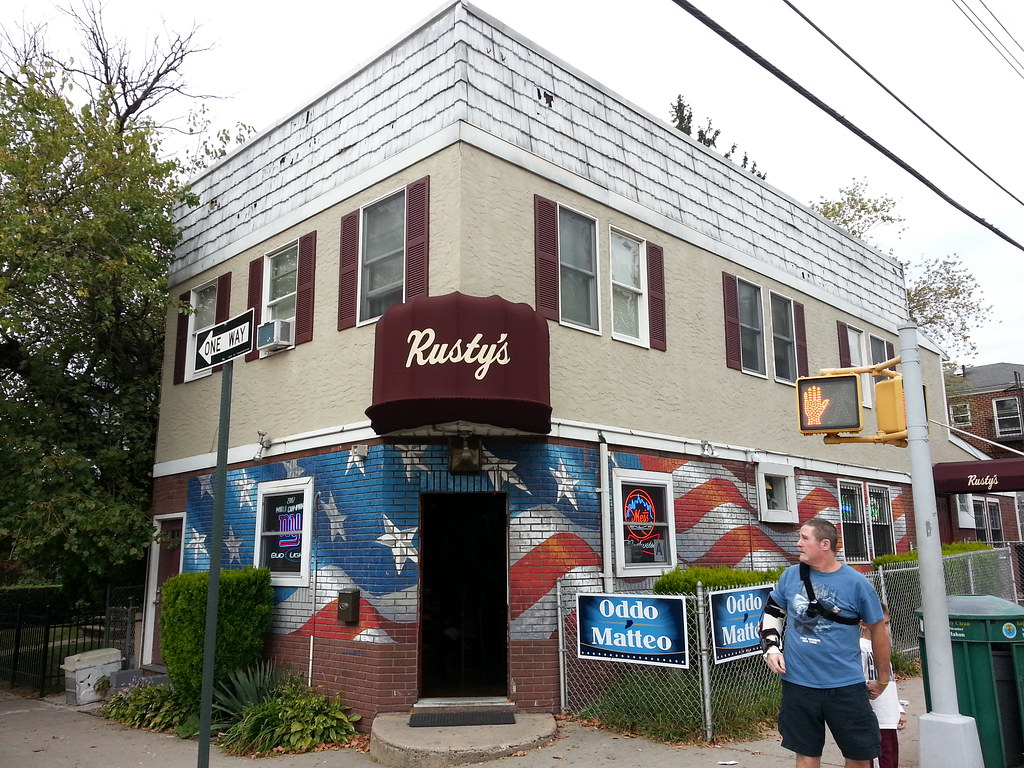
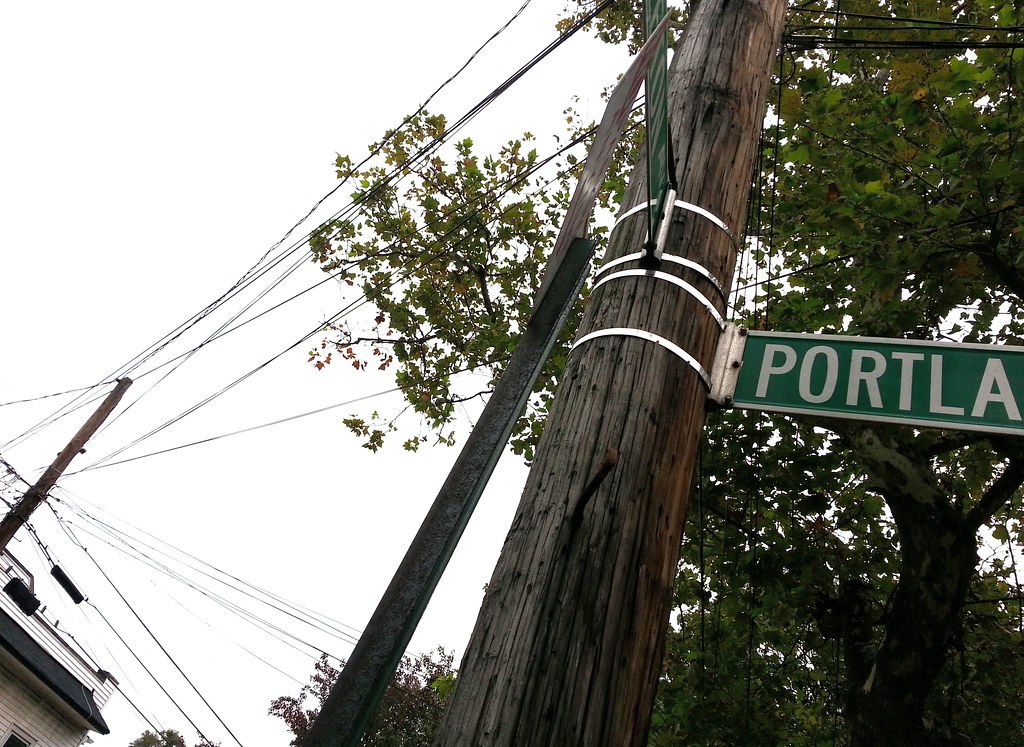
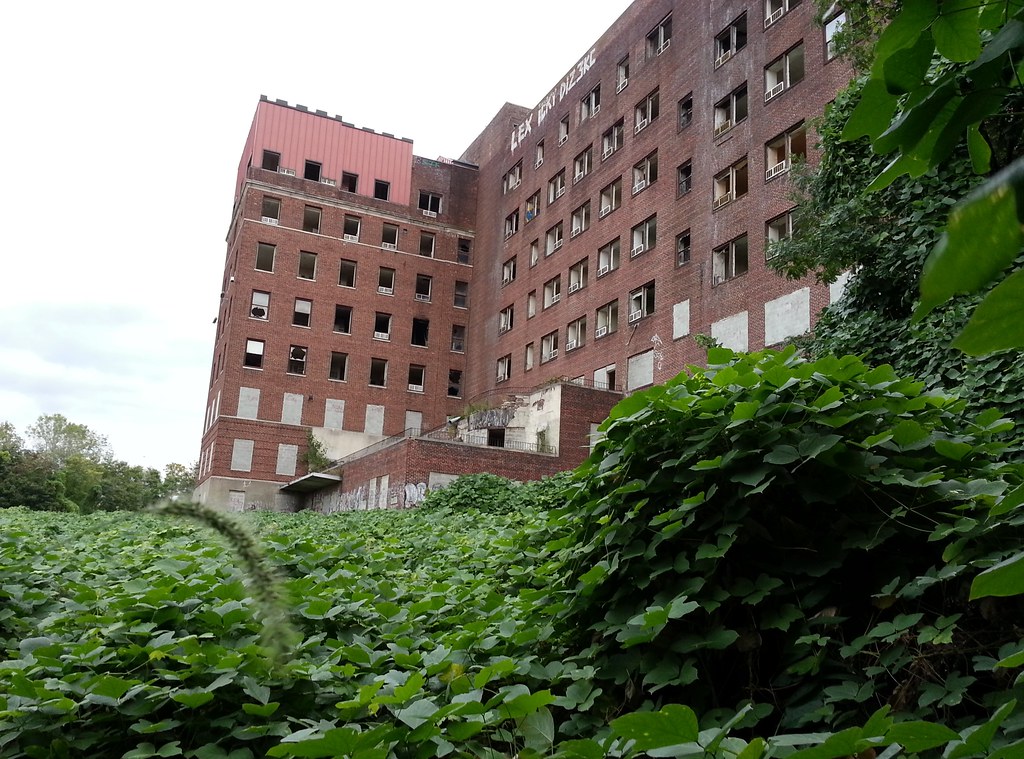
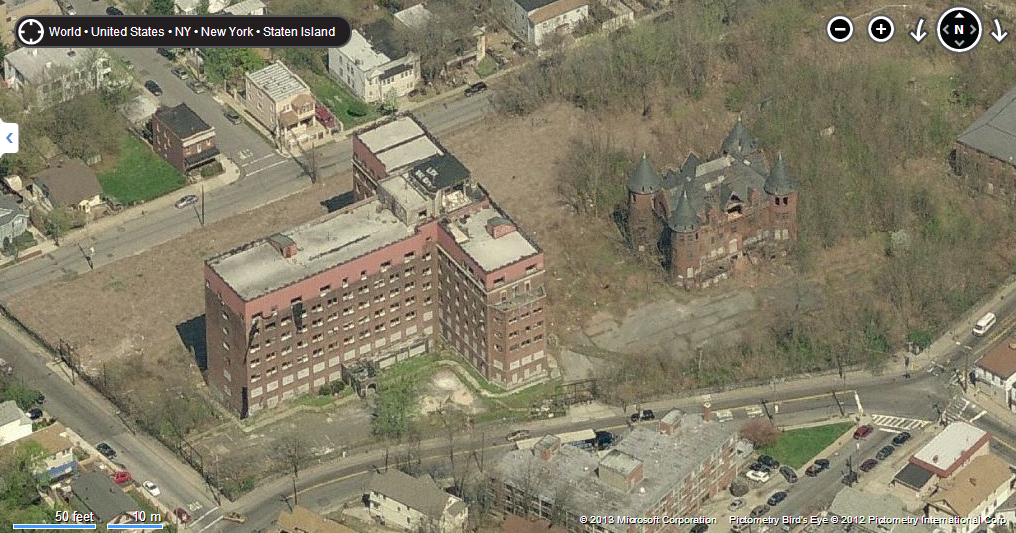
This building is still hanging in there, but the Castle, which once stood next to it, bit the dust last year, as we first learned from afar.

Dedicated 25 years ago, this memorial sits beside the Manor Road Armory, which is partially visible in the background. In addition to the names of the Staten Islanders who died in the war, the memorial also features the second stanza of the "Ode of Remembrance", as well as the bitter tribute reproduced below.
OBITUARY
SOUTHEAST ASIA — Johnny "POW-MIA" America, died Tuesday (Feb. 1, 1994) along with over two thousand of his brothers at a prisoner of war camp somewhere in Vietnam, Cambodia or Laos.
Mr. America was born a native son of the United States of America. Johnny America lived somewhere in Heartland America before being moved to Southeast Asia sometime between Jan. 1, 1959 and May 7, 1975.
Mr. America was employed by the U.S. Government for the people of the United States of America. He was in the Army, Navy, Marines, Air Force or Coast Guard. Mr. Johnny America's occupation was to put his life on the line in the name of "DEMOCRACY and FREEDOM."
He was a veteran of the Vietnam War. Mr. America was awarded years of solitary confinement, torture, starvation and the loss of his rights as a human being. Johnny's fate ended at the hands of political greed and the government's lifting of the "TRADE EMBARGO".
Mr. America would have been a member of the Vietnam Veterans of America, American Legion, VFW or DAV.
Surviving are his mother, father, sister, brother, wife, children, relatives and friends. Johnny was forgotten by his country, but will always be remembered in the hearts and minds of his fellow Veterans. Johnny America's spirit will live on forever and never be forgotten.
Family and friends of Johnny America wait patiently for words of wisdom from Johnny's "GOOD OLD UNCLE SAM."
Services are held at all veterans meetings and nationally every September at every Memorial Park. Visitation is every day at the Vietnam Veterans' Memorial, Washington, D.C.
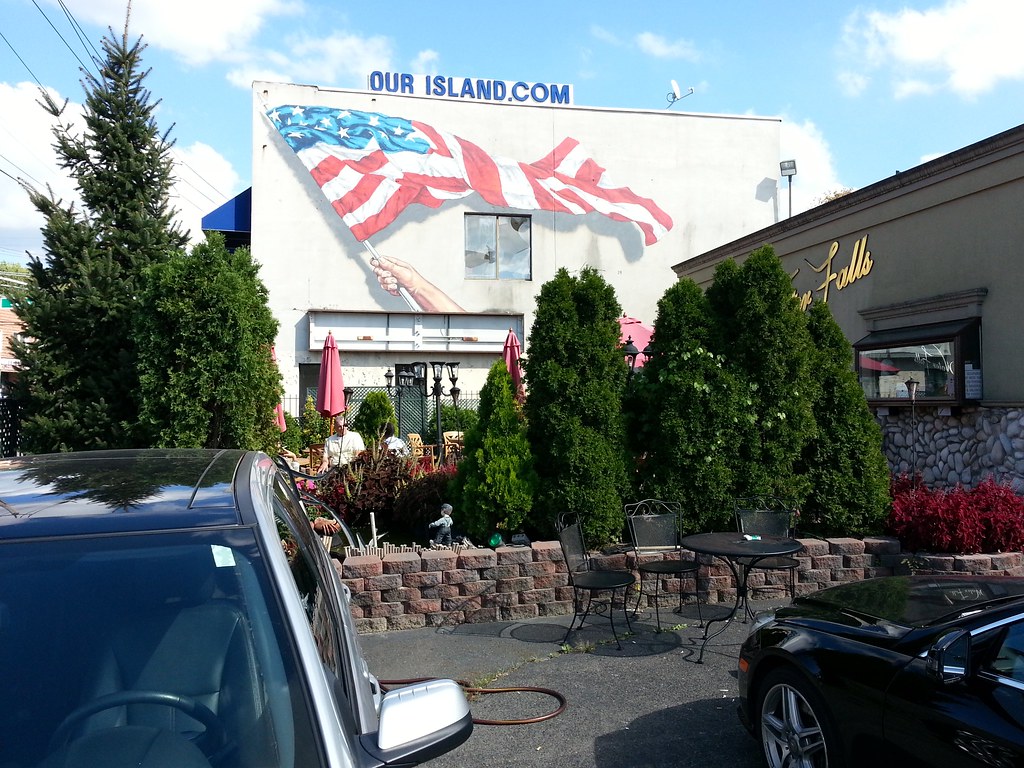
by the manure-slinging Scott LoBaido