

We're now in Mount St. Mary Cemetery, where a lion cub was found roaming around the headstones one night in 1980.
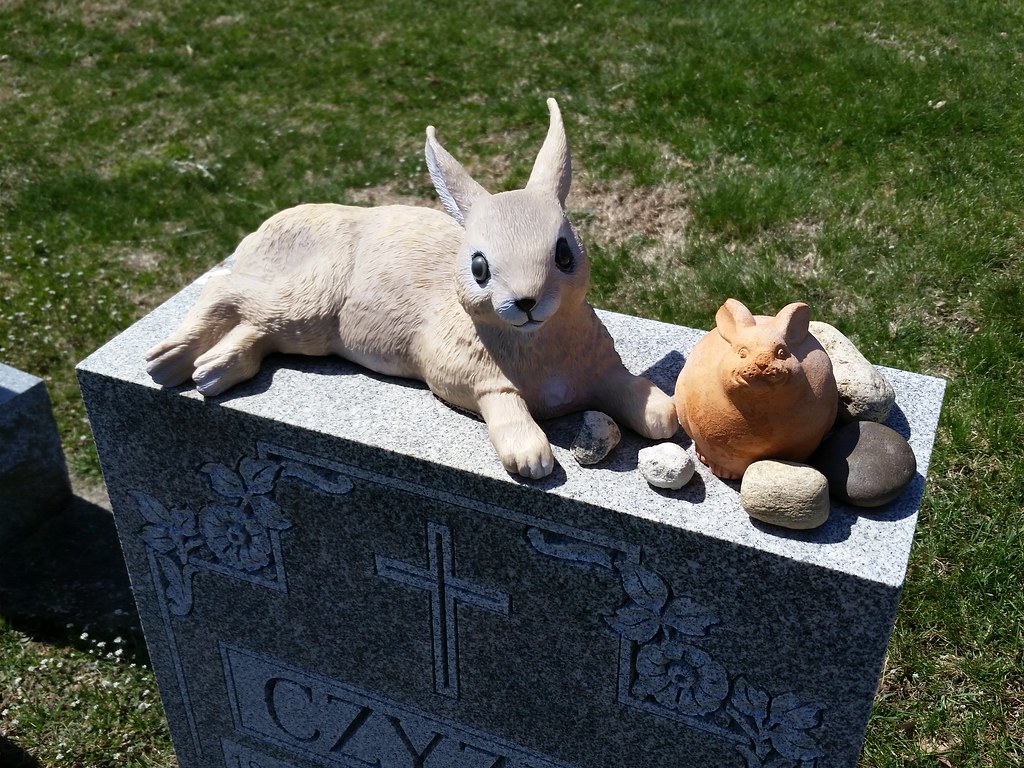
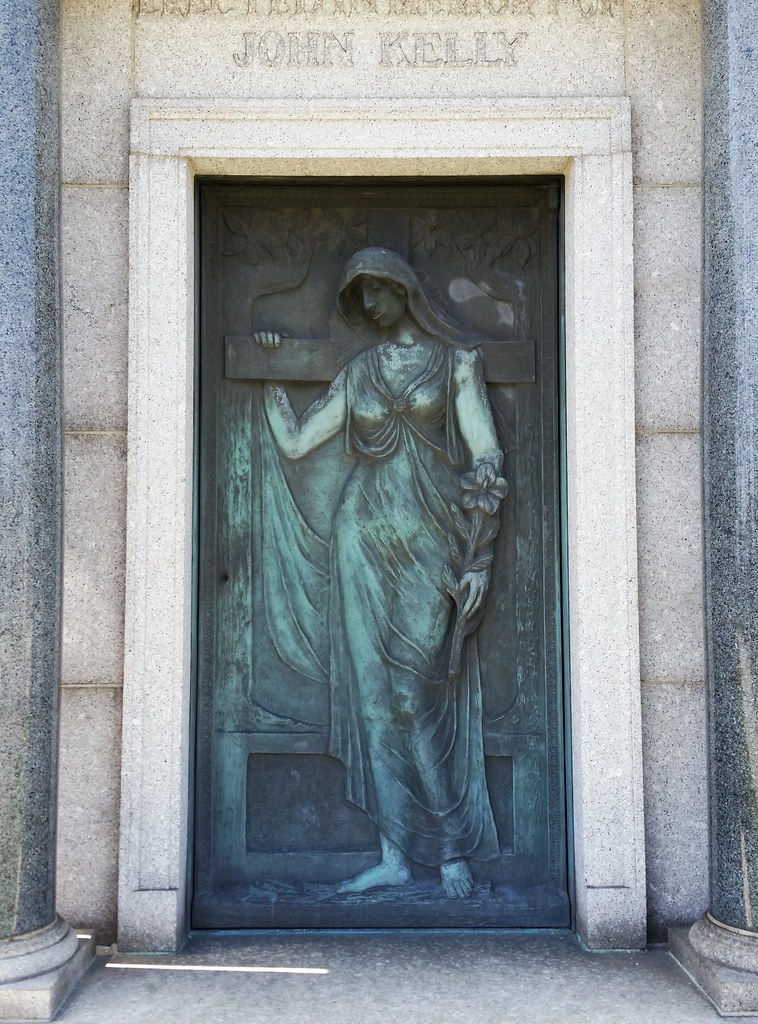


Mr. Thunders, a guitarist, was a founding member of the New York Dolls. Jerry Nolan, a former drummer for the Dolls, is also buried here at Mount St. Mary.

Outside the interment chapel at Mount St. Mary Cemetery
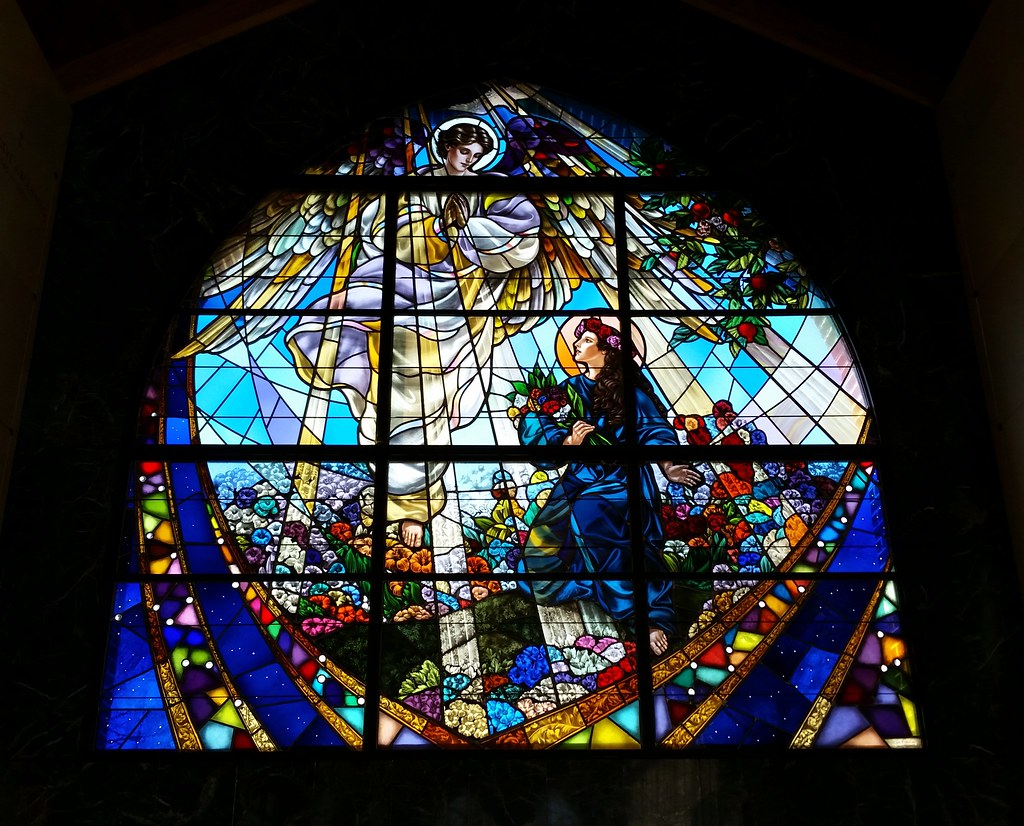

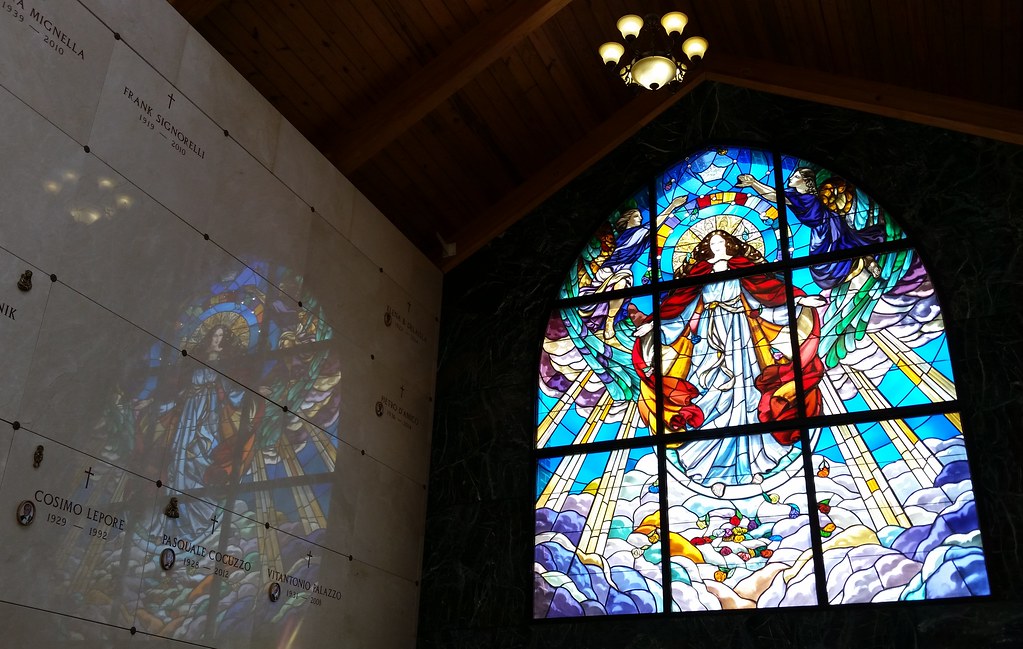
A community mausoleum at Mount St. Mary Cemetery
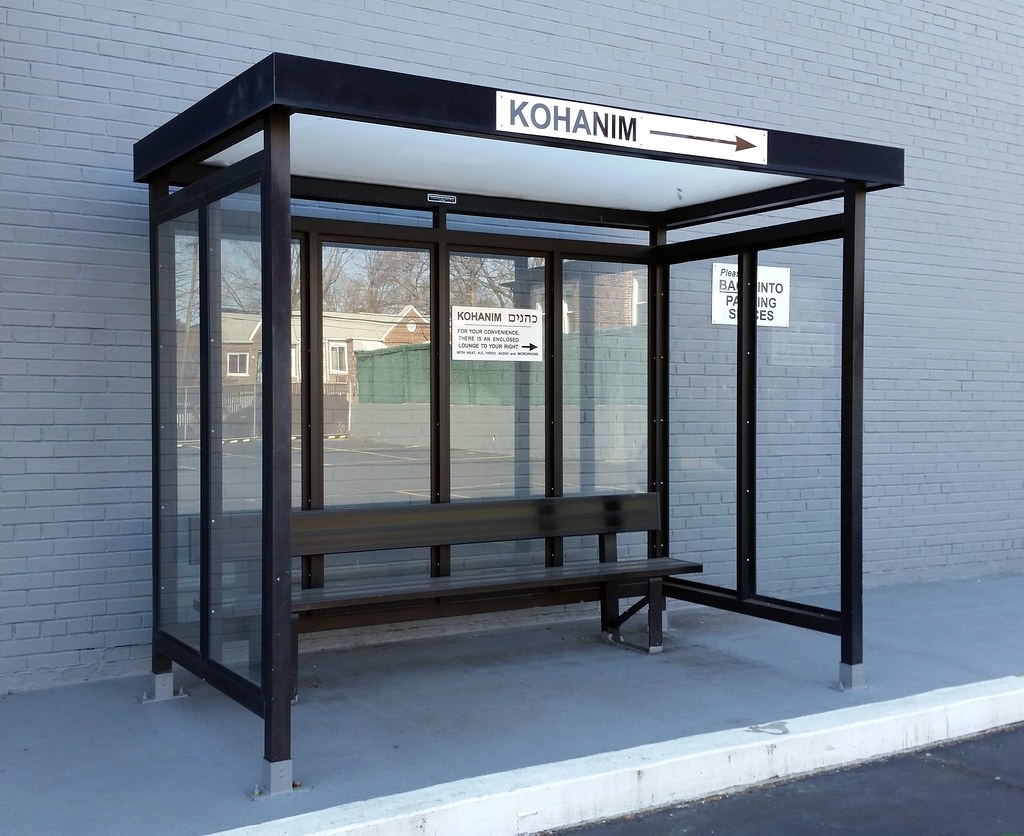
The sign at the back of this shelter outside Sinai Chapels, a Jewish funeral home, reads: "Kohanim — For your convenience, there is an enclosed lounge to your right with heat, A/C, video, audio and microphone".
The Kohanim (or Cohanim) — the priestly class — are the subset of Jews said to be patrilineally descended from the biblical Aaron. A 1997 NY Times article explains:
The Cohanim predate rabbis, and trace their origins back 3,300 years to the first high priest, or Cohen, Aaron, the older brother of Moses.(DNA evidence offers some support for the idea of an ancient, patrilineally descended priestly class. According to a 2009 study: "In conclusion, we demonstrate that [approximately] 46.1% . . . of Cohanim carry Y chromosomes belonging to a single paternal lineage . . . that likely originated in the Near East well before the dispersal of Jewish groups in the Diaspora.")
Beginning with Aaron, priestly status has been passed down through the ages, from fathers to sons through word of mouth. To this day, all the Cohanim are seen as descendants of Aaron, not just figuratively but by blood. Many, but not all, have the surname Cohen, Kohen, Cohn, Kohn, Cone, Kone, Cahn, Kahn or Kahane. (Cohen in Hebrew means priest.) But not everyone with one of those names is necessarily one of the Cohanim.
In Orthodox and some Conservative congregations, they are accorded special respect and are the only ones who can perform certain important religious duties (that is not the practice among Reform Jews). The Cohanim blessing is made by holding the hand with a split between the ring finger and middle finger -- a gesture that Leonard Nimoy remembered seeing as a boy in synagogue, and decided, as Spock on ''Star Trek,'' to adapt as the Vulcan greeting.
But let's get back to the matter at hand. Because of their priestly status, observant Kohanim abide by a number of restrictions relating to dead bodies in order to avoid becoming ritually impure. Relevant to the photo above is the prohibition on being under the same roof as a dead person who is not one of the immediate family members listed here. To pay their respects to a deceased friend or other relative without defiling themselves, Kohanim traditionally stand outside while a funeral service takes place. Many Jewish funeral homes have external loudspeakers that allow the Kohanim to hear the service. Some funeral homes, like Sinai Chapels, provide the Kohanim with a room in a separate building where they can follow along with and even participate in the service.

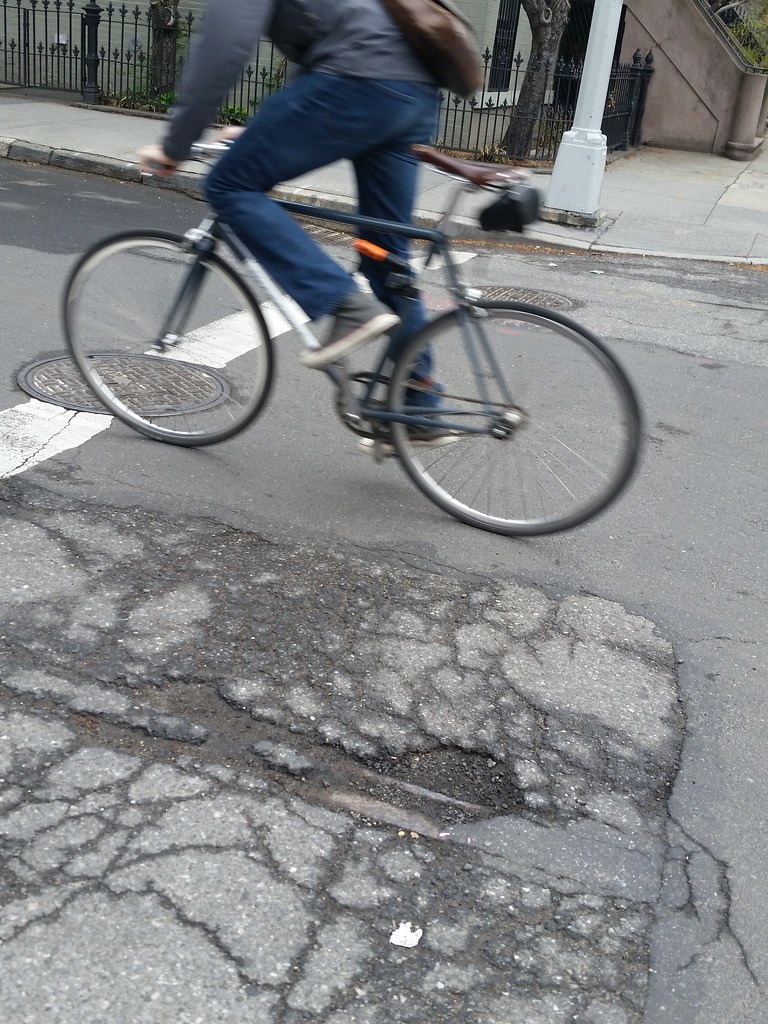
I was on an unofficial little stroll around Boerum Hill in Brooklyn when I noticed a piece of rail (close-up) visible in the pavement of Bergen Street just west of Bond Street. This must be a remnant of the streetcar line that once ran down Bergen Street. The trolleys are long gone, but this western half of the line lives on in the form of the B65 bus. (Most of the city's old streetcar lines were transformed into bus routes.)

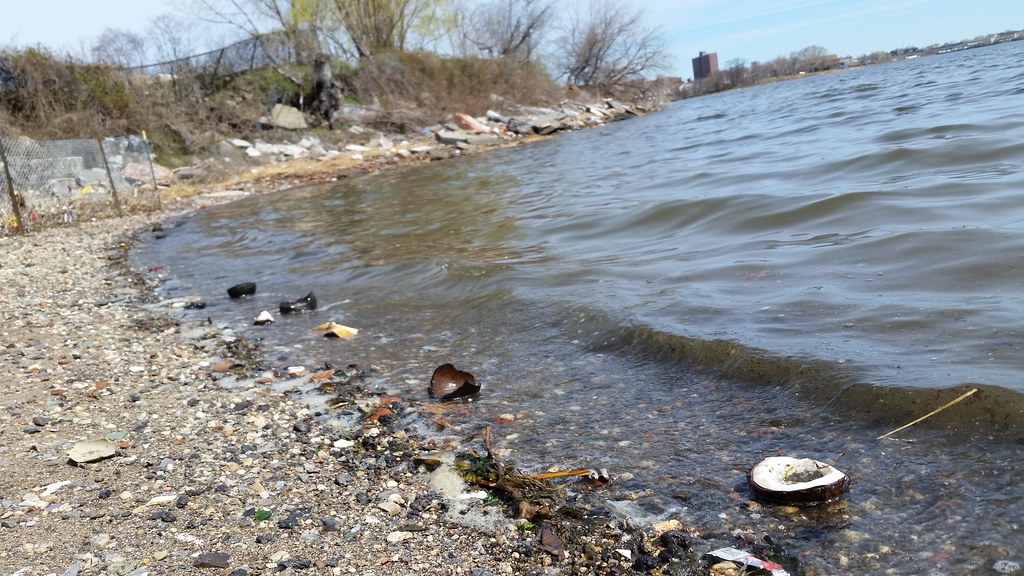
These Hindu offerings likely started their nautical voyage in Ferry Point Park, on the opposite bank of Westchester Creek.
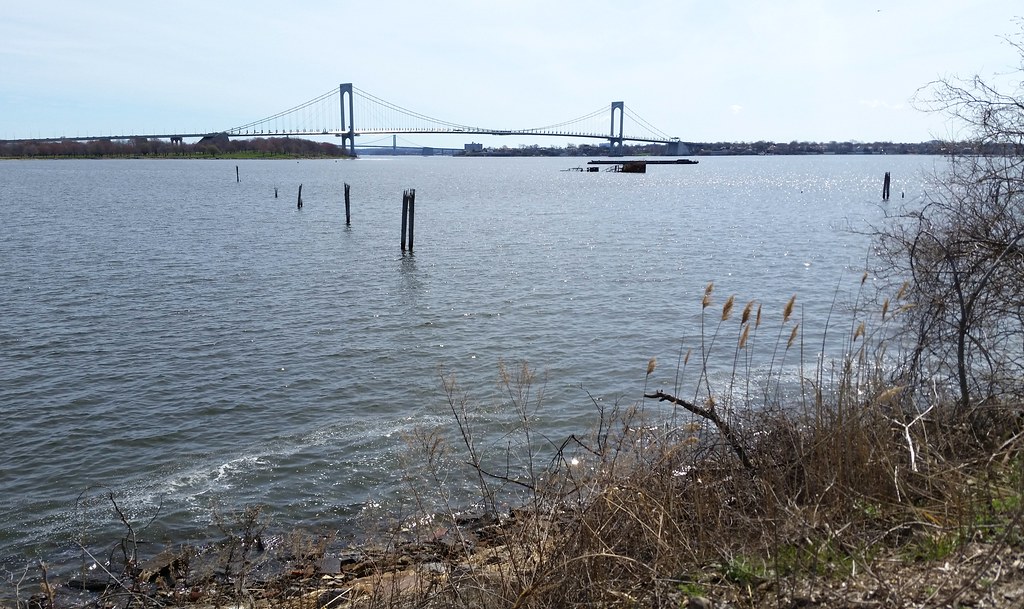
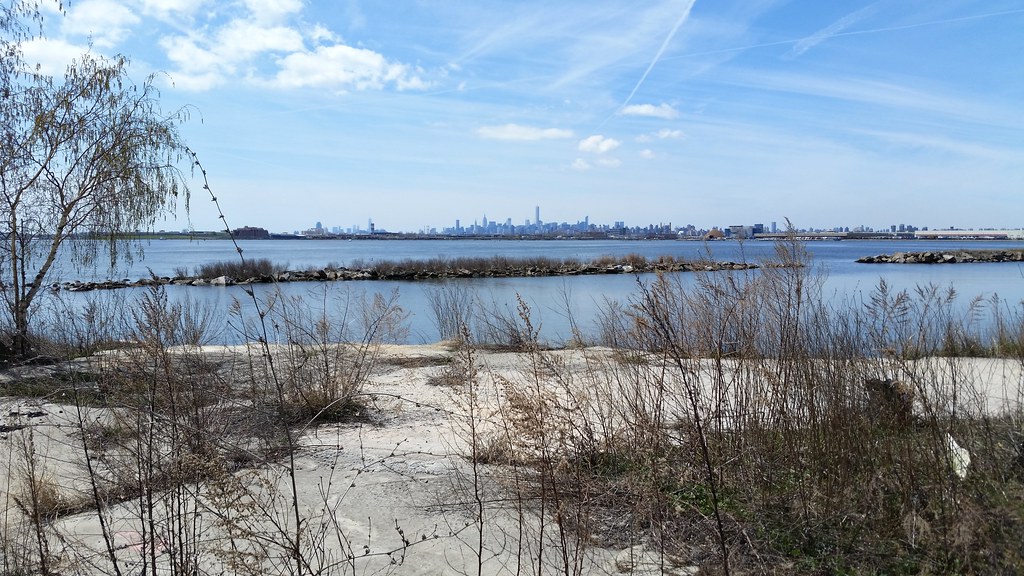
At left, across the water and beneath the northern approach to the Whitestone Bridge, is Ferry Point Park, where the coconuts from the previous photo were likely launched.
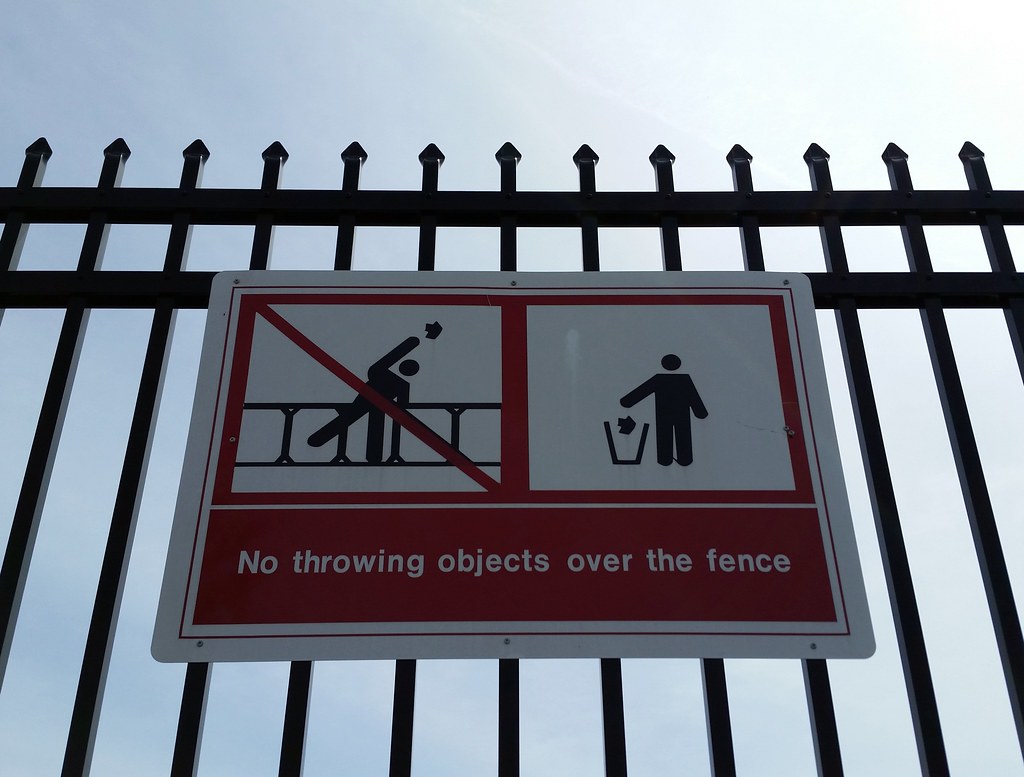
Facing out onto the public waterfront path that hugs the perimeter of Harbour Pointe at Shorehaven, a gated community, this sign is strategically located beside Harbour Pointe's swimming pool.
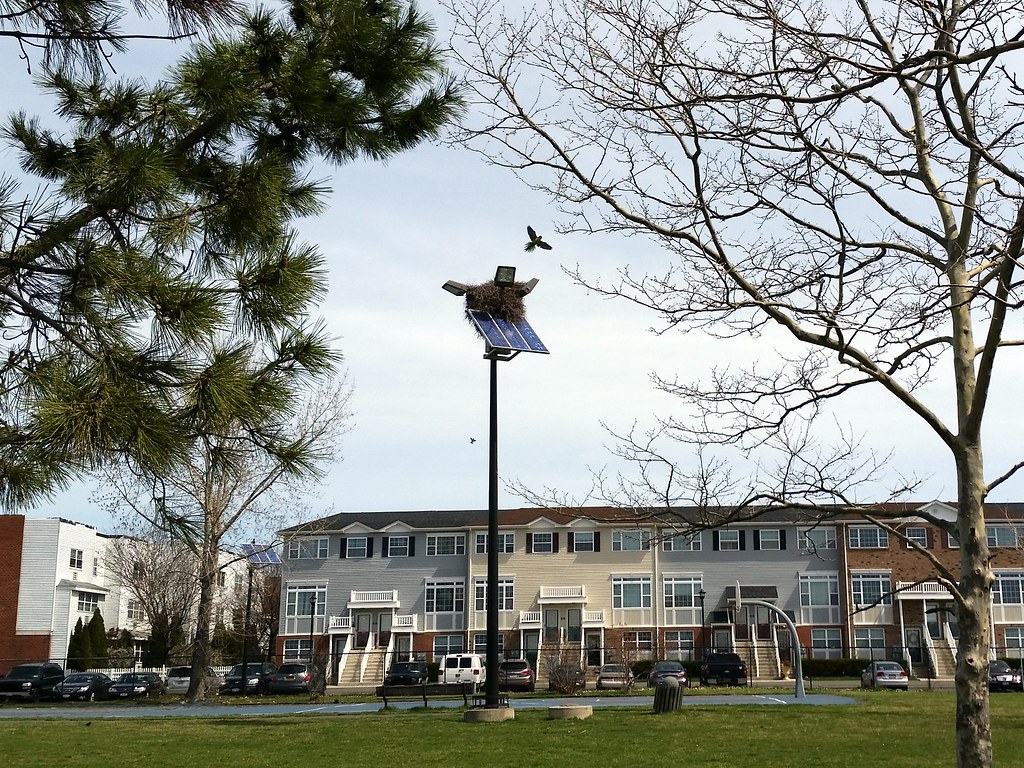
That's a monk parakeet (a.k.a. Quaker parrot) nest atop the light pole, with a parakeet in flight right above it (zoom in). Brooklyn is the borough best known for its wild parrots, but, as we've seen, there are quite a few here in the Bronx as well. This nest is a couple of miles away from the well-established colony in Throggs Neck.
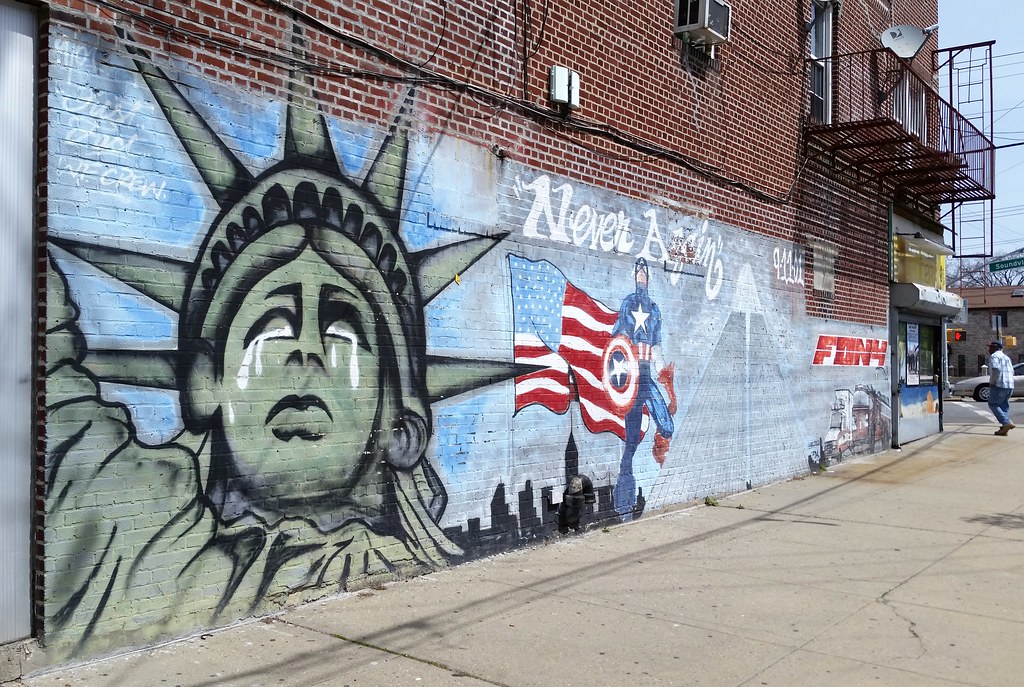
We've now visited all three of the Bronx's funky, narrow-streeted, cooperatively owned little waterfront communities. While the other two, Edgewater Park and Silver Beach Gardens, are "overwhelmingly" white, Harding Park has a predominantly Hispanic population.
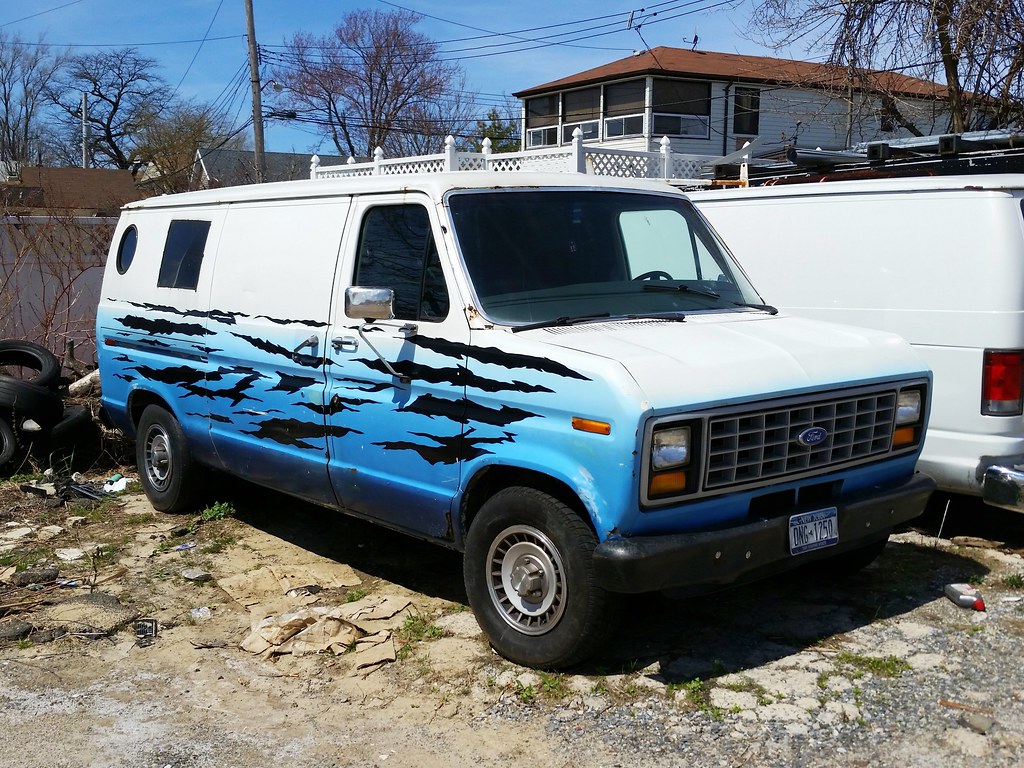
And a homemade window? I didn't notice it at the time, and I can't swear it's not just an odd square of paint, but it looks to me like someone just cut a square hole in the side of the van and put a piece of glass in it to make an extra window. Here's a closer look.
Looks like it's been a while since the Bronx's foremost flouter of NYC Administrative Code Section 10-119 has visited Harding Park.

This car's (former?) companion — an even cooler red '53 Pontiac — wasn't around today.
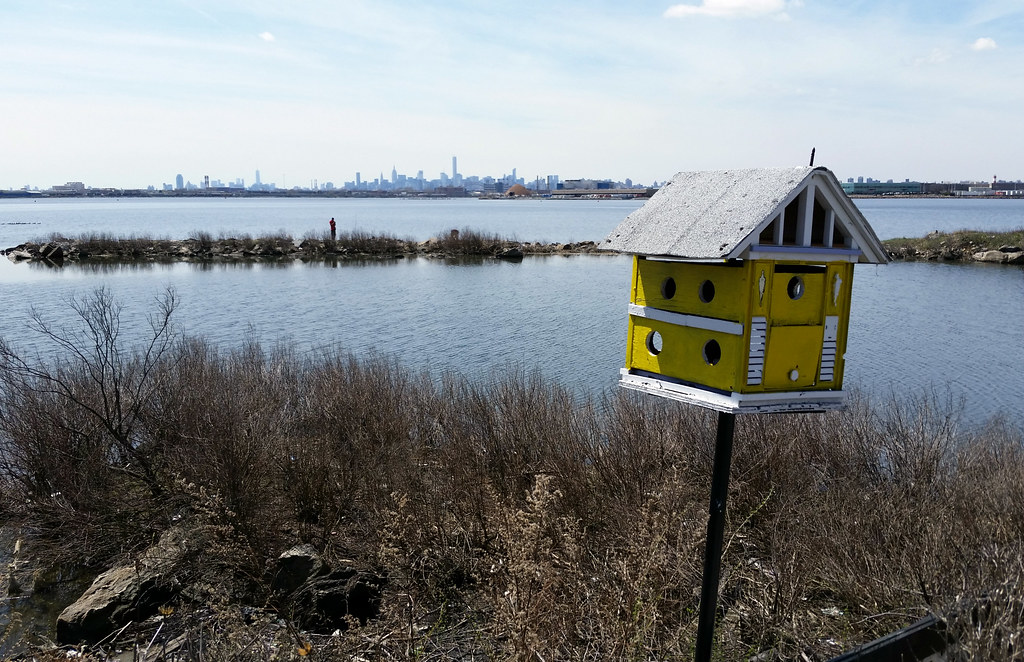
There were a number of fishermen out in Harding Park today, including the two you can see in this photo (one is bending over).
Just found 'em on the ground! Come to think of it, they look an awful lot like my last pair of new sunglasses.
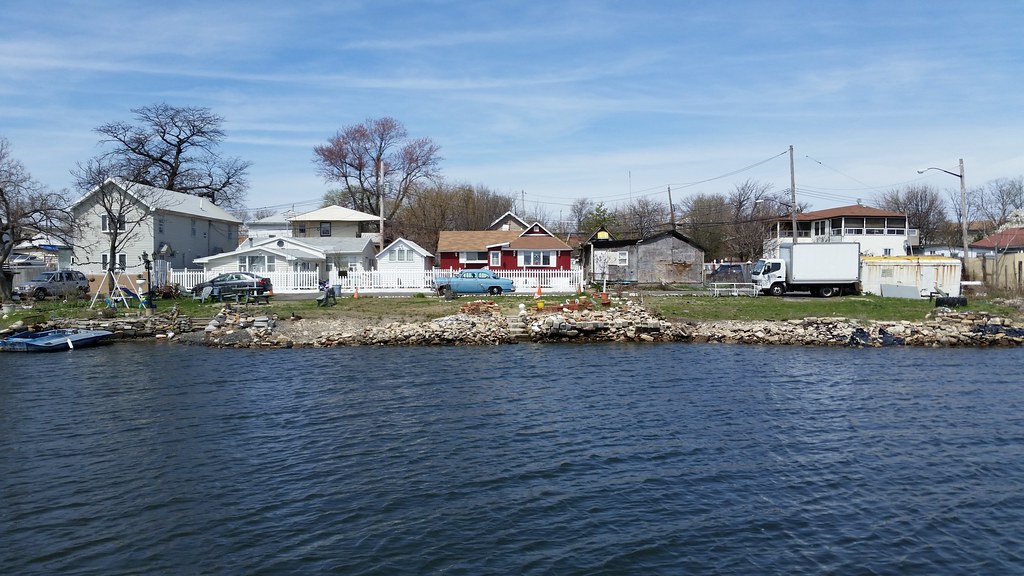
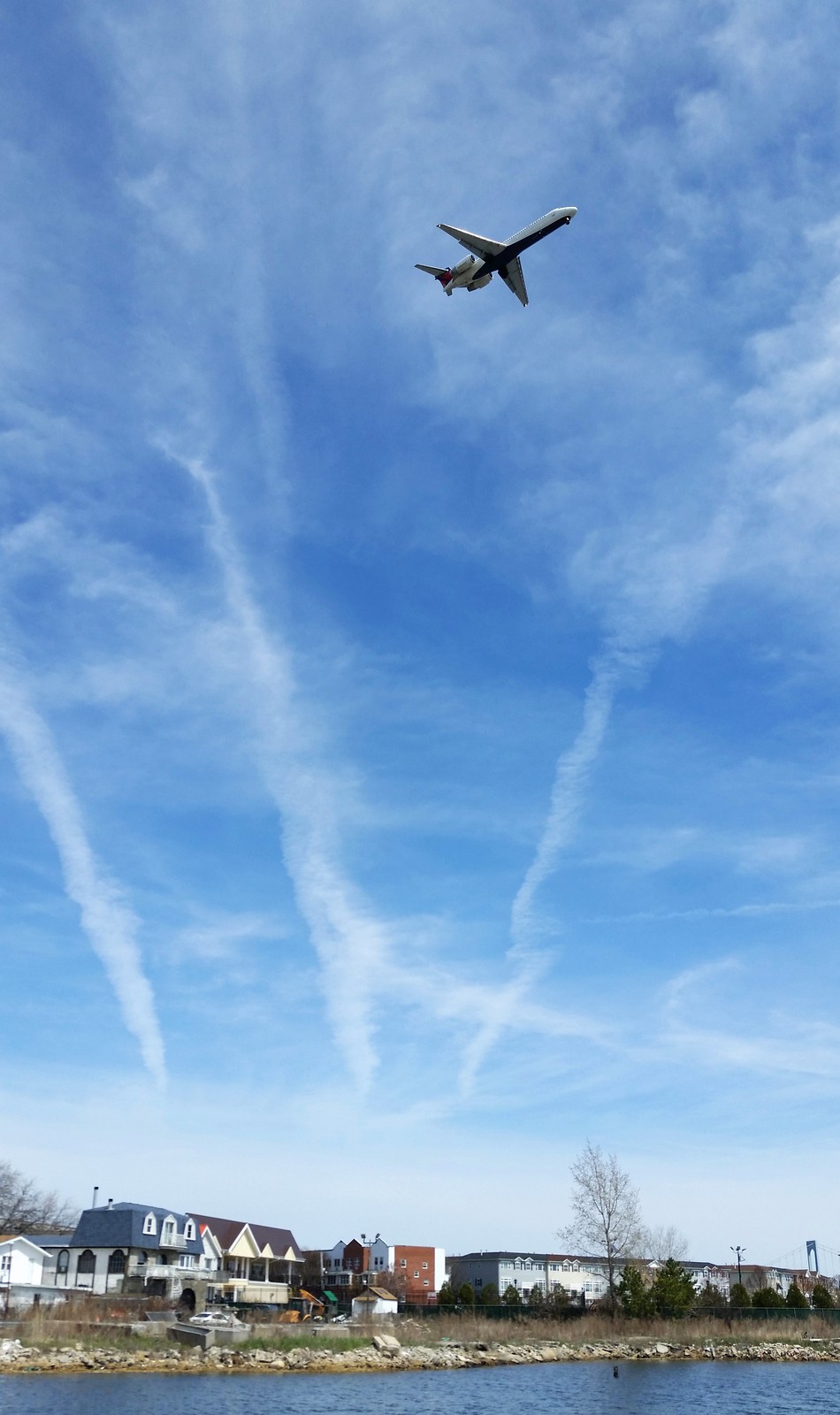
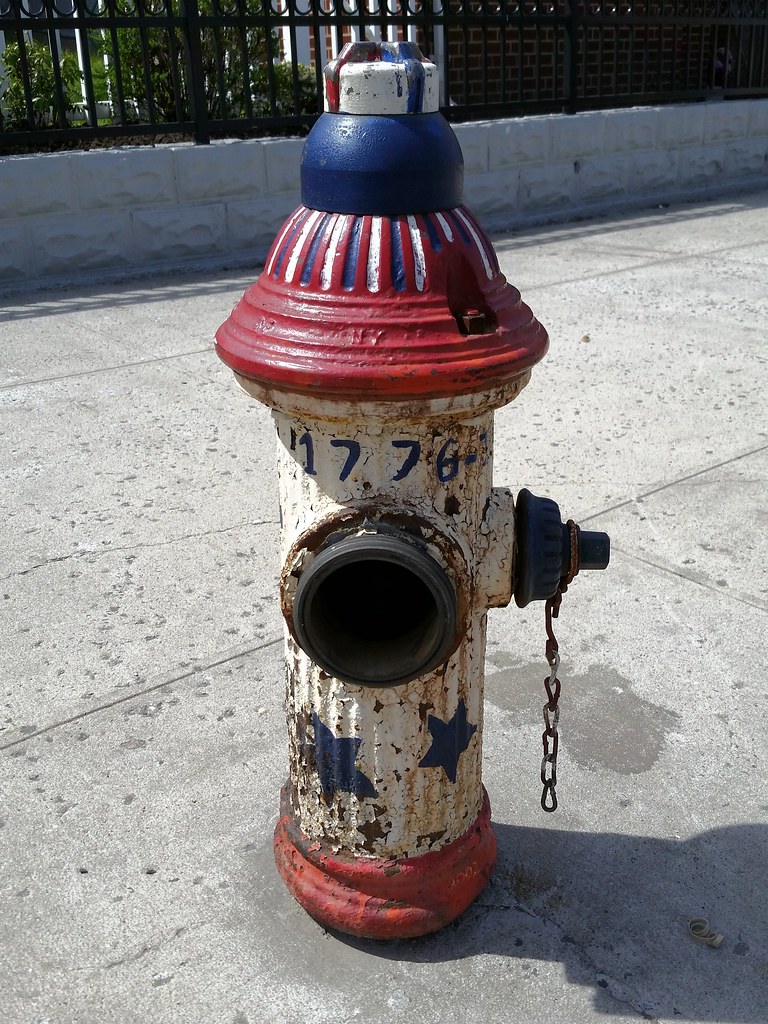
This hydrant was one of many in the city painted for the Bicentennial in 1976. "2002" is painted at the bottom; I assume that's when it was given a new coat.
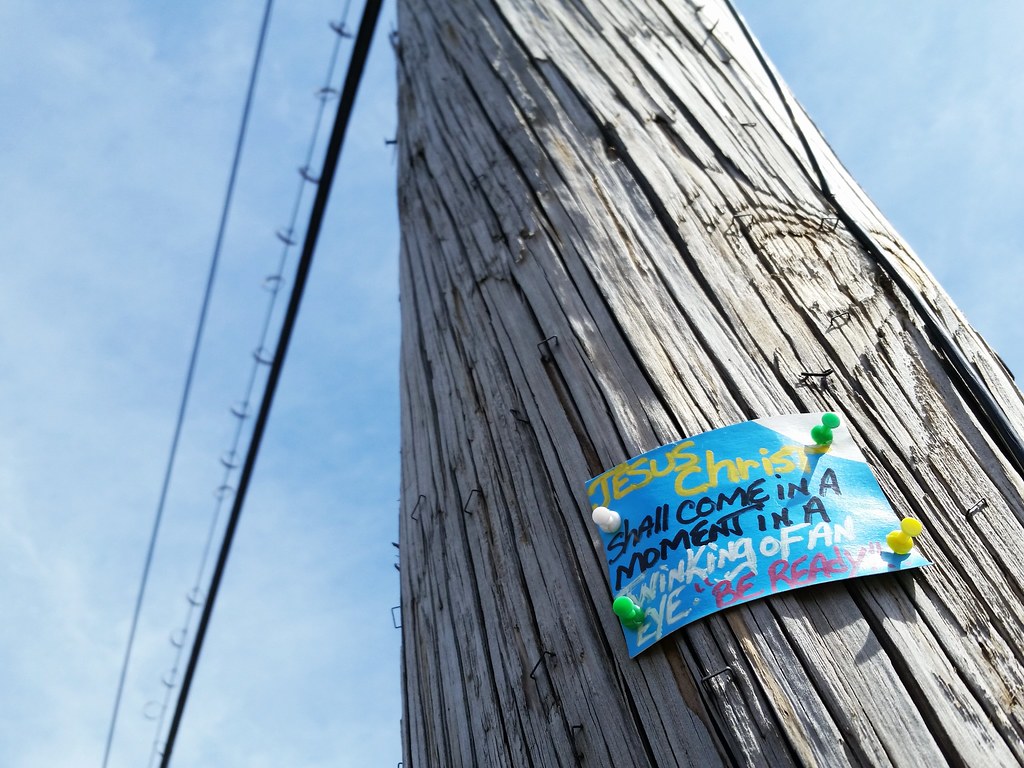
I only saw one of these signs in Harding Park today — the old, faded one I posted a photo of earlier — but I was once again immersed in their ubiquity as I headed north into less remote parts of the Bronx.
on Stickball Boulevard.
This guy slid bare-legged into second base! He came up a little scraped and bloody as a result, but that's a small price to pay for taking an extra base — not to mention looking cool on camera.
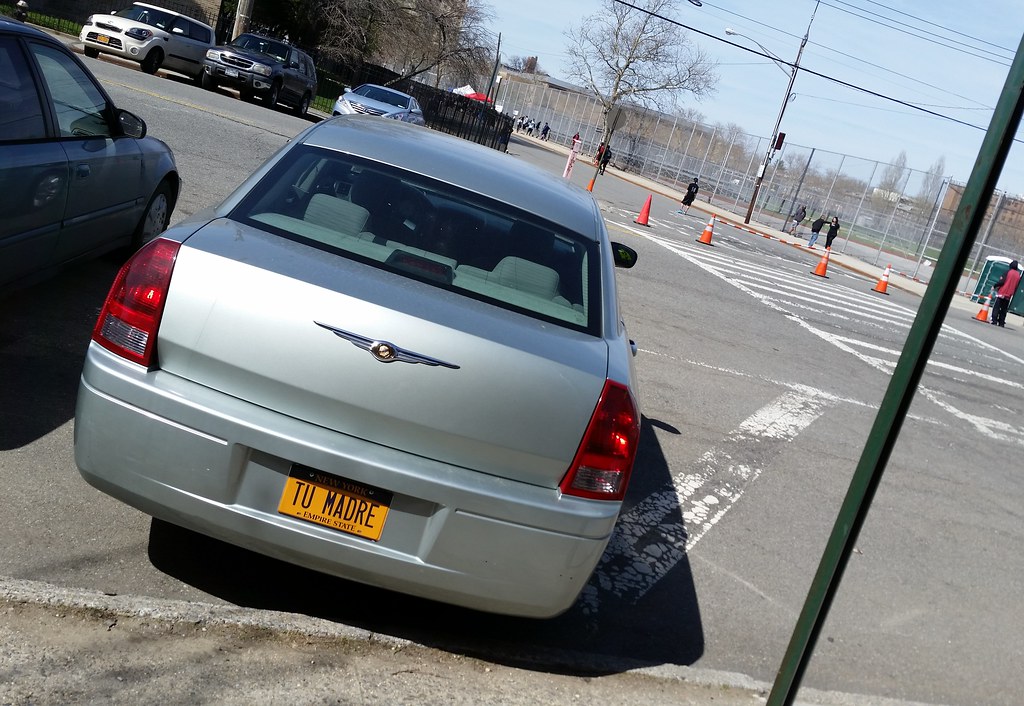
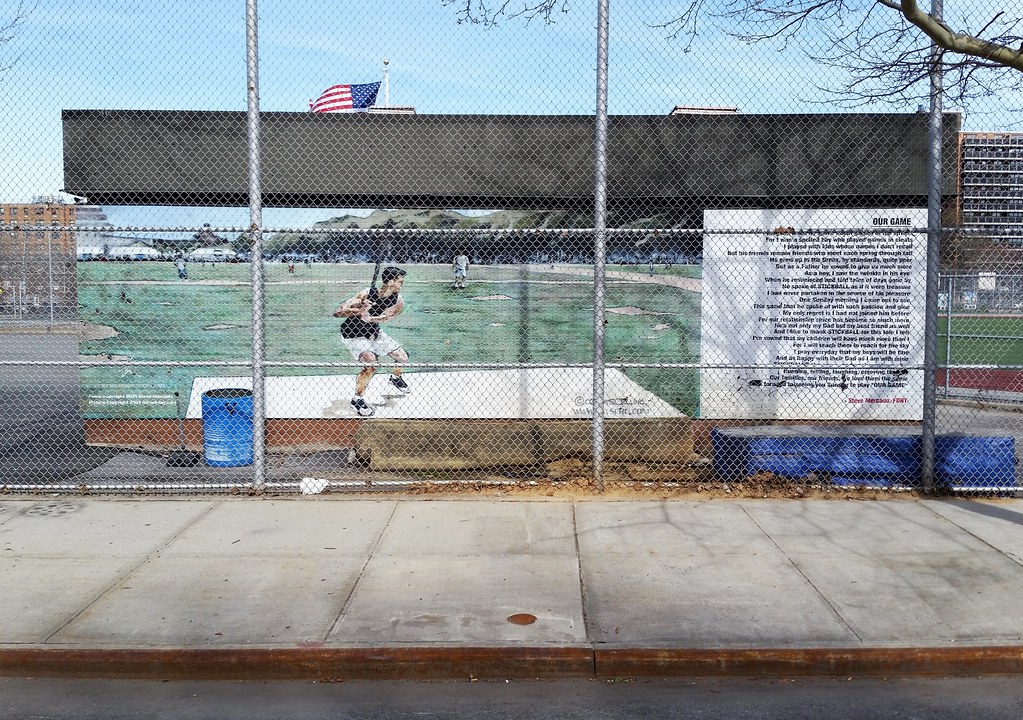
This memorial mural on Stickball Boulevard features the text of "Our Game", a 2001 poem by Steve Mercado about how stickball deepened his relationship with his father. Mr. Mercado, a firefighter who served as president of the New York Emperors Stickball League, was killed in the line of duty on 9/11 at the age of 38.
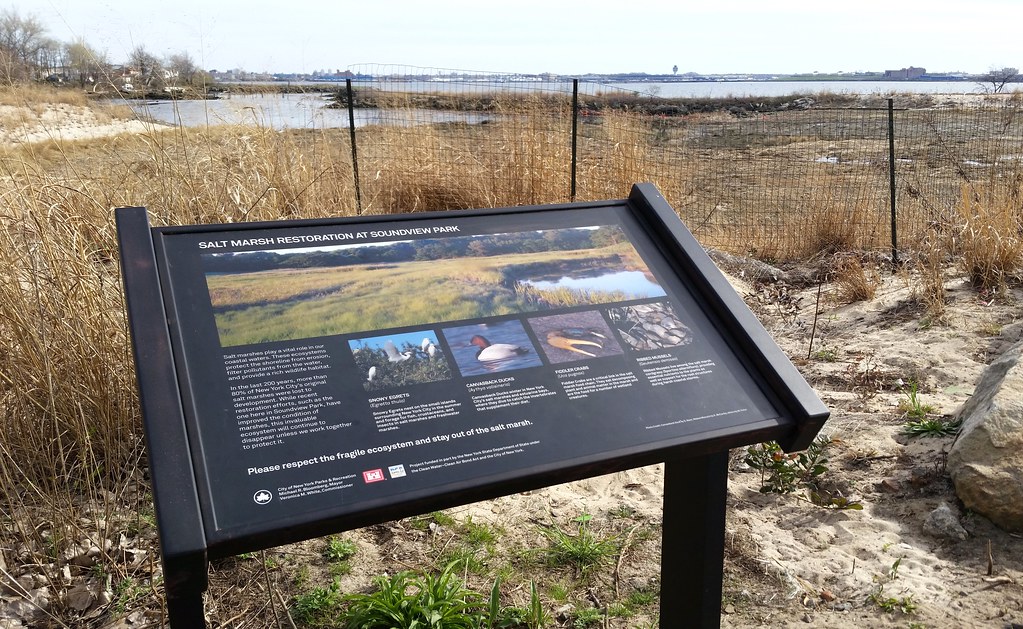
at Soundview Park. According to the sign above:
Salt marshes play a vital role in our coastal waters. These ecosystems protect the shoreline from erosion, filter pollutants from the water, and provide a rich wildlife habitat.(That's LaGuardia's air traffic control tower off in the distance, sticking up above the horizon.)
In the last 200 years, more than 80% of New York City's original salt marshes were lost to development. While recent restoration efforts, such as the one here in Soundview Park, have improved the condition of marshes, this invaluable ecosystem will continue to disappear unless we work together to protect it.
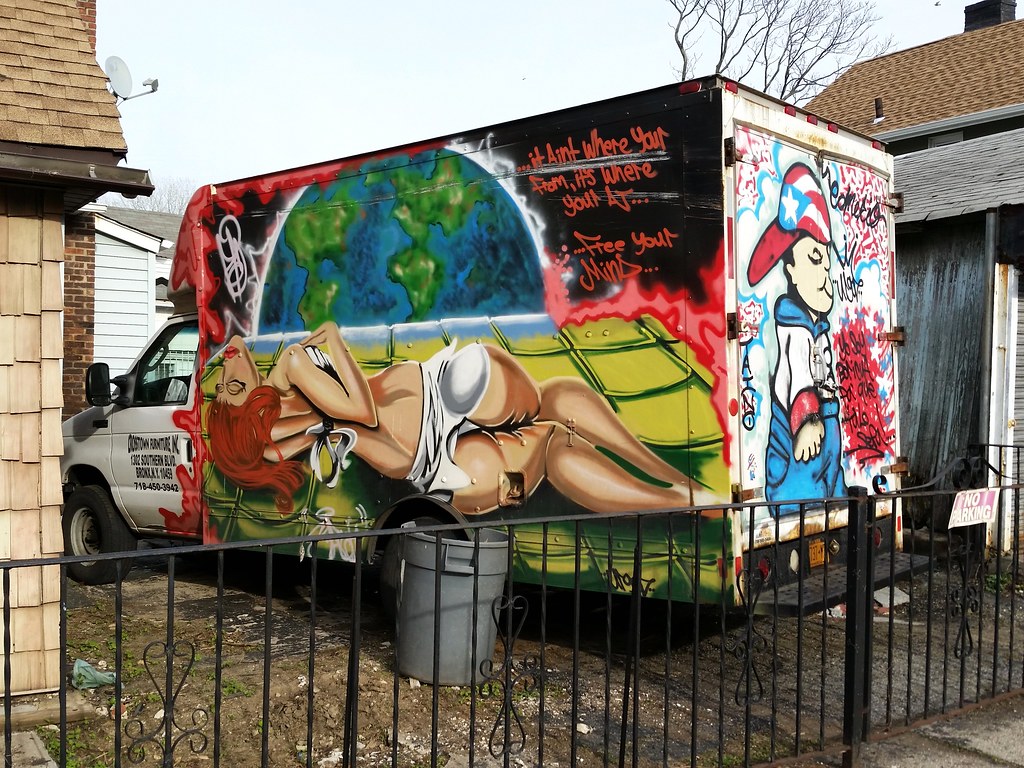
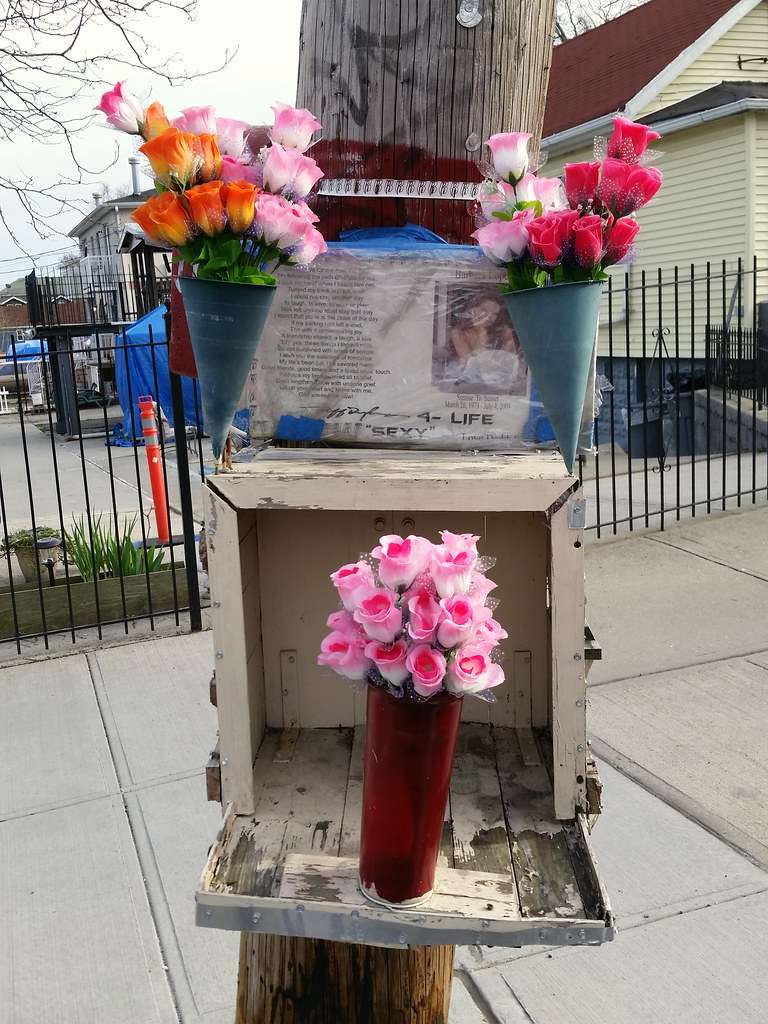
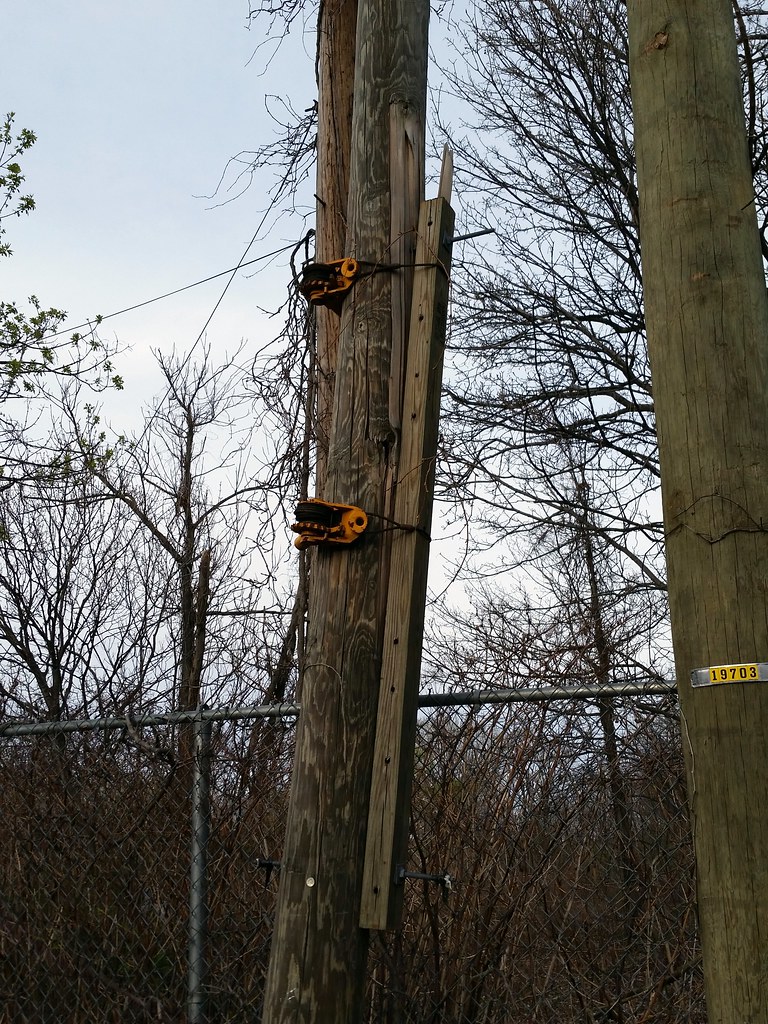
This light pole has been in this condition since at least August 2012. It formerly served as a utility pole as well, but after being damaged, it had its top lopped off and was relieved of its utility duties by the replacement pole at right.
Saul Weprin, a longtime State Assemblyman, was the last person to serve as Assembly speaker prior to the long and ultimately ill-fated reign of Sheldon Silver. Since Mr. Weprin's death in 1994, his Assembly seat has been held exclusively by his two younger sons: first Mark, then David. (David took over in 2010 after Mark took over David's seat on the City Council.)
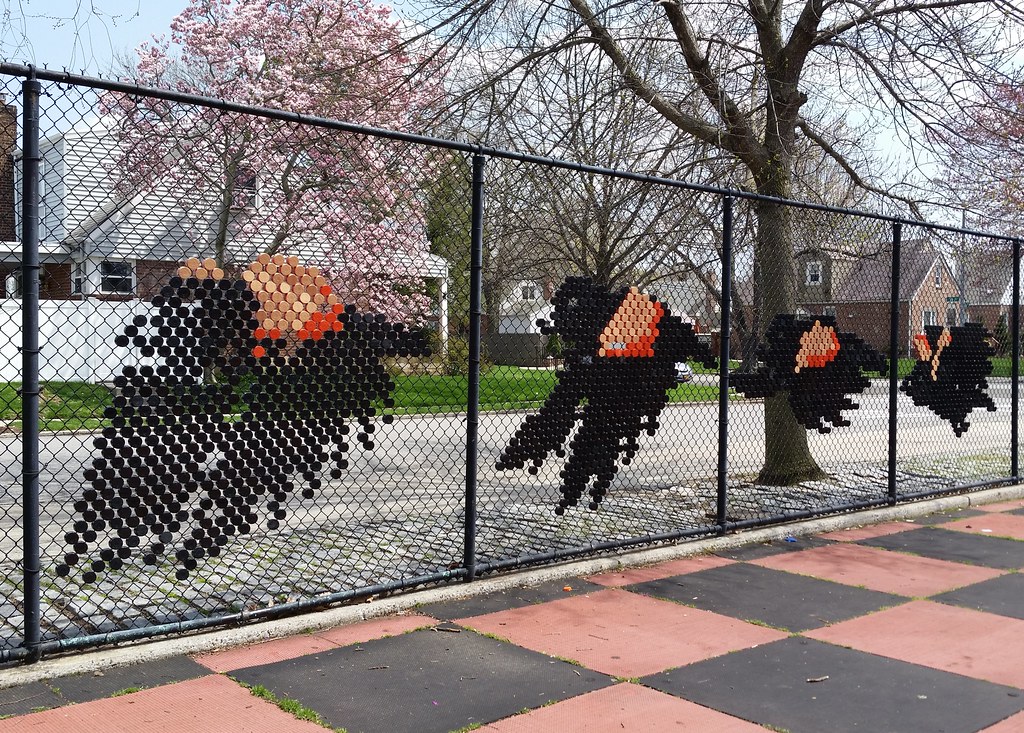
Saul's namesake playground (formerly, but no longer, located in his eastern Queens Assembly district) features a difficult-to-decipher work of animal art. At first I thought it was a jockey riding a horse. But now I'm pretty sure it's a bird in flight. It could be a red-winged blackbird, but the reds and yellows are reversed. Any other theories?
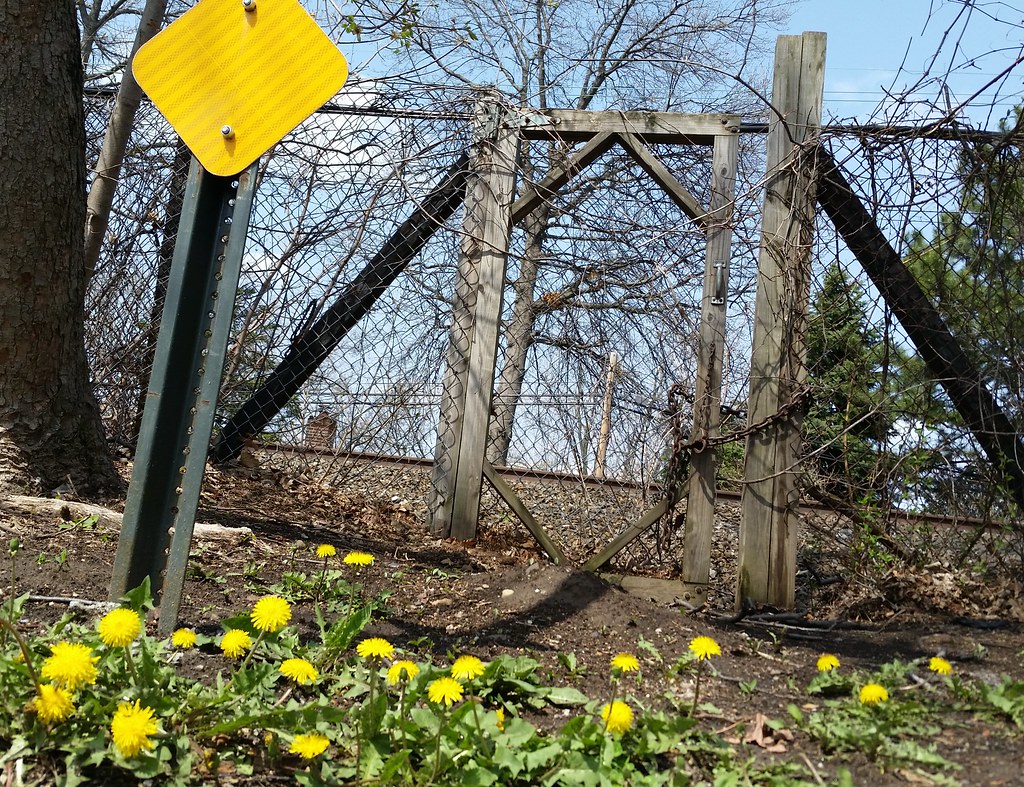
This interruption in 202nd Street is brought to you by the LIRR's Port Washington Branch, visible just beyond the fence.
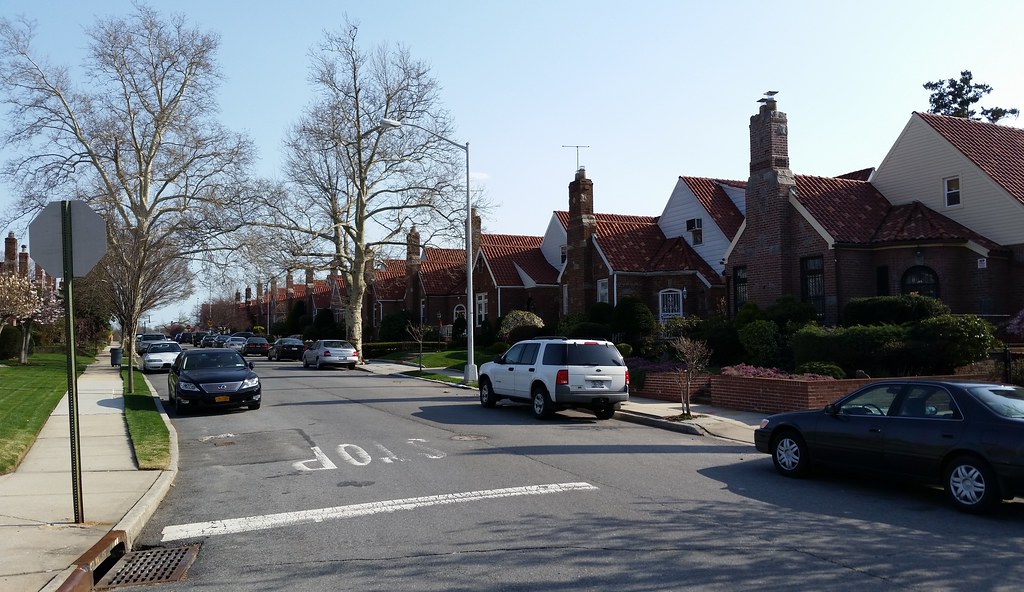
News to me: I photographed this block from the other direction two years ago.
(The next block over on 194th Street looks quite similar to this one.)
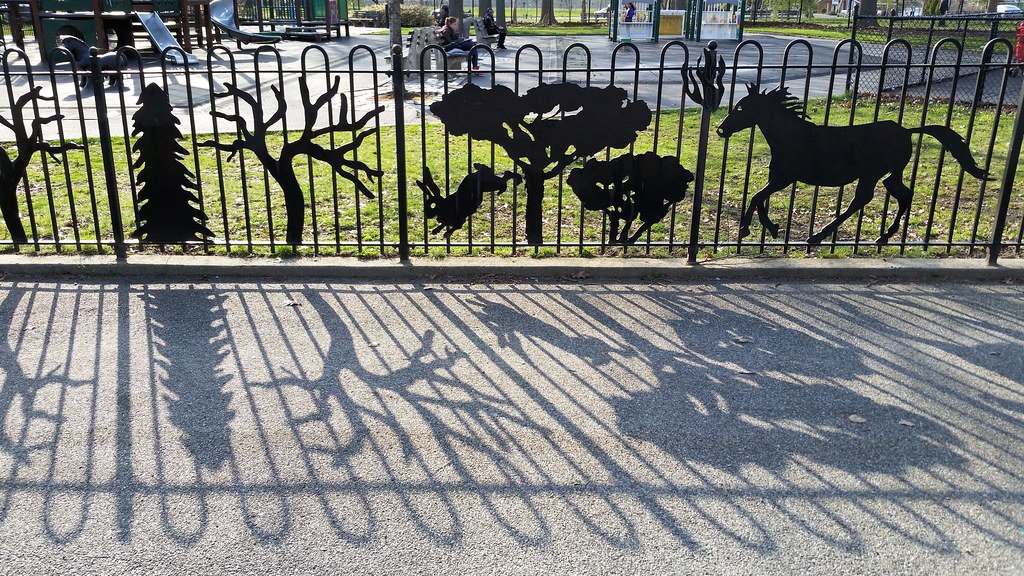
The artwork in this playground (more photos) is based on a modern storyteller's version of the Russian folk tale of Vassilisa/Vasilisa/Wasalisa the Beautiful. (Not sure if the ants have anything to do with the story.)

