Remember these trailers? My buddy Dan has obtained photographic evidence of their use as equipment storage outposts for technicians, backing up the claim he made in the comments of the post linked above, and corroborating Anders's research as well.
I'm pretty sure you're officially hanging out.
Almost every roll-down gate in the city is accompanied by at least a couple of these sticker advertisements put up by gate repair companies hoping they'll get the proprietor's business next time the gate malfunctions. The stickers generally go unseen by the public (I never noticed one until your webmaster pointed them out to me), but they are EVERYWHERE. For example: this, this, and this.




This supremely weird-looking apartment building was once a Steinway piano factory, a predecessor to the current piano-making complex.
Beneath the viaduct leading to the Hell Gate Bridge


Set between the Hell Gate and Triborough Bridges, this beautiful swimming hole was one of eleven WPA-built city pools opened in the summer of 1936 (here's a great history of public swimming in the city). They were all enormous, but this one was the king. Designed for about 3000 swimmers, with facilities that could accommodate up to 6200, it even hosted the US Olympic swimming and diving trials in 1936 and 1964. You'll normally find more people frolicking here on a hot summer day; at this time of the evening, the pool is open only for lap swimming.
Adjacent to the swimming pool, this one hasn't stood the test of time so well. It has been unused for decades, but there are plans in the works to turn it into an amphitheater, with the triple-level diving board integrated into the stage.
I finally dropped the ol' Droid one time too many. Here's my first shot with the new phone, a Galaxy S3.




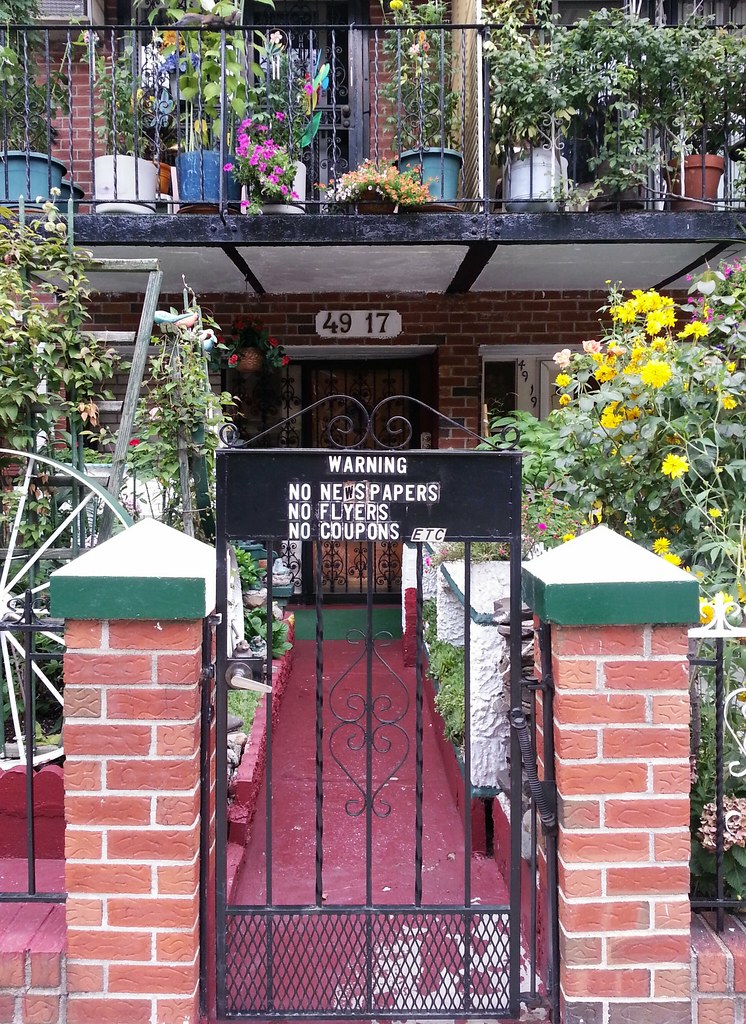
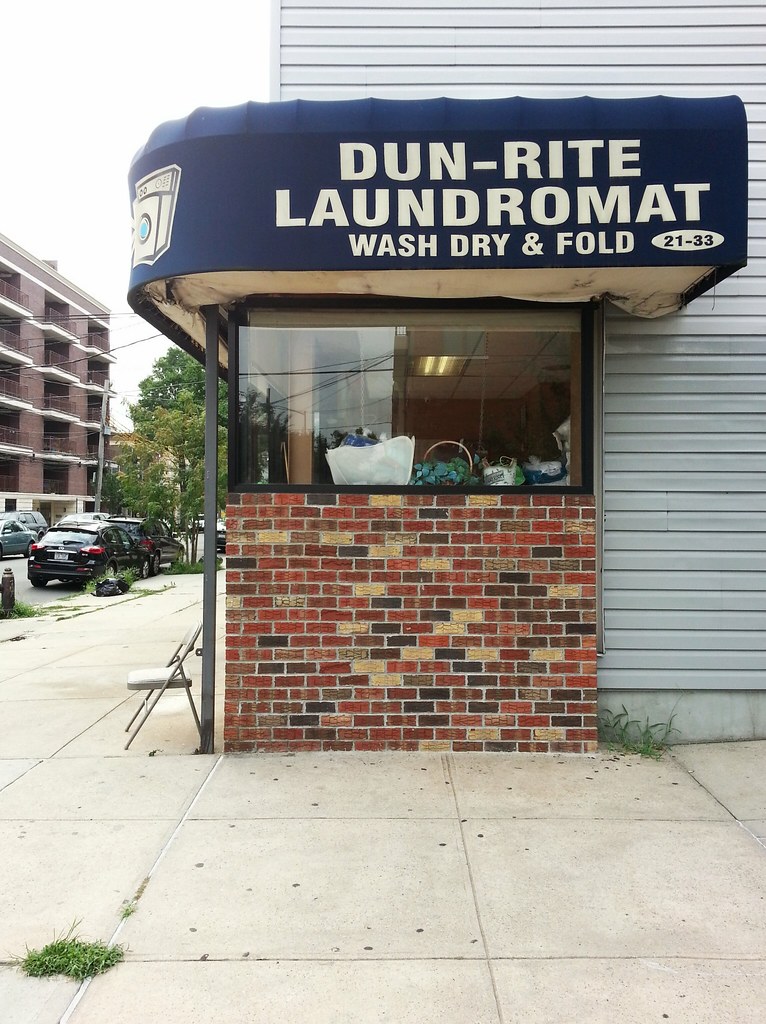
when Walter Dun split with Charles Rong and found a new business partner.
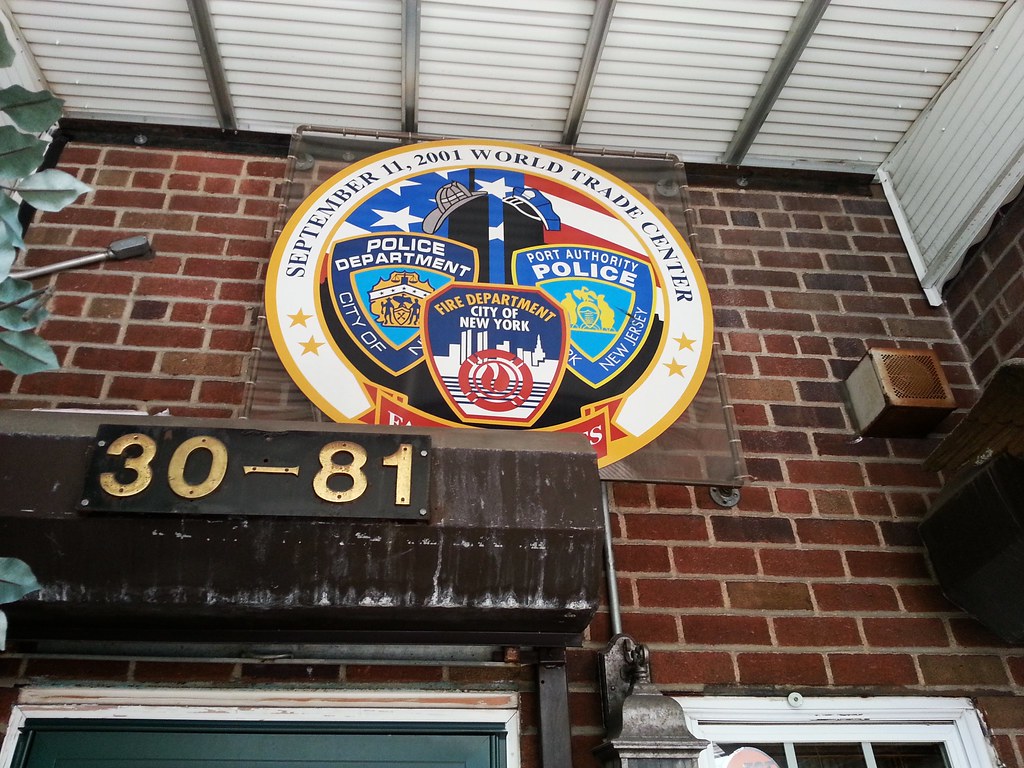
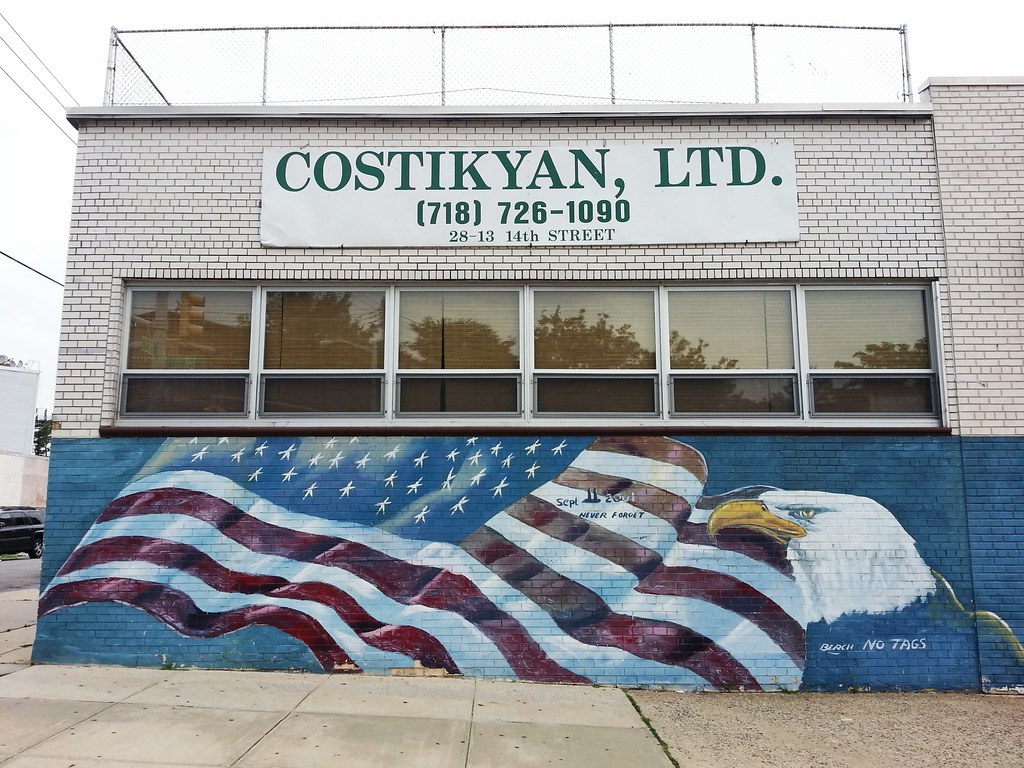
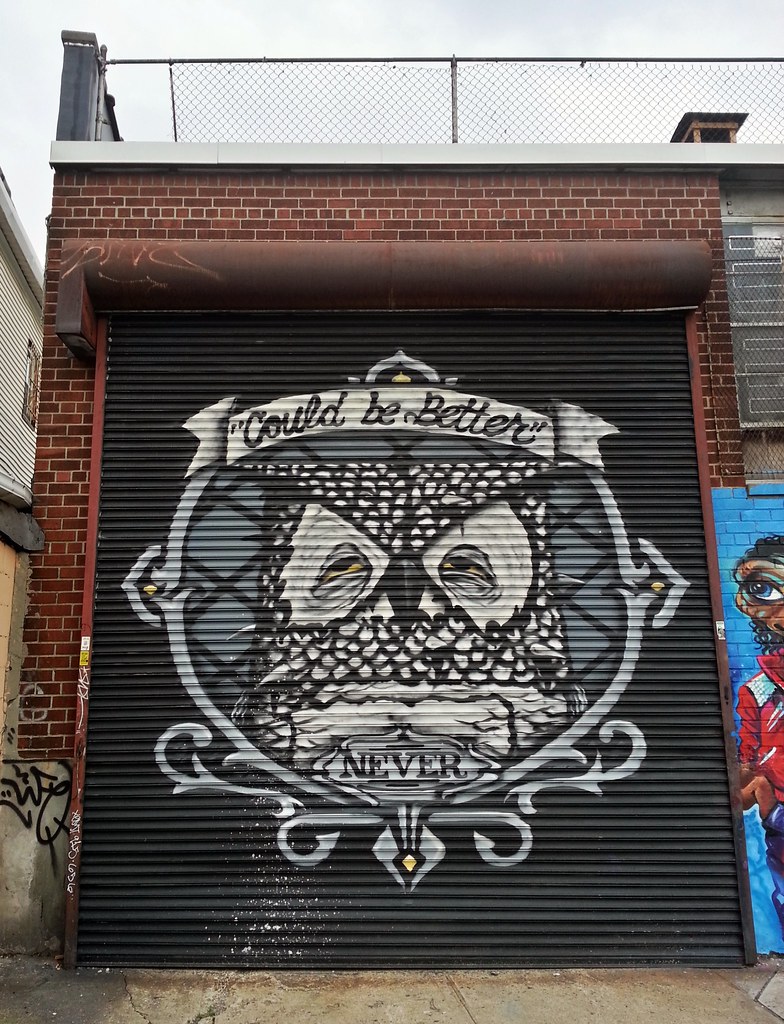
Another forlorn owl by Never. (Yes, that's E.T. dressed as Michael Jackson in the adjacent mural.)
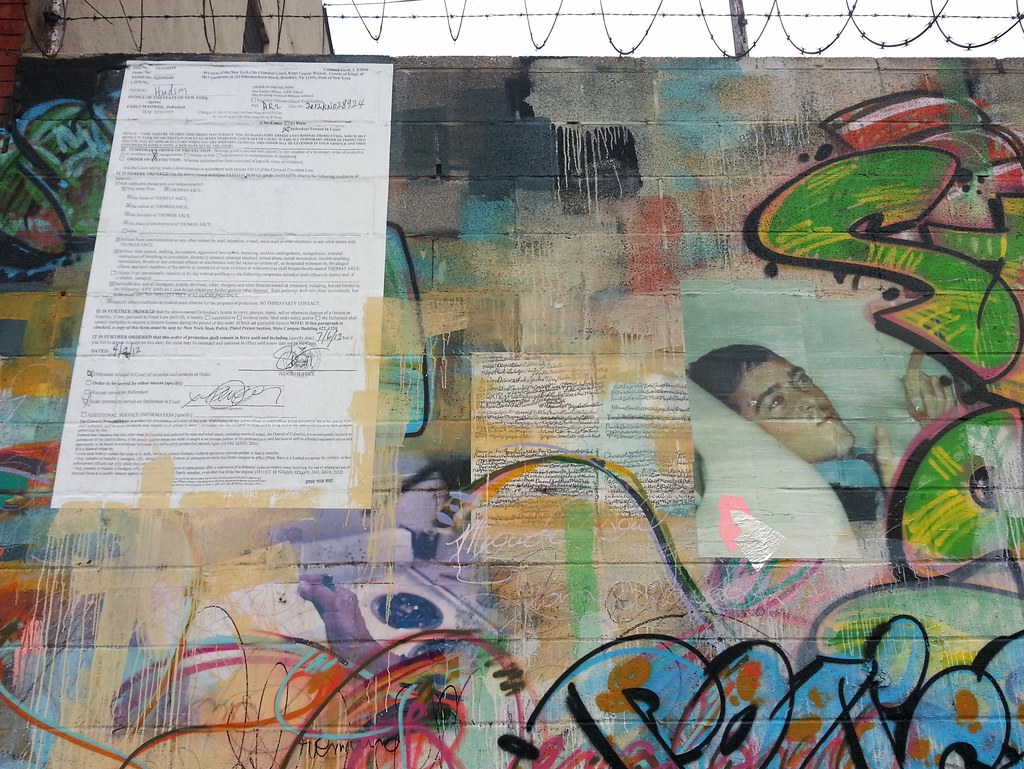


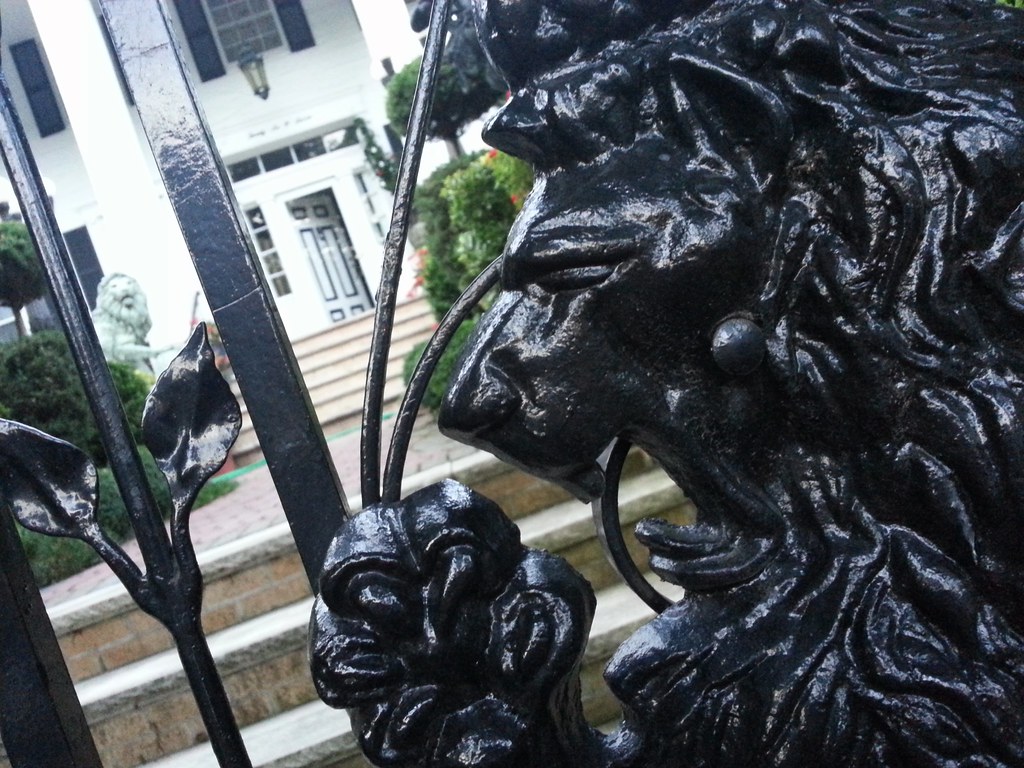
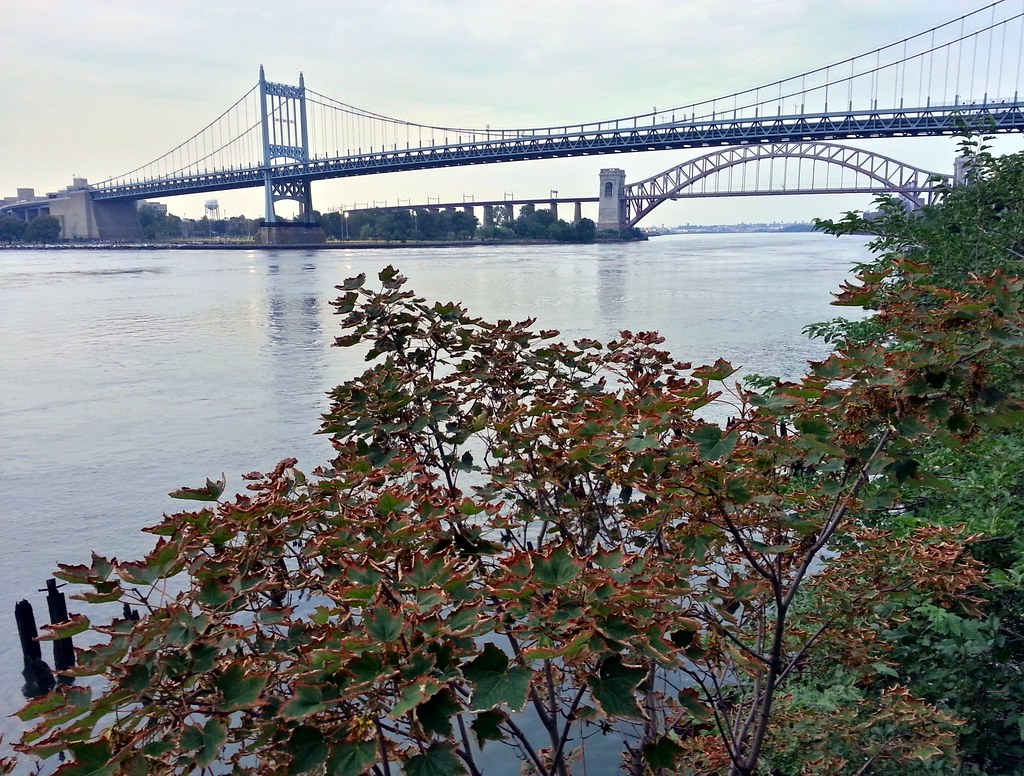

This waterside condominium is just a bit out of scale with its surroundings.
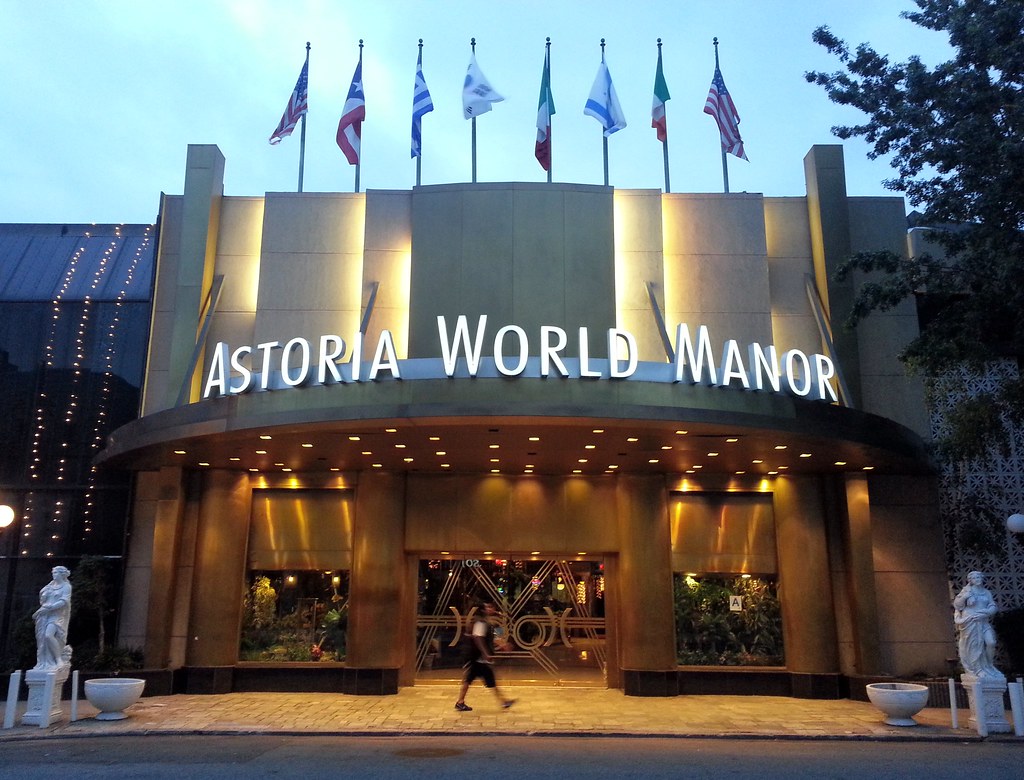
A few friends and I once visited this banquet hall during off hours, and the management let us wander around and look at all the rooms. The highlight, without question, was the photo studio.

The Triborough may have been officially renamed a few years ago, but this Druidic pillar, one of a pair straddling the Grand Central Parkway as it makes its way toward the bridge, is having none of it.
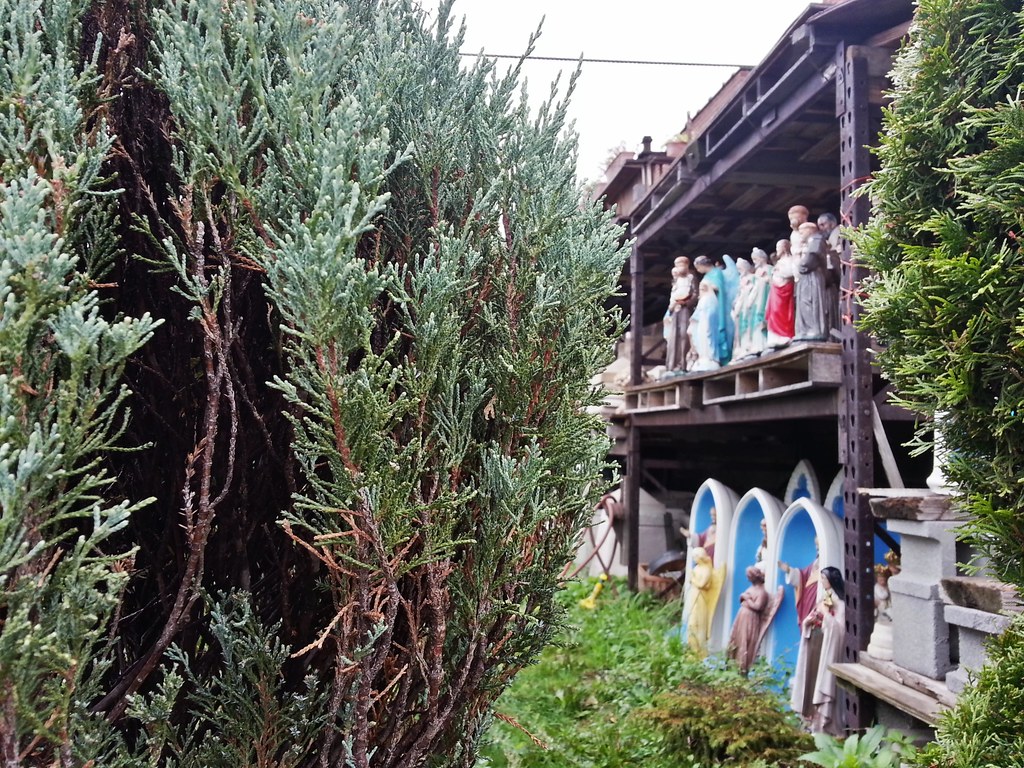

This is actually just the approach to the Queens side of the bridge that leads to Rikers. You're not allowed to walk over, but you can take the bus to visit an inmate, or even marry one.
I wonder what word preceded "establishment".
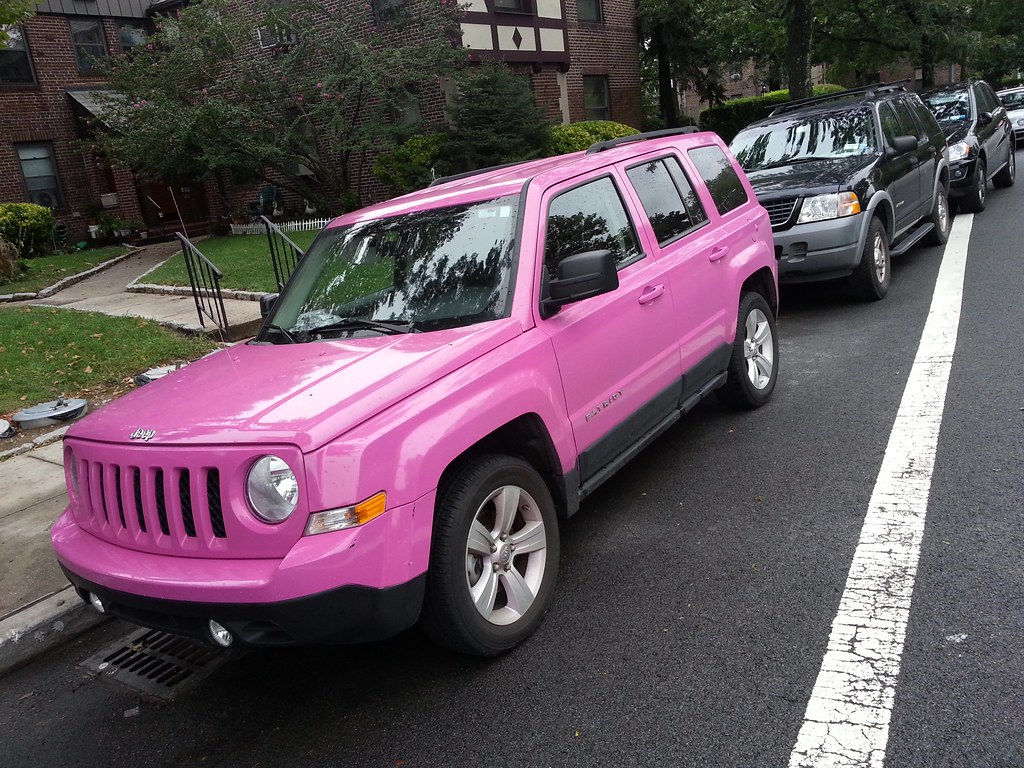
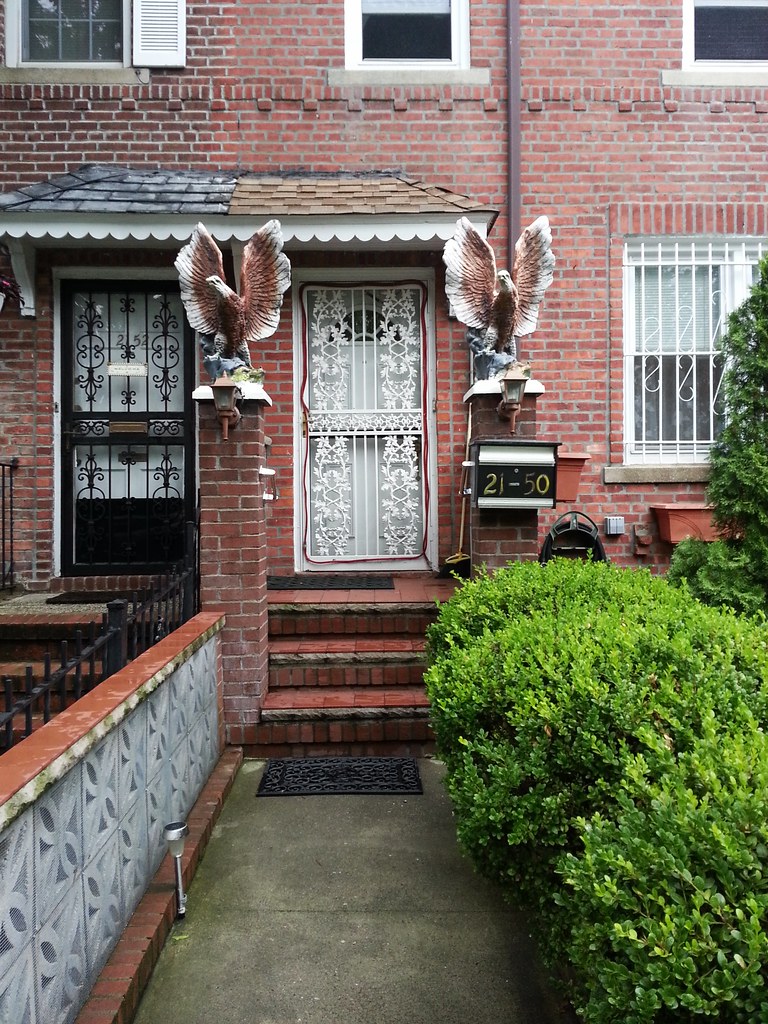
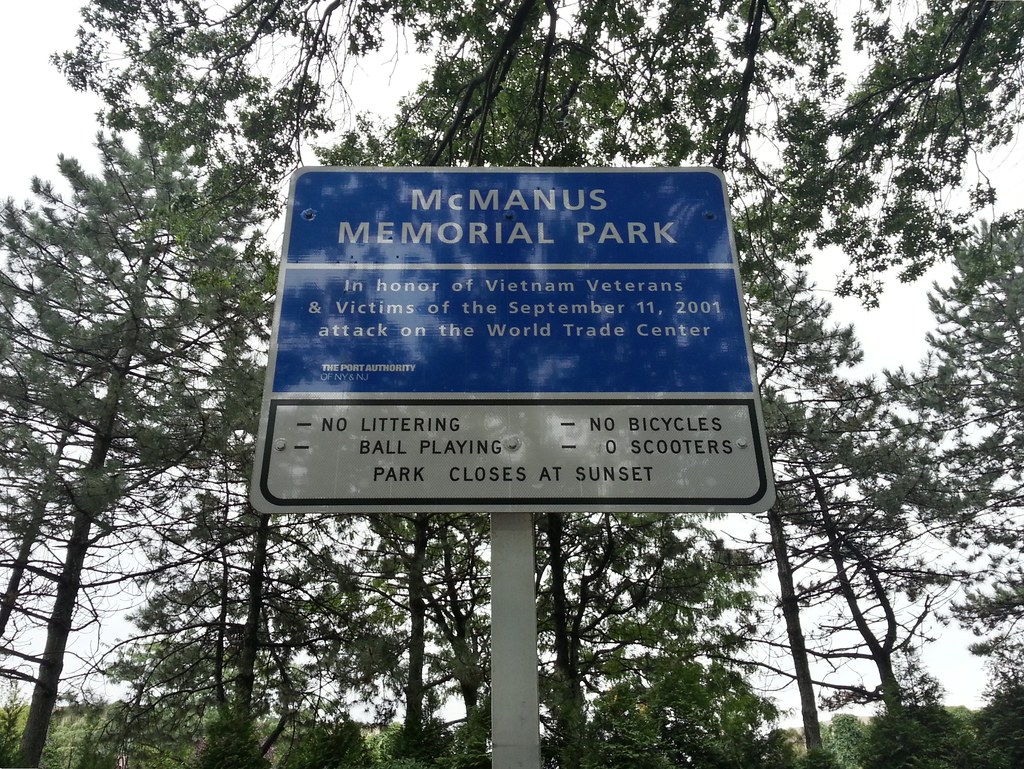
This memorial park, located right across the street from LaGuardia Airport, is named for Frank J. McManus, a local soldier who died in Vietnam and who presumably was the park's sole honoree in the years before 9/11.