
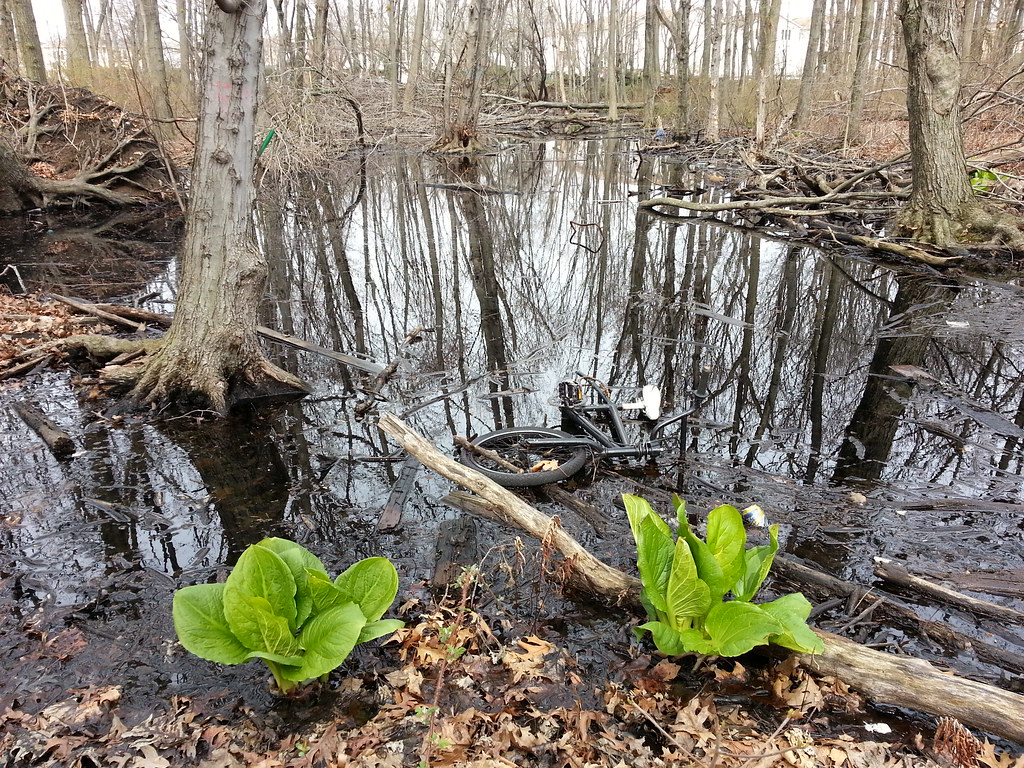

According to Wikipedia: "Skunk cabbage is notable for its ability to generate temperatures of up to 15-35°C (59-95°F) above air temperature by cyanide resistant cellular respiration in order to melt its way through frozen ground, placing it among a small group of plants exhibiting thermogenesis."
Here's an NY Times tribute to the generally unsung, if not always unsmelled, plant: "Seduced By a Skunk Cabbage".

I counted eight blue Pathmark carts plus the red one at left.

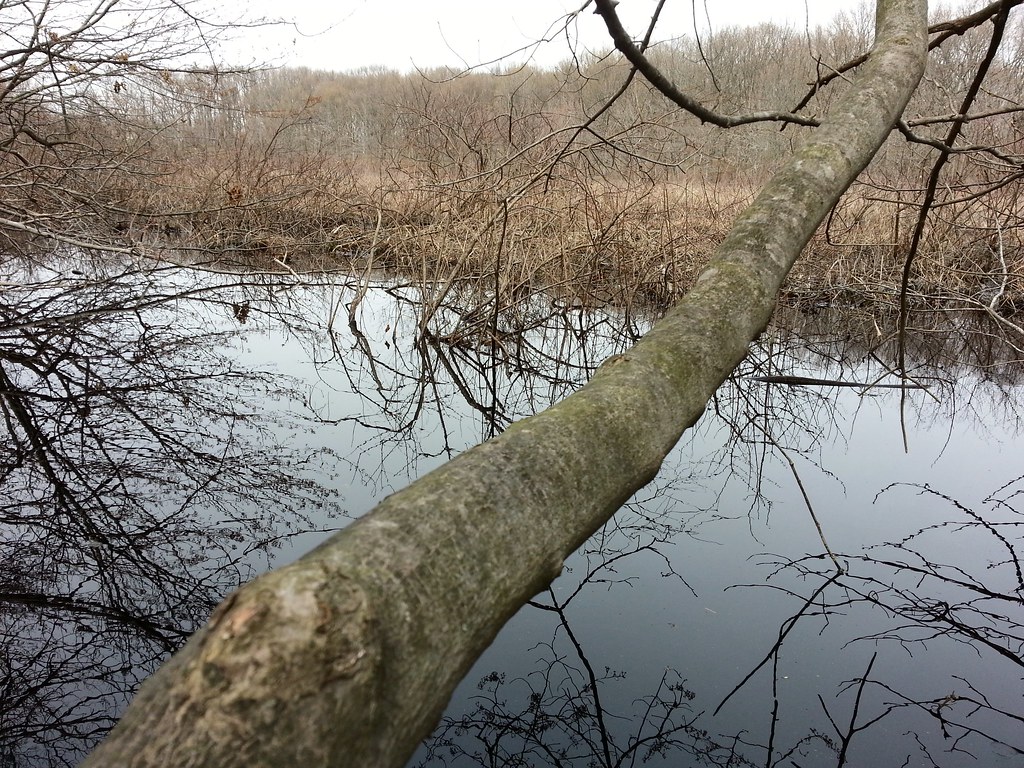

This seemingly unnamed little forest is just a couple of square blocks in area, tucked into the street grid between rows of houses.
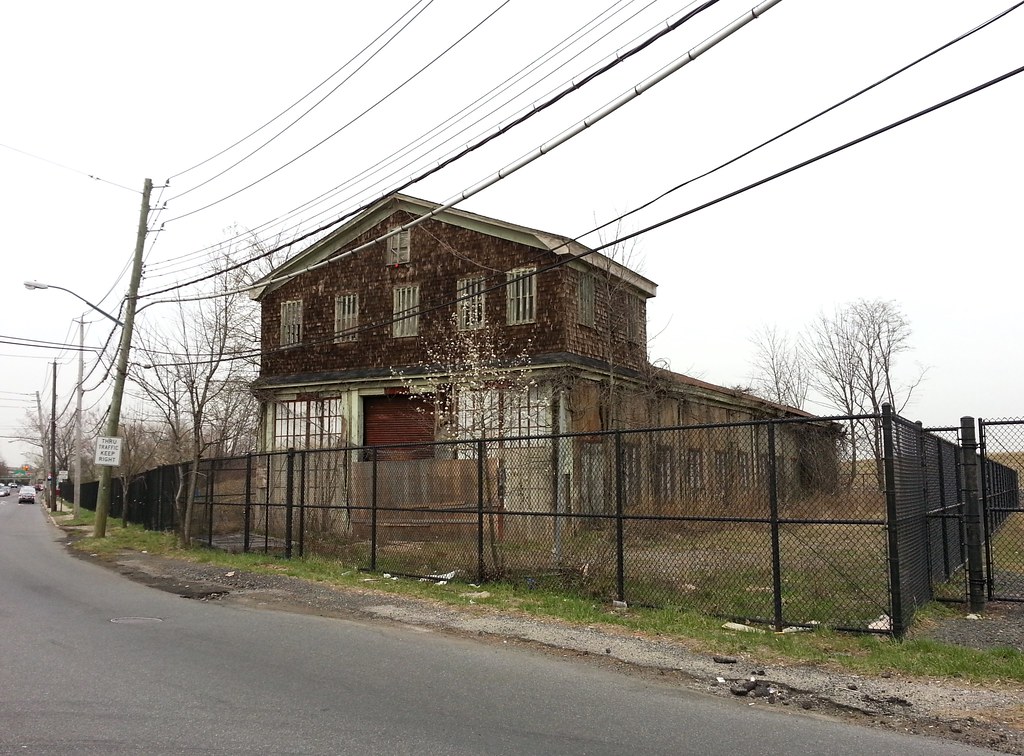
Standing at the edge of the old Brookfield landfill (which, like its neighbor Fresh Kills, is currently being turned into a park), this structure originally served as a garage for Staten Island trolley buses in the 1920s.

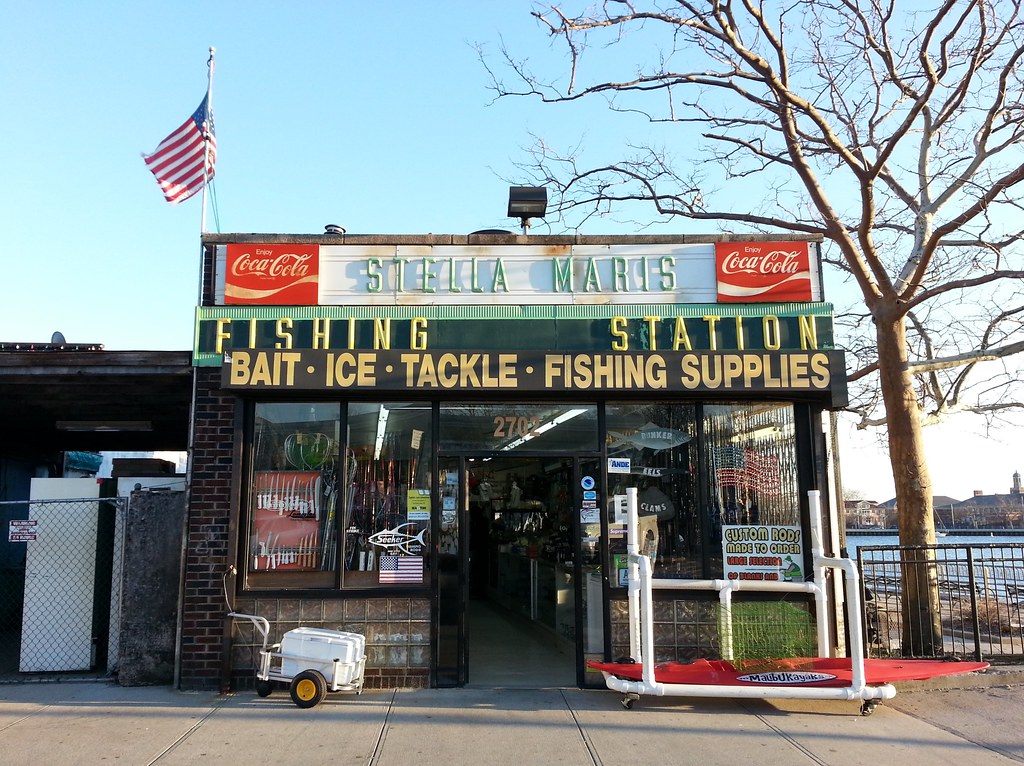
Star of the Sea, opened by six brothers (including an Anthony and a Tony) in 1947
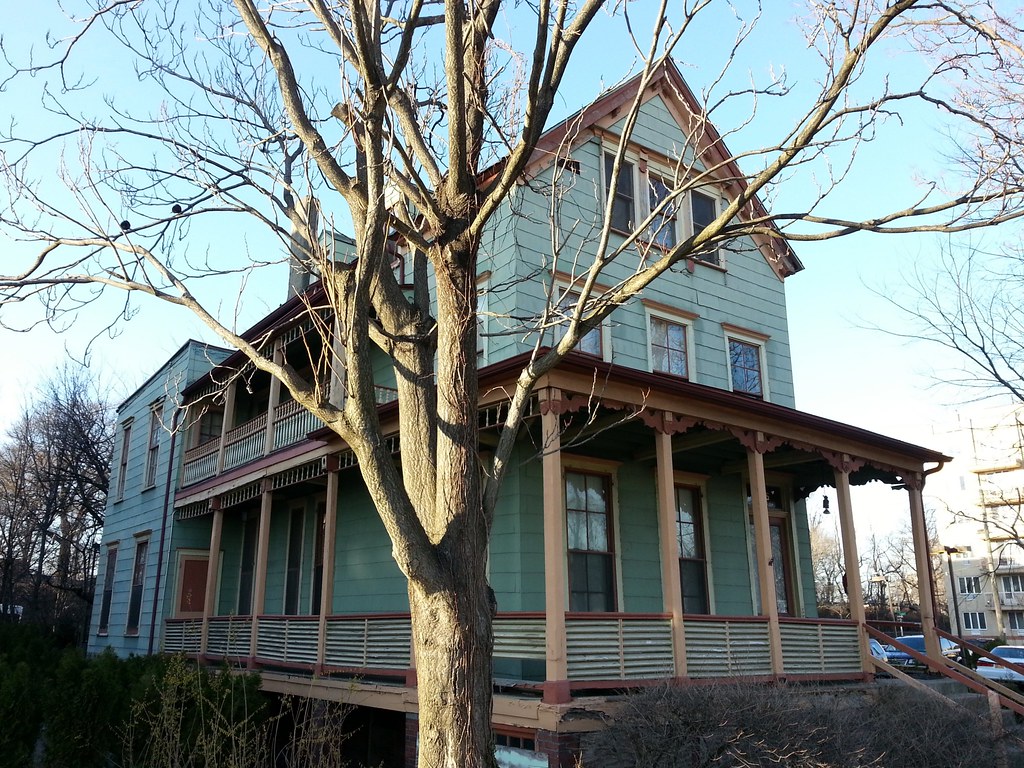
This is the last of the large houses that once looked out onto Sheepshead Bay from the northern side of Emmons Avenue. Compare this 1924 aerial image with one from 2012.
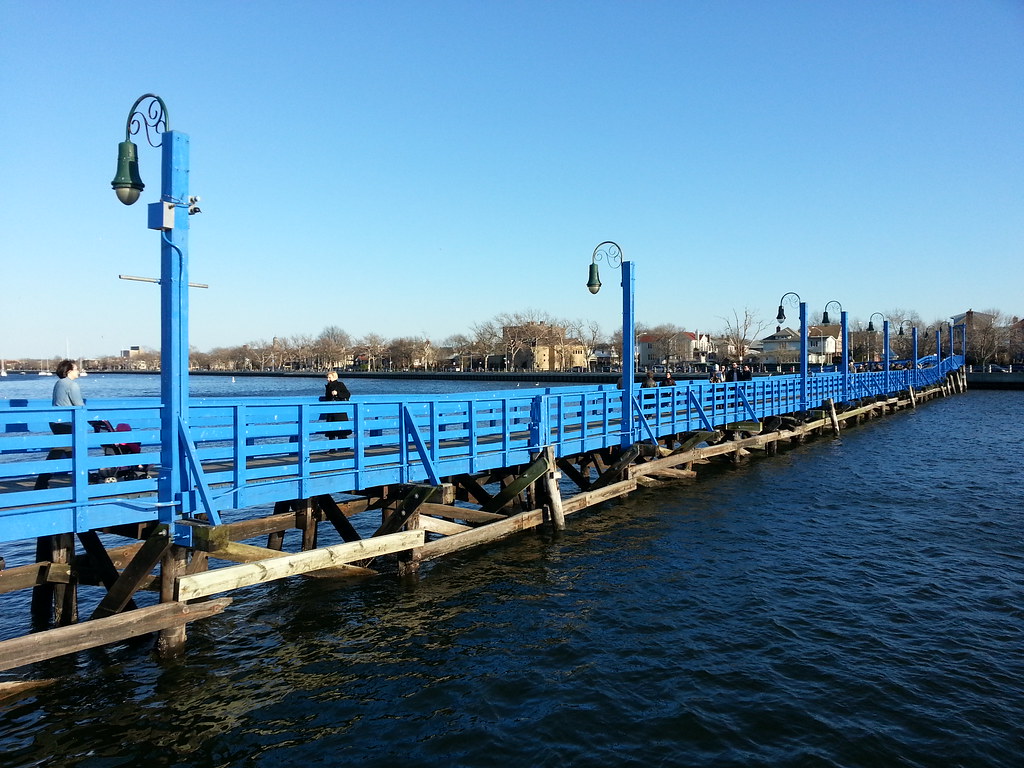
If you're in the mood for a long, crazy story, check out the post I wrote last time we saw this footbridge over Sheepshead Bay. (Looking at the previous photo, you'll notice that the bridge has since been fully repainted following its post-Sandy reconstruction.)
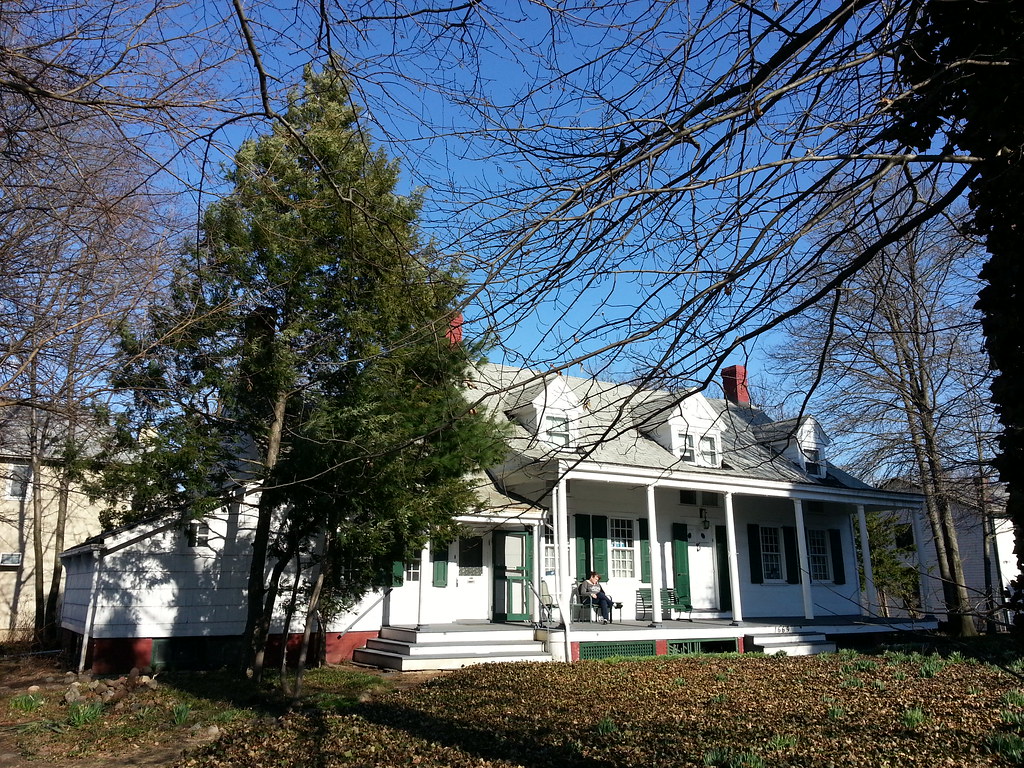
Built around 1766, this house is "the best preserved, and considered by many the most beautiful example of Dutch Colonial architecture in Brooklyn". Two Hessian soldiers who were quartered here during the Revolutionary War scratched their names into the windows; the framed panes now hang inside on the wall amid a huge collection of relics. In the 250 or so years of the house's existence, it's been occupied by a string of only three different families: the Wyckoffs, the Bennetts, and, since 1983, the Monts. For a look inside the place, check out this photo gallery and this eight-minute video.
I'm walking every street in New York City.
This is the counterpoint to my walk across the US. Instead of seeing a million places for just a minute each, I'm going to spend a million minutes exploring just one place. By the time I finish walking every block of every street in all five boroughs, I'll have traveled more than 8,000 miles on foot — all within a single city. Details!
Email me at matt@imjustwalkin.com
Subscribe to my email list
Maps: Progress | Photos

Your donations allow me to keep walking full-time. If you think what I'm doing is valuable and you'd like to offer some support, I would be very grateful. On the other hand, if you think I'm a worthless bum, feel free to email me and tell me to get a job, bozo. Both are excellent options!
