

By far the most visible clue that the 28-acre Riverbank State Park sits atop a wastewater treatment plant

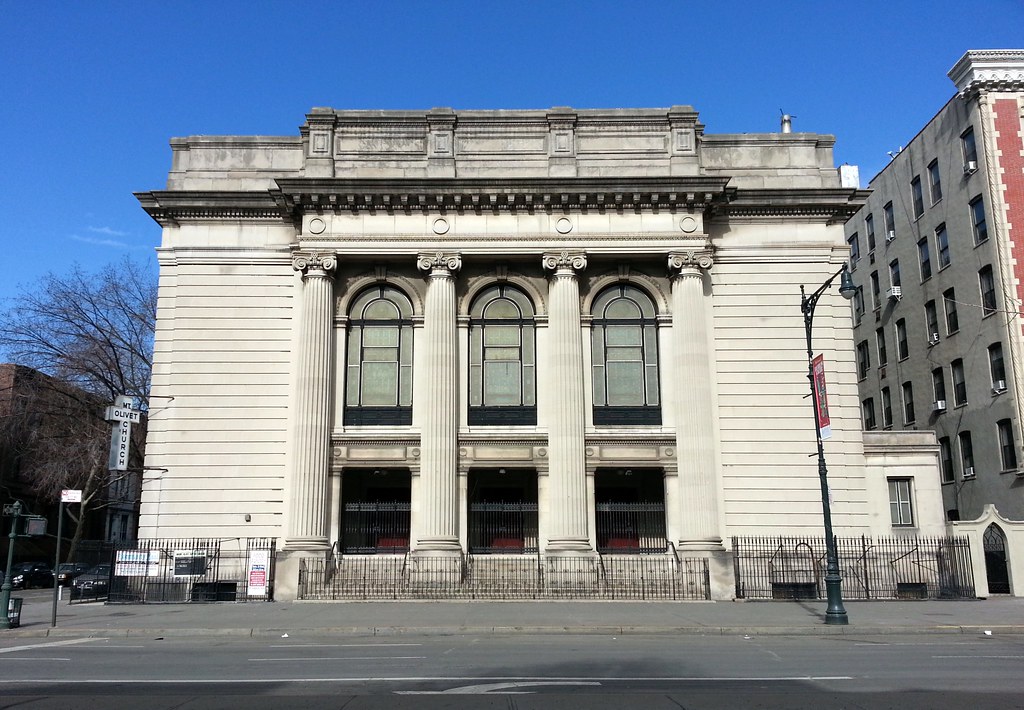
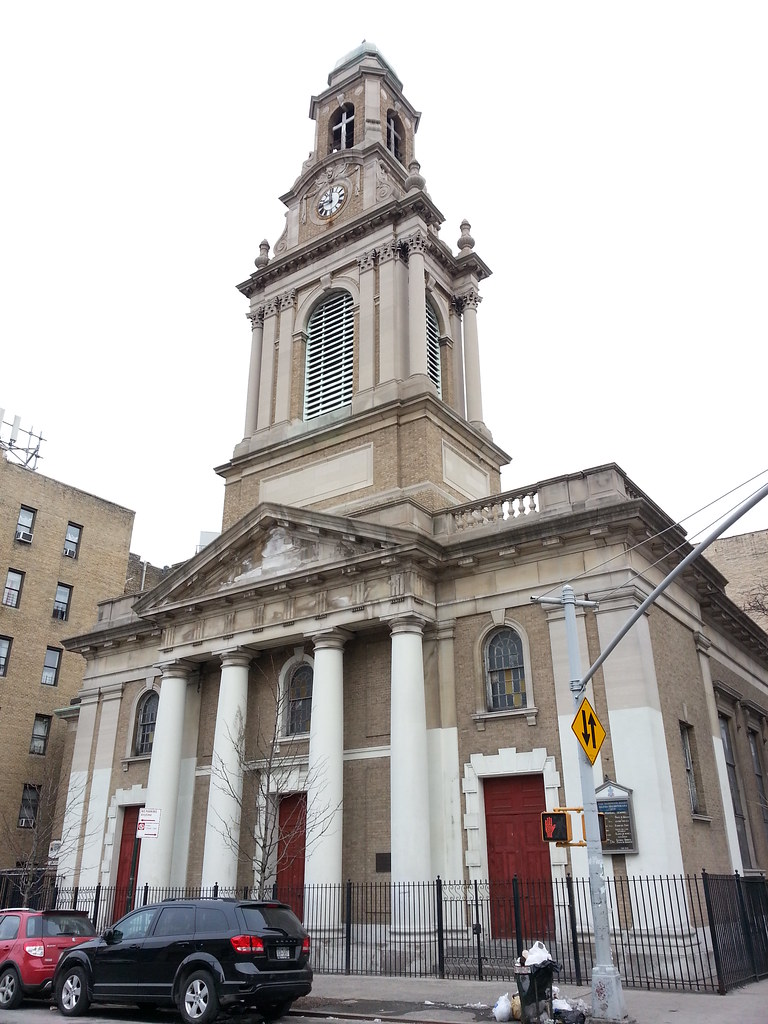
Mount Olivet Baptist Church, formerly Temple Israel, is one of many churches inhabiting old synagogues here in Harlem. There are still several visible vestiges of the building's original occupant, such as the Stars of David on the column capitals.

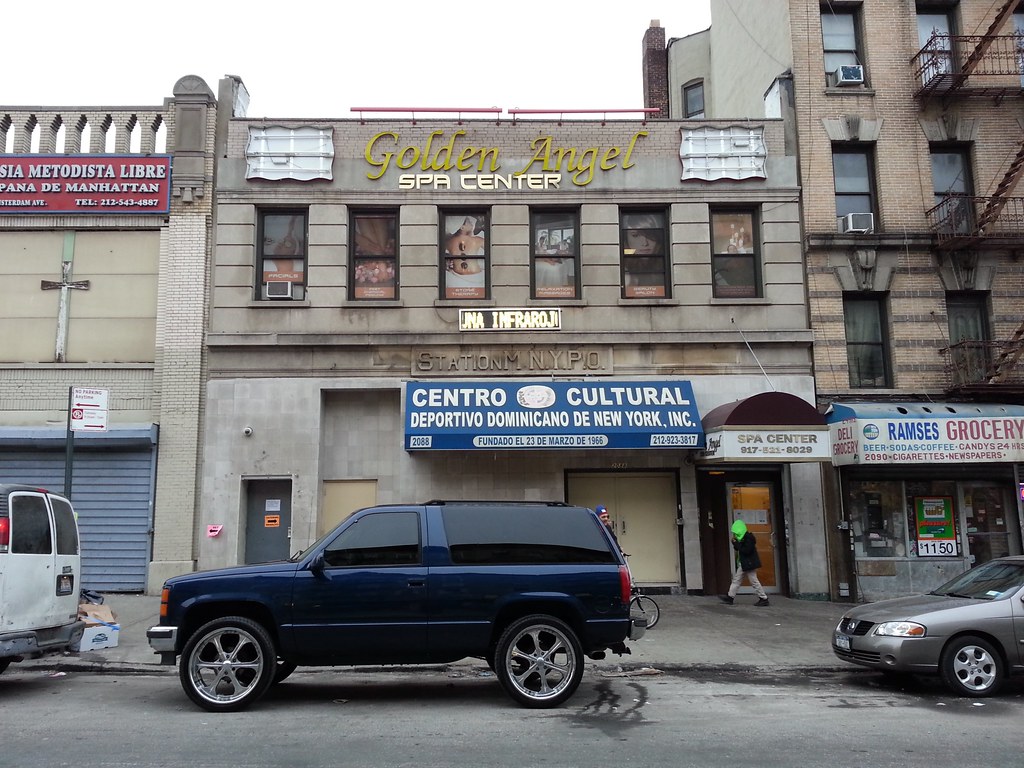
While this building was not its original home, Station M existed at least as far back as 1863, when it was one of 14 post offices on the island of Manhattan: the main office plus Stations A through N, excluding I. Half a century later, a carrier from this station unwittingly delivered a package bomb to a local man. The NY Times report on the incident featured the following headline and sub-headlines:
BOMB BIG ENOUGH TO WRECK BUILDINGAn article in The Sun said the police suspected the sender of the bomb was a man in Connecticut who "may have been jealous of Franck's attentions to a young woman in New Britain".
-----------------------------
Jacques Franck of 709 West 170th Street Gets a Box of "Socks."
-----------------------------
DENIES HAVING ENEMIES
After Mr. Franck discovered that his package contained a bomb, and not the "fine socks" he was expecting, the excellently named Bureau of Combustibles was called in to investigate. According to a 1907 NY Times piece with the sub-headline "How the City Disposes of Bombs and Explosives—Ticklish Work for the Bureau of Combustibles":
Few . . . realize the extent of bomb-making and the illegal traffic in explosives in a city like New York. At least 200 bombs and infernal machines are found here by the police every year . . . They are, of course, the bombs and infernal machines which do not explode. The total does not take into account crimes of the sort that are successful. Other explosives are seized by the city authorities in sufficient quantities to warrant special provisions being made for their storage and destruction. In the yard back of the headquarters of the Fire Department, in Sixty-seventh Street, near Third Avenue, there is a small building covered with sheet iron and bearing a sign which reads: "Magazine—Danger!" Behind the padlocked doors is a collection of contraband explosives that would amaze the majority of New Yorkers.
When a bomb or infernal machine is found by the police it is turned over to the Bureau of Combustibles of the Fire Department. The hazardous task falls to the bureau employees of investigating the dangerous package. . . .
The question naturally arises: What becomes of the contraband explosives? A favorite method of getting rid of them is to gather them periodically, place them on one of the municipal boats, and have them dumped into one of the rivers. The spot for depositing them is usually the "Black Hole" at Hell Gate. There the rocks and swift current soon make them harmless, even for fishes.
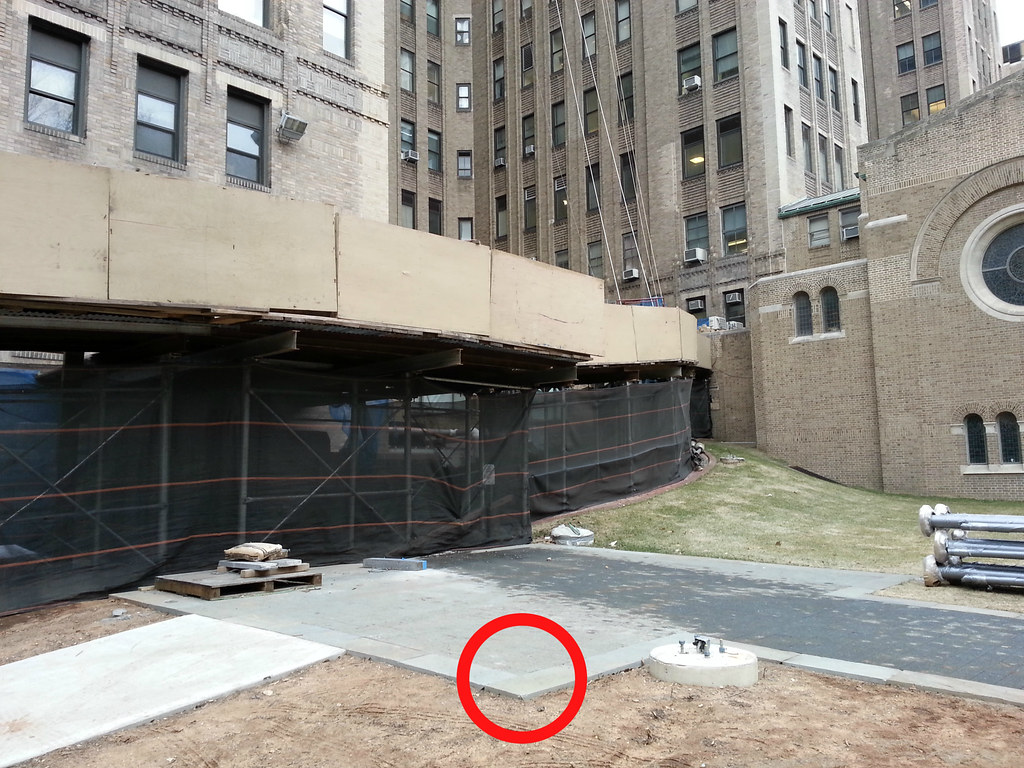
Until it was removed during the ongoing construction here at NewYork-Presbyterian/Columbia University Medical Center, a plaque could be found on the ground at about the spot I've circled in red. It marked the former location of home plate at Hilltop Park, where the New York Highlanders (a.k.a the New York Yankees) played from 1903 to 1912. We're looking straight out into center field in this photo; using the diagonal left edge of the concrete to approximate the base line, we can roughly estimate the location of third base (now somewhere inside the building at left), where a stealing Ty Cobb slid into Jimmy Austin in one of baseball's most famous photographs. (Here's the story behind that image, "the greatest action picture ever made on the ball field".)
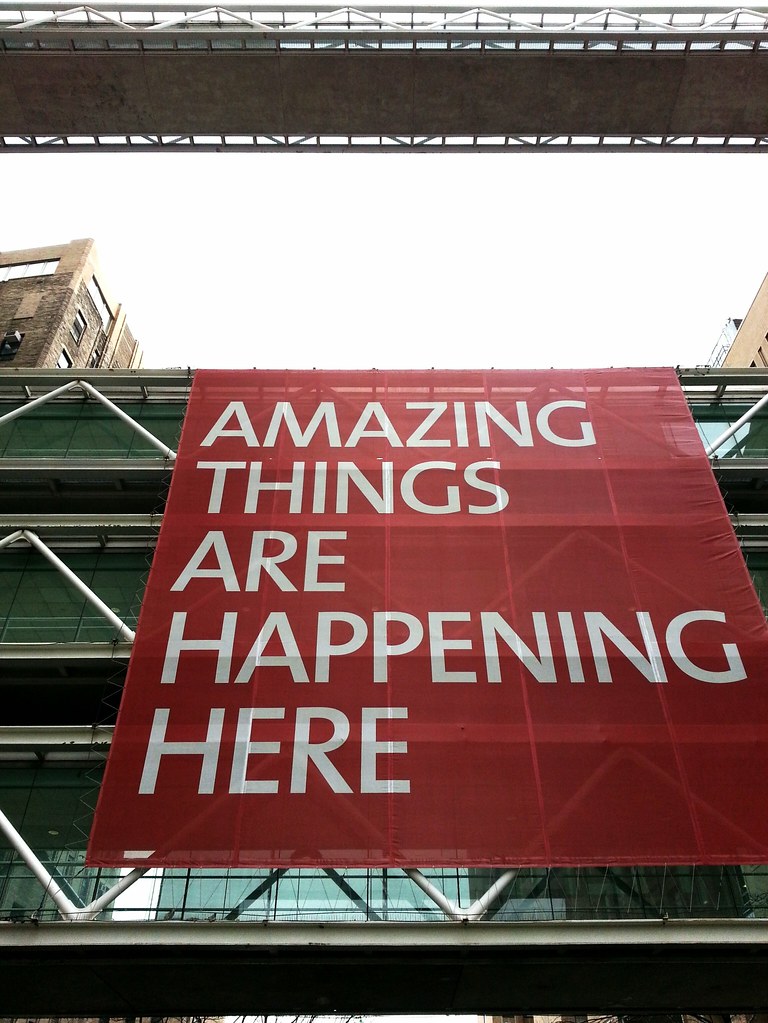

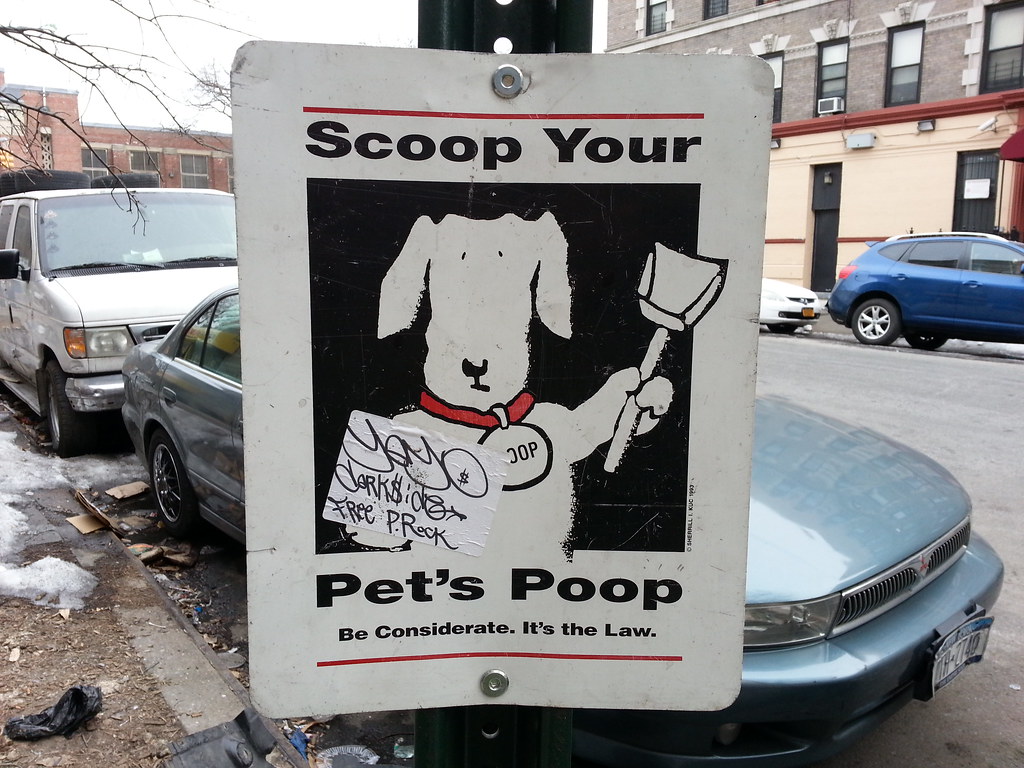


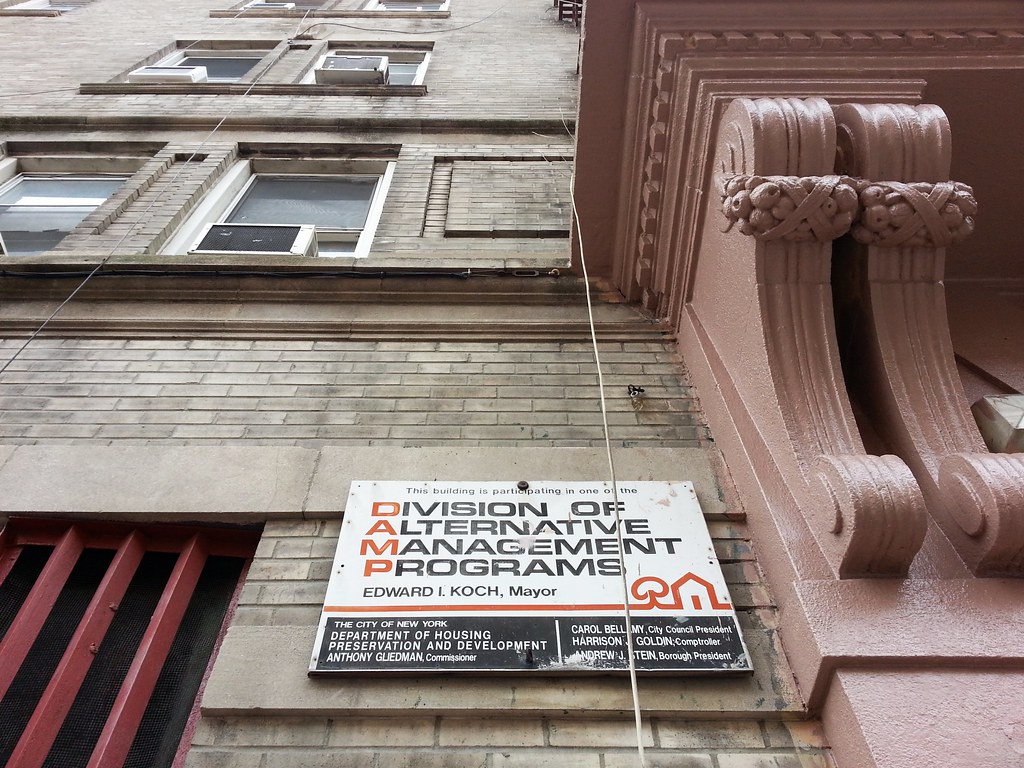
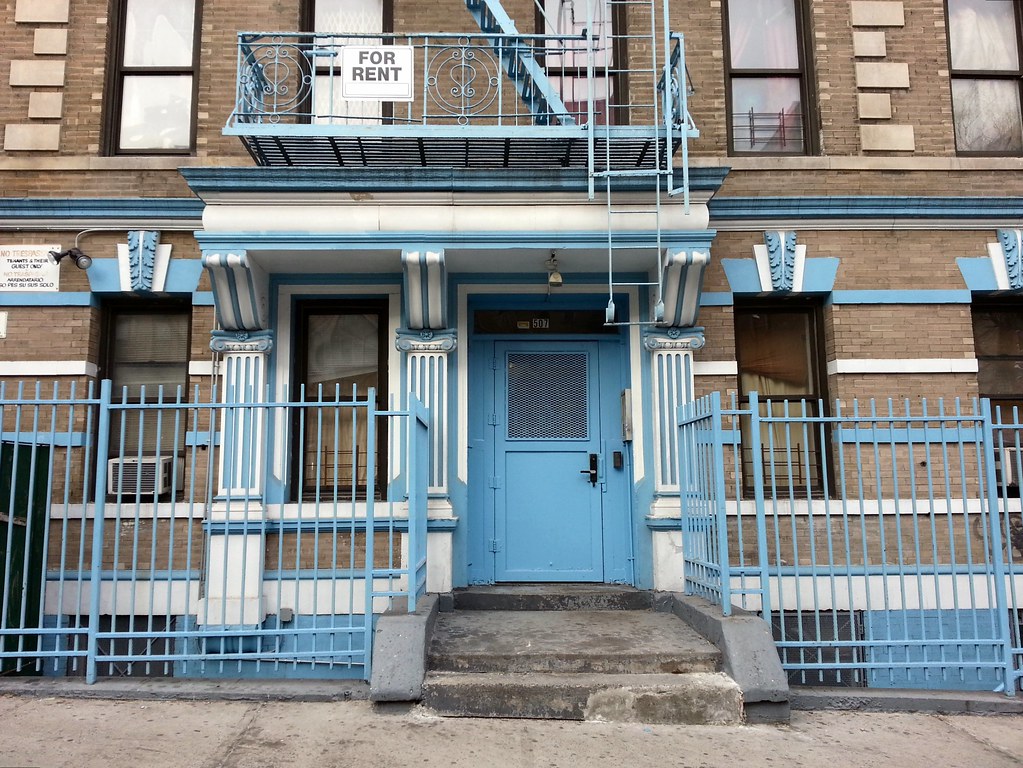

Not long after navigating the crazy underpass seen in the previous post, I found myself atop the aforementioned exit ramps, snaking along this narrow, forgotten-looking pedestrian path.
I'm walking every street in New York City.
This is the counterpoint to my walk across the US. Instead of seeing a million places for just a minute each, I'm going to spend a million minutes exploring just one place. By the time I finish walking every block of every street in all five boroughs, I'll have traveled more than 8,000 miles on foot — all within a single city. Details!
Email me at matt@imjustwalkin.com
Subscribe to my email list
Maps: Progress | Photos

~9,954 miles walked
Your donations allow me to keep walking full-time. If you think what I'm doing is valuable and you'd like to offer some support, I would be very grateful. On the other hand, if you think I'm a worthless bum, feel free to email me and tell me to get a job, bozo. Both are excellent options!
