
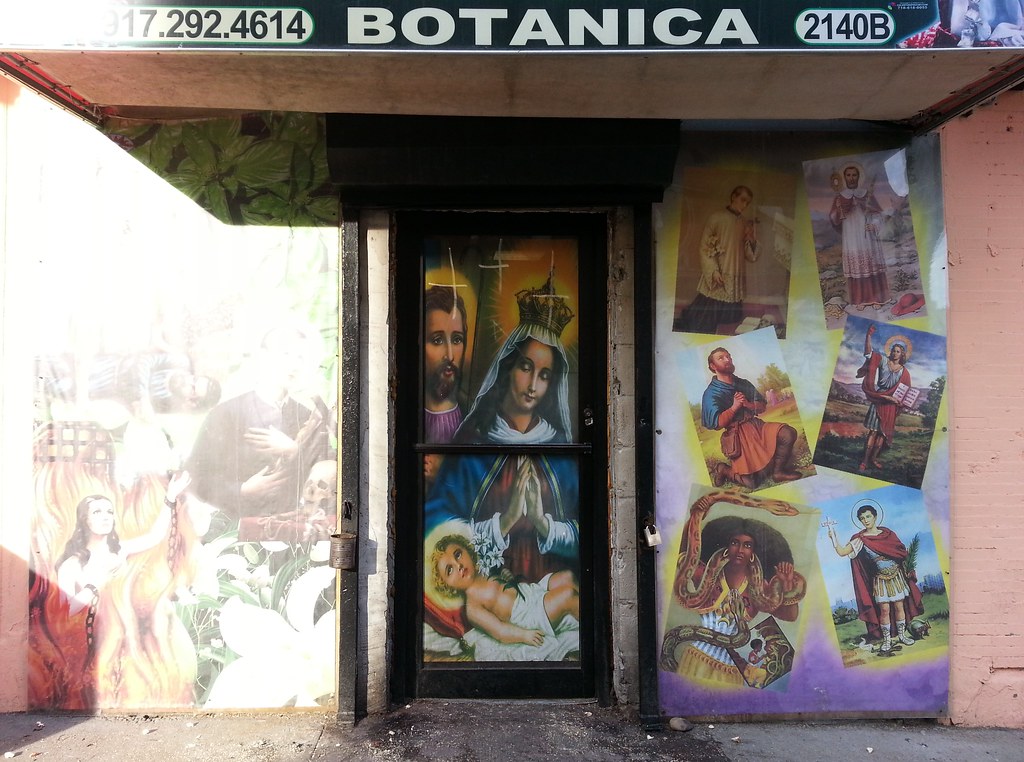
In the lower left, you can see the Anima Sola, whom we previously encountered, in three dimensions, at another botánica.
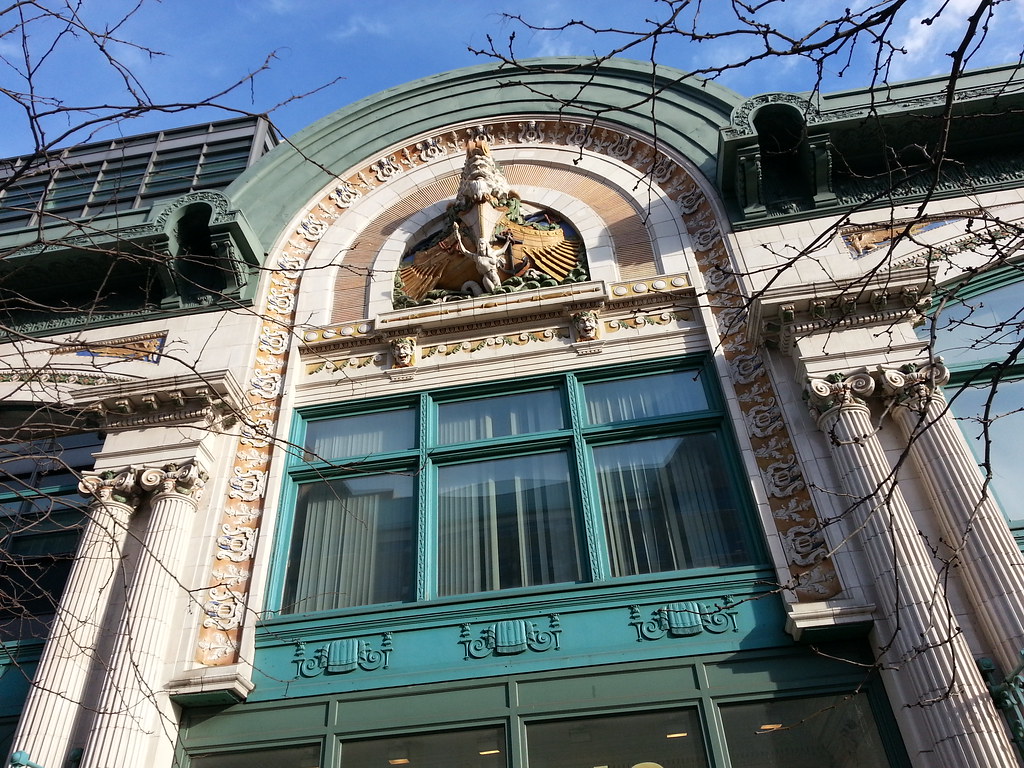
Neptune and the Argo (closer look) preside over the main entrance to the former Audubon Ballroom and Theater, where Malcolm X was shot and killed in 1965. Columbia University has since built the multi-story Audubon Business and Technology Center on the site (partially visible at left; bird's-eye view), while also restoring a good portion of the original facade and part of the ballroom where the shooting occurred, and providing space inside for the Malcolm X and Dr. Betty Shabazz Memorial and Educational Center.

Here we are again at this World War I memorial sculpted by Gertrude Vanderbilt Whitney, founder of the Whitney Museum of American Art. The surrounding park, Mitchel Square, is named for John Purroy Mitchel, the former NYC mayor who, after joining the Army's aviation service during World War I, fell out of his plane on a training flight and plummeted to his death.
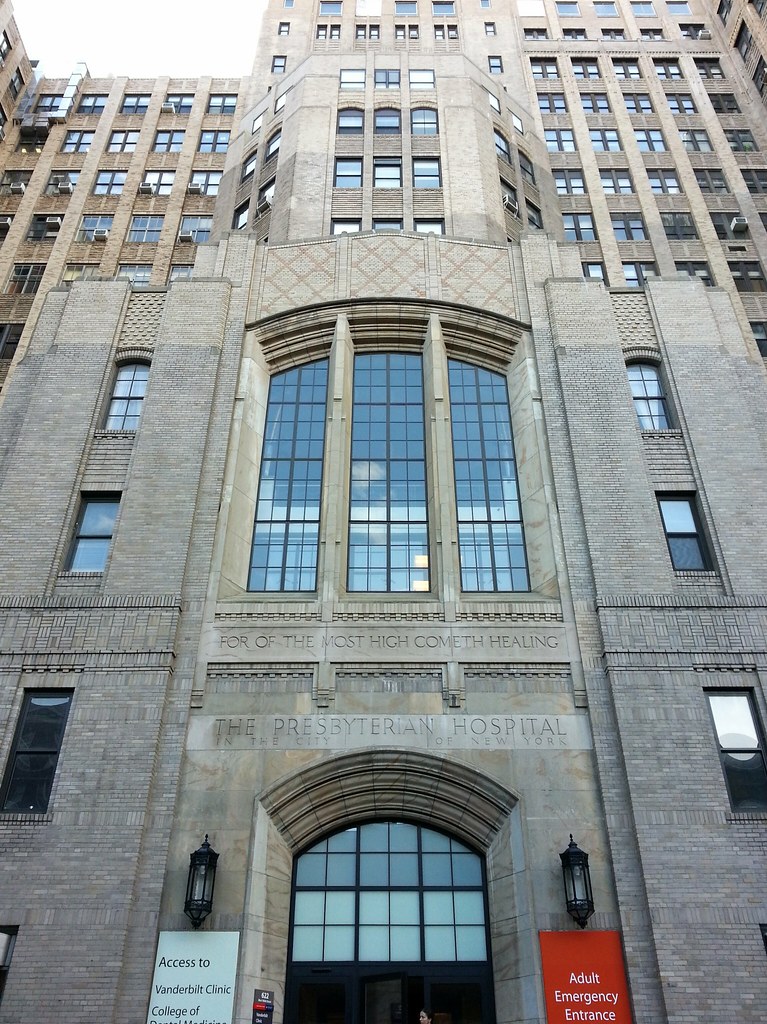
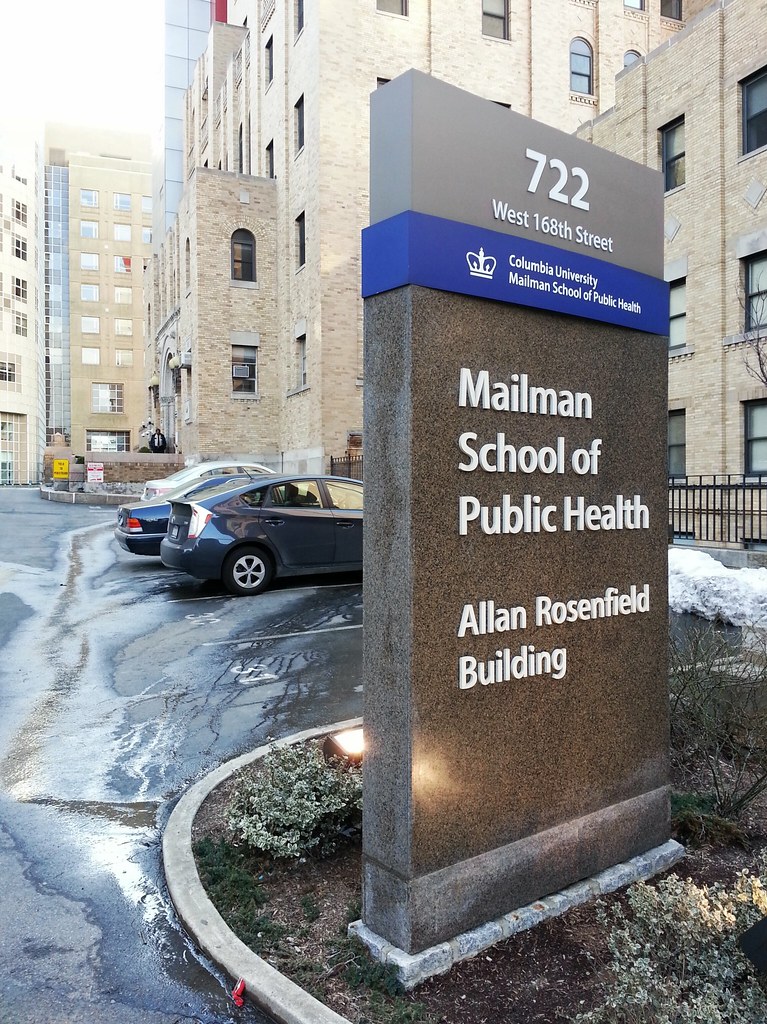
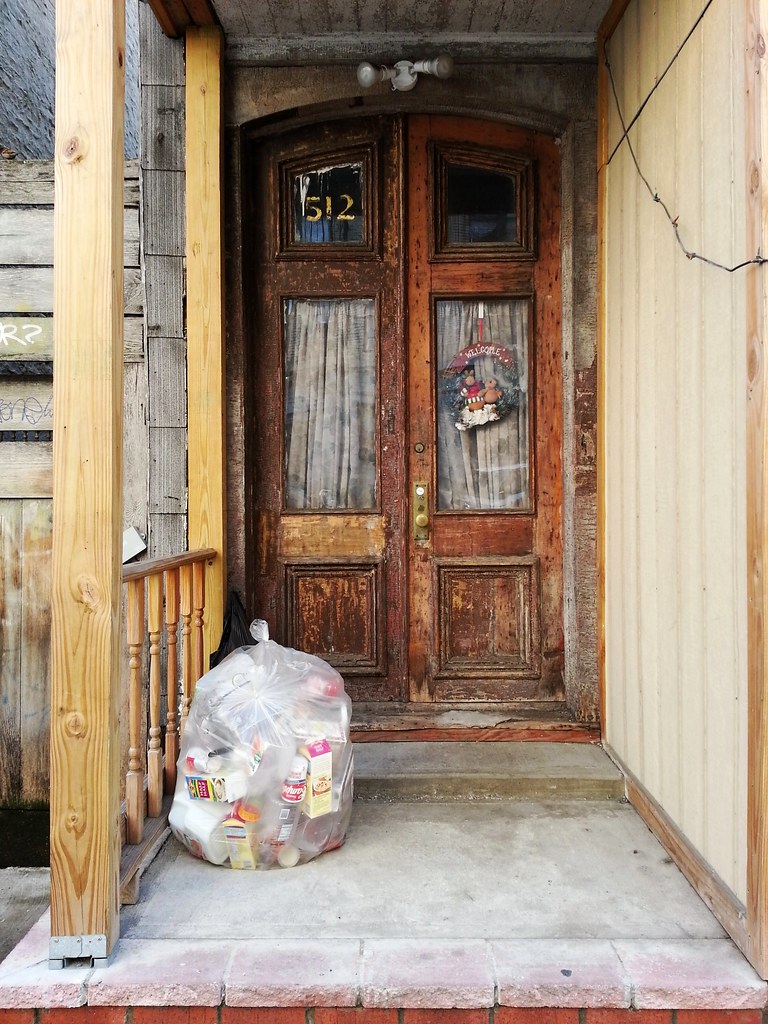
Specializing in the treatment of dog bites
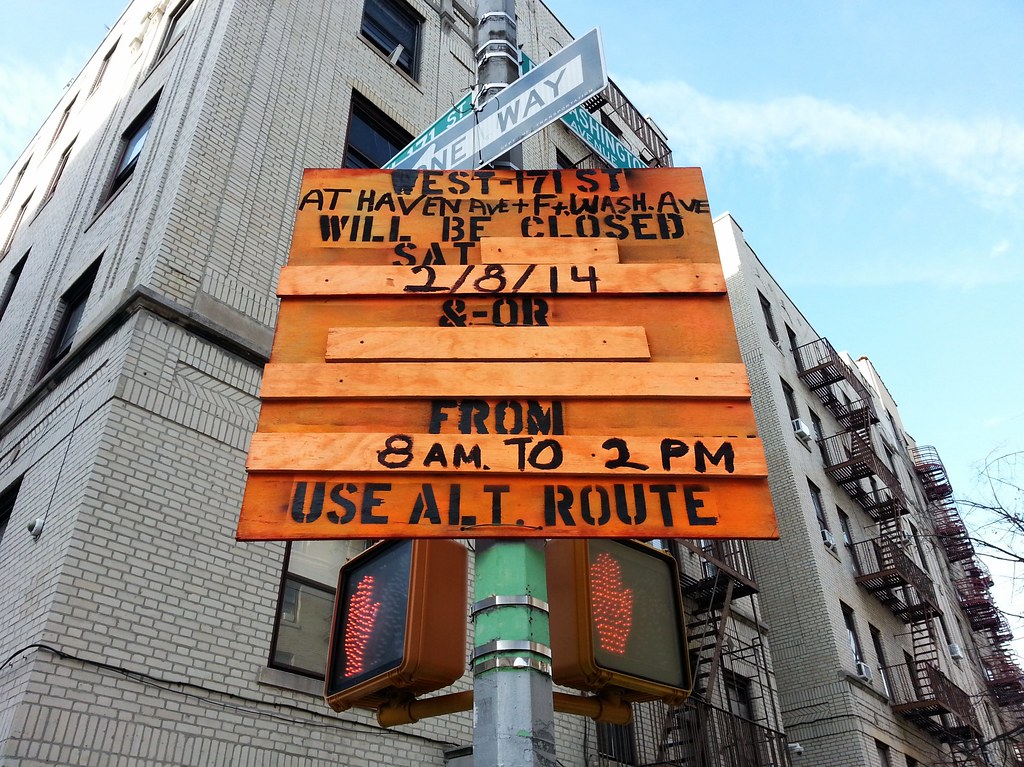

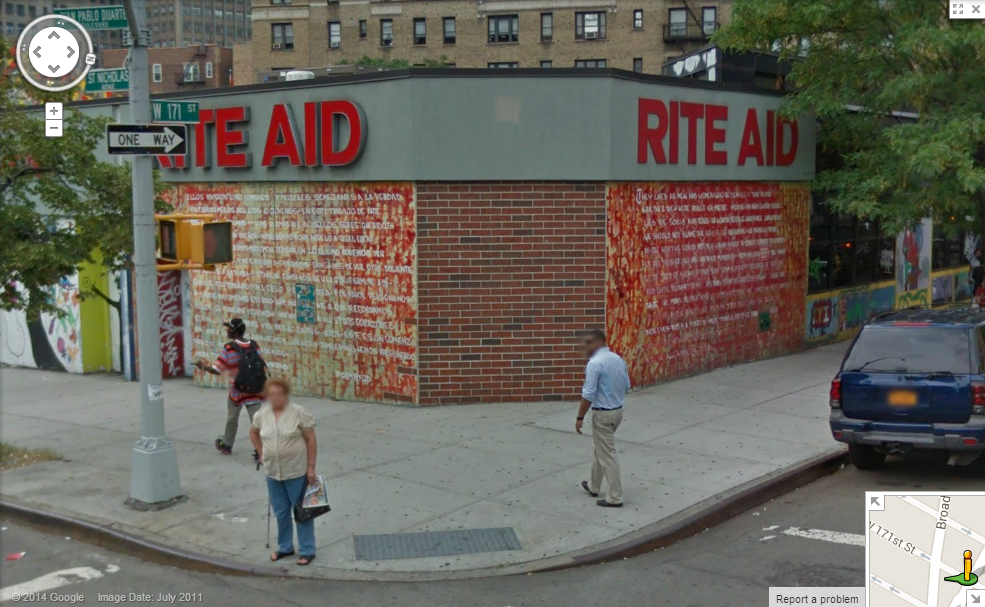
once again, this time at the former location of this mural (wider shot).
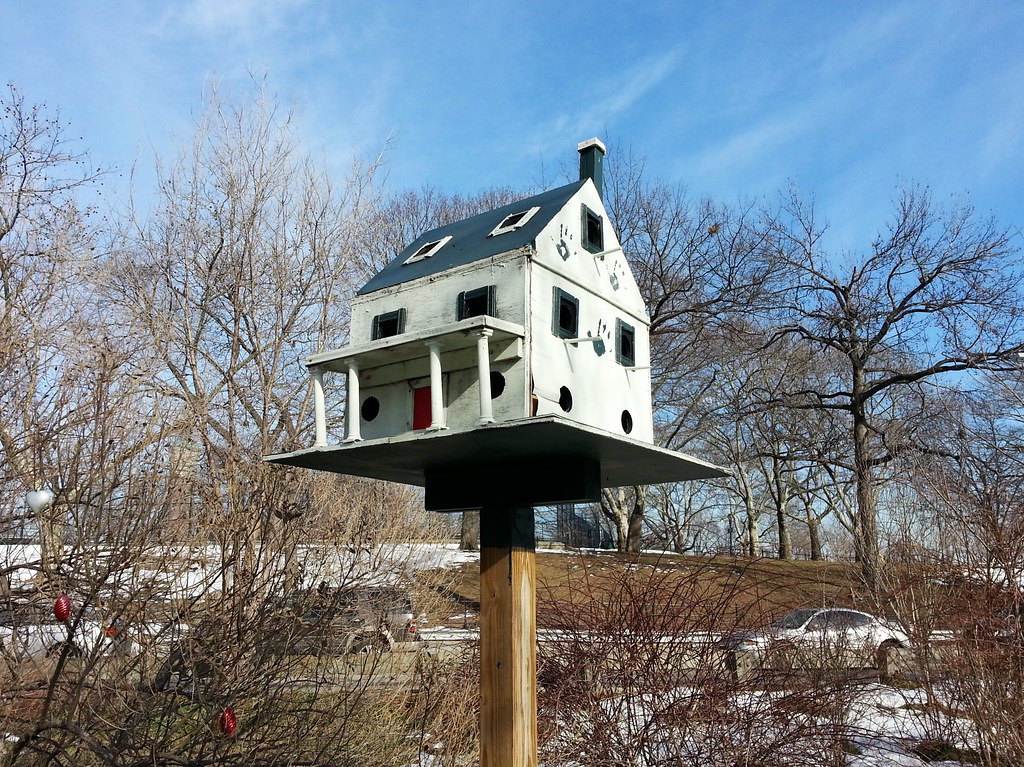
Located across from the 33rd Precinct station house on the outskirts of Highbridge Park
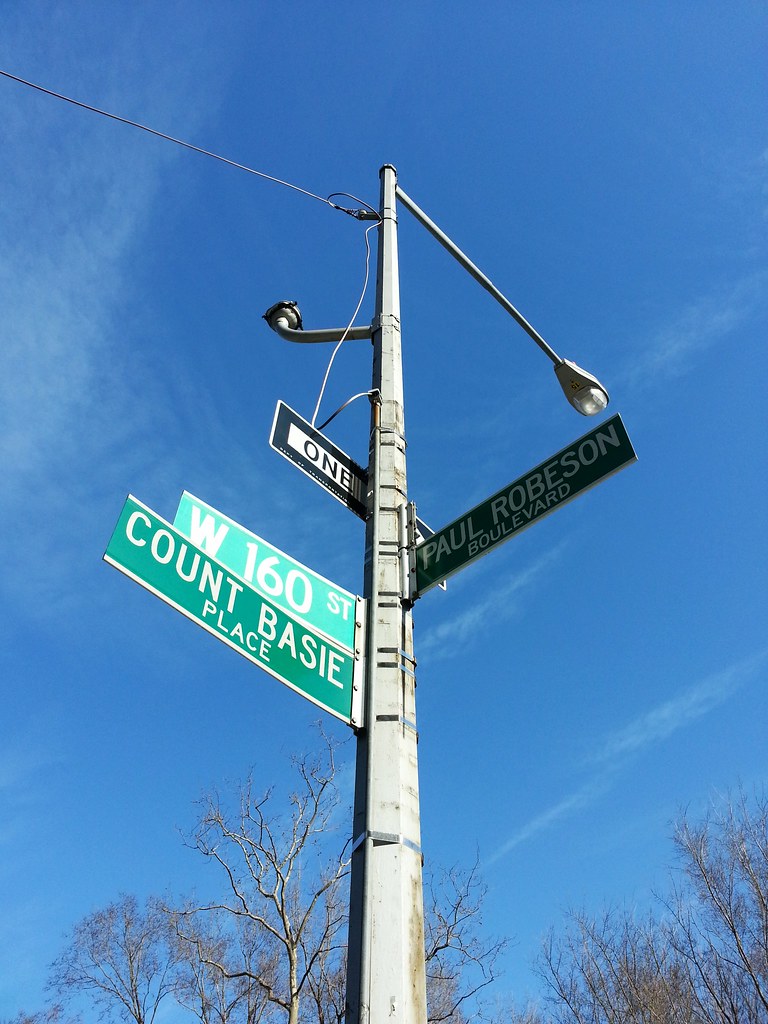
Count Basie and Paul Robeson were both residents of 555 Edgecombe Avenue (Street View), the apartment building that stands at this corner.
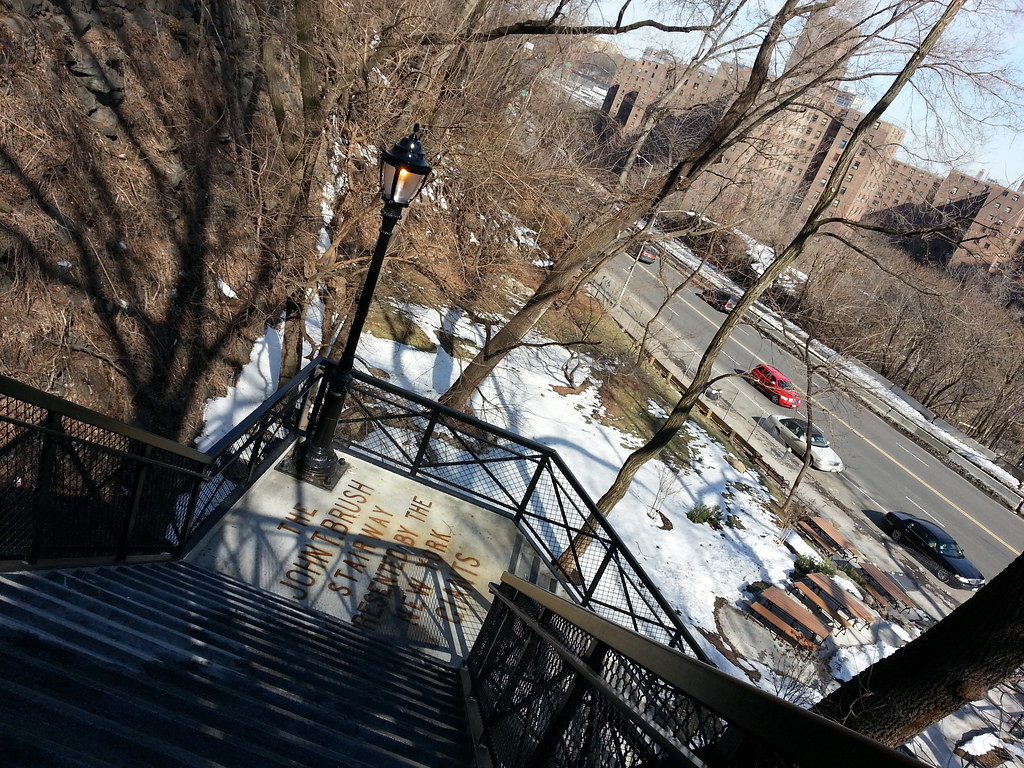
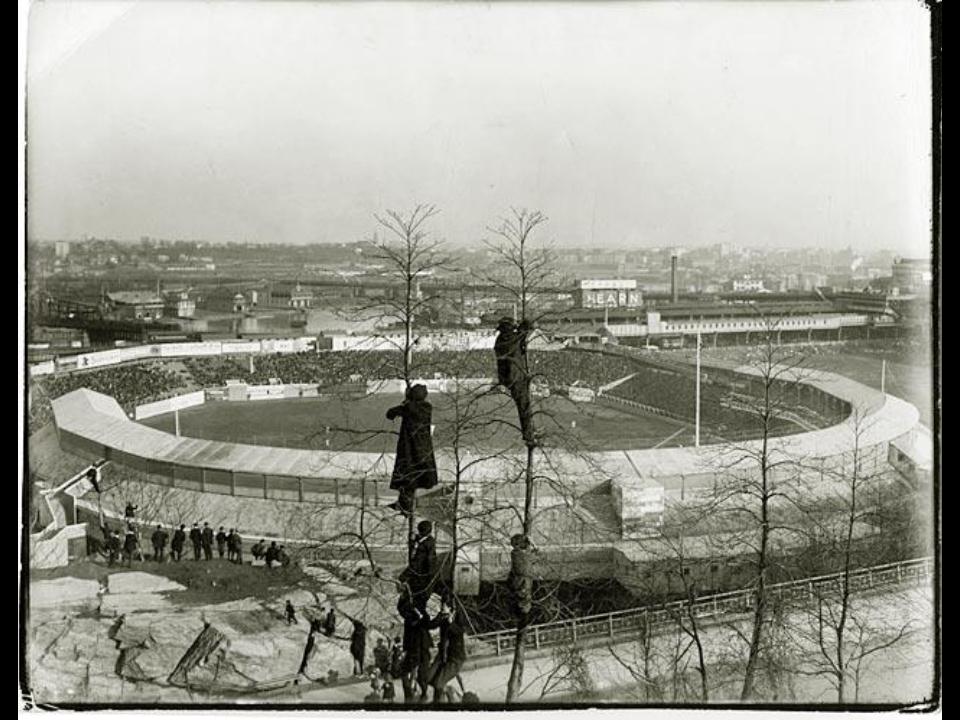
Just over 100 years ago, the John T. Brush Stairway was dedicated in honor of a former owner of baseball's New York Giants. It provided passage from the top of Coogan's Bluff down to the Polo Grounds, where the Giants played. (As evidenced by this hilarious photo, Coogan’s Bluff was, according to the NY Times, "a sort of Tightwad Hill for local fans, a place where those unwilling or unable to pay the stadium’s entrance fee had a clear, if distant, view of the proceedings at no charge.")
After decades of deterioration, the stairway recently underwent a $950,000 reconstruction (here's a view from the bottom), although it's still off limits to the public. It was supposed to reopen about a year and a half ago, but I've learned that it's exceedingly rare for any construction project in New York to run on schedule, even something as seemingly simple as a staircase.
From what I can tell, the steel letters visible in the landing above ("THE JOHN T. BRUSH STAIRWAY PRESENTED BY THE NEW YORK GIANTS") are the only parts of the original stairway that were retained during the reconstruction. With the Polo Grounds itself long gone, these letters are quite possibly the last surviving physical link to the old ballpark.
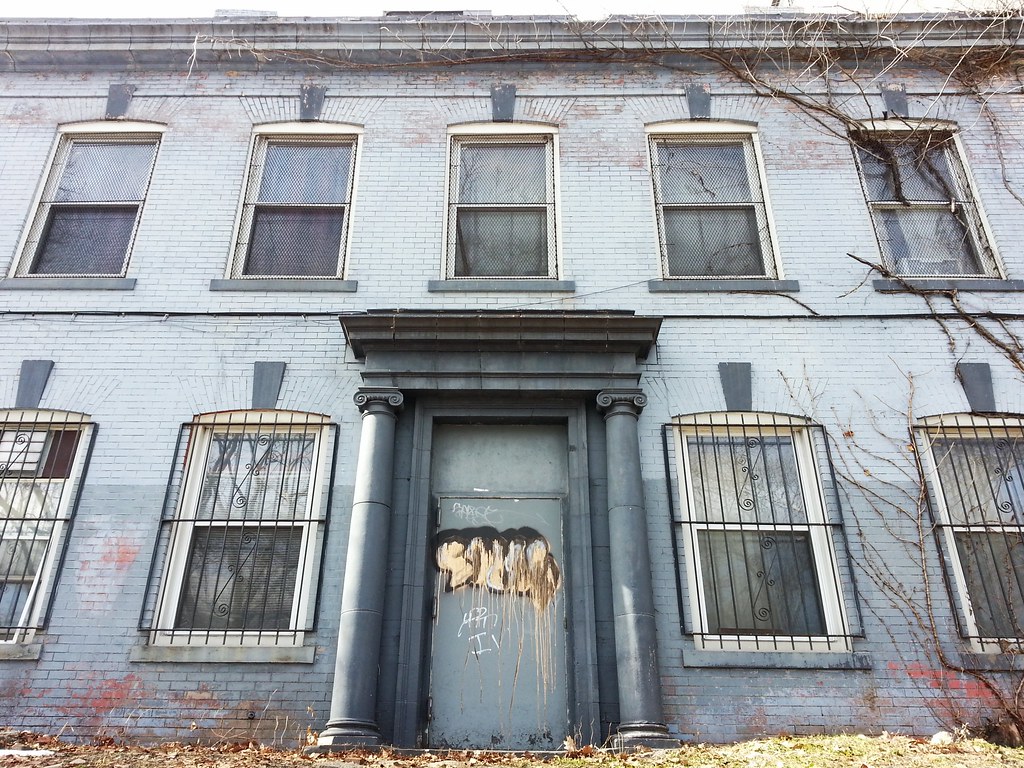
This is the rear facade of the old Washington Heights Free Library (currently Bethel Holy Church). Visible at right in the background of the previous photo, it faces out onto the Sugar Hill Luminaries Lawn, which was apparently known as the Library Lawn in the early years of the 20th century.
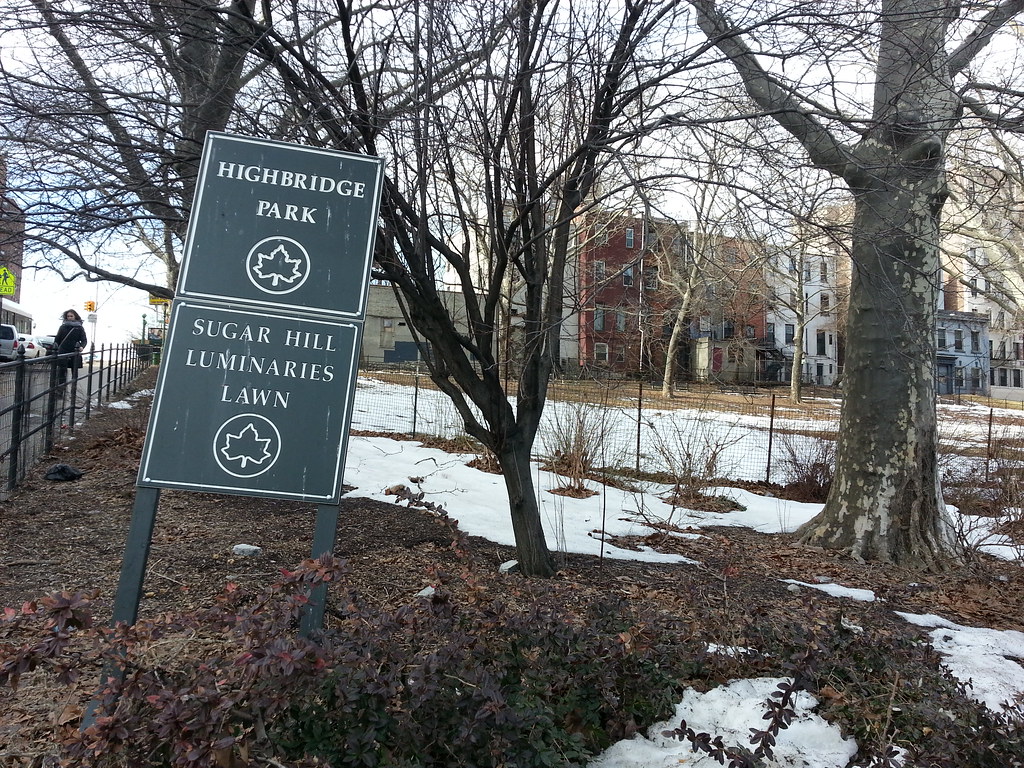
This triangular section of Highbridge Park commemorates the many prominent African-Americans who made their homes in Sugar Hill during the 20th century. According to the Parks Department:
Residents included such political reformers as W.E.B. DuBois, founder of the National Association for the Advancement of Colored People (NAACP), Walter White, secretary of the NAACP, and the Reverend Adam Clayton Powell Sr. Musicians and performers such [as] Paul Robeson, Cab Calloway, Duke Ellington and Billy Strayhorn also lived here. The field of arts and letters was represented by Langston Hughes, Ralph Ellison, Aaron Douglas and William Stanley Braithwaite. Professionals included Thurgood Marshall, the first African-American U.S. Supreme Court justice.
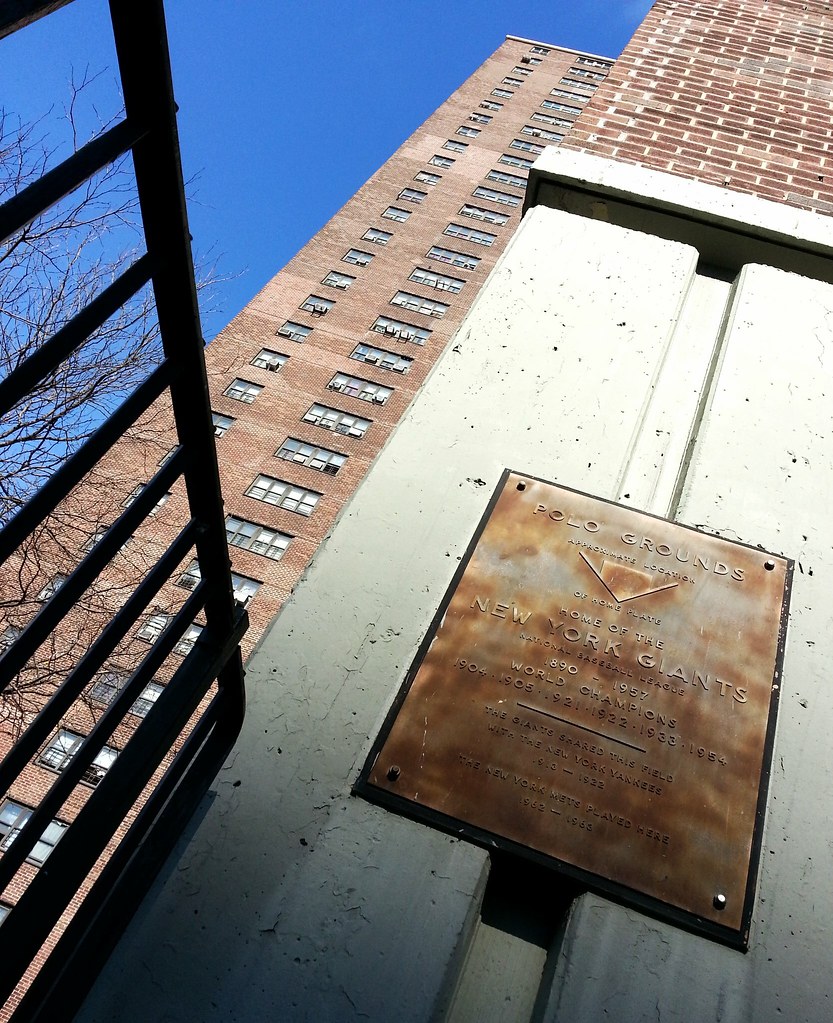
Here's a close-up of this plaque found at today's Polo Grounds Towers, built on the former site of the Polo Grounds.

I'm walking every street in New York City.
This is the counterpoint to my walk across the US. Instead of seeing a million places for just a minute each, I'm going to spend a million minutes exploring just one place. By the time I finish walking every block of every street in all five boroughs, I'll have traveled more than 8,000 miles on foot — all within a single city. Details!
Email me at matt@imjustwalkin.com
Subscribe to my email list
Maps: Progress | Photos

~9,954 miles walked
Your donations allow me to keep walking full-time. If you think what I'm doing is valuable and you'd like to offer some support, I would be very grateful. On the other hand, if you think I'm a worthless bum, feel free to email me and tell me to get a job, bozo. Both are excellent options!
