

at the New York Chinese Scholar's Garden. (The linked article is somewhat inaccurate about the history of Snug Harbor; these are the notable errors.)
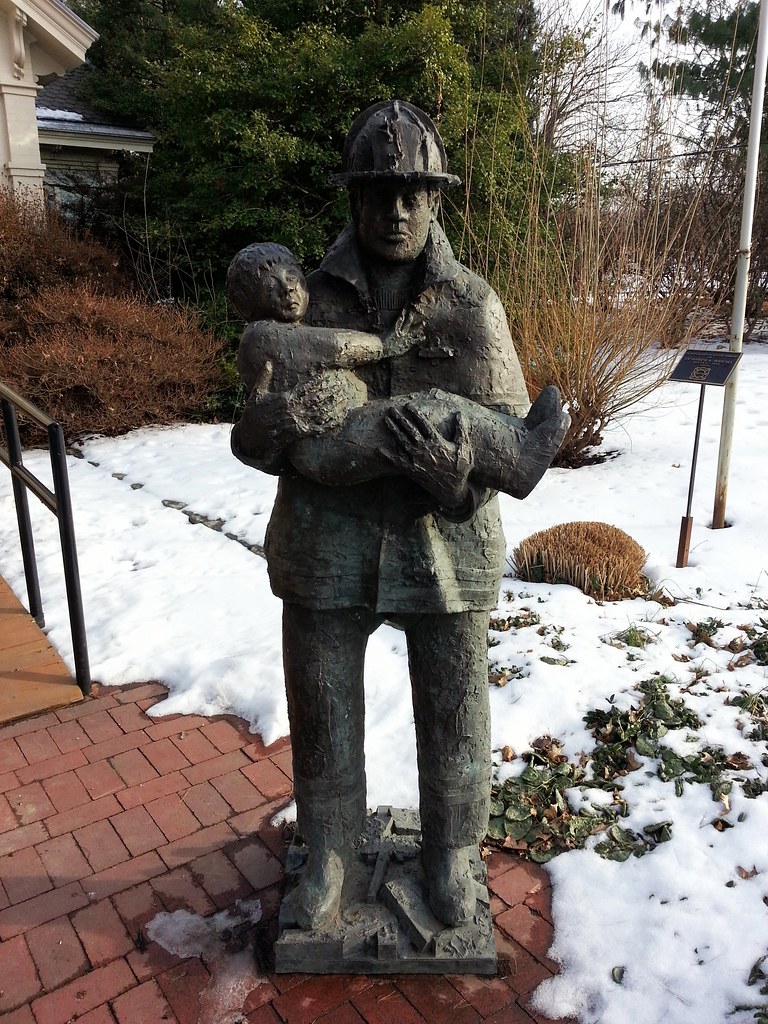
This statue stands outside the World Trade Center Educational Tribute, a small 9/11 museum located in Snug Harbor's former morgue. (We happened upon the institution's old cemetery at Monkey Hill, located a block south of present-day Snug Harbor, back in 2012.) There was a "Be Right Back" sign on the museum's front door; I waited around a while, but no one ever showed up, so I only got a brief glimpse of the interior through a window. You can see a few shots of the place here, however.
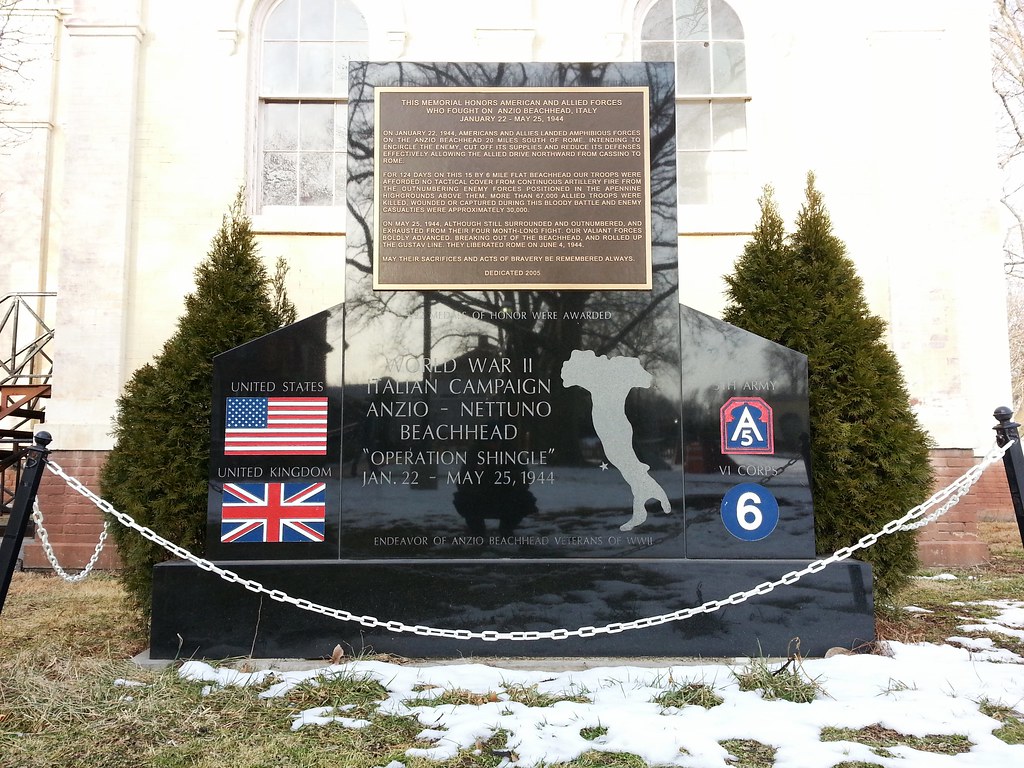
This monument (close-up) honors the American and Allied troops who fought in WWII's Operation Shingle. It appears to be the same memorial that was unveiled in 2006 on a city pier when the USS Anzio was in port. The veteran who spent years finding funding for this monument wanted to have it installed in Battery Park; perhaps he was unable to get approval and instead found a willing recipient here at Snug Harbor, where it was dedicated once again in 2010. A near-identical memorial was also dedicated at a Staten Island Boy Scout camp in 2007.
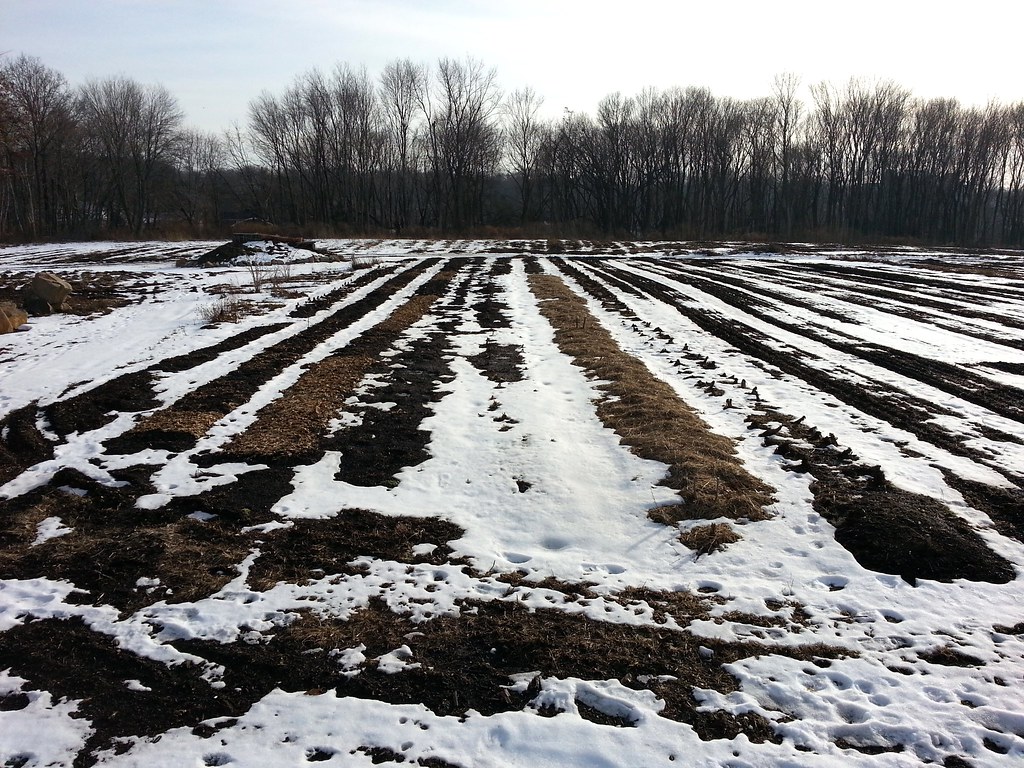
In its heyday, Sailors' Snug Harbor was a self-sufficient institution, raising its own livestock and maintaining a four-acre vegetable/fruit farm (photos). In the last couple of years, the modern-day Snug Harbor Cultural Center & Botanical Garden has decided to bring back the farm, cultivating two acres that are used for both food production and agricultural education.
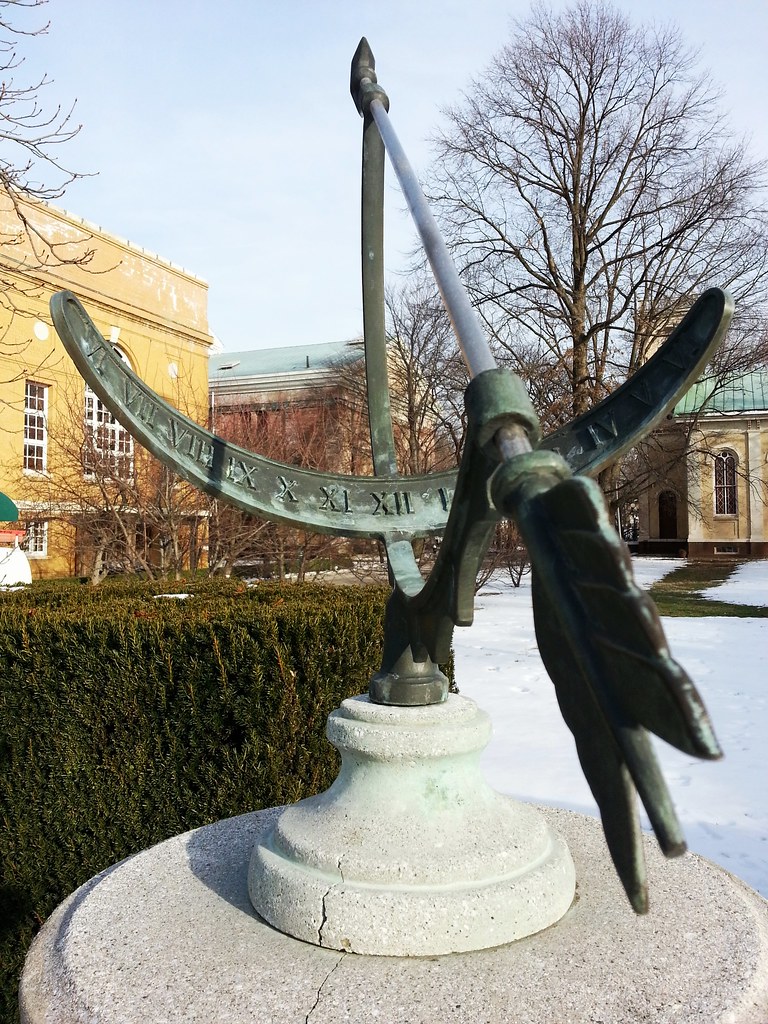
The arrow (gnomon) of this equatorial bow sundial should be oriented due north (parallel to the earth's rotational axis), but it's angled perhaps 80 degrees to the east.
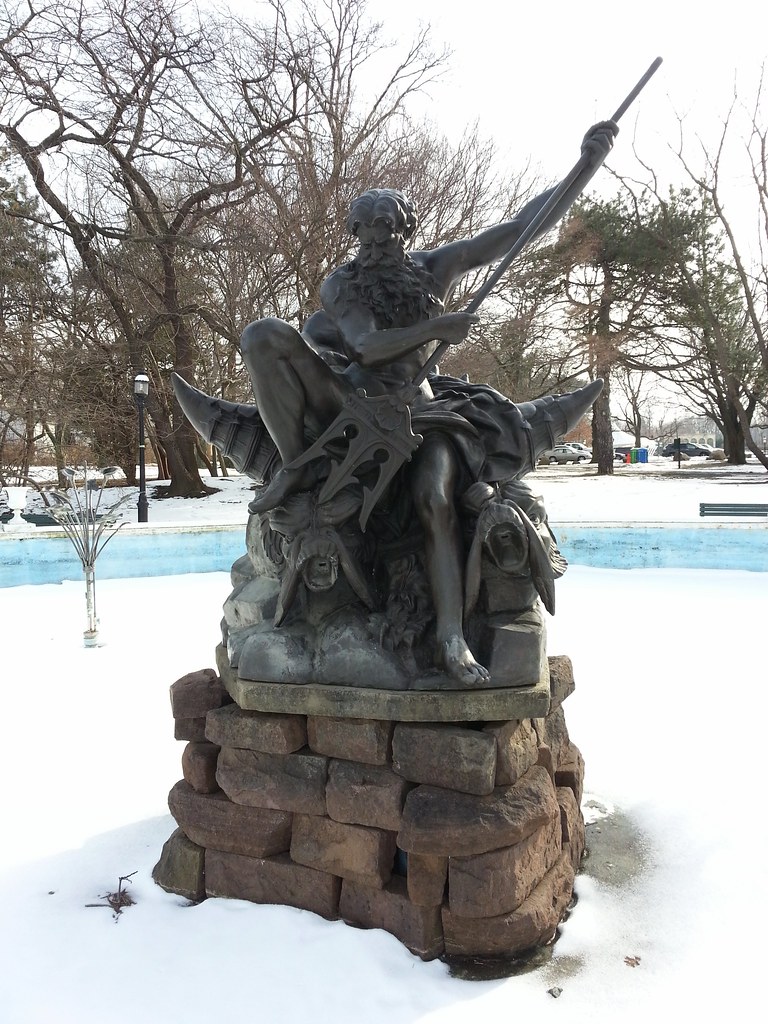
Dedicated in 1994, this is a bronze replica of the original (now on view at the visitor's center in Building C), which had been cast in zinc and painted bronze to save money when it was created a century earlier.
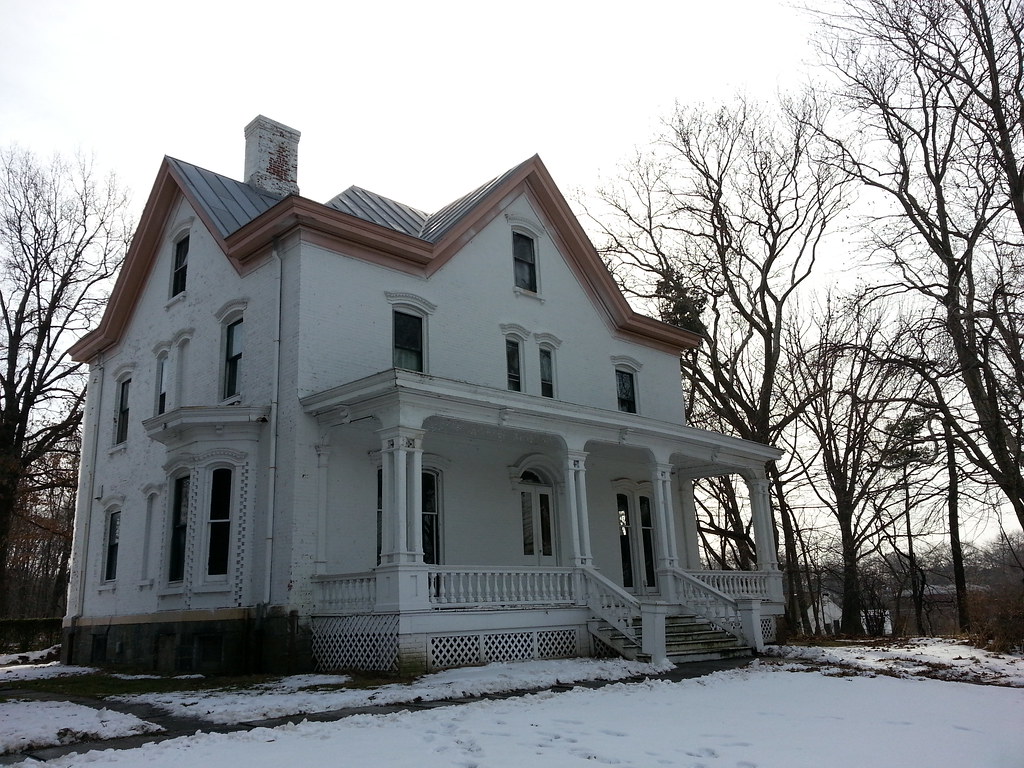
Erected in 1880, this house was the residence of Snug Harbor's governors, one of whom, serving from 1867 to 1884, was Herman Melville's brother, Thomas.
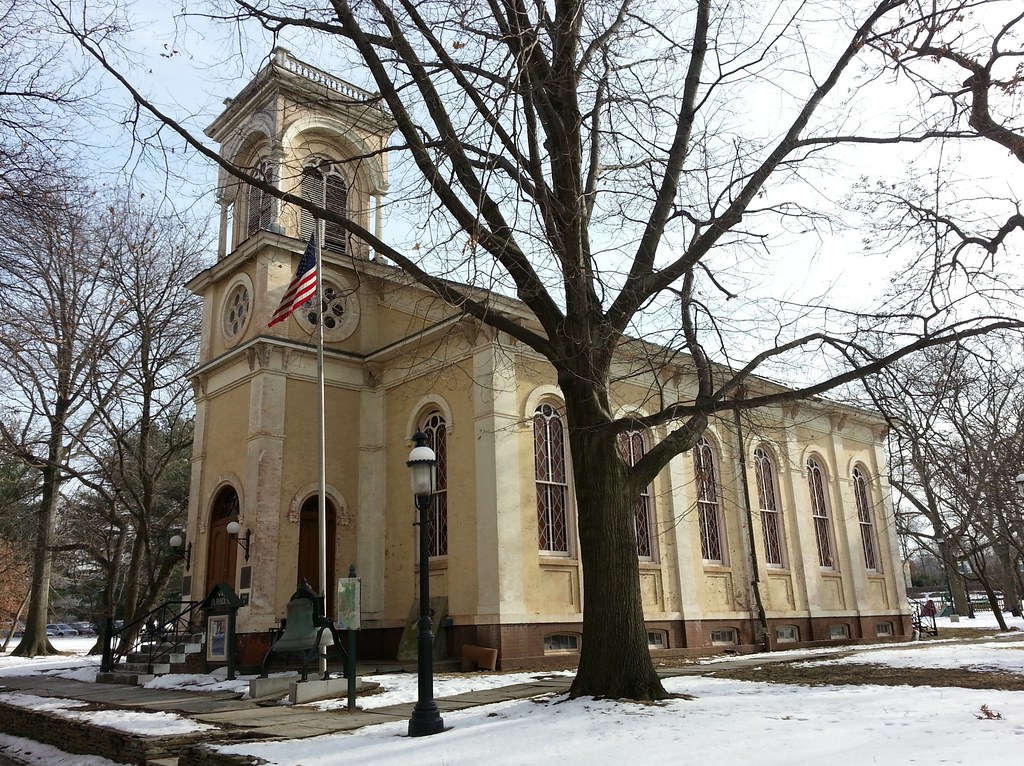
This Anglo-Italianate structure was originally a chapel, as you can probably tell. According to Snug Harbor's website, all the retired sailors living at the institution were required to attend religious services, and after the Veteran’s Memorial Hall opened in 1856, the pastor addressed his flock thus:
You are here, however, not to spend your time in idleness, in the mere animal indulgence of eating, and drinking, and sleeping; but you are here to refit. Your voyage has not yet terminated; the most important part of it is yet before you; there are quicksands, concealed rocks, whirlpools, and yawning gulphs. There may be a darker, severer, and more terrific storm, and a more awful warring of the elements still in reserve for you, than any through which you have ever passed — you may yet be hopelessly wrecked, and left to sink into the deep and unfathomable abyss. Have you prepared your bark for this last part of your voyage, and are you sure all is right?
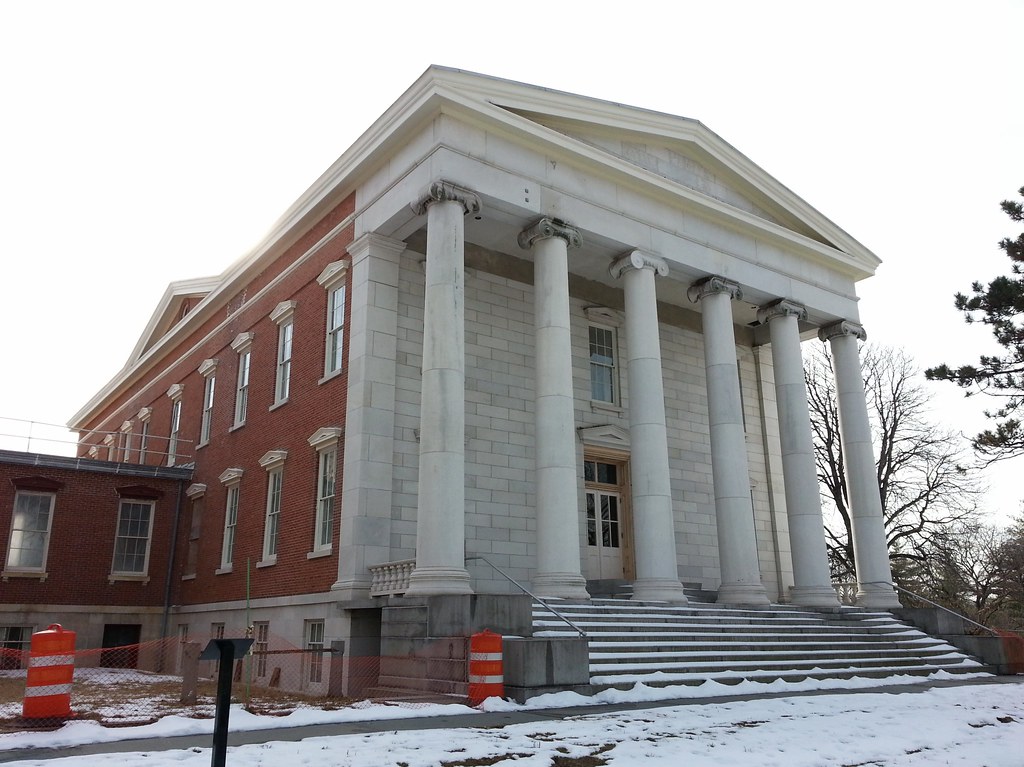
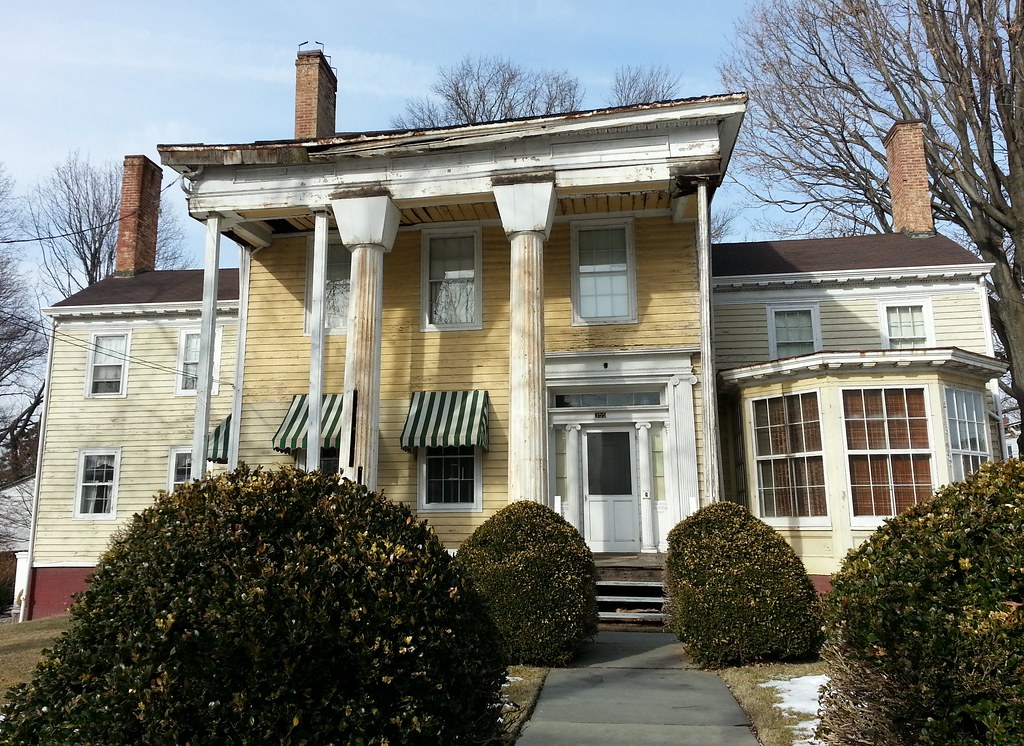
Completed in 1879, this former dormitory is the westernmost of the five imposing Greek Revival structures on Snug Harbor's front line, all of which were built as residences for the retired sailors who lived at the institution. Building A is currently being transformed into a new home for the Staten Island Museum. (The museum, as we've learned, has the world's second-largest collection of cicadas!)
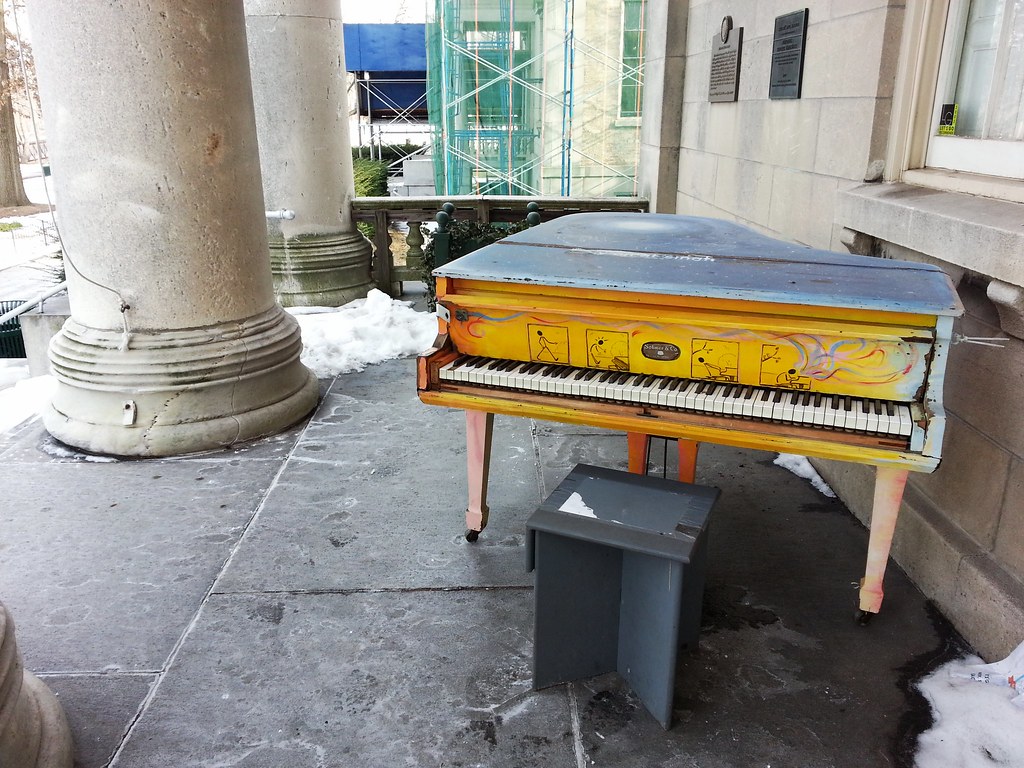
A survivor from the summertime Sing for Hope Pianos project
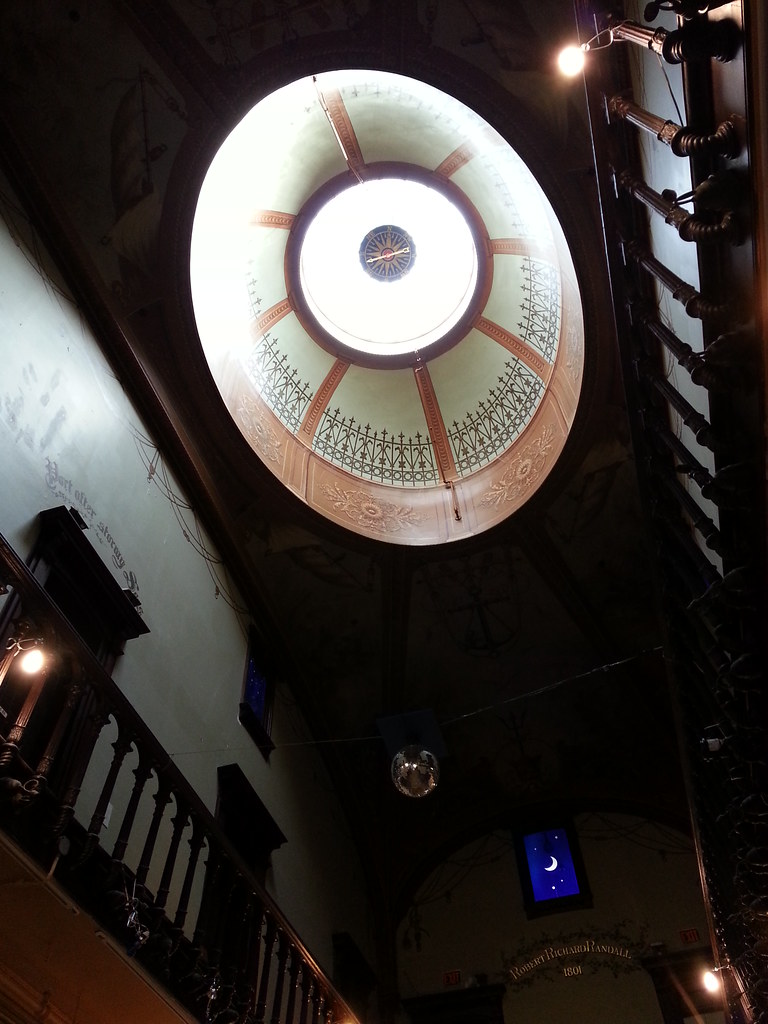
inside Building C. Opened in 1833, this was the first Snug Harbor building.
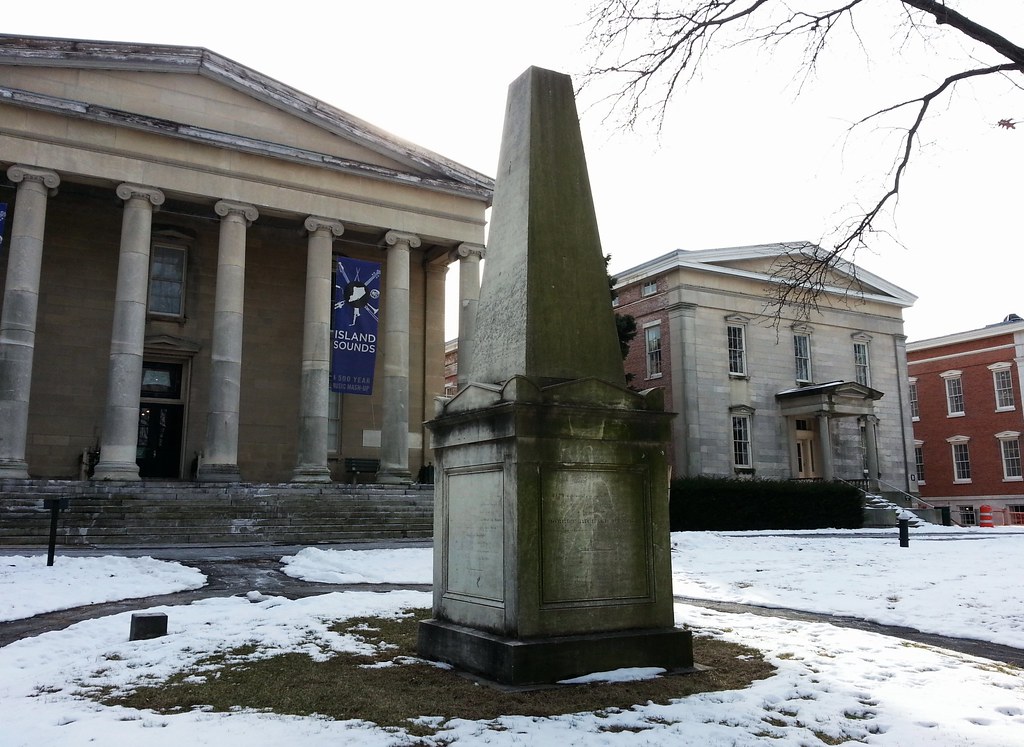
The former Sailors' Snug Harbor, a home for "aged, decrepit and worn-out sailors", owes its existence to Robert Richard Randall, an 18th-century merchant turned gentleman farmer. According to a 1912 NY Times piece, a dying Randall "had maintained a lifelong prejudice against lawyers, but with only a few hours [days, actually] left to him he had sent for one of the detested quill drivers to draw his will." The year was 1801, and that quill driver, legend has it, was Alexander Hamilton. Because Randall had inherited his wealth from his father Thomas, "America's best known privateer", Hamilton suggested it would be fitting for the bachelor to dedicate the land he owned "to the relief of unfortunate and disabled seamen".
By the time various legal challenges to Randall's will had been resolved in 1830, the 21 acres of Greenwich Village farmland that he had owned, and where he had envisioned Snug Harbor being built, were rapidly becoming more valuable as the city expanded northward. The Snug Harbor trustees decided it would be wise to locate the institution elsewhere and support it with rental income from the land in Greenwich Village. Considering "the habits and character of seamen", the trustees "feared that the heart of the city would offer too many temptations to Randall's sea dog wards."
So Snug Harbor was instead established on the north shore of Staten Island, overlooking the waters of the Kill van Kull. The former dormitory/administration building at left, now known as Building C, stood alone when the institution opened its doors in 1833, but it was gradually joined by many other architecturally distinguished structures and is now "the centerpiece of one of the most notable groups of Greek Revival buildings in the United States". (Here's a bird's-eye view of Snug Harbor to help you get a sense of the place.) The obelisk above marks the spot where Randall's remains were reinterred in 1834 after being exhumed from his original grave in Manhattan.
At its peak, Snug Harbor housed "nearly 1,000 ancient salts, who were left to live out their lives pretty much undisturbed, as long as they didn't get drunk and disturb the peace -- which, some accounts say, they did with some frequency." The institution's coffers were stuffed with income from its Greenwich Village holdings; a 1922 NY Times article called it "the richest charitable institution in New York". By the mid-20th century, however, Snug Harbor had fallen into decline, with its residents dwindling in number and its financial resources diminishing.
In the early 1950s, the trustees tore down several buildings, including the magnificent Randall Memorial Chapel, and in the 1960s they proposed "large-scale demolition and high-rise construction" on the grounds. But in 1965, the city's nascent Landmarks Preservation Commission stepped in and designated six of the most significant remaining buildings as landmarks, protecting them from destruction. Unable to maintain the deteriorating structures, the trustees decided to relocate the sailors' home to North Carolina in the 1970s, and they sold the Staten Island property to the city, which has gradually developed it into today's Snug Harbor Cultural Center & Botanical Garden. We'll spend most of the rest of the day walking around the grounds here and learning a little bit more about the place.
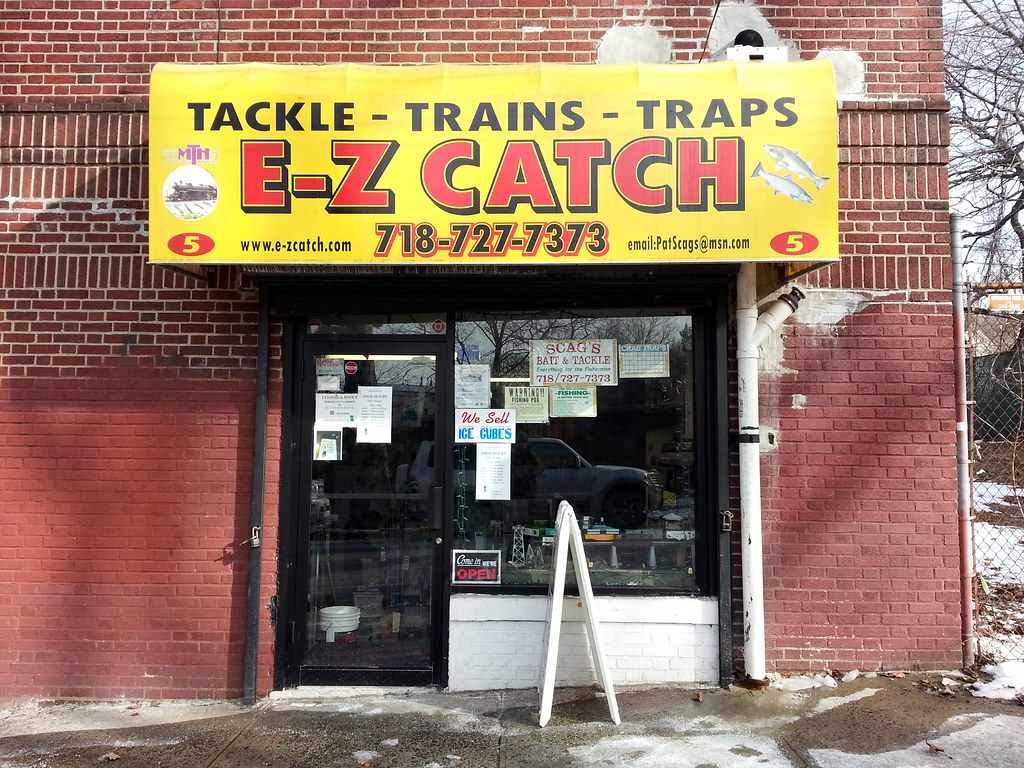
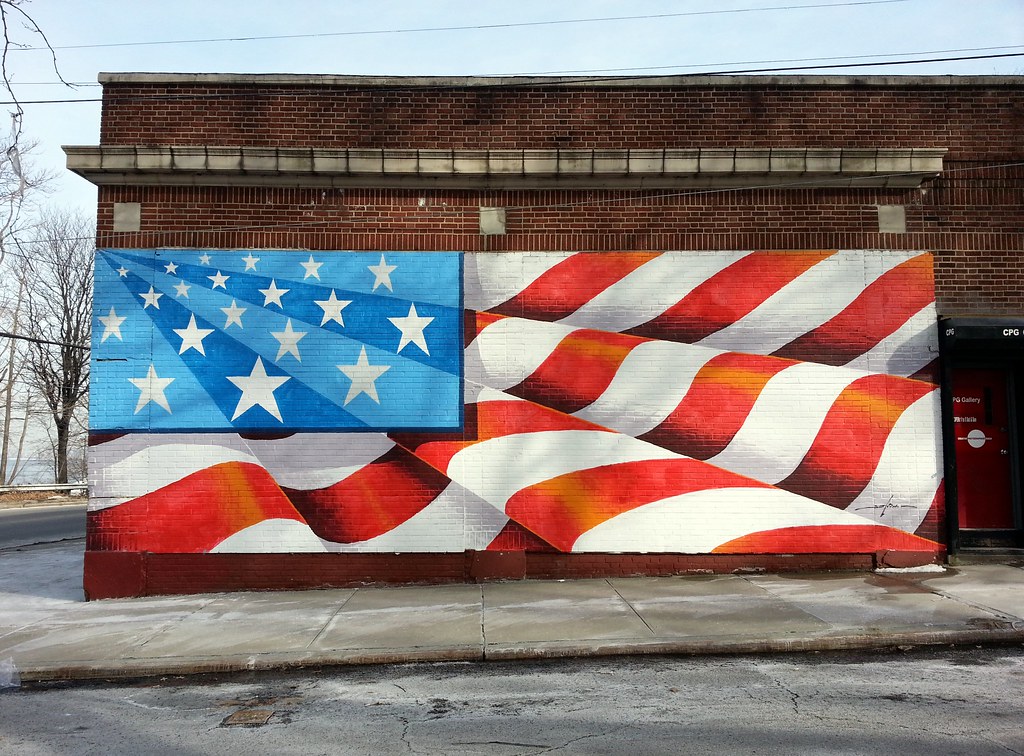
He seems pretty obnoxious, but the man does paint a mean American flag.
I'm walking every street in New York City.
This is the counterpoint to my walk across the US. Instead of seeing a million places for just a minute each, I'm going to spend a million minutes exploring just one place. By the time I finish walking every block of every street in all five boroughs, I'll have traveled more than 8,000 miles on foot — all within a single city. Details!
Email me at matt@imjustwalkin.com
Subscribe to my email list
Maps: Progress | Photos

~9,954 miles walked
Your donations allow me to keep walking full-time. If you think what I'm doing is valuable and you'd like to offer some support, I would be very grateful. On the other hand, if you think I'm a worthless bum, feel free to email me and tell me to get a job, bozo. Both are excellent options!
