

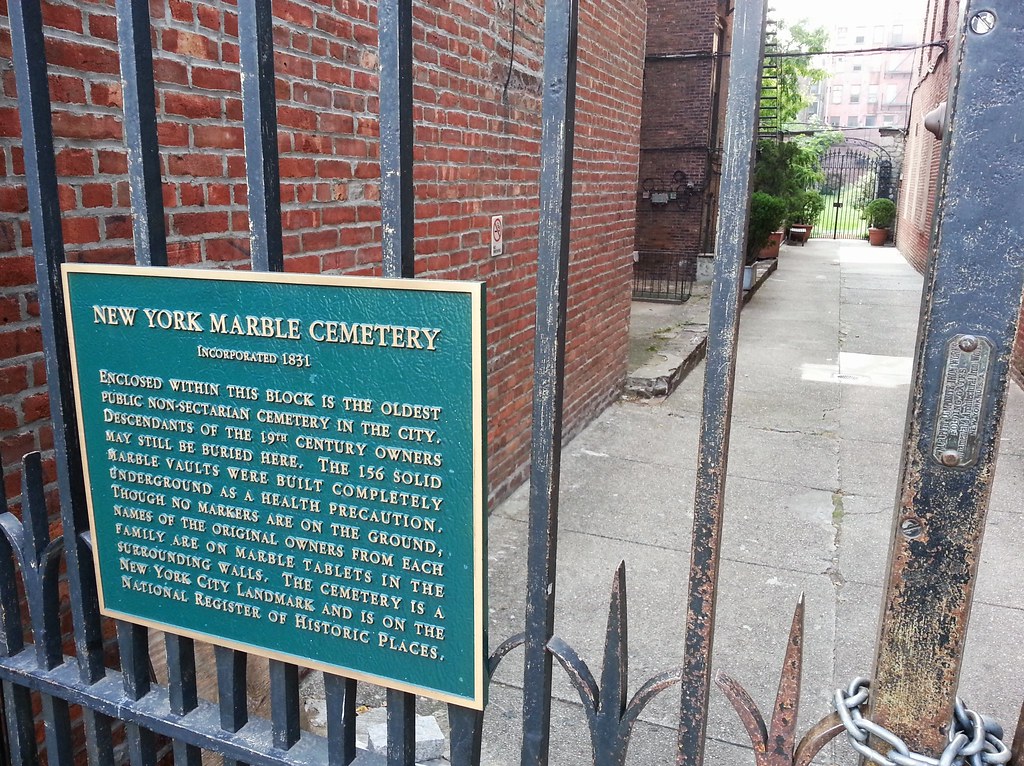
Founded in 1830, the New York Marble Cemetery is the oldest non-sectarian cemetery in the city. It's entirely enclosed within a block of buildings in the East Village (aerial view), and the only access is through this little alleyway off of 2nd Avenue. The gates are generally locked, but the cemetery is opened to the public occasionally and is also rented out for events, including weddings! (There are no grave markers, just plaques on the walls identifying the families interred here. This makes the place look more like a private courtyard than a graveyard, which probably helps explain its desirability as a party location.)
At the time the cemetery was established, recent outbreaks of yellow fever had led to a prohibition against earthen burials. Consequently, everyone interred here is entombed inside one of 156 subterranean marble vaults — hence the name of the cemetery. (The almost identical-sounding New York City Marble Cemetery, just one block away, is unrelated to this one, but its name also derives from its marble tombs.) No one has been laid to rest here since 1937, but the cemetery still has a policy allowing descendants of the original vault owners to be buried here if they so choose.
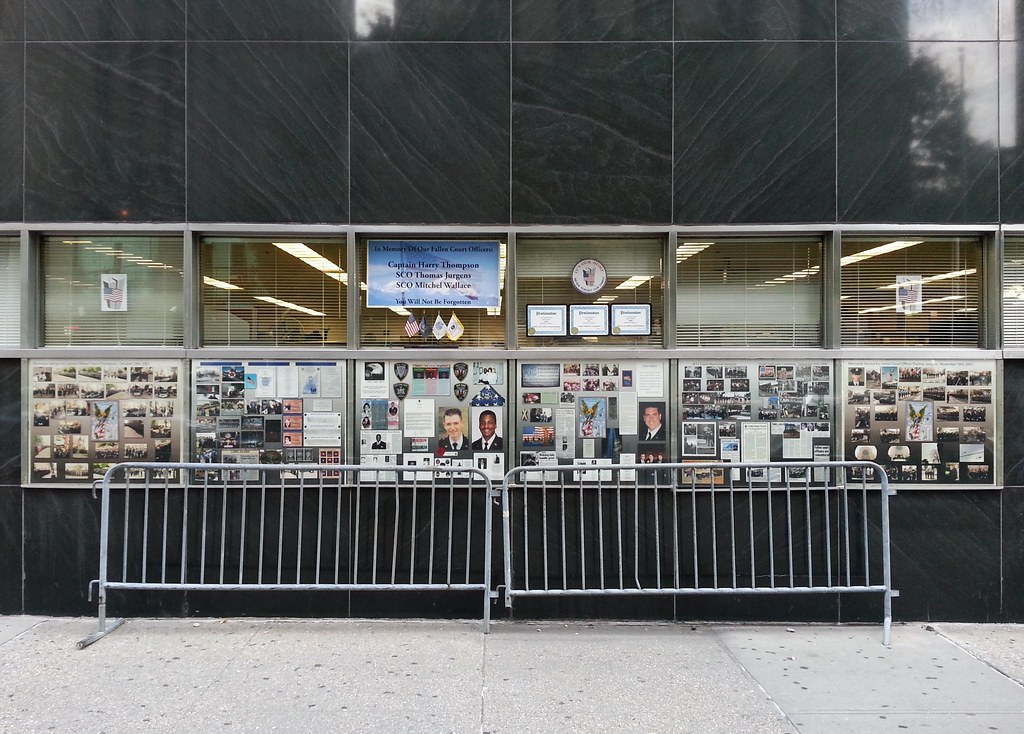
Once again, I was doing some unofficial walking and spotted something I missed before. I don't know how on earth I didn't notice this memorial the first time I walked by — it's humongous! And it looks to have made a full recovery since it was vandalized in 2003. You can see the individual sections in more detail here.

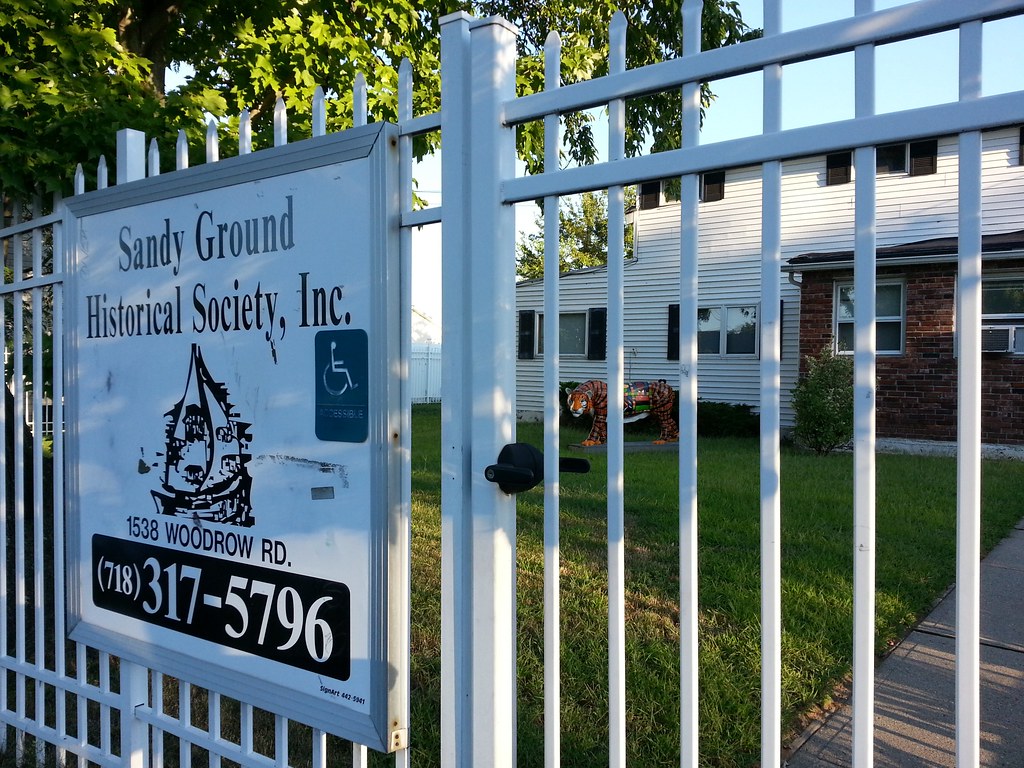
The society runs a museum and library focused on — you guessed it — the history of Sandy Ground.




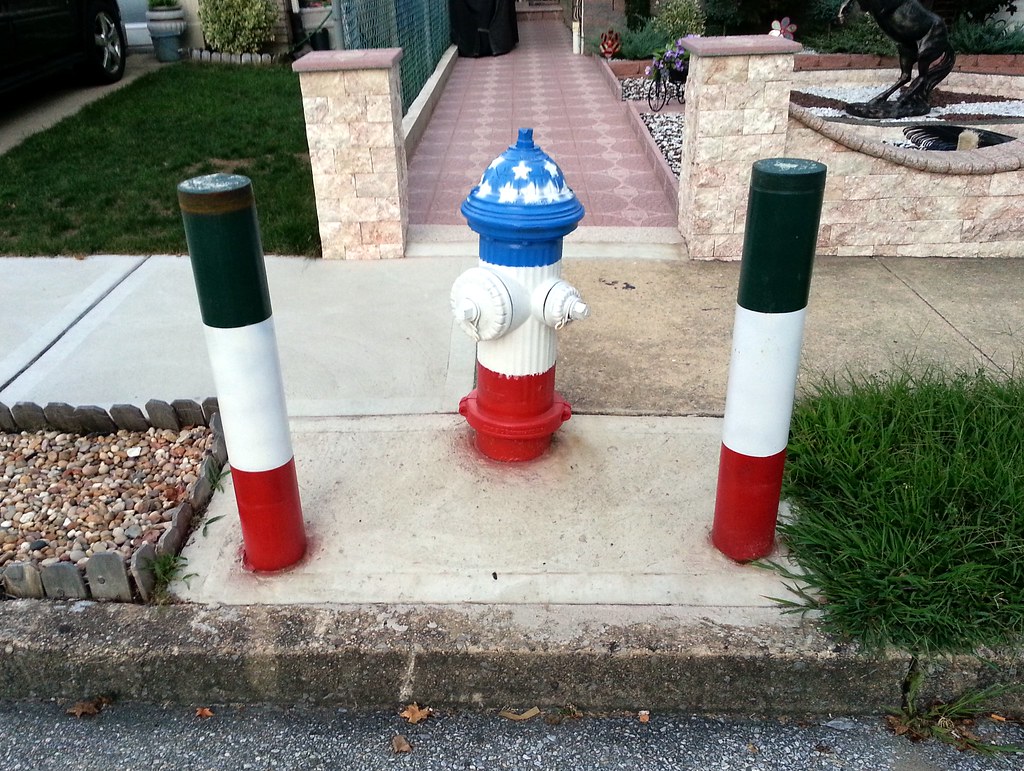
An annual summer tradition on Correll Avenue, according to the fourth person I asked. The first three had no clue — most of the people here seemed to be from out of town (or at least out of neighborhood).

Look closely again; you can see two deer this time — a doe and a fawn. There was a third one traipsing about as well, but I can't spot it in this photo.
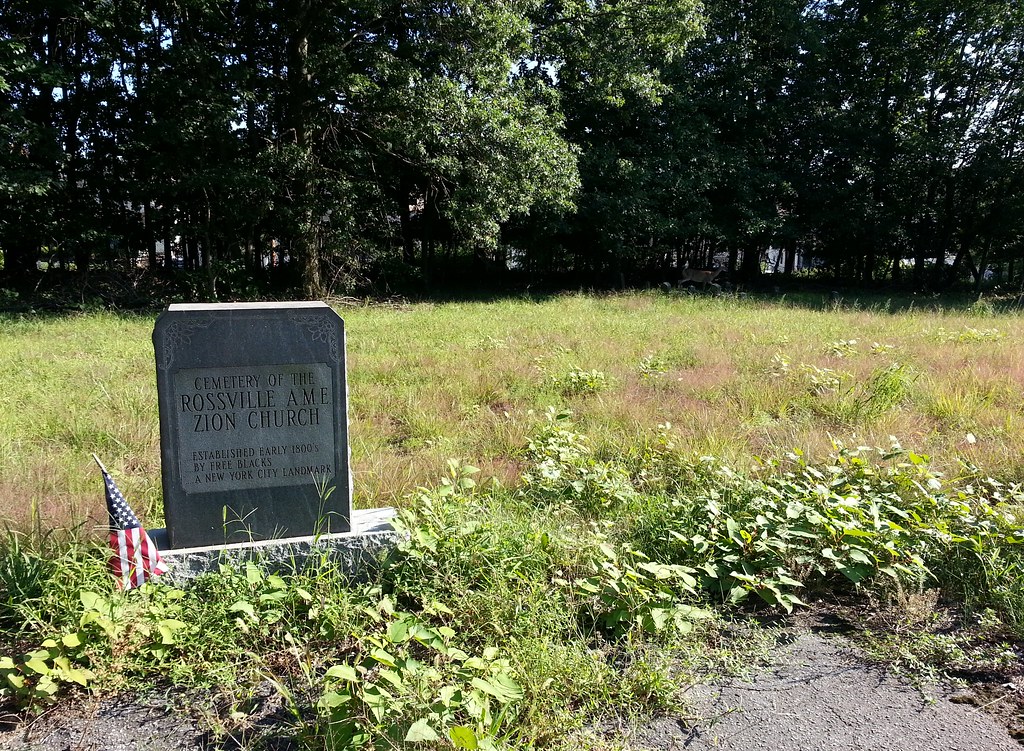
This cemetery ("one of the nation's most important black burial grounds") and its associated church were established around 1850 by residents of Sandy Ground, a community of free blacks dating back to the late 1820s. By the 1850s, many African-American oystermen and their families had moved to the area from Maryland, driven north by a series of racial laws enacted by the state that made it difficult for them to do business there. They were attracted to Sandy Ground because of its proximity to the renowned oyster beds of Prince's Bay, just a couple of miles to the south.
Oystering became the central industry of Sandy Ground, and the village thrived for several decades before gradually falling into decline after heavy pollution and outbreaks of typhoid led to the closing of Staten Island's oyster beds in 1916. Fires in 1930 and 1963 further decimated the surviving community, but there are still a handful of families in the area who can trace their lineage back to the original black settlers.
(If you look closely, you can see a deer prancing around the edge of the cemetery.)
I'm walking every street in New York City.
This is the counterpoint to my walk across the US. Instead of seeing a million places for just a minute each, I'm going to spend a million minutes exploring just one place. By the time I finish walking every block of every street in all five boroughs, I'll have traveled more than 8,000 miles on foot — all within a single city. Details!
Email me at matt@imjustwalkin.com
Subscribe to my email list
Maps: Progress | Photos

~9,954 miles walked
Your donations allow me to keep walking full-time. If you think what I'm doing is valuable and you'd like to offer some support, I would be very grateful. On the other hand, if you think I'm a worthless bum, feel free to email me and tell me to get a job, bozo. Both are excellent options!
