
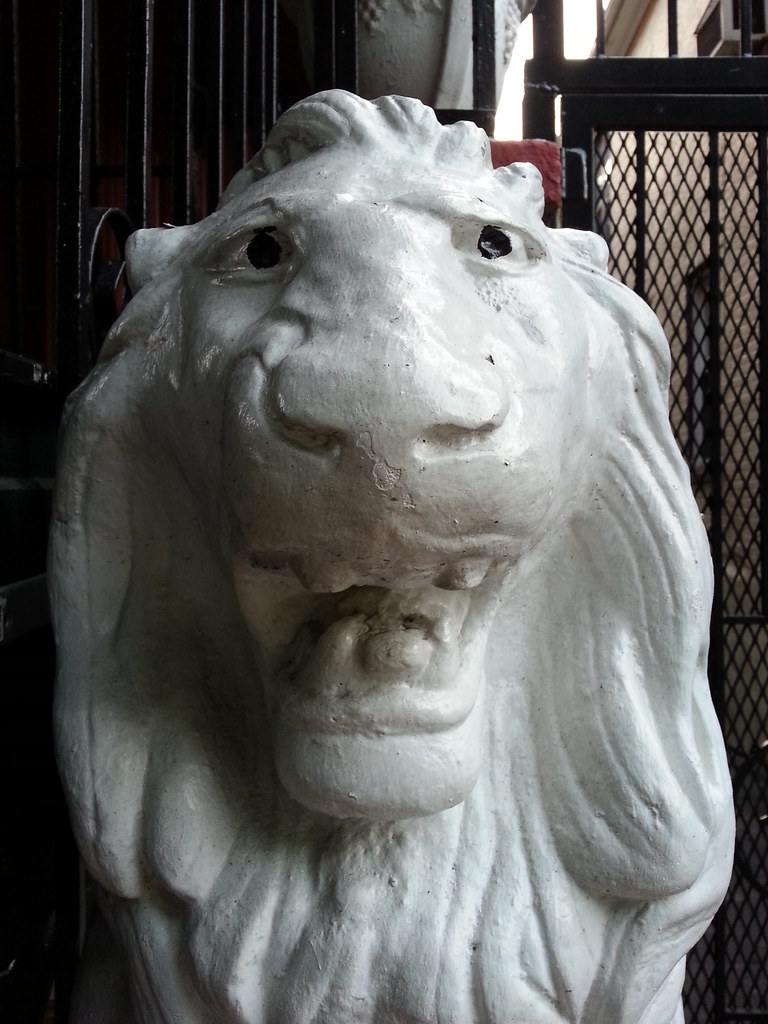
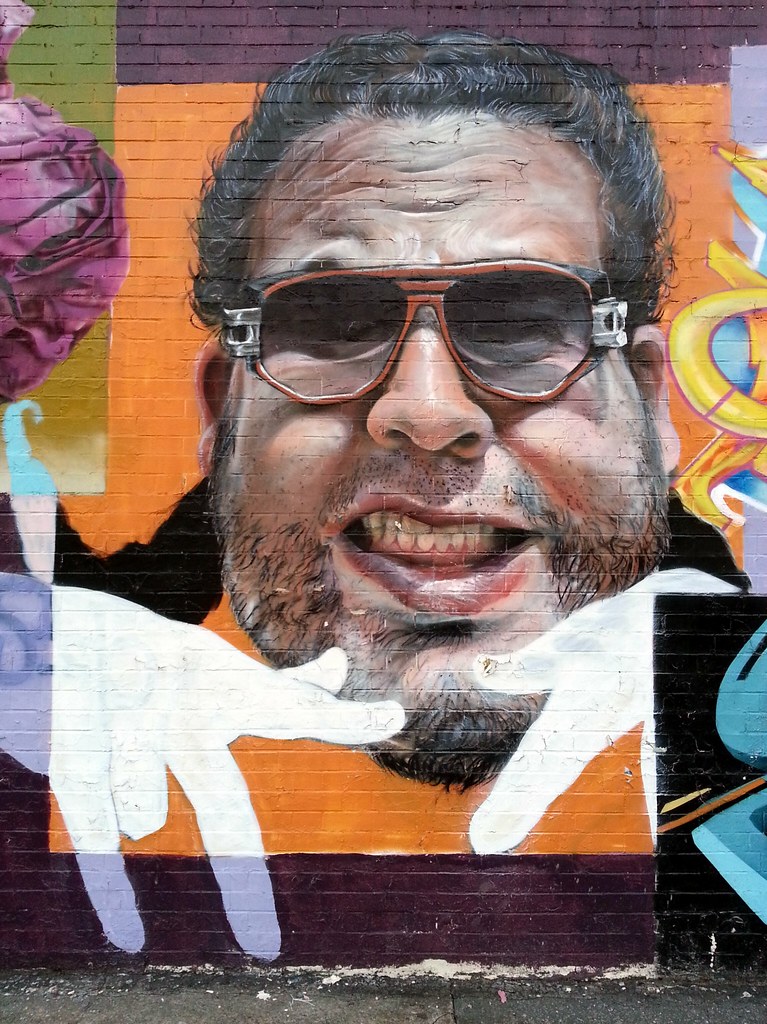
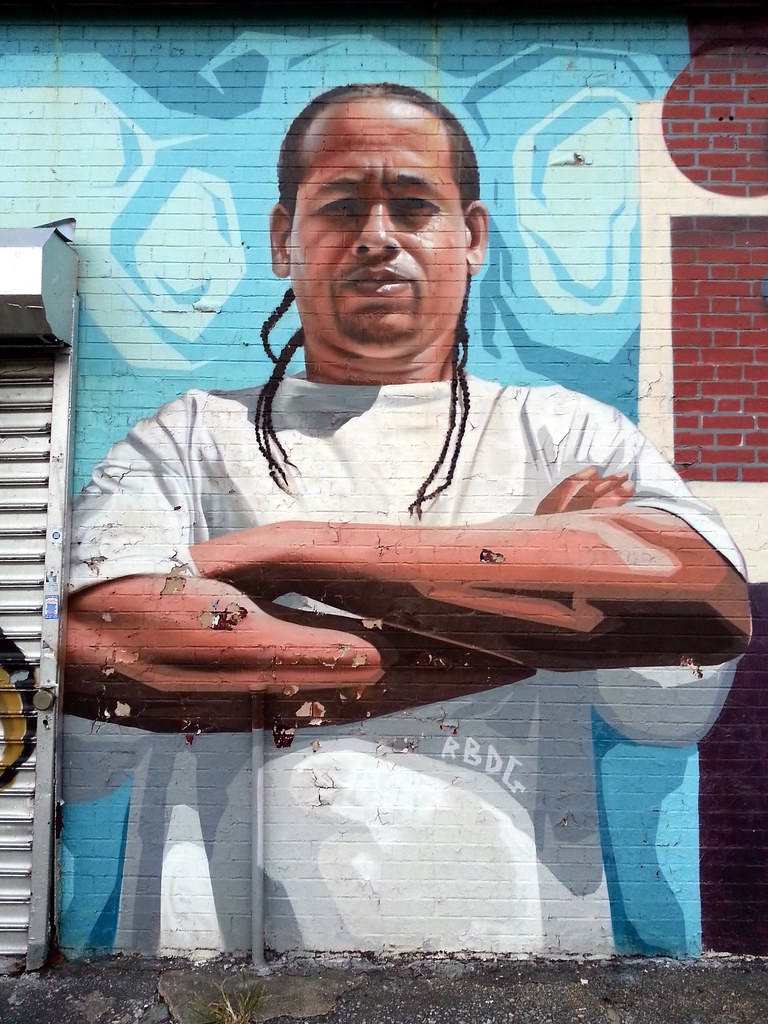
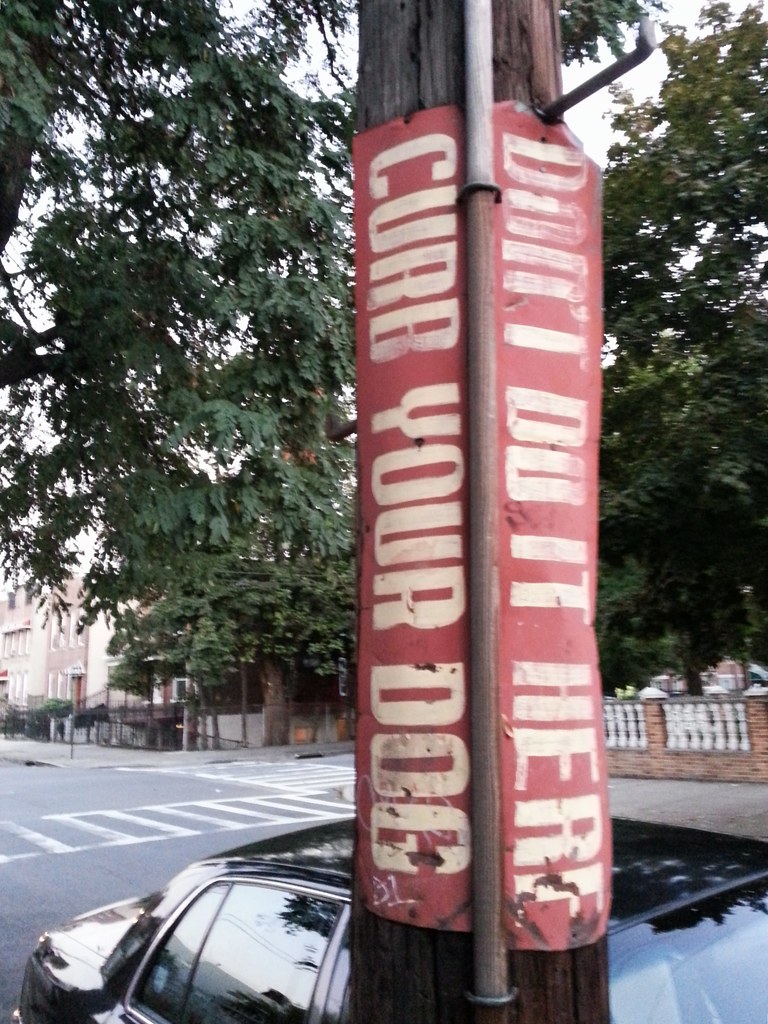
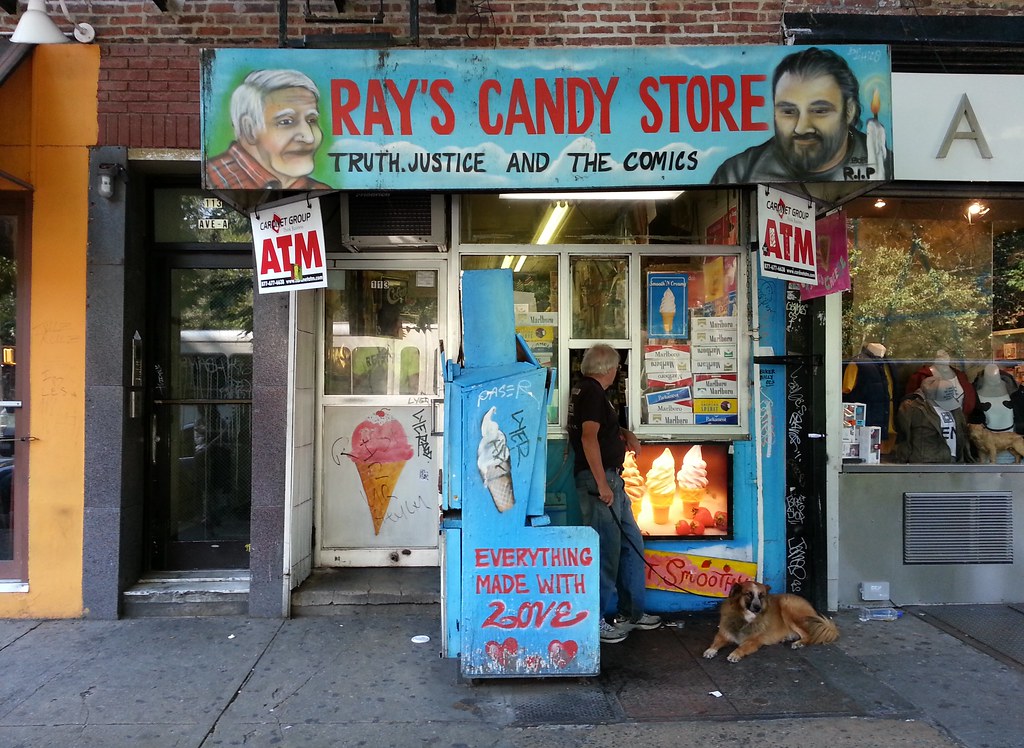
That was the motto of the short-lived New York edition of Newsday, and it was the phrase that once adorned the Newsday-sponsored awning of Ray's Candy Store in the East Village. It was recently reinstated on Ray's awning by the local artist Chico alongside his tribute to the deceased Bob Arihood, a beloved neighborhood blogger.
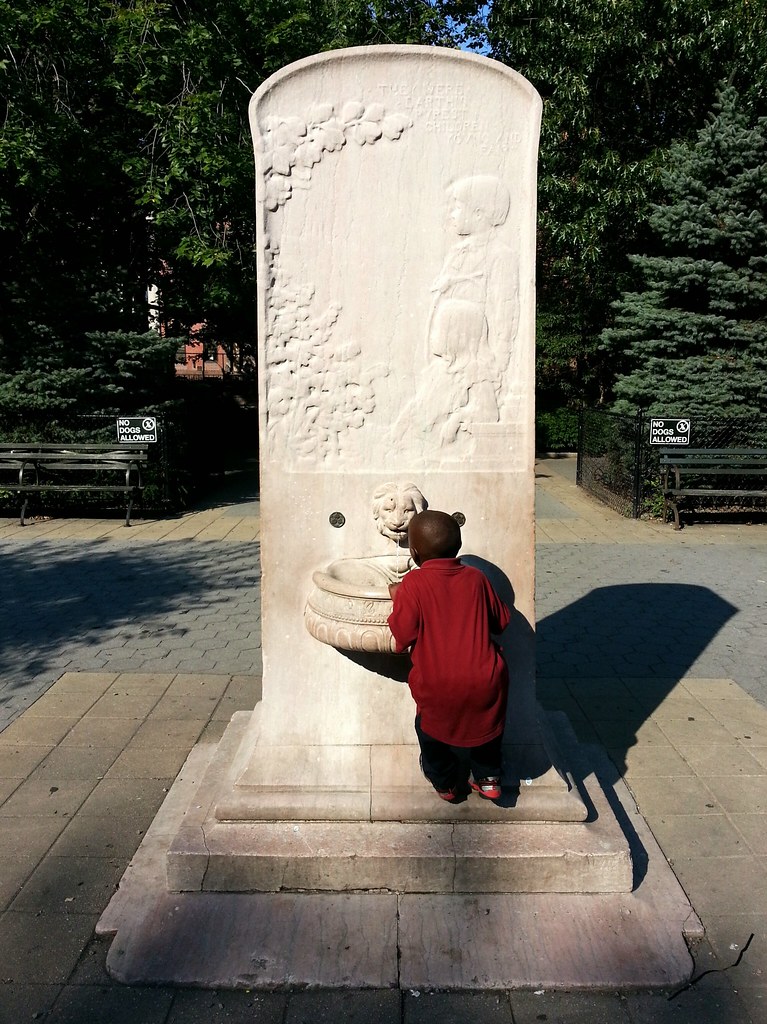
This fountain in storied Tompkins Square Park is dedicated to the memory of the 1,021 people who perished in New York City's deadliest disaster prior to 9/11: the burning of the General Slocum, an excursion steamer that was carrying residents of Manhattan's Little Germany to a church picnic when it caught fire in the East River in 1904. (The final survivor of this tragedy passed away almost 100 years later, in 2004.)
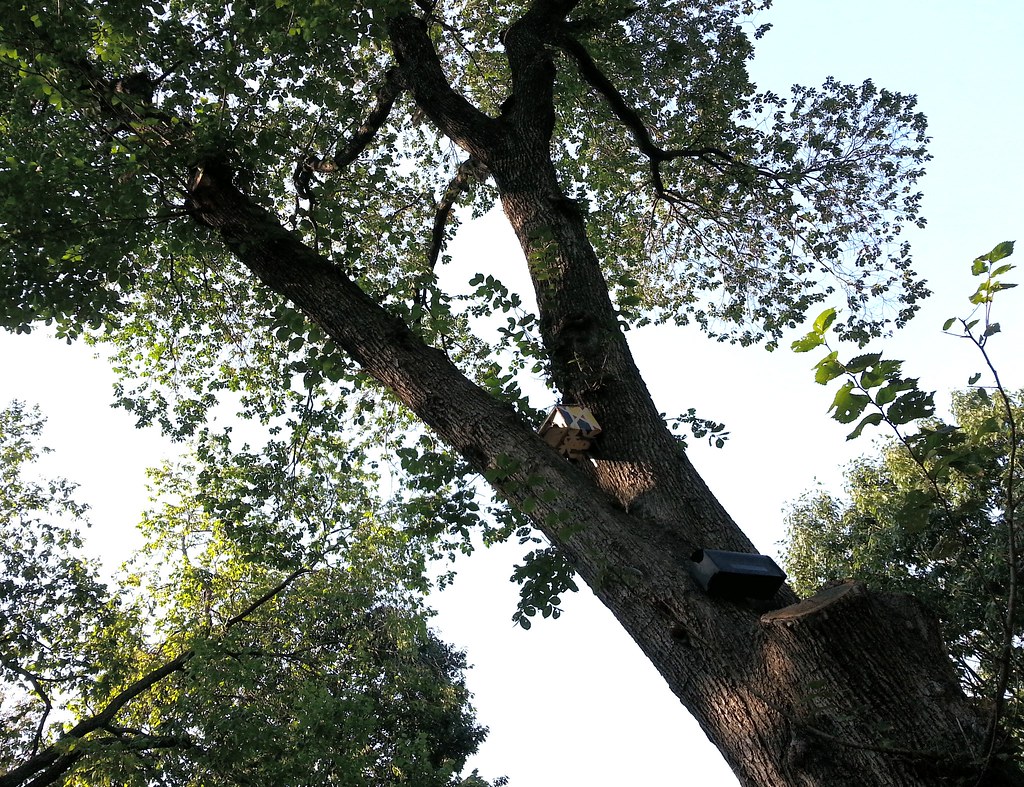
It's kind of tough to see, but the lower of those two birdhouses is just a plain black mailbox.
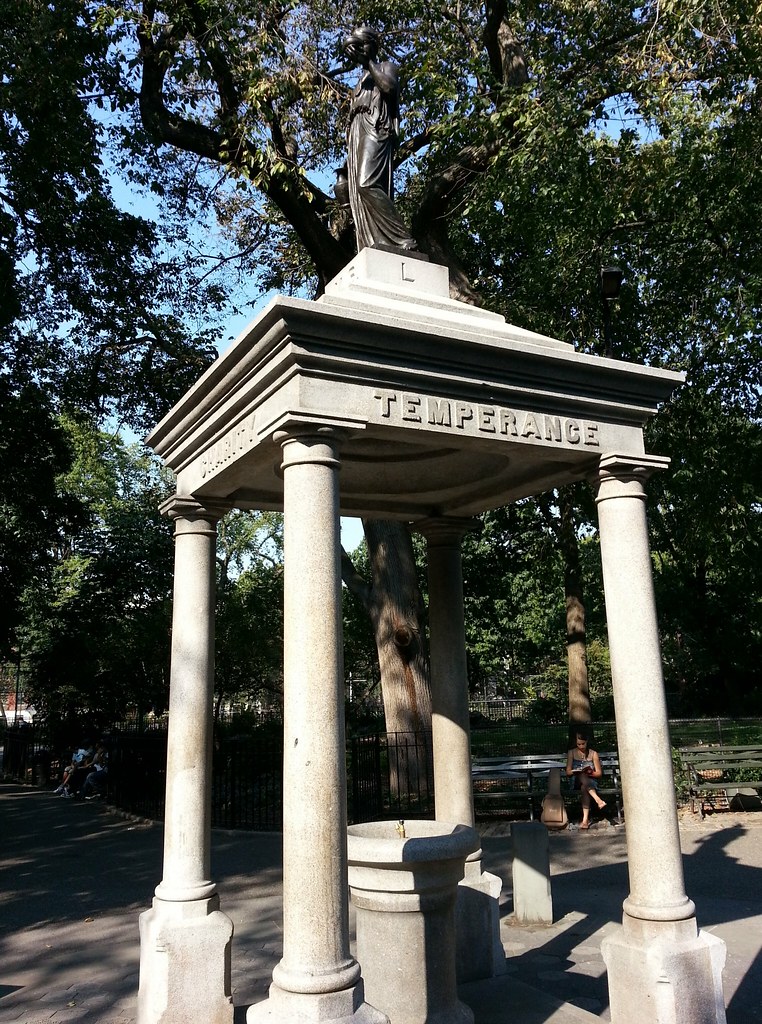
Henry Cogswell, a wealthy dentist and anti-alcohol advocate, built this fountain (one of many he donated around the country in the late 19th century) in Tompkins Square Park in the belief that he could encourage people to forgo alcohol by providing them with a plentiful supply of clean drinking water to enjoy instead. Good luck with that!

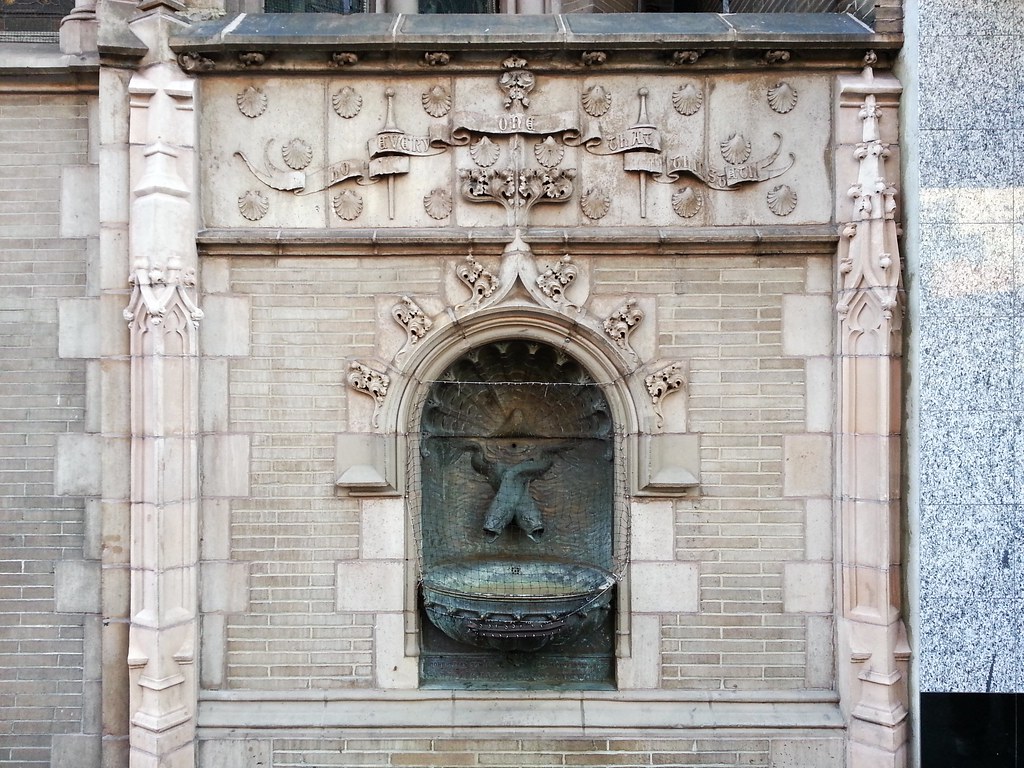
So reads the banner atop this dry, netted-off fish fountain outside the Church of the Immaculate Conception on 14th Street.
"Ho, every one that thirsteth, come ye to the waters; and he that hath no money, come ye, buy, and eat; yea, come, buy wine and milk without money and without price." — Isaiah 55:1
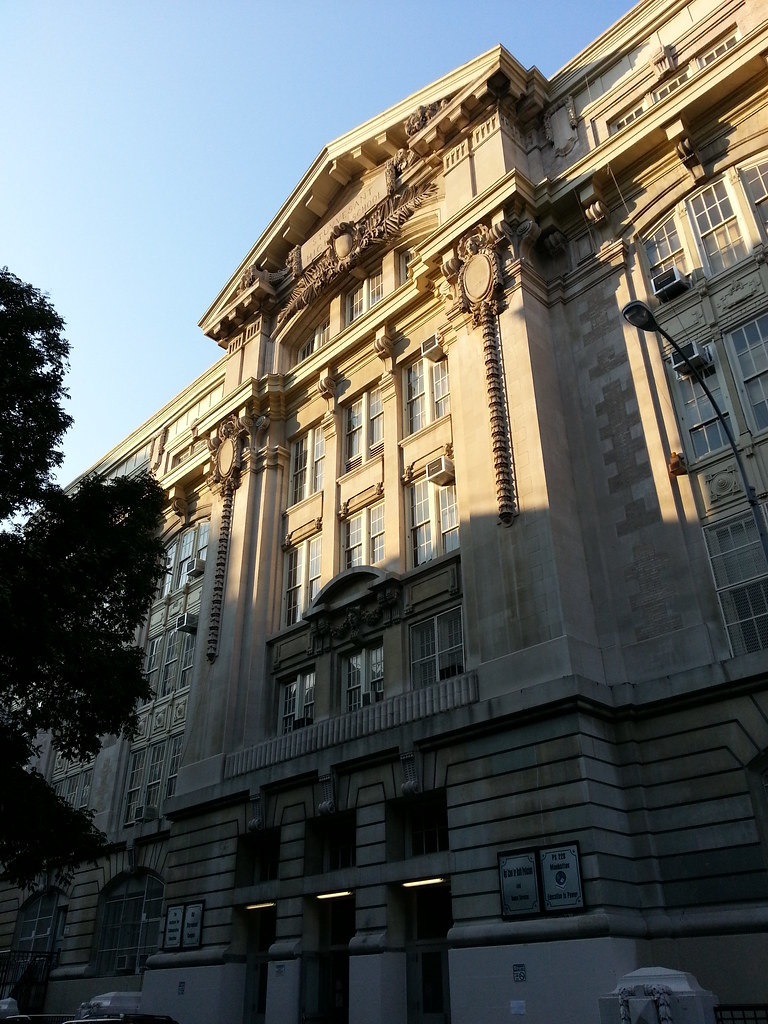
The home of Stuyvesant High School from 1907 to 1992, this beautiful building was — not surprisingly — designed by Charles B.J. Snyder.
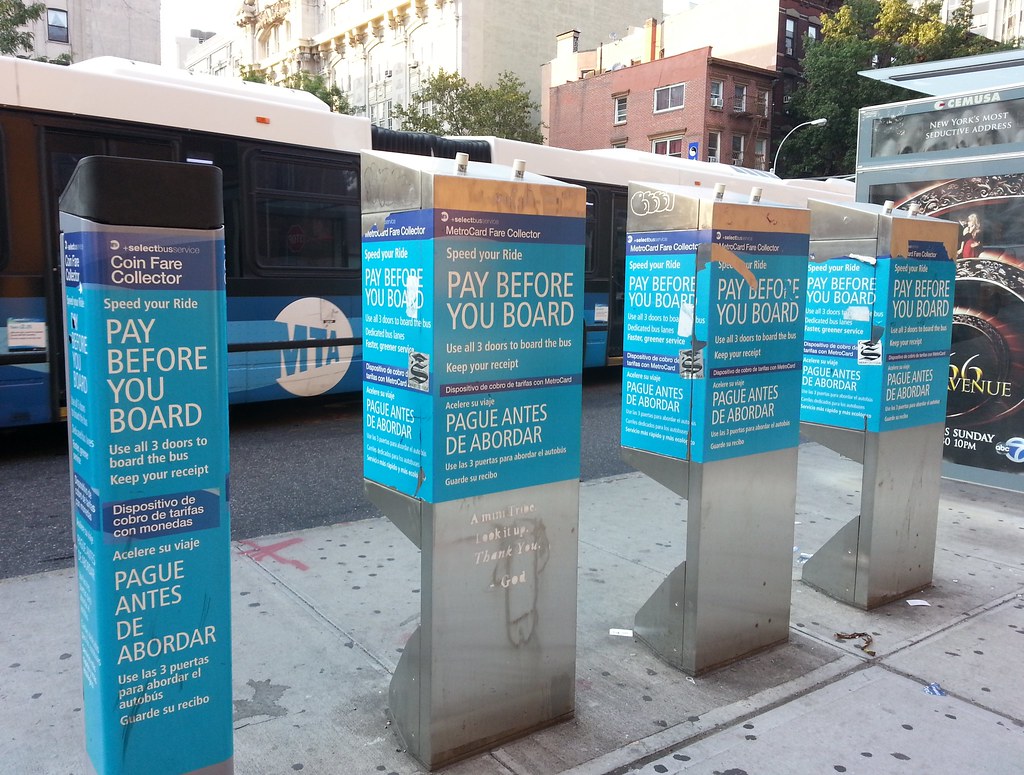
The M15, along with three other lines, currently operates as a Select Bus Service (the MTA's version of bus rapid transit).
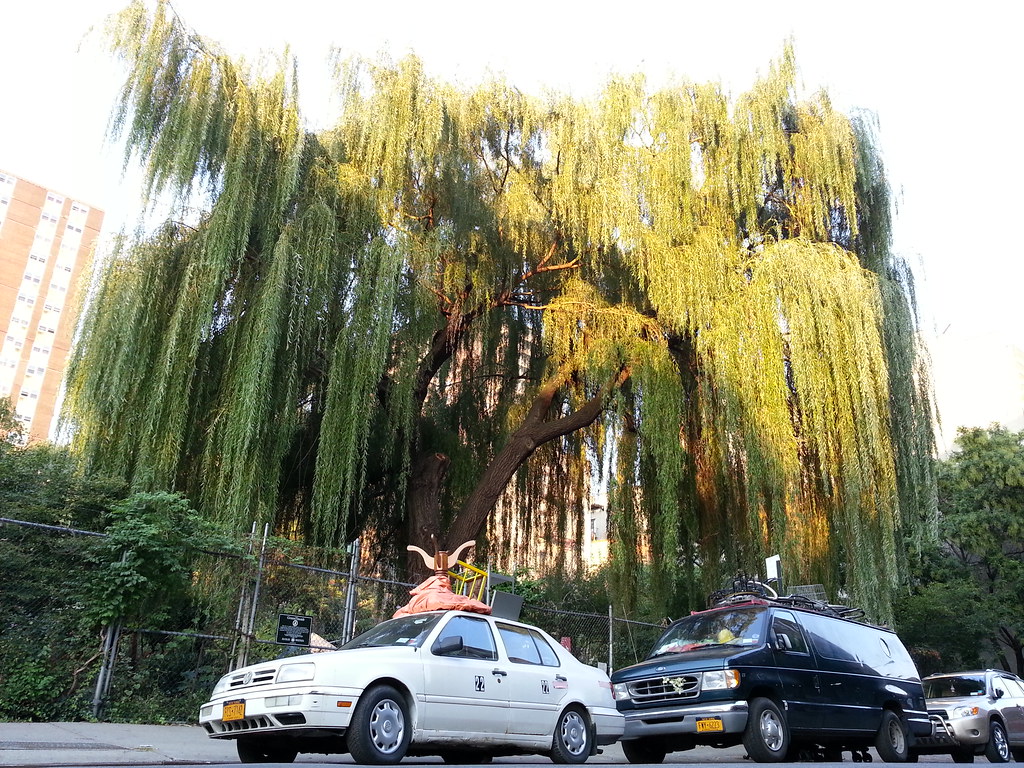
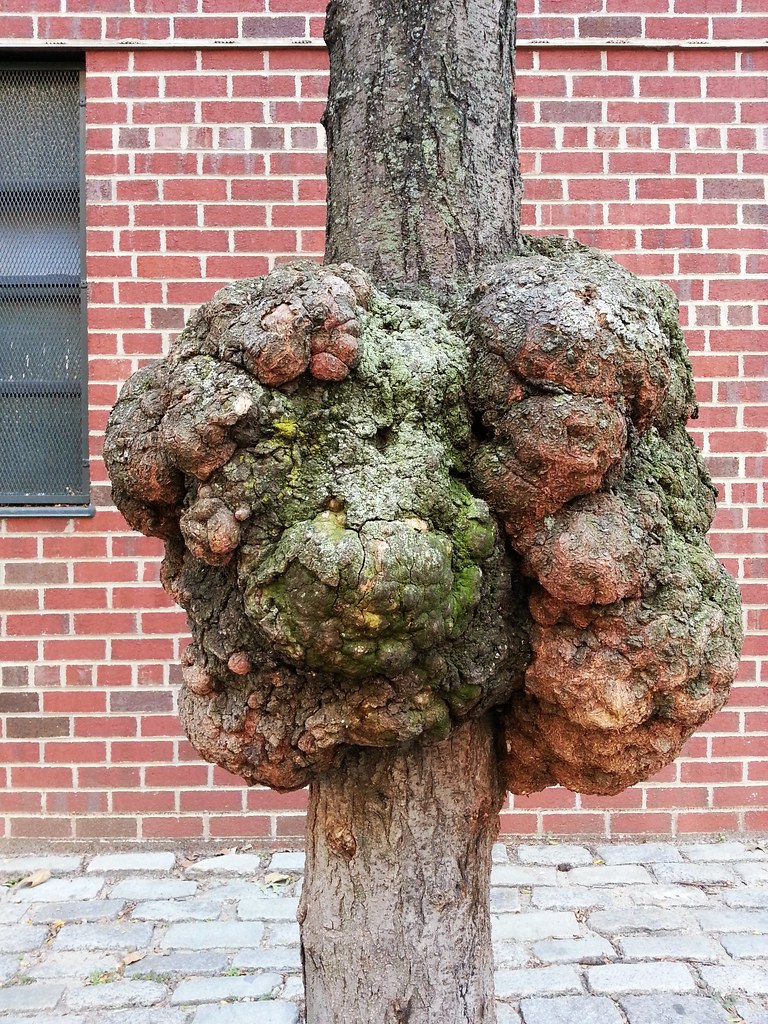
This willow tree grows in one of the countless community gardens found around Alphabet City.
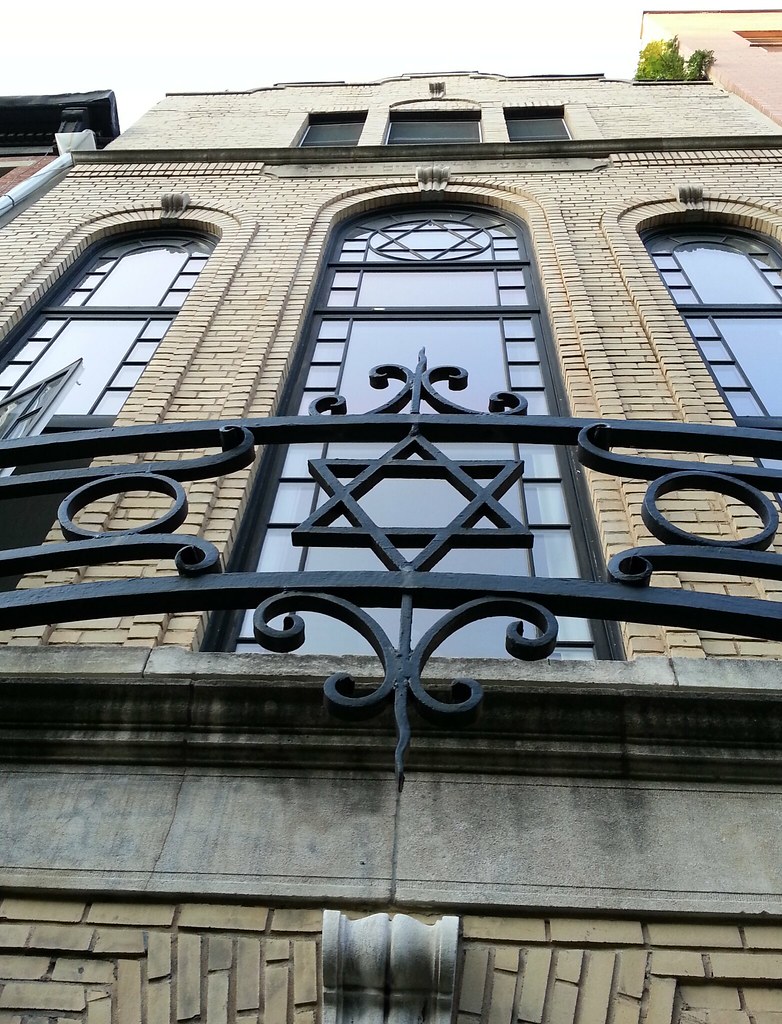

I passed by back in July, but the windows weren't fully lit then.
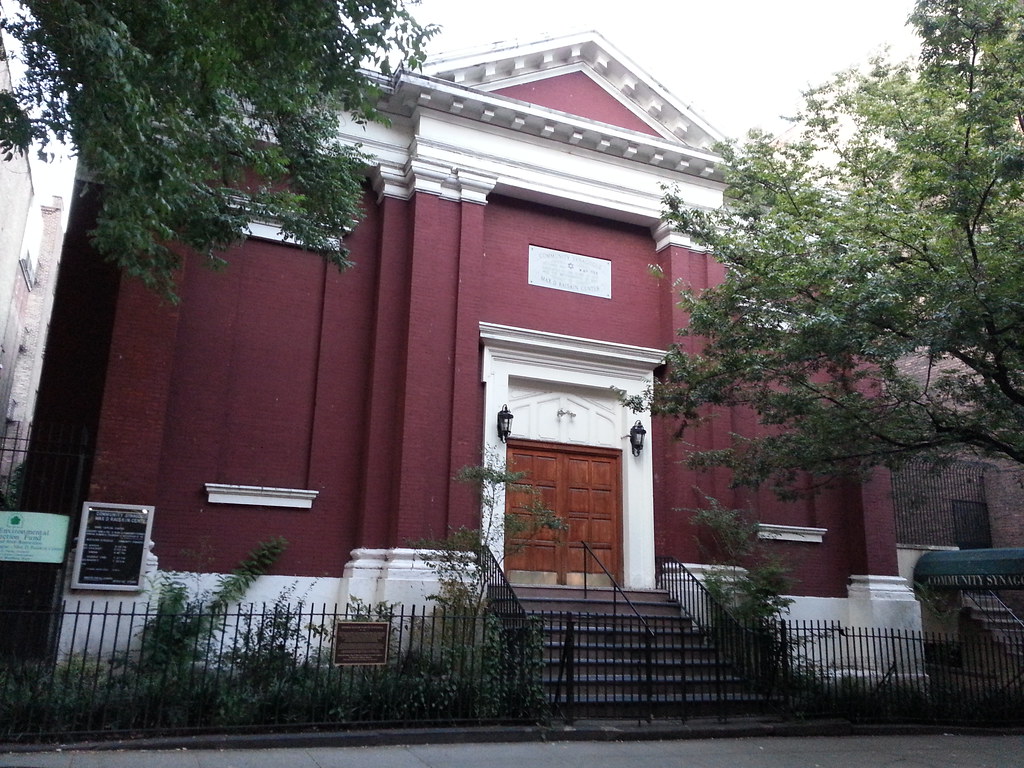
Now a synagogue, this was once the church whose members died in the General Slocum disaster.
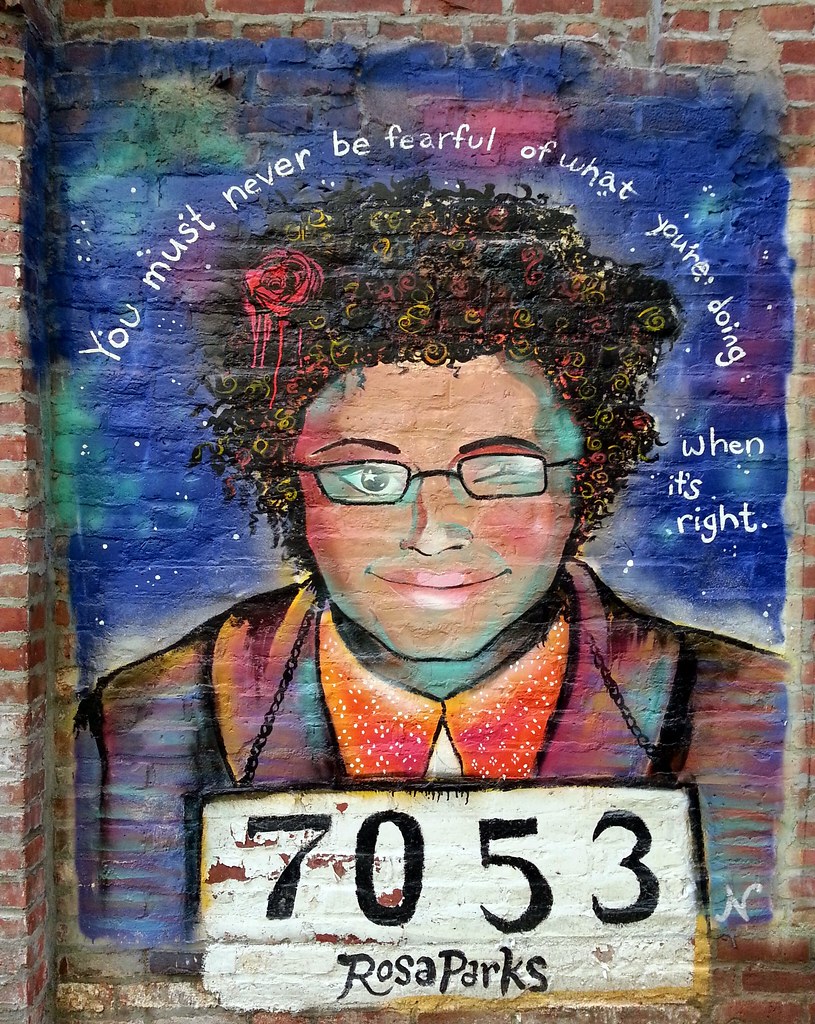
This mural is located in the same community garden as the Dorothy Day piece we saw back in March, along with several other paintings honoring influential women.
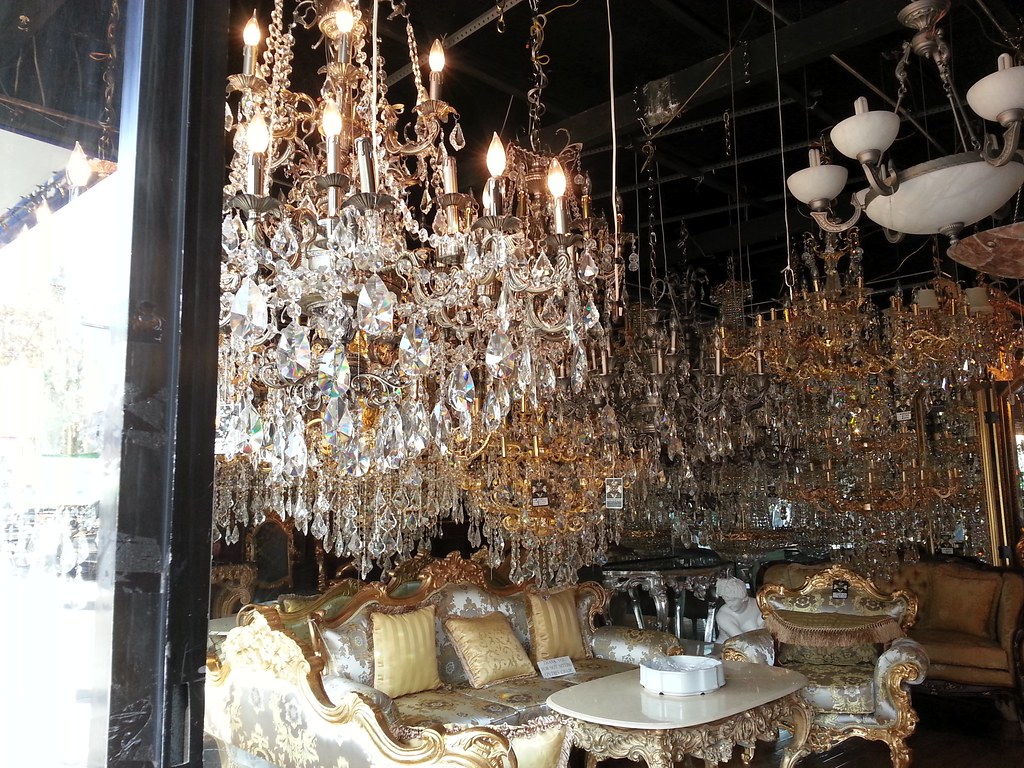
While the Bowery's lighting district is still something to behold, it has been in decline for the last decade or so.

Originally designed to "impress the beholder with its dignity and fortress-like strength on account of the neighborhood in which it is to be located", this former bank is now an upscale event space. You can see some photos of the interior here.
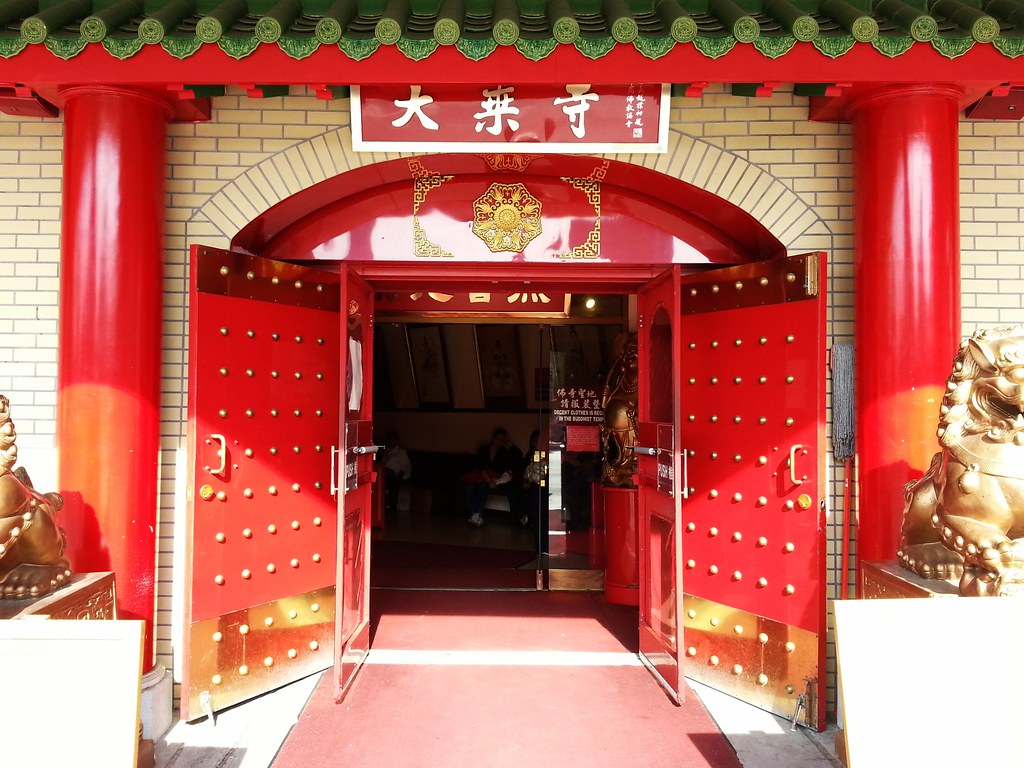
Formerly an adult movie theater, this building now houses what some believe to be the city's largest Buddha.
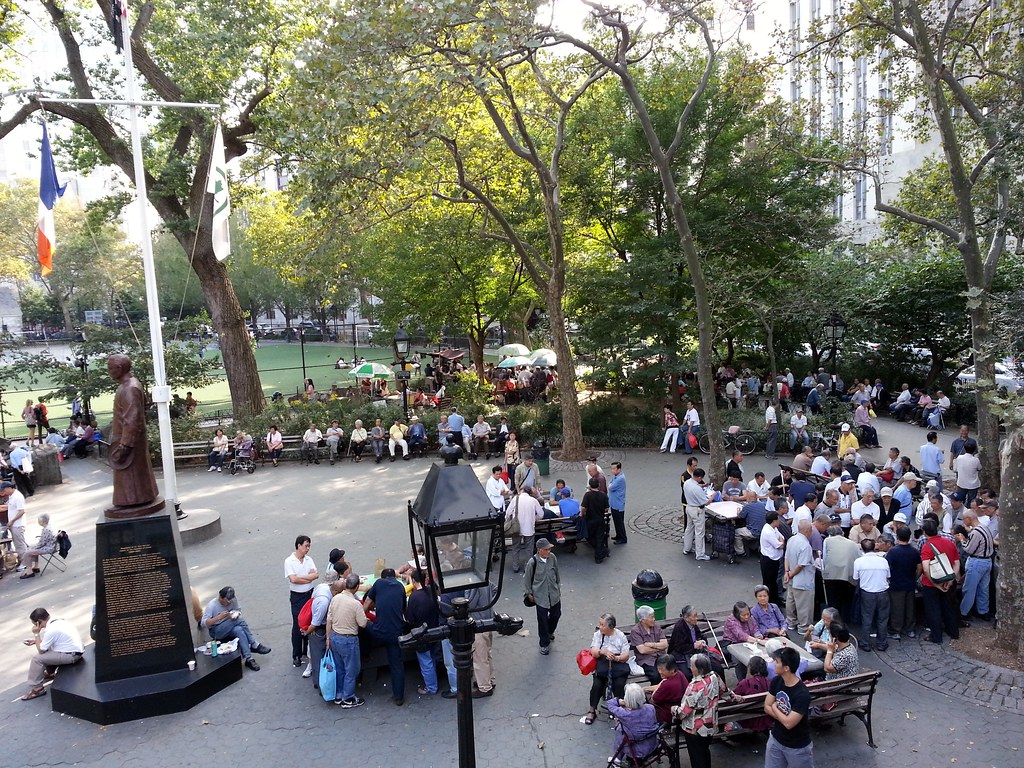
The people gathered around the tables are avidly watching games of cards and Chinese chess, regular pastimes here at the park. At left is a statue of Sun Yat-sen.
That accordion player sure looks familiar.
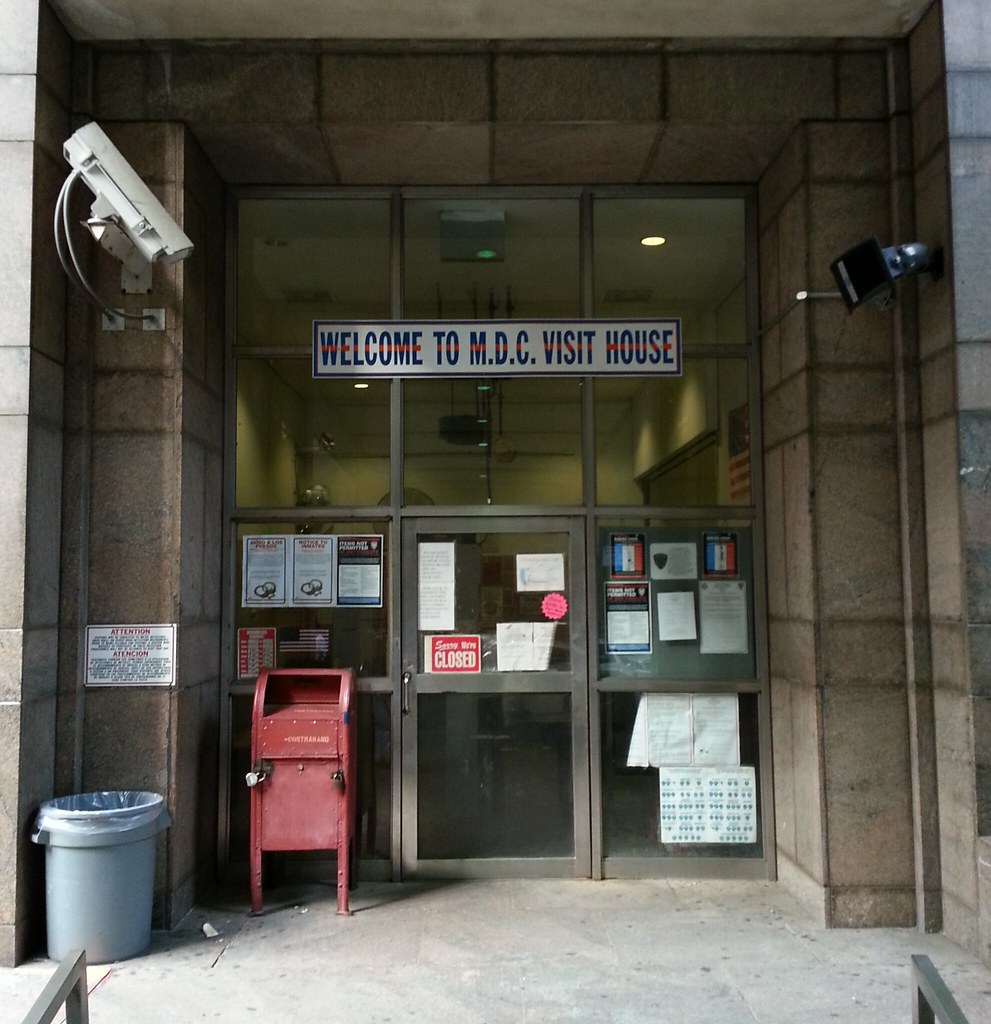

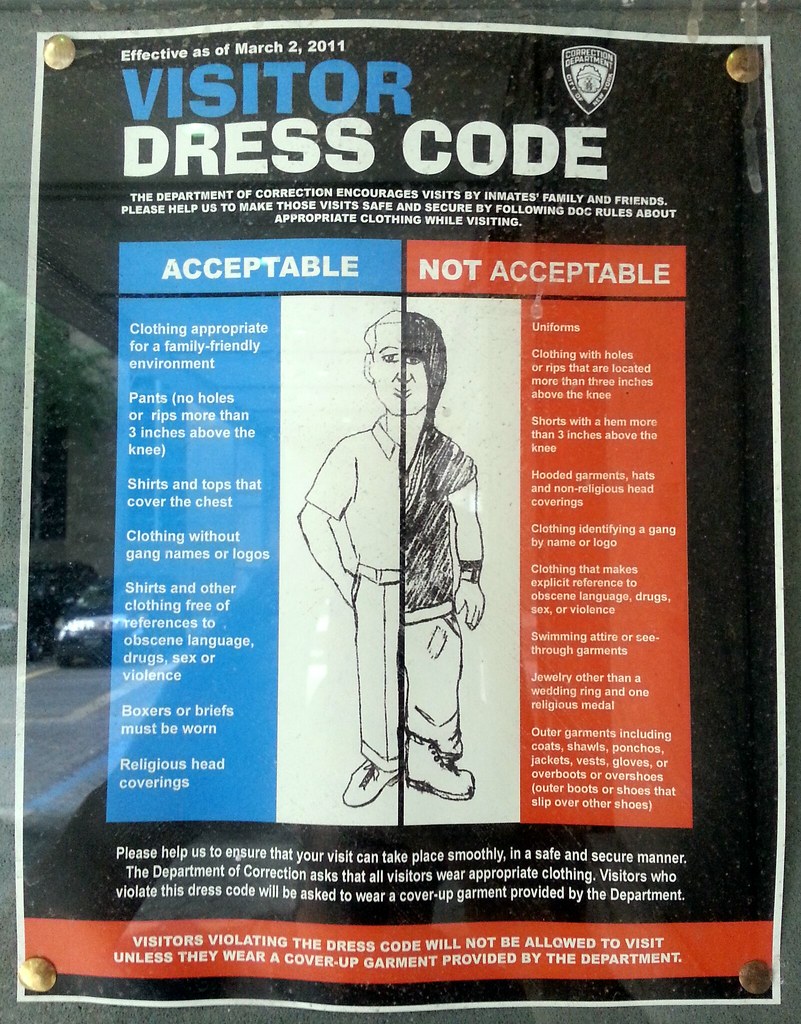
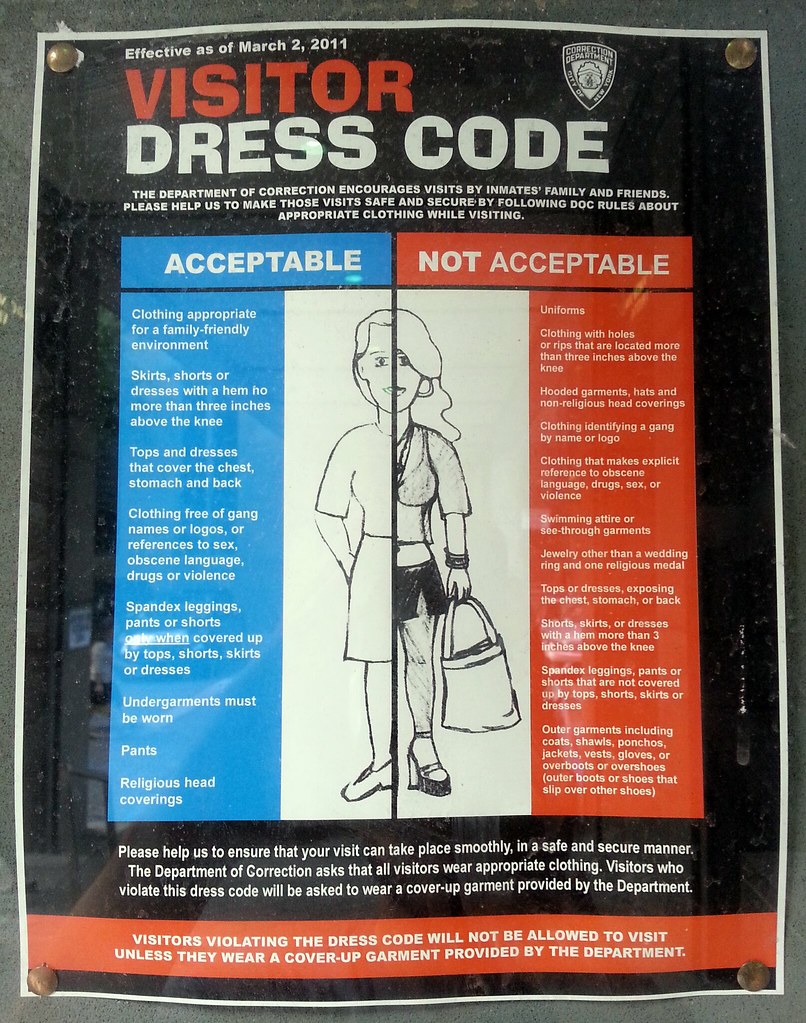
Located outside the Manhattan Detention Complex visitor entrance. A nearby sign reads:
You are not allowed to enter any DOC facility while in possession of narcotics, weapons, or tobacco products. Lockers are available inside of the building to secure your personal and/or prohibited items. These lockers only accept a quarter for use during your visit. There is also 1 "amnesty box" outside in which you may deposit any illegal substances or items you may have in your possession, no questions asked. All illegal substances or items must be deposited before you enter the first search station and will not be returned.

A sign on the wall of this former firehouse (currently home of the Downtown Community Television Center) proclaims:
This building, constructed in 1895, is among the best of the many eclectic firehouses built by Napoleon Le Brun & Sons. Today it seems surprising that such an elaborate design would be used for so utilitarian a structure. The entire spirit of the building — with its corner tower, steep roof, dormers, and stone and iron crestings — recalls a romantic fairy tale.

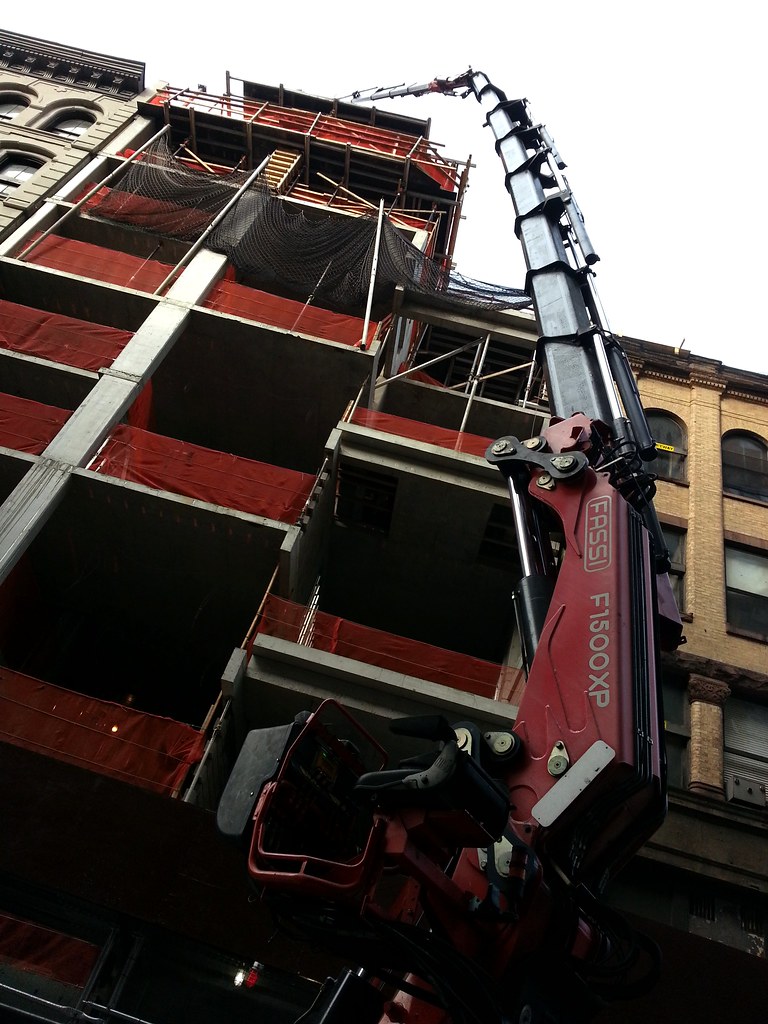

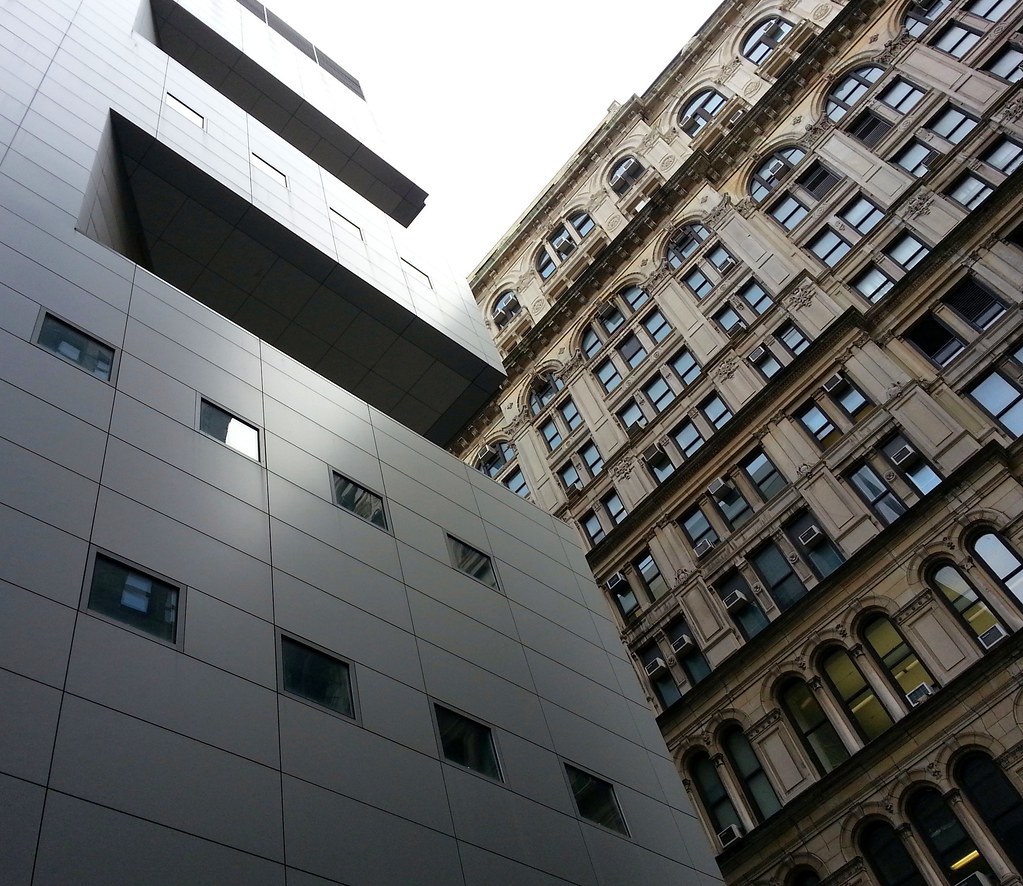
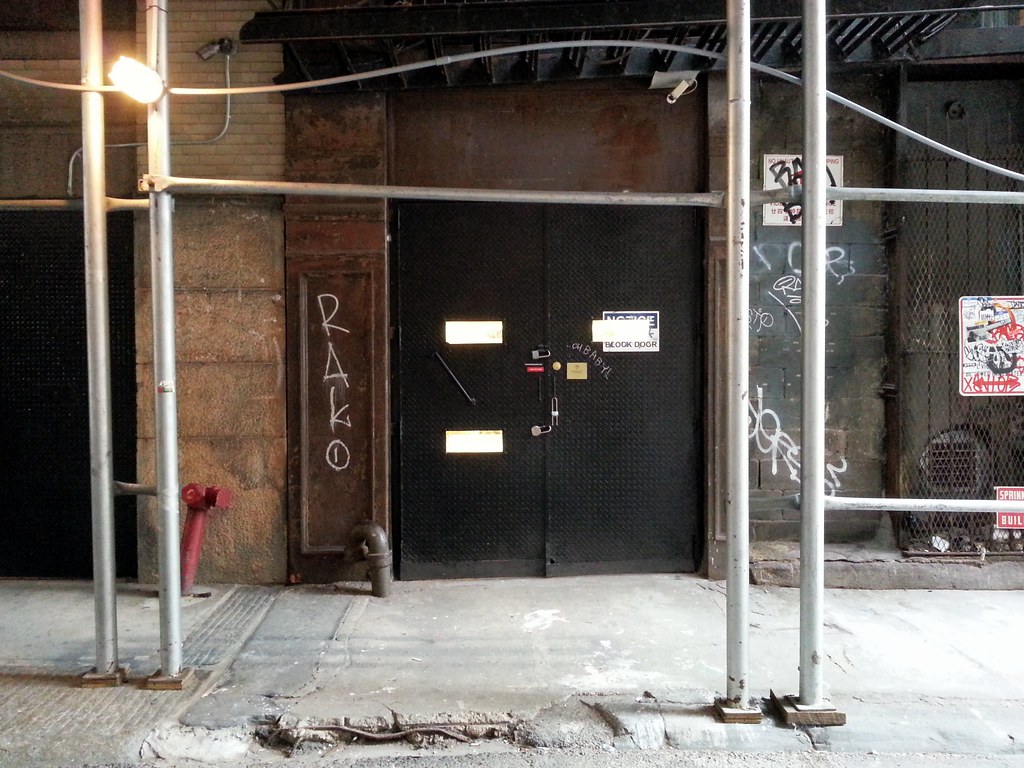
I didn't pay the slightest bit of attention to this freight elevator entrance the first time I passed by on Cortlandt Alley. Fortunately, my route required me to turn around at the end of the alleyway and head back north. As I walked by the second time, I happened to glance to my left, and I noticed a sign reading "SENEGAL" visible through one of those little rectangular windows. So I crossed over to take a closer look...
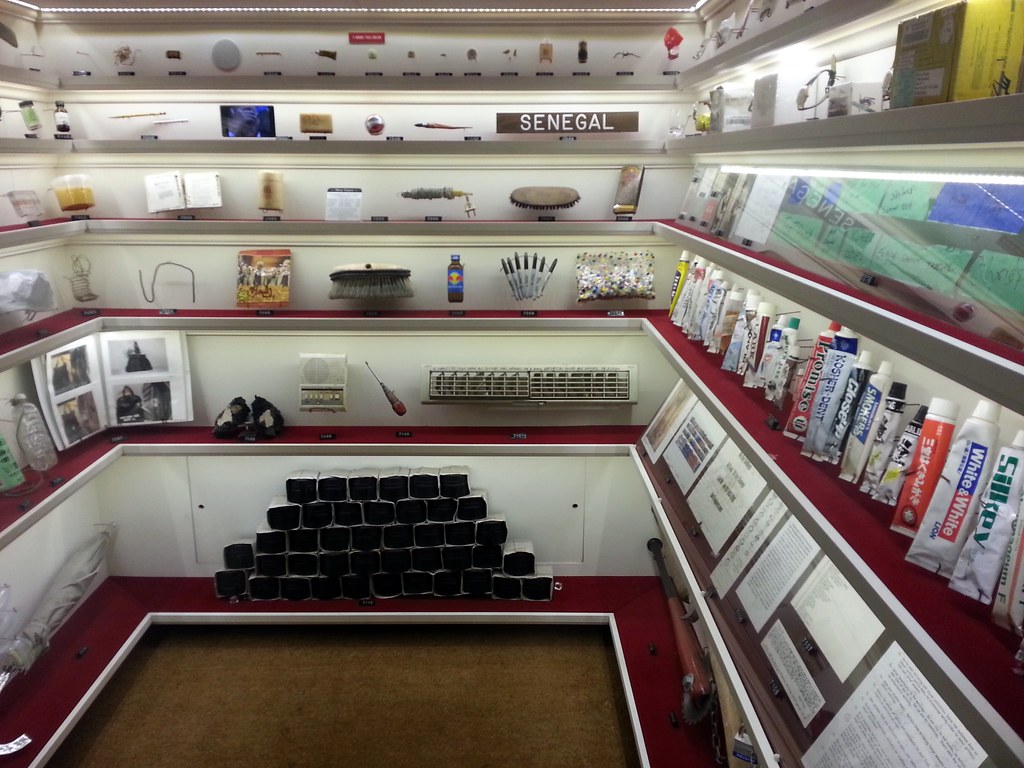
The doors were locked, but a sign inside reads:
MuseumGive 'em a call! You can read many of the reference numbers here and here. I haven't listened to all of them, but a few of my favorites so far are 7087, 7076, 7081, 7058, and, of course, the classic Senegal placard: 7048.
A smart man's garbage is a foolish man's fortune & vice versa.
The Museum boasts an assemblage of assorted collections from around the world.
Strange artifacts and objects removed from their narratives make up these walls. Some are overlooked, and some are overused.
Each item has its own history.
To discover the stories, please refer to the brochure below
or call 1 (888) 763 8839
and enter the object's reference number.
Welcome to the Museum.
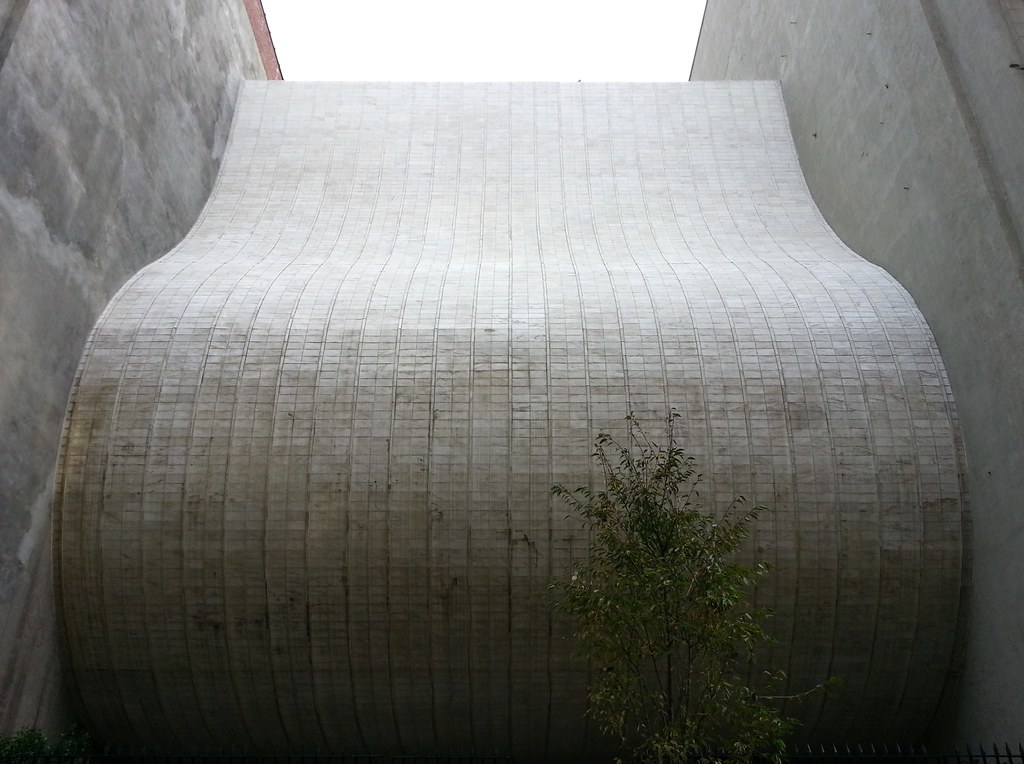
A floating flame amid a sea of rectangles. (Although its buoyancy has been slightly diminished in recent years by a glass security wall installed at its base.) Take a spin around!
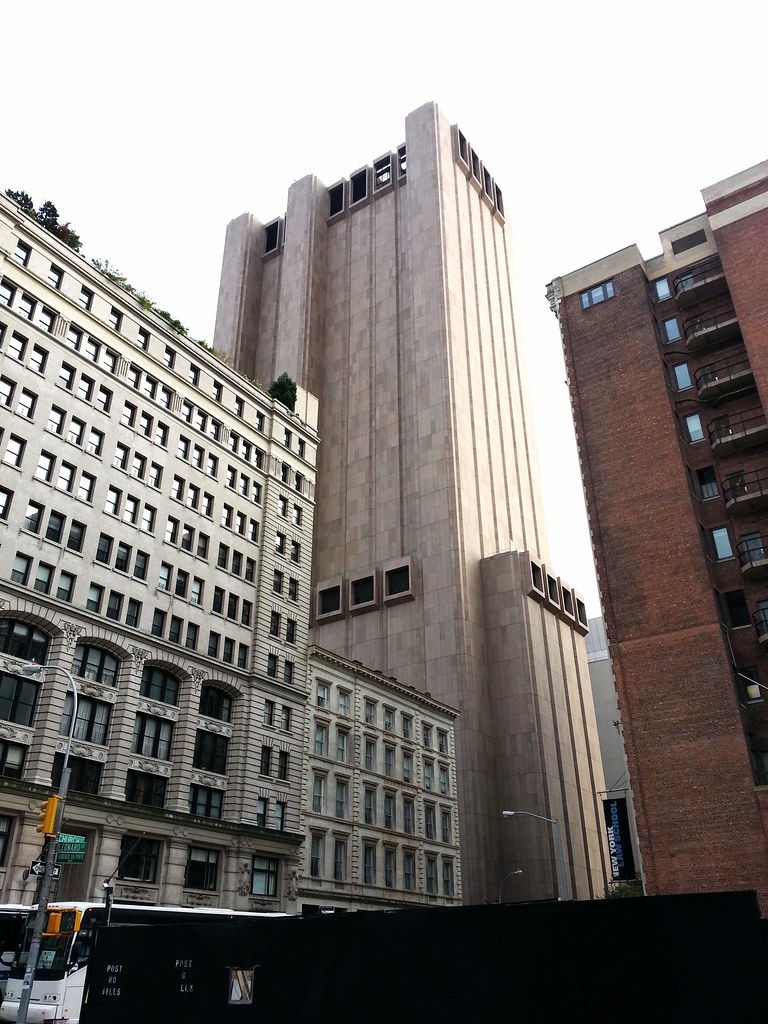
This windowless behemoth, housing telephone switching equipment and a data center, is said to be one of the nation's most secure buildings.
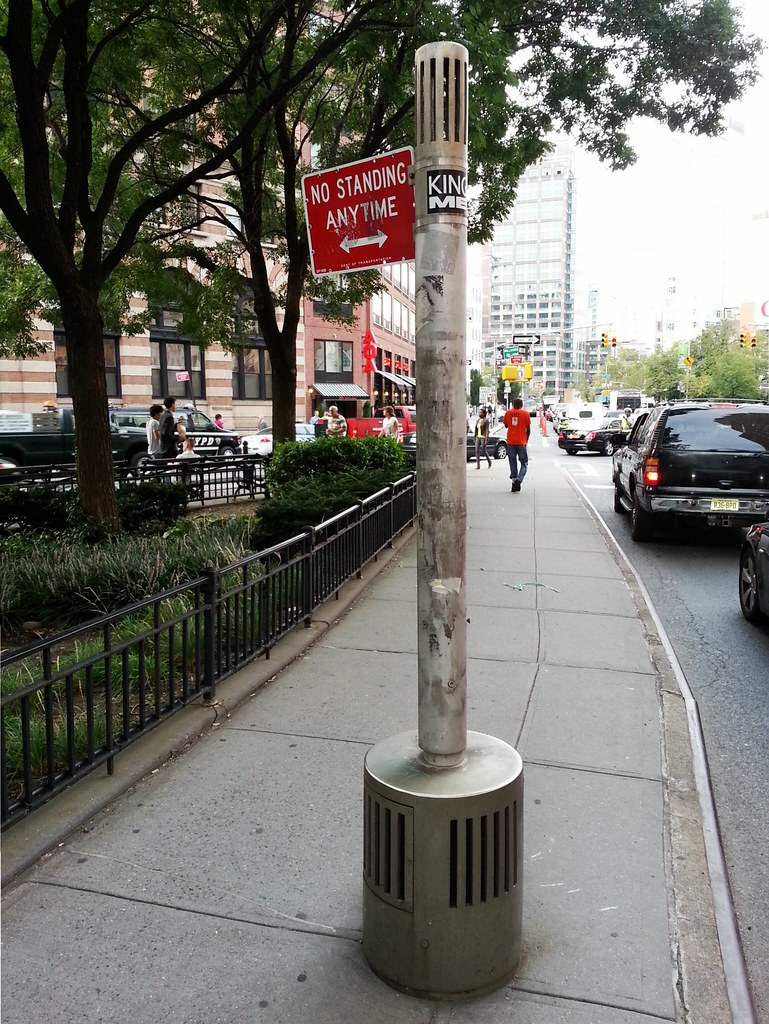
since we've seen a new type of sidewalk vent. This one looks like a modified Holmes.

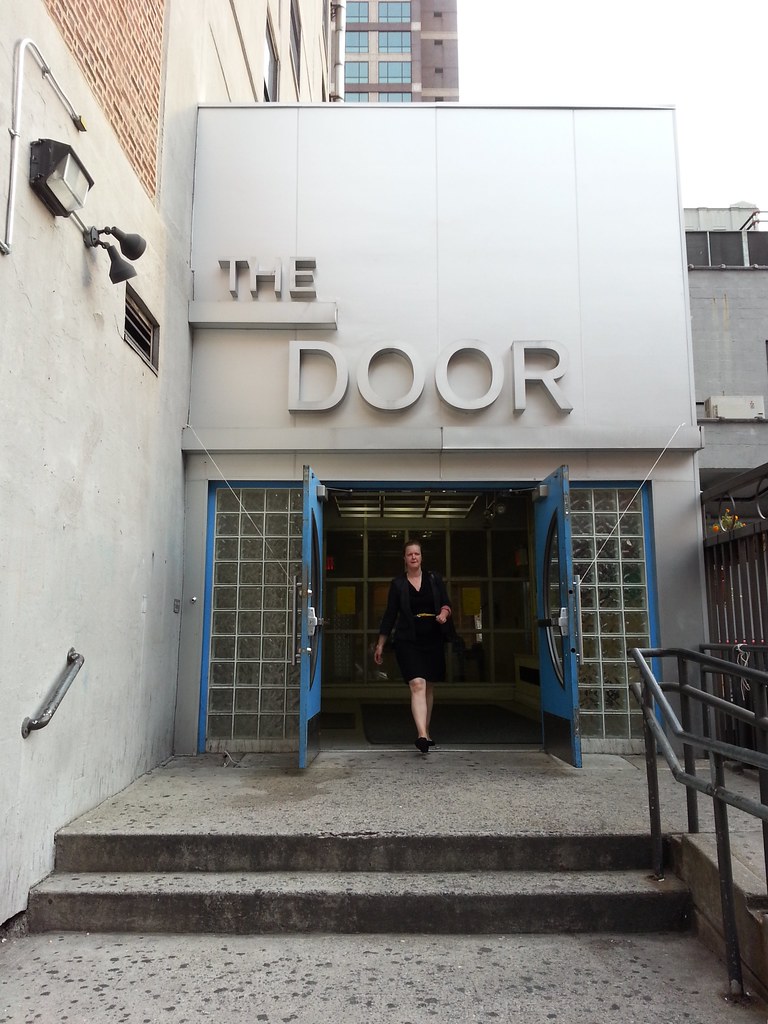
I posted a photo of this place months ago, but the lighting was bad. So I'm replacing it!
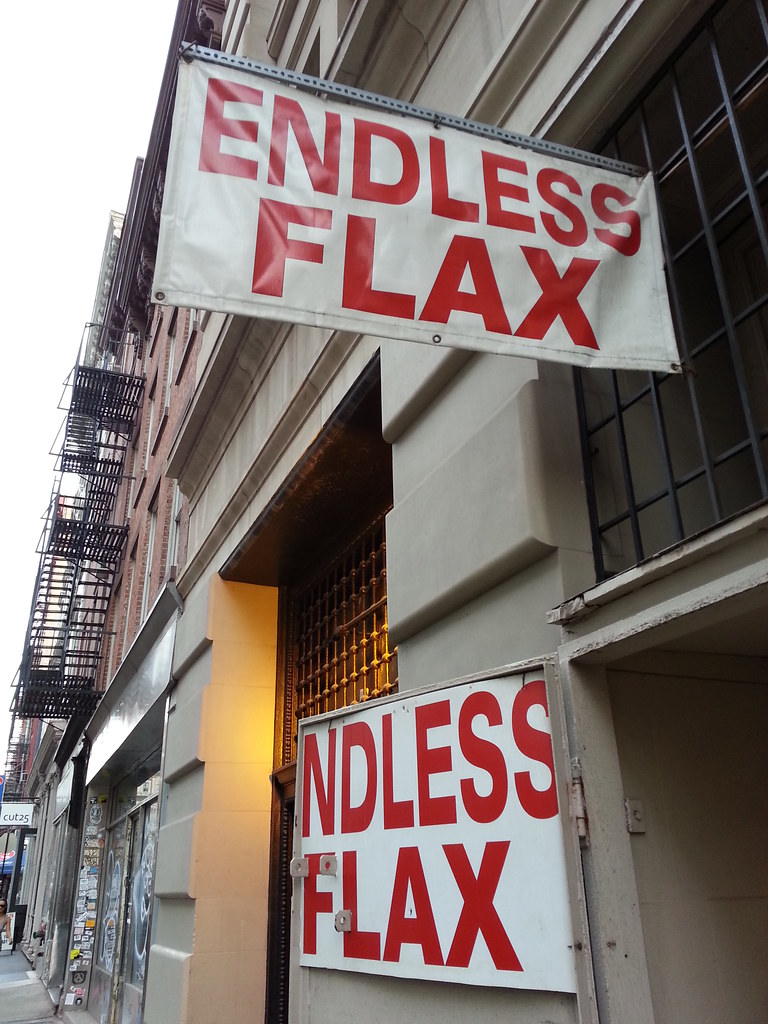

It's generally good practice to stay away from religious leaders with show-biz names. And this guy's no exception.

over the Holland Tunnel exit roadway — traffic was much heavier down below.

