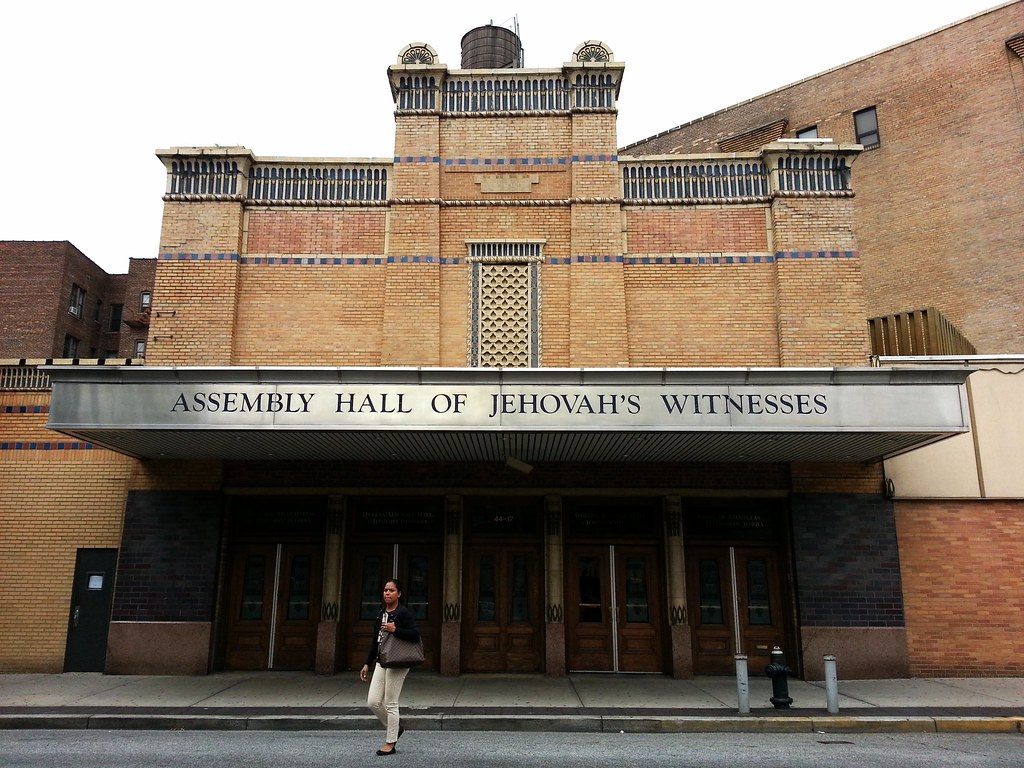
All I know about this place is that they don't like cats and seahorses as much as they used to.
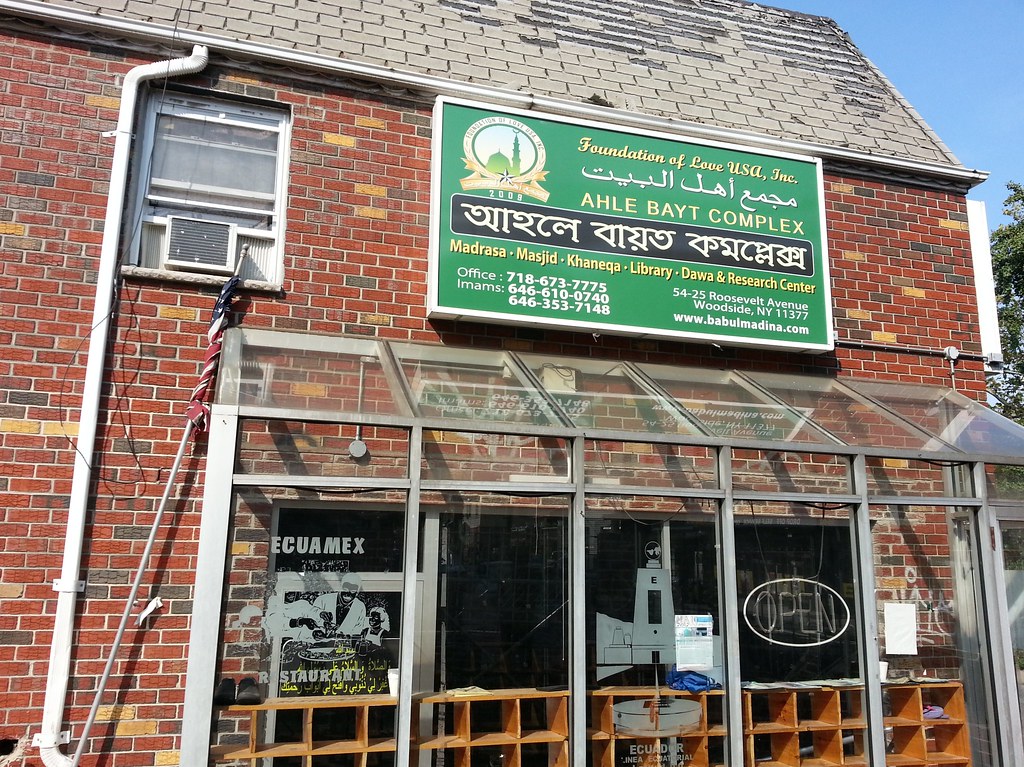
Because there's no prohibition in the Koran against delicious empanadas.
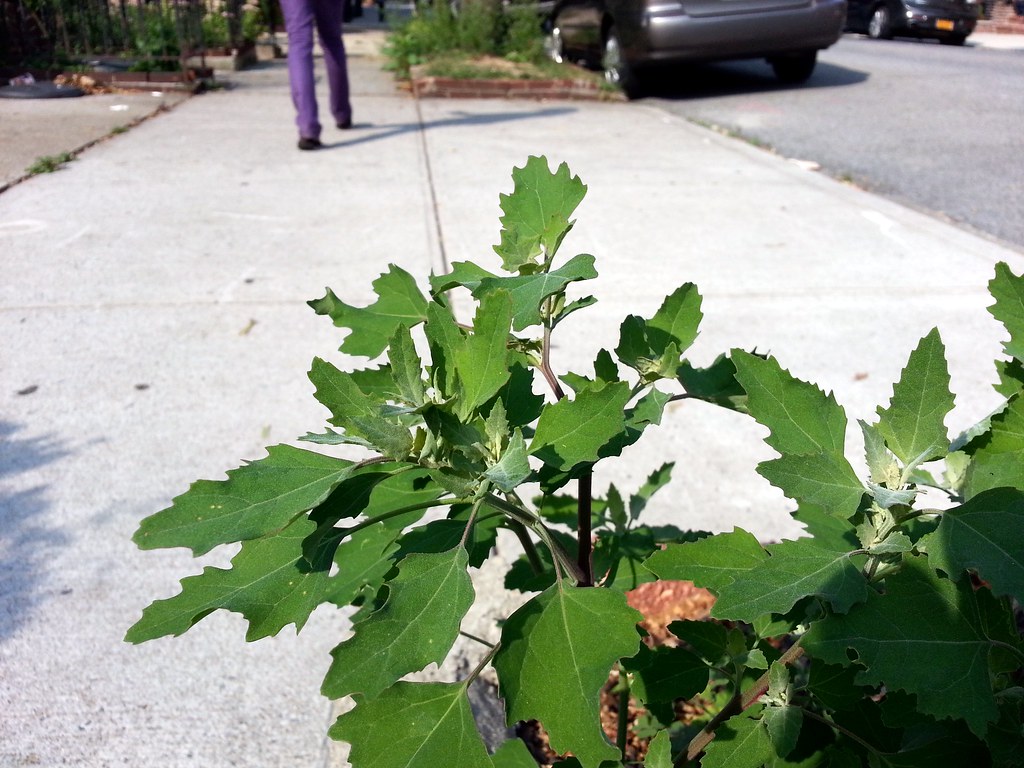
Much like purslane, lamb's quarters is a delicious, nutritious weed you can find growing in dog-pee zones all across the city.

This used to be the Loew's Woodside until they chopped off the old theater entrance and replaced it with a new churchy-looking one. Here's a shot of the crowd watching that 2008 classic, Christmas Midnight Mass.
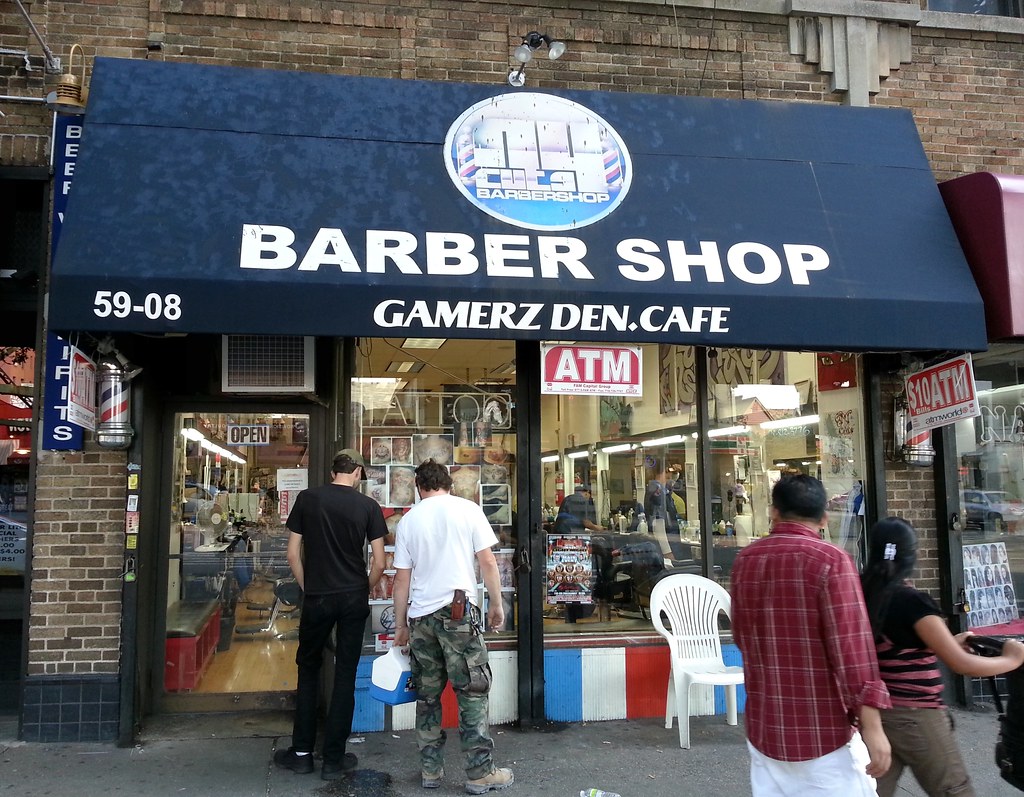
This one was a tough call, but I ultimately decided that the z-in-lieu-of-an-s does not have a strong enough connection to the barbershop part of the business to count in the series.
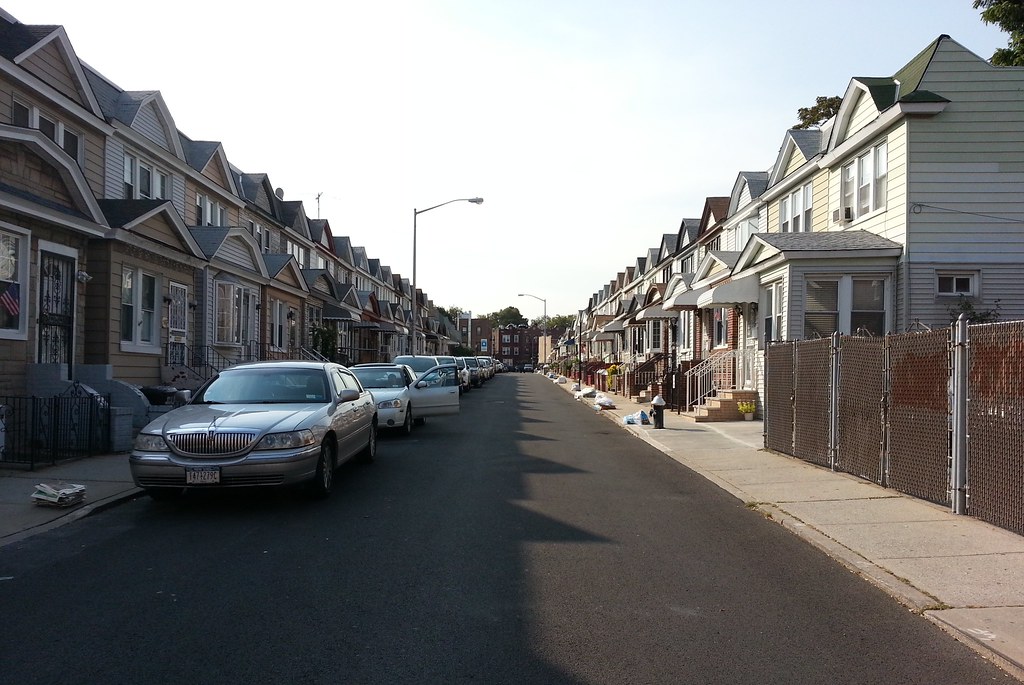
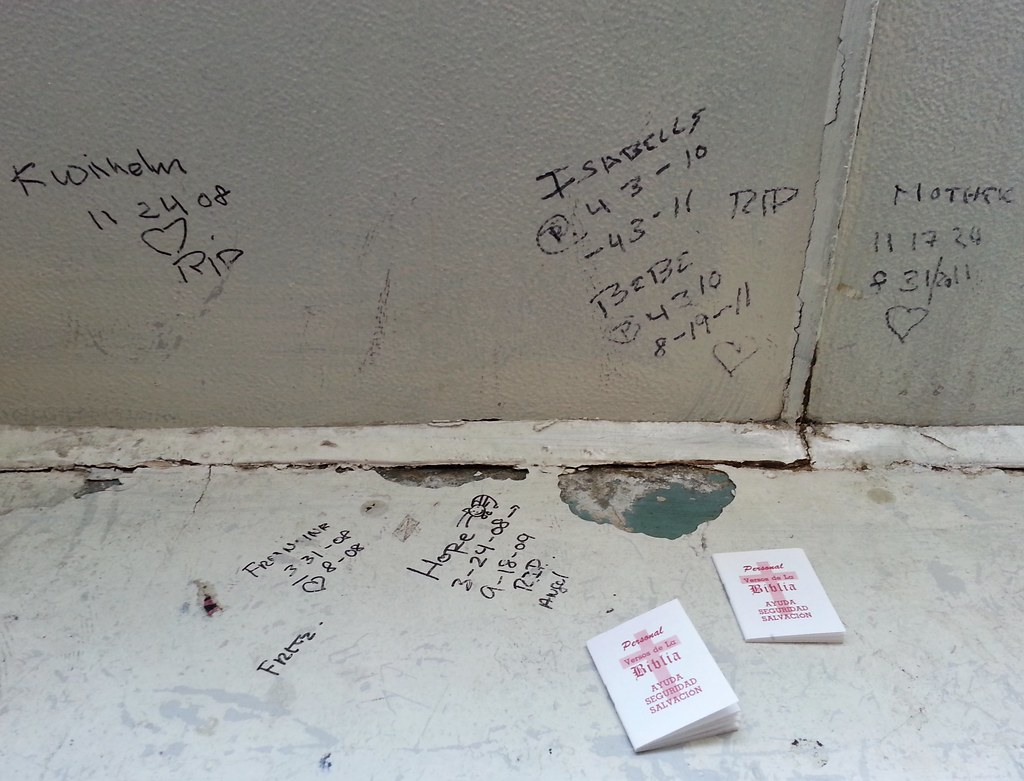
There were more names and dates scrawled nearby.
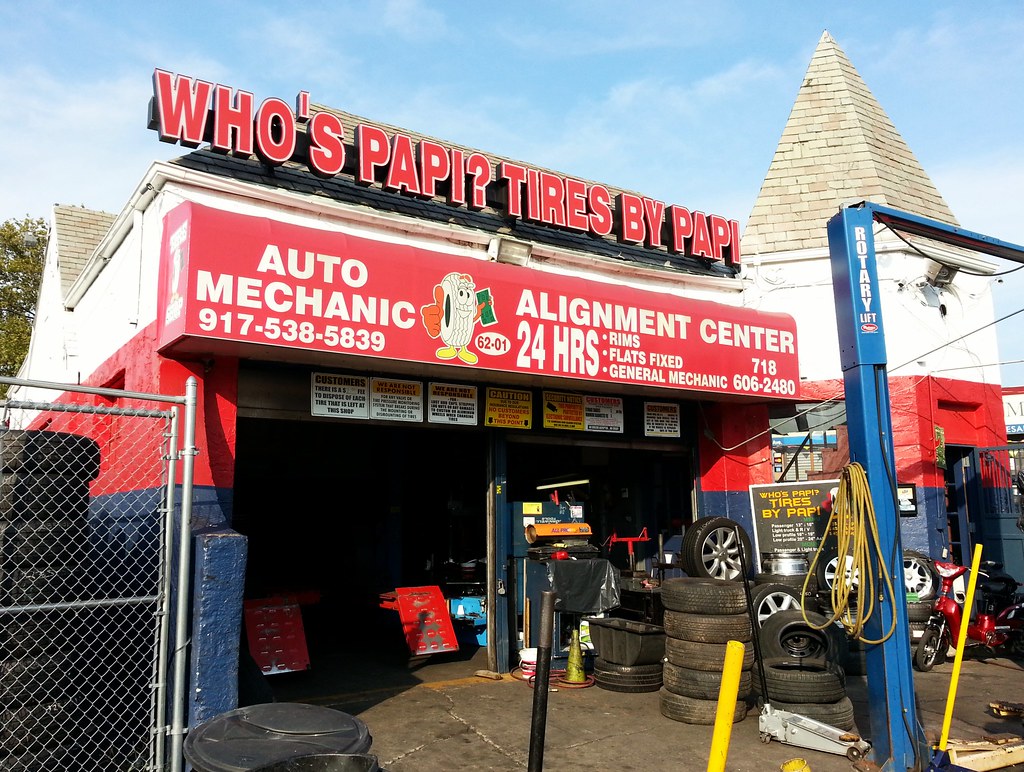
I'd like to know a little more about the man before I buy my tires from him.
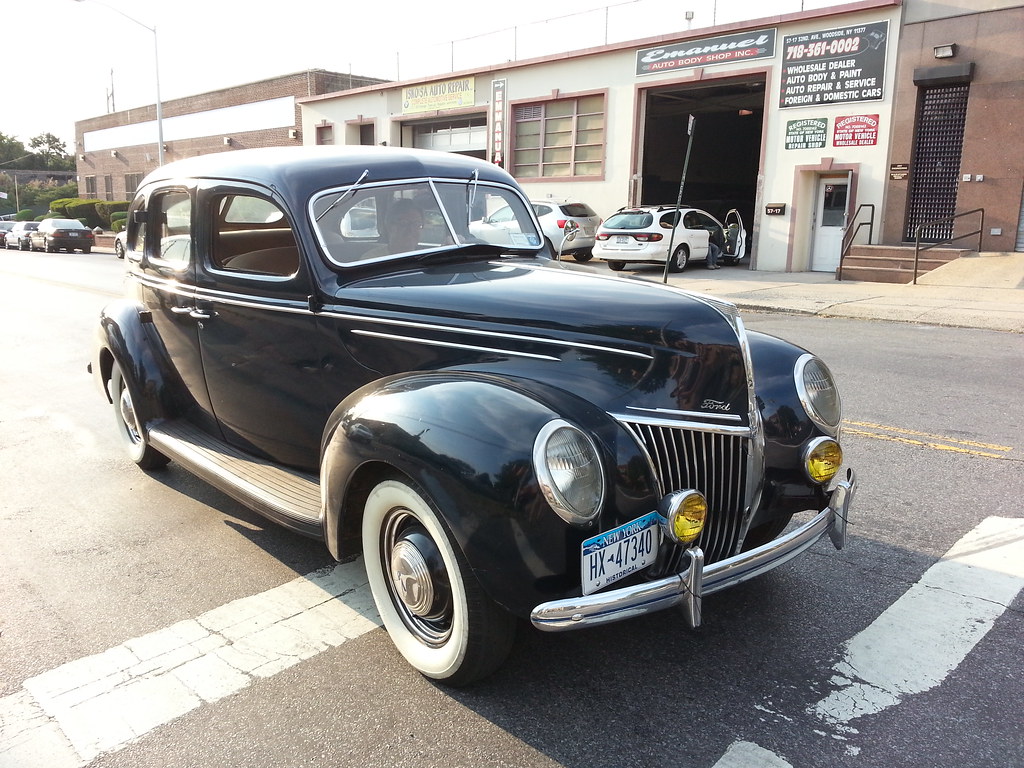
This guy was just cruising around the neighborhood today; I crossed paths with him more than once. He's lucky he wasn't on South Chicago Avenue.
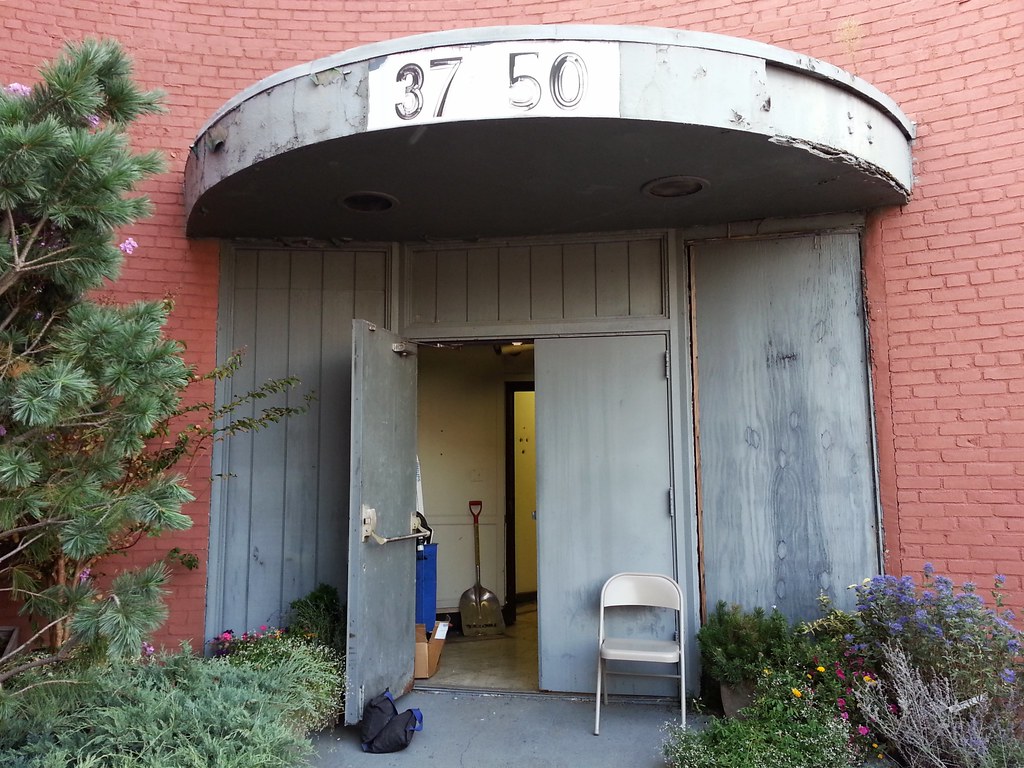
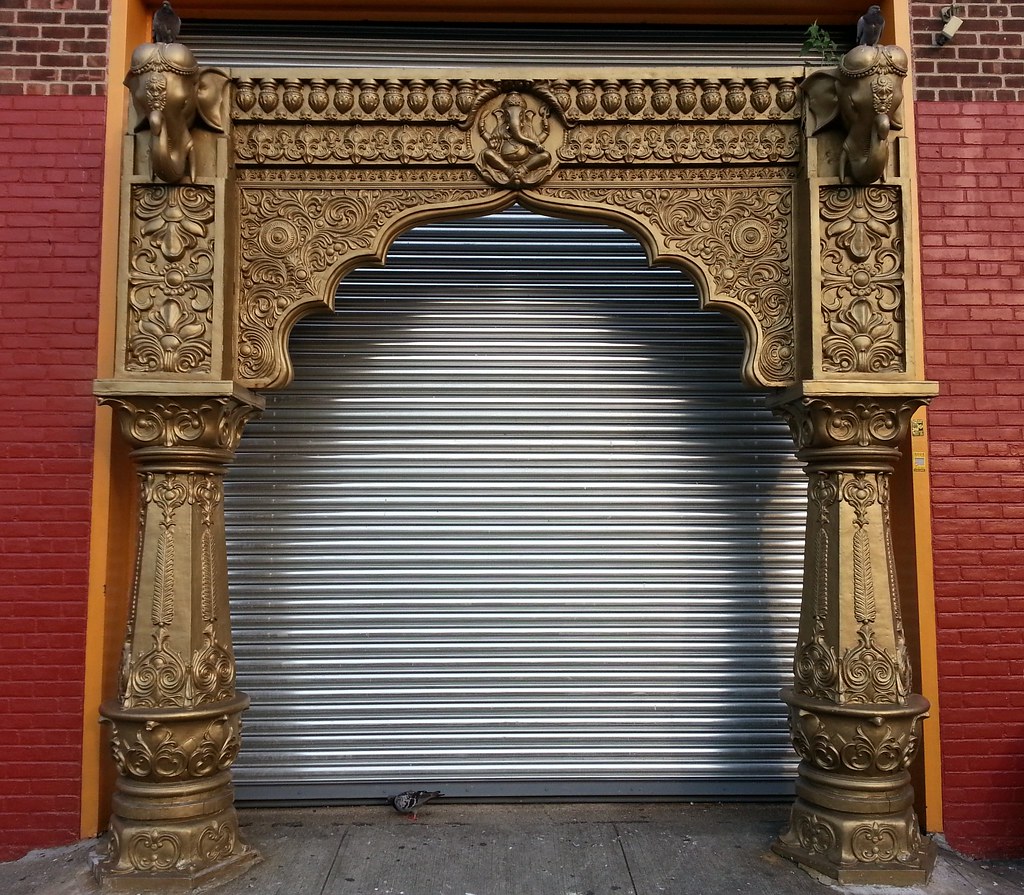
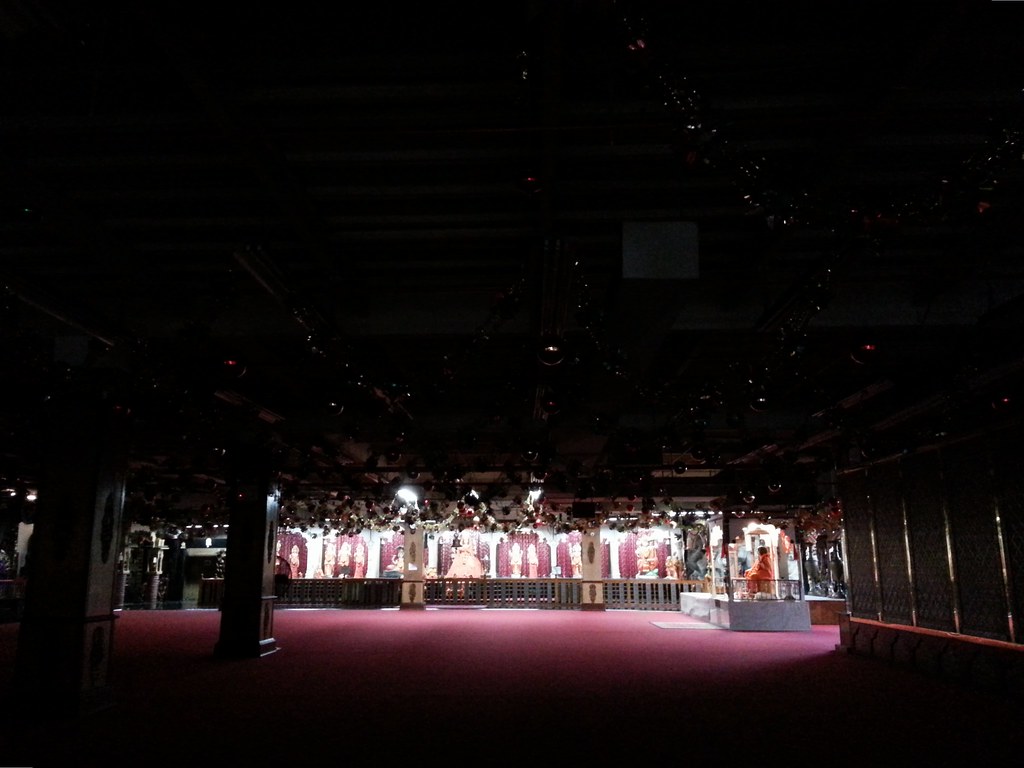
Located in a former electronics factory, this "vast temple complex and living-history museum" is lined with beautiful, ornate shrines to various Hindu deities. It was founded by Swami Jagdishwaranand, who also established the Geeta Temple, which we happened upon back in April. You can see more photos on the temple's website; here's a video of the Navaratri festivities in 2009.
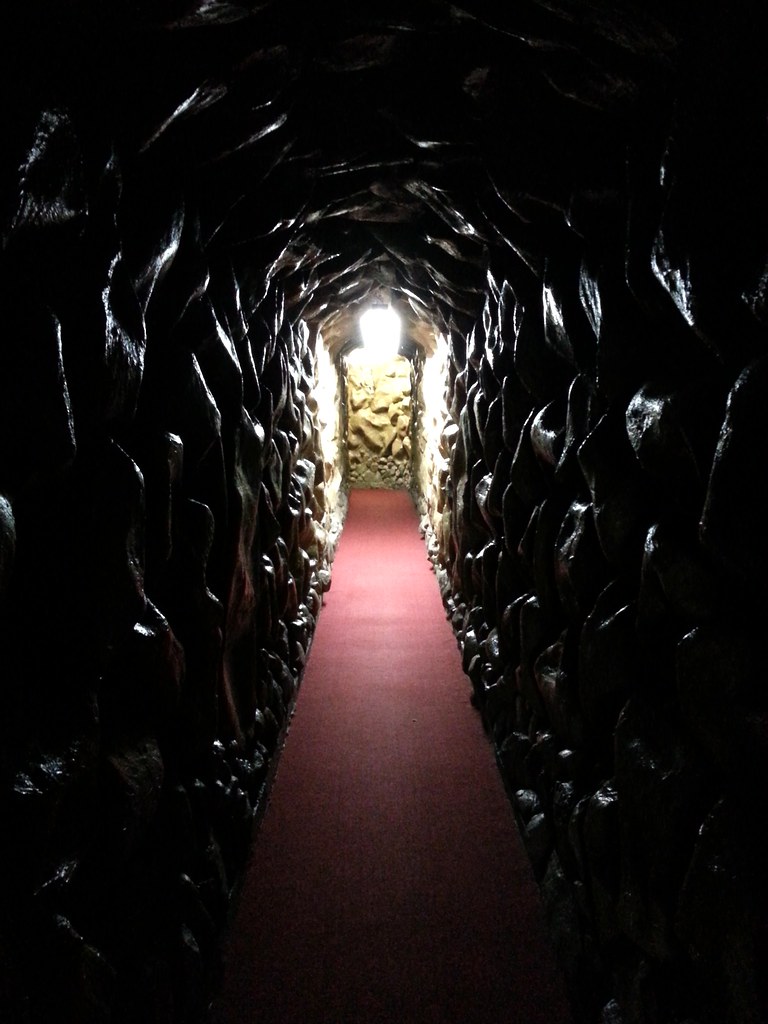
Contained within is a shrine to Vaishno Devi, where an eternal flame burns. From Swami Jagdishwaranand's obituary in the NY Times:
In 1996, the swami traveled to India to bring back an eternal flame, known as the Divya Jyoti, for the altar of Divya Dham. Visiting 52 sacred sites around the country, he gathered a holy flame from each one into a single light. As no airline would transport the flame, it was carried overland through Central Asia into Western Europe and across the channel to England, where it departed by ship for California.
From there, the Divya Jyoti made its way by car across the United States to Queens, where it was installed at Divya Dham amid great ceremony. Before his trip, the swami had consulted members of the International Olympic Committee on how to keep the flame safe during its arduous journey.

to ease the roaring descent of the River Ganges on its journey from the heavens down to earth. This is one of the museum-like exhibits at Divya Dham; take a closer look at the creatures inhabiting this region of the Himalayas.
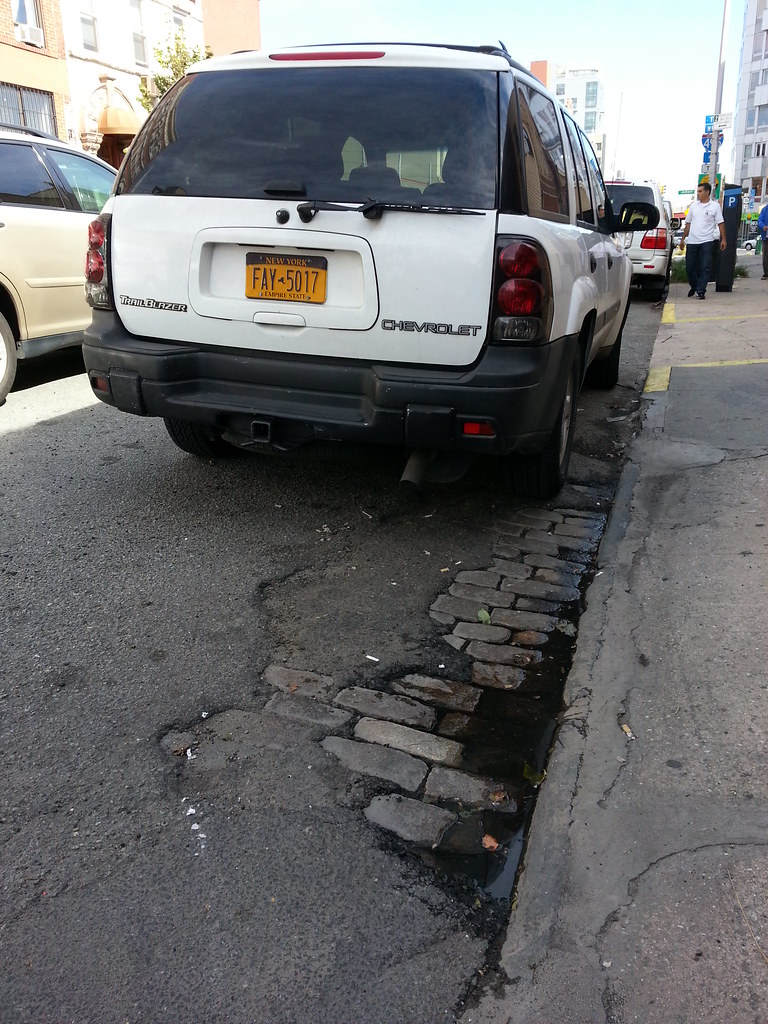
Standing water and the various chemicals contained therein have eaten away the asphalt at the end of this Hunters Point driveway and exposed the old Belgian blocks lying beneath.
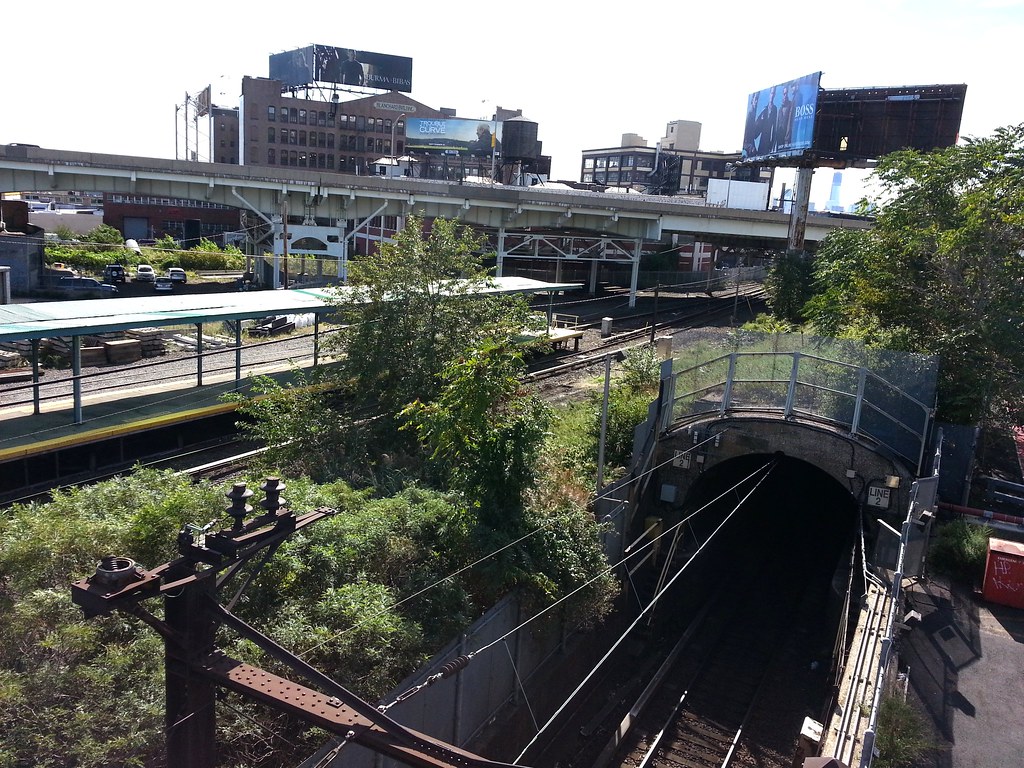
The elevated roadway running across the photo is the Long Island Expressway. The little platform in front of it is the lightly used Hunterspoint Avenue LIRR station. The tunnel in the foreground is one of four that carry LIRR, Amtrak, and NJ Transit trains beneath the East River between Manhattan and the Harold Interlocking (one of the nation's busiest railway junctions) here in Queens. And visible off in the distance, as it often is these days, is One World Trade Center.
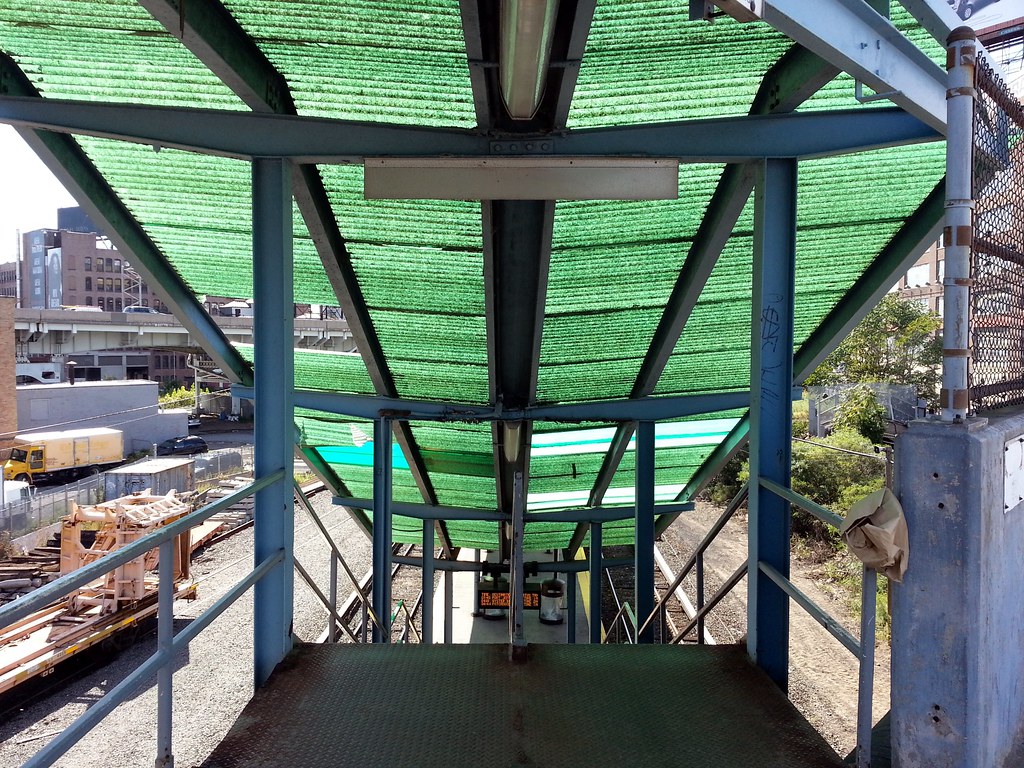
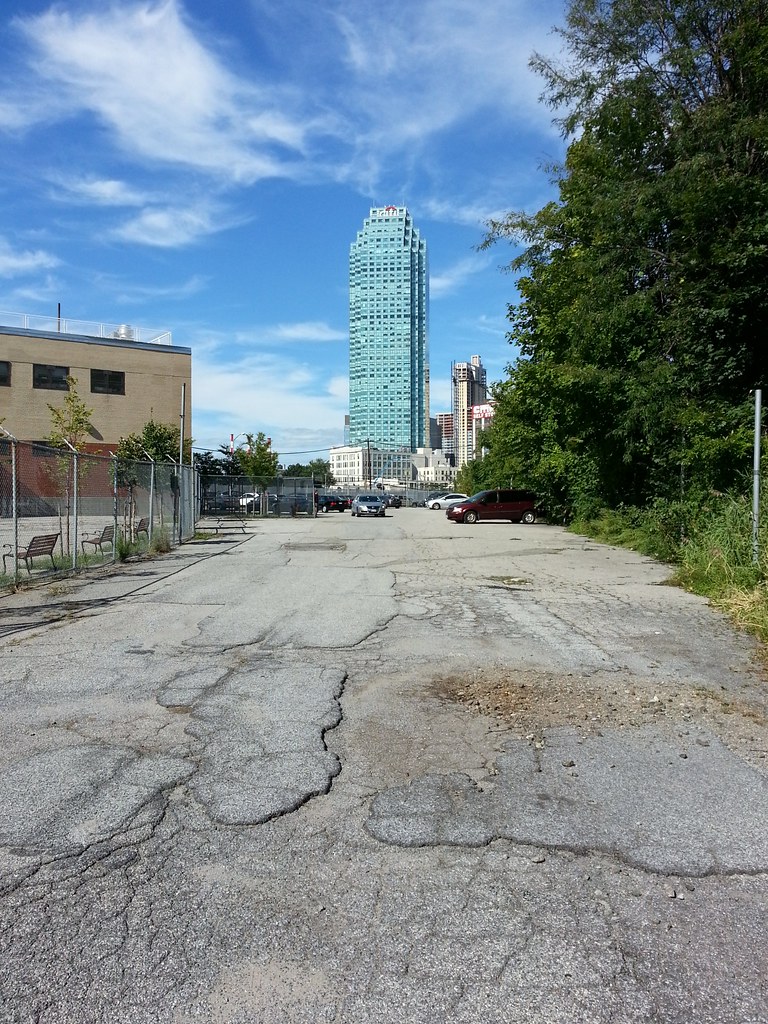
It's been a while since we last crossed paths with the Citicorp Building, New York's tallest building outside of Manhattan.
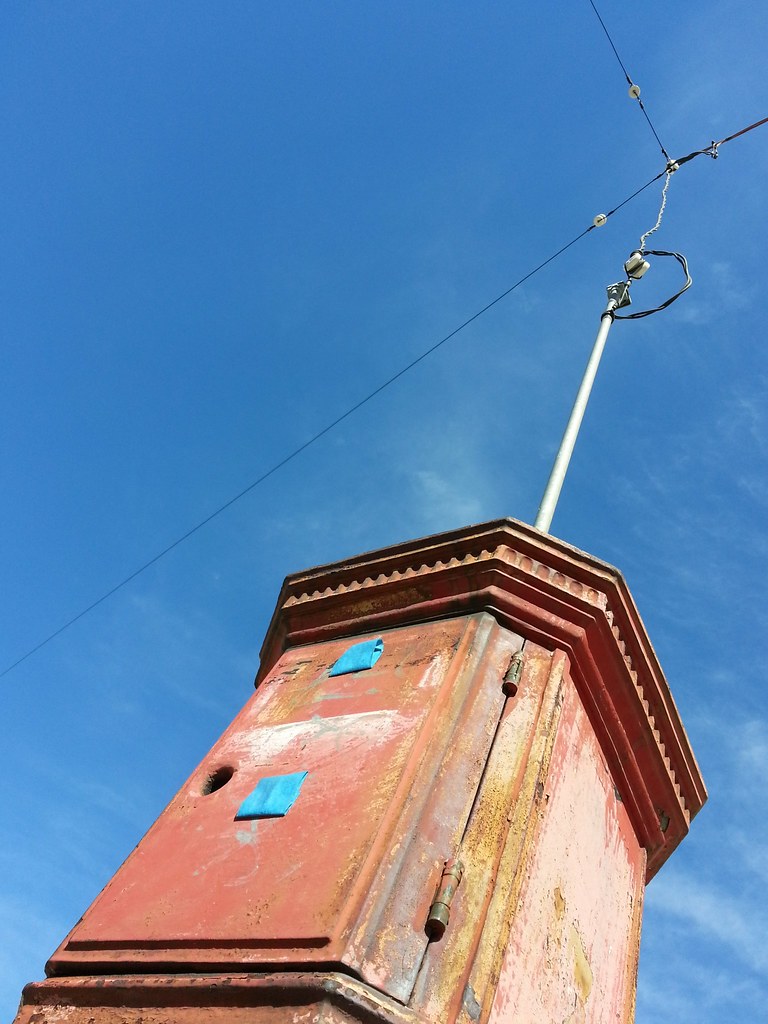
The seemingly tenuous grasp of an old-timey fire alarm call box
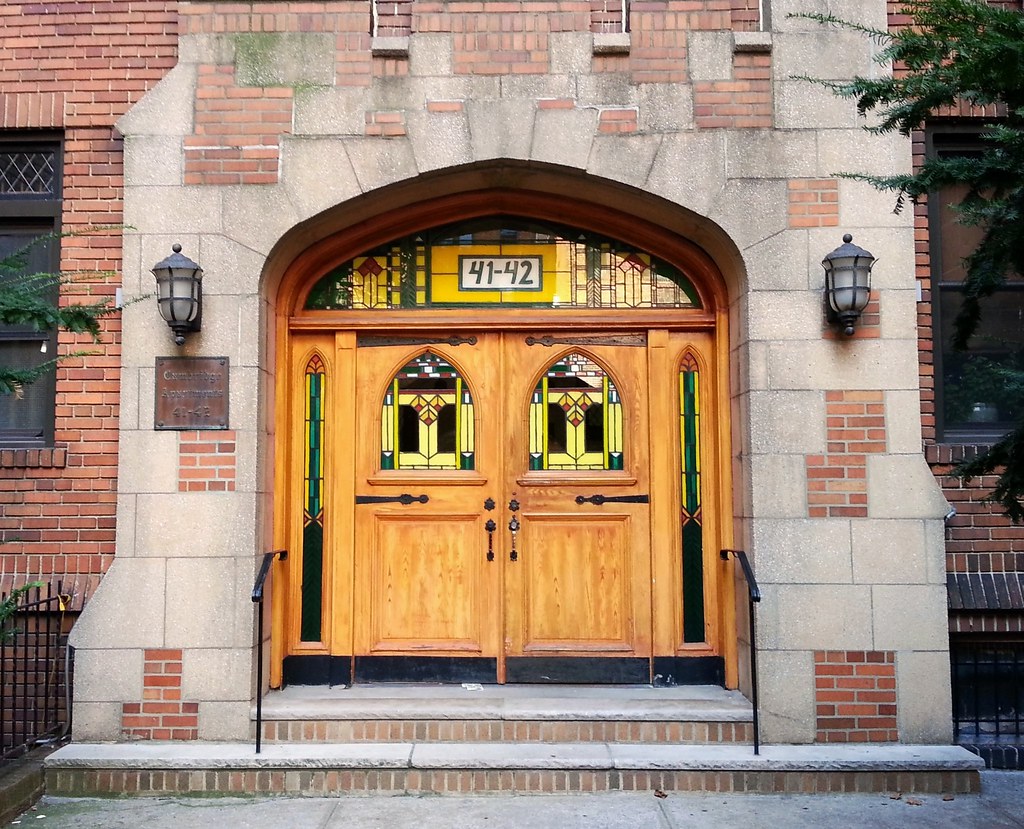

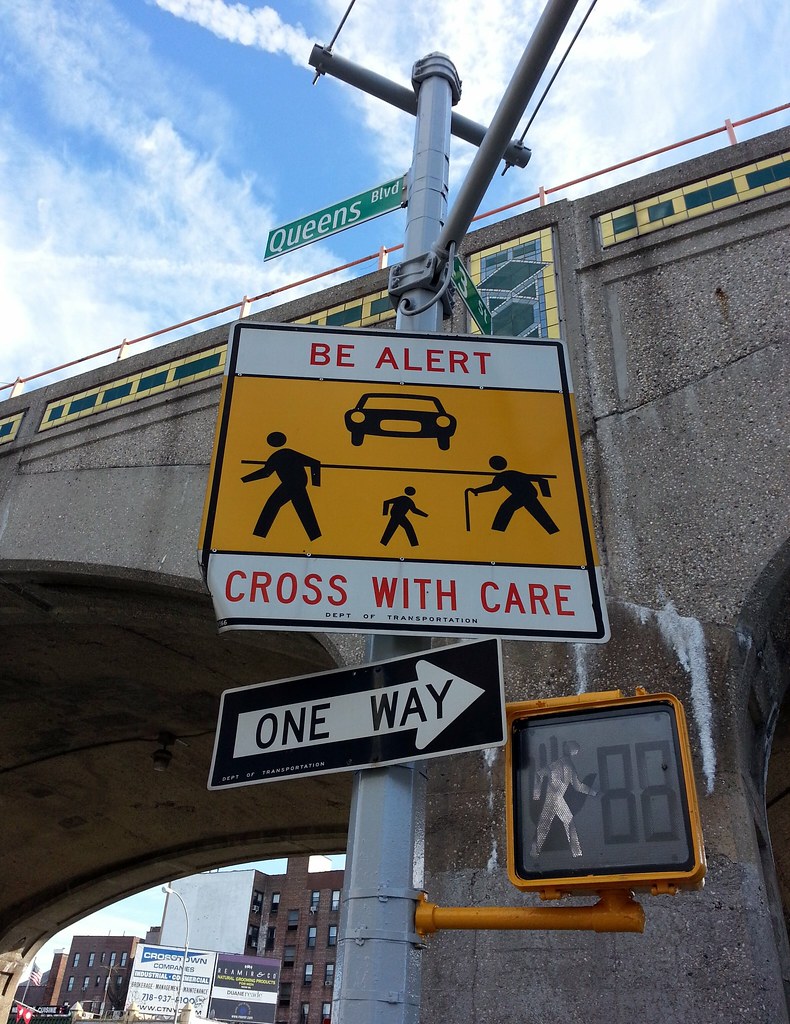
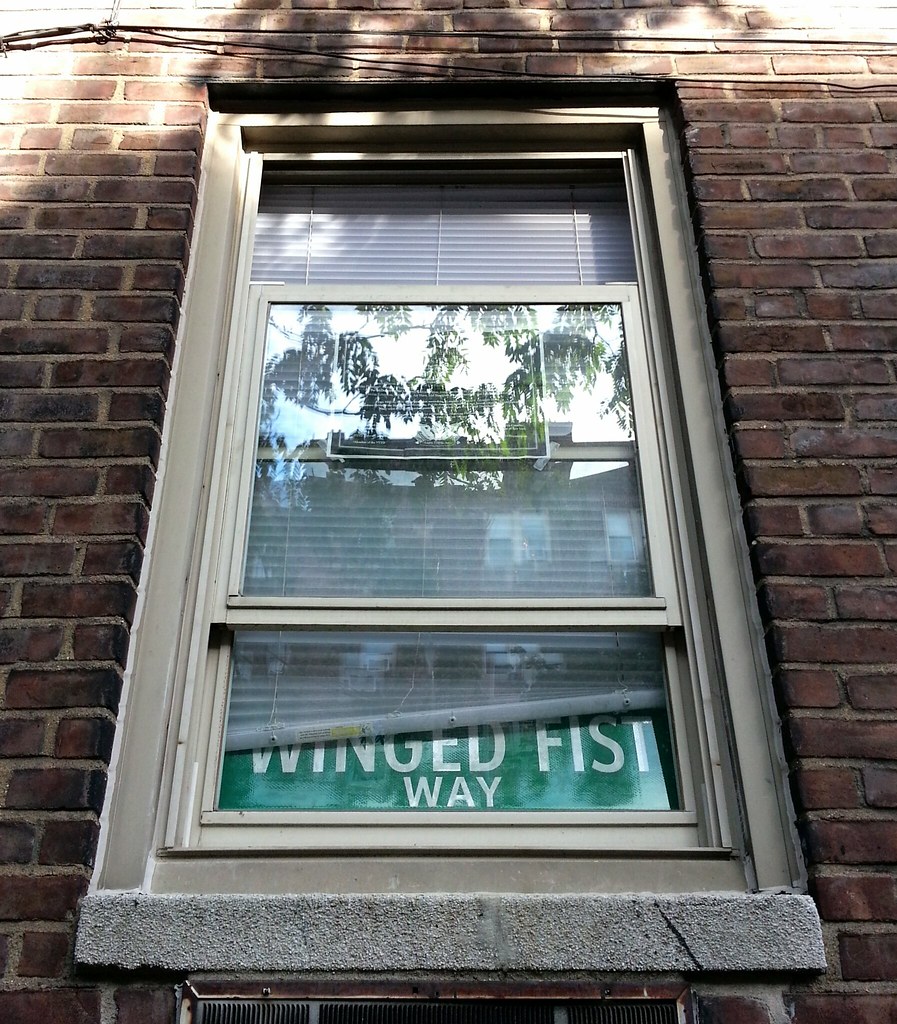
This street renaming honors the Irish American Athletic Club (a.k.a. the Winged Fists), whose members (and former members) brought home more than 50 Olympic medals for the US between 1900 and 1924. The IAAC's ranks, as you might suspect, largely comprised Irish-American athletes (including many of the voracious Irish Whales), but the club was open to men of all ethnicities; John Taylor, the first black Olympic gold medalist, was a member, as were a few Jewish track and field champions.
The IAAC disbanded when the US entered World War I, but their stadium, Celtic Park, stood here in Sunnyside until 1930, when it was demolished to make way for the apartment complex where this sign is now displayed. (This isn't the actual street sign; it's a ceremonial version that was presented to the local historian whose efforts led to the renaming.)

This diagonal block-long street, whose name is a nod to the Irish heritage of many Sunnysiders, is a remnant of a early road that once ran all the way to Bowery Bay.
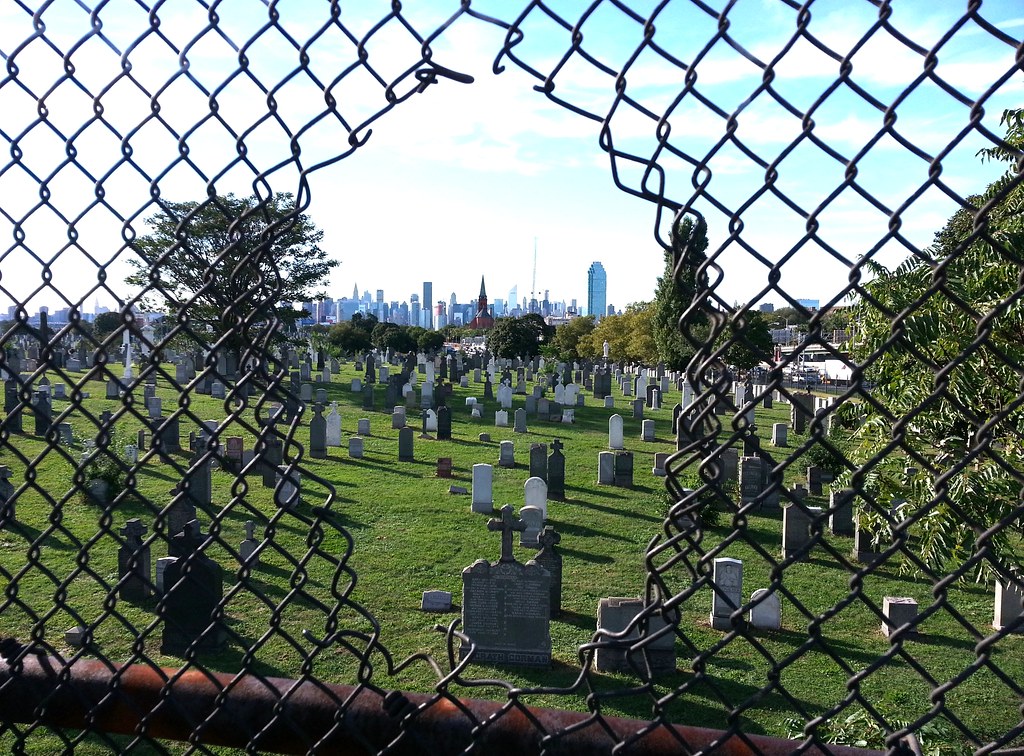
This pedestrian bridge fencing has been modified to provide photographers with an unobstructed view of Old Calvary Cemetery and the Midtown skyline.
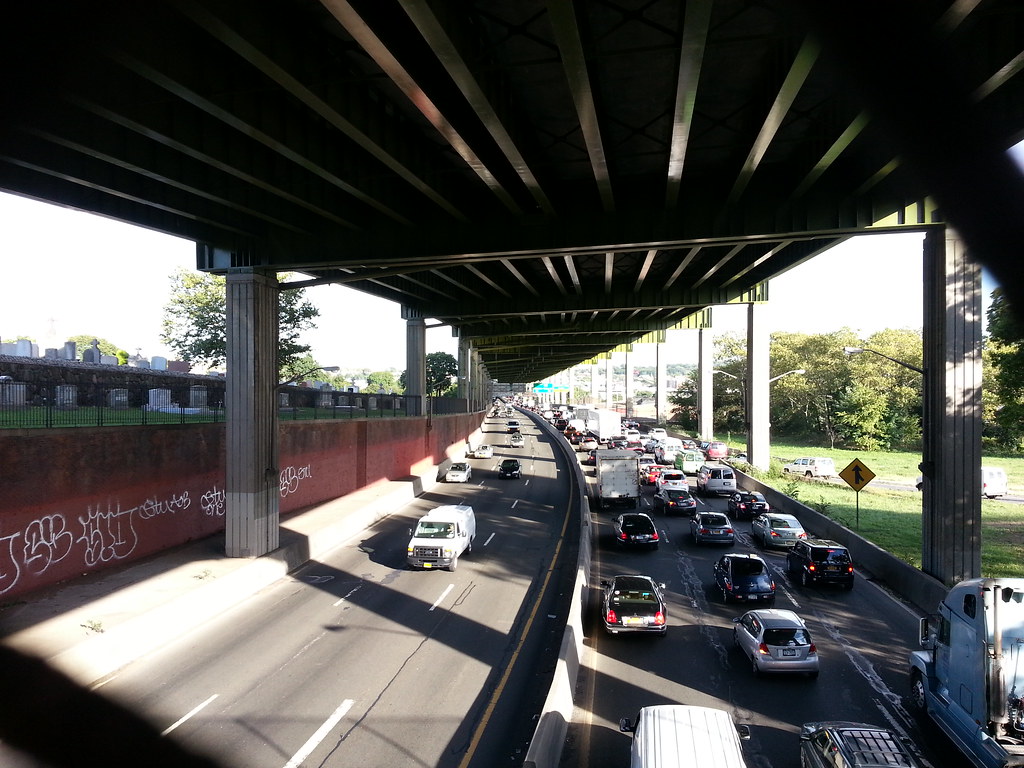
The Long Island Expressway briefly takes on a second tier east of its interchange with the Brooklyn-Queens Expressway. The upper roadway is for through traffic; the lower is for traffic moving between the two expressways. This is what things look like during the PM rush hour.
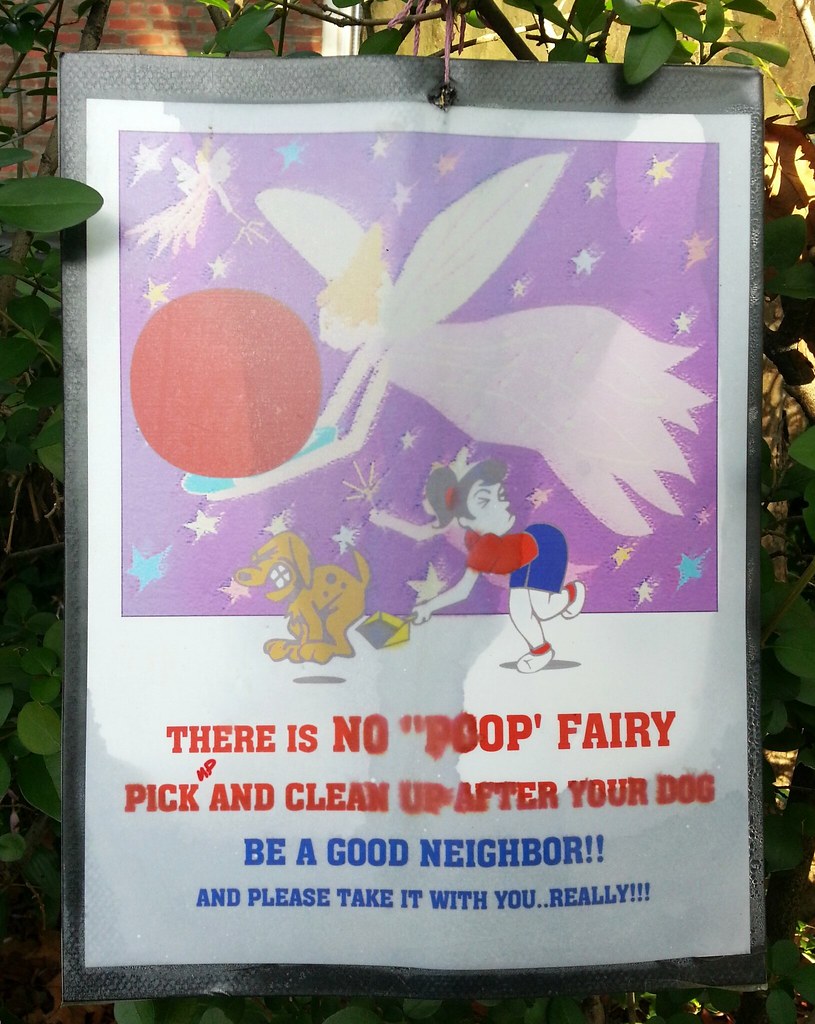
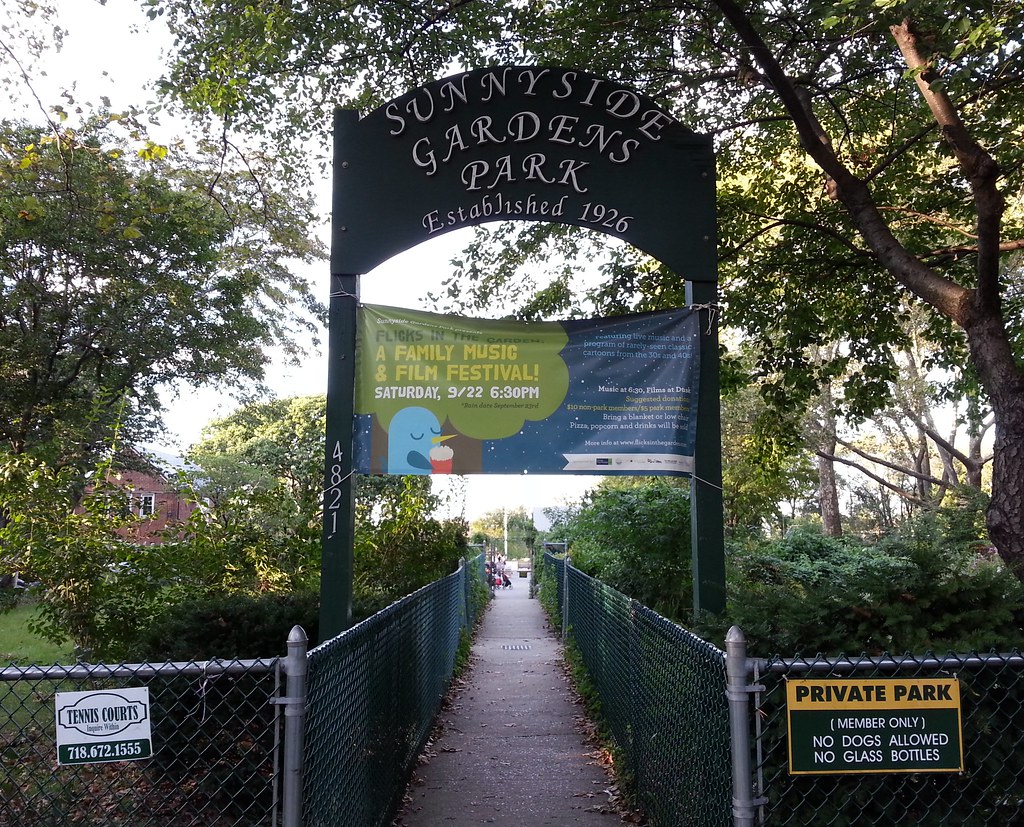
Like Gramercy Park, Sunnyside Gardens Park is privately owned and open only to nearby residents willing to cough up an annual fee. Its membership roll is currently maxed out, with dozens of families biding their time on the waiting list.
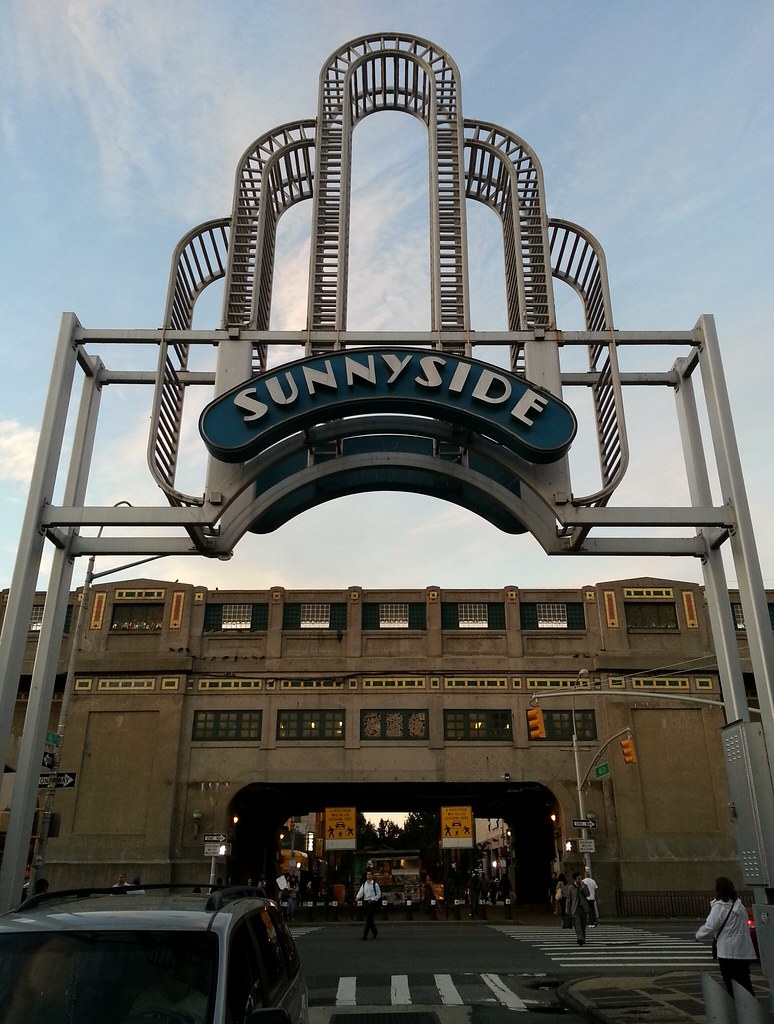
Erected in 1983, it was refurbished a few years ago and given a new lighting scheme; it was partially lit the last time we passed by.
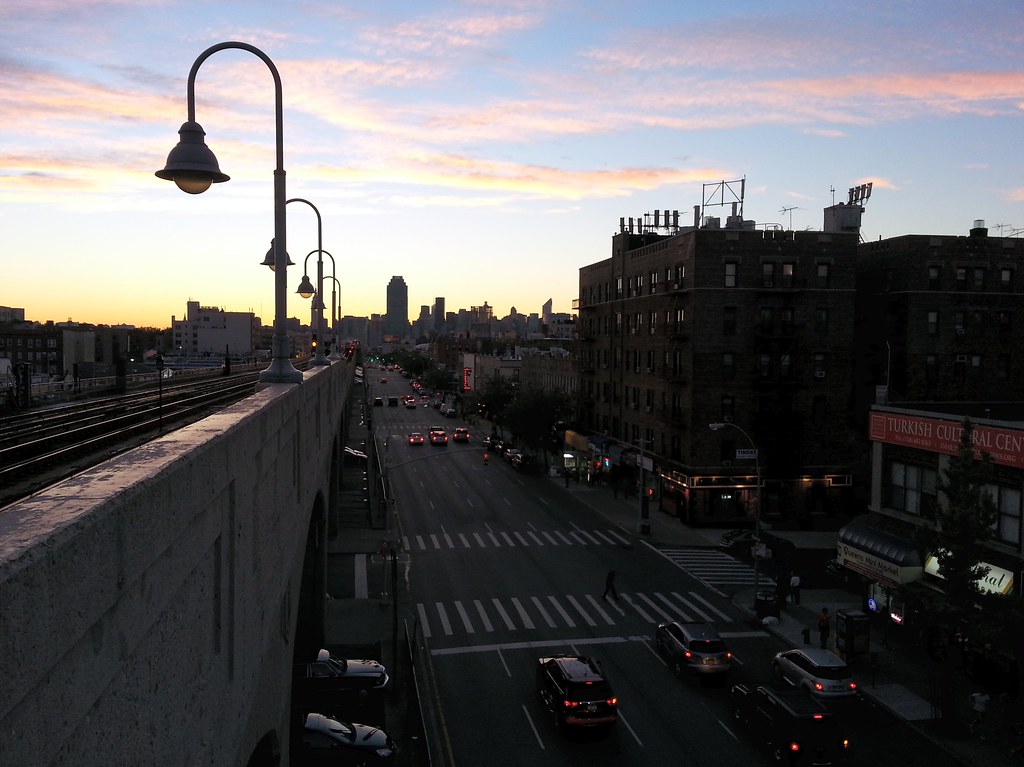
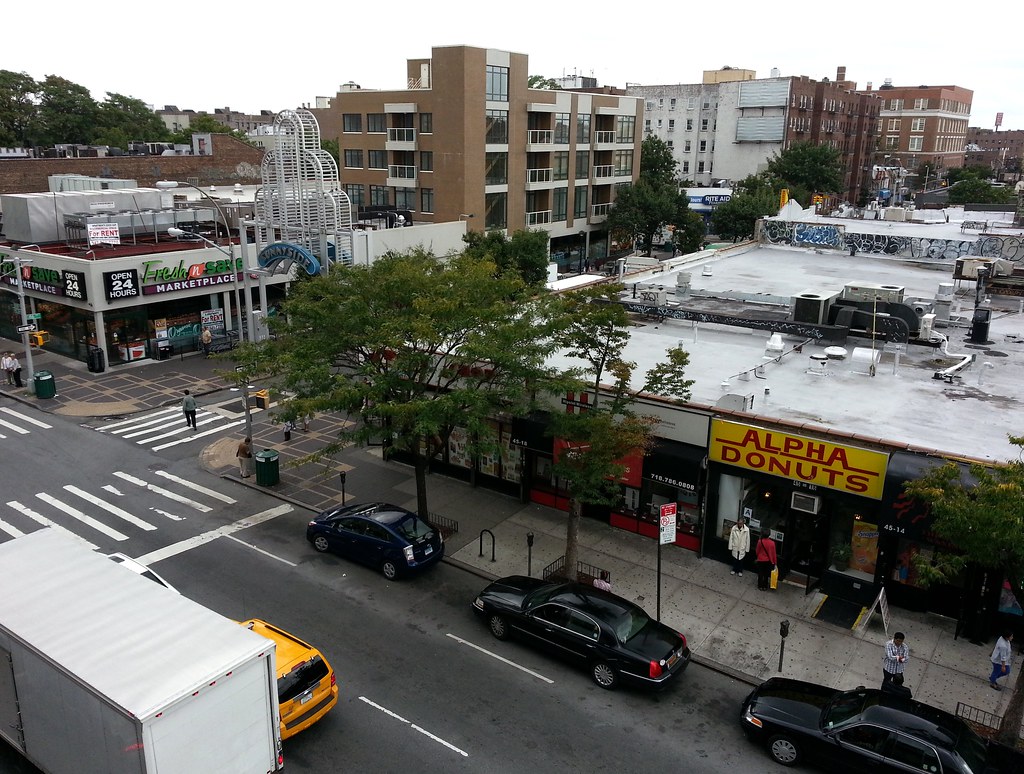
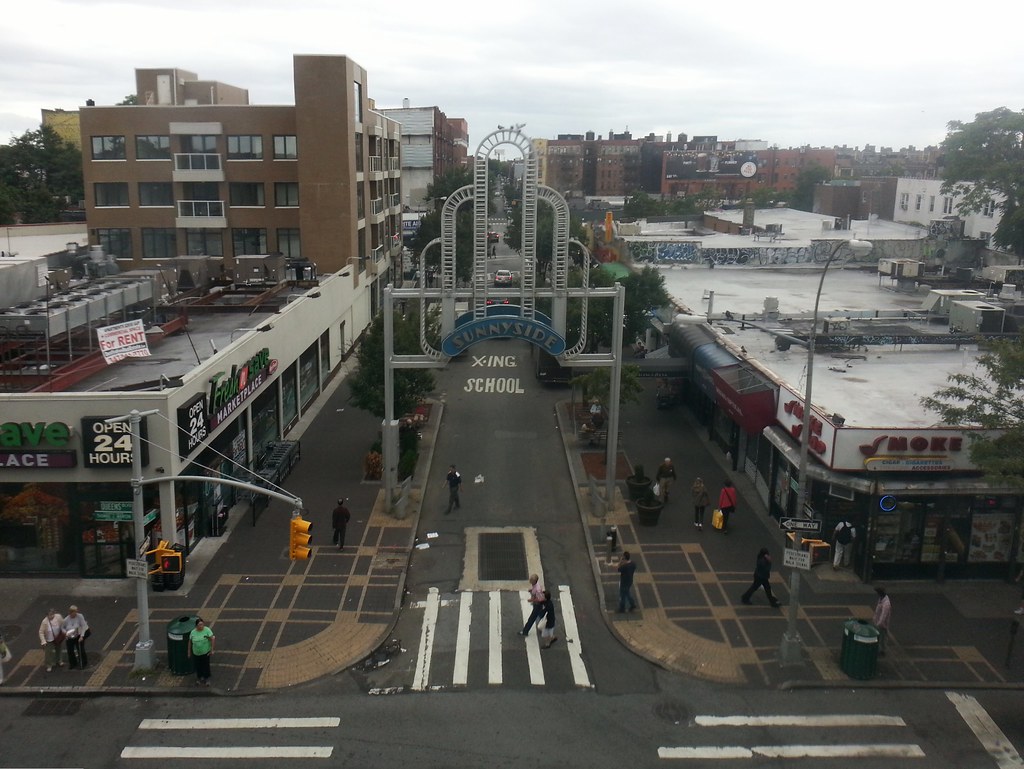
This shot is a little hazy because it was taken through the smudged and scratched glass block wall of the 46th Street 7 train station.
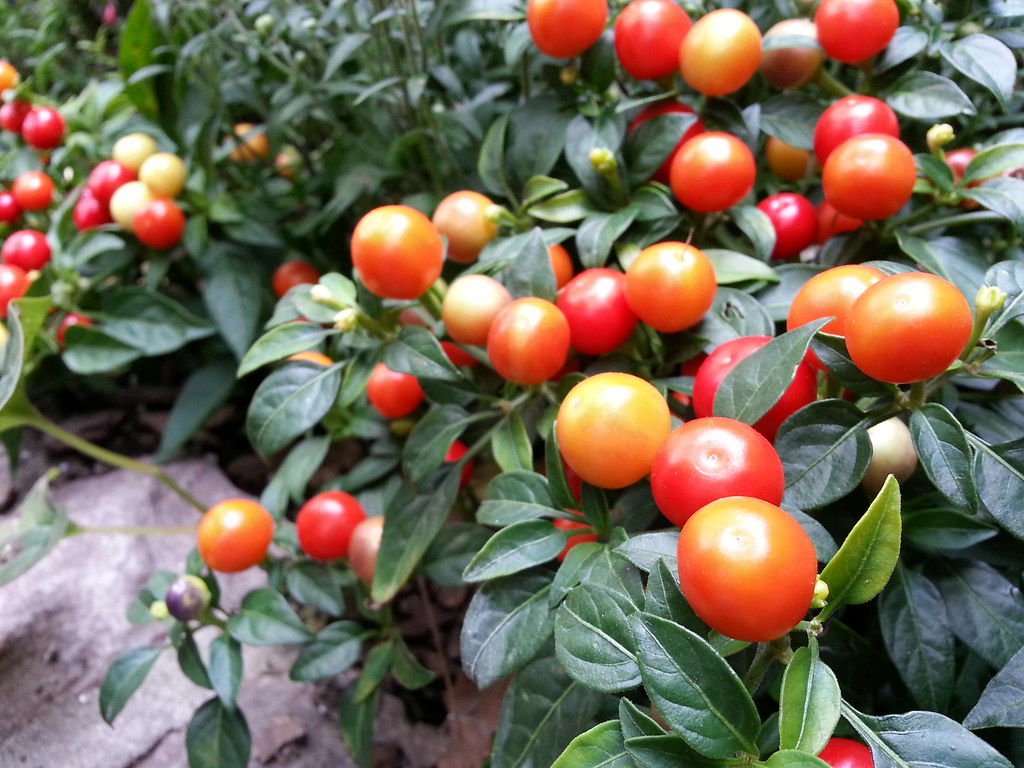
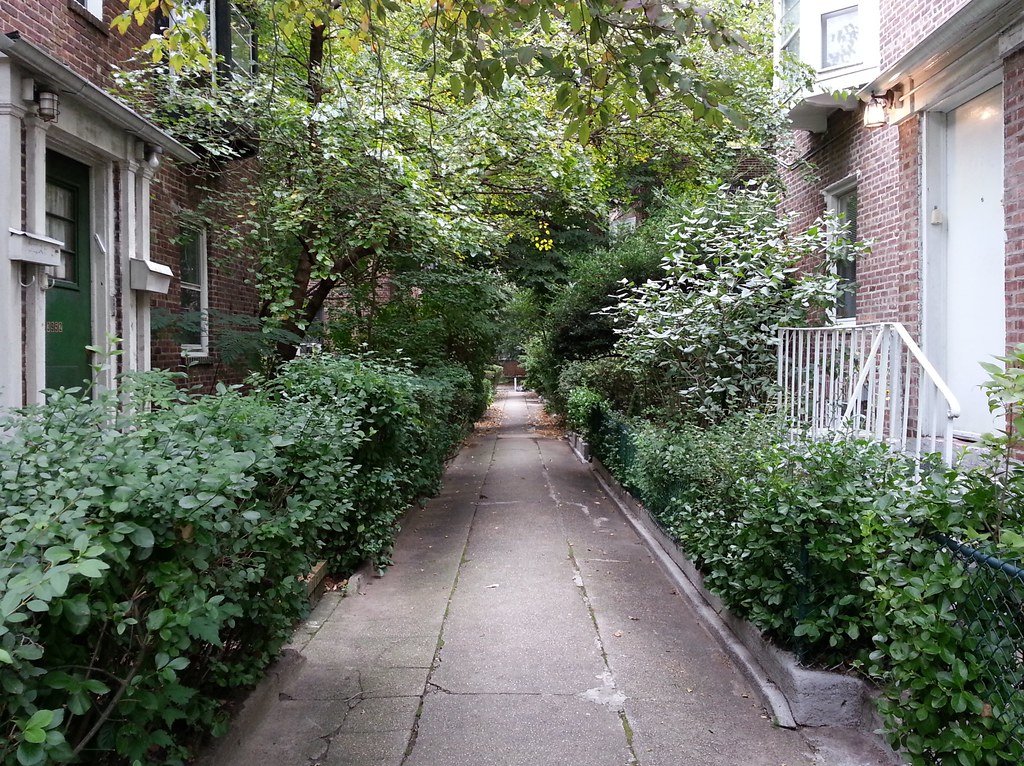
This and other mid-block alleyways lead to the lush communal courtyards tucked away inside the blocks of row houses here in Sunnyside Gardens. You can probably get a better sense of things from an aerial view of the neighborhood.
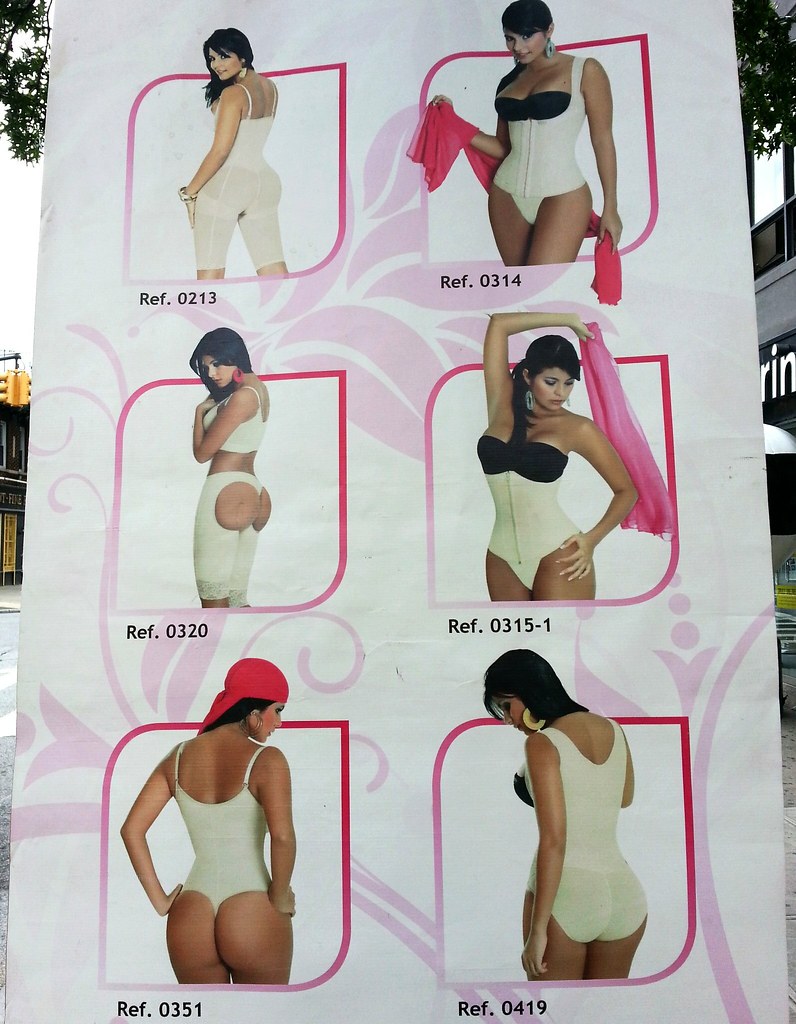


According to a fellow pedestrian, this bizarre-looking sidewalk column is one of two kiosks built by some community group here in Sunnyside a while back to provide people with a place to legally post announcements, ads, and the like. The group has since dissolved, and now there's no one responsible for maintaining these monstrosities. The adjacent Italian restaurant has stepped in and adopted this one — hence the color scheme.
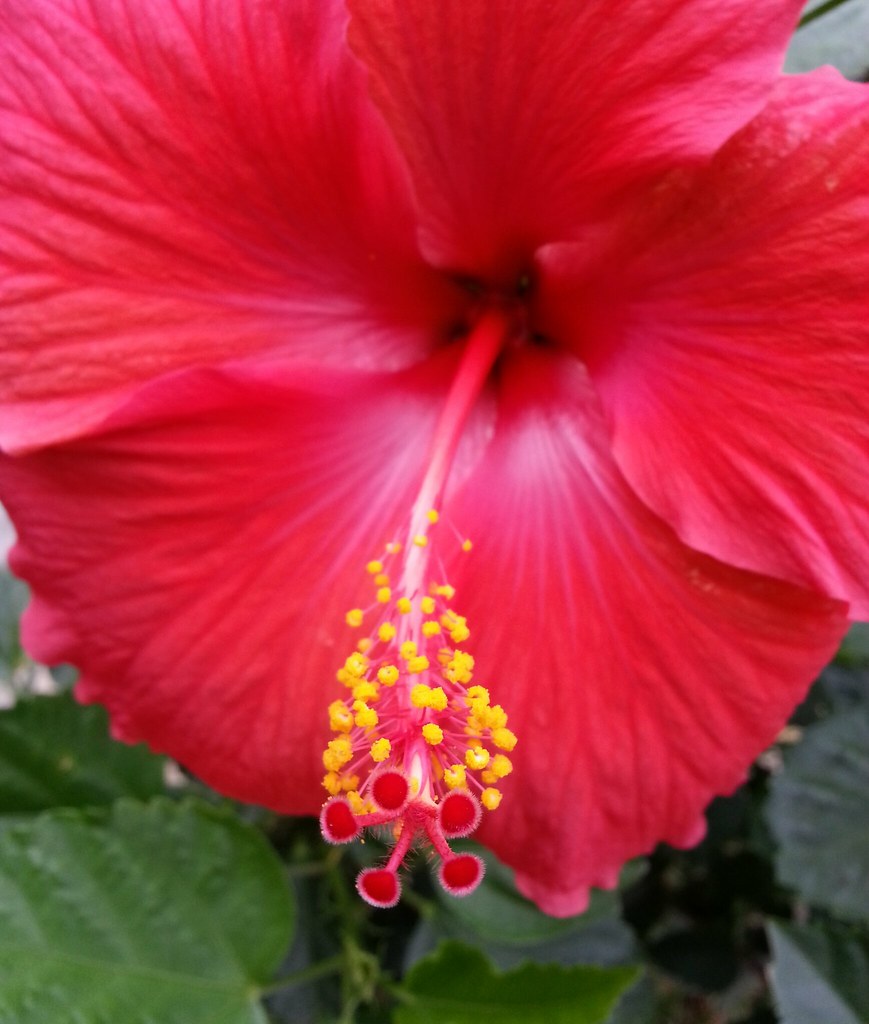
The yellow, pollen-producing stamina and the red, five-headed, pollen-receiving stigma both emerge from the stalk-like style. A pollen grain that lands on the stigma and germinates will grow a long pollen tube that reaches down through the style to an ovule in the flower's ovary, located at the base of the style, where fertilization occurs.
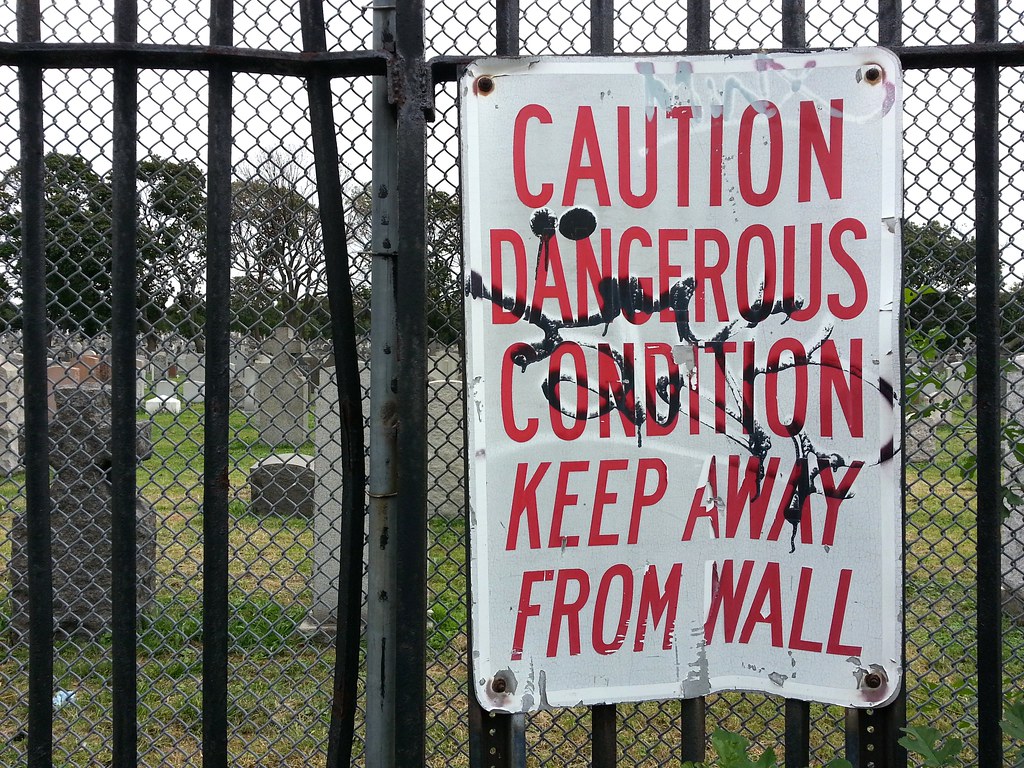
See all those people in the background? That's what happens when you get too close to the wall.
(If you're curious, you can take a look at the "dangerous condition" for yourself.)