
Looking for something to haunt the nightmares of your children for eternity? Then look no further! Just bring your little tots on down to Leif Ericson Park, where our hideous, demon-eyed troll will ensure they never sleep through the night again.
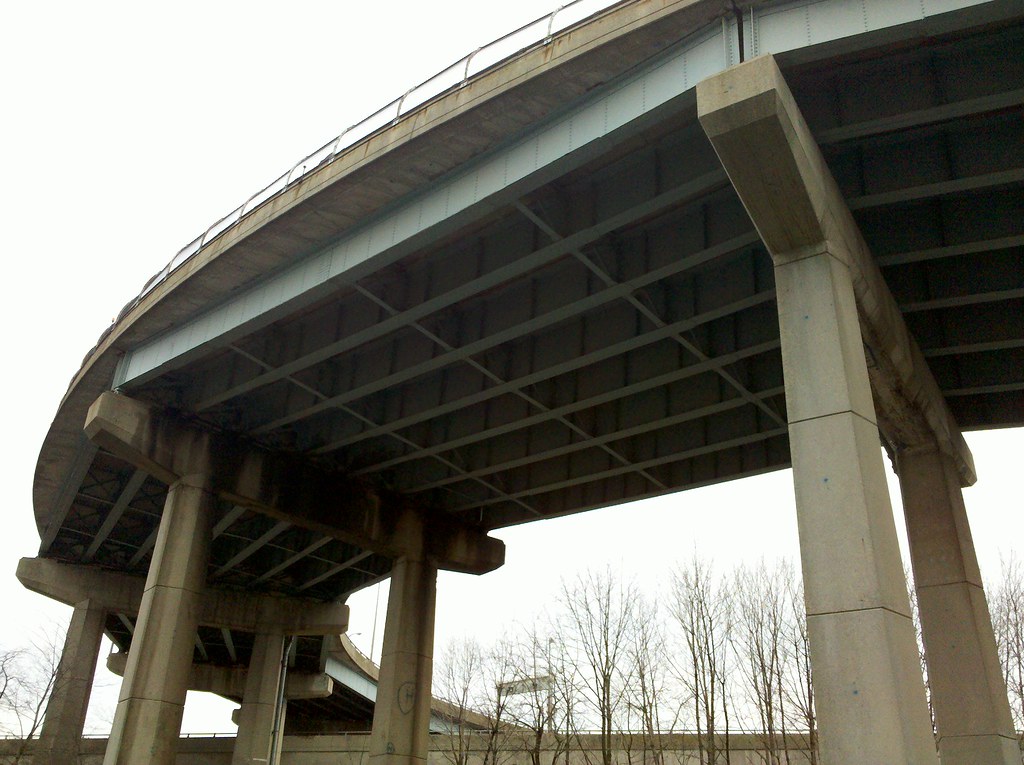
This structure carries traffic to and from the Verrazano-Narrows Bridge. The Verrazano was at one time the longest suspension bridge in the world, and it's still the longest in the Americas (beating out the Golden Gate by about 60 feet).

Located two blocks from Fort Hamilton, St. John's has seen quite a few Army officers pass through its doors over the years, although the two most well-known of the lot, Generals Robert E. Lee (who served as a vestryman) and Stonewall Jackson (who was baptized here), ended up fighting for the other side during the Civil War. The tree in the background, by the way, was kinda-sorta-not-at-all planted by Lee during his time here.


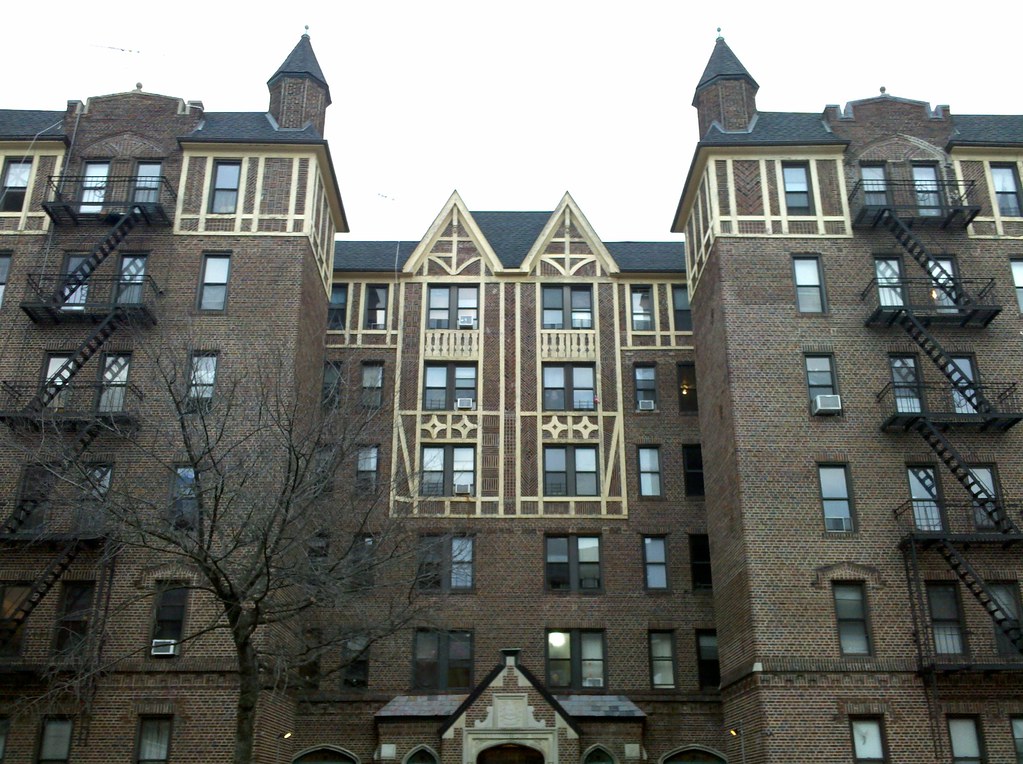
Built in the 1920s, this faux-Tudor-ish demi-castle was one of many apartment buildings in Bay Ridge (known as Yellow Hook until an outbreak of yellow fever prompted a name change in the 1850s) constructed to house the influx of hoi polloi that came with the opening of the 4th Avenue subway in 1915 (prior to that, Bay Ridge was known mainly as a scenic spot for the wealthy to build opulent summer homes along the bay).
Also, as it happens, I used to live in this building. One time I had to pay a visit to the landlord, Kinsor Management. The boss wasn't in that day, so I sat in his office briefly to fill out some paperwork. Nearby was a poster that featured a landlord-looking guy on the phone, talking to a tenant. The tenant was apparently complaining about the temperature in his apartment, because the landlord's response, printed in a text bubble on the photo, was something along the lines of: "You want me to turn up the heat? FUCK YOU!"
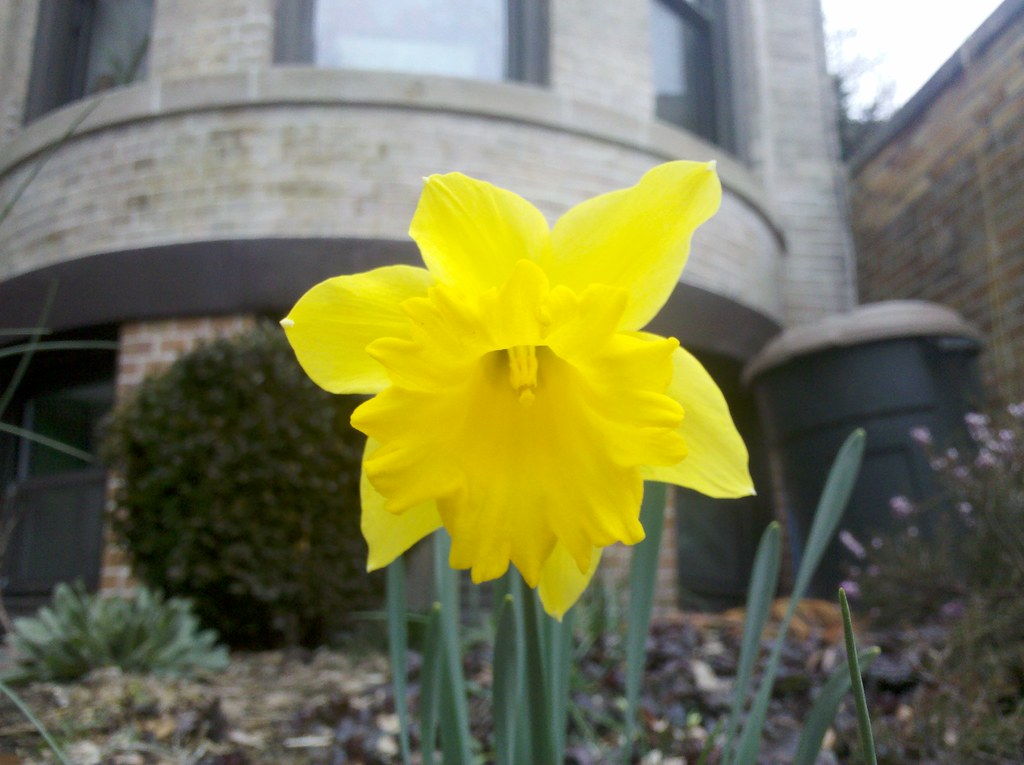
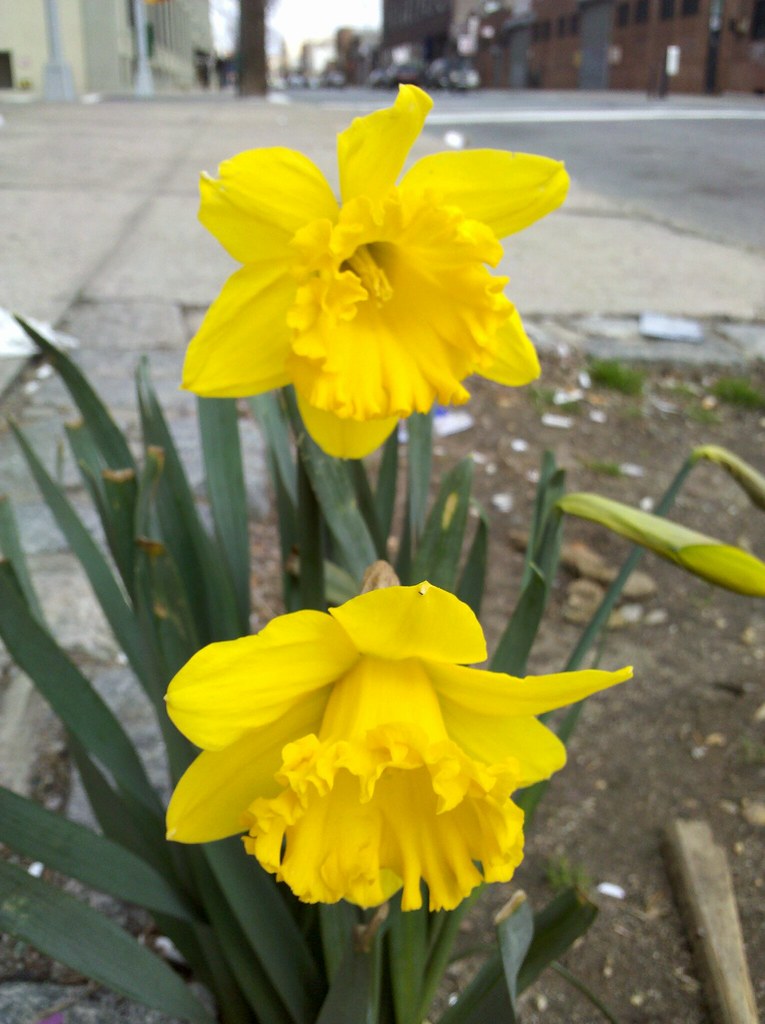
I saw my first of the year yesterday, but this guy is much more photogenic.

Yes, there are wild parrots in Brooklyn! They're monk parakeets, a.k.a. Quaker parrots, and they've established several strongholds throughout the region, one of which is here at the park known, for reasons of political expediency, as Quaker Parrot Park at the Dust Bowl, which sounds an awful lot like Los Angeles Angels of Anaheim.




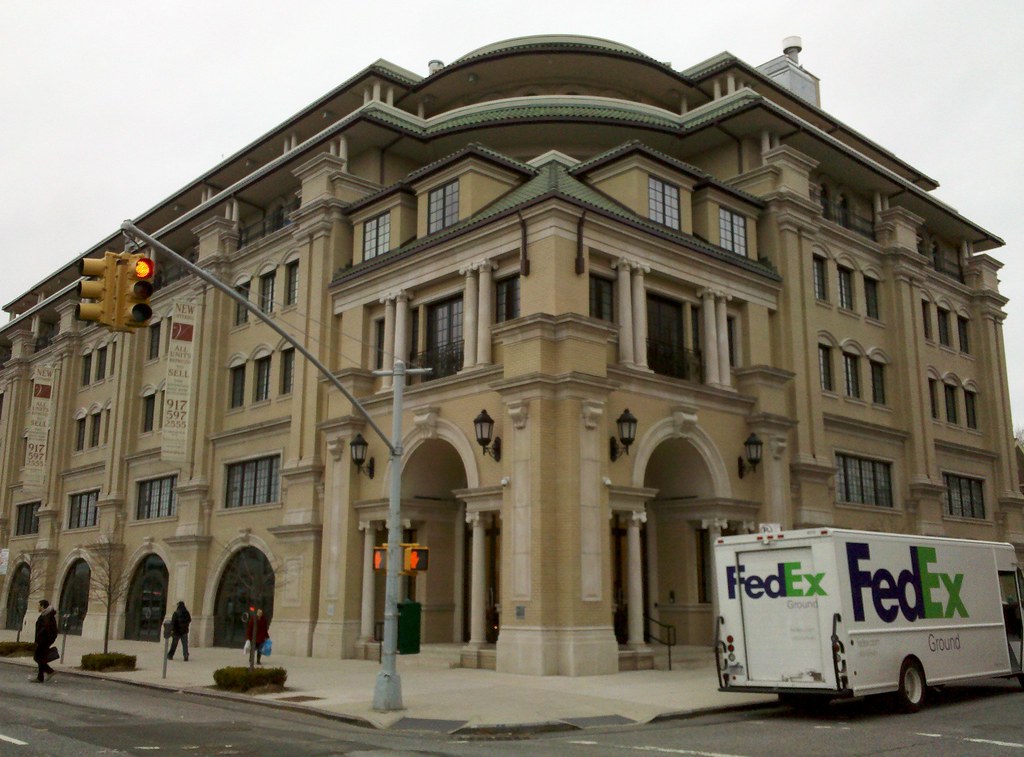
It's The Venetian, a.k.a. The Monster on Avenue P, and it's quite out of touch with its surroundings.



This former Army facility, since redeveloped for commercial and light industrial use, was supposedly the nation's largest military supply base during World War II. It was the point of embarkation for more than three million troops during the war, as well as for a certain young soldier deployed to Germany in 1958 (photos).


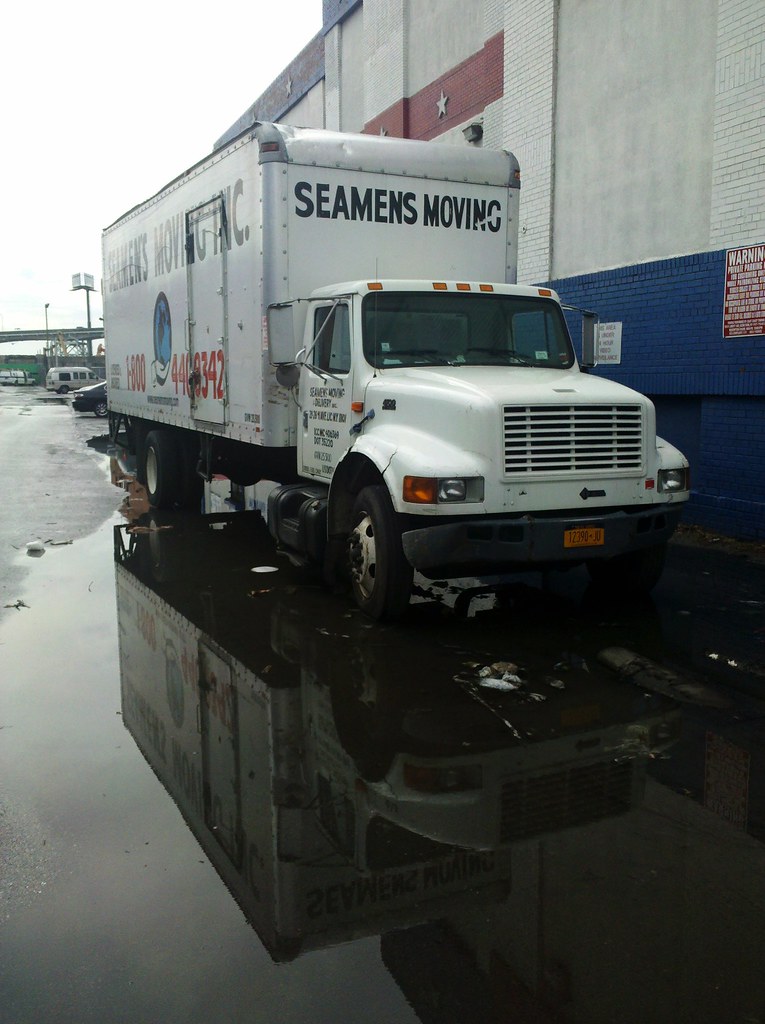

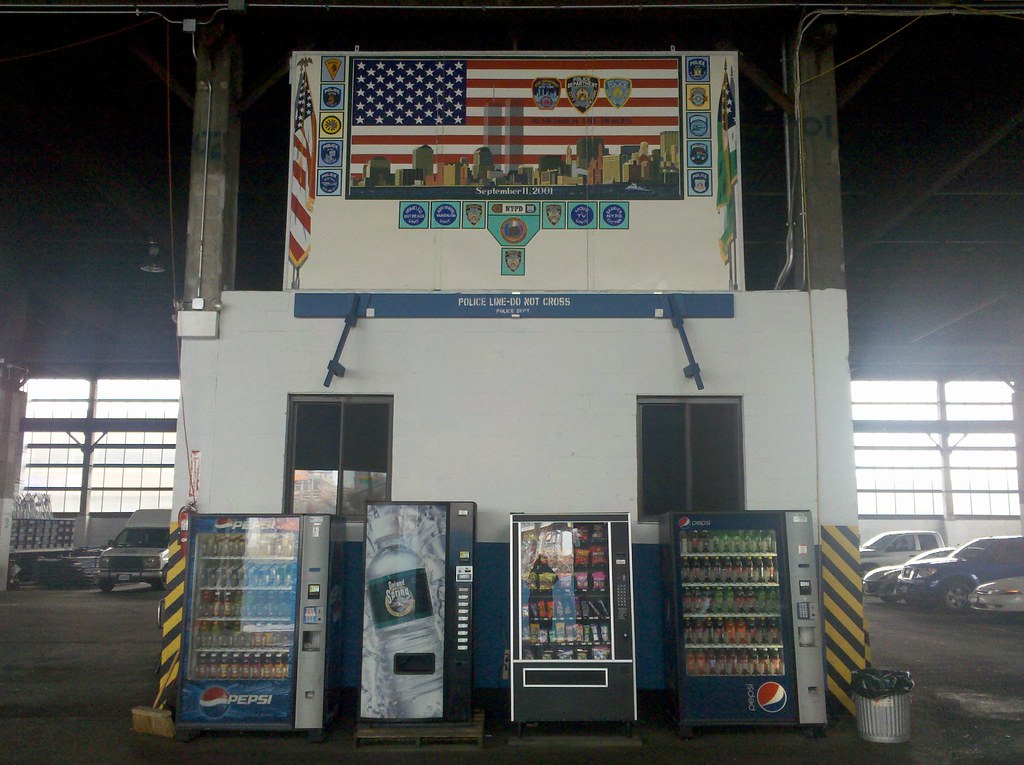
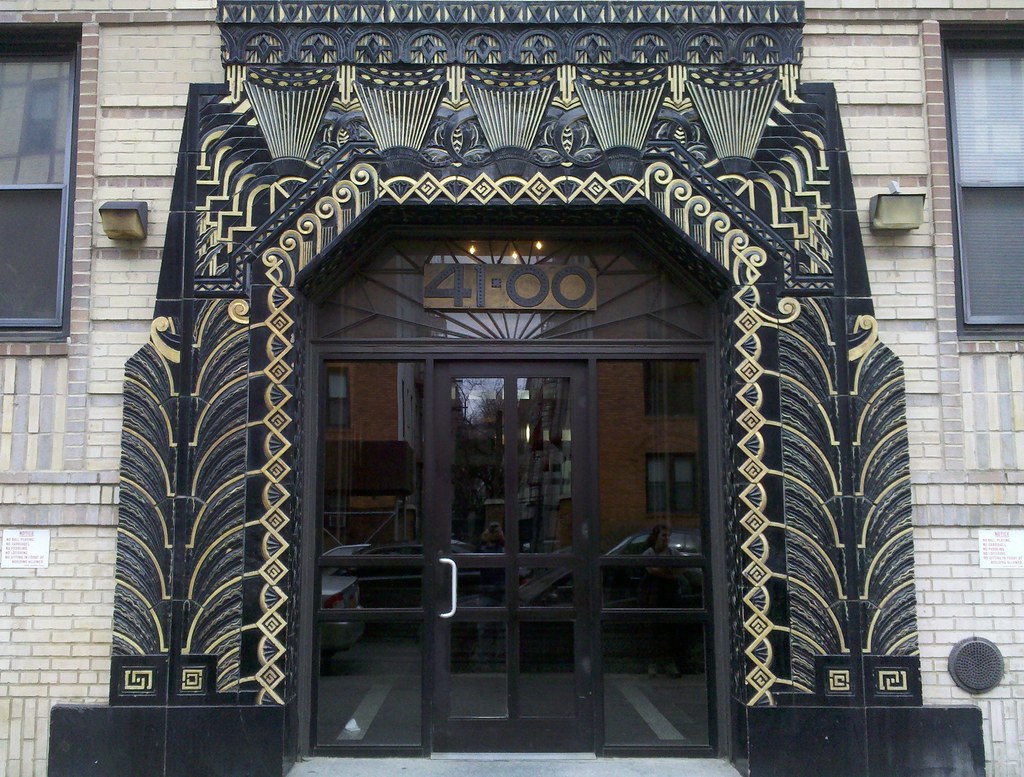
The rest of the building doesn't quite match its extravagance.
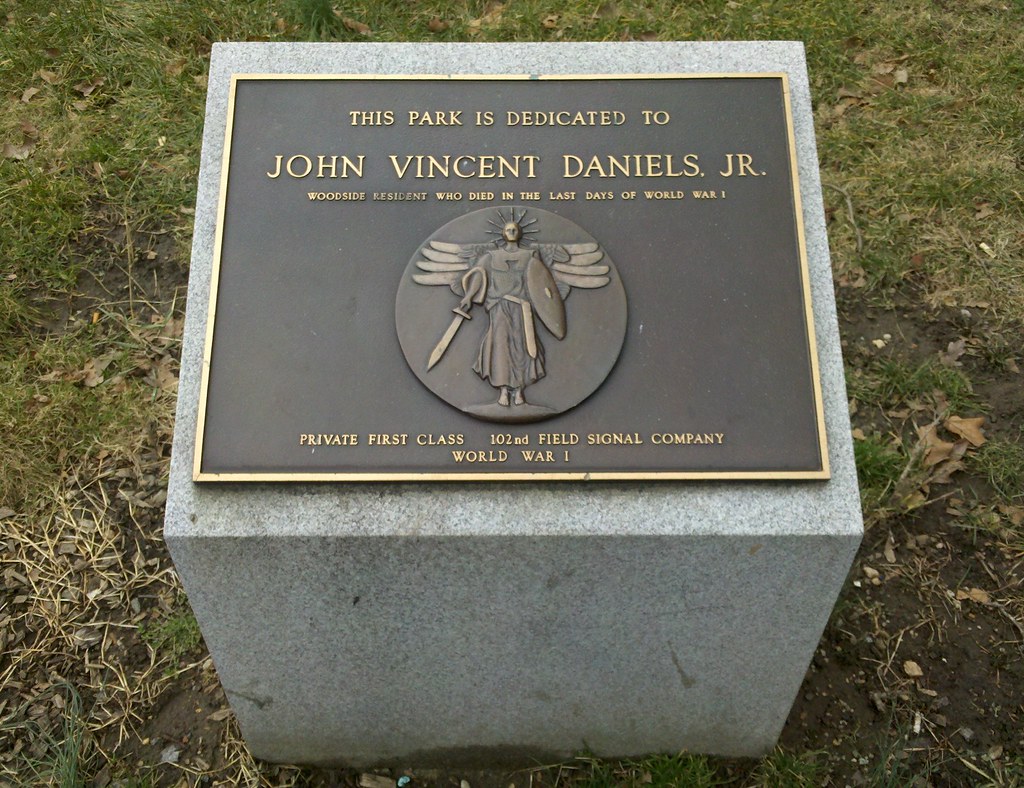
According to the Parks Department page about this square, Woodside was known for its "snake-infested swamps and wolf-ridden woodlands" during the colonial period. Which reminds me: I need to start using the term "wolf-ridden" much more often.
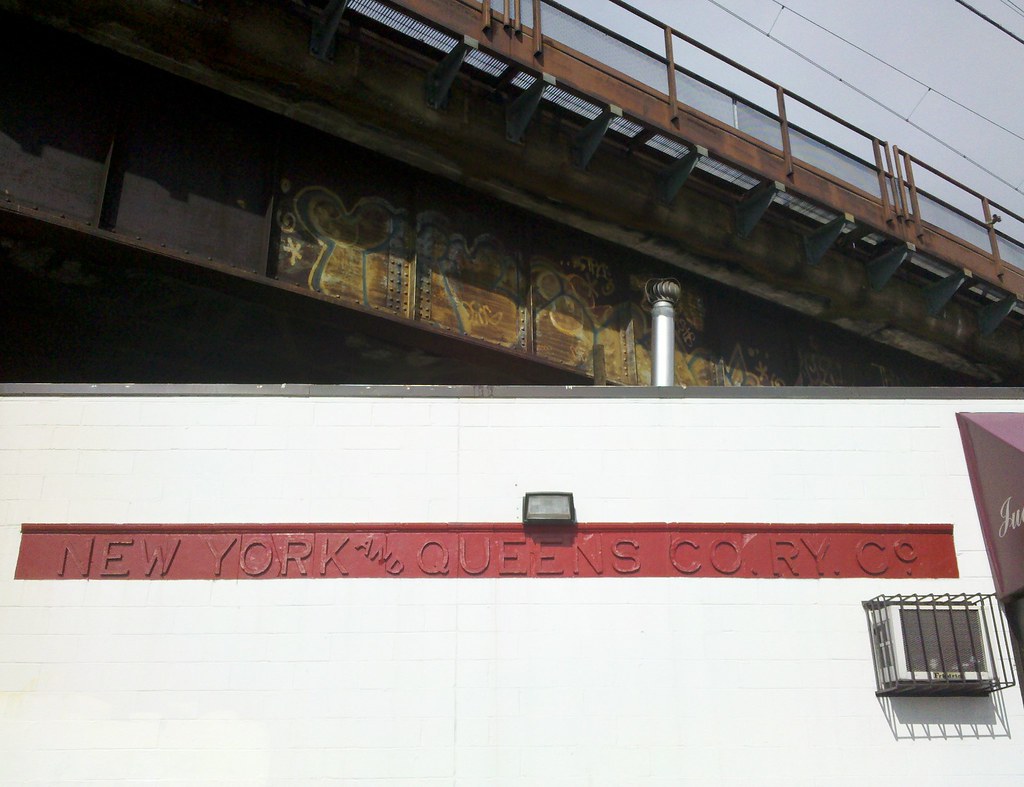
This building was once part of a hub for that now-defunct trolley company.


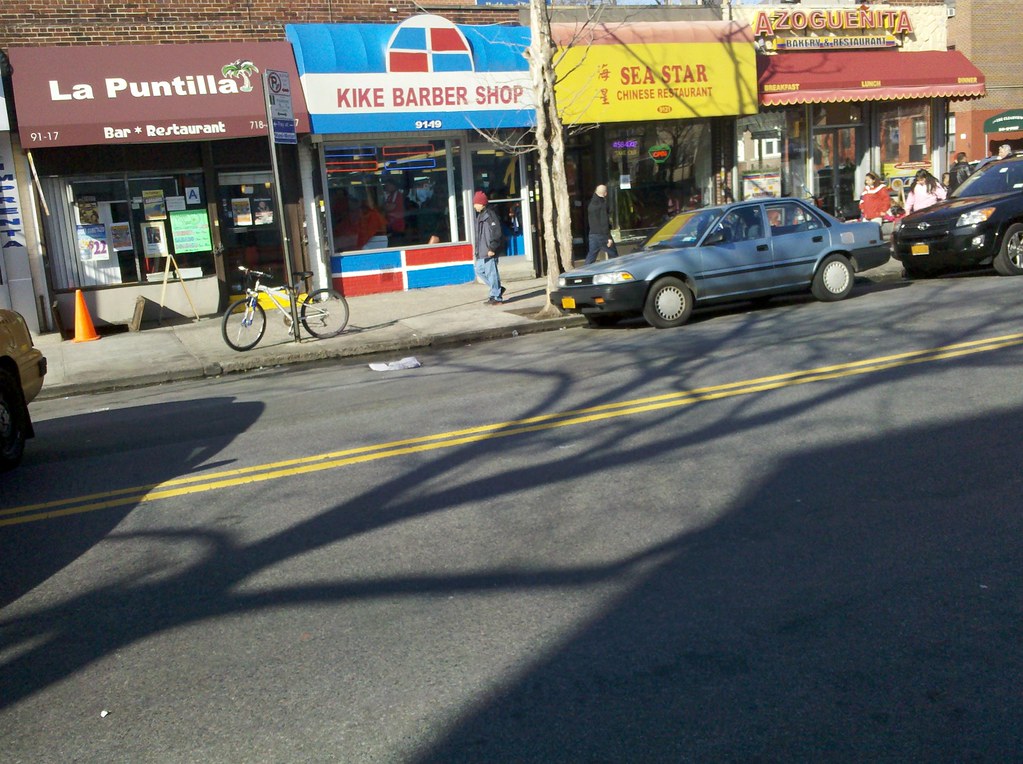
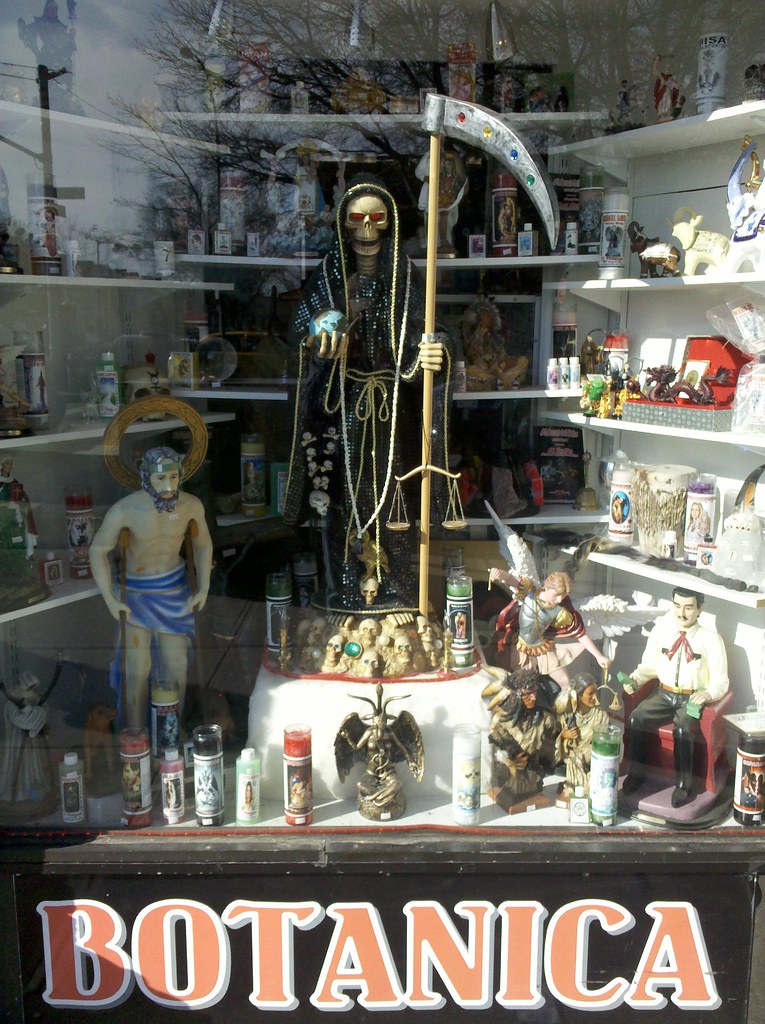
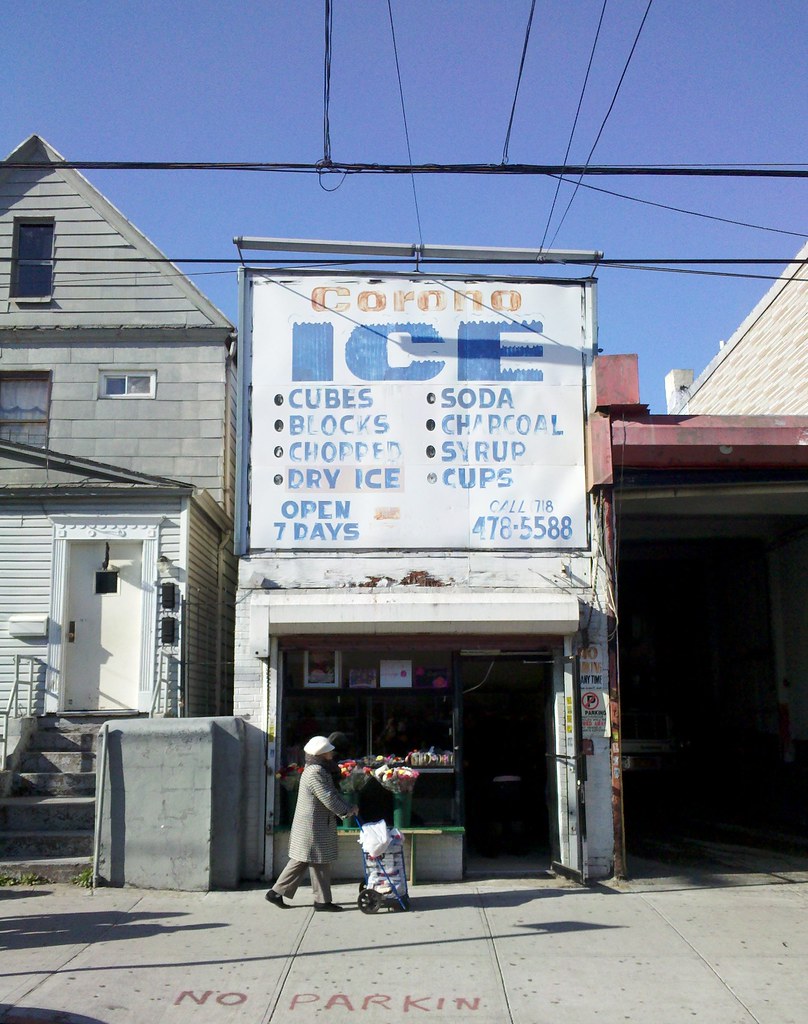
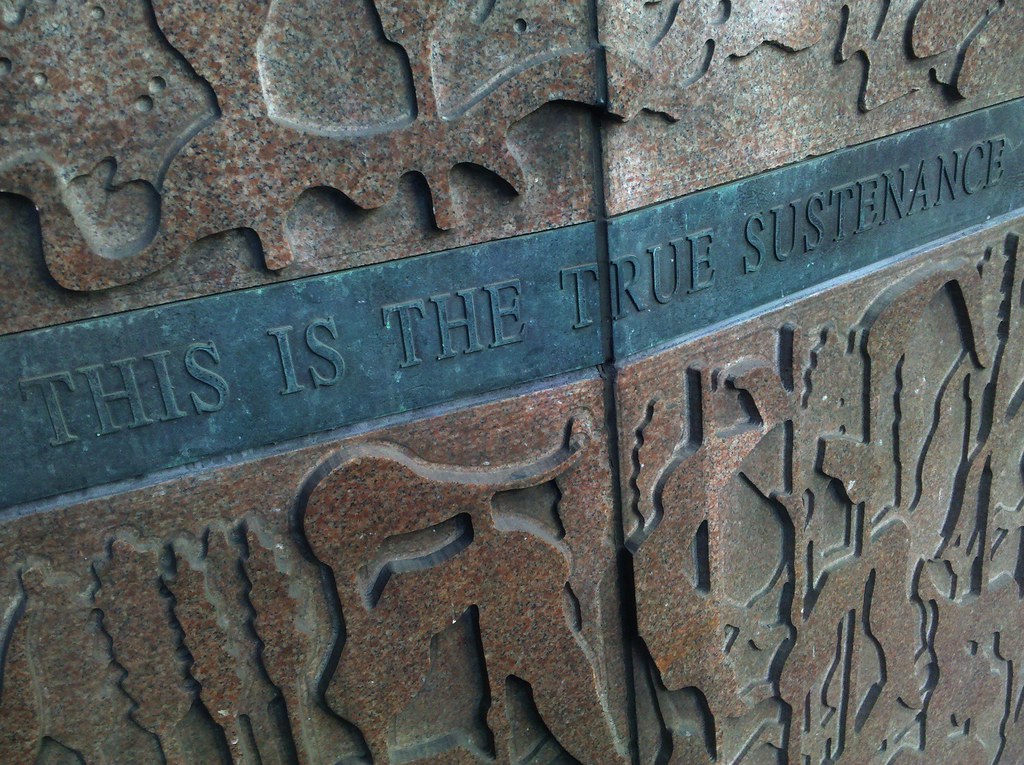
Along Northern Boulevard, beneath the BQE overpass, are two abutment walls celebrating all that grass has meant to humans over the years. One wall lists various types of grass used by different societies throughout history, while the other (pictured) contains excerpts from Walt Whitman's Leaves of Grass, specifically from the poem Song of Myself, which can be read in its entirety here.
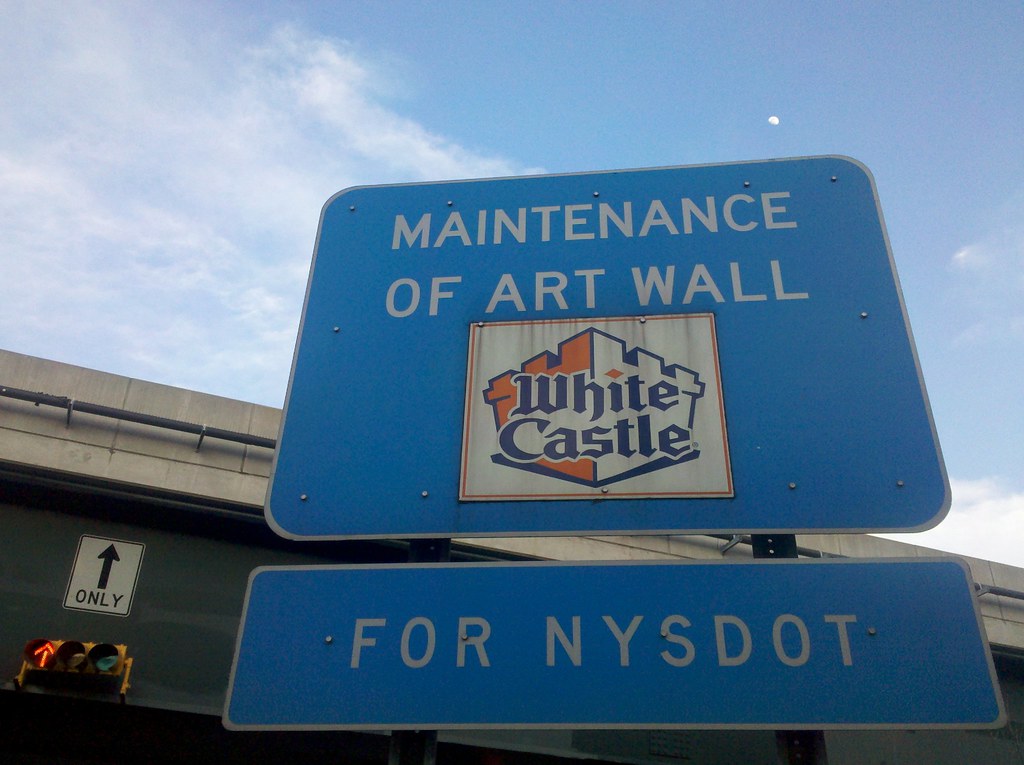
The double-walled paean to grass is maintained by White Castle!

This guy, and his decapitated twin across the street, are subway vents. In fact, it turns out that a couple of the mystery towers I've been photographing (specifically, this one and this one) are also subway vents, rather than natural gas line vents (as I originally thought). The same type of vent can be used in different situations, so it's hard to determine just what is being vented unless you happen to know what is underground at a particular location. For more information, and some hilarious misinformation, let's turn things over to the esteemed Kevin Walsh of Forgotten New York.