


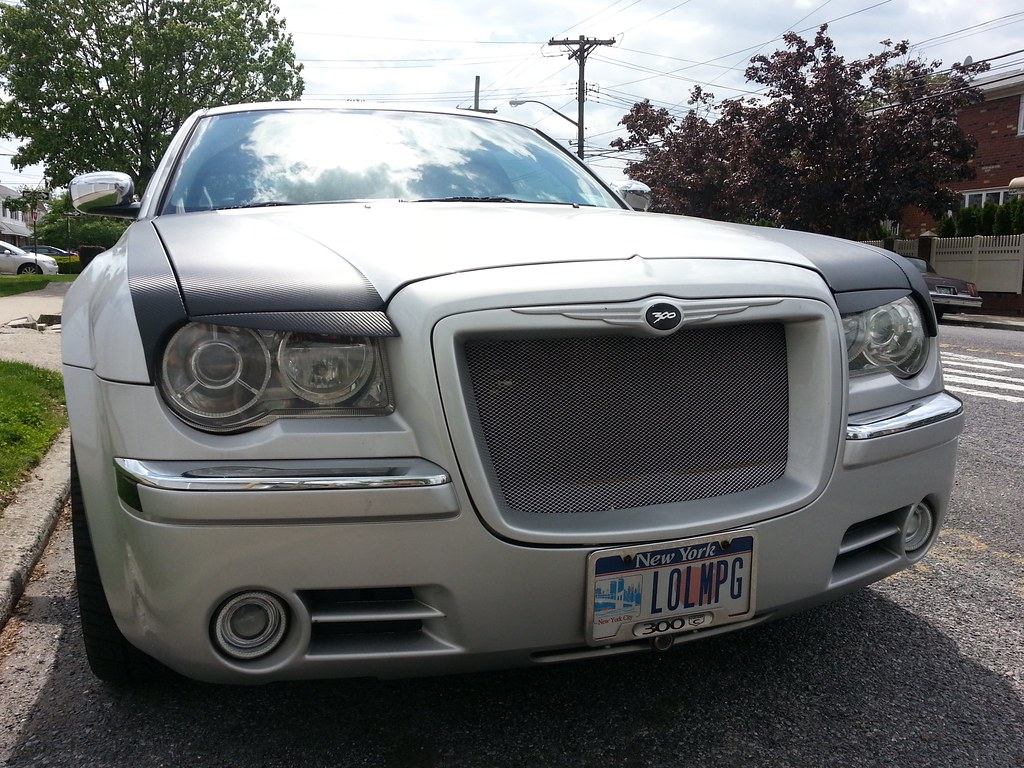
The apparently laughable gas mileage of a Hemi-powered 2006 Chrysler 300C

The FDNY lost 343 men to the September 11th attack on the World Trade Center, and Firefighter Michael Paul Ragusa was the final one of them to be given an official memorial service. More than a year after 9/11, with his family holding out hope that some of his remains would be identified so they would have something to bury, his parents discovered that they could retrieve a small sample of blood he had given years before when he signed up as a potential bone marrow donor. After several more months of waiting, his parents decided it was finally time to hold his funeral, and on September 8, 2003, they buried a coffin containing only that single vial of blood.

See those dozens (hundreds?) of little white splotches just beneath the surface of the water? They're all jellyfish!
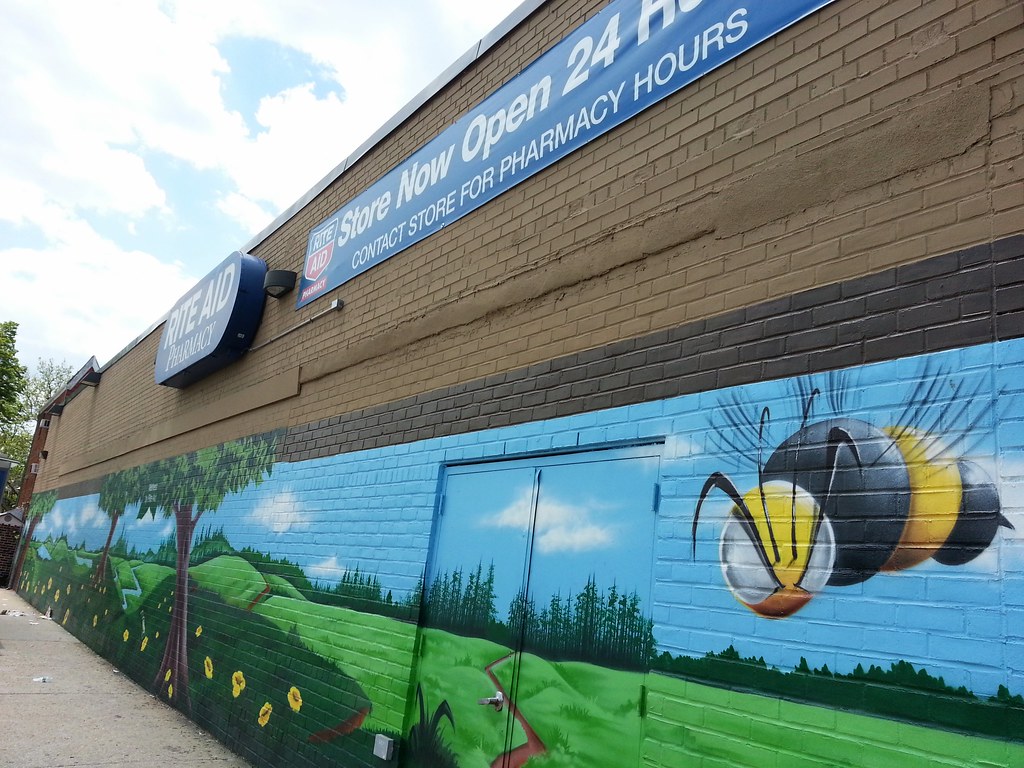
The Royal Kingbee's realm has now expanded from the Bronx all the way down to Mill Basin!
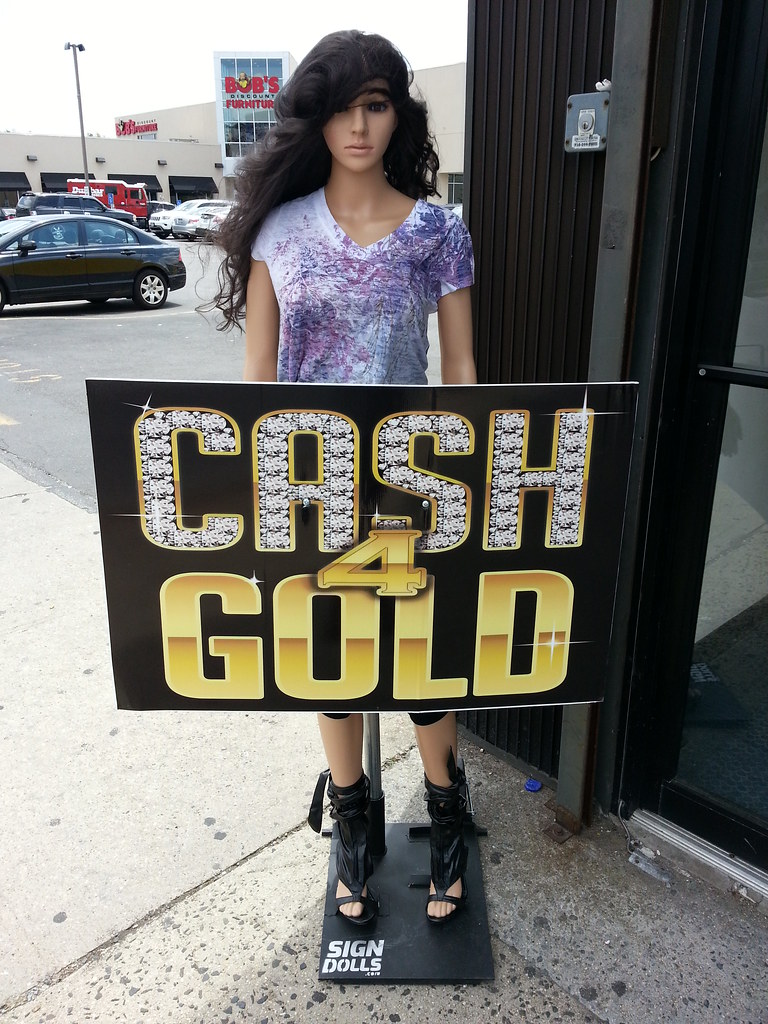
From the website:
• Robotic Employee that is Ready to Work For You 24/7Compare to Robowaver.
• No Vacation Time or Breaks. Ever.
• No Complaining, Phone Calls, Texts or Slacking off
• 100% in Your Control
• No Insurance, Liability or Workers Compensation
• No Paying $2880 for a Full Time Sign Spinner (12 hrs a day, $8 per hour, 30 days)
• No Having to Deal With Lazy, Incompetent Sign Spinners


I didn't realize it at the time, but this used to look like this.

Gravesend Neck Road currently terminates at Avenue U. But standing here on the north side of the avenue, you can still make out traces of the road's former right-of-way continuing its diagonal path northeast through the otherwise rectangular street grid. This aerial view makes things especially clear.
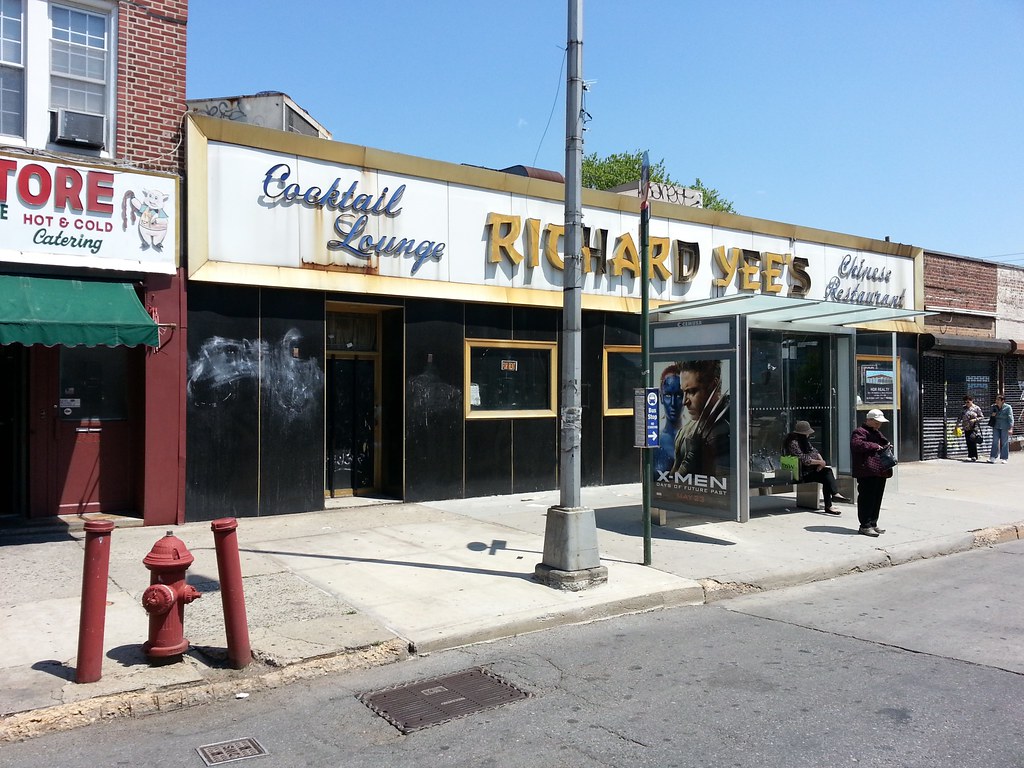
Yee's represented a new type of restaurant when it opened in 1952: Emphatically located nowhere near any Chinatown, it offered a nightclub ambiance with the Polynesian flourishes that were expected of upscale Chinese restaurants at the time, including flaming cocktails, tiki-hut décor, a separate cocktail lounge, and an evolved Cantonese cuisine perfectly suited to the young families that were flooding the neighborhood in the postwar era. Classic dishes included sliced roast pork with garlic and sherry, steak kew, lobster in scallion sauce, and some of the city's first "sizzling platters." Sadly, the restaurant closed in 2008, and the space will undoubtedly be occupied by some sort of fast-food establishment in the future.Note the animal cannibal on the pork store at left.

I was confused by the clown face at the far left. Does it have anything to do with 9/11? Did someone just paint it on top of the memorial mural? I checked Street View, and the clown is there in the oldest photo, which dates back to October 2007. If it were an act of vandalism, you'd think someone would have painted over it in all the years since.
It turns out that it's the logo of the Fun House, a disco club that was open from 1979 to 1985 on West 26th Street in Manhattan. The place was popular with young people from here in Sheepshead Bay as well as several other outer-borough neighborhoods. Joe Indart, the guy who created this and many other southern Brooklyn 9/11 murals we've come across, had apparently painted a Fun House mural at this street corner before 9/11 ever happened. So, it would seem, what you see above is simply a combined memorial to the loss of lives and the loss of youth.

After leaving the FBI, but before becoming a Staten Island Congressman, Michael "I'll break you in half — like a boy" Grimm opened a health food joint on the Upper East Side with the same name as the unrelated establishment pictured above. He was recently indicted in federal court on a slew of charges stemming from his time running the restaurant; he is accused of underreporting wages and revenue, hiring undocumented workers, and lying under oath in a lawsuit brought by his employees. He has publicly described the investigation into his business practices as a "vendetta" and a "witch hunt". I say drop the charges, but throw him in jail for picking such an awful name for the place. Healthalicious? And the slogan ("better than delicious") only makes things worse.
(Here's Jon Stewart's take on the name.)

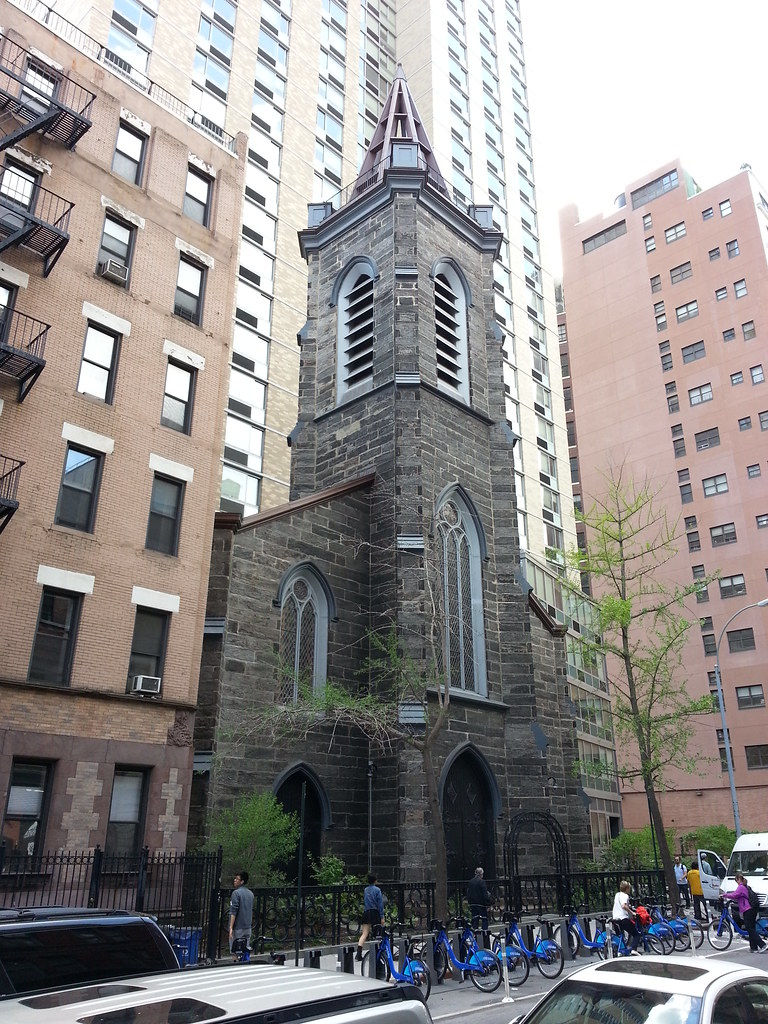
It used to be a church, at least. What you can't quite see in this photo, but which is much clearer from the other side, is that the facade is the only part of the structure still standing. The rest, erected in 1870 by St. Ann's Roman Catholic parish (the church became St. Ann's Armenian Catholic Cathedral in 1983), was demolished in 2005 to make way for the 26-story NYU dorm standing behind it, the tallest building in the East Village. (Not long after the dorm was put up, the City Council approved a rezoning plan limiting building heights in the area to about 12 stories.)
This was actually an example of history repeating itself, to a degree. The extant facade dates to 1847, when the original church on the site was built by the 12th Street Baptist Church. (The building later became a synagogue, home to Congregation Emanu-El.) But in 1870, leaving the facade in place, St. Ann's tore down the rest of the structure and replaced the sanctuary with a new one, which was then in turn replaced by the dorm some 135 years later.
As you might imagine, many neighbors and preservation-minded people were upset with the destruction of the church's body and the subsequent construction of such a bland-looking behemoth in its place. I like the overall effect though, specifically the weirdness of there being a 19th-century stone church facade standing, for no apparent reason, in front of an insipid 21st-century apartment tower. The facade is now effectively a piece of public sculpture and something of an architectural folly (meaning "a whimsical or extravagant structure built to serve as a conversation piece, lend interest to a view, commemorate a person or event, etc."), which I think probably encourages more passersby to interact with it than ever did with the church when it was still intact.
I'm walking every street in New York City.
This is the counterpoint to my walk across the US. Instead of seeing a million places for just a minute each, I'm going to spend a million minutes exploring just one place. By the time I finish walking every block of every street in all five boroughs, I'll have traveled more than 8,000 miles on foot — all within a single city. Details!
Email me at matt@imjustwalkin.com
Subscribe to my email list
Maps: Progress | Photos

~9,954 miles walked
Your donations allow me to keep walking full-time. If you think what I'm doing is valuable and you'd like to offer some support, I would be very grateful. On the other hand, if you think I'm a worthless bum, feel free to email me and tell me to get a job, bozo. Both are excellent options!
