Day 259

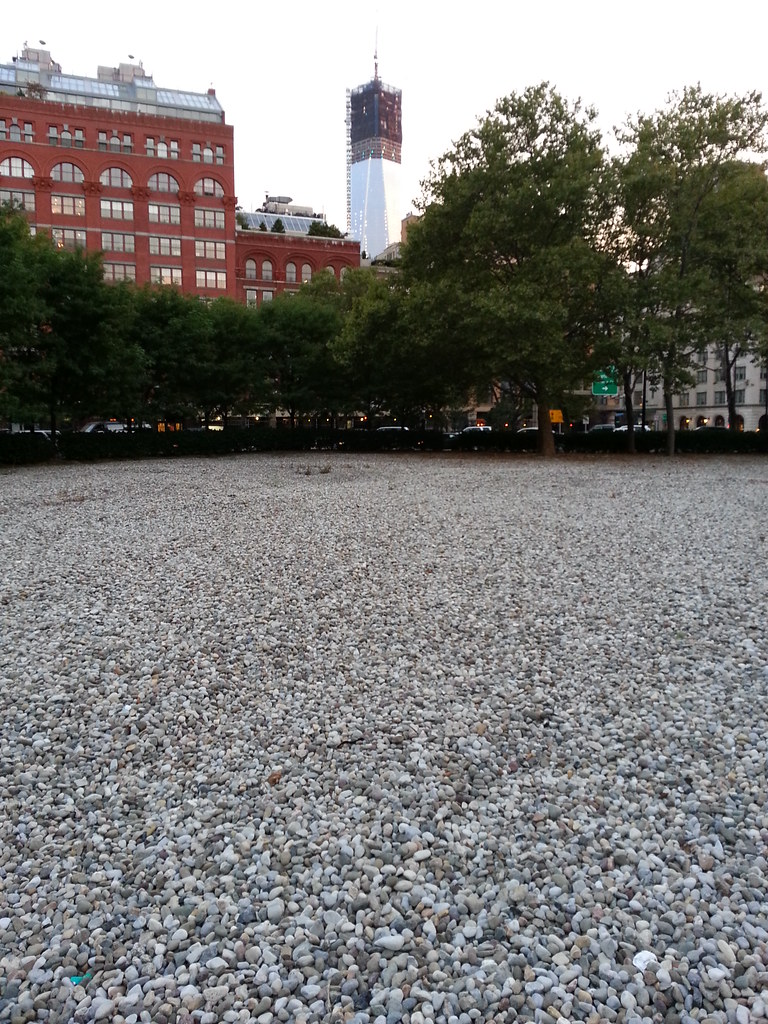
St. John’s “Park”

September 14th, 2012


For much of the 19th century, this was an exclusive, gated private park (like Gramercy Park today), accessible only to the affluent families who lived around its perimeter. It was built by Trinity Church, who hoped to lure wealthy residents to the area (then on the outskirts of the city) to support the new chapel being constructed next to the park. As commercial development spread north in the 1840s, the neighborhood found itself surrounded by the working class, and resentment toward the park's closed-off confines grew:

The journalist and all-round labor agitator Mike Walsh regarded the park as an affront to the citizens of New York. "A more exclusive concern than this park does not exist on earth. Its gates are all locked, and keys for it are sold, by the church which claims it, for ten dollars a year, to none however, but the upper ten thousand, who reside in the surrounding palaces. Can anything be more insultingly aristocratic than this?" He made a democrat's protest by climbing over the ornate railing of St. John's Park and strolling on the forbidden gravel paths.
Perhaps this outrage had some effect: during the winters of the 1860s, the park's trustees decided to flood the grounds of St. John's and open it to the public as an ice-skating rink.

The park was sold in 1866 and a railroad freight depot was subsequently built on the property. The quality of life in the area declined substantially over the next couple of decades, and the neighborhood had become a "slum" by the 1890s:
Thomas A. Janvier noted "the aggressive presence of several distinctively Neapolitan smells. The stately houses, swarming with this unwashed humanity, are sunk in such squalor that upon them rests ever an air of melancholy devoid of hope. They are tragedies in mellow-toned brick and carved wood-work that once was very beautiful."
Completing its ignoble descent into obscurity, St. John's Park is now the inaccessible gravel-filled lot you see here, sitting in the middle of the Holland Tunnel exit rotary.

(In case you were wondering, that's One World Trade Center looming in the background, under construction.)
Day 259


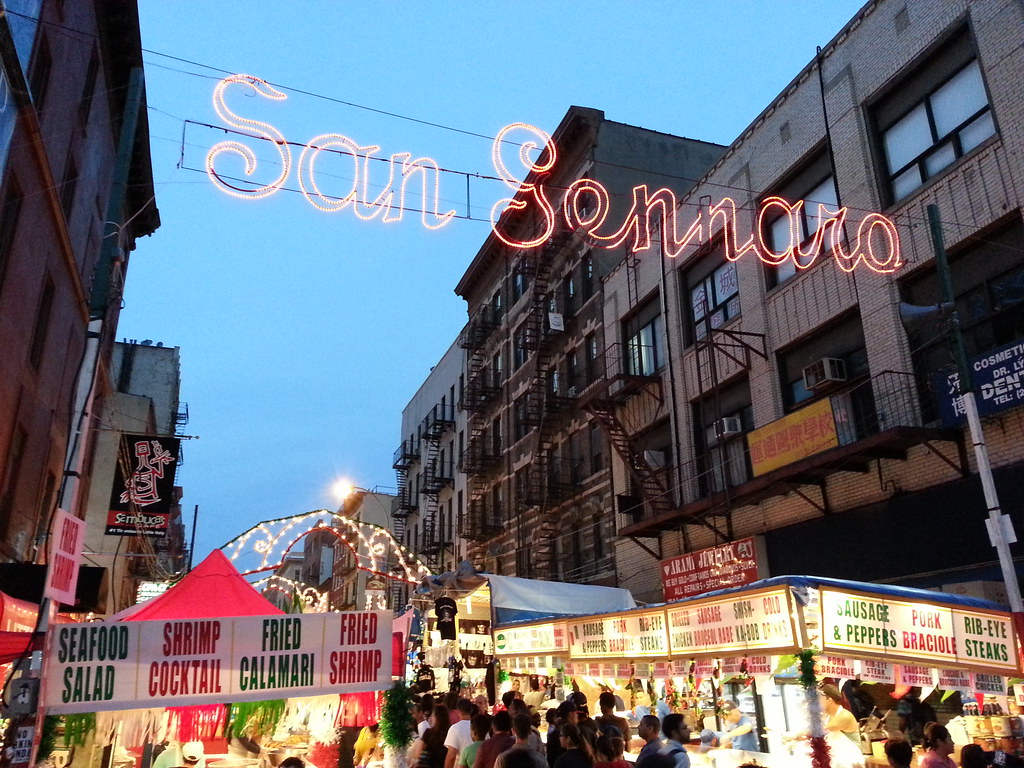
is, I'm sure, the reason that all of these people have come to the Feast of San Gennaro.

Day 259


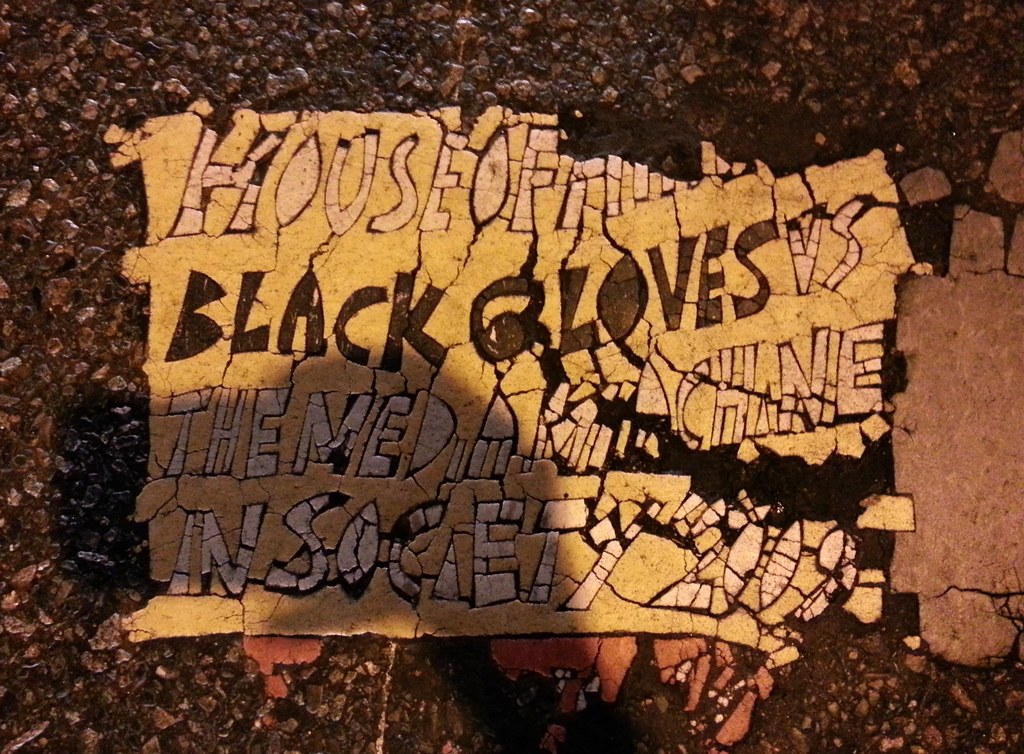
Our third Toynbee tile. (I think the first line is "House of Hades".)
Day 260

Artful boxes full of art

September 15th, 2012


The New Museum

Day 260

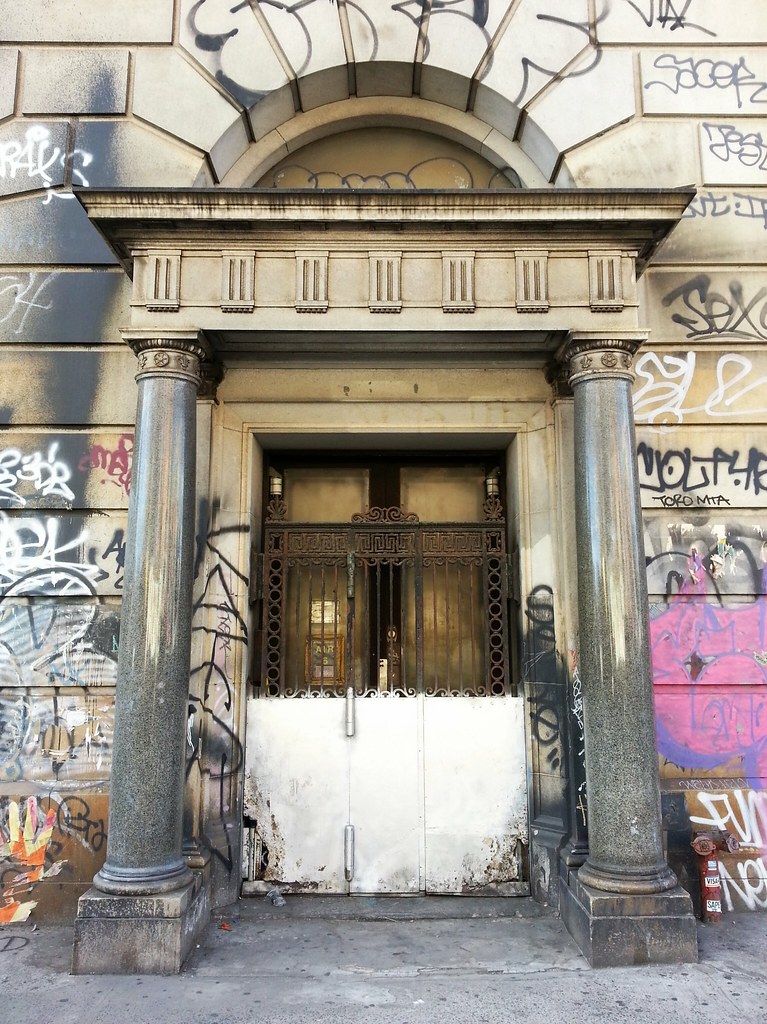
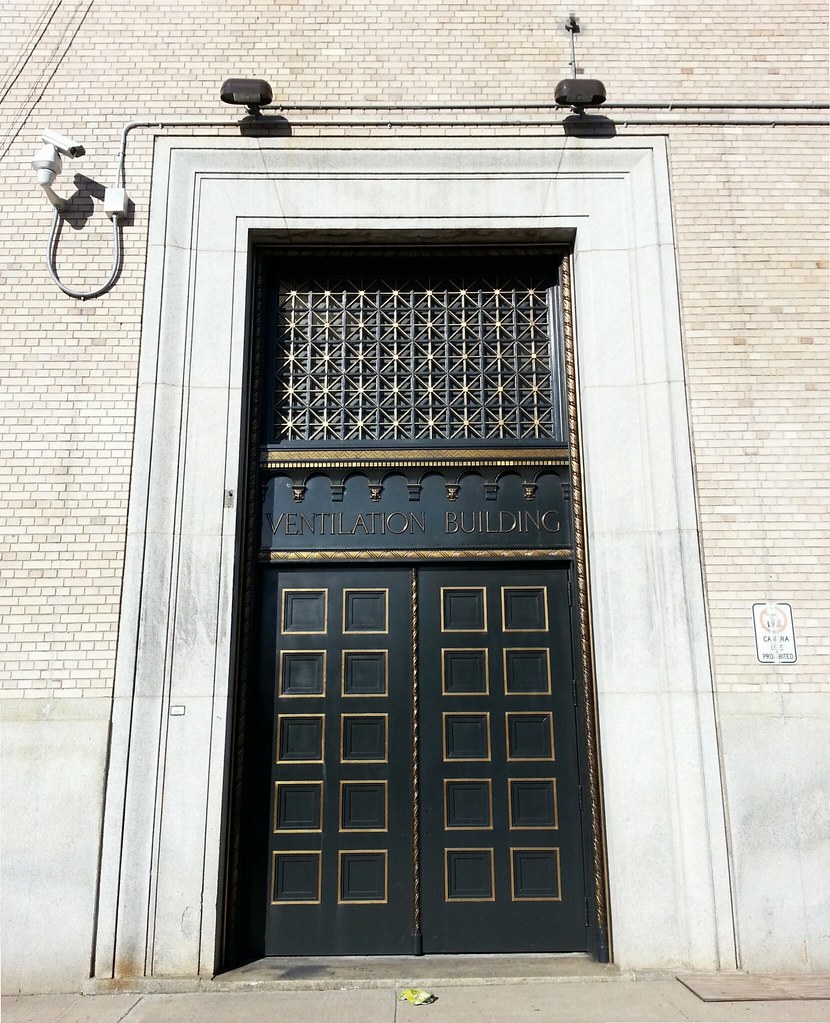
Portal of the day

September 15th, 2012


I always assumed this building was abandoned. It certainly looks that way from the street.

Boy, was I wrong!

Day 260

Barberz #25

September 15th, 2012


Day 260


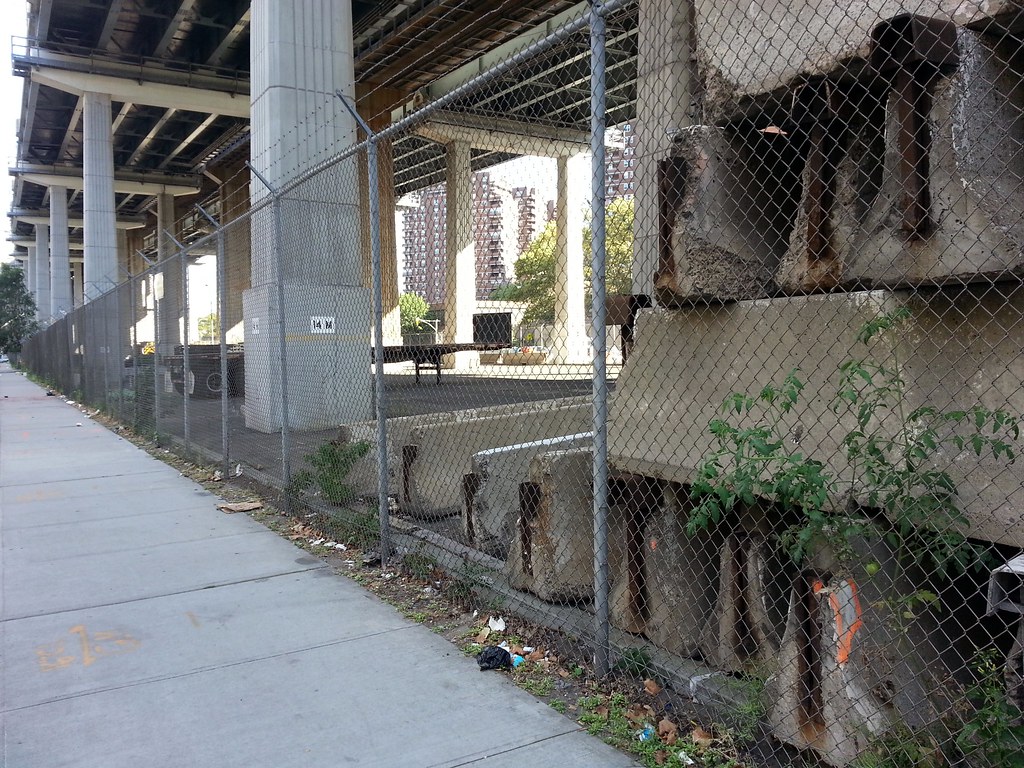
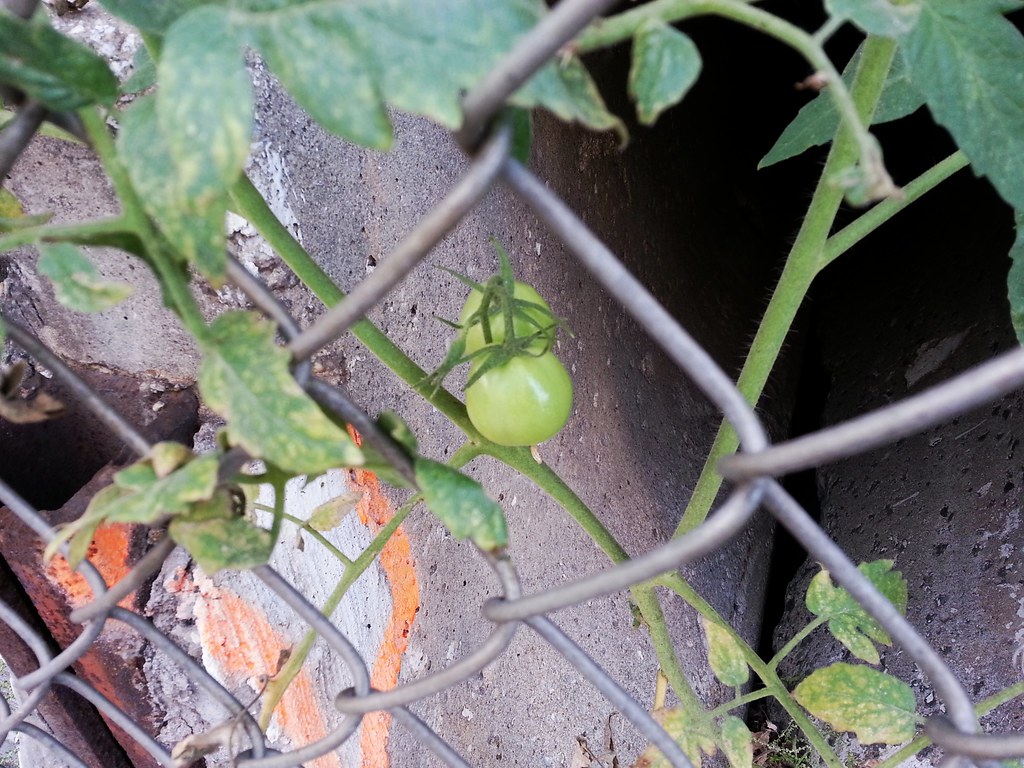
But wait! What's that scraggly little plant clawing its way out from beneath the pile of Jersey barriers?

Day 260

Why, it’s a tomato!

September 15th, 2012


Day 260

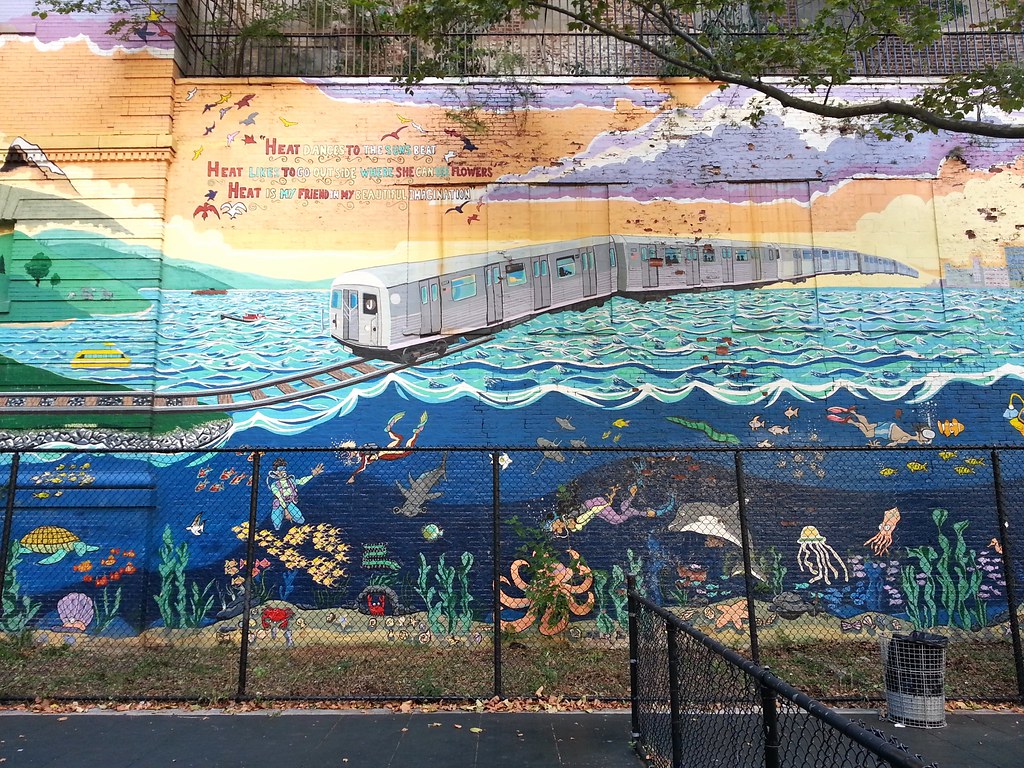
Heat dances to the sun’s beat

September 15th, 2012


Heat likes to go outside where she can see flowers
Heat is my friend in my beautiful imagination

Day 260

Keeping the bridge fed

September 15th, 2012


Day 260

Keeping the bridge watered

September 15th, 2012


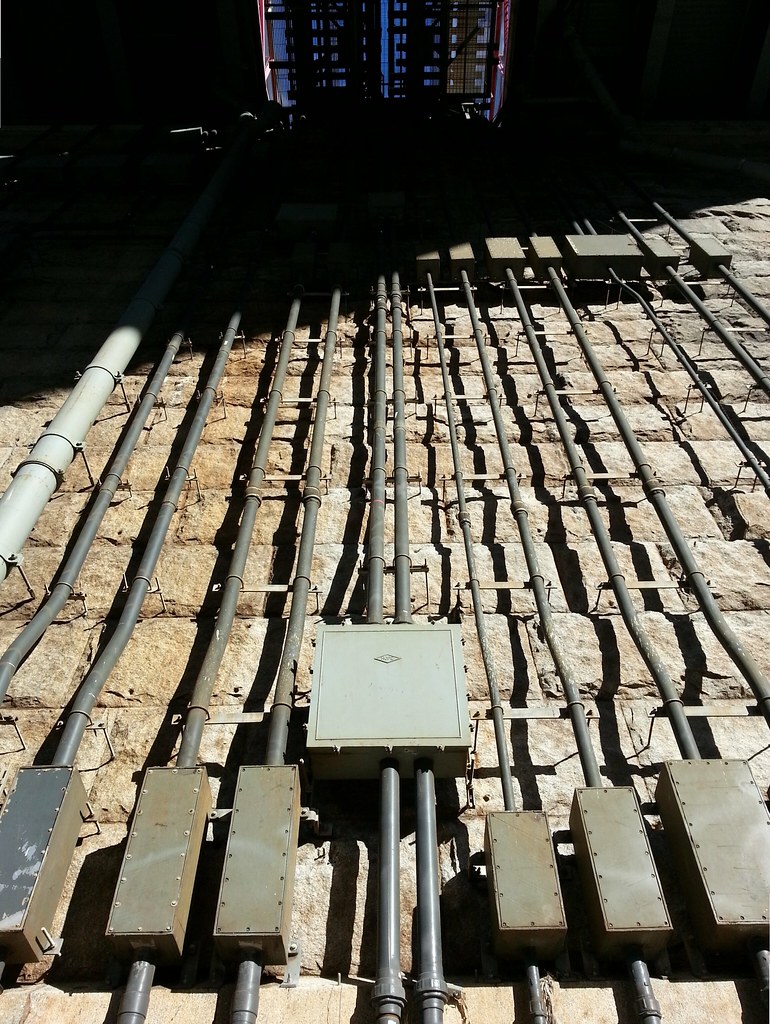
Standpipes: they're not just for buildings!

Day 260

Seals ‘n’ wheels

September 15th, 2012


This bizarrely wonderful playground must have been the work of ol' you-know-who.

Day 260

Fish-gutting table

September 15th, 2012


There's a pedal at ground level that turns on the water to wash all the goop down the trough and into the drain.

Day 260

Ritualarium

September 15th, 2012


This house of immersion contains four mikvahs partially filled with rainwater collected on the roof.

Day 260

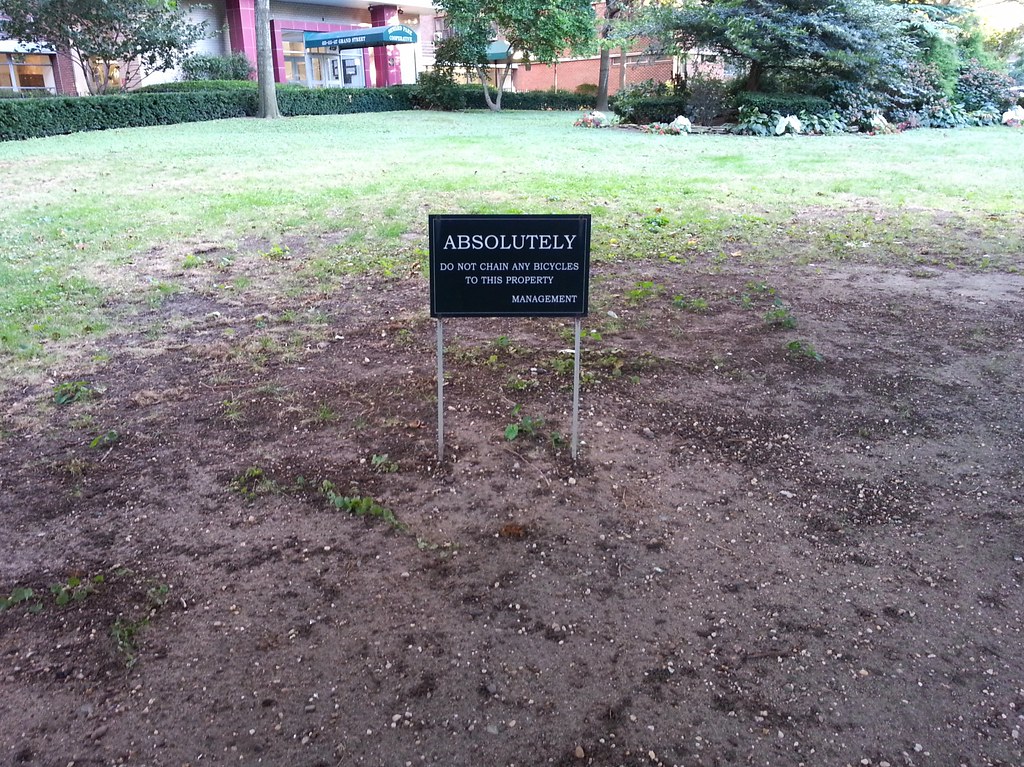
ABSOLUTELY

September 15th, 2012


Day 260

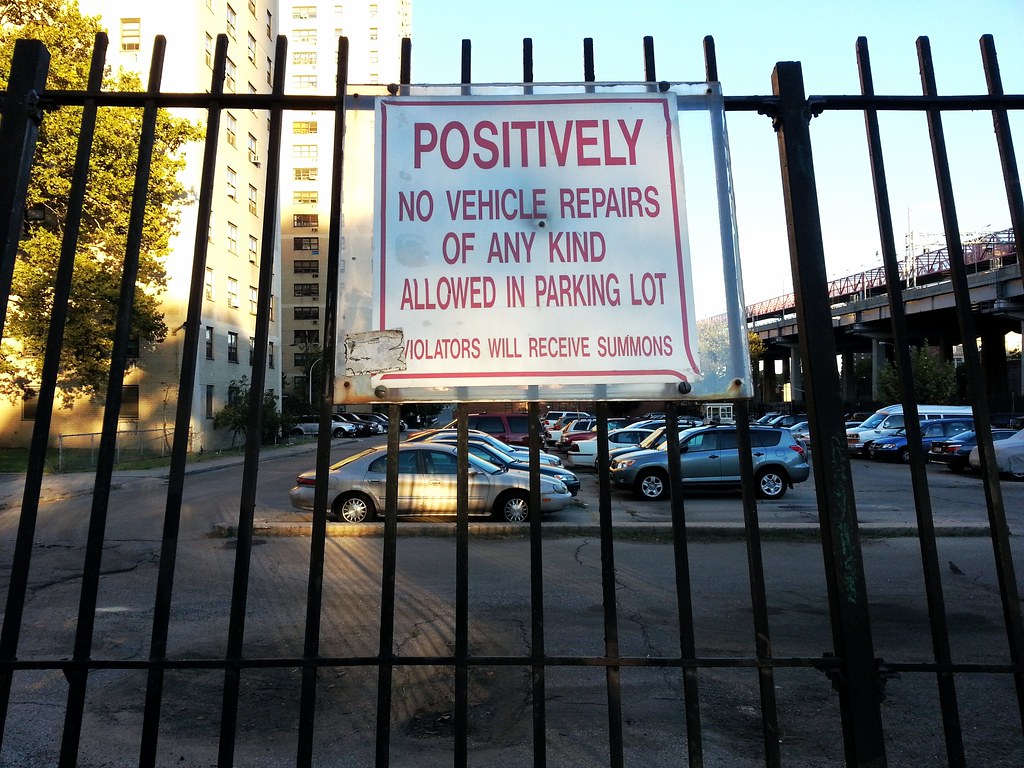
POSITIVELY

September 15th, 2012


Day 260

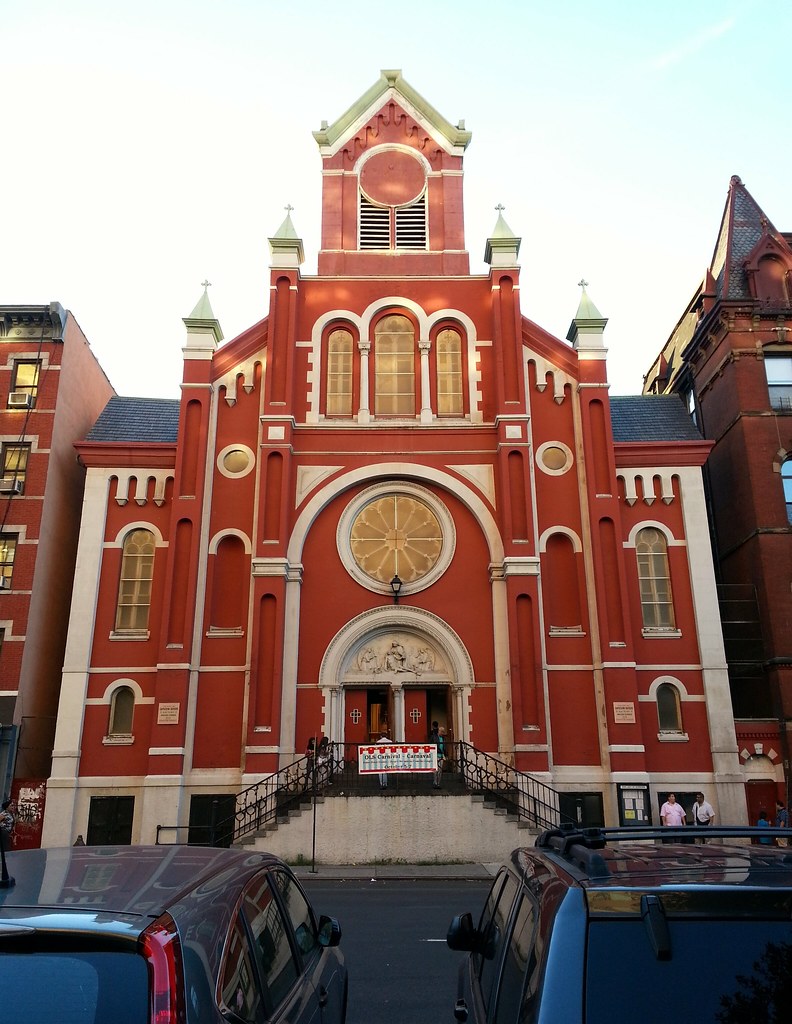
Church of Our Lady of Sorrows

September 15th, 2012


Day 260


Named after a relative of our old friend Pickled Herring

Day 260

Anyone?

September 15th, 2012


Day 260

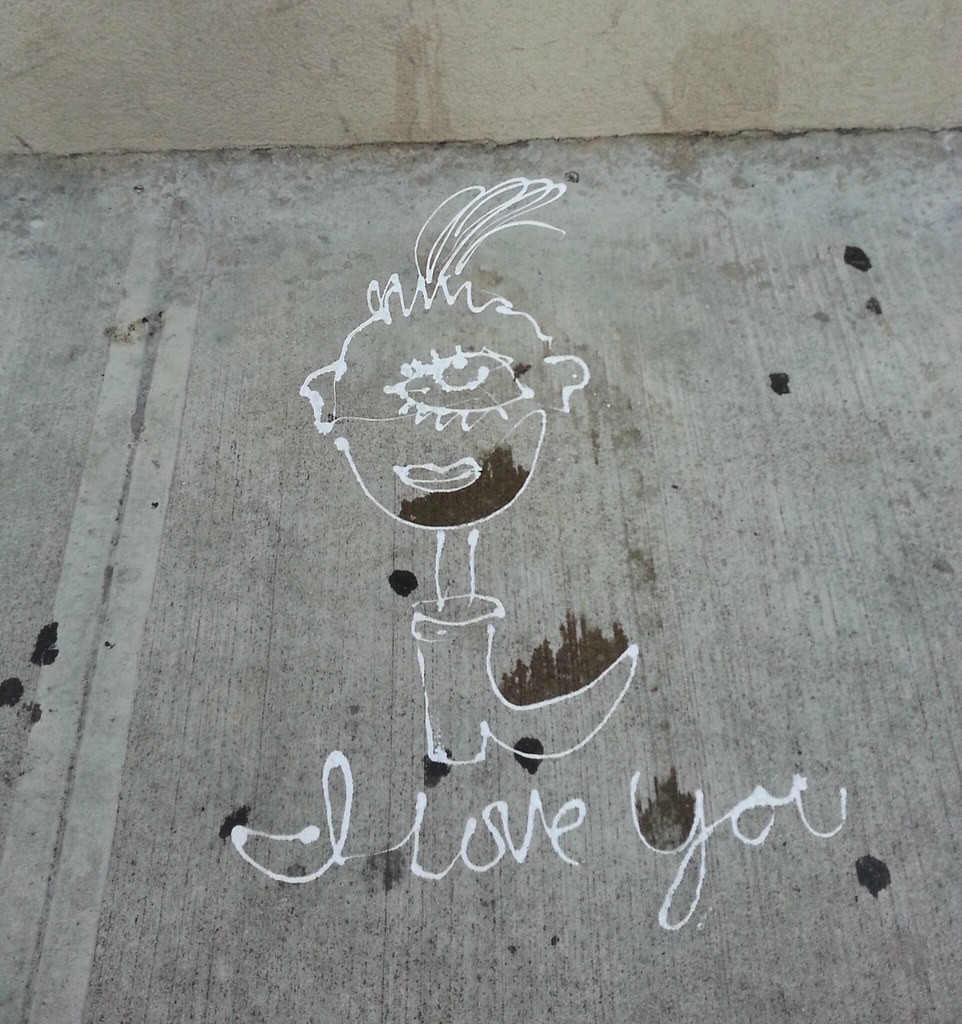
I love you

September 15th, 2012


Is this what happens when Paul Richard gets drunk?

Day 260

Red Square

September 15th, 2012


That's the name of the apartment building (whose lobby we've already seen) at the end of the street with the statue of Vladimir Lenin (commissioned by the Soviet government and completed shortly before the collapse of the USSR) and the "Askew" clock on its roof.
UPDATE (Sept. 26, 2016): The Lenin statue has been moved to a nearby rooftop at 178 Norfolk Street.

Day 260

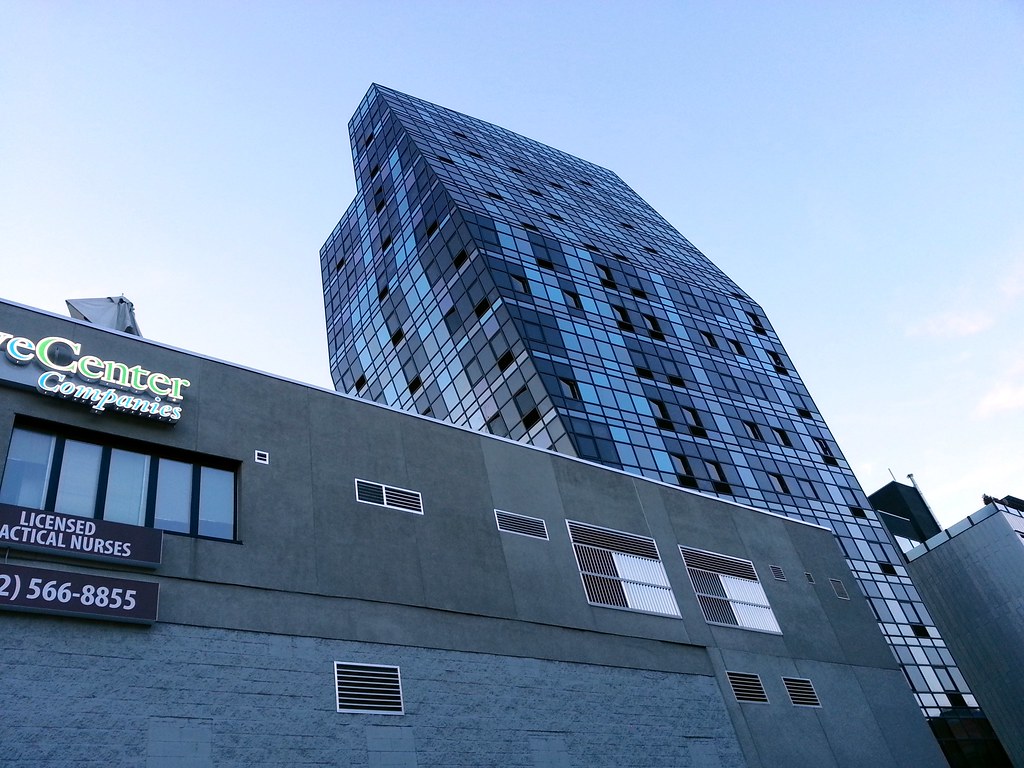
Blue Condominium

September 15th, 2012


If you catch this building in the right light, it's pretty stunning.

Day 260

Standing their ground

September 15th, 2012


There are still a few holdouts, like the ol' Hawaii boys here, but the Bowery's restaurant supply district has been fading away in recent years (much like the lighting district, its neighbor to the south) as the area has been gentrifying.

Day 260

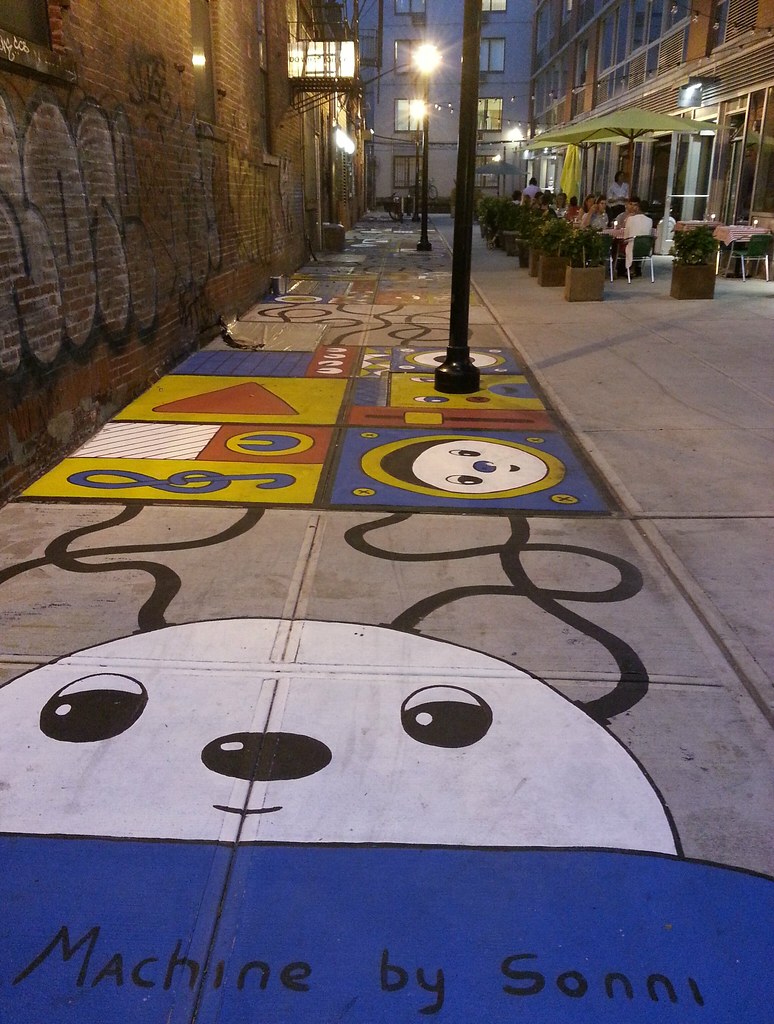
Extra Place

September 15th, 2012


Looks like the sidewalk art got a makeover in time for outdoor dining season.

Day 261

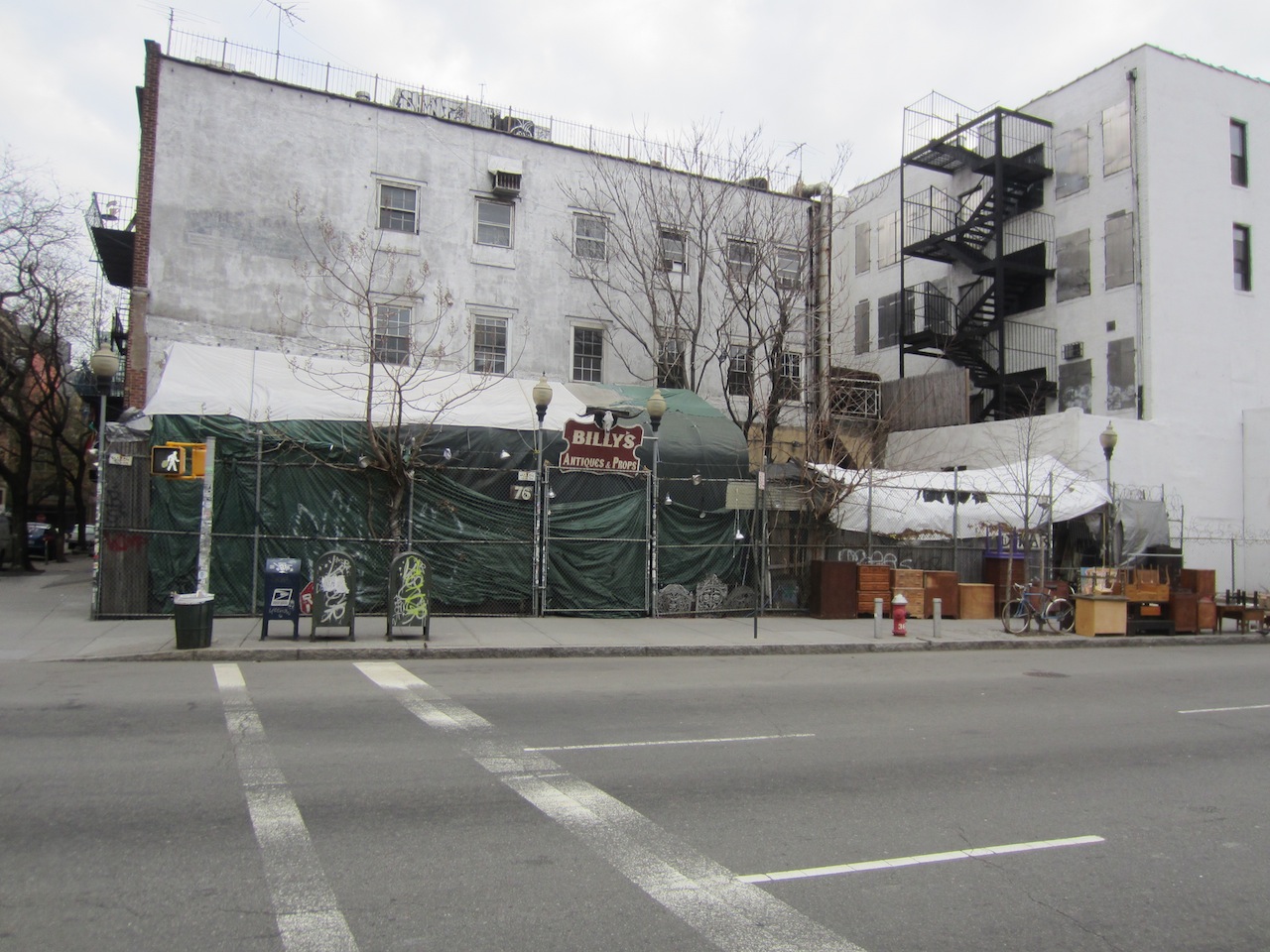
Inside that casket

September 16th, 2012


lies the tent that once stretched across this now-barren red-pole frame, sheltering a motley collection of relics and oddities known as Billy's Antiques and Props. The tent met its demise back in March to make way for a new building on the site (under whose foundation the coffin will be buried, and within whose confines Billy's will be resurrected), but it looks as though the new structure is no closer to completion now than it was six months ago.

Day 261

Moe’s Meat Market

September 16th, 2012


Moe is the last butcher left in Little Italy. He used to be in Little Italy, anyway, before all the Italians left and the upscale boutiques moved in. The neighborhood is now known as Nolita, as it is north of (what remains of) Little Italy.

Also, as you may have noticed, this meat market looks an awful lot like an art gallery. That's because it is an art gallery; Moe's shop is actually located across the street. The artist whose work is for sale here is no Johnny-come-lately, however; he's an elderly Hawaiian man who's owned this building since 1977.

Day 261

Multi-layered self-portrait

September 16th, 2012


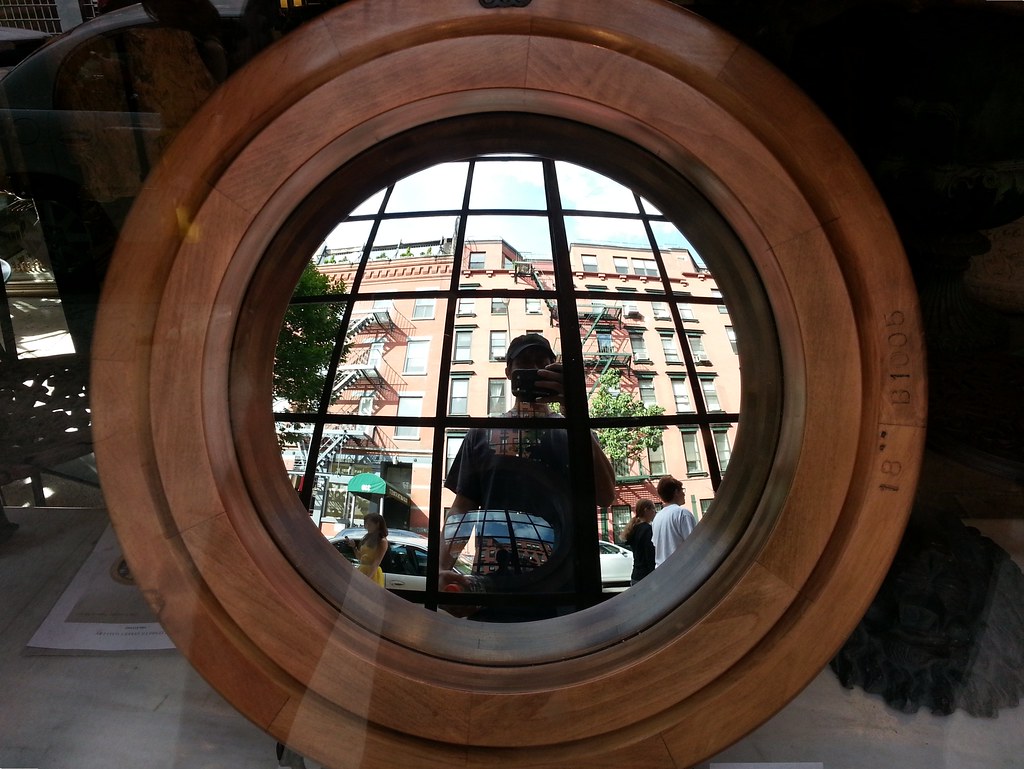
You can see my shadow cast on the wooden frame, within which lies my reflection in the mirror, within which lies the reflection of the mirror's reflection in the window (located about where my reflected stomach is). Got that? Here's a closer look.

Day 261

Elizabeth Street sculpture garden

September 16th, 2012


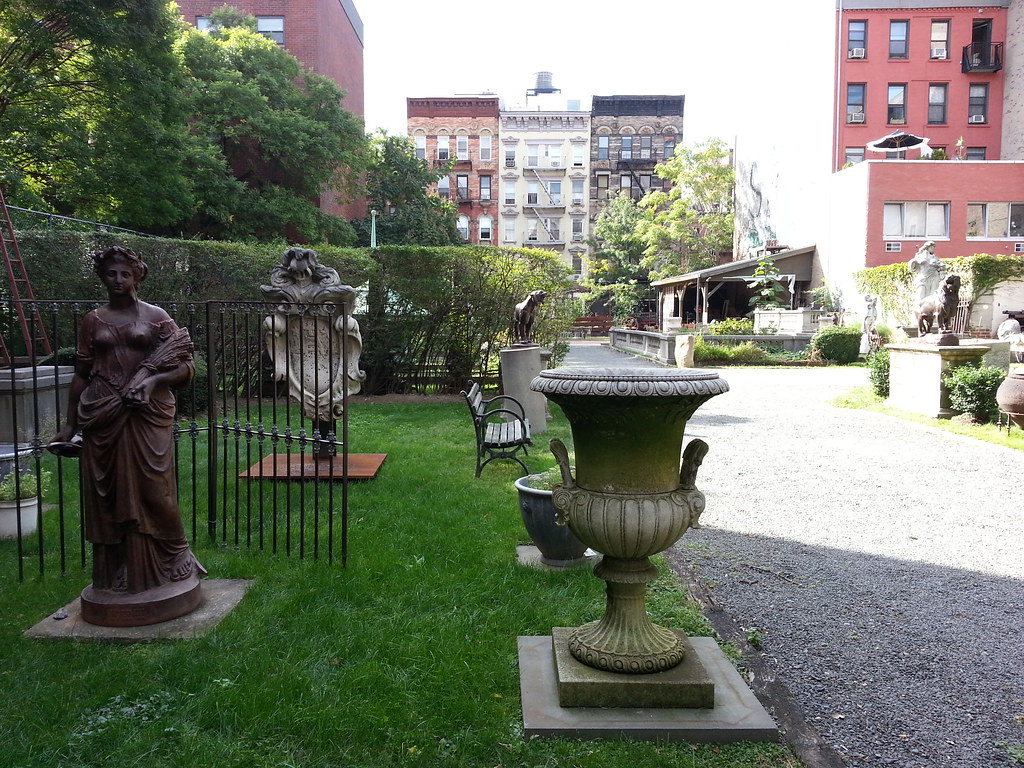
This is part of the Elizabeth Street Gallery, "an atmospheric mash-up of architectural and antique objects, including second-century Greek and Roman carved-stone vessels, sixteenth- to nineteenth-century architectural elements and statuary, and twentieth-century folk art and curiosities." Here's a look inside the gallery. The garden is available for all sorts of events, including the gag-worthy "sublime urban picnics", according to the gallery's website.

Day 261

Engine 55

September 16th, 2012


Day 261

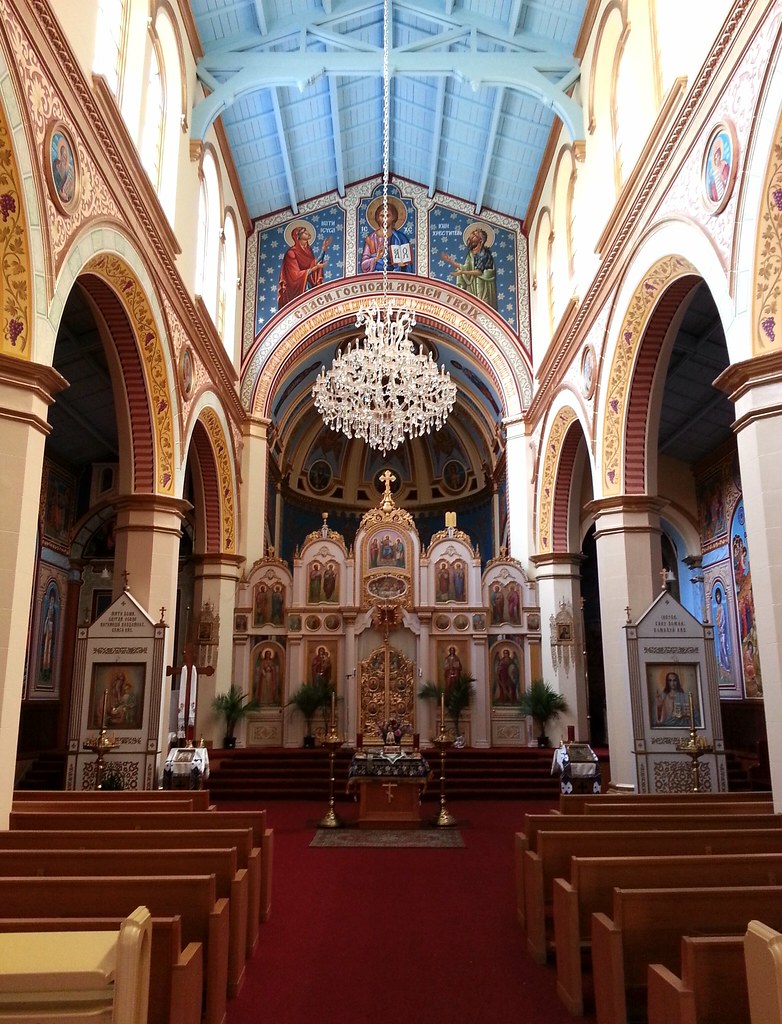
Church of San Salvatore

September 16th, 2012


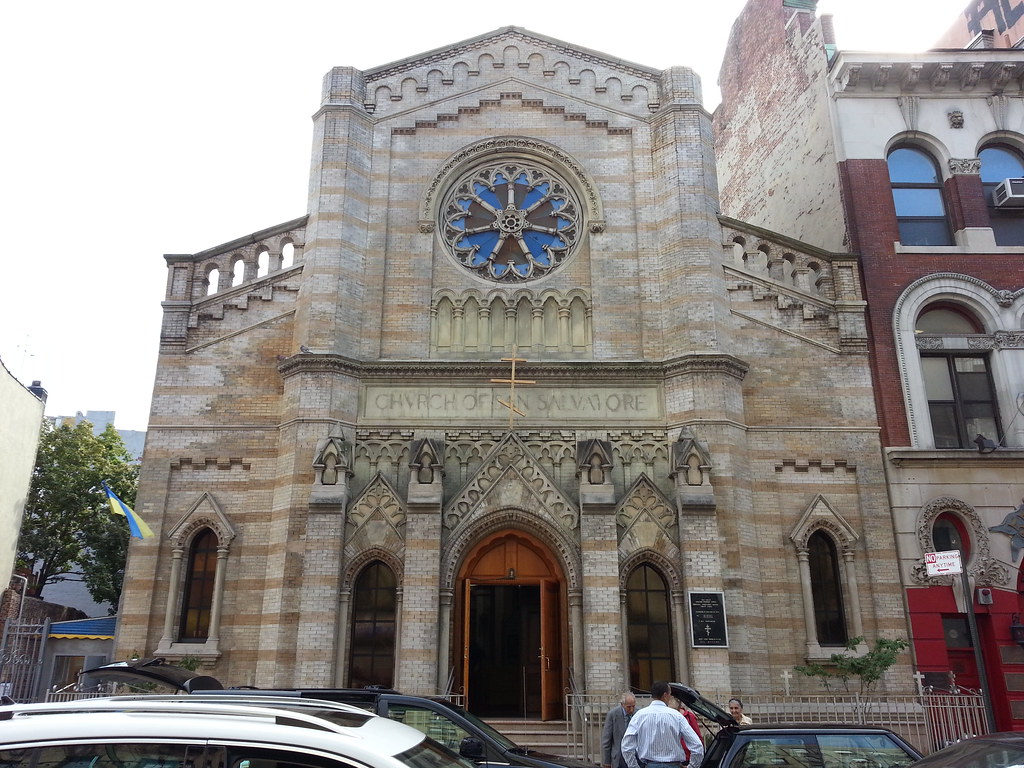
is what this building used to be. Now it's the Holy Trinity Ukrainian Orthodox Church. Let's take a look inside...

Day 261


Day 261

The other entrance

September 16th, 2012


to the former Bowery Savings Bank, with some dragon fruit on sale in the foreground

Day 261

Not the most vigorous era

September 16th, 2012


in the history of Vigorous Era

Day 261

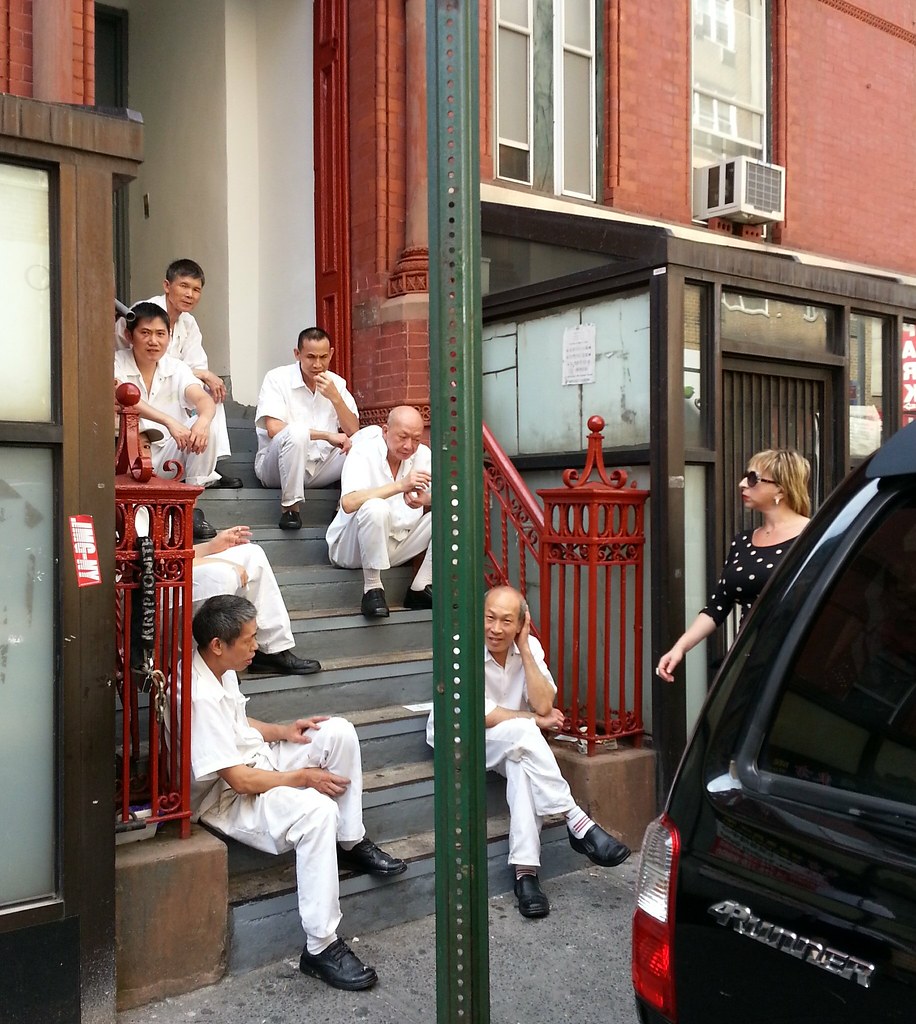
Stoop break!

September 16th, 2012


Day 261

IN P UR

September 16th, 2012


Day 261

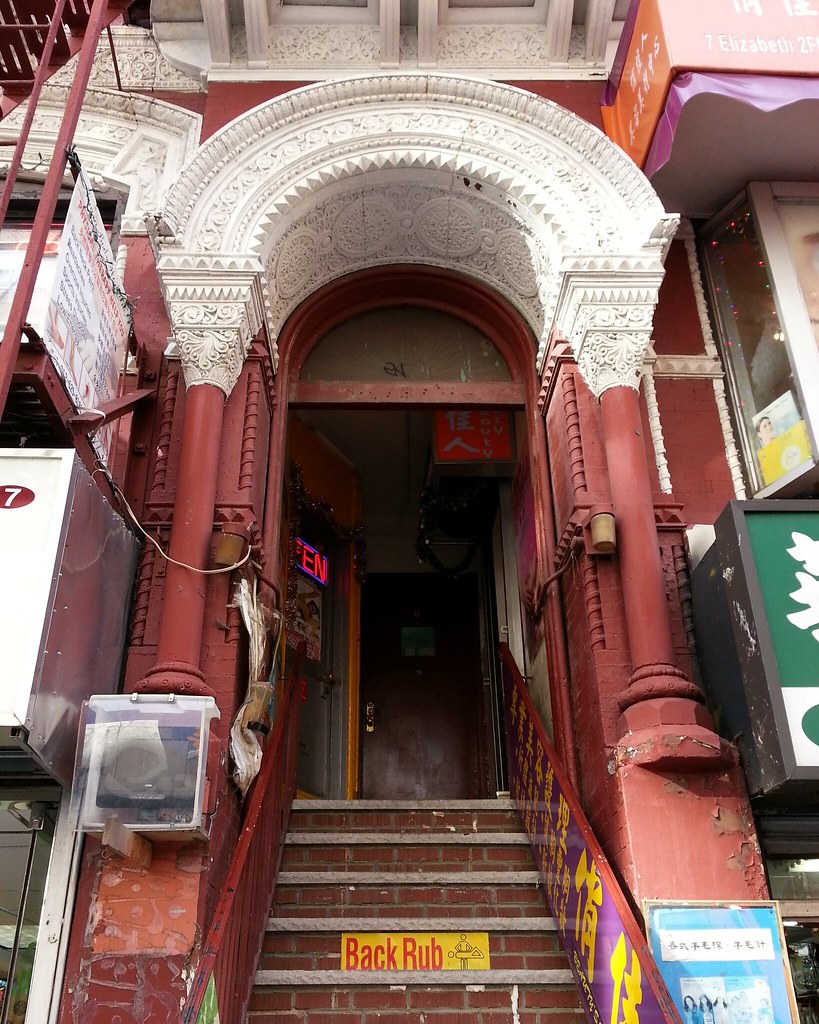
Back Rub

September 16th, 2012


Day 261

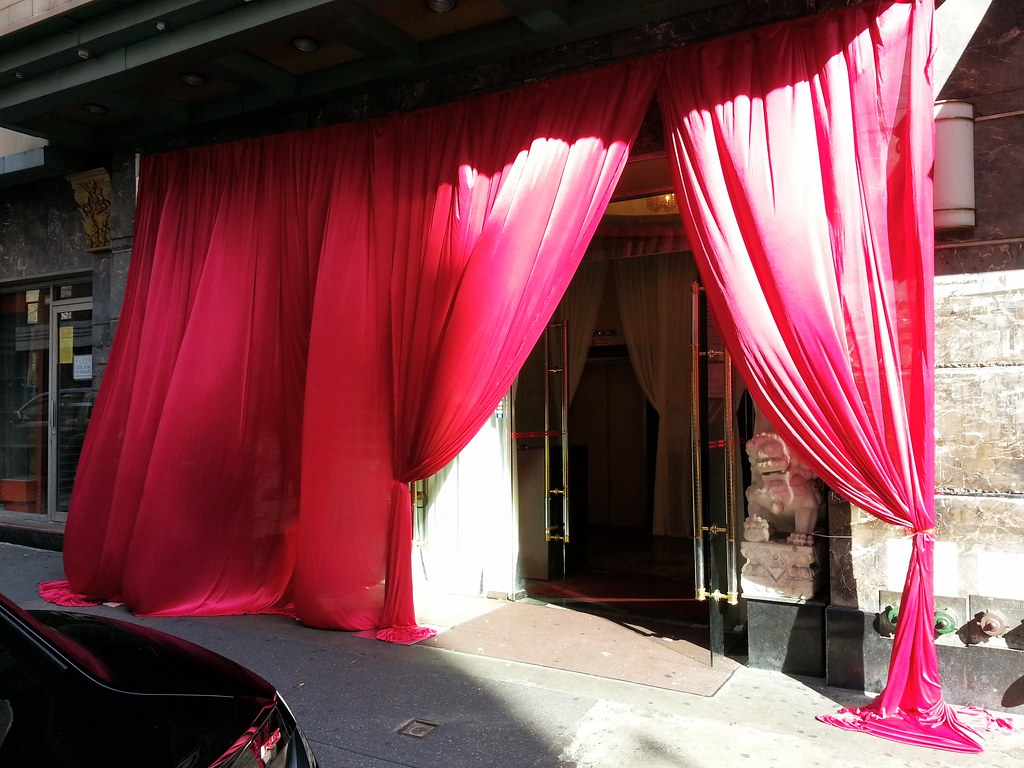
Portal of the day

September 16th, 2012


Inside lies this escalator, which leads to this dining room. Welcome to Jing Fong.

Day 261

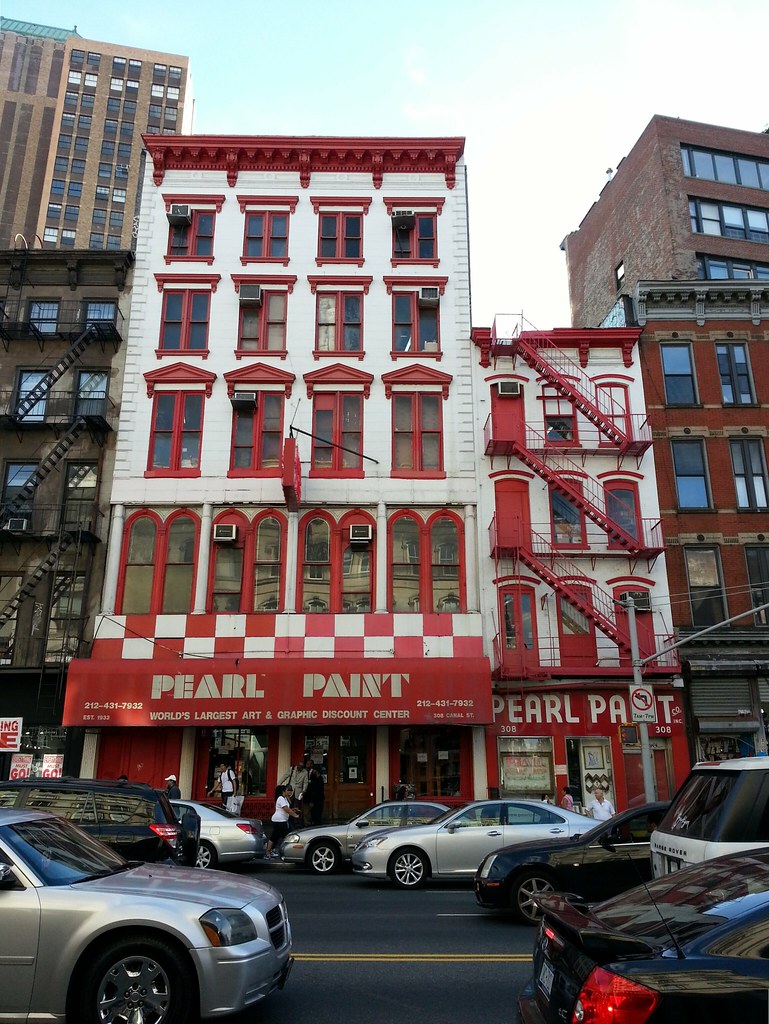
Pearl Paint

September 16th, 2012


Even for someone like me who has no use for 99.8% of the store's inventory, there's something really fun about climbing up the creaky old staircase and wandering around the five floors jam-packed with art supplies.

Day 261


The inland counterpart to this guy

Day 261

Pig Alley

September 16th, 2012


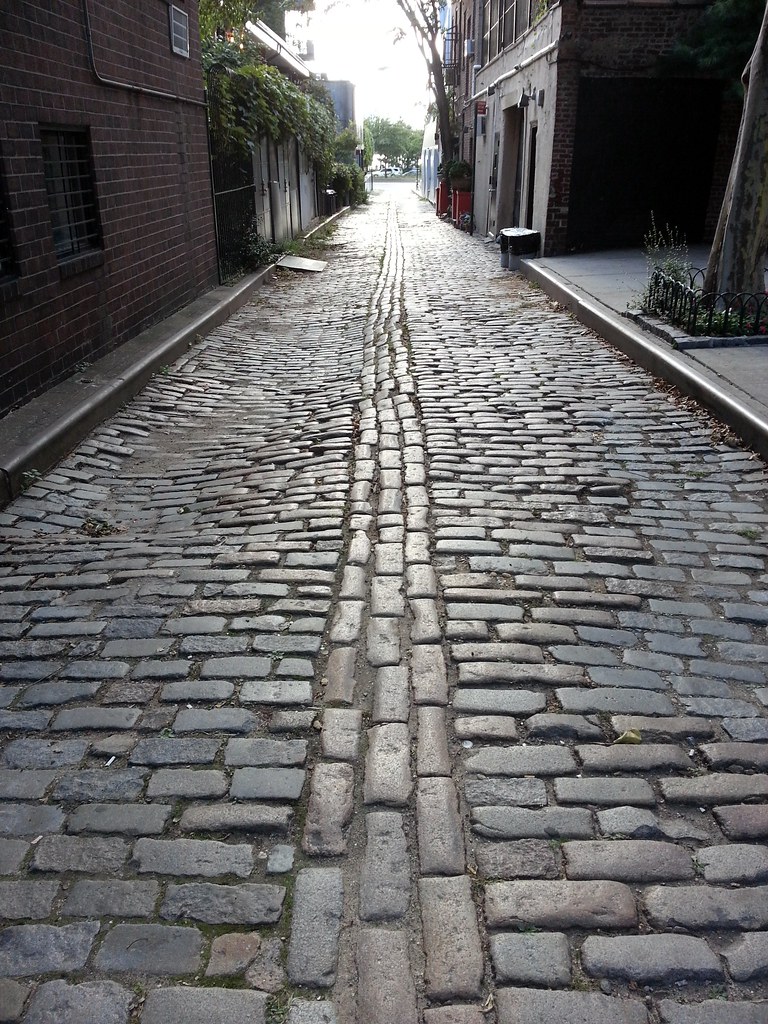
is what Charles Lane was known as in the mid-19th century, when it supposedly served as a staging area for hogs and other animals awaiting their demise at the nearby slaughterhouses on West Street. This narrow, block-long passage originally came into being with the construction of Newgate Prison; it ran outside the northern wall of that institution, which opened in 1797 as New York State's first penitentiary.

Day 261

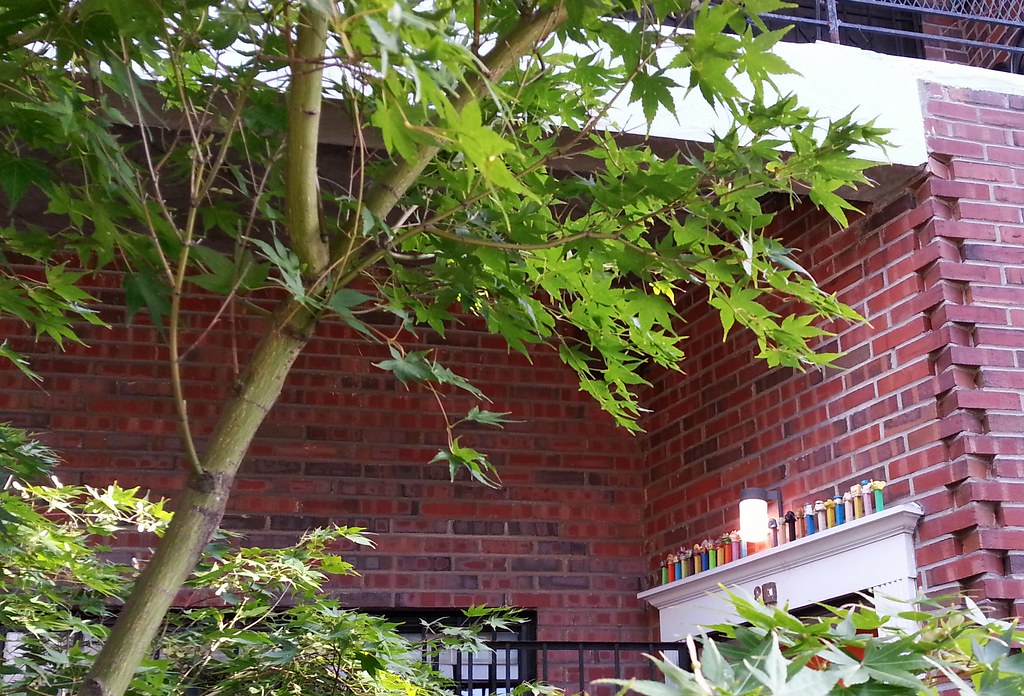
Pez dispenser collection

September 16th, 2012


Day 261

Things get a bit more modern

September 16th, 2012


at the western end of old Charles Lane.

Day 261

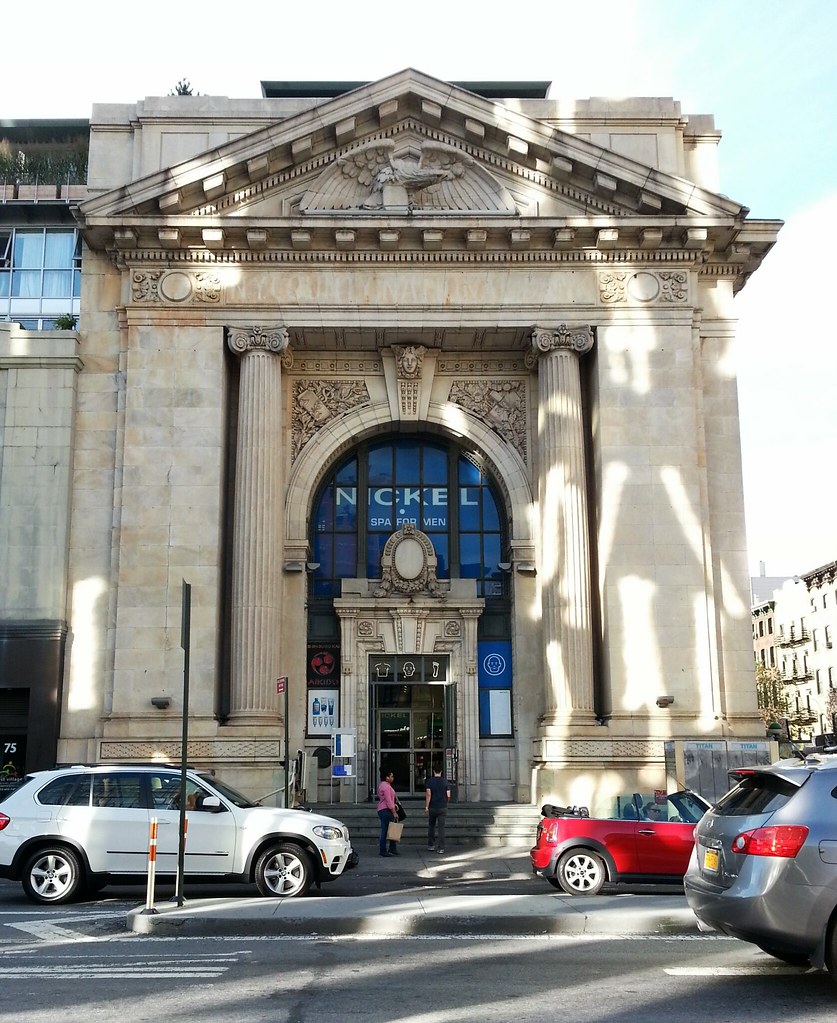
Bank turned spa

September 16th, 2012


Just across the street from the bank turned CVS

Day 261

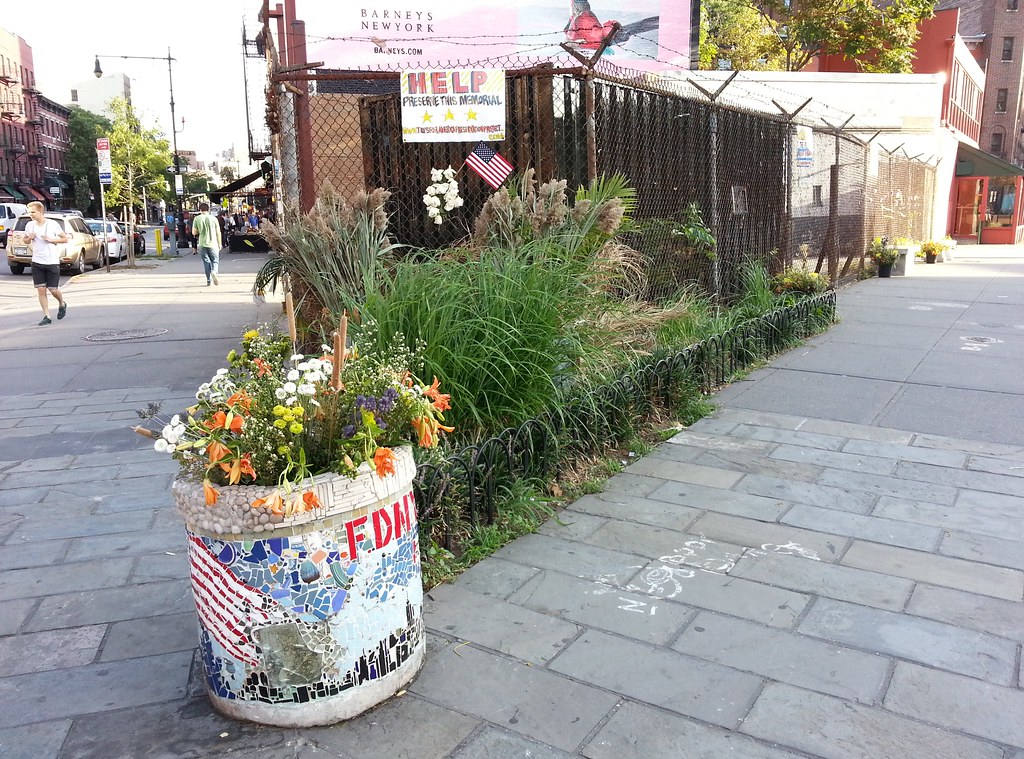
They’re gone!

September 16th, 2012


As planned, the tiles have been removed, but Jim Power's 9/11 planter is still hanging around.

Day 261

Hanging on

September 16th, 2012


The tiles may be gone, but there are still a handful of love locks clinging to the fence.

Day 261

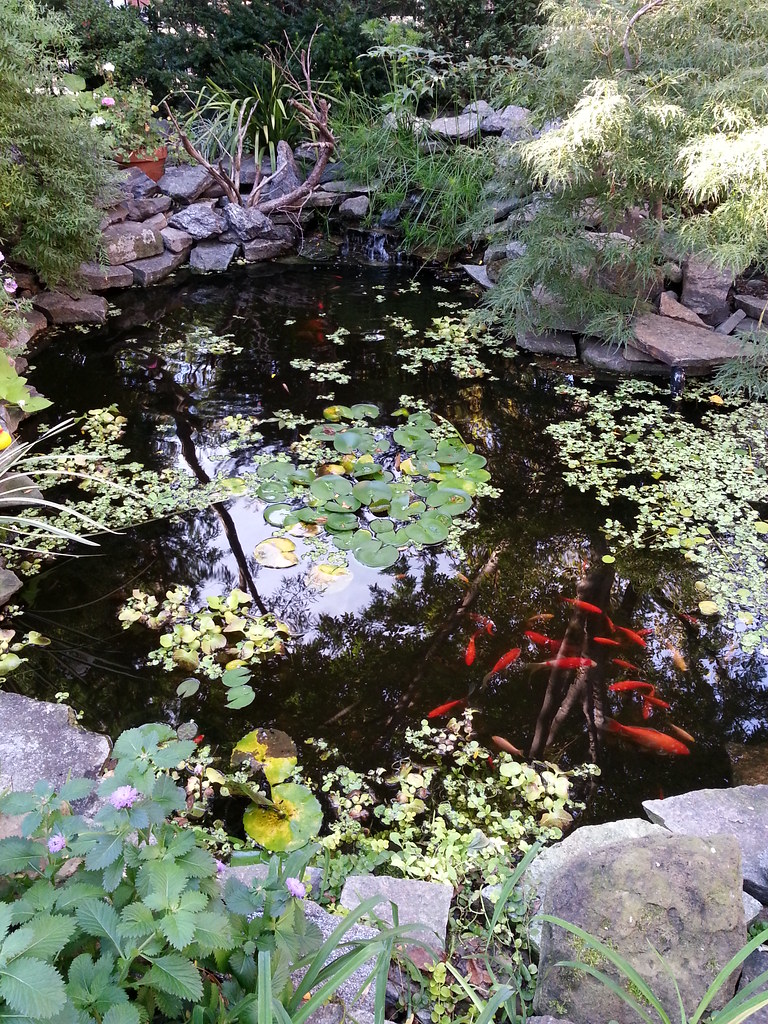
Jefferson Market Garden fishpond

September 16th, 2012


Occupying the former site of a food market and two different jails, this garden lies in the shadow of the Jefferson Market Courthouse, "a delicious fantasy of turrets, gables, lookouts and stone carving" that the NY Times called "a jewel in a swine’s snout" when it was built in 1877 amidst the otherwise shabby dwellings of Greenwich Village.

The courthouse was considered by many 19th-century architects to be one of the most beautiful buildings in the entire country (photos here), but by the mid-1900s it had been abandoned and in 1958 was slated to be auctioned off to a private developer. It became the focus of New York's first major battle for historic preservation, and its advocates were successful in saving the structure and putting it back into use, this time as a rather magnificent branch of the New York Public Library, a role it serves to this day.


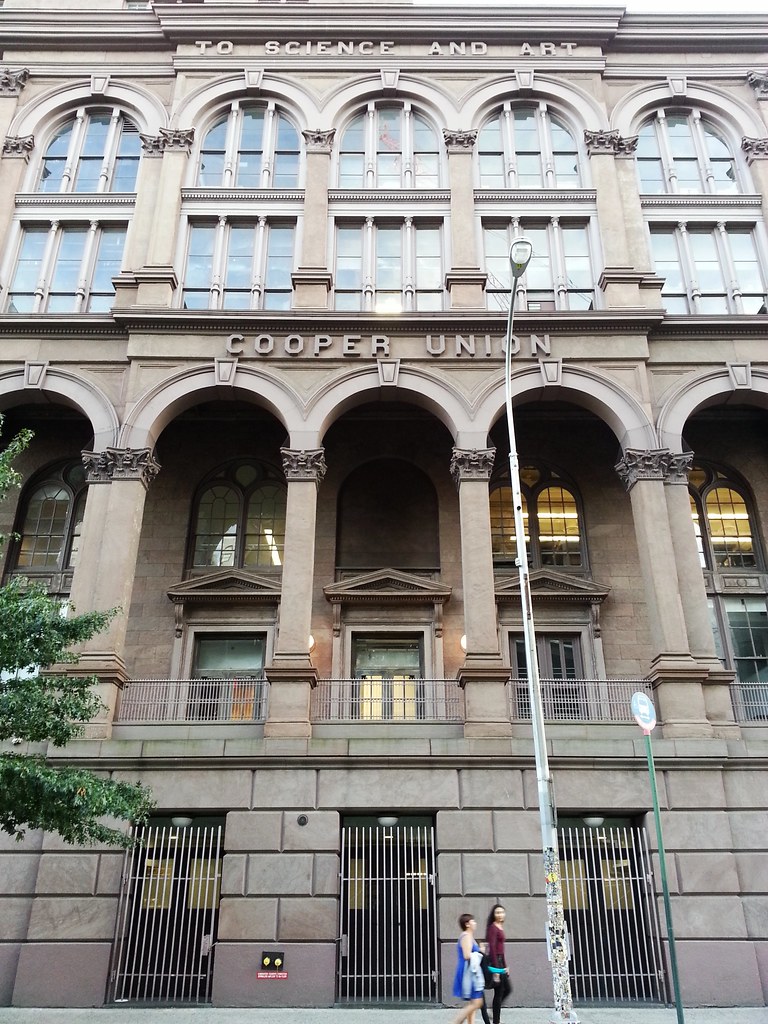
One of the nation's most selective colleges, Cooper Union offers a full scholarship to every student it admits.

(That's a Jim Power lamppost in front of the building.)

Day 261

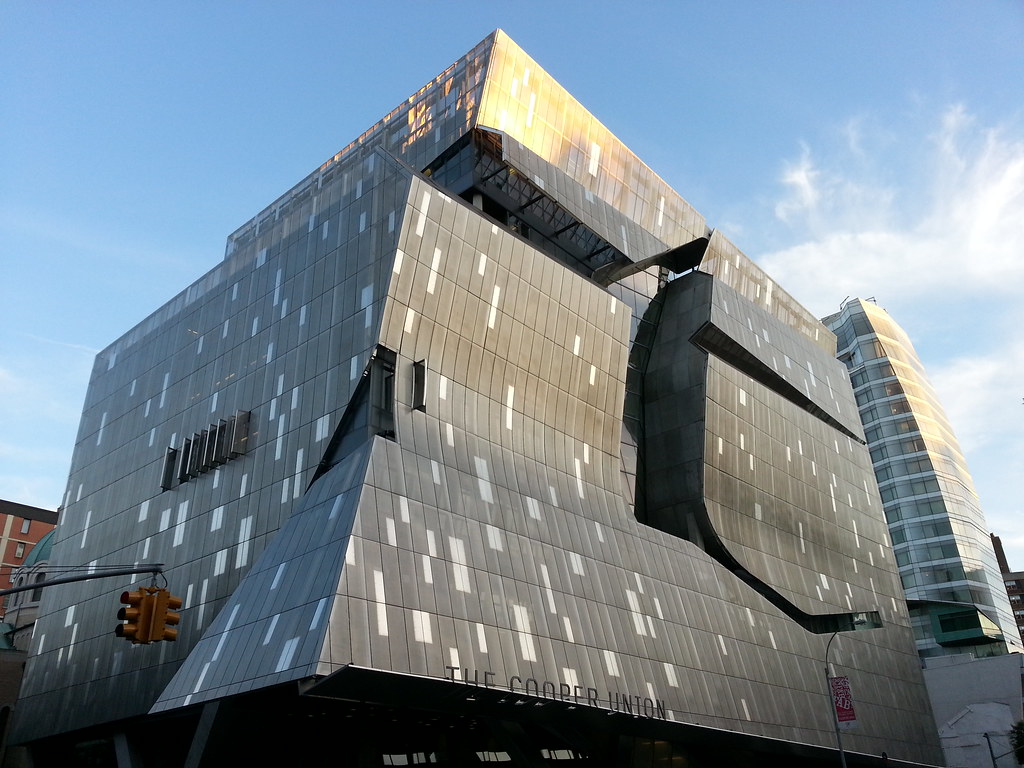
41 Cooper Square

September 16th, 2012


Cooper Union's new academic building

Day 261

Peter Cooper

September 16th, 2012


The founder of Cooper Union, Peter Cooper was an extremely successful inventor (his creations ranged from America's first steam locomotive to an early version of Jell-O) and entrepreneur (we saw the site of one of his glue factories covered in snow back in January), a beloved philanthropist, and the cultivator of one of history's great beards.

Day 261

9/11 memorial #102

September 16th, 2012


At La Salle Academy