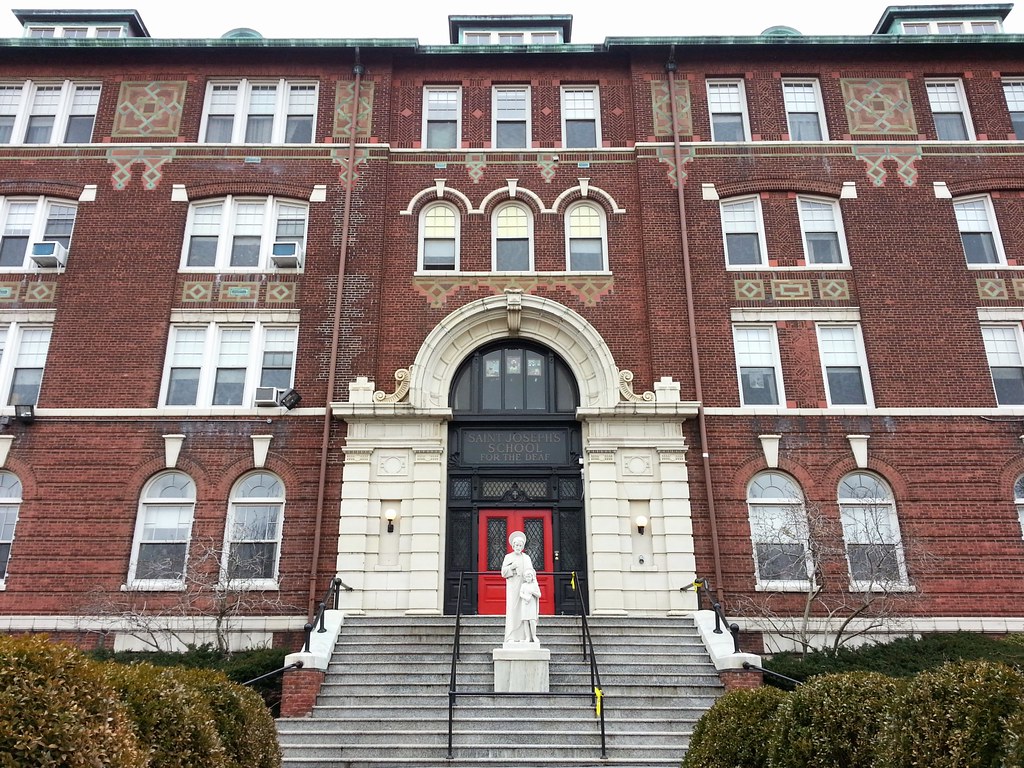
The school was established in 1869; this building dates to 1913.
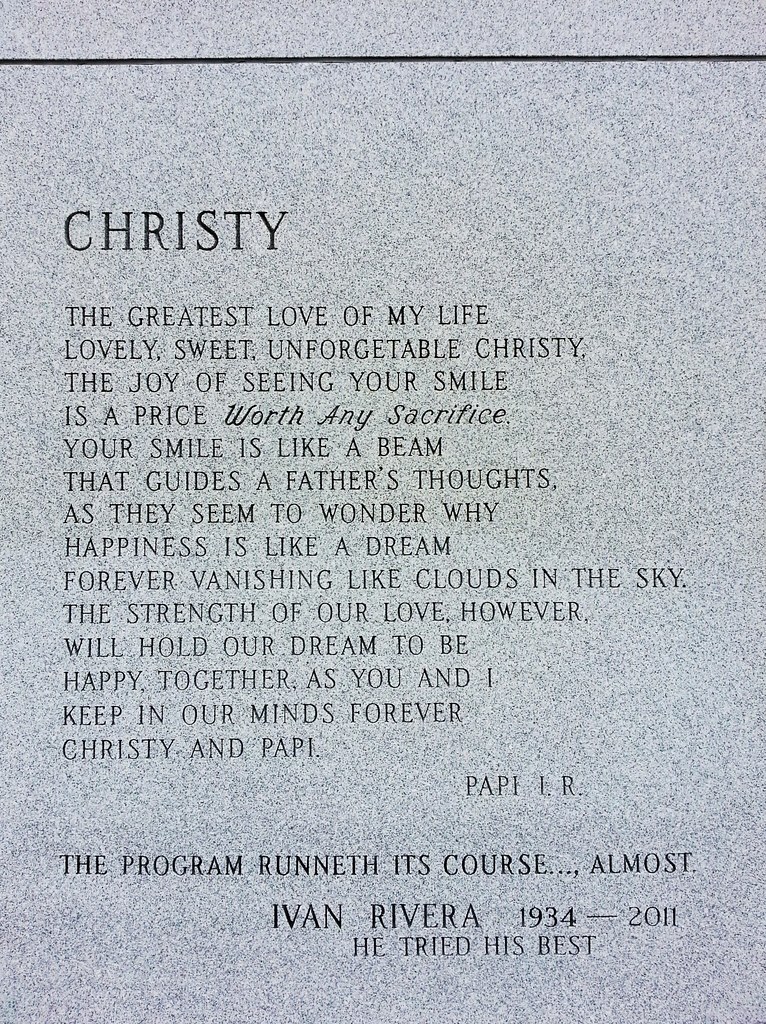
After 35 years, a father is reunited with his teenage daughter at St. Raymond's Cemetery.

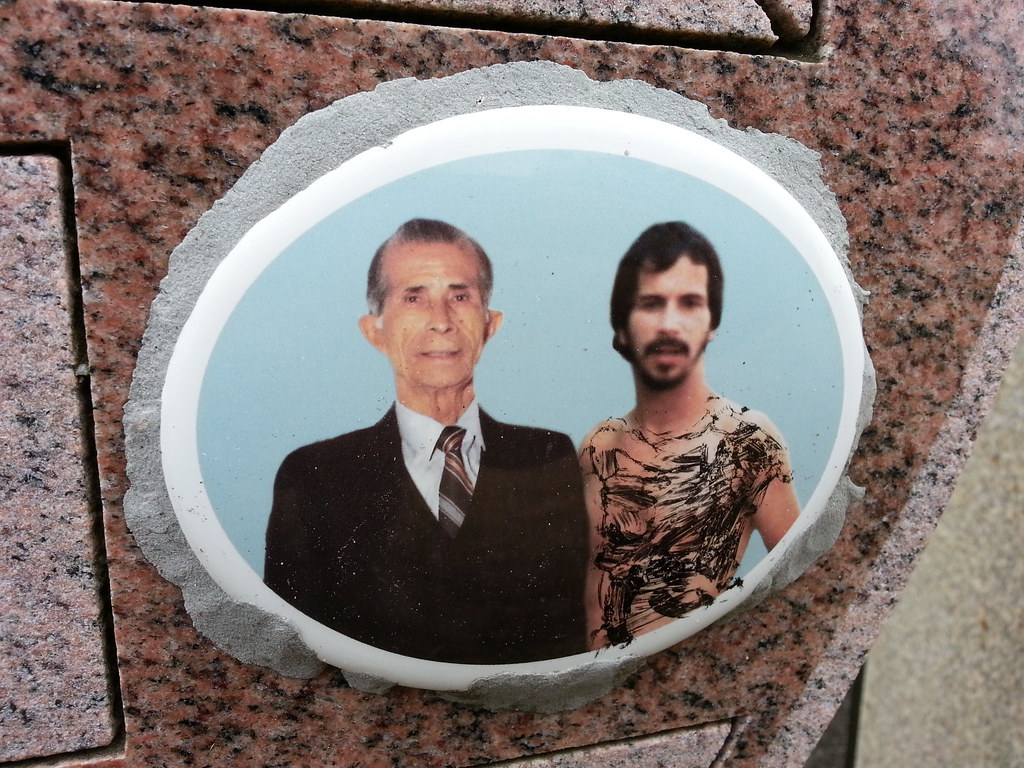
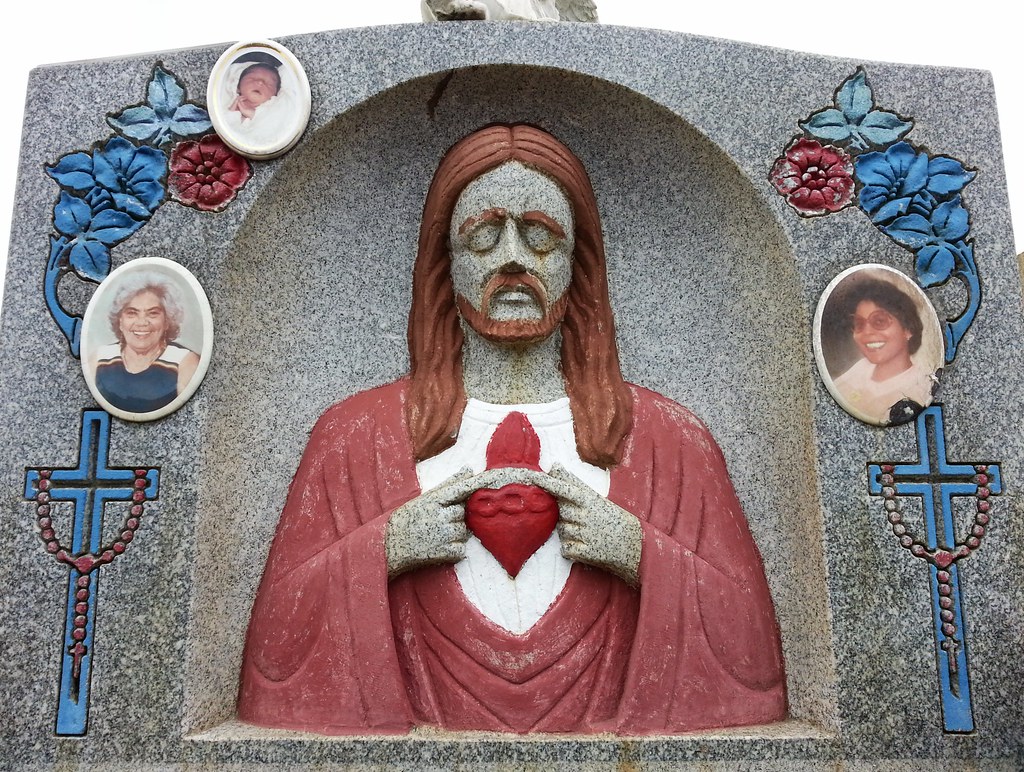
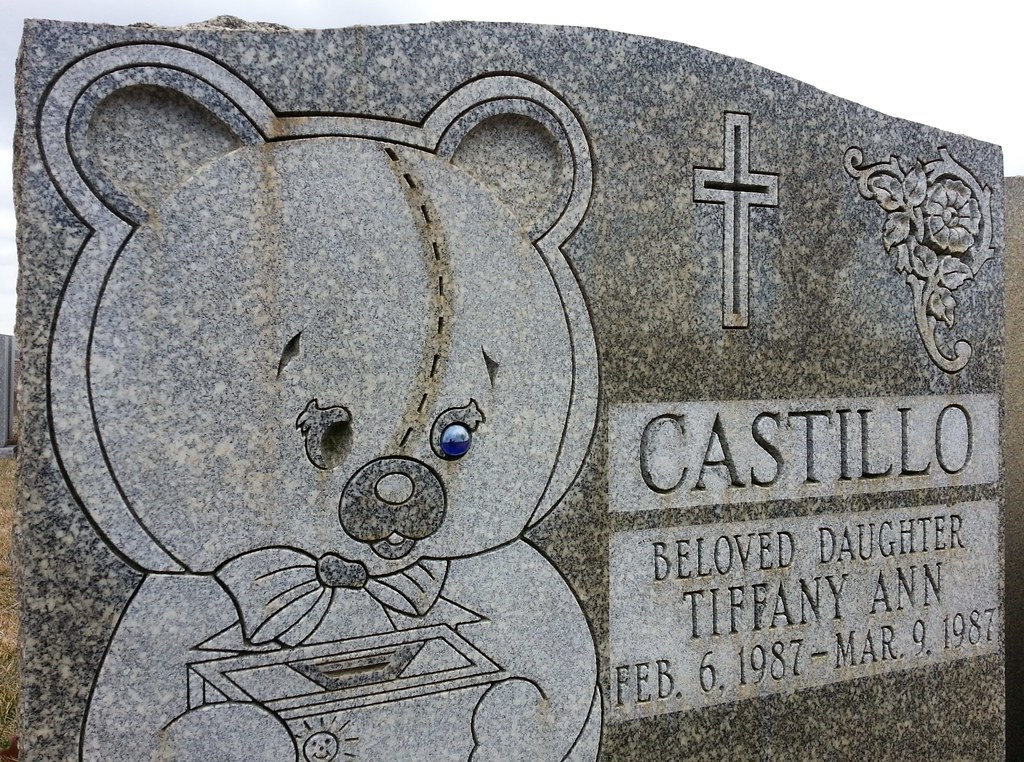
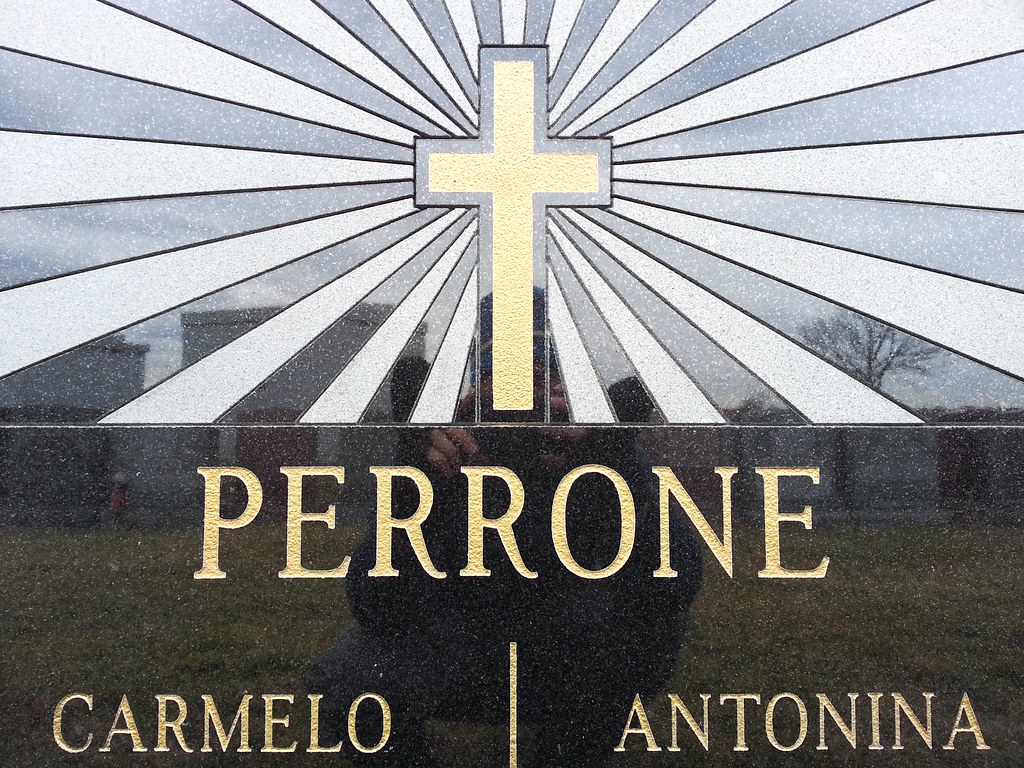
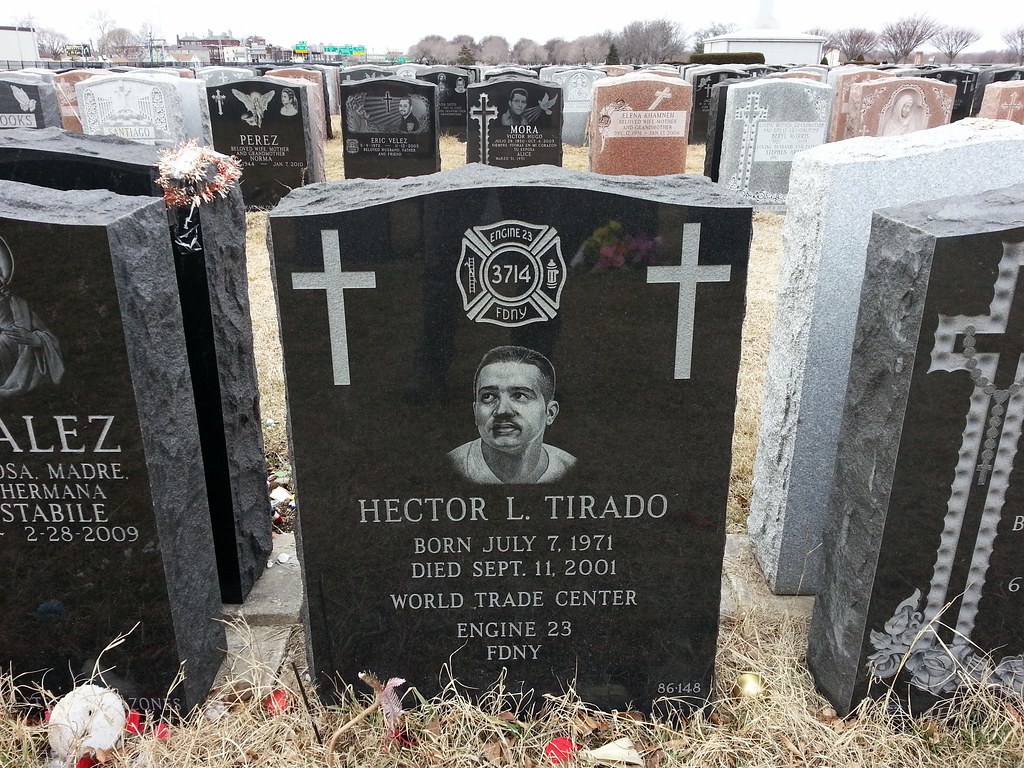
Walking around St. Raymond's today, I noticed quite a few brightly painted headstones, each one inscribed with a Hispanic last name. According to one scholar: "Hispanic graveyards are places of color, where paints, flowers, and tiles combine to comfort the bereaved and startle the gringo". You can see photos of some more of the stones here if you're interested.

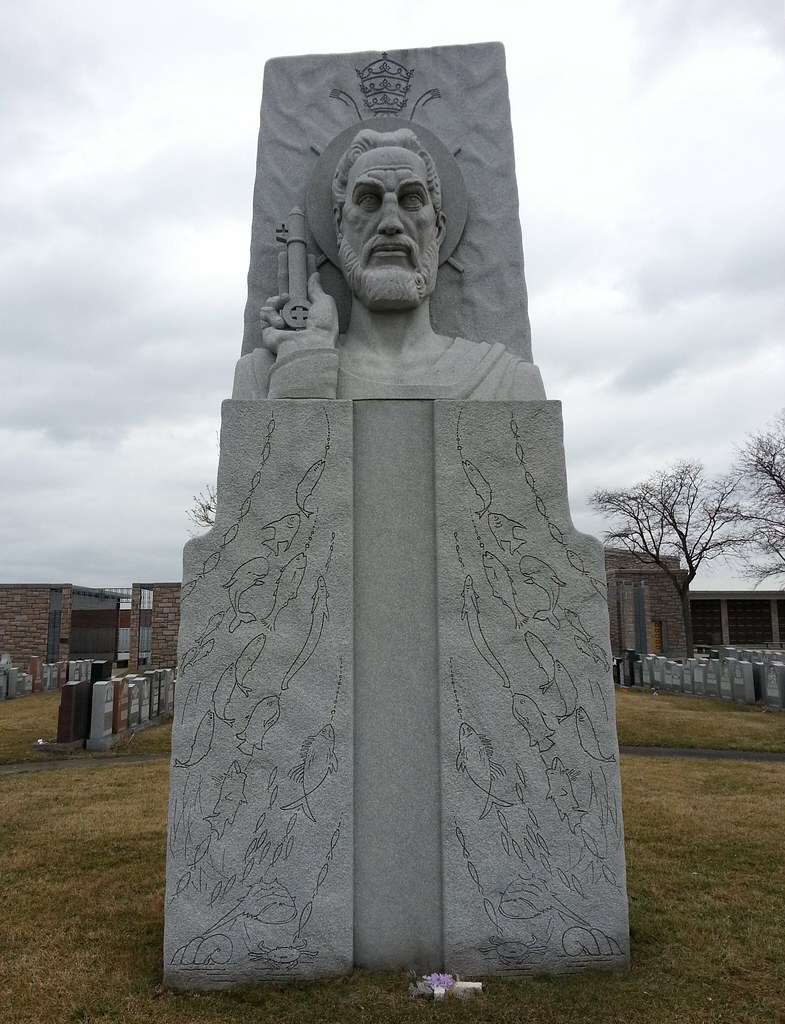
A man of great humility, hence the reference to the parable of the Pharisee and the Publican
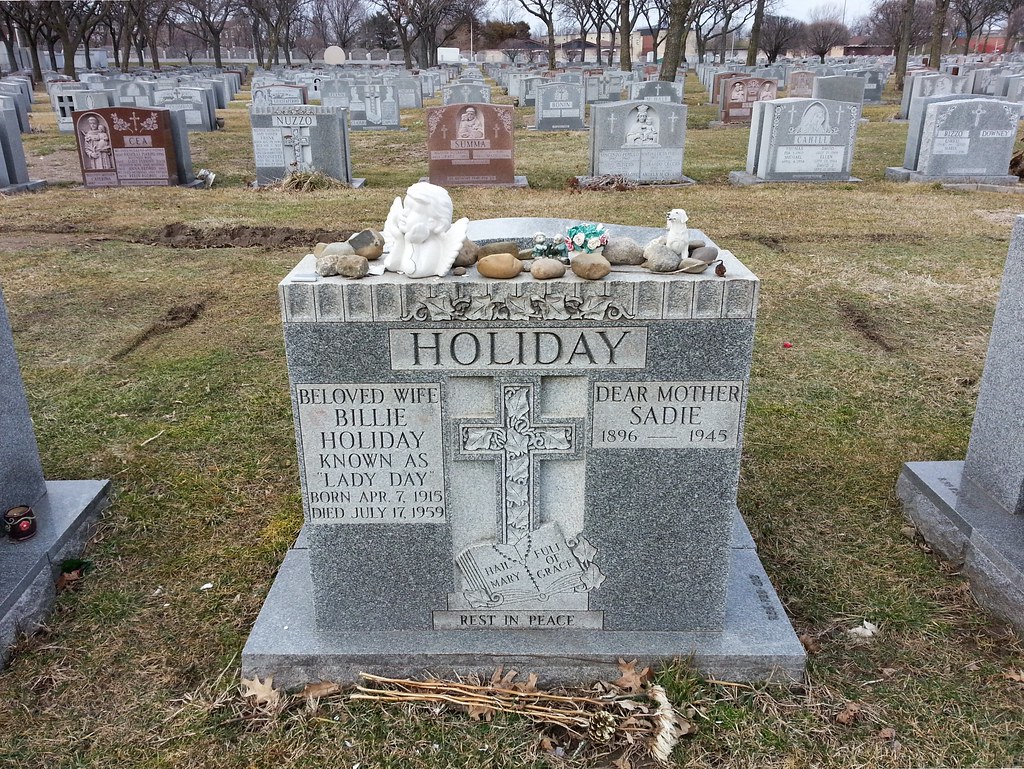
"Billie Holiday died in Metropolitan Hospital, New York, on Friday, July 17, 1959, in the bed in which she had been arrested for illegal possession of narcotics a little more than a month before, as she lay mortally ill; in the room from which a police guard had been removed – by court order – only a few hours before her death, which, like her life, was disorderly and pitiful. She had been strikingly beautiful, but she was wasted physically to a small, grotesque caricature of herself. The worms of every kind of excess – drugs were only one – had eaten her. The likelihood exists that among the last thoughts of this cynical, sentimental, profane, generous and greatly talented woman of 44 was the belief that she was to be arraigned the following morning. She would have been, eventually, although possibly not that quickly. In any case, she removed herself finally from the jurisdiction of any court here below."


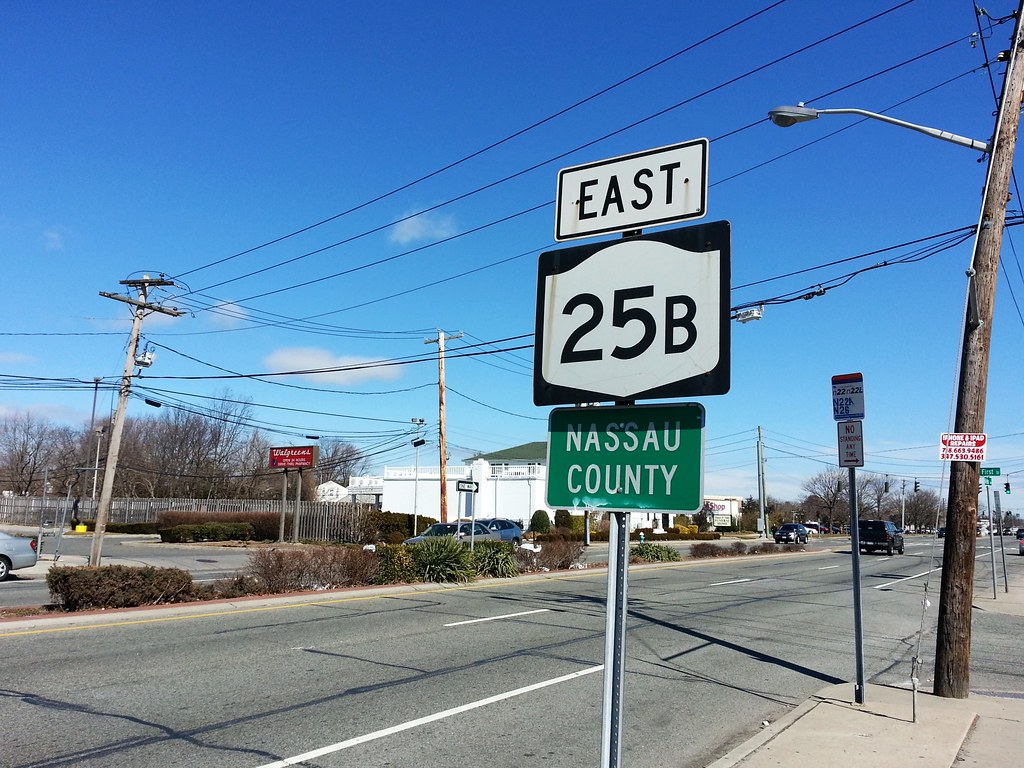
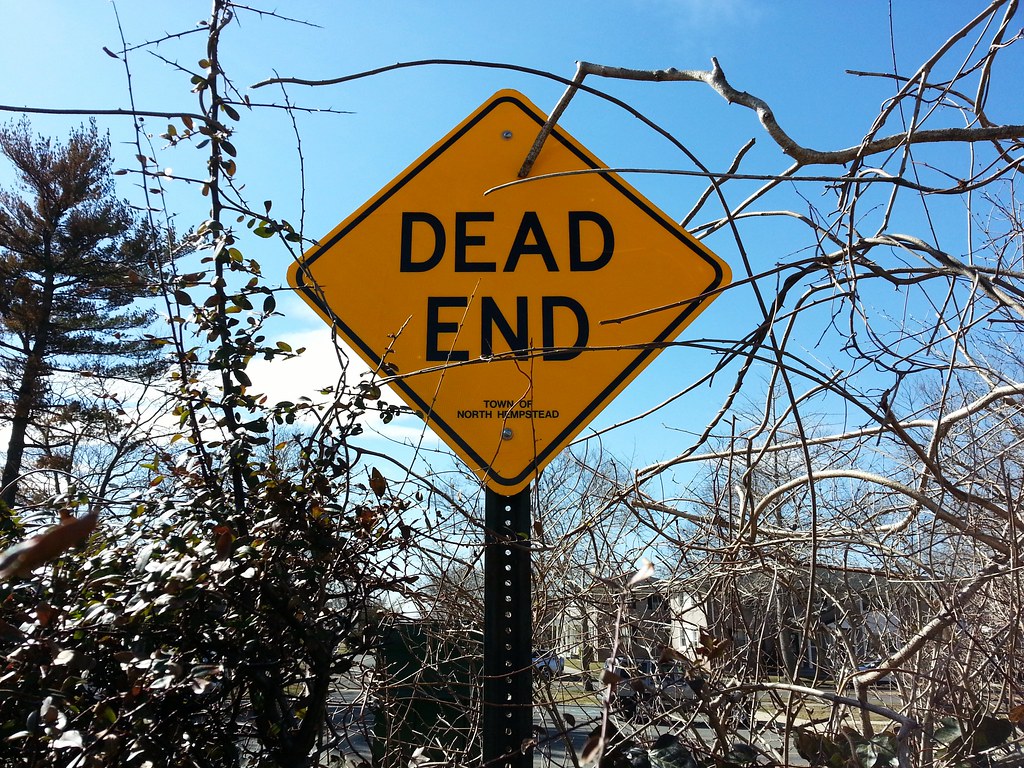
is just a bit behind where I'm standing on Hillside Avenue; this is the only sign marking the border.
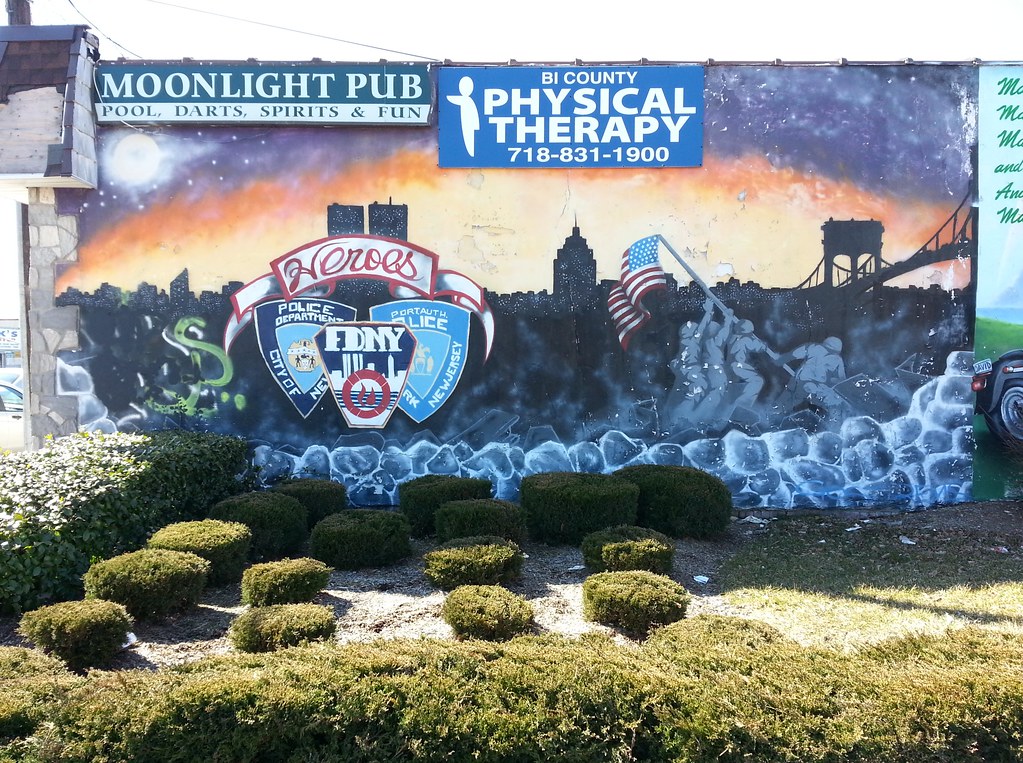
This one is just over the border in Nassau County, so it doesn't count in the official tally.
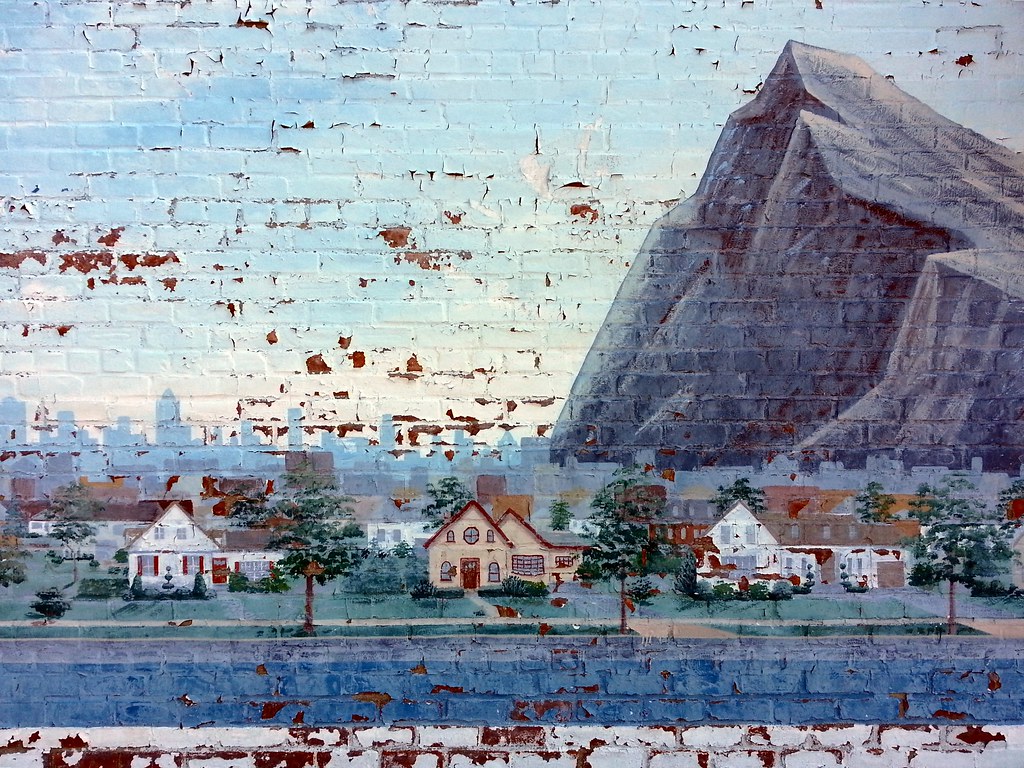
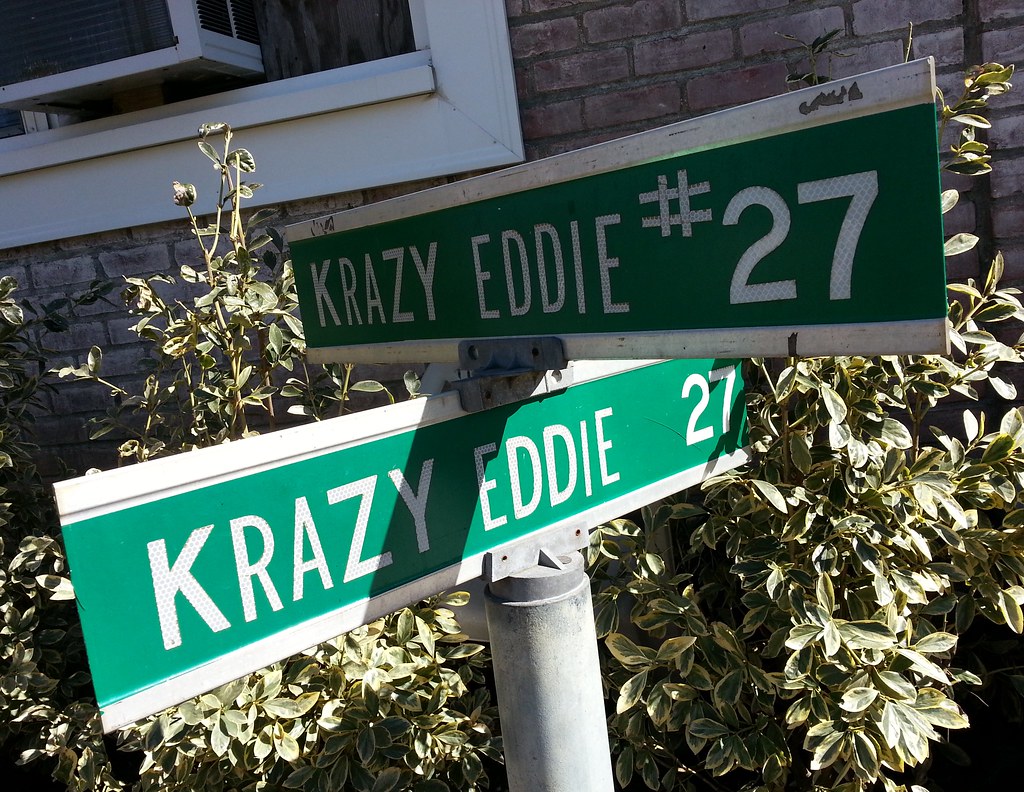

and various tree parts — Krazy Eddie ain't got nothing on this guy.



This recharge basin borders Queens on its western edge.

Part of a war memorial in Floral Park Centre, this WTC remnant seems to be dedicated to fallen troops, rather than victims of 9/11.

ZIP code 11001 straddles the Queens/Nassau line, marked here by what looks like a concrete curb embedded in the street.


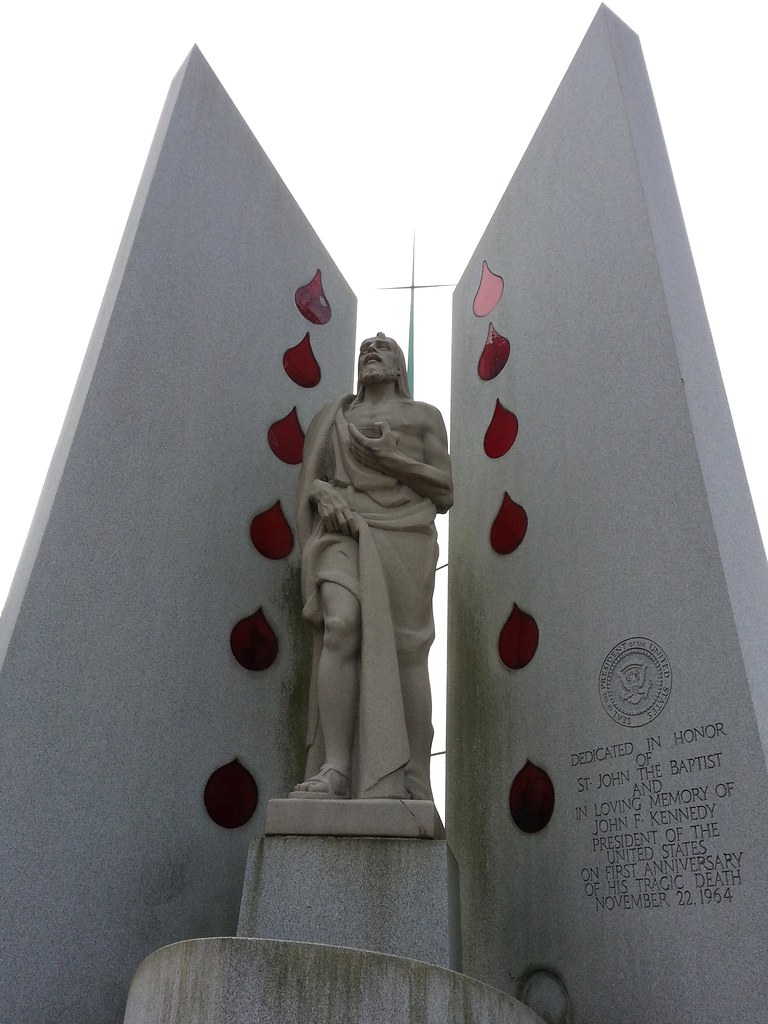
Inscribed beneath this statue is the following prayer:
You expired, O Jesus, but the source of life gushed forth for souls and an ocean of mercy opened up for the whole world. O Fount of Life, unfathomable Divine Mercy, envelop the whole world and empty Yourself out upon us. O Blood and Water, which gushed forth from the Heart of Jesus as a fount of mercy for us, I trust in You. Amen.
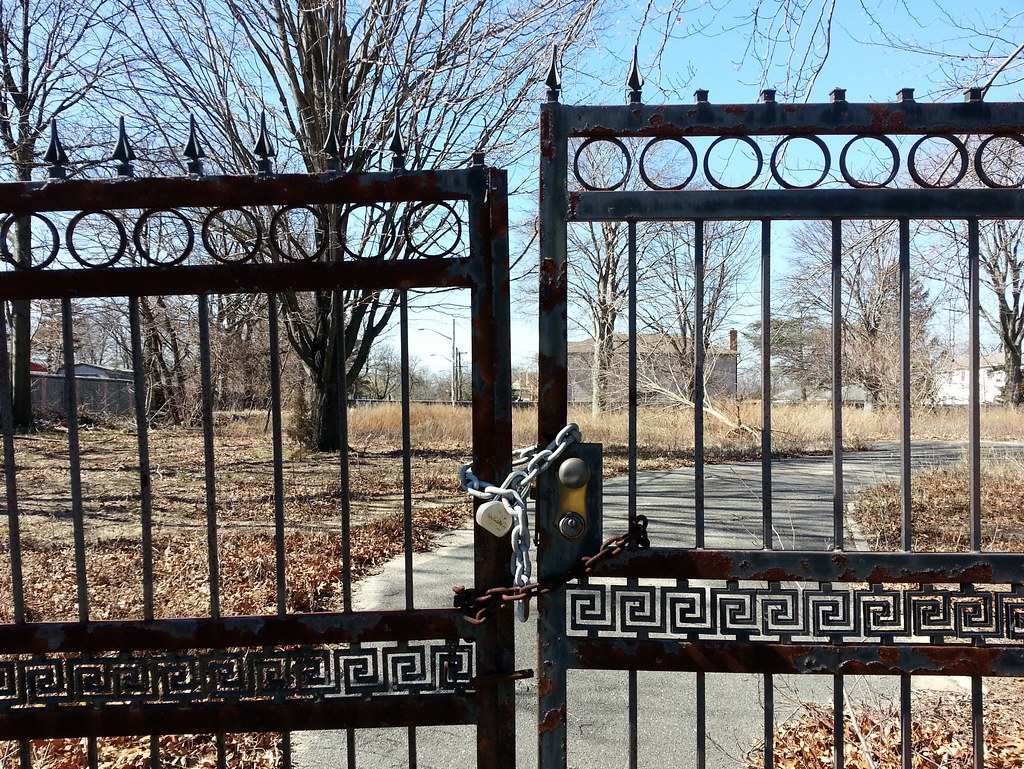
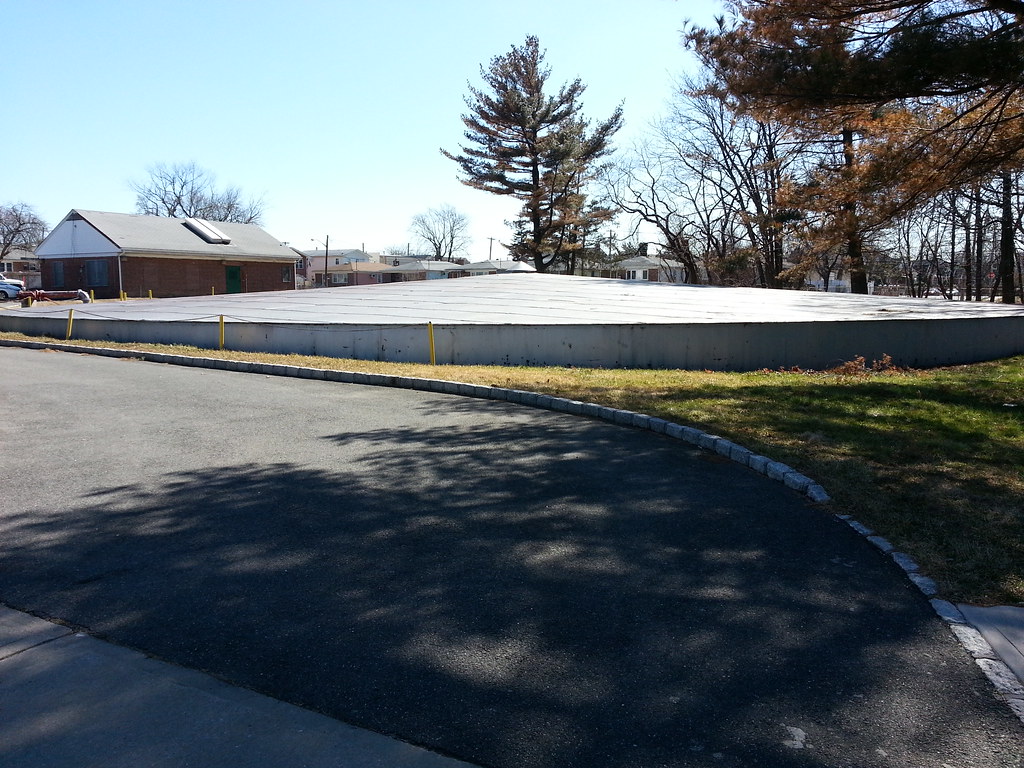
If you examine aerial images of southeastern Queens, you'll find a number of these mysterious metallic disks lurking about. My best guess is that they are actually in-ground storage tanks for the old groundwater supply system, but I don't know for sure. Anybody have a more definite answer?
UPDATE: I'm now confident saying this is an old in-ground water storage tank. The property was formerly owned by the Jamaica Water Supply Company (JWS provided the area with well water before selling its Queens properties to the city) and now belongs to the Department of Environmental Protection (the department in charge of the city's water supply). And it looked the same in 1996, the year the city bought the JWS properties, as it does today.
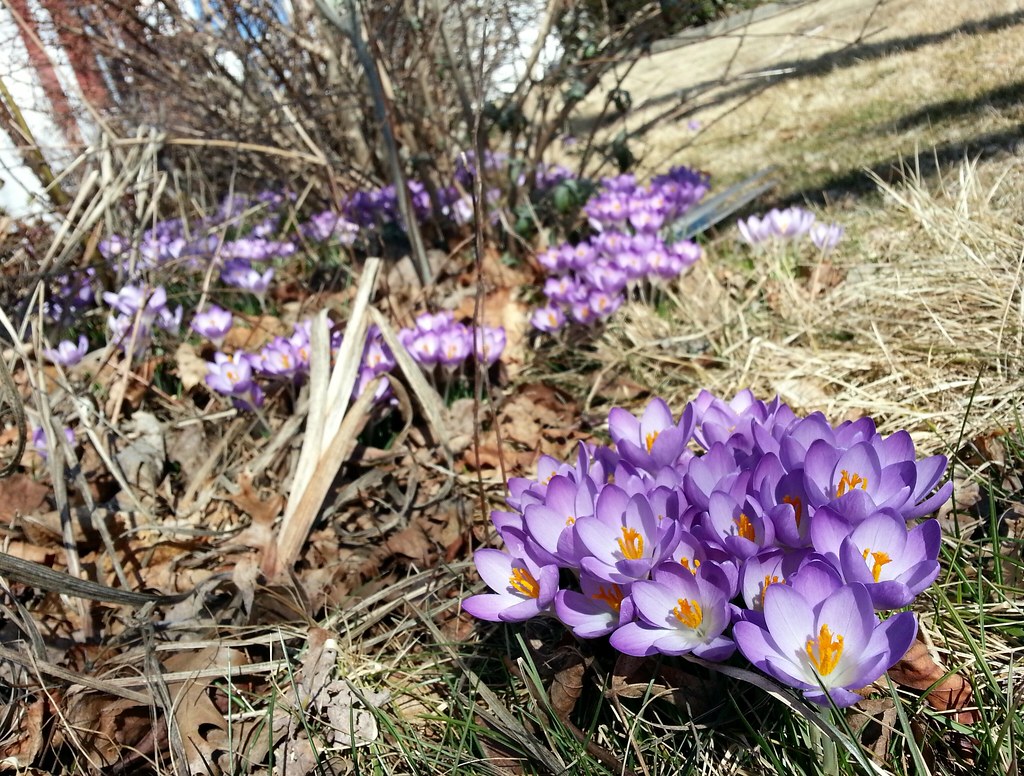
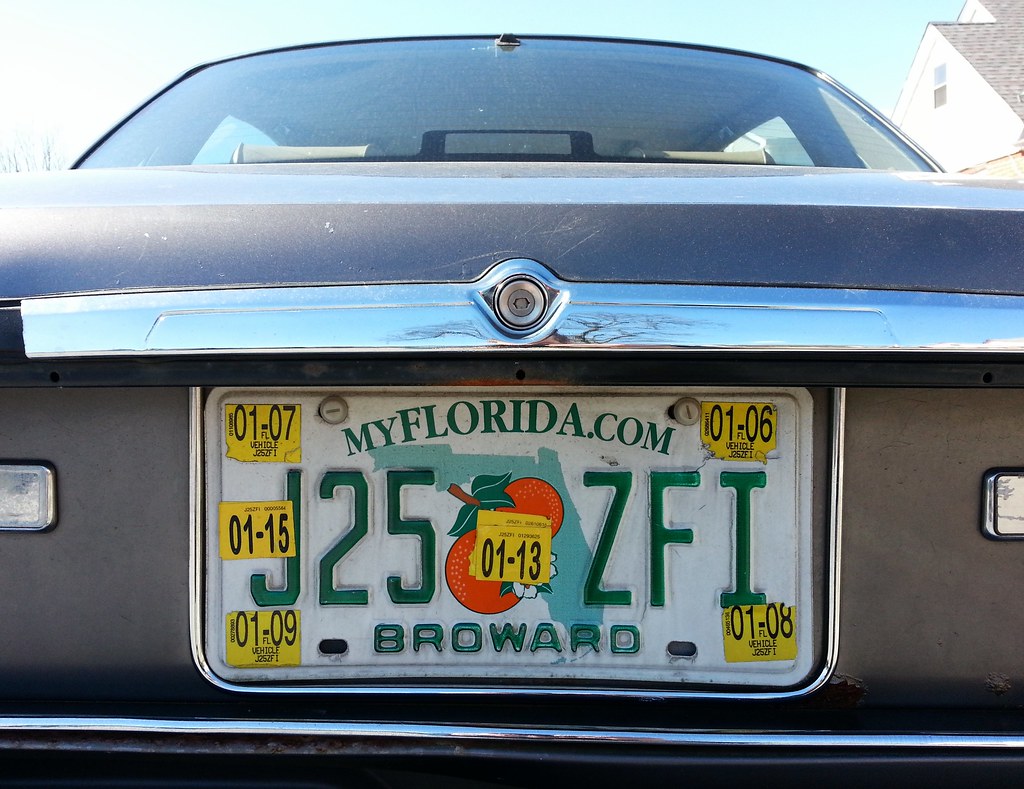
This guy's civil disobedience takes on a somewhat more orderly form than that of his Hawkeye confederate.
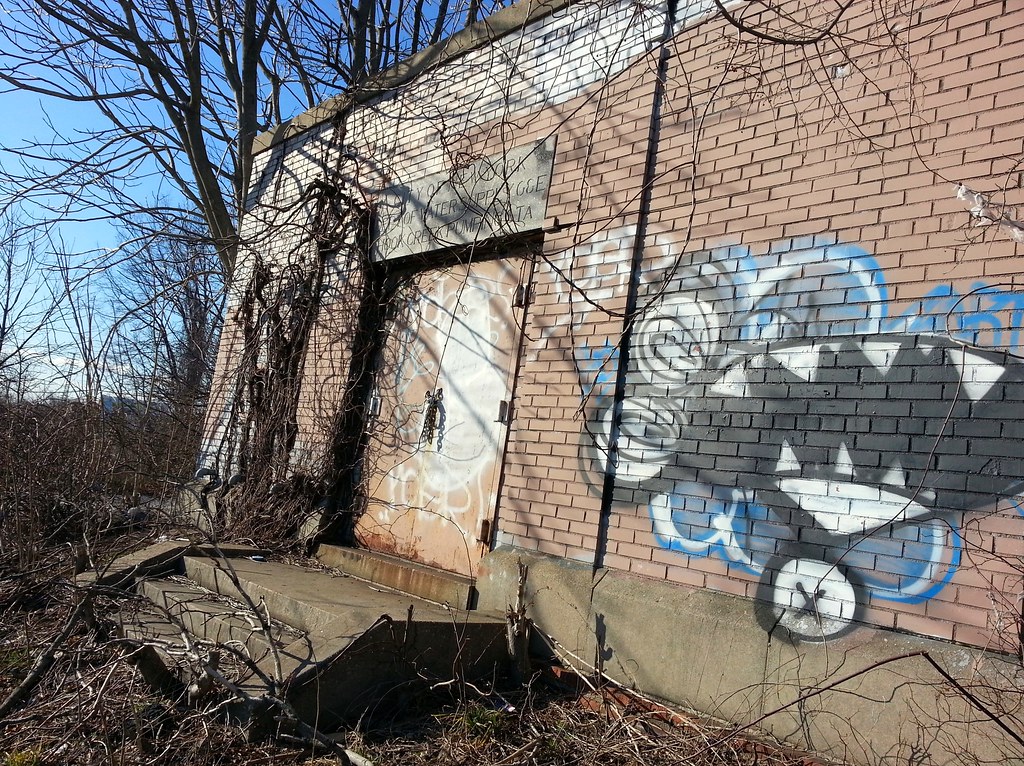
Starting in the 1850s, to meet the needs of its rapidly growing population, the then-independent city of Brooklyn constructed the Ridgewood Reservoir atop the Harbor Hill Moraine in what is now Highland Park and built an aqueduct system to supply it with water from a series of dammed streams and wells located farther east on Long Island, in today's Queens and Nassau Counties.
The abandoned structure above stands at the eastern edge of Queens along the route of the conduits that once carried this water toward Brooklyn. The western portion of the aqueduct was gravity-fed, so this pumping station wouldn't have been needed to move water through the pipes; it must have been used to pump water up from Hook Creek (which once marked this part of the boundary between Queens and Nassau before it was covered over) and add it to the supply heading toward Ridgewood.
As far as I can tell, Hook Creek was not one of the original water sources for the aqueduct.* Lending some support to that claim, the inscription above the doorway ("CITY OF NEW YORK — DEPT OF WATER SUPPLY G&E — HOOK CREEK PUMPING STA") implies that this pumping station was erected by New York City, of which Brooklyn was not a part until 1898. I do know that NYC built mechanical filtering plants for some surface water sources in the early 1900s to increase Brooklyn's supply; perhaps this building was constructed, and Hook Creek finally tapped, at that point.
* Confusingly, what is now called Hook Creek was, in the mid-1800s, sometimes just referred to as the middle branch of Hook Creek. The east and west branches, however, were original sources for the aqueduct. An 1853 NY Times article describing an inspection tour of some of the proposed water sources for the new Brooklyn supply system deemed the pond on the east branch of Hook Creek (later known as Clear Stream and now buried beneath the streets of Nassau County) the finest of the bunch: "This water seemed much superior to that of the other ponds, and could be tasted moderately without the brandy — though the majority still continued to think a little of the latter a decided improvement."
UPDATE: This was a driven well station, meaning it drew water out of the ground, not out of Hook Creek. The wells were put into operation around 1910. In April 1939, residents of Rosedale were begging the city to activate this pumping station, which had been temporarily shut down, in order to lower the area's water table and bring an end to the basement flooding caused by recent rains. (As we've seen, flooding is a perpetual problem in Rosedale.)