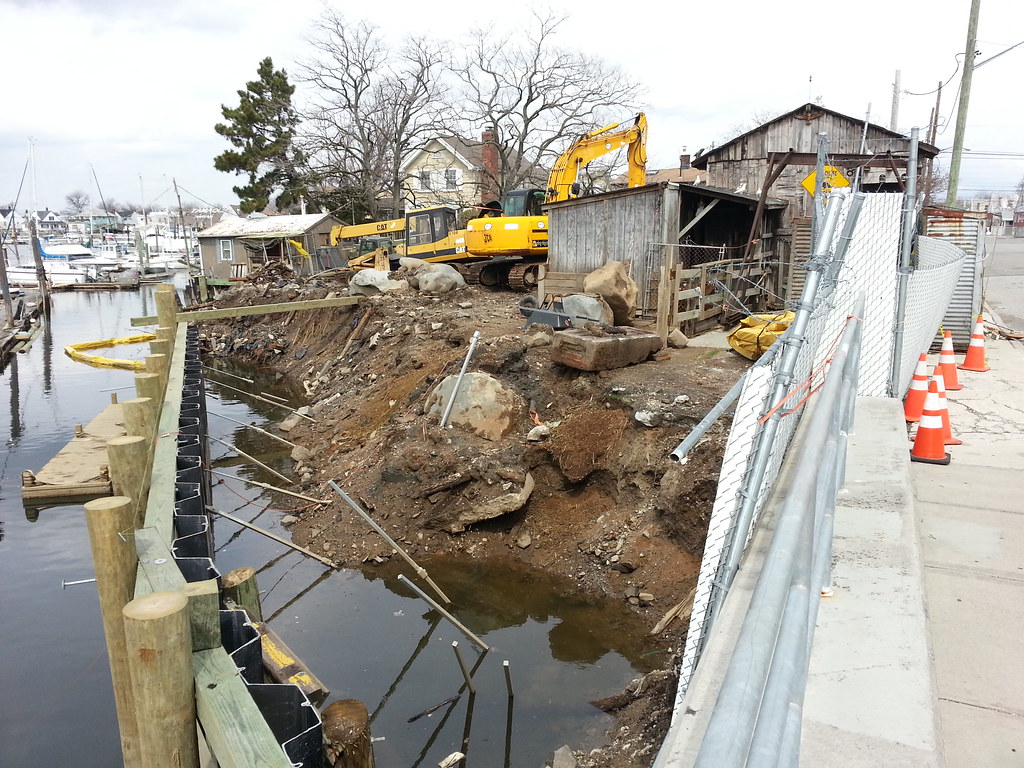
Perhaps some improvements are under way at this dilapidated urban barnyard in Gerritsen Beach? But where have the horses gone?
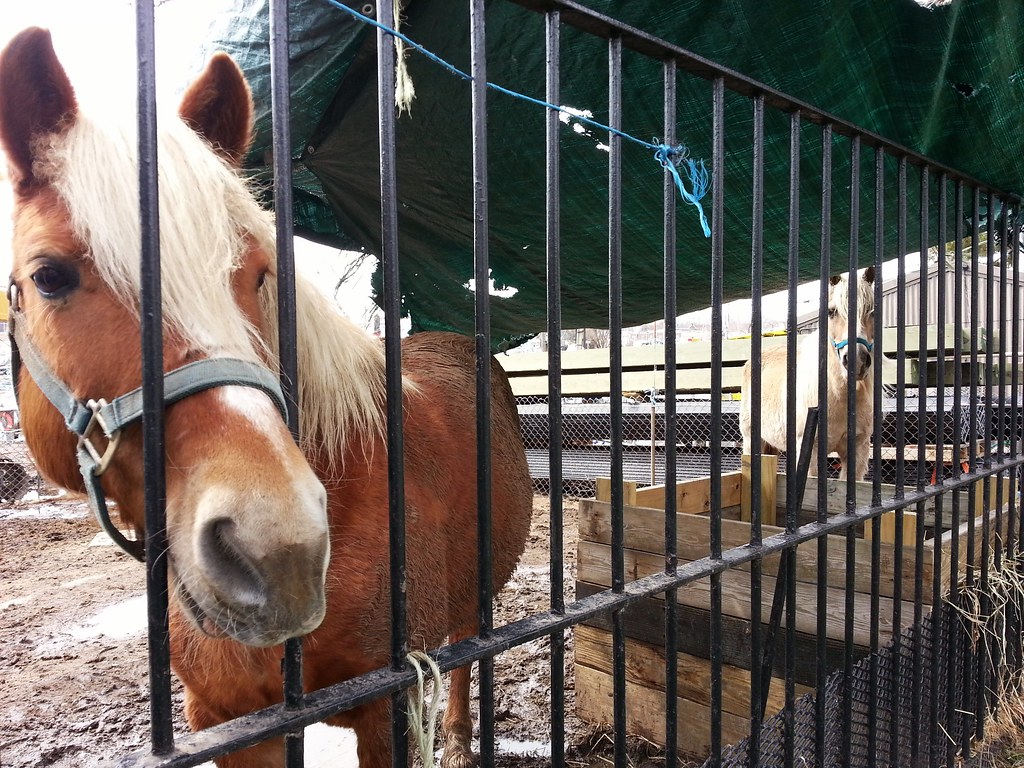
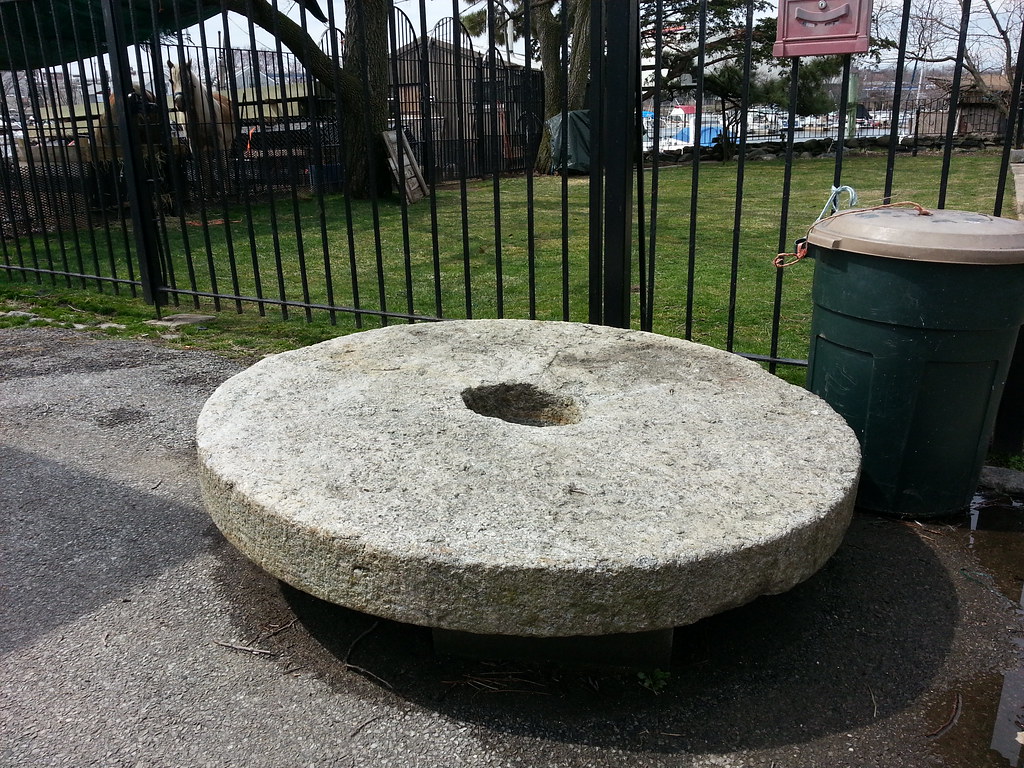
Looks like a worn-down old millstone! The horses in the background certainly seem intrigued by its potential historical value.

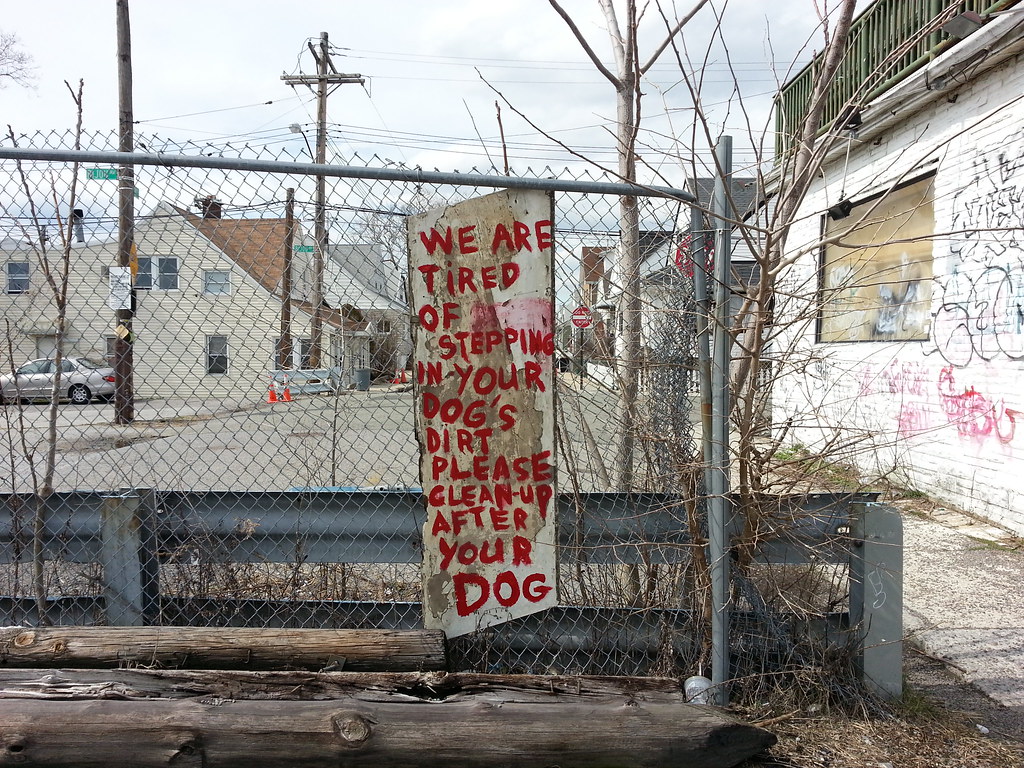
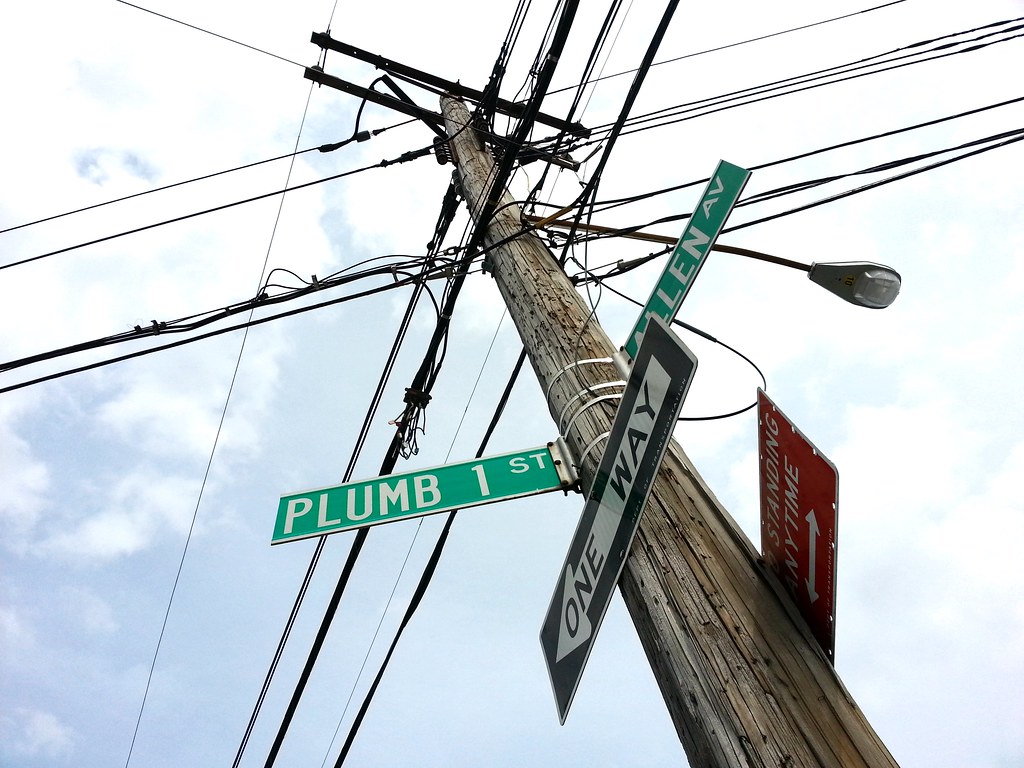
Presumably named after the formerly pugilistic Plumb Island, "Plumb" is the most obscure of Brooklyn's street prefixes.
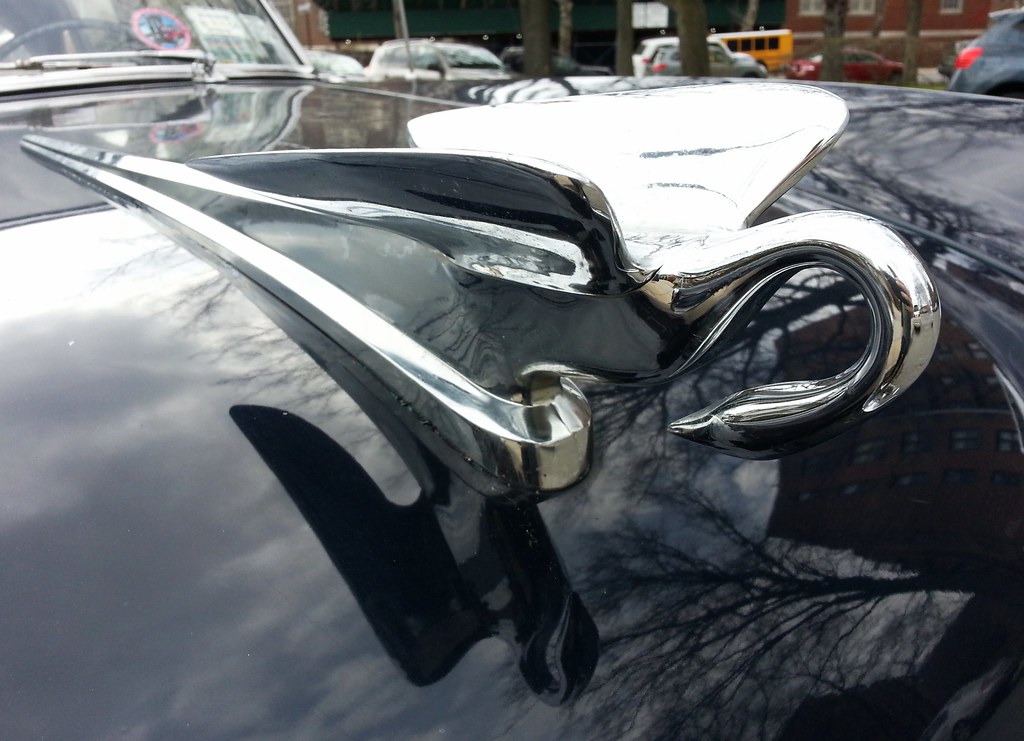
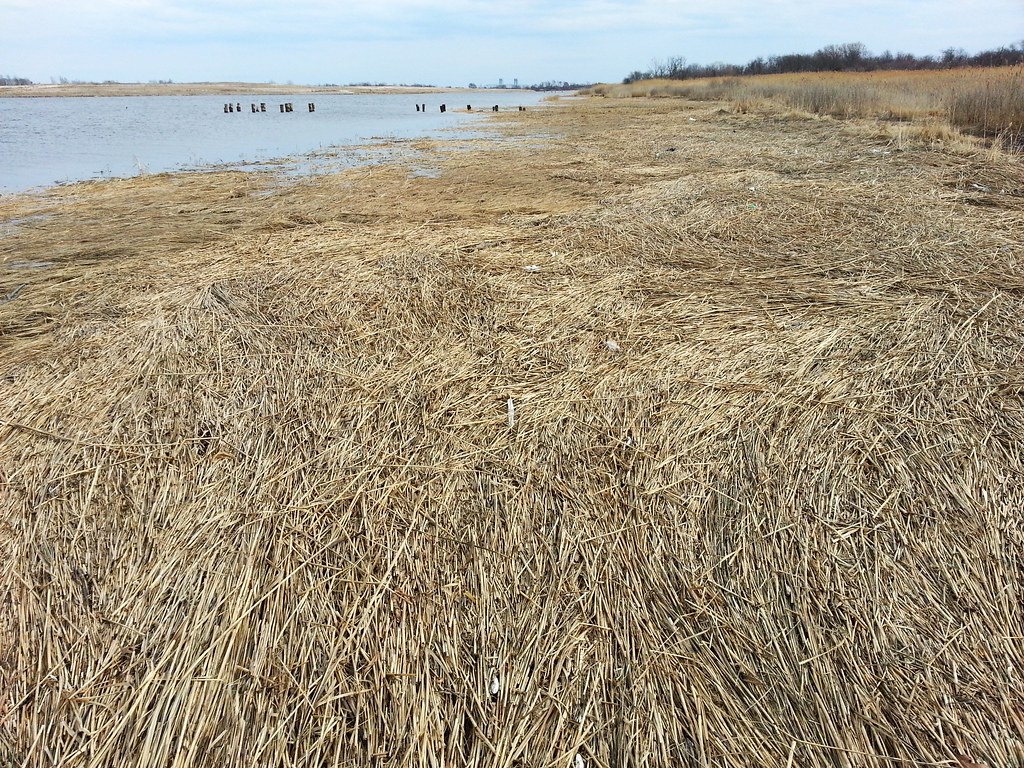

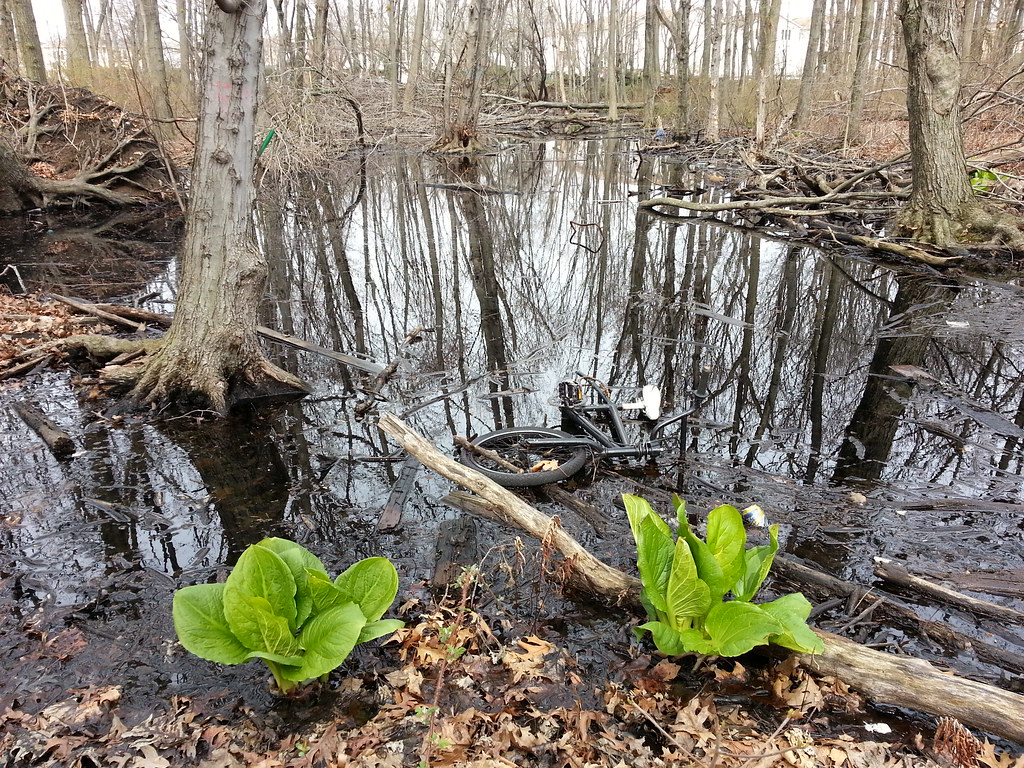
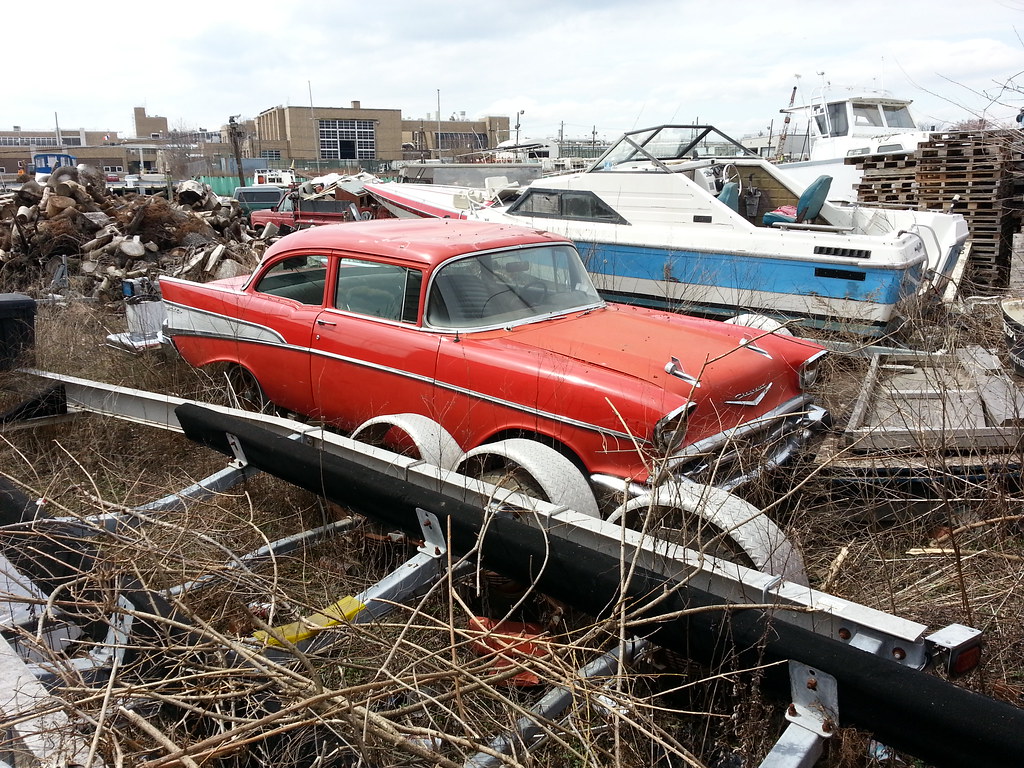
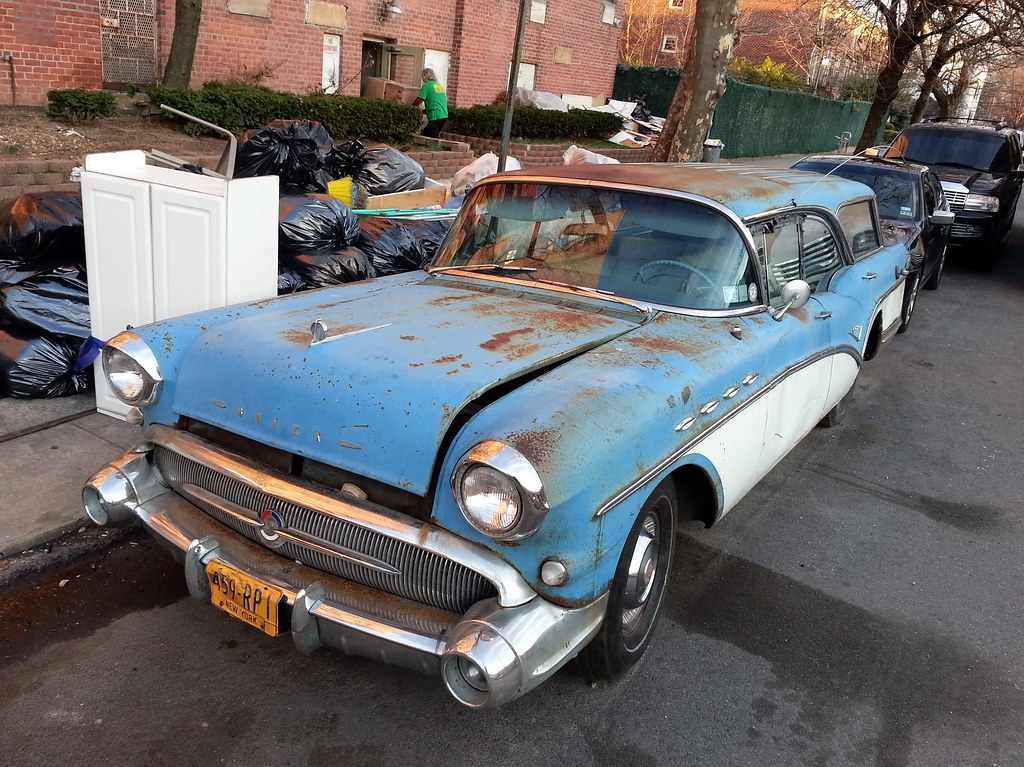
and the Manhattan skyline. This isn't the first discarded vehicle we've seen back weeds in Marine Park, nor was it the only one I saw today.
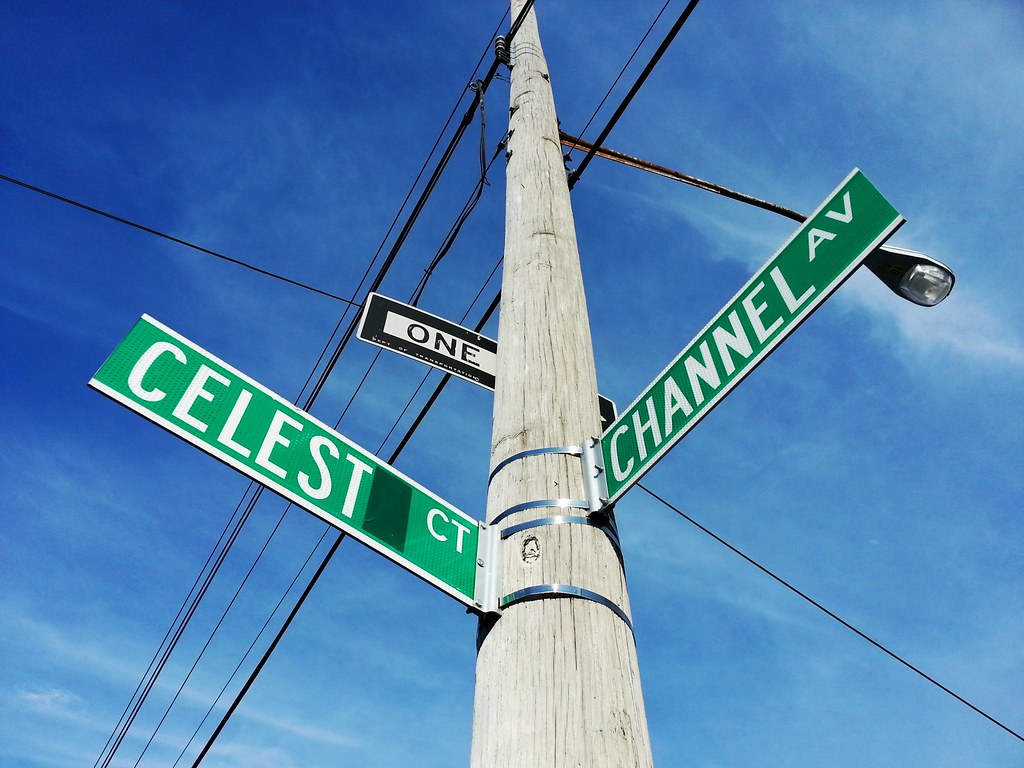
Of the six intersections found along the course of this street, three have a sign that reads — and has always read — "CELEST CT". The other three, like the one above, have a modified "CELESTE CT" sign, the final "E" in the name concealed beneath a piece of green tape. Google currently labels the street "Celeste Ct", while Yahoo goes with "Celest Ct". Bing plays it safe and uses both "Celest Ct" and "Celeste Ct". NYC's official online map says "CELESTE CT".


This overly basketed (look at the ceiling!) gourmet grocery store occupies a good portion of what used to be Lundy's, a massive seafood restaurant with seating for some 1,700 diners. Here's some info about (and more photos of) the sumptuous decor, and here's an exterior shot of the block-long building, which looks out onto the waters of Sheepshead Bay.
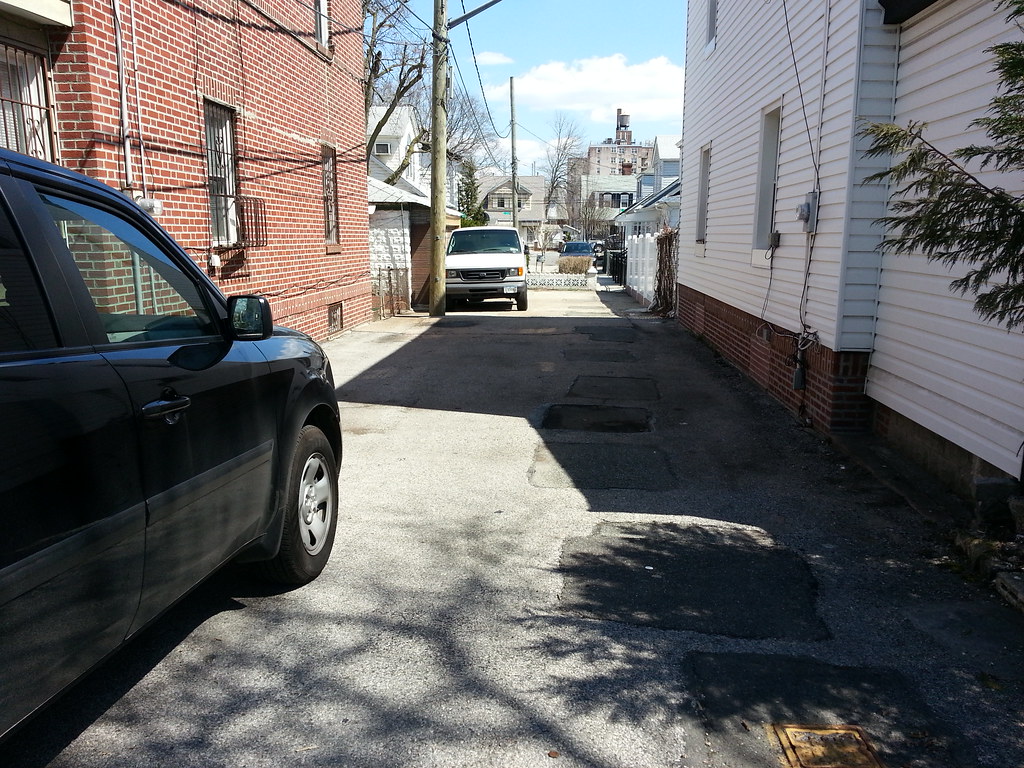
This block-long alley runs between East 21st and East 22nd Streets. Four and a half miles north along East 21st Street, as we've seen, lies a little cul-de-sac named Kenmore Terrace. The fact that the two Kenmores share a name is not a coincidence: it turns out that East 21st, the street that connects them, used to be a Kenmore itself — Kenmore Place. (It appears that a short stretch of East 21st Street was actually officially co-named Kenmore Place in 2000, restoring its historical appellation, although the street signs in that section do not reflect this change.)
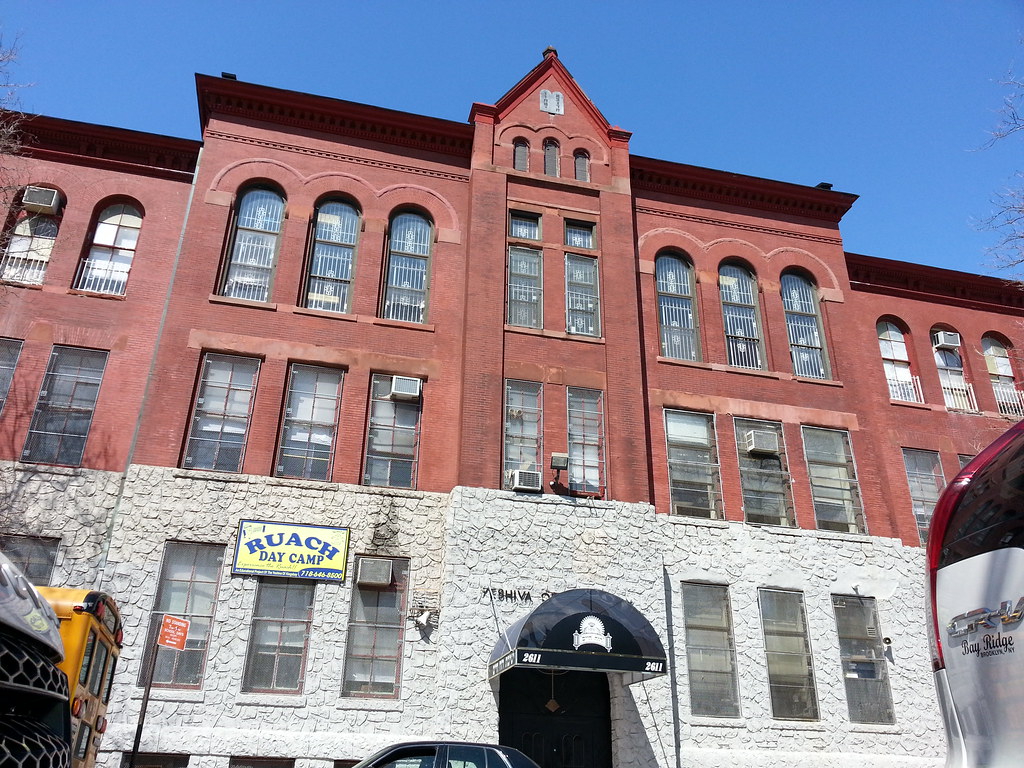
A private Jewish school in what seems to have once been Public School 98. (The building looks nothing like it did in its architectural drawings, however.)
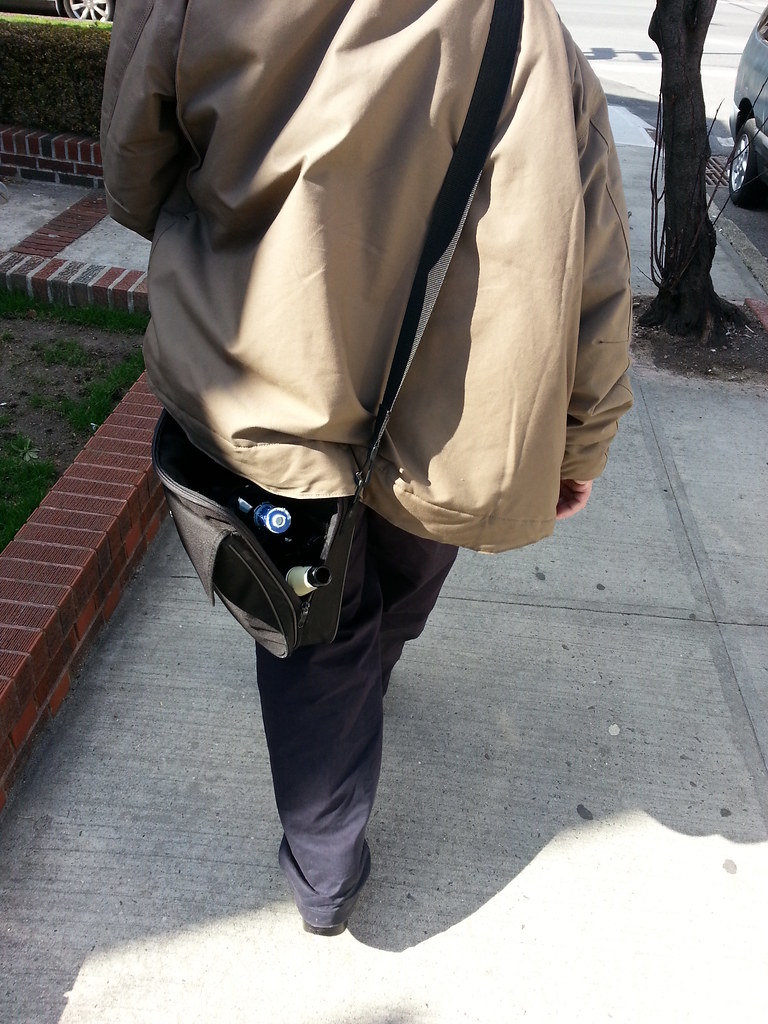
As I approached this gentleman and peered into his open shoulder bag, I began to discern the cause of his wobble.
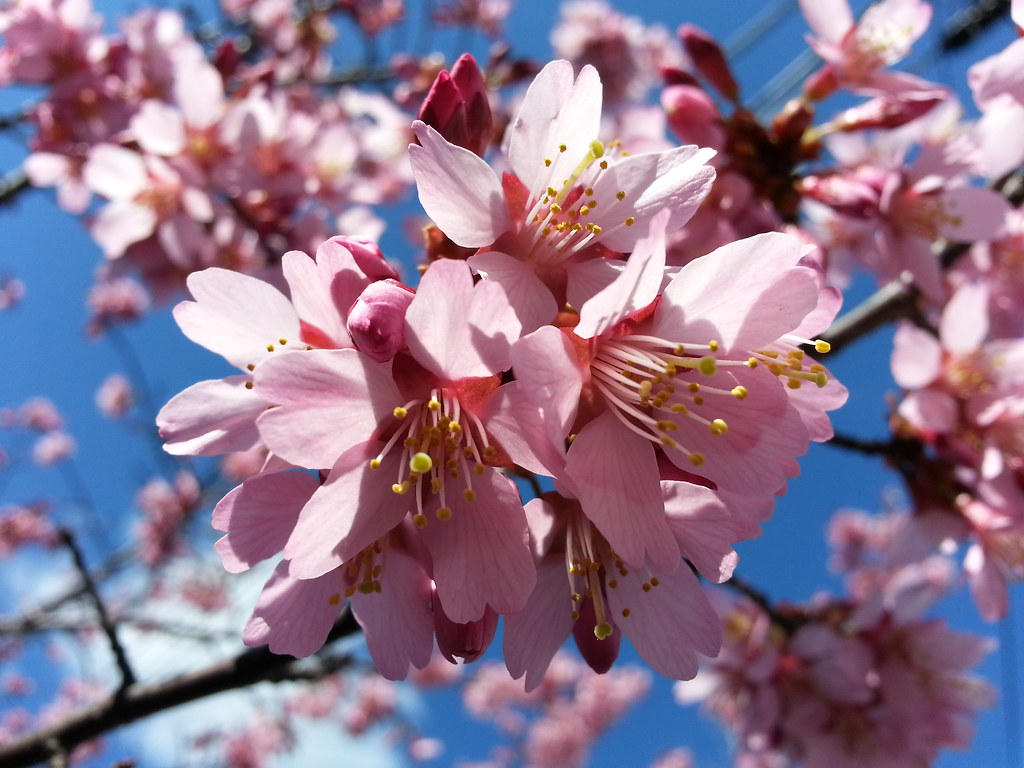
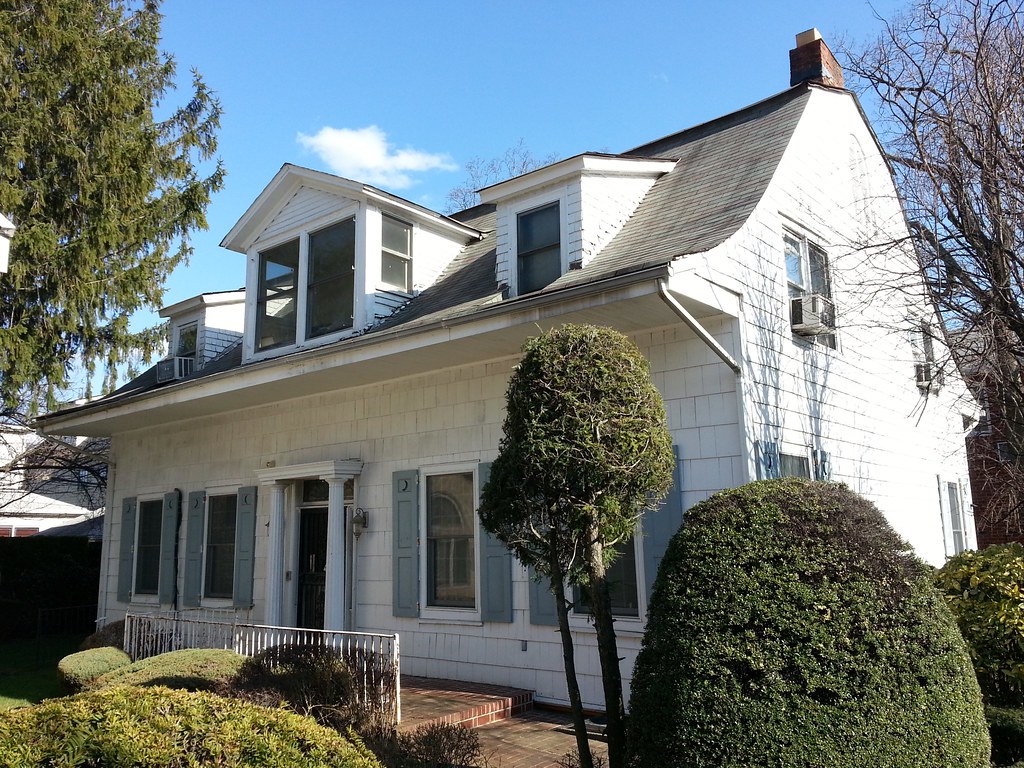
This "especially fine example of a traditional Dutch Colonial farmhouse" was built in the first few years of the 19th century. After the house changed hands in 1916, the new owner moved it here from its original site farther south and added the dormer windows; the little entrance portico was a 1952 addition.
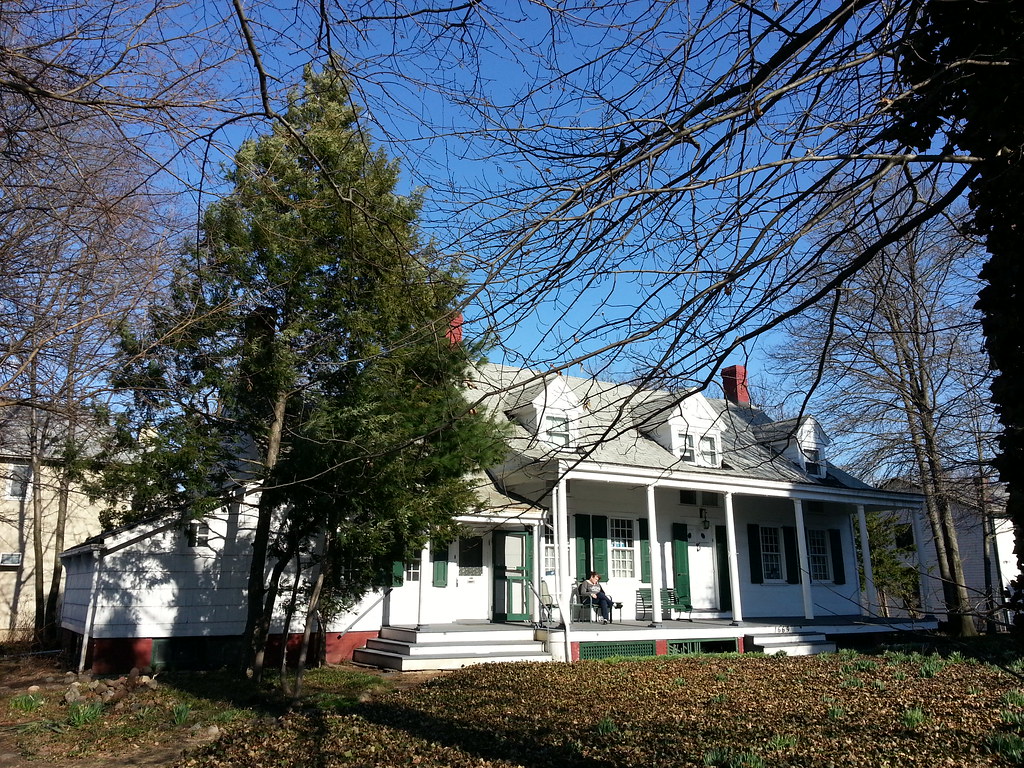
Built around 1766, this house is "the best preserved, and considered by many the most beautiful example of Dutch Colonial architecture in Brooklyn". Two Hessian soldiers who were quartered here during the Revolutionary War scratched their names into the windows; the framed panes now hang inside on the wall amid a huge collection of relics. In the 250 or so years of the house's existence, it's been occupied by a string of only three different families: the Wyckoffs, the Bennetts, and, since 1983, the Monts. For a look inside the place, check out this photo gallery and this eight-minute video.
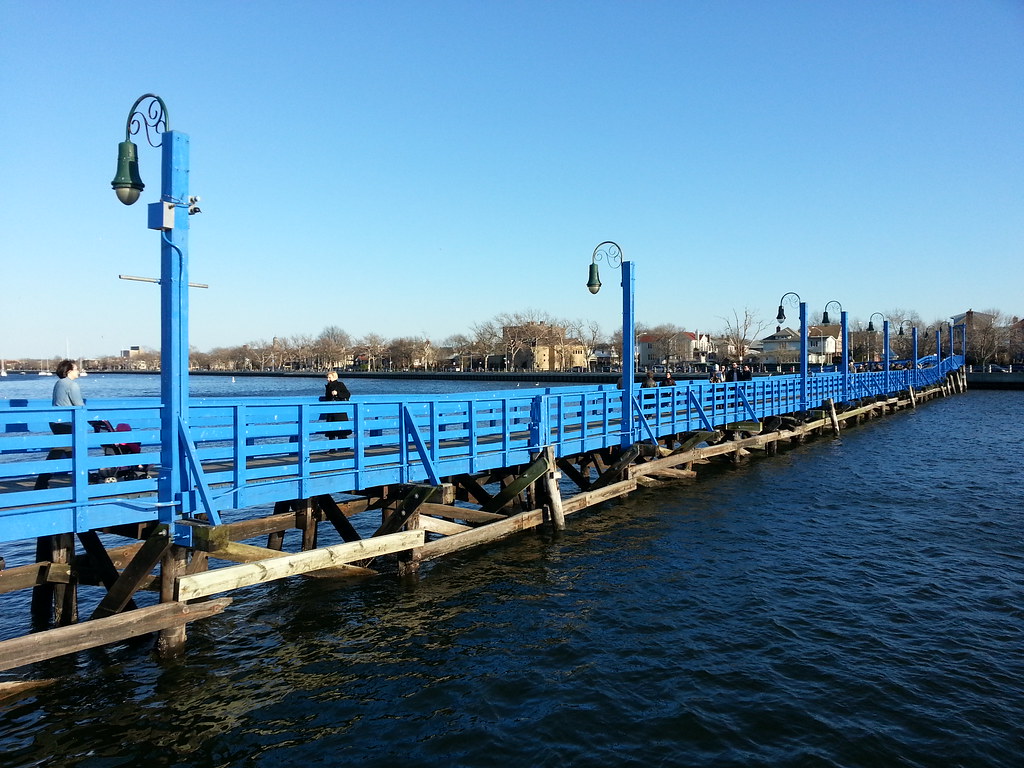
If you're in the mood for a long, crazy story, check out the post I wrote last time we saw this footbridge over Sheepshead Bay. (Looking at the previous photo, you'll notice that the bridge has since been fully repainted following its post-Sandy reconstruction.)
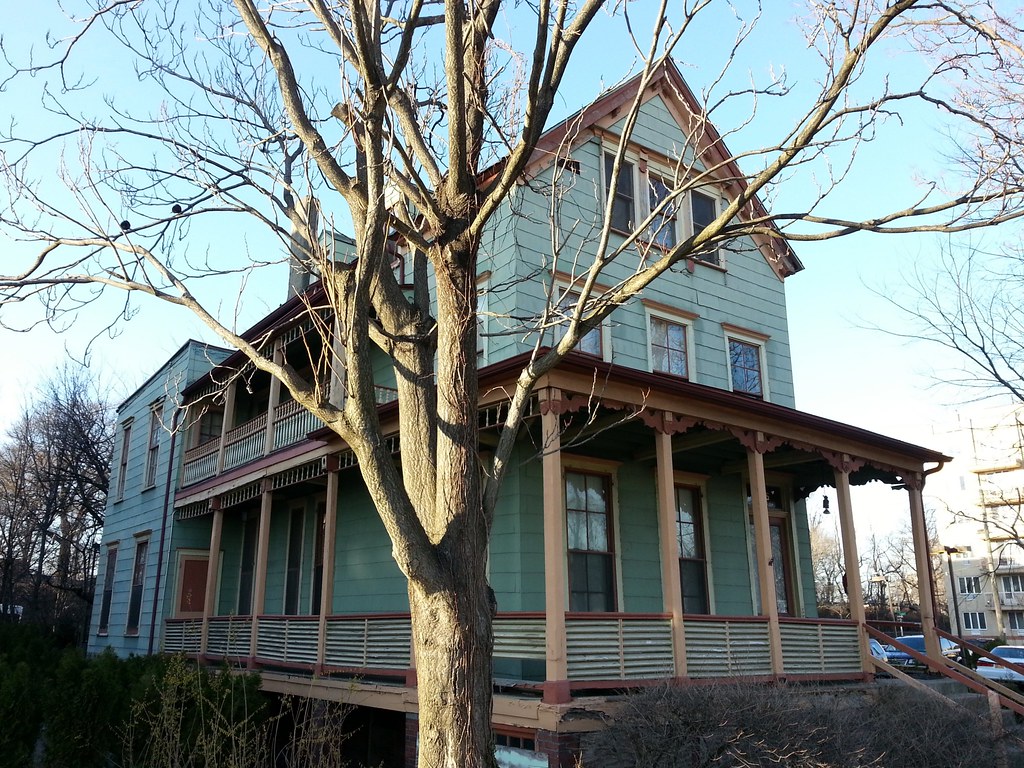
This is the last of the large houses that once looked out onto Sheepshead Bay from the northern side of Emmons Avenue. Compare this 1924 aerial image with one from 2012.
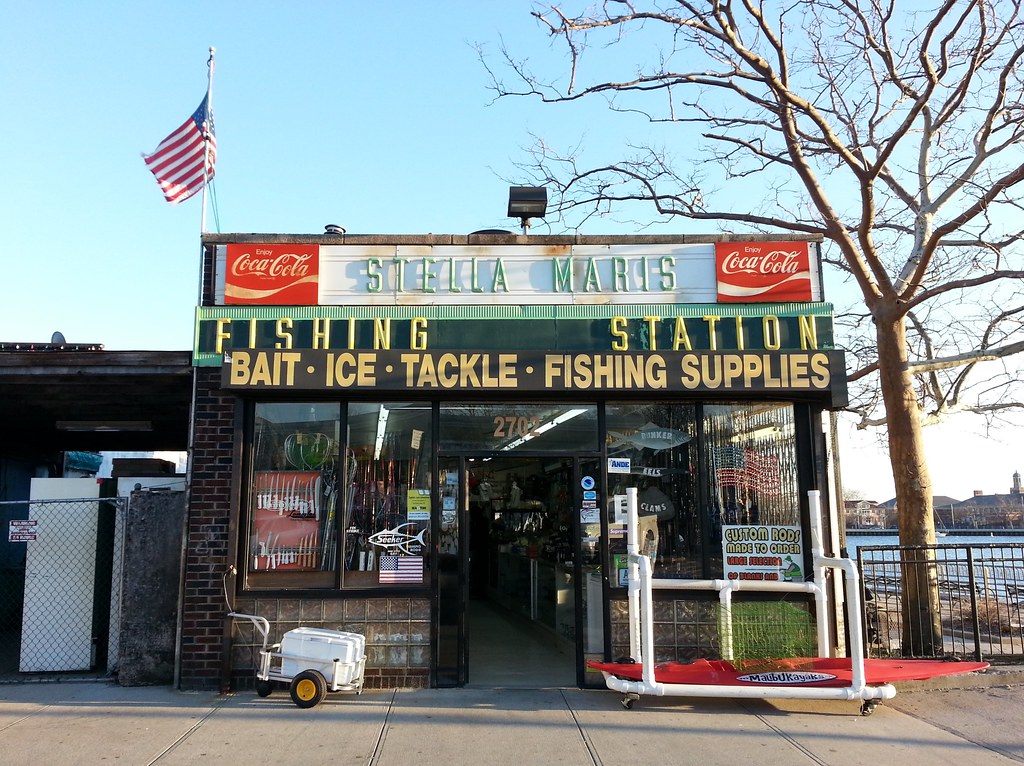
Star of the Sea, opened by six brothers (including an Anthony and a Tony) in 1947
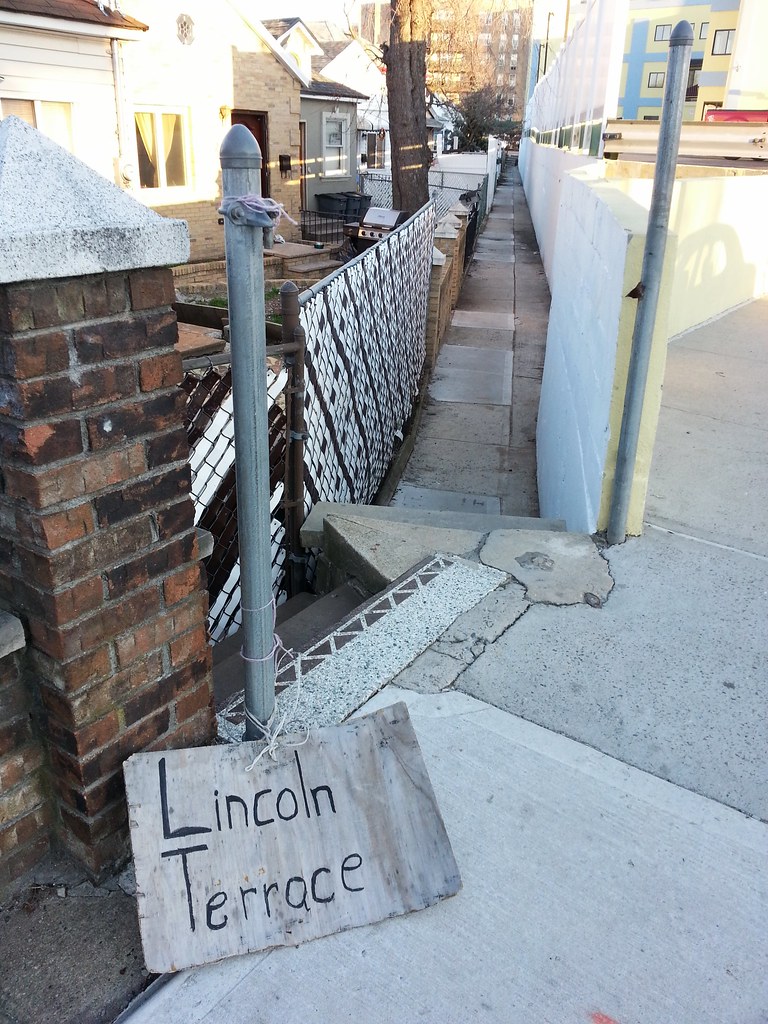
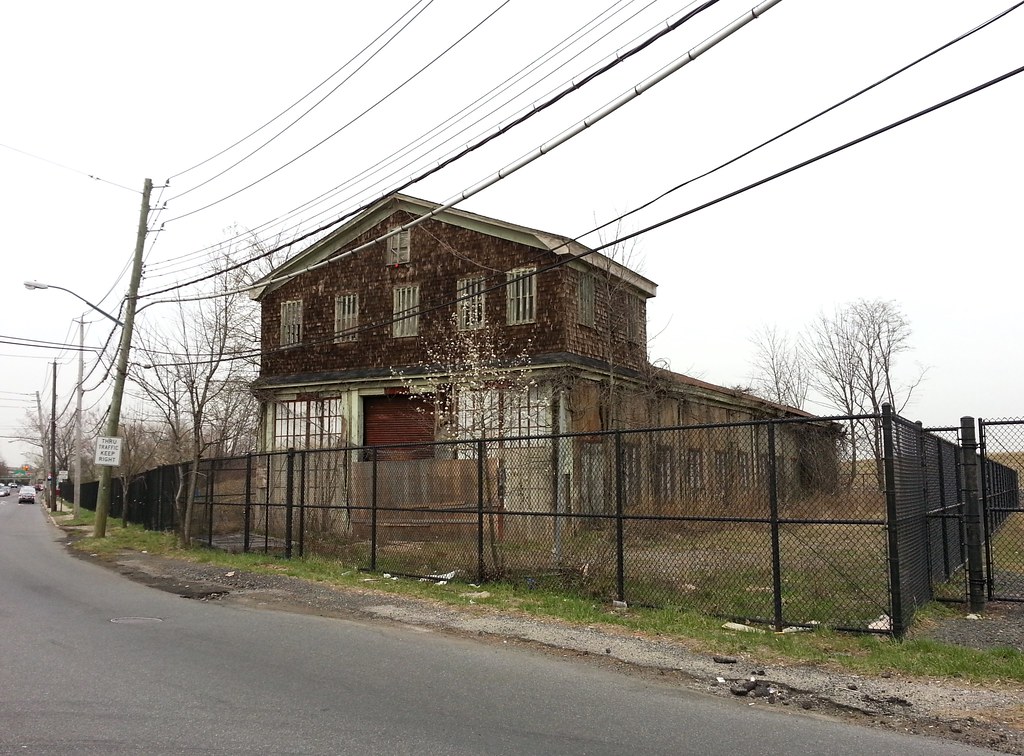
Standing at the edge of the old Brookfield landfill (which, like its neighbor Fresh Kills, is currently being turned into a park), this structure originally served as a garage for Staten Island trolley buses in the 1920s.
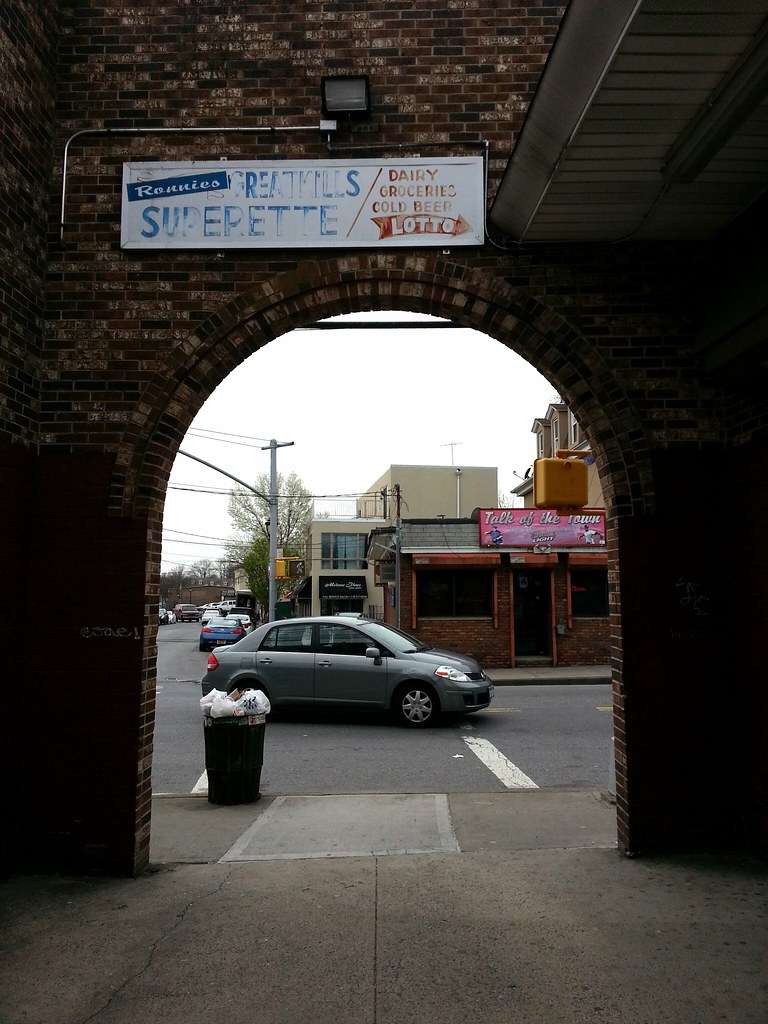

This seemingly unnamed little forest is just a couple of square blocks in area, tucked into the street grid between rows of houses.
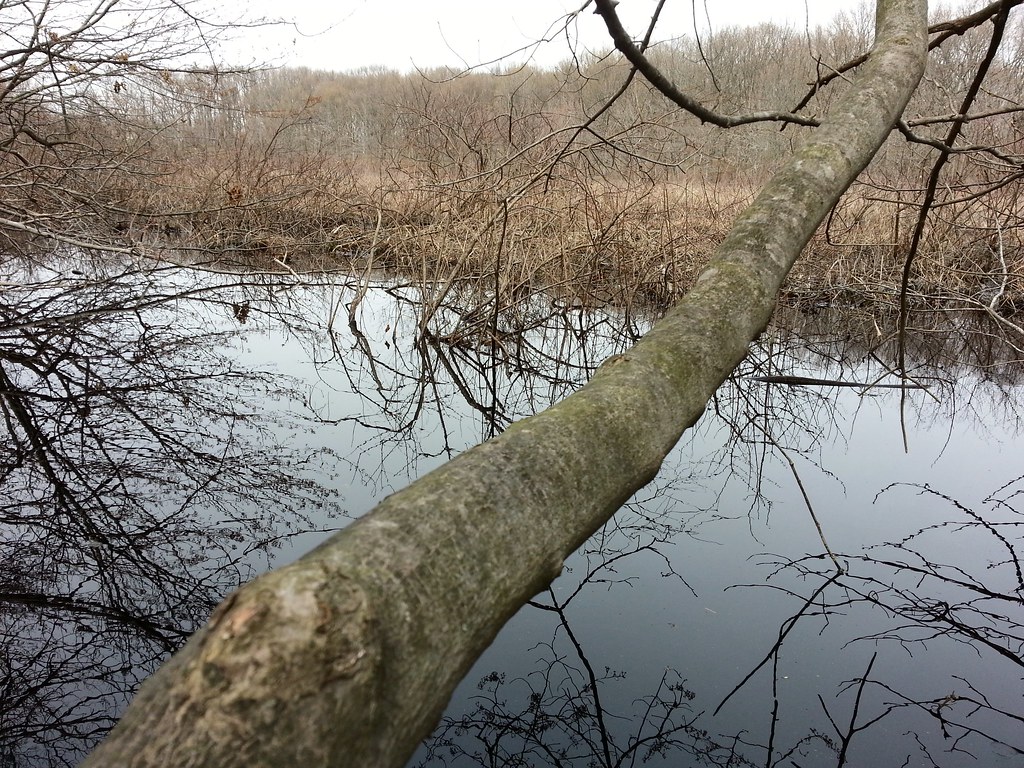


I counted eight blue Pathmark carts plus the red one at left.

According to Wikipedia: "Skunk cabbage is notable for its ability to generate temperatures of up to 15-35°C (59-95°F) above air temperature by cyanide resistant cellular respiration in order to melt its way through frozen ground, placing it among a small group of plants exhibiting thermogenesis."
Here's an NY Times tribute to the generally unsung, if not always unsmelled, plant: "Seduced By a Skunk Cabbage".