
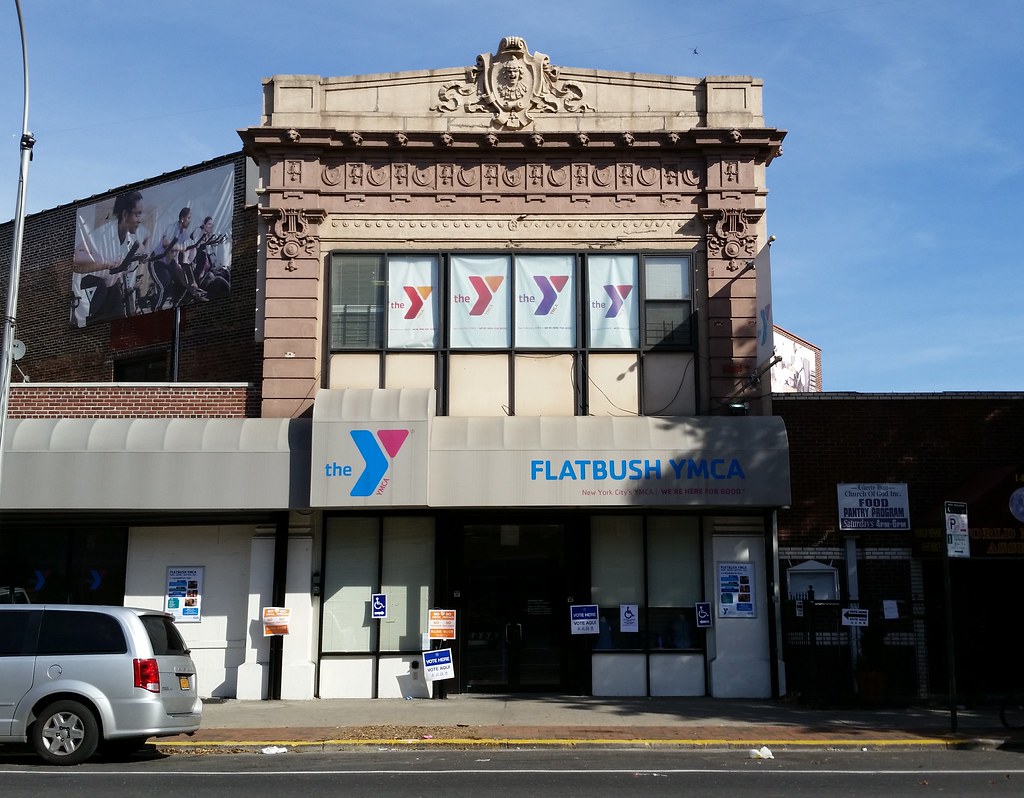
This theater (close-up) opened in 1920 and closed around 1959, after which it was converted into a short-lived bowling alley. You can see a couple of old photos of the place here.

The dawn redwood is often referred to as a "living fossil". In 1941, a Japanese paleobotanist identified a new genus of redwood in the fossil record. Once spread across large parts of the northern hemisphere, these trees appeared to have gone extinct. Within a few years, however, living specimens were discovered in central China. In the decades since, with seeds distributed around the globe, dawn redwoods have once again taken root in the US and elsewhere, and are now a popular street tree in New York. What seems to be the most well-known one in Brooklyn can be found on Willow Street in Brooklyn Heights (Street View).
(I'm no botanist, but I'm fairly certain the tree above is a dawn redwood. Here are closer looks at its foliage and its trunk.)
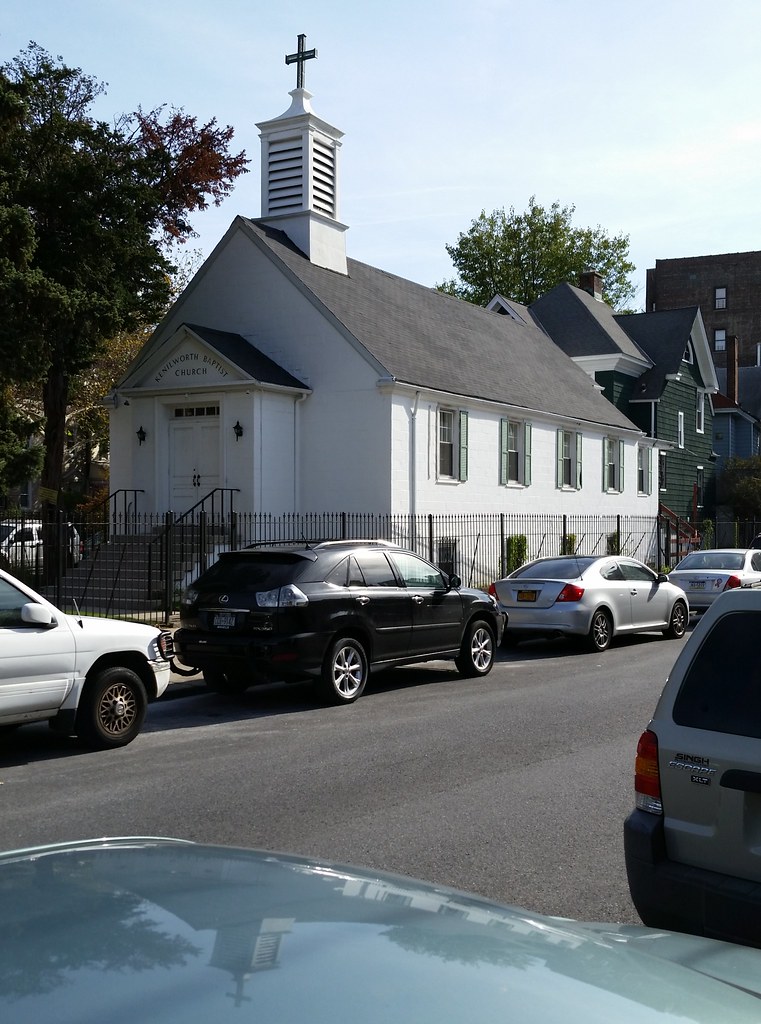
When this little church was dedicated in 1938, it didn't look much different than it does today.
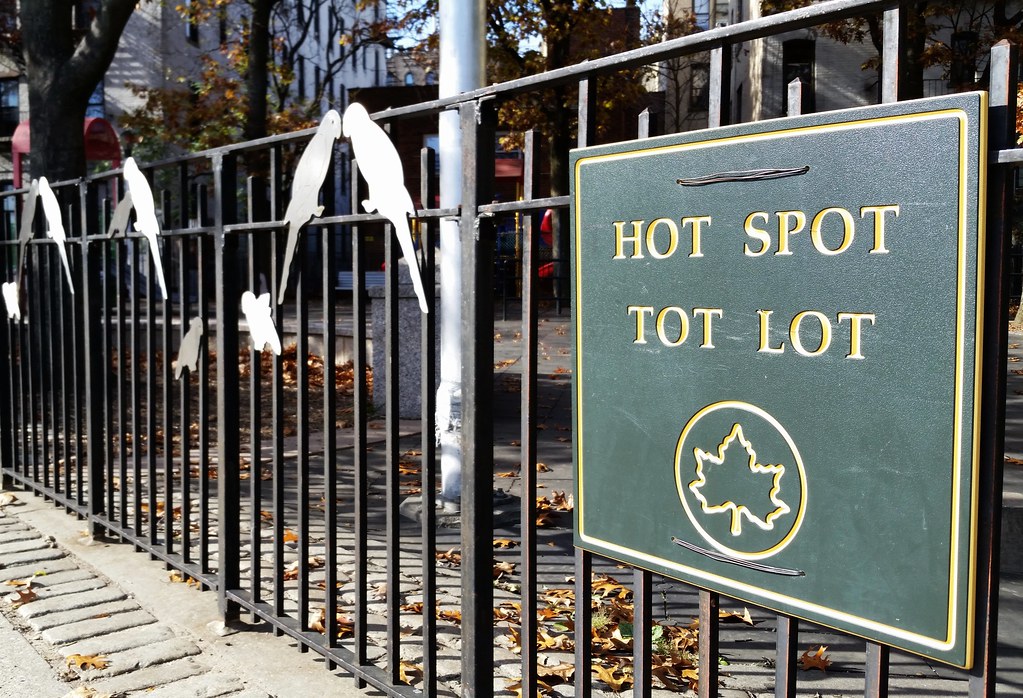
Located across the street from the "Wild Parrot Hot Spot" that is the Brooklyn College athletic field, this playground is appropriately decorated with parakeet silhouettes. (The zany name and animal art are clear signatures of former Parks Commissioner Henry Stern.)
P.S. Check out the crazy rules in effect here!

but up in that light tower is a nest (closer look) belonging to the famed Brooklyn College flock of wild parakeets.

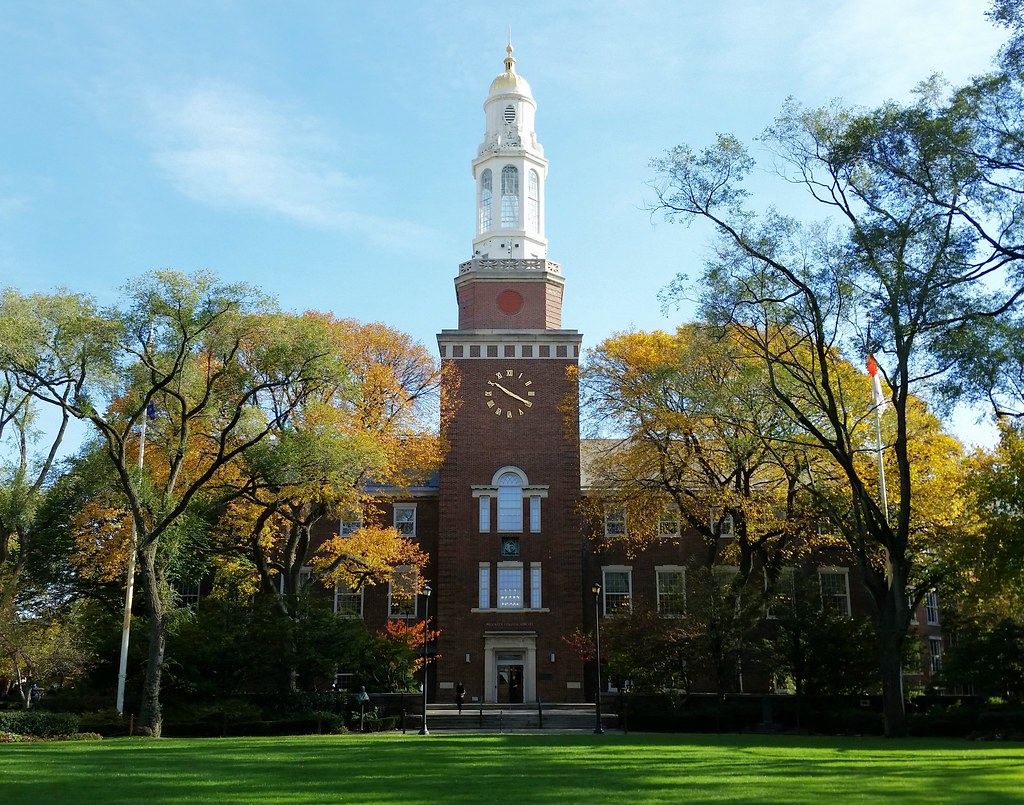
I don't know if you can read the banners above, but Brooklyn College has been transformed into the fictional Townsend College for the TV show The Following.

This tablet, a replica of a 4th-century B.C. stele (photo) that was discovered in Greece in 1932, bears the text of two oaths. The relevant one in this case is the Ephebic Oath, an ancient Athenian oath of citizenship that enjoyed a brief revival as a popular expression of civic virtue in 20th-century America. The oath has since largely fallen into obscurity again, but Brooklyn College still has its students recite this translation of it at graduation:
We will never bring disgrace to our city by any act of dishonesty or cowardice, nor ever desert our suffering comrades in the ranks; we will fight for the ideals and sacred things of the city, both alone and with many; we will revere and obey the city’s laws and do our best to incite a like respect and reverence in those about us who are prone to annul them and set them at naught; we will strive unceasingly to quicken the public’s sense of civic duty; and thus, in all these ways, we will strive to transmit this city not only not less, but greater, better, and more beautiful than it was transmitted to us.

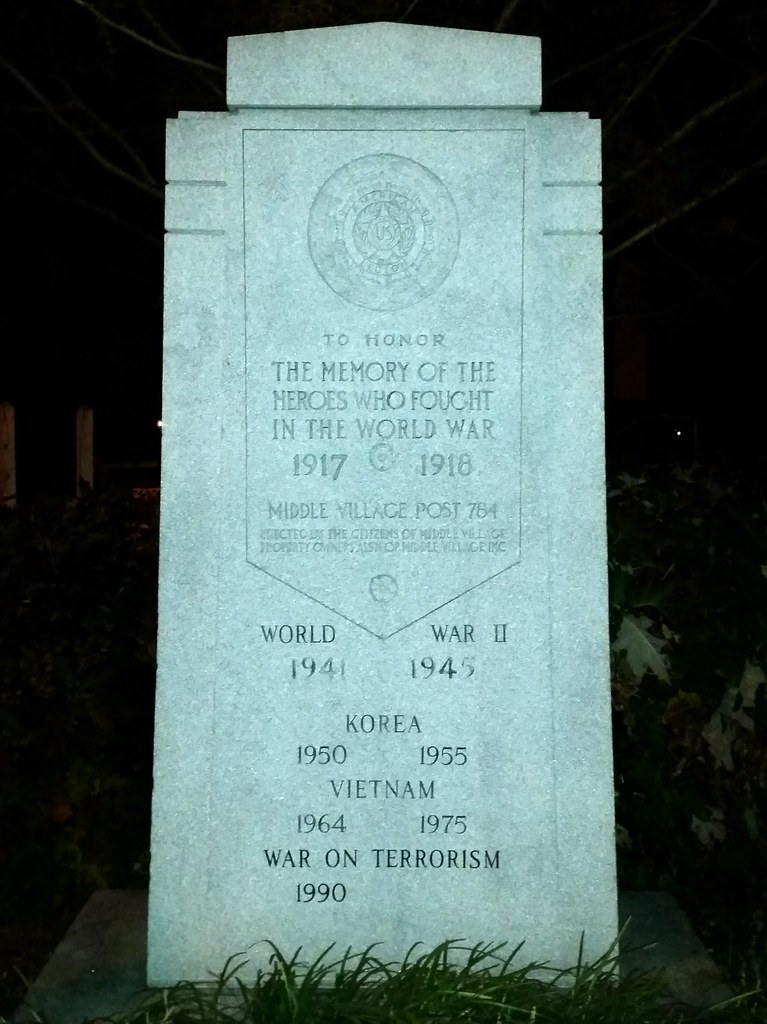
This monument (reminiscent in a way of one we saw in Bayside) is a little factually challenged. For one thing, the Korean War ended in 1953, not 1955. As for the most recently added conflict: 1990 was the start of the seven-month-long Gulf War against the state of Iraq, while the War on Terror(ism) commenced in 2001 after the 9/11 attacks.
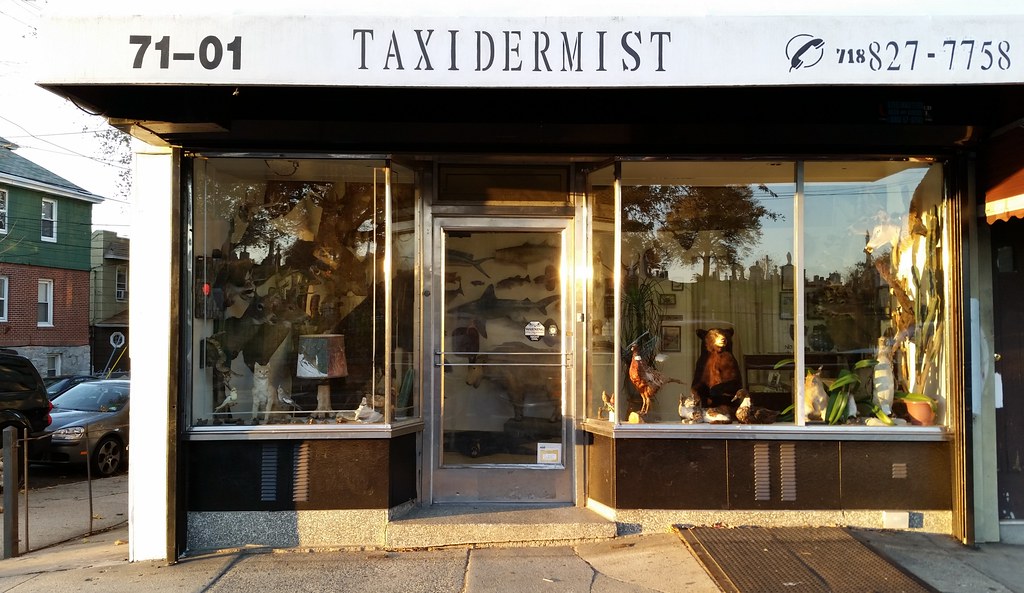
John Youngaitis stuffs animals large and small, wild and domestic.

One of Brooklyn's most successful beer brewers and the man behind the spectacular St. Barbara's Church in Bushwick
I'm walking every street in New York City.
This is the counterpoint to my walk across the US. Instead of seeing a million places for just a minute each, I'm going to spend a million minutes exploring just one place. By the time I finish walking every block of every street in all five boroughs, I'll have traveled more than 8,000 miles on foot — all within a single city. Details!
Email me at matt@imjustwalkin.com
Subscribe to my email list
Maps: Progress | Photos

~9,954 miles walked
Your donations allow me to keep walking full-time. If you think what I'm doing is valuable and you'd like to offer some support, I would be very grateful. On the other hand, if you think I'm a worthless bum, feel free to email me and tell me to get a job, bozo. Both are excellent options!
