USA | NYC


From the NY Times:

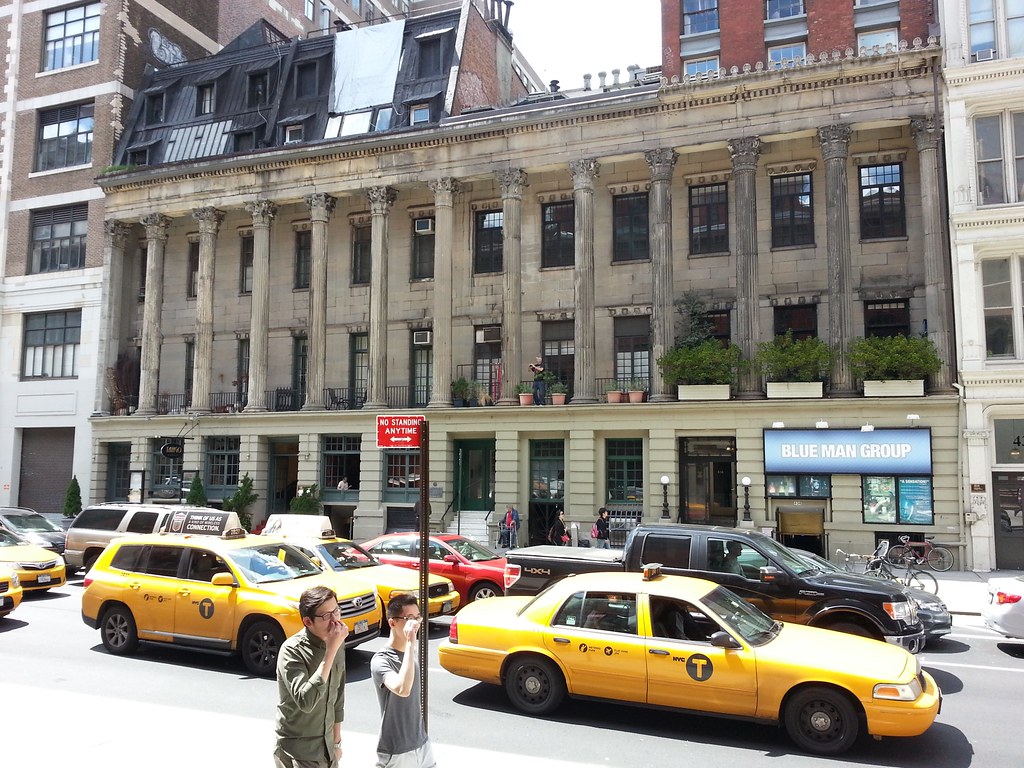
When it was built in 1833 Colonnade Row was the biggest thing in New York since the British occupation, a 200-foot-long sweep of glistening white marble in the form of a Corinthian colonnade, nine houses combined into one great Greek revival statement on what is now Lafayette Street, opposite the Public Theater.

But five of the houses were destroyed early in the last century, and their graceful fluted columns and Corinthian capitals were carted away, vanished from the city with the dust of demolition. Vanished, that is, until a garden designer and a Benedictine monk solved the decades-old puzzle of a mysterious Lost City in the woods of a New Jersey monastery.
Read the rest here!

The rightmost house in Colonnade Row is currently home to the Astor Place Theatre, where, as you can see, the Blue Man Group performs. Here's an NY Times piece (with lots of photos) about a guy named Sturgis Warner who moved into a 700-square-foot apartment in the little brick addition built on top of that house back in 1978, when it was a mouse- and roach-infested wreck. He fixed up the place and designed and installed all sorts of clever space-saving devices to make the most of the room he had. In exchange for his work, the landlord only made him pay $250 per month in rent.

By the time the article was written in 2009, he was still only paying $500 per month! (I don't know much about paying rent in New York, but the place would go for several times that amount on the open market. Anyone have a better estimate?) The producers of the Blue Man Group had bought the building in 2001, however, and were looking to kick him out so they could take over the whole place as their own living quarters. I have no idea what's transpired since then, although there is still a whitepages.com listing for Mr. Warner at this address, for what it's worth.
Day 868

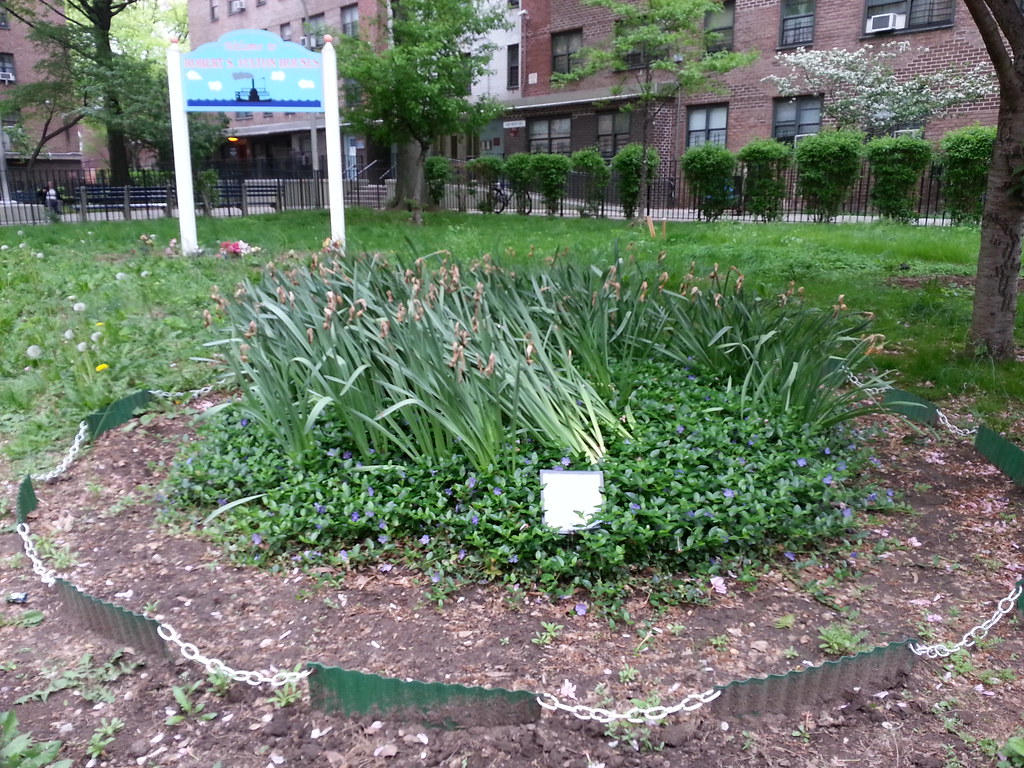
9/11 memorial #203

May 16th, 2014


I was just out for a quick stroll when the little white sign in the flower bed here at the Fulton Houses in Chelsea caught my eye. It reads:

Daffodils

In memory of those who perished
at the World Trade Center
on September 11, 2001

A gift of the people of the Netherlands
for the people of New York

Vinca Minor - periwinkle

Day 862

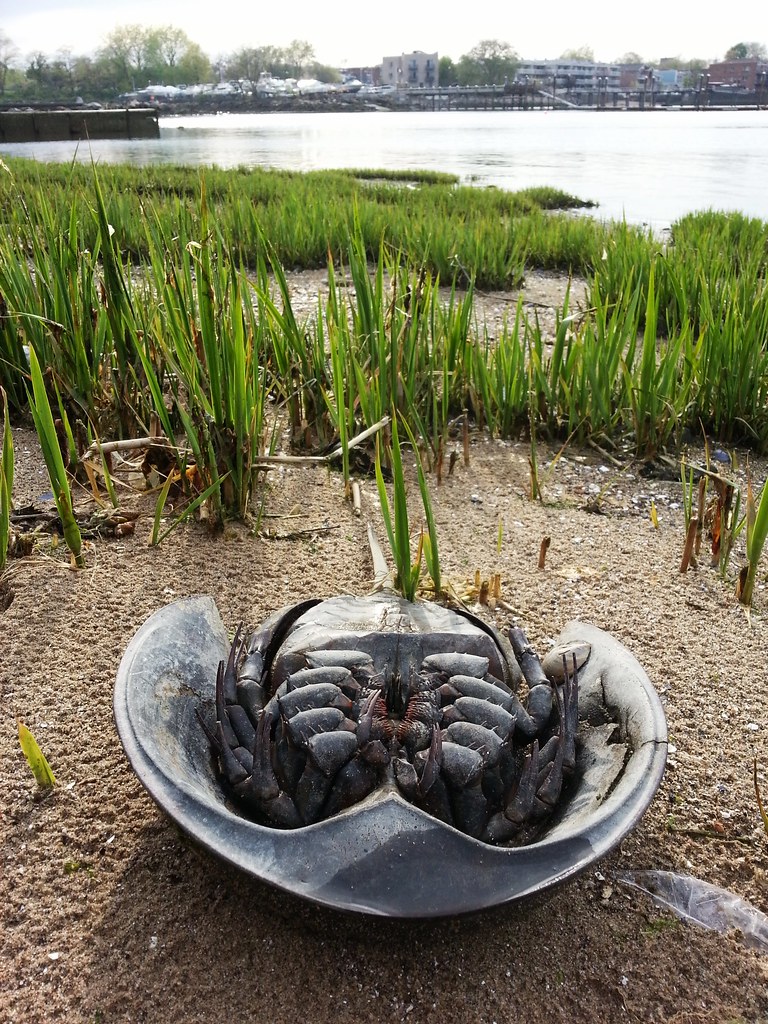
A beached horseshoe crab

May 10th, 2014


in Edgewater Park

Day 862

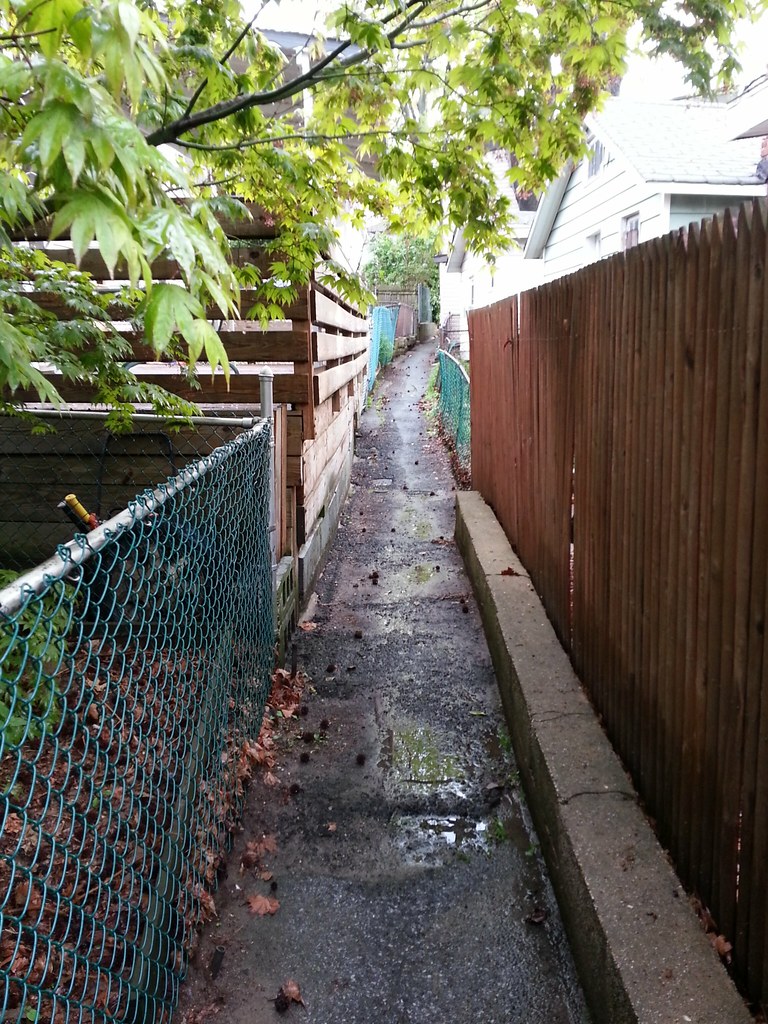
Narrow passage

May 10th, 2014


Here we are one last time in Edgewater Park, where there seem to be just as many little pedestrian alleys as there are roads. Some background on the neighborhood from the NY Times:

In 1923, when Richard W. Shaw Sr., the first of four generations of Shaw landlords, bought the property, only one house stood out: a great stone mansion that overlooked pastures, swamps and, of course, the water.

During the summer he permitted church groups, Boy Scouts and, later, workers from New York City to pitch tents or build rustic cottages on what became known as Edgewater Camp.

"As kids, we'd go see cows grazing and then go down to the farmhouses nearby and steal tomatoes and squash," said John McNamara, a 72-year-old Bronx historian and former Edgewater resident, who recalls lazy summers of courting schoolgirls in canoes and walking three miles to the nearest trolley into town.

"We lived in wooden-sided tents with canvas tops," he said. "We had no electricity, just kerosene stoves. It was a real pioneer community."

In the 1930's, the Great Depression forced many of the summer residents to sell their homes in the city. They winterized their Edgewater bungalows with newspapers, cardboard boxes and other crude insulation. A permanent community was born.

For all its scenic beauty, Edgewater is a planner's nightmare, with neither building codes nor zoning laws. Fire hydrants sprout in backyards, a reminder of how the early residents simply ignored the street grid the city had planned for them.

The result is a jumble of 675 single-family houses shoehorned into 55 acres of land, elbowing one another on 30-by-50-foot plots.

Day 862

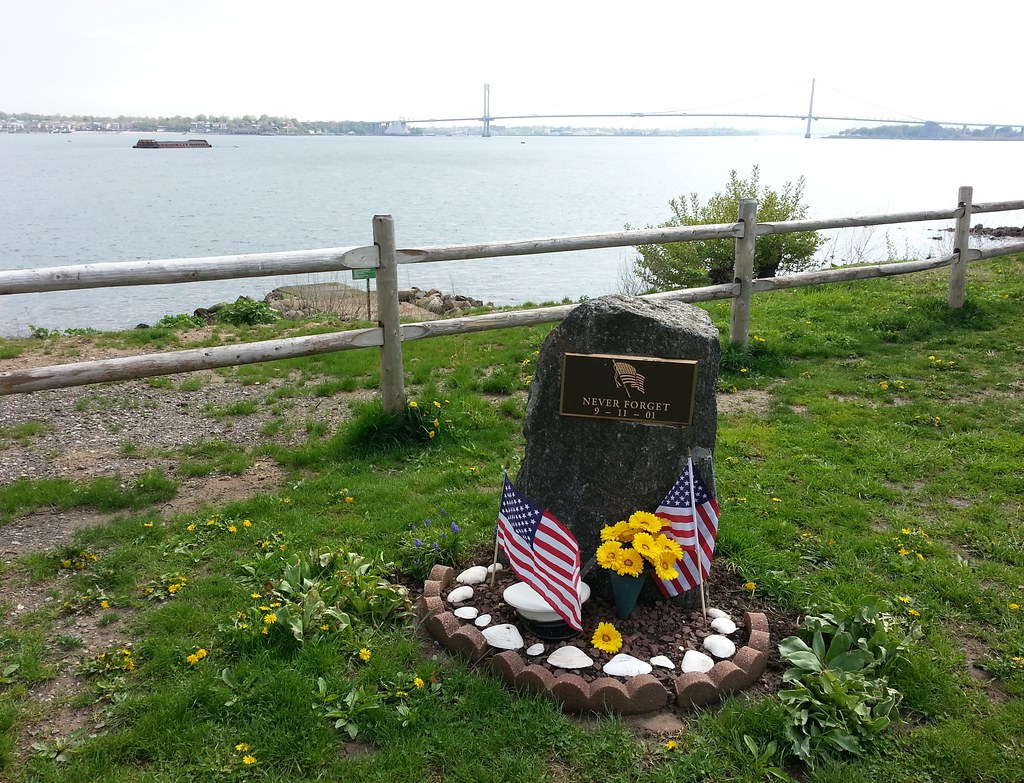
9/11 memorial #202

May 10th, 2014


Day 862

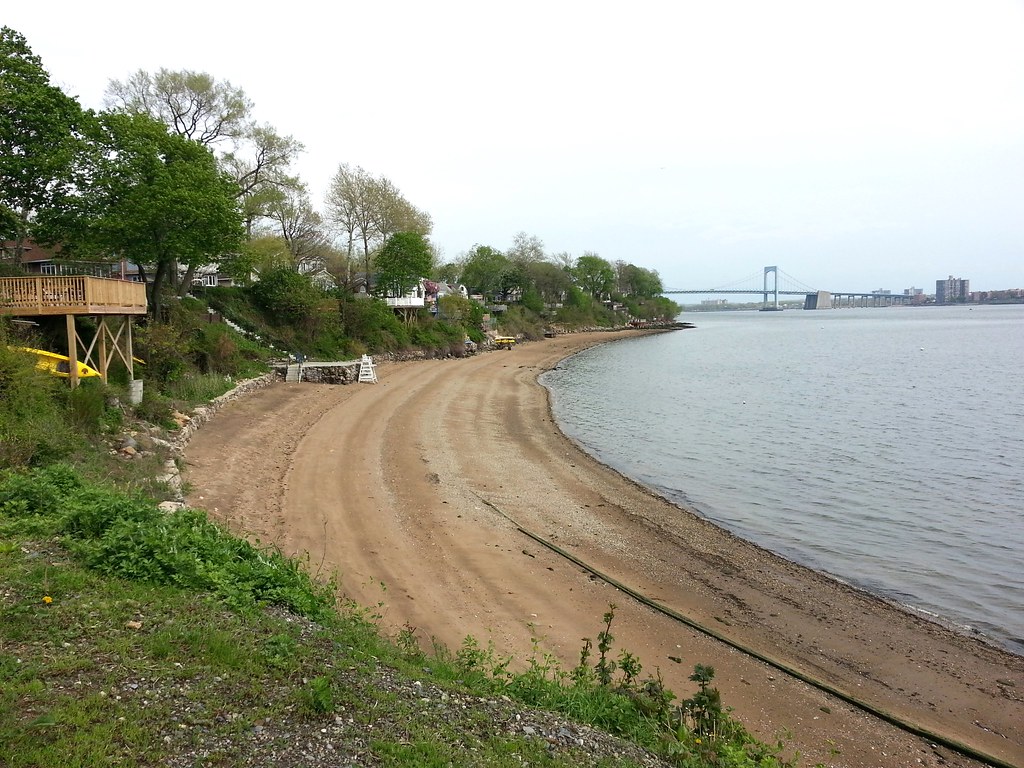
Silver Beach

May 10th, 2014


As you can see, the houses of Silver Beach Gardens sit on a bluff up above the beach. Facing this direction (southeast), you can see the Throgs Neck Bridge in the distance.

Day 862


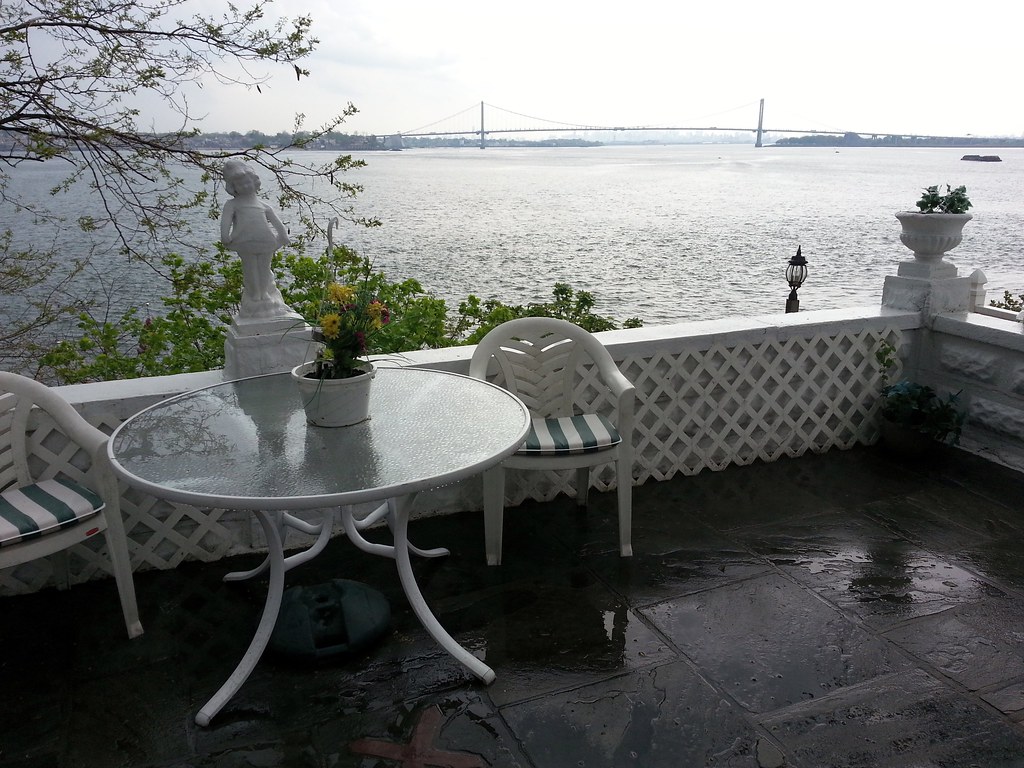
That's the Whitestone Bridge in the distance.

Day 862

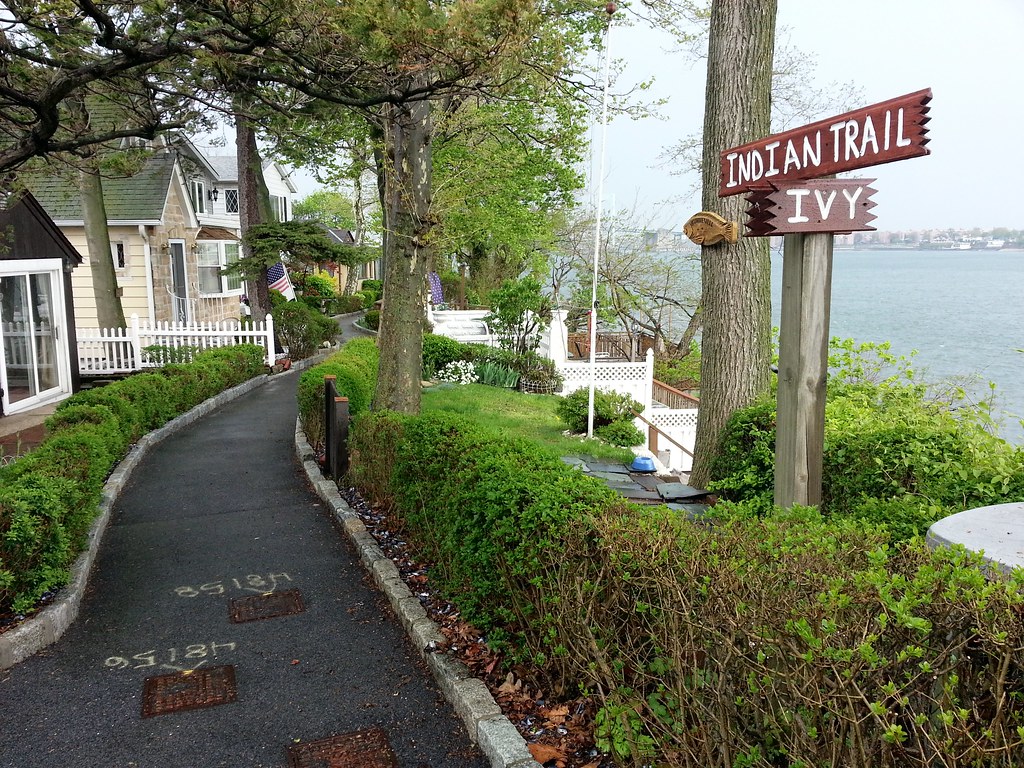
Indian Trail

May 10th, 2014


This ridiculously quaint path runs along the western edge of Silver Beach Gardens.

Day 862

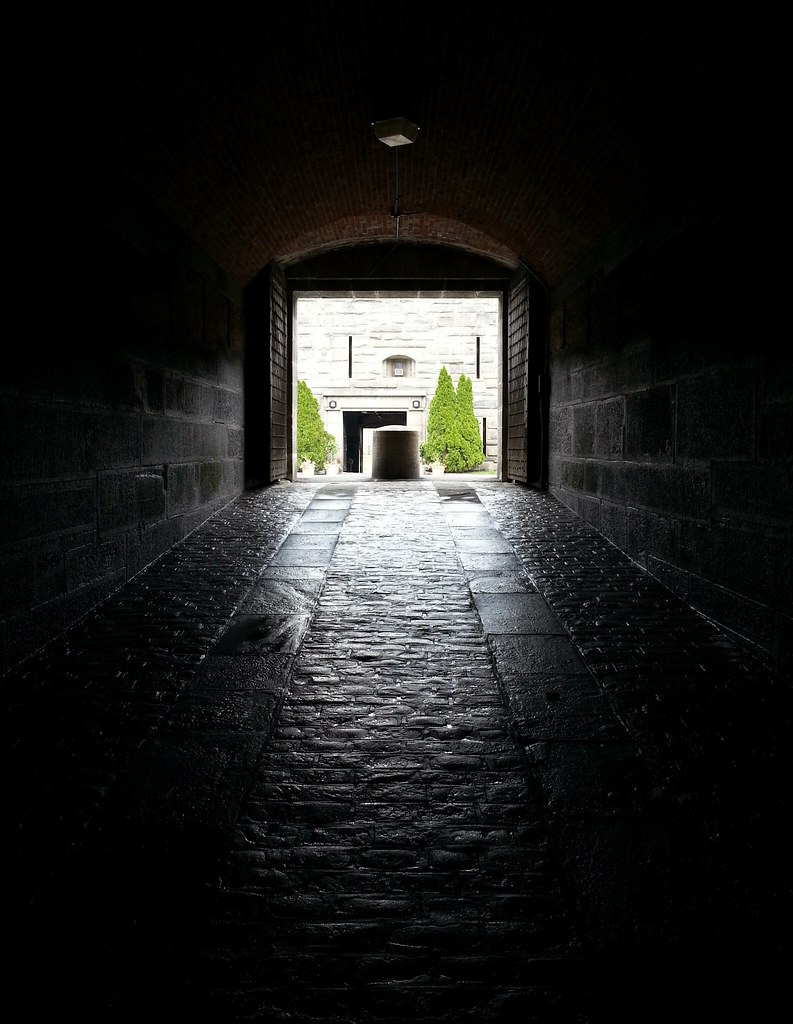
Portal of the day

May 10th, 2014


Passing beneath Battery Gansevoort, just outside the walls of Fort Schuyler

Day 862

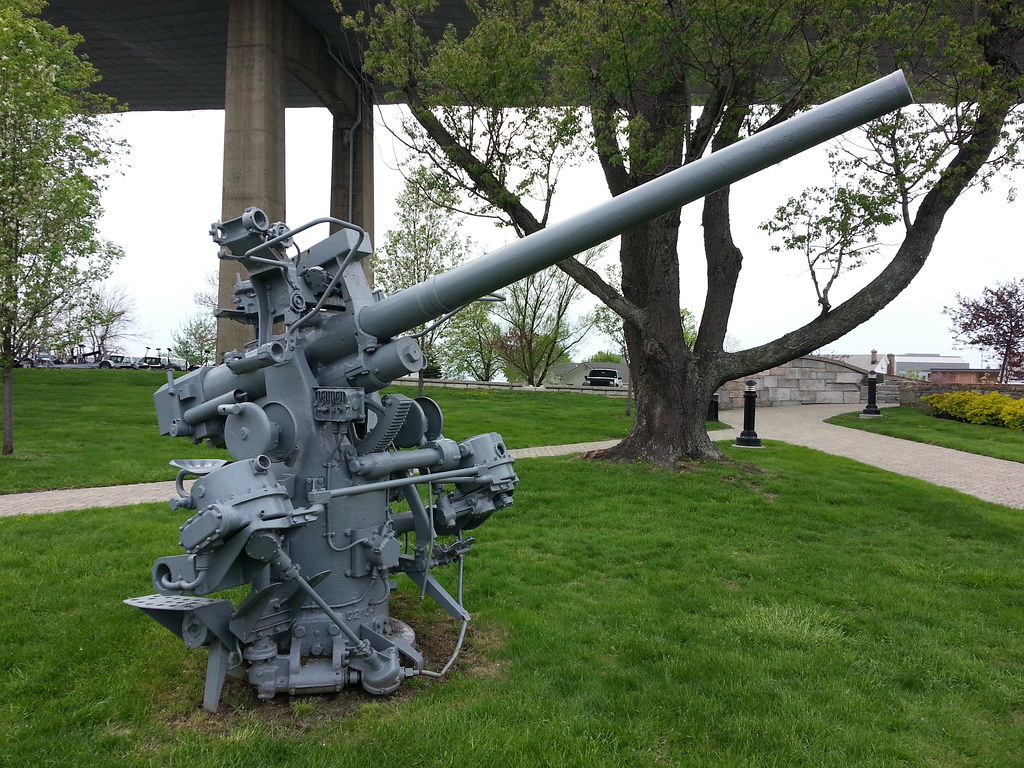
WWII merchant ship gun

May 10th, 2014


A plaque on the other side reads:

3" GUN USED BY ARMED
GUARD ON WORLD WAR II
MERCHANT SHIP

DEDICATED IN MEMORY OF THE
5,268 MERCHANT MARINERS
WHO MADE THE SUPREME SACRIFICE
IN WORLD WAR II

Day 862

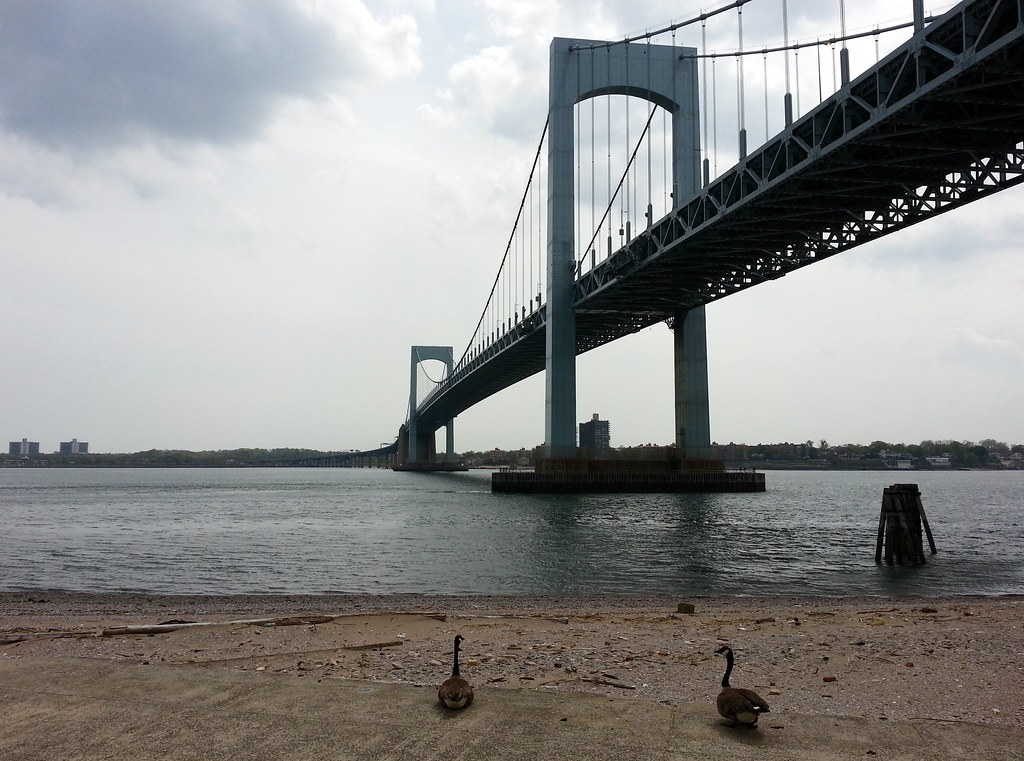
Geese on the beach

May 10th, 2014


by the Throgs Neck Bridge

Day 862

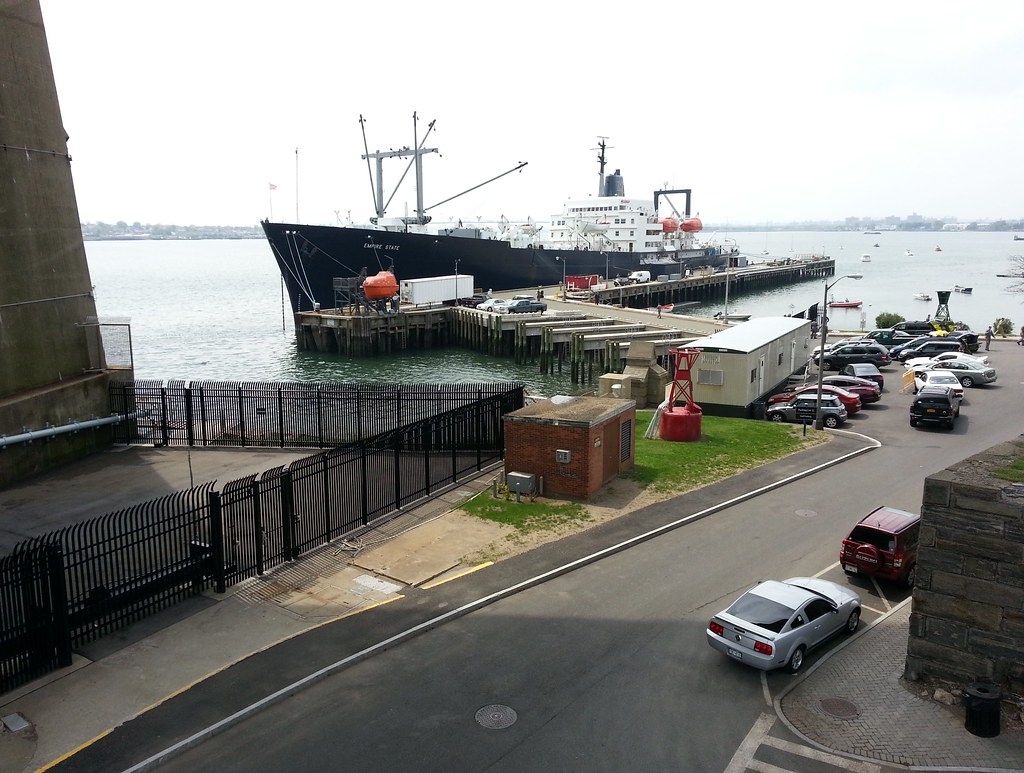
TS Empire State VI

May 10th, 2014


This former freighter has been SUNY Maritime College's training ship for the past quarter-century. In this photo, it's just two days away from departing on this year's three-month-long Summer Sea Term voyage to Baltimore, Philadelphia, the Canary Islands, Ireland, Denmark, and Portugal.

As part of the nation's Ready Reserve Force, the ship has also been called into duty on a few occasions during its time here at SUNY Maritime, once to bring American troops back from Somalia in 1994, and twice to provide housing for relief workers in hurricane-stricken areas (New Orleans after Katrina and New York after Sandy).

Day 862

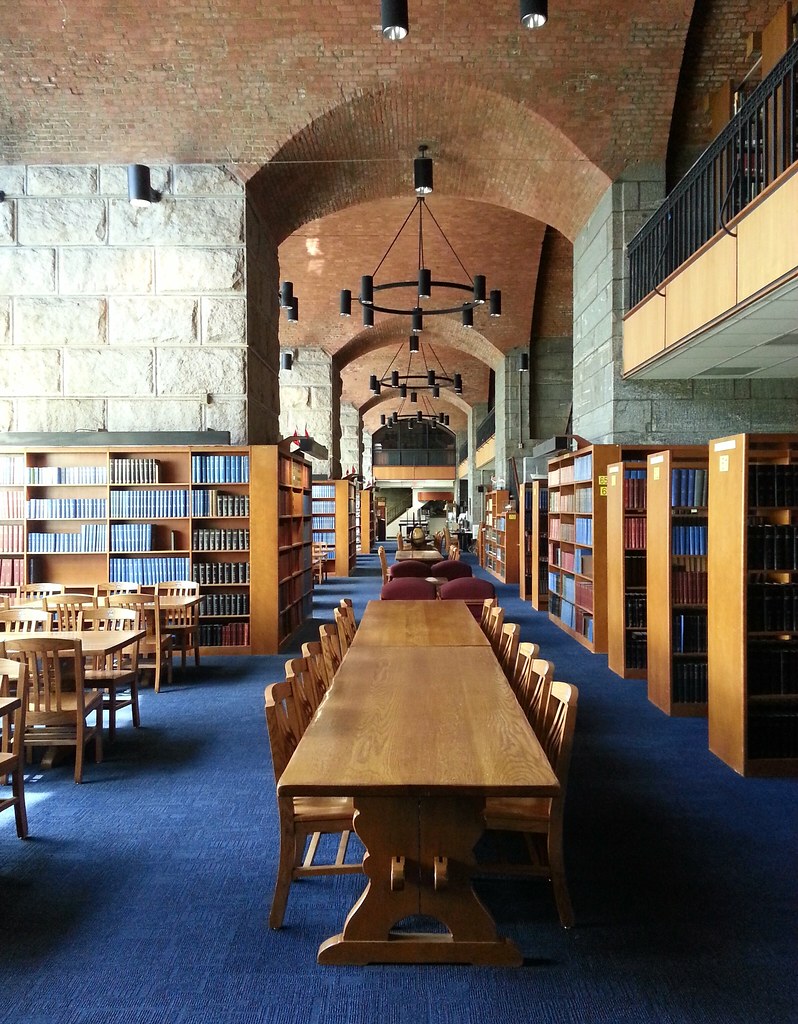
Stephen B. Luce Library

May 10th, 2014


Along with the Maritime Industry Museum and some classrooms and offices, this library is located inside old Fort Schuyler at SUNY Maritime College.

Day 862

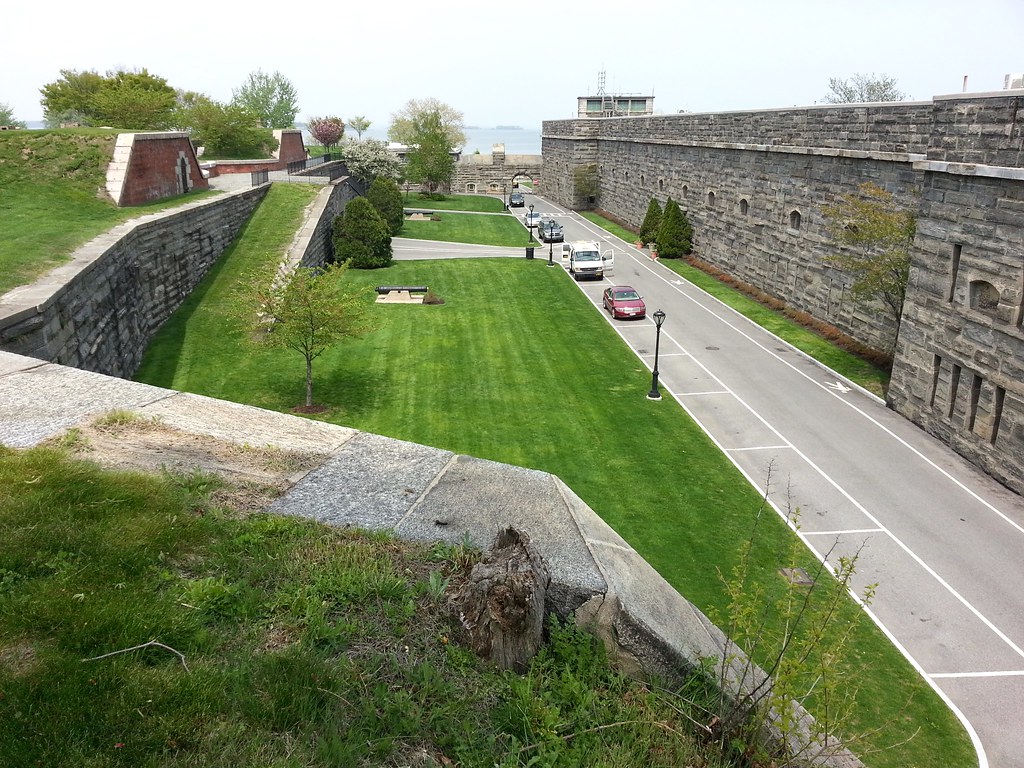
Fort Schuyler

May 10th, 2014


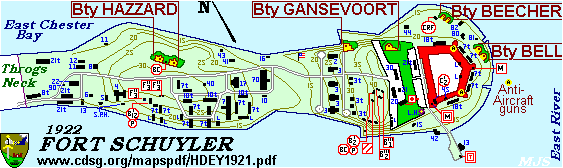
Fort Schuyler, at right, is a pentagonal stone fort built in the mid-19th century at the tip of the narrow Throg(g)s Neck peninsula in the Bronx, where the East River meets Long Island Sound. Along with Fort Totten across the water in Queens, Fort Schuyler was positioned to defend the entrance to the East River against enemy naval forces trying to reach New York Harbor. Check out this awesome aerial view, and this more pragmatic map, to get a sense of the area's geography.

The fort never saw any combat, but it was quite active during the Civil War, when troops were trained here and a hospital and prison opened on the grounds. By the 1910s, however, the fort was considered obsolete, and the Army finally decided to abandon it around 1931. After a lengthy reconstruction by the federal Works Progress Administration, the property was dedicated as the new home of the New York State Merchant Marine Academy (now SUNY Maritime College) in 1938, and it still serves as the school's campus today. In addition to the conventional college buildings found here (campus map), the fort itself has actually been converted into academic space. It contains a library and the expansive Maritime Industry Museum, as well as classrooms and offices — a pretty impressive reuse of an old 19th-century fortification!

Day 862

Built for speed

May 10th, 2014


This 60,000-pound propeller on display at SUNY Maritime College originally belonged to the SS United States, the fastest trans-Atlantic ocean liner ever built. According to the NY Times, it "was built for speed because it was meant to be a troop carrier if needed. The Pentagon paid two-thirds of its $78 million construction cost."

The ship has been out of service since 1969 and moored at a Delaware River pier in Philadelphia since 1996, but it looks like it may be moving back home to New York in the not-too-distant future to serve as "a hotel, museum, shopping and restaurant mall, entertainment complex, conference center, educational facility, or some combination of all options for reuse."