

This public transfer high school is housed in what used to be the school of Our Lady of Solace.
UPDATE: Great NY Times article from Sept. 9, 2016: "Minority Youths Mistrust Police. A Brooklyn High School Has a Plan."
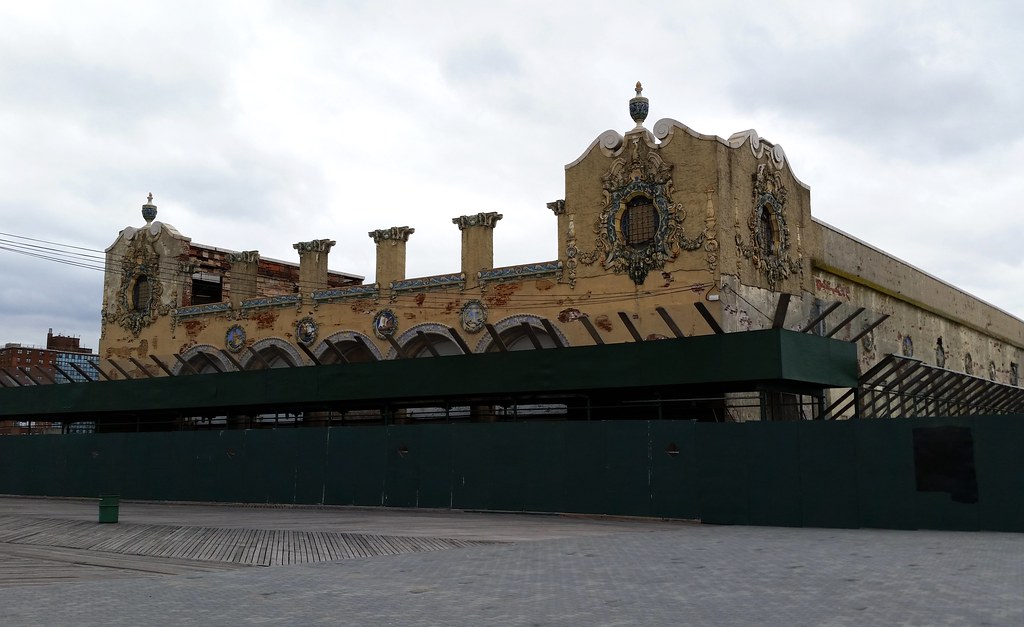
Built around 1923, this "colorful terra cotta and stucco homage to the sea" (photos — scroll down a little) was originally a Childs Restaurant. Childs was a quick-lunch chain founded in 1889; by the mid-1920s, it had more than 100 locations, about half of them in the New York area. (Sideshows by the Seashore currently occupies another old Coney Island Childs. Check out these photos of other former Childs eateries around the city.)
After the restaurant here on the boardwalk closed, the building served as a candy factory for the latter half of the 20th century, and as a roller rink for a couple of years in the 21st. Work is now underway to turn the place into the Seaside Park and Community Arts Center, which will feature a 5,100-seat amphitheater, a restaurant, and a public park. (A rendering of the new facility posted on the construction fence above includes a couple taking a flip-phone selfie!)
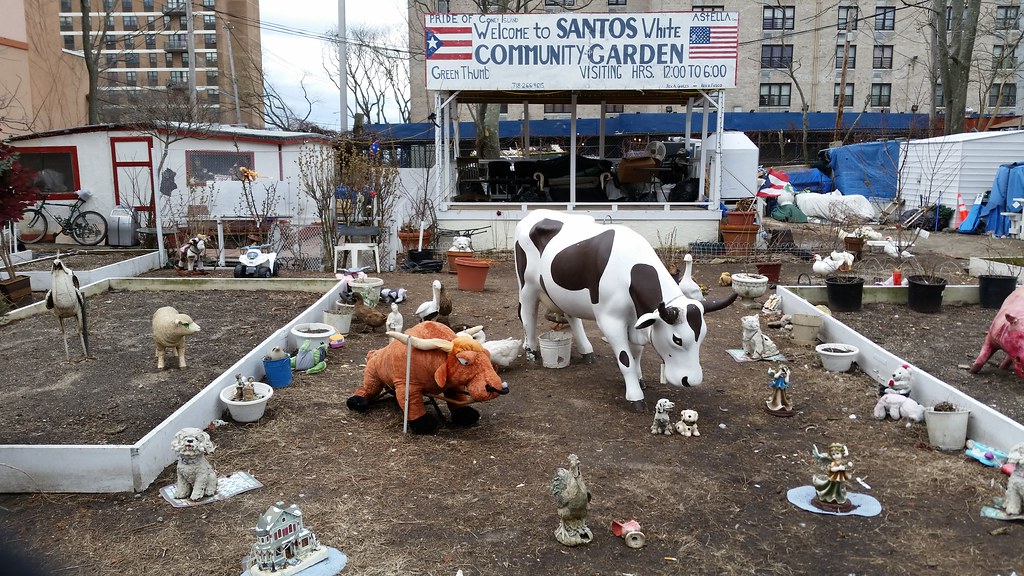
Established in 1995. Santos told me he and his band, the Romantics, sometimes perform on stage here.
(The cow is fake, but the ducks are real. Take a closer look.)
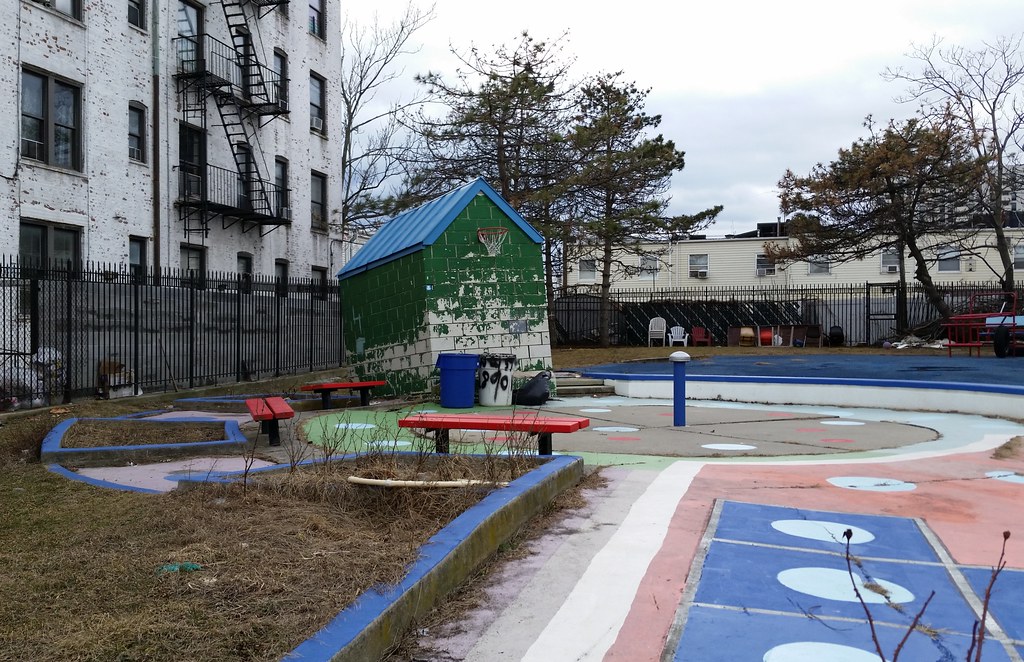
The basketball hoop was added after the building lost its footing.
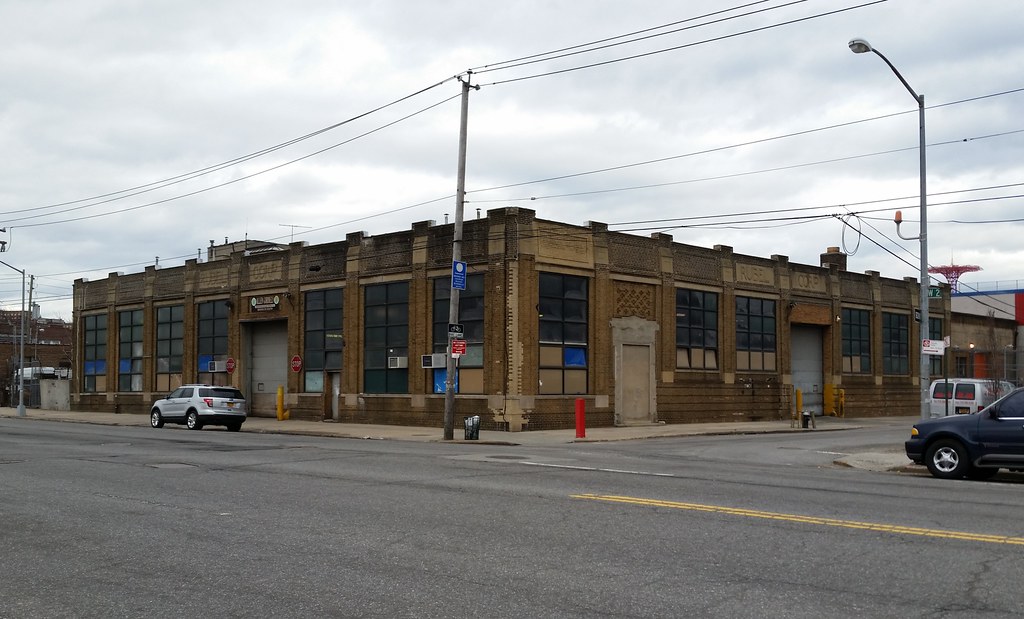
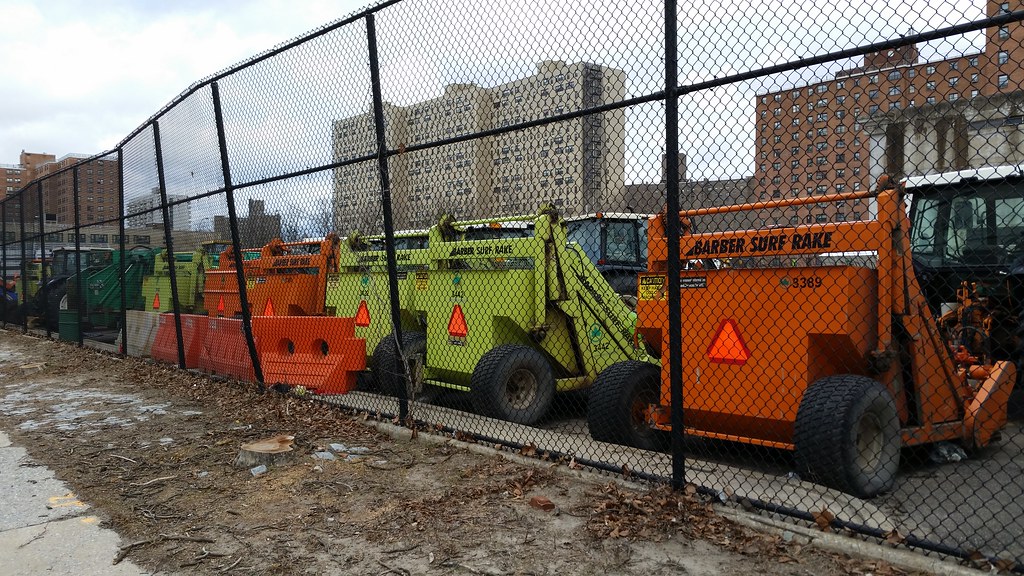
This former Rubel Coal & Ice building is now a Sanitation garage. As we learned back in 2012 (and again in 2013):
The tale of Samuel Rubel exemplifies the classic American rags-to-riches story: Penniless Latvian immigrant arrives on the streets of New York; builds multi-million-dollar coal-and-ice empire from meager beginnings as a door-to-door peddler; proposes to employee, then later breaks off the engagement; she sues him; he has her arrested on charges of forgery and grand larceny; they later get married, have two kids, and live happily ever after.
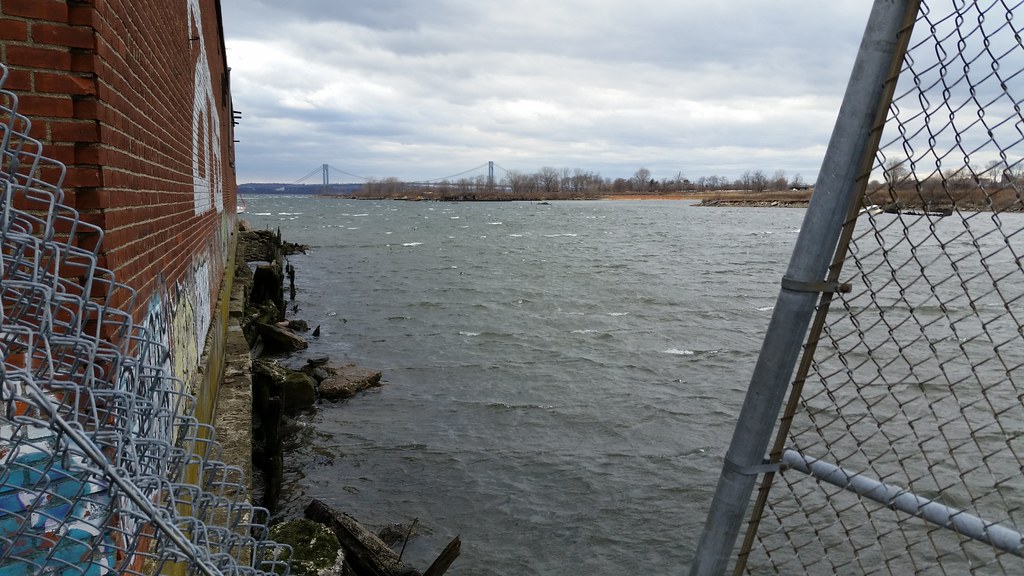
Looking out over Coney Island Creek toward the Verrazano Bridge
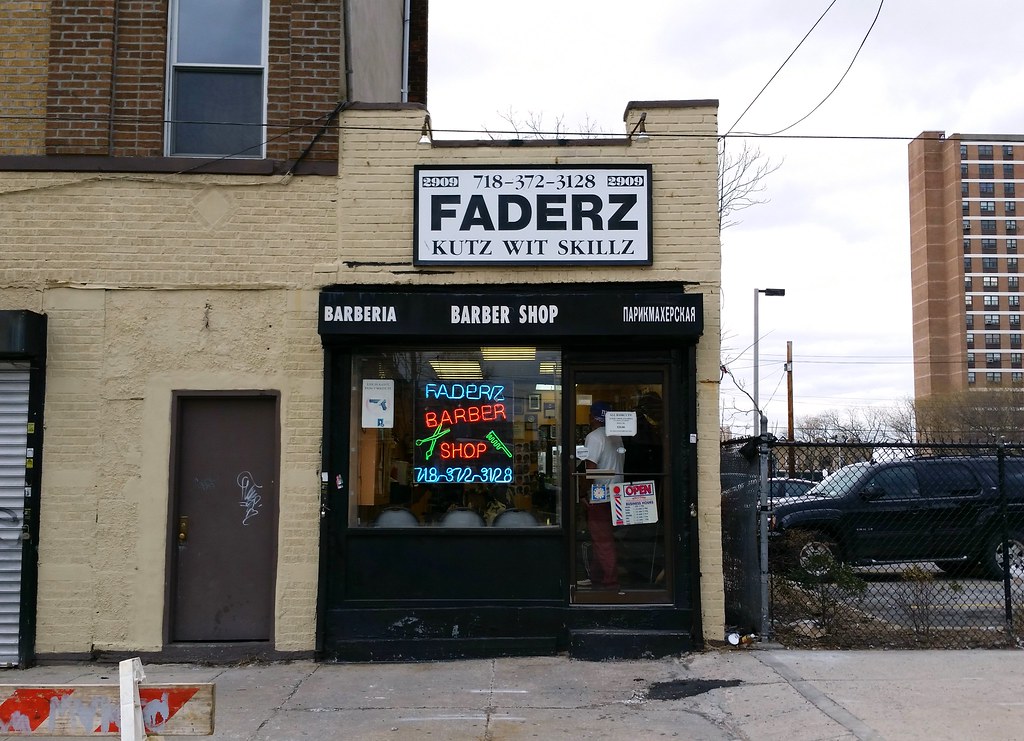
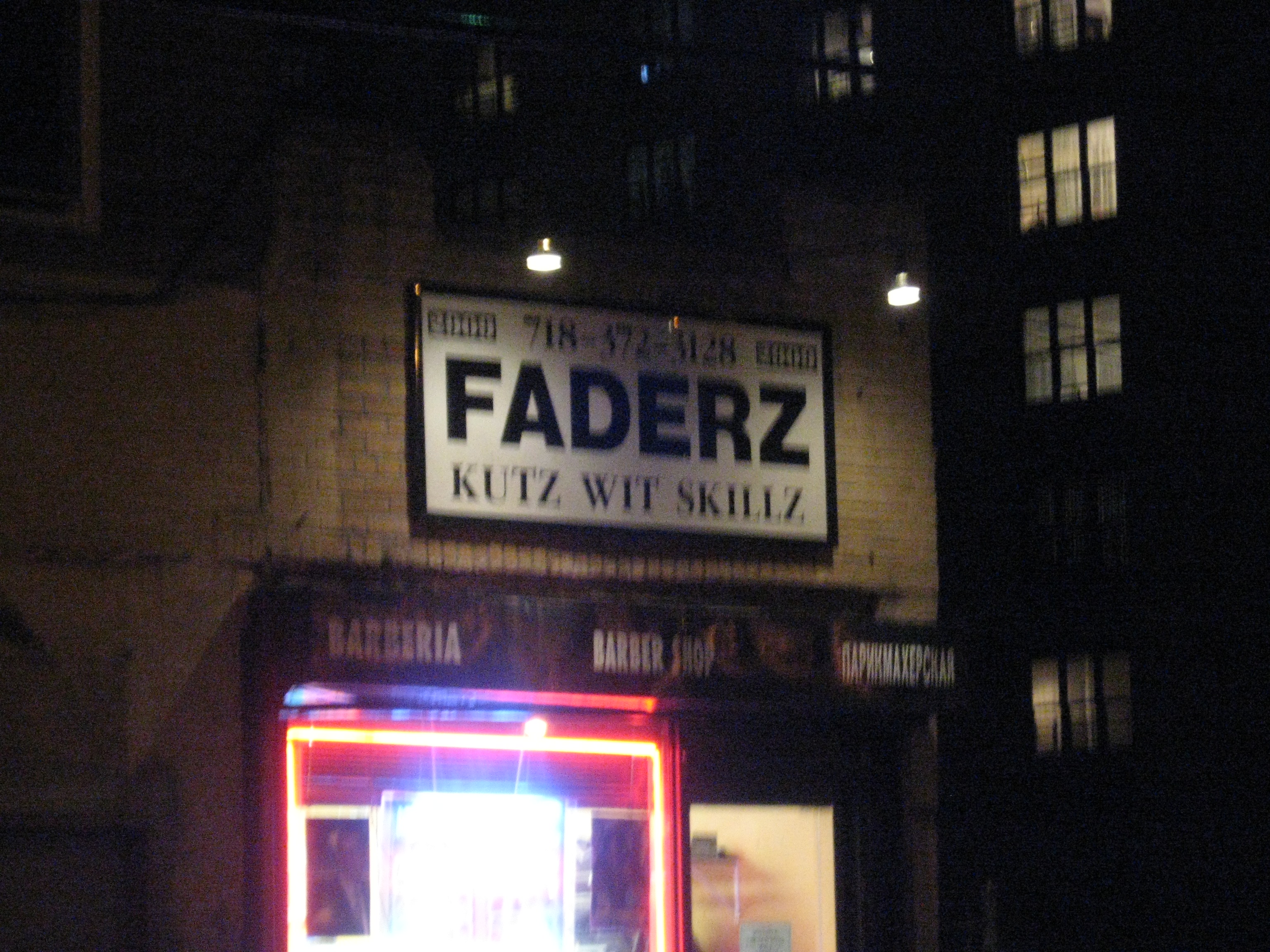
The original! When I passed this barbershop on a walk in Coney Island one evening back in 2009, I was astounded by the sheer number of Zs on the sign, not to mention the K-for-a-C and the missing H: FADERZ — KUTZ WIT SKILLZ. The name burned itself into my brain and eventually led me, a couple of years later when I started this five-borough walk, to decide to keep a tally of all the barbershops whose names feature a Z in lieu of an S.
I couldn't remember exactly where Faderz was located, however, and I was worried it might have gone under by now — so I was ecstatic to find it still in business after all these years!
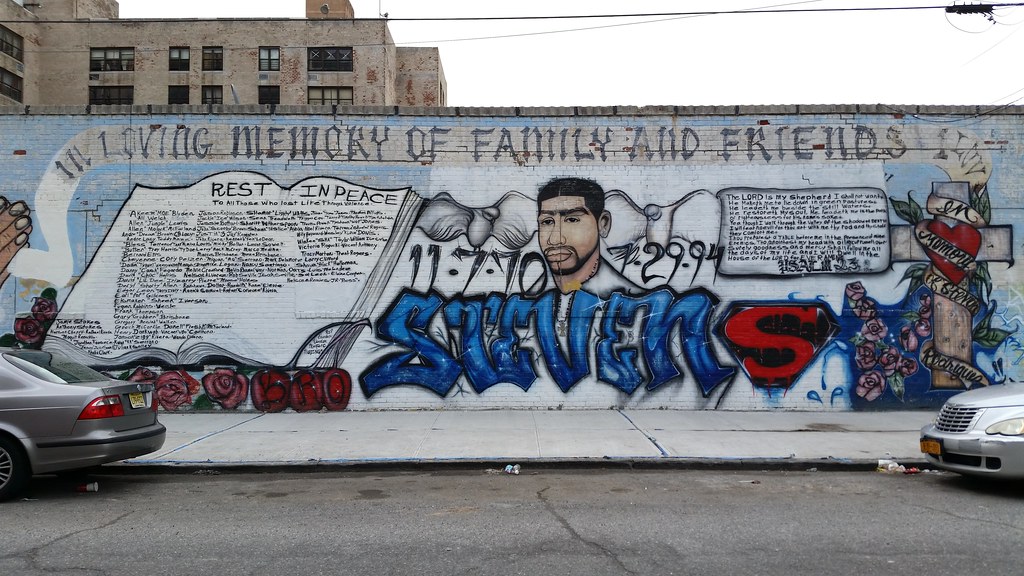
of Steven Rodriguez and "all those who lost life through violence" (listed in the book at left)
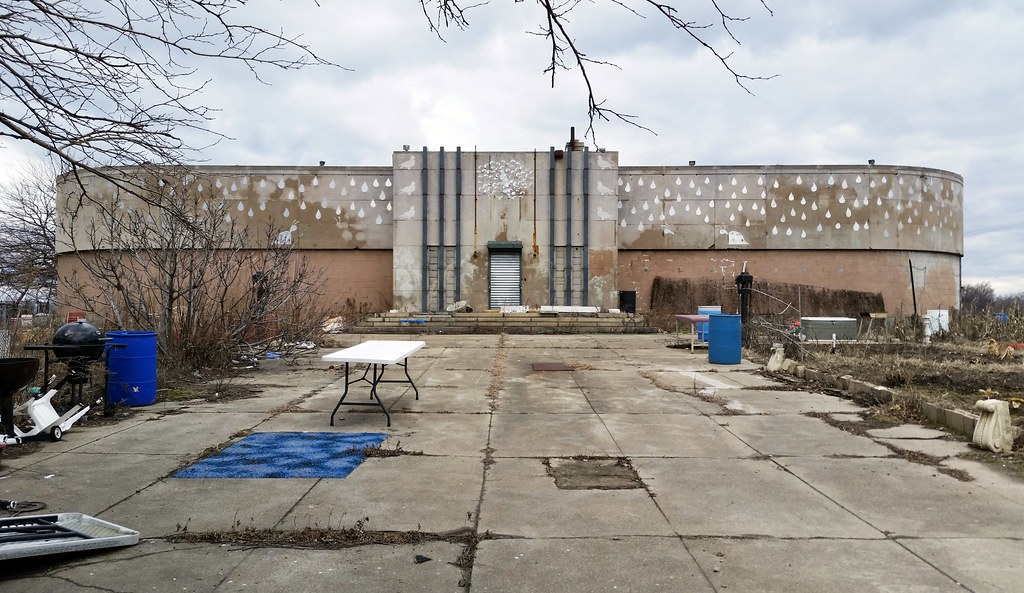
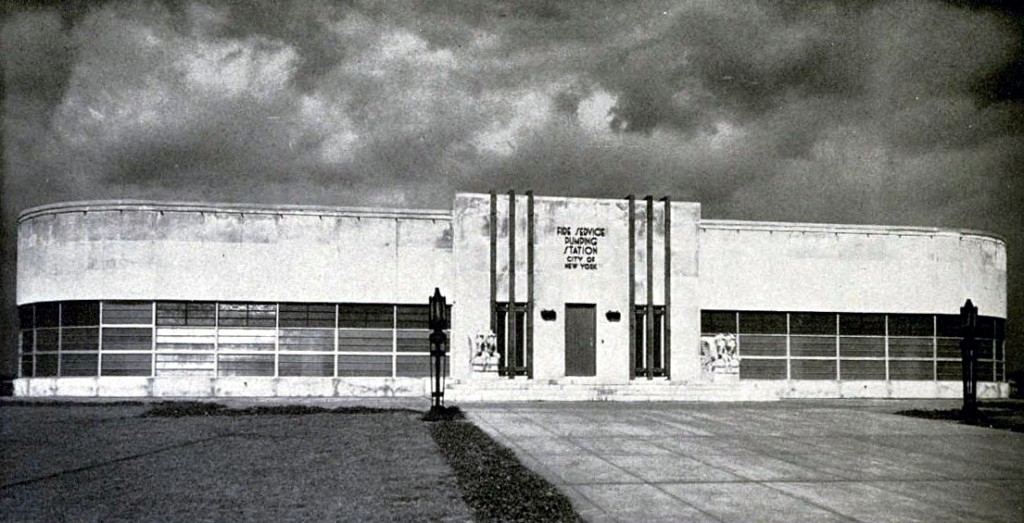
Now the abandoned centerpiece of a community garden, the Irwin Chanin-designed 1938 Coney Island Pumping Station was built to maintain constant water pressure in the area for fighting fires. Check out this old photo: where there's now just a painted cinder block wall, a three-tier band of windows once ran horizontally around the building (interior photos). The double Pegasus sculptures that once flanked the entrances were vandalized around 1980 and were subsequently moved to the Brooklyn Museum's sculpture garden in 1981.
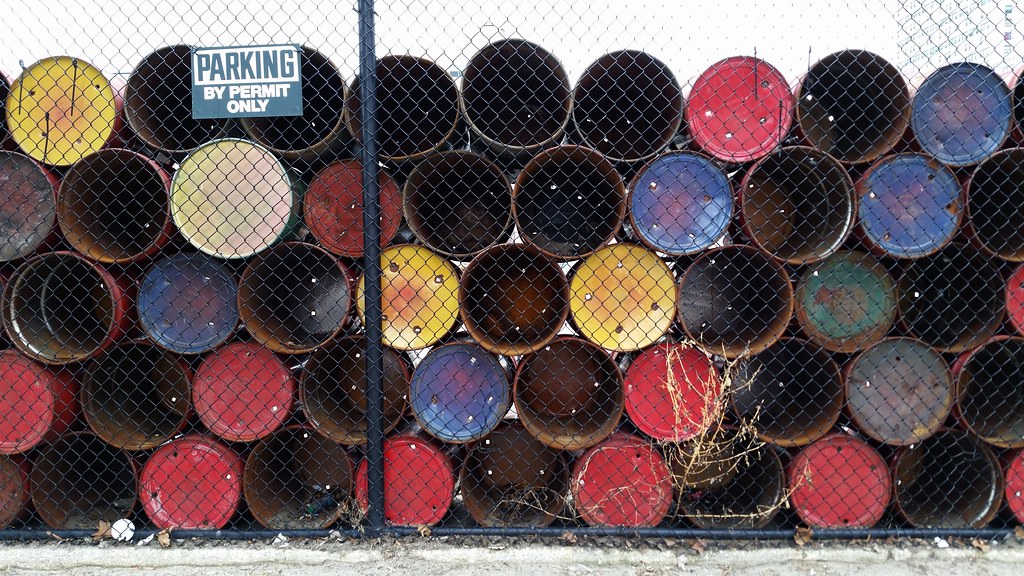
Site of the famous photoshoot for the cover of the album "123 Fake Street" by Coney Island's twin quasars of rock, King Par and the Only Permit.
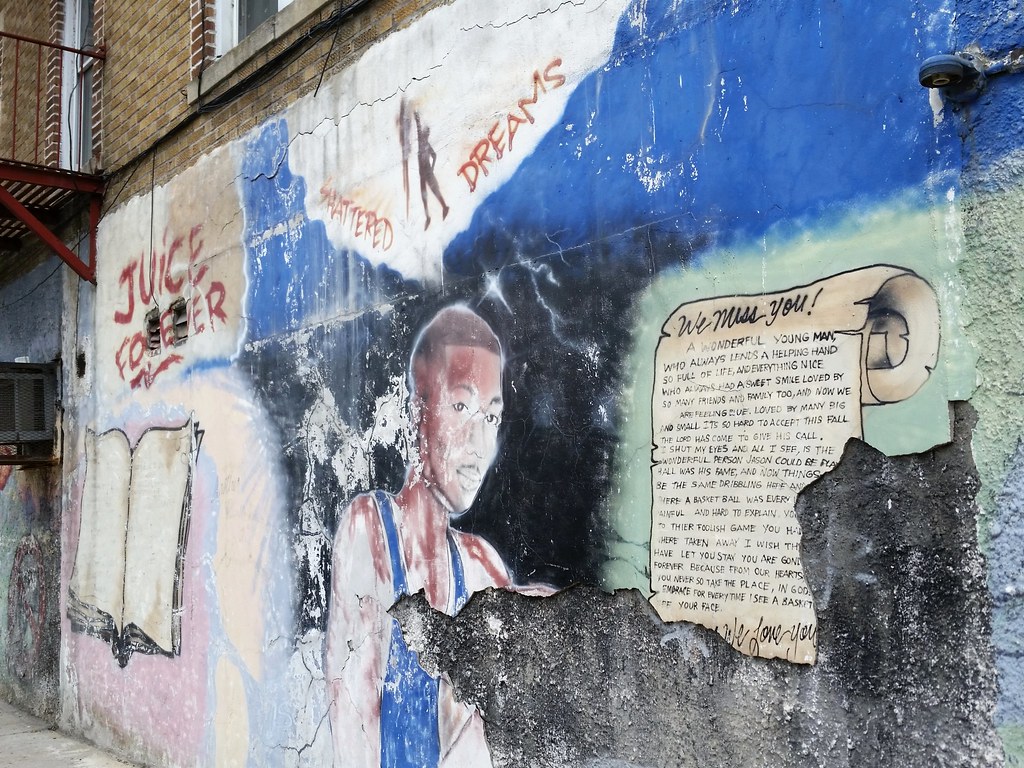
Jason "Juice" Sowell. Here are a couple of photos of basketball star Stephon Marbury visiting this memorial to his friend and Lincoln High School teammate. You can see the extended mural in Street View.
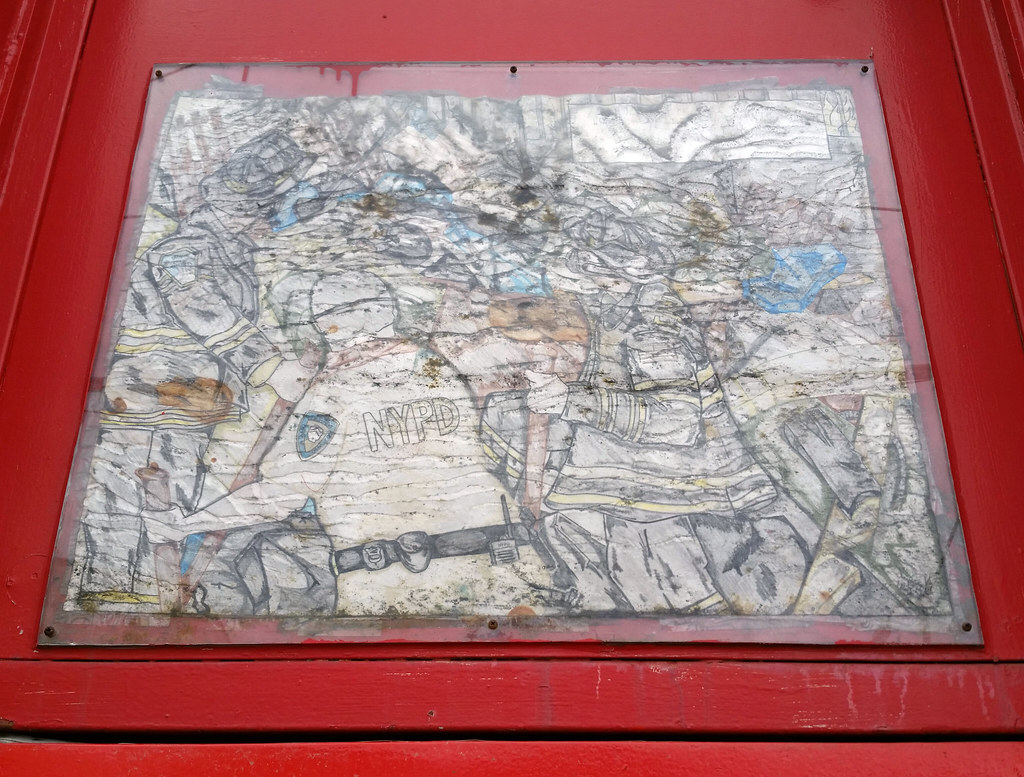
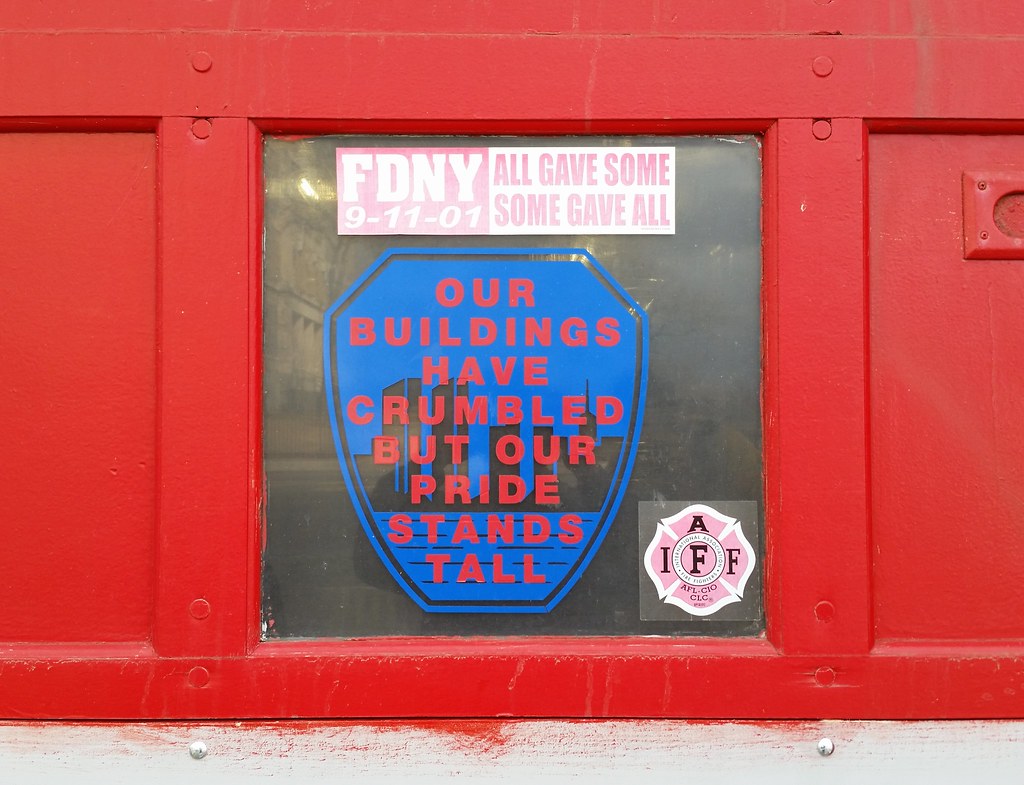
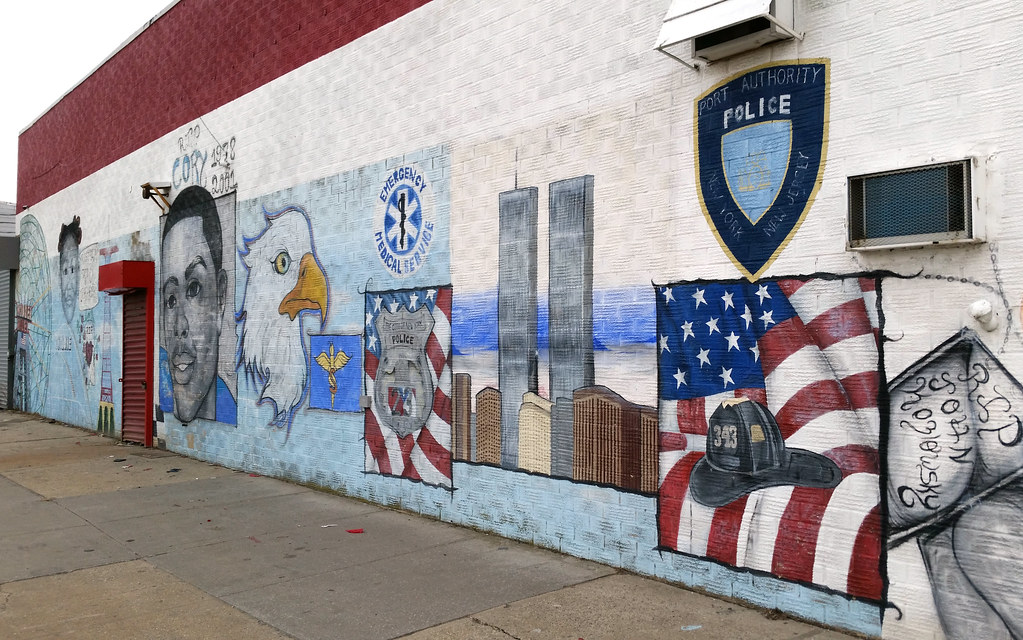
At the Engine 318/Ladder 166 firehouse. In its current condition, it's hard to tell that the drawing above is 9/11-related, but if you look closely you can see what appears to be a piece of the twin towers' shattered facades in the upper left corner.

I'm walking every street in New York City.
This is the counterpoint to my walk across the US. Instead of seeing a million places for just a minute each, I'm going to spend a million minutes exploring just one place. By the time I finish walking every block of every street in all five boroughs, I'll have traveled more than 8,000 miles on foot — all within a single city. Details!
Email me at matt@imjustwalkin.com
Subscribe to my email list
Maps: Progress | Photos

~9,954 miles walked
Your donations allow me to keep walking full-time. If you think what I'm doing is valuable and you'd like to offer some support, I would be very grateful. On the other hand, if you think I'm a worthless bum, feel free to email me and tell me to get a job, bozo. Both are excellent options!
