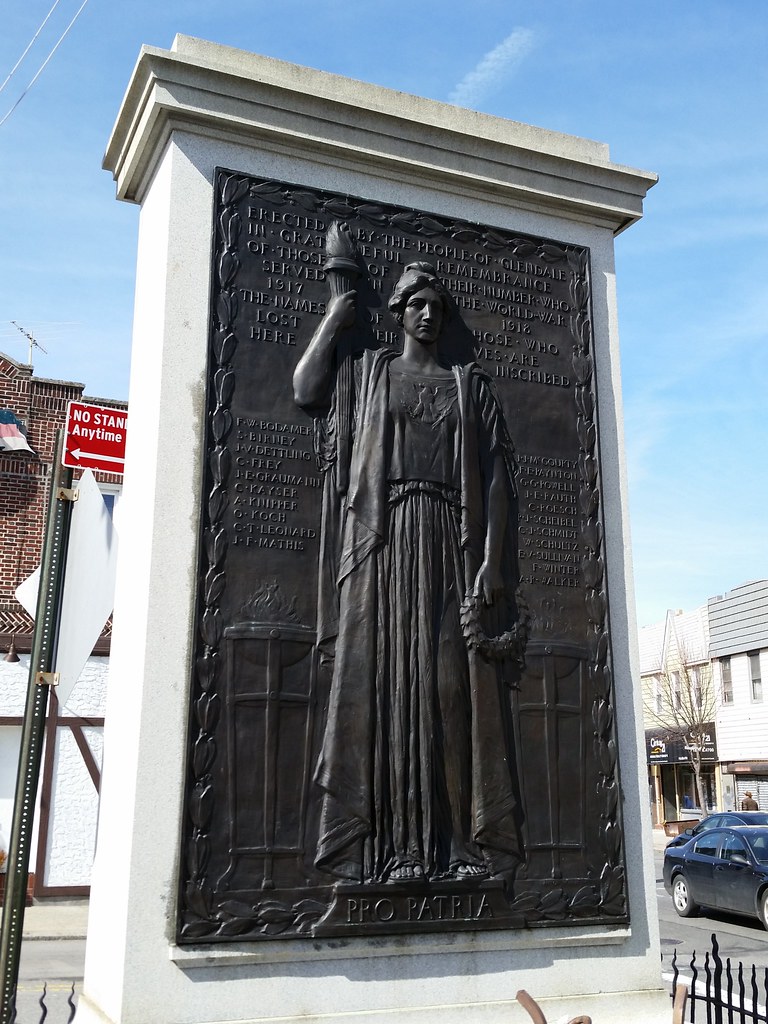
This World War I memorial was sculpted by Anton Schaaf, who also created the bas-relief panels for the Ridgewood War Memorial and the doughboy statue at the Park Slope Armory.
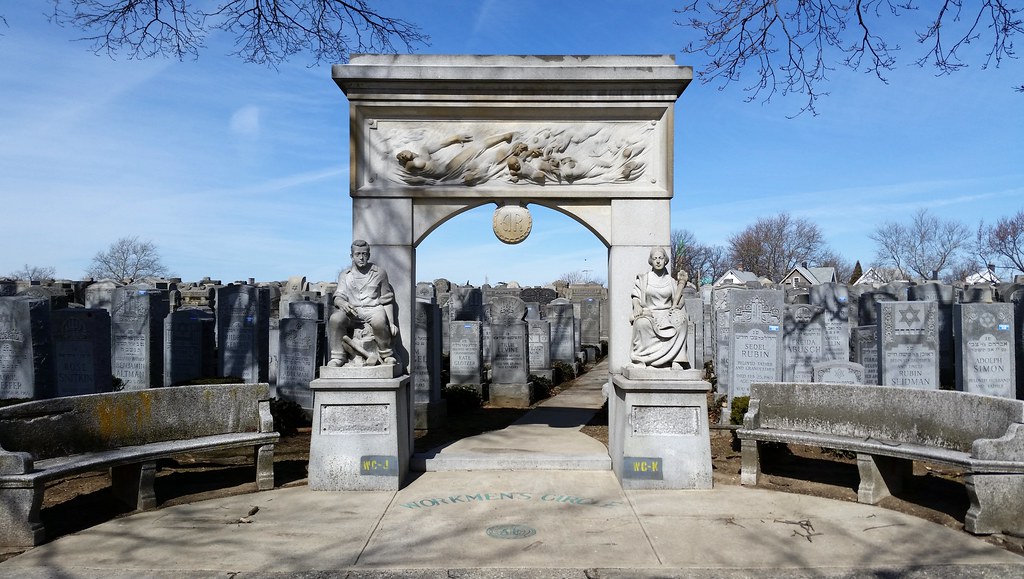
This is one of two Workmen's Circle burial sections at Mount Lebanon Cemetery.
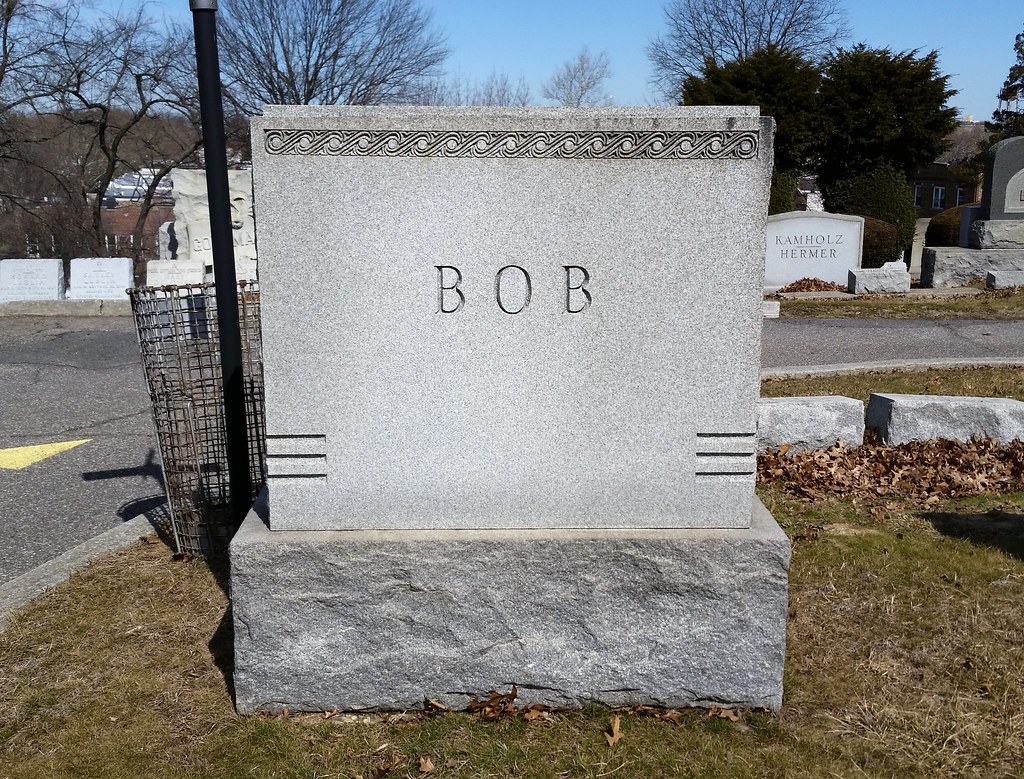
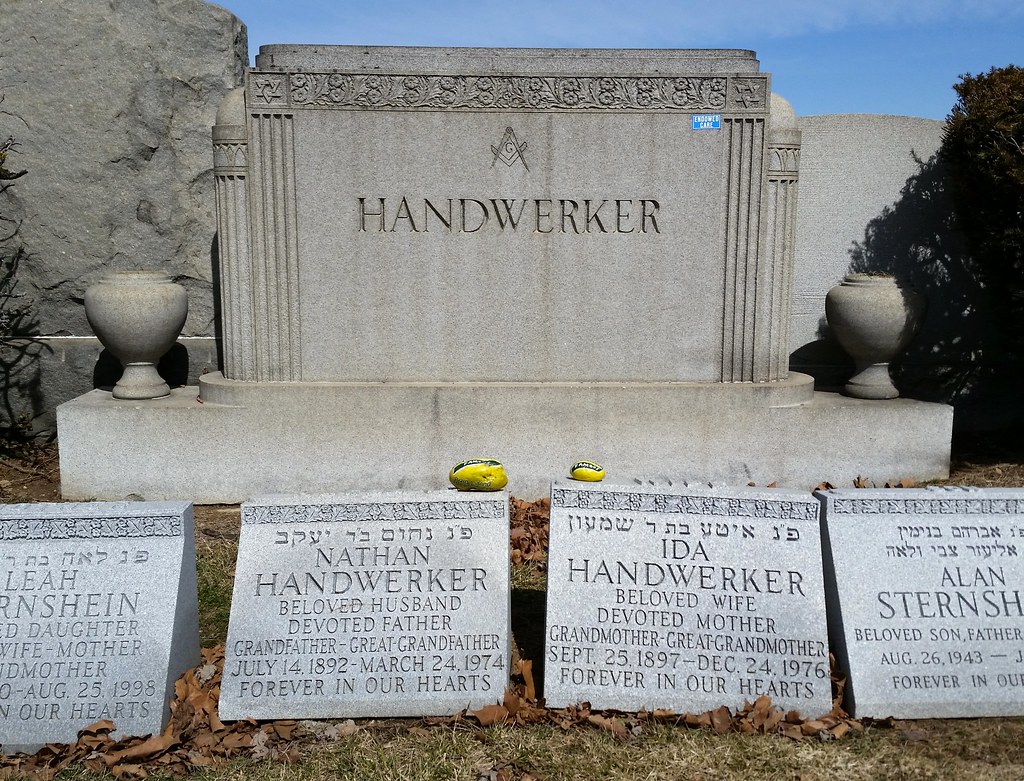
That's Nathan of Nathan's Famous hot dogs. Ida, his wife, is said to have created the recipe that made the dogs so famous.
This isn't the first time we've encountered frankfurter royalty in a cemetery, by the way. In Green-Wood Cemetery, we came across the mausoleum of Charles Feltman, who is often credited with inventing the hot dog, and then we learned of a connection between him and Nathan:
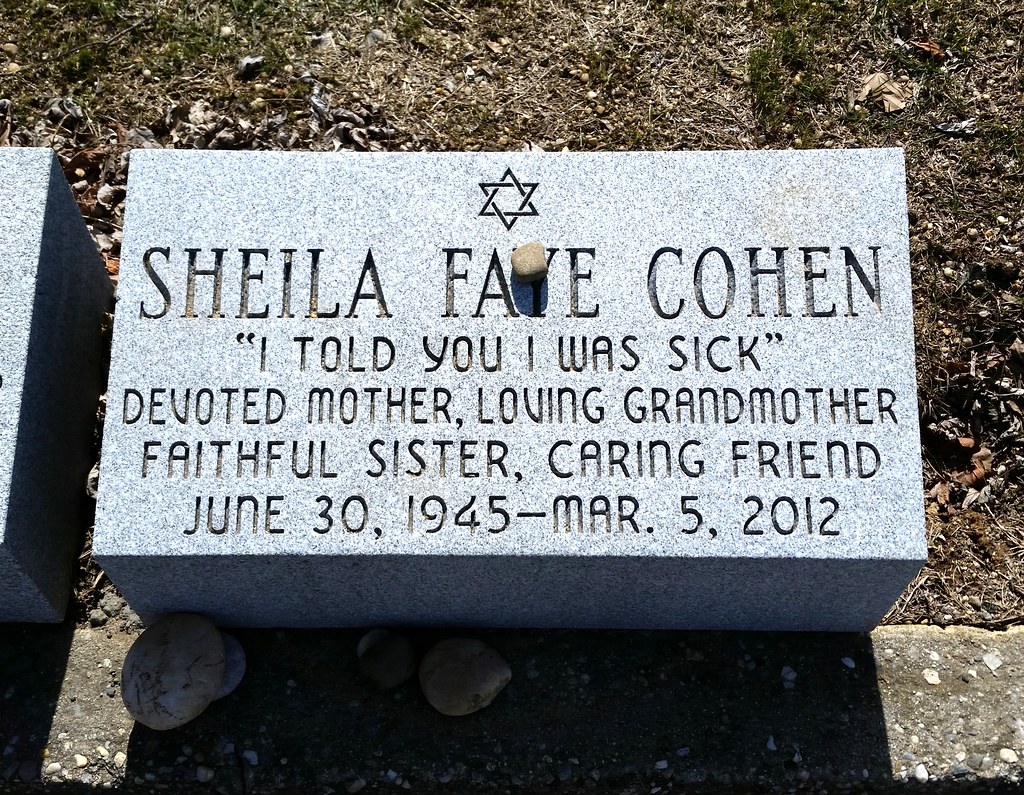
Feltman died in 1910, but his restaurant stayed in business, and it was a few years later that a young Polish immigrant named Nathan Handwerker found work there slicing rolls. Supposedly with some encouragement and borrowed money from his then-unknown co-workers Eddie Cantor and Jimmy Durante, Nathan opened his own hot dog joint in 1916 at the corner of Surf and Stillwell Avenues, where he and his wife served up frankfurters for just a nickel apiece, half the price his former employer charged.As we've seen, it's a Jewish custom to place rocks on gravestones that you visit. If you take a closer look at the rocks sitting atop Nathan's and Ida's stones, you'll see they've been decorated with the Nathan's Famous logo. Painted on the bottom of each one are four names: Steve, Michelle, Diana, and Lucas — presumably the folks who left the rocks here at Mount Lebanon. As it turns out, Steve is Nathan and Ida's grandson, Michelle is Steve's wife, and Diana and Lucas are their two children. Steve and Michelle head up the International Association for the Advancement of Peace. Diana was named the Humane Teen of the Year by the National Association for Humane and Environmental Education in 2007, and is, or at least was at that time, a vegetarian. Lucas is a self-described "hypnotist, mentalist, speaker, writer, & explorer of the mind" and a father-described "explorer and facilitator of multidimensional reality".
According to legend (and Nathan's grandson), with some variations from one telling to another, people were initially skeptical about the quality and contents of a wiener that could be sold for a mere five cents. To alleviate these concerns, Nathan hired people to dress as doctors and eat hot dogs in front of his stand, giving the impression that medical professionals considered his food perfectly healthy. Before long, with the arrival of the subway in Coney Island (and with the terminal station located right across the street), the dogs started selling like crazy, and now, almost a century later, Nathan's Famous remains a household name.
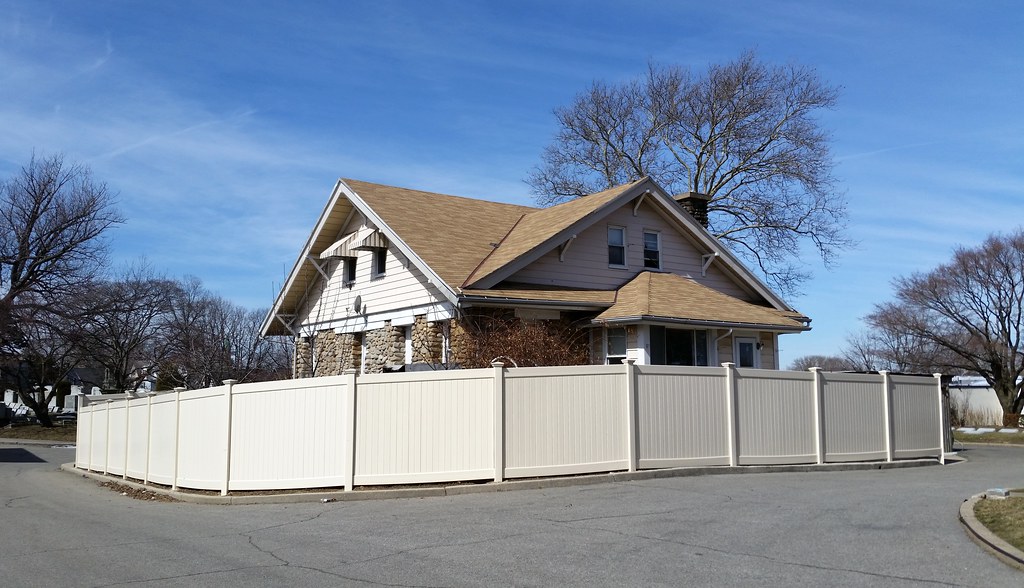
This must be the caretaker's house here at Mount Lebanon Cemetery.
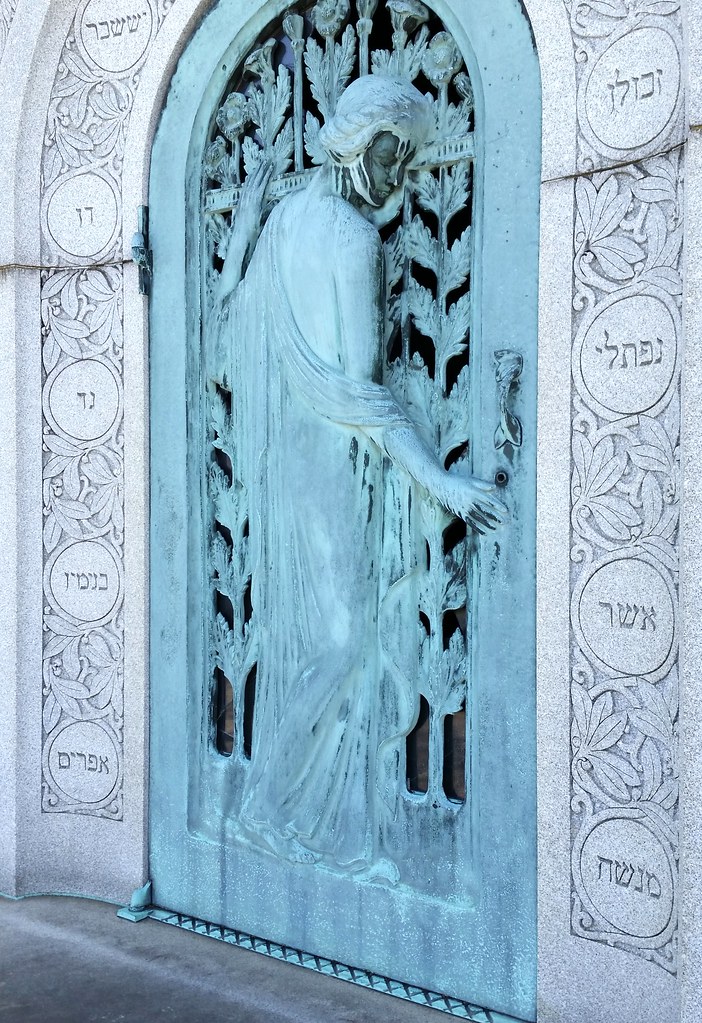
The circles surrounding this mausoleum door represent the twelve tribes of Israel.
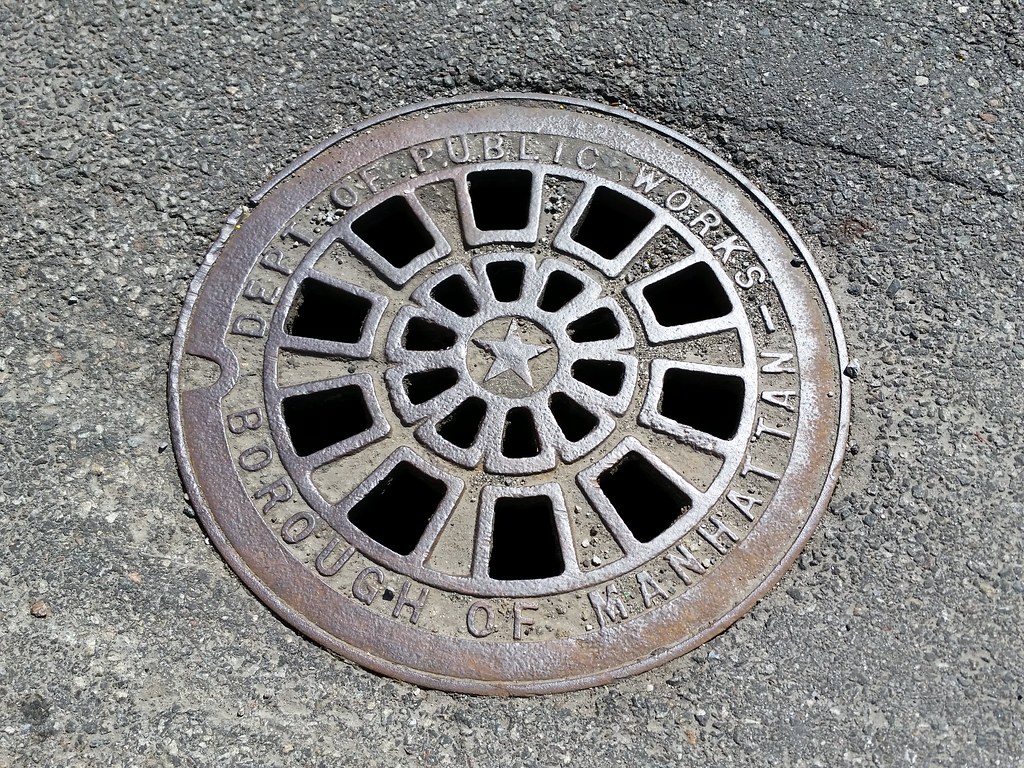
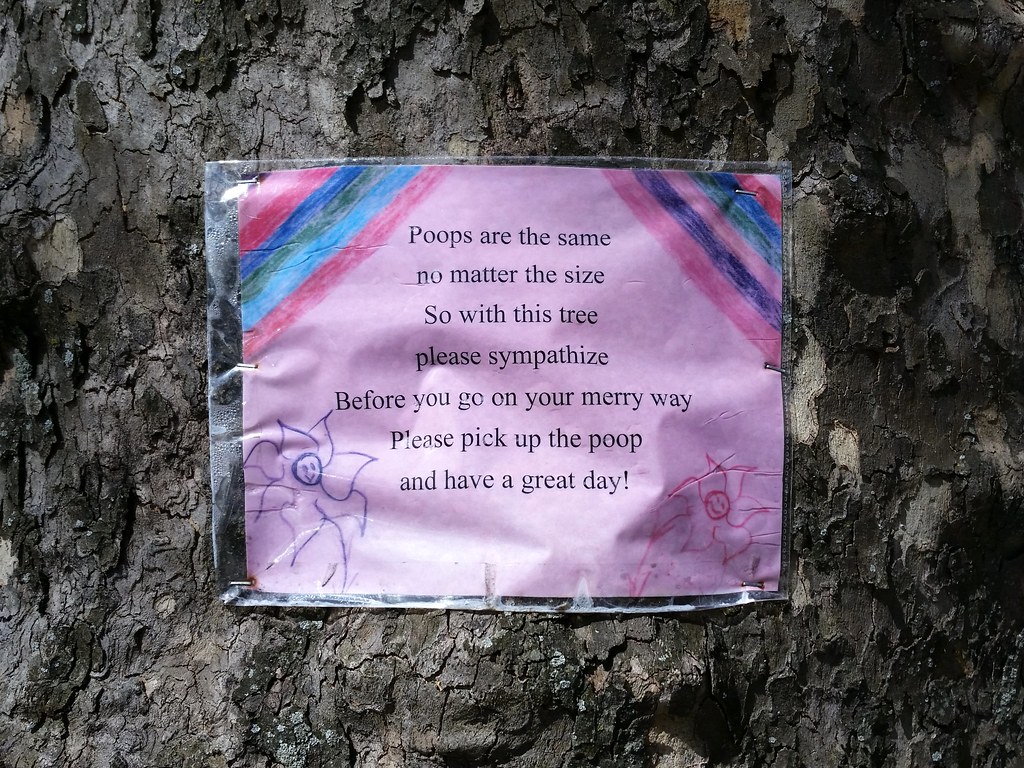
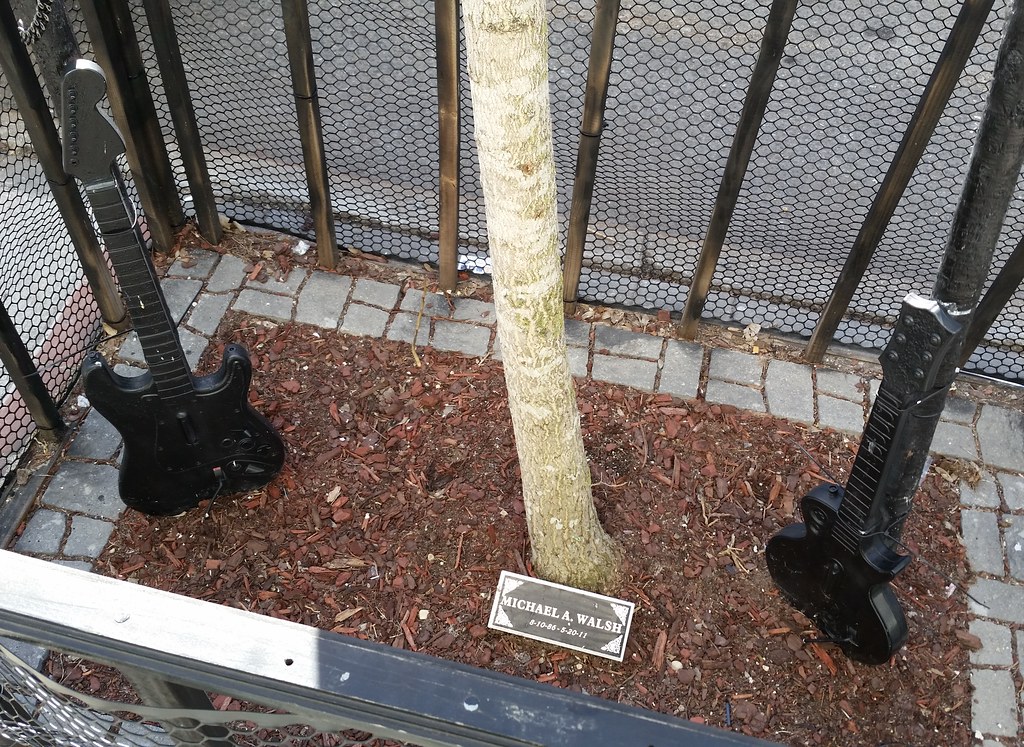
to Michael Walsh. A sign on the tree reads: "THIS TREE IS PLANTED IN MEMORY OF MICHAEL WALSH". Custom-made street signs for Michael Walsh's Place and Zero Days Way are mounted on a pole next to the tree pit. You can watch in Street View as this memorial takes shape over the years, starting with an empty patch of sidewalk: 2011, 2012, 2013, 2014.
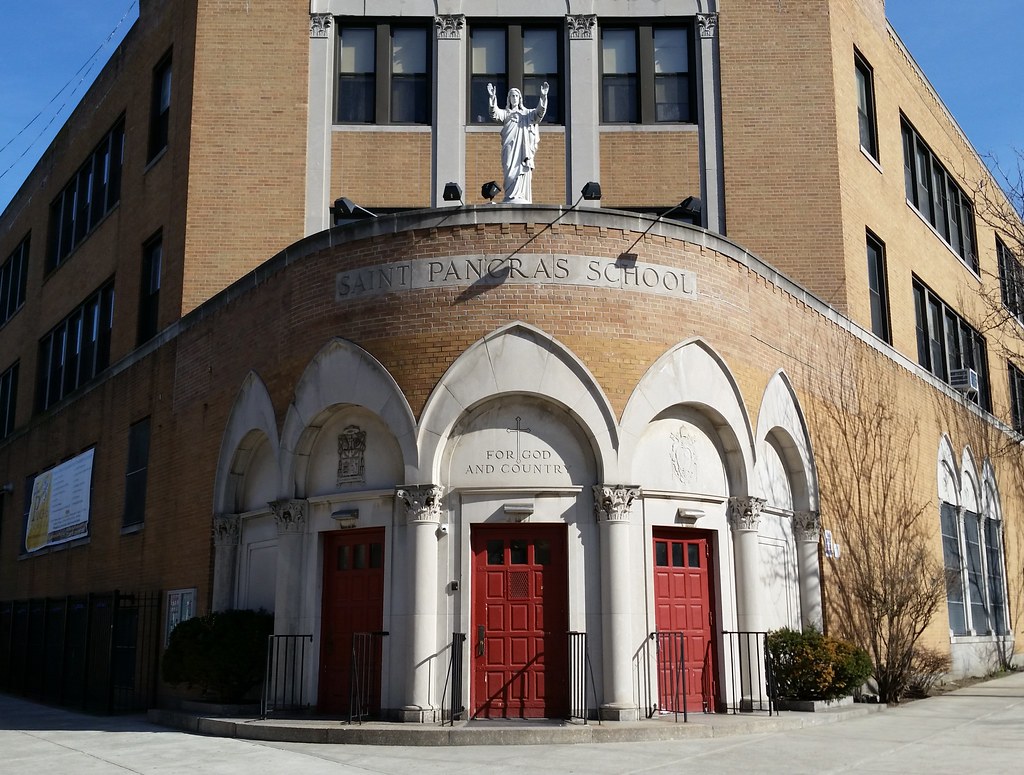
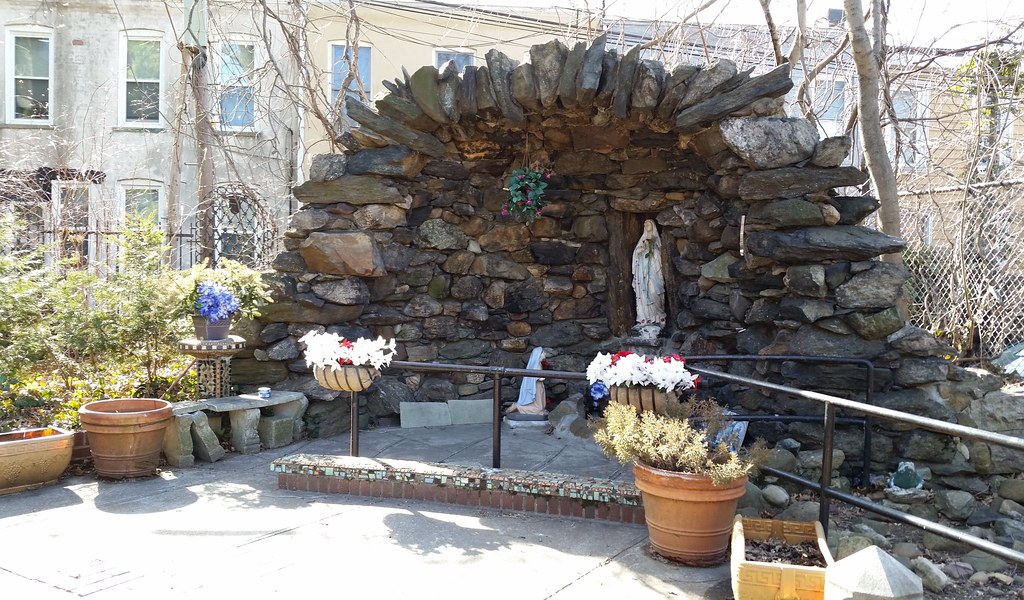

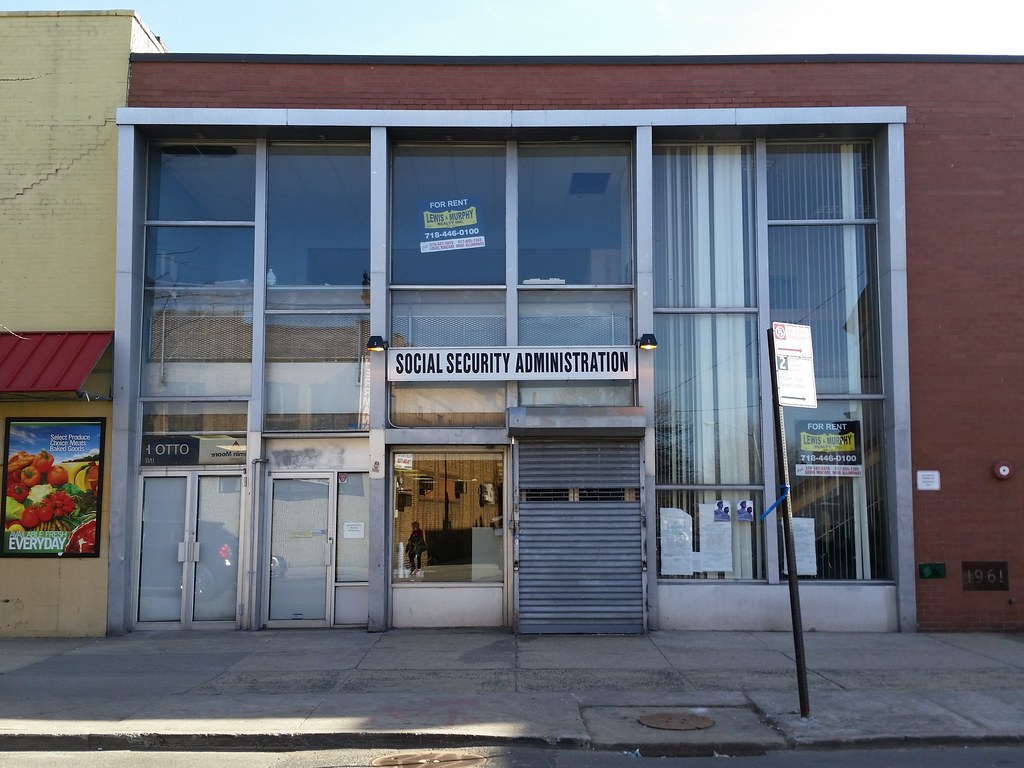


This plaque at the College of Staten Island, dated September 17, 1987, reads:
A PROMISE FULFILLEDWhat was the Willowbrook State School? As we learned a few months ago:
The institution once known as the Willowbrook State School, which occupied this site for thirty-six years, was closed in 1987.
The end of this institution symbolizes the success and appropriateness of New York State's commitment to provide an extensive and comprehensive program of community living opportunities for its citizens with mental retardation and developmental disabilities.
The Willowbrook State School was the country's largest state-run institution for the mentally disabled. By the 1960s, it had over 6,000 residents, 2,000 more than it was designed to accommodate. Underfunded and understaffed, it "offered a mean, often desperate existence" to the people who lived there. After a visit in 1965, Bobby Kennedy described the place as "border[ing] on a snake pit".So that makes two plaques here at CSI that acknowledge Willowbrook's existence. One, half-hidden behind a rose bush at the back corner of a building, does at least pay tribute, albeit in very vague and euphemistic terms, to all the helpless people who suffered abuse and neglect at this state-run institution. The other plaque, above, located in a little treed area near the middle of campus, makes no mention of the poor souls who lived here but instead just offers the state government a nice pat on the back for finally shutting the place down (after being sued into submission).
But it wasn't until 1972 that the wretched conditions at Willowbrook were brought into the national spotlight, when a TV reporter named Geraldo Rivera snuck into one of the wards with a handheld camera and documented the awful scene: "children lying naked on the floor, their bodies contorted, their feces spread on walls".
This prompted a lawsuit that led to the eventual closing of the institution in 1987. Many of the buildings were taken over and renovated by the College of Staten Island, which opened a new campus — the largest college campus in the city — on the site in 1993.

After taking the previous picture, I went inside to meet a friend here at the College of Staten Island. Five hours later, I came out to find the world looking a little different than I remembered.
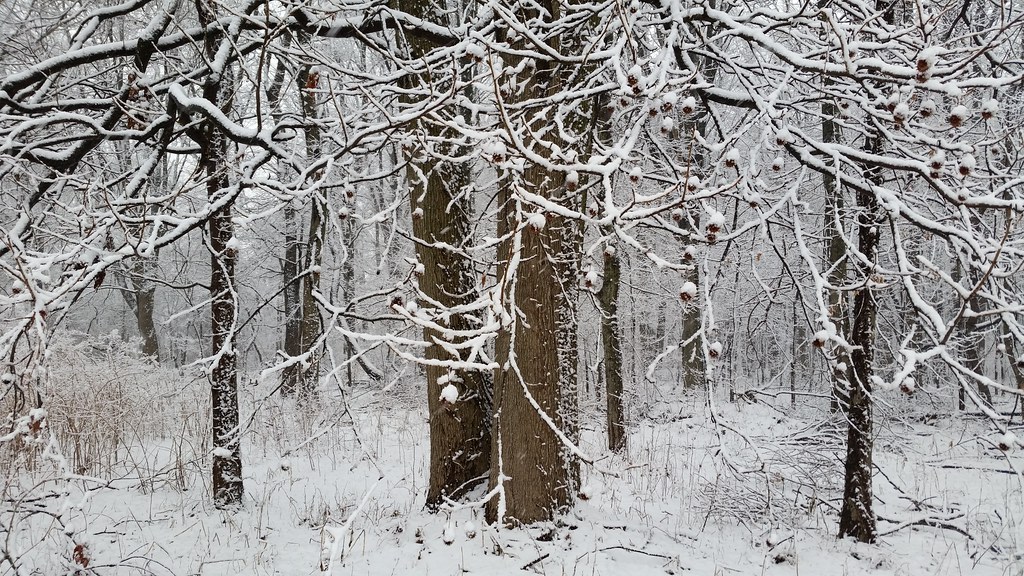
Standing at the western edge of the College of Staten Island, I'm looking into Willowbrook Park.
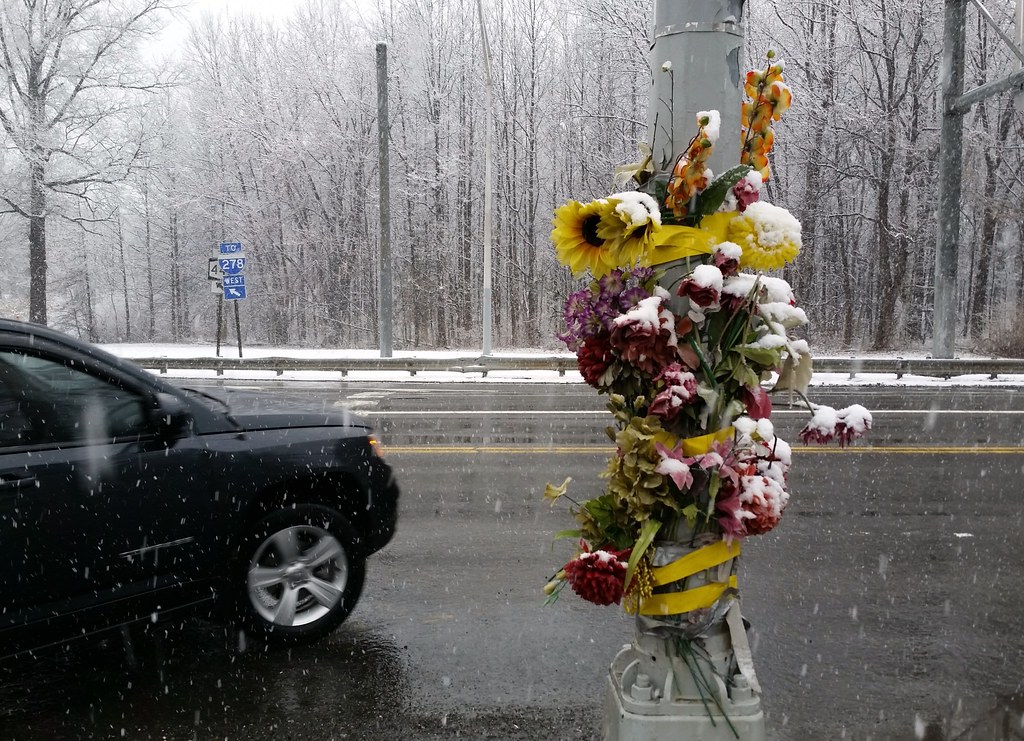

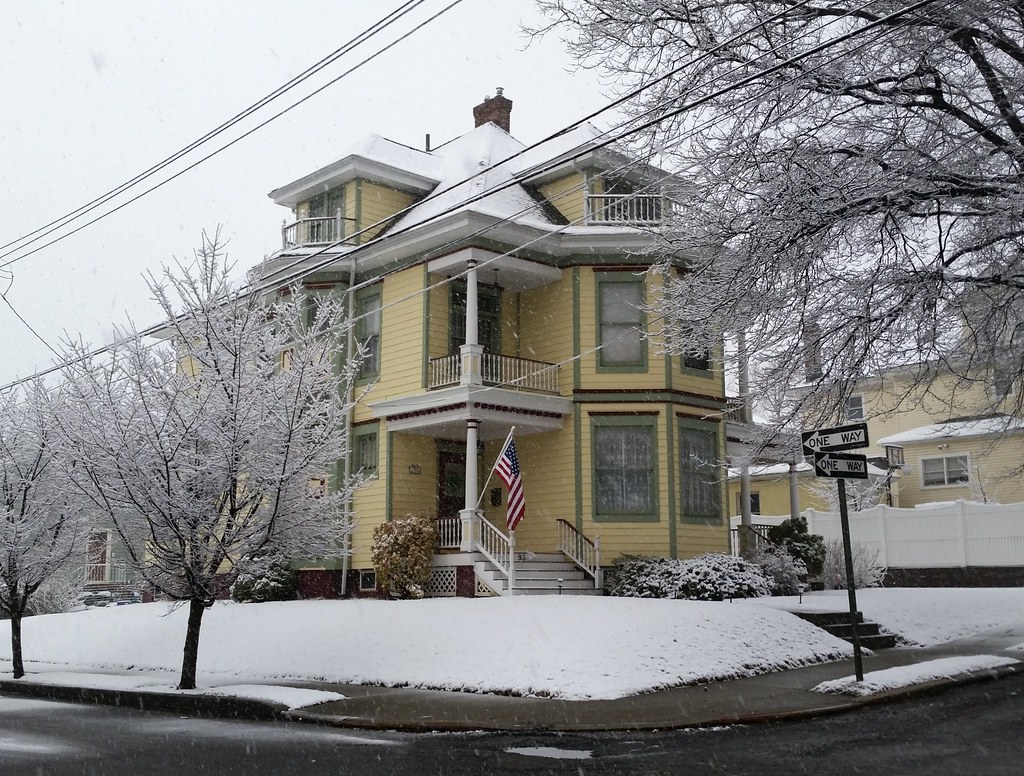
We're back in the picturesque neighborhood of Westerleigh, formerly known as Prohibition Park.
(Looks like I've already photographed this house once!)
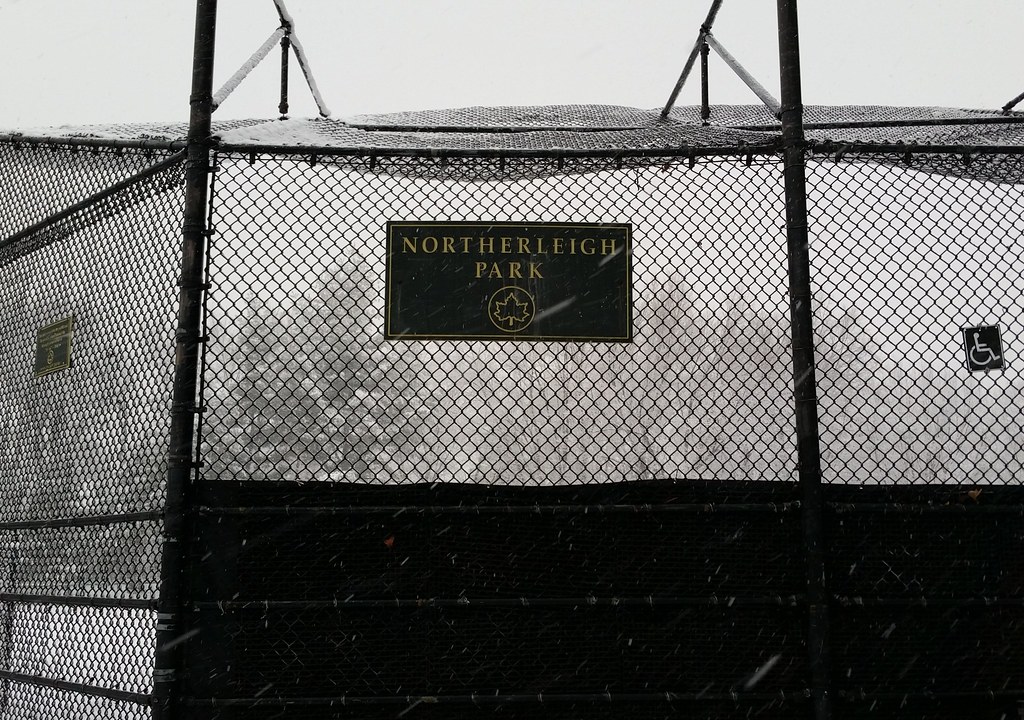
I think it goes without saying that this park, located in the northerly part of the neighborhood of Westerleigh, had its playful name bestowed upon it by Henry Stern.