Jersey City, that is.

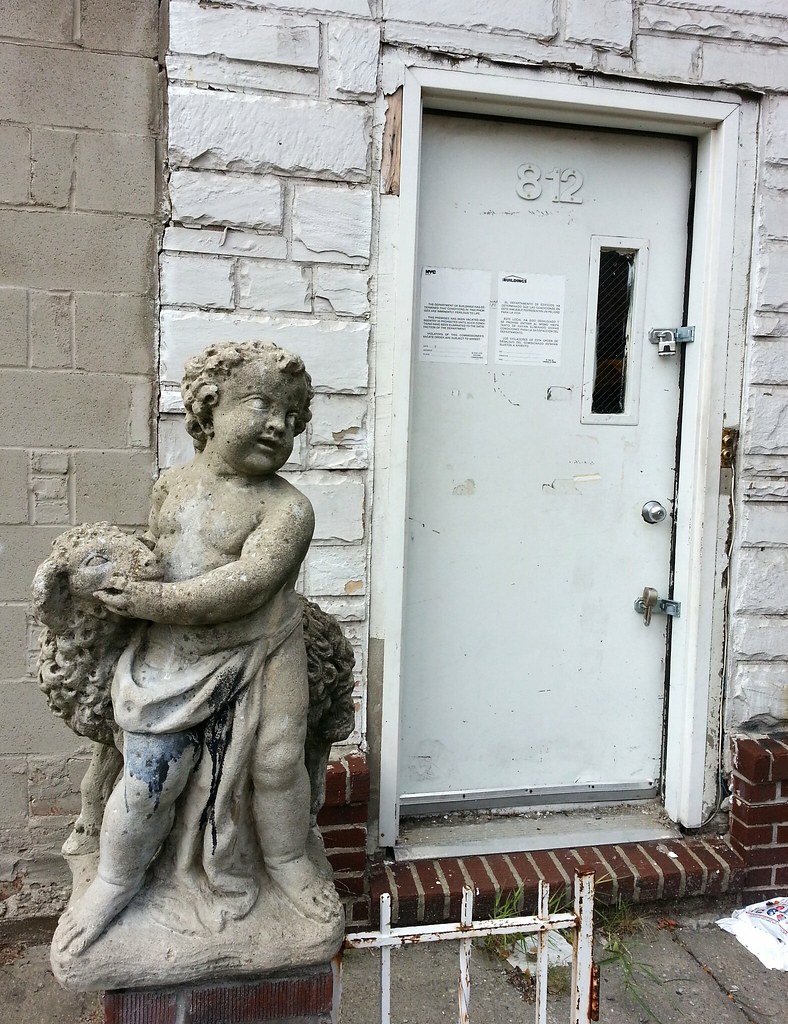
A grizzled old-timer on the trendy streets of Tribeca

Plumed celosia blooms in the foreground at this little park named for Philip Schuyler Finn, son of the beloved "Battery Dan" Finn. On a nearby sign, the Parks Department relates some colorful tales from the life of Finn the Elder:
He became a city magistrate and police judge in 1904, dispensing advice rather than harsh sentences. Admonitions like "Don’t try to compel a girl to love you if she prefers someone else. Get another to take her place," to two youths fighting over a girl, or "Don’t wreck or sell your body and soul for diamonds and automobiles," to a prostitute endeared him to New Yorkers across the city. No incident caused more amusement than Finn’s encounter with three bulldogs on his way to a court session in the Bronx. Under attack, he climbed a lamppost and yelled for help. Local papers carried the story and New York loved it.The NY Times's obituary for Battery Dan contains an expanded version of the don't-fight-over-a-girl advice:
"You are both as foolish as the fellows who years ago fought over a girl named Helen of Troy. The one who got her had nothing but trouble. Don’t try to compel a girl to love you if she prefers some one else. Get another to take her place."

The Parks Department has plans to rehydrate this little downtown plaza that lies within the historical boundaries of Collect Pond, one of the city's primary water sources for more than 150 years. As you may recall, we previously learned about the canal that was built to drain Collect Pond in the early 1800s after it had essentially become an open sewer, polluted beyond hope.
Once emptied, the pond was filled in with dirt from the surrounding hills, including Bayard's Mount, formerly the highest point in lower Manhattan. New homes were built on the site, but the landfill was not well engineered, and poor drainage caused the ground to subside, leaving the area swampy and stagnant. The wealthier residents moved away, poor immigrants flooded in, and the neighborhood became the notorious slum known as Five Points.
We happened upon the current version of the Tombs earlier today; its first incarnation was built atop the former pond in 1838 on a raft-like foundation "imbedded in quicksand". The Prison Association of New York's 1895 annual report delivered a searing condemnation of conditions at the jailhouse:
Such treatment of dogs would be gross cruelty; and when it is considered that the men so treated have not been convicted, and in many instances never are convicted of any crime, and that the prison is only intended to be a place for safe detention and not a place for punishment, no language which can be employed can be too severe in denunciation of such an infamy. The Tombs prison, as it has existed for years past, is a disgrace to the city of New York. It ought to be immediately demolished. It cannot be made decent. It is defective in every modern appliance. It is dark, damp and ill-ventilated.A new facility, with a much more substantial foundation, was built in 1902 to take its place; remnants of that foundation were recently discovered by workers during construction here at Collect Pond Park.

"We are old men. We like bringing the birds and drinking the coffee. We feel better."

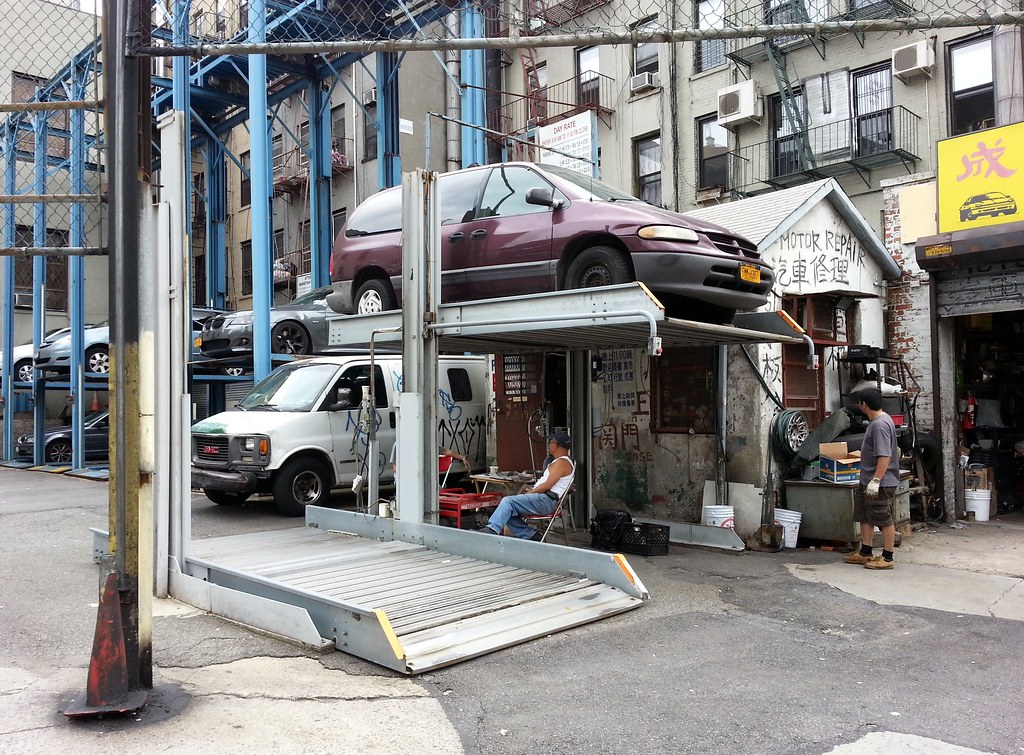
The same warning is painted directly behind the car as well. What does it mean?
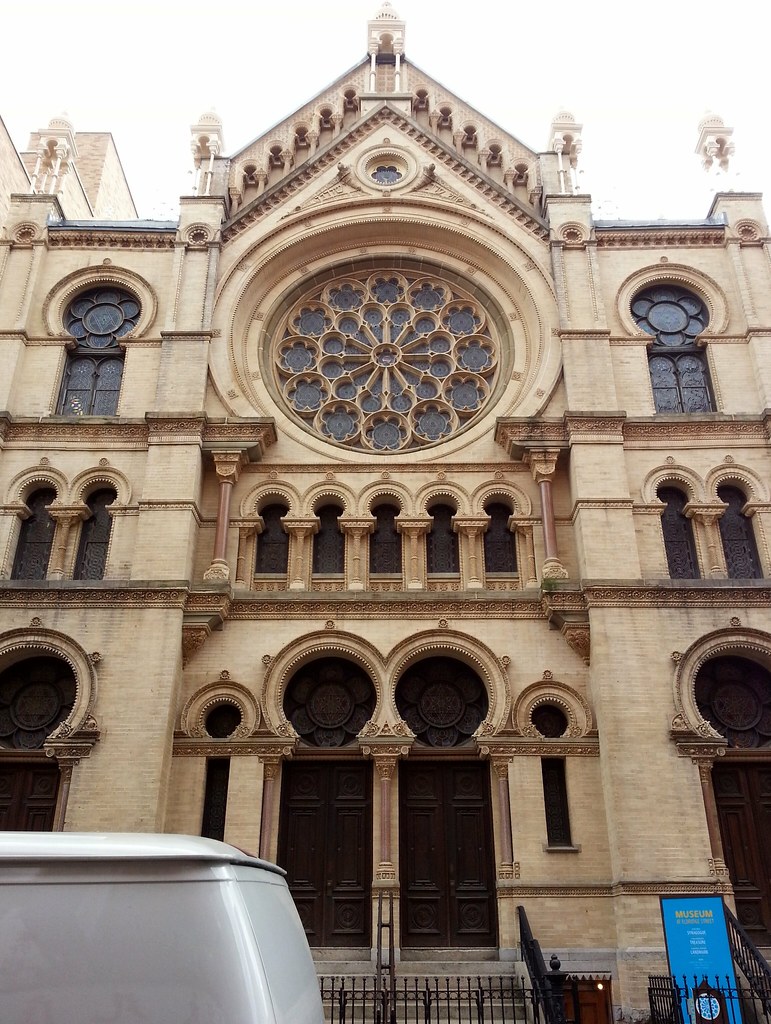
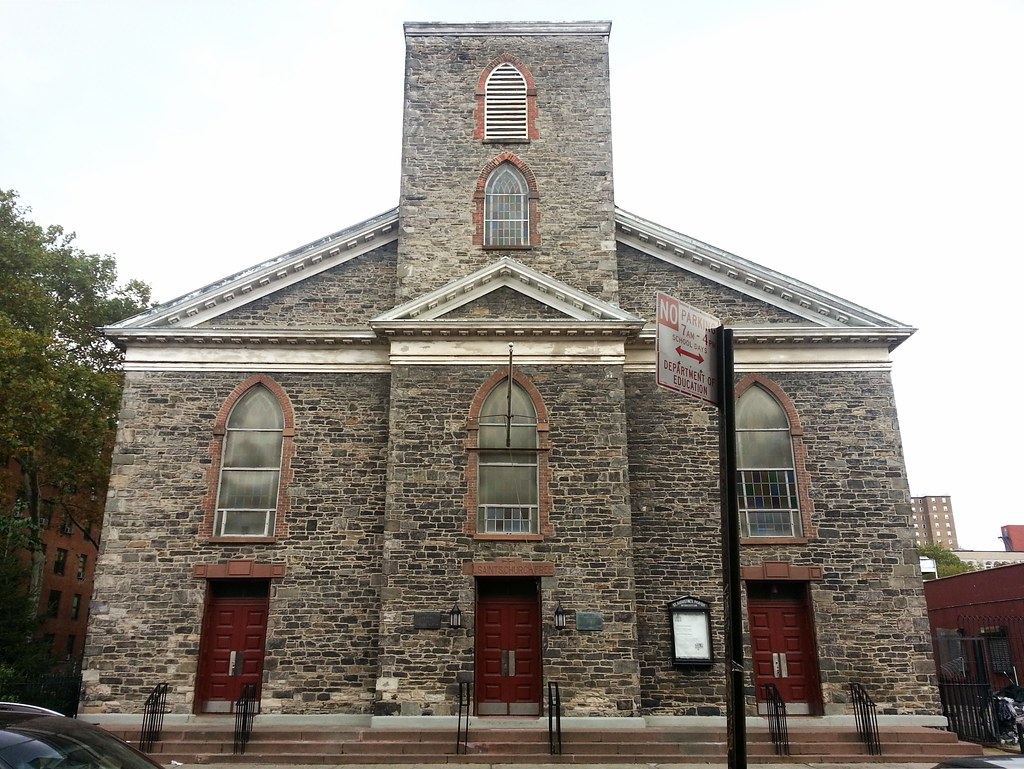
Completed in 1887, this was the first grand synagogue built by European Jews in the US, its spectacular sanctuary (a "majestic collage of psychedelic polychromy") a world away from the dingy tenements many of its impoverished worshipers inhabited in those days. By the middle of the 20th century, however, the congregation had dwindled and was unable to maintain such a magnificent space; the remaining congregants decided to seal off the sanctuary and meet in the basement instead. Now, after years of restoration and renovation (including the installation of a gorgeous new stained-glass window on the back side of the building), this "ethereal vault" has been returned to its former glory, and is open to the public as a museum.
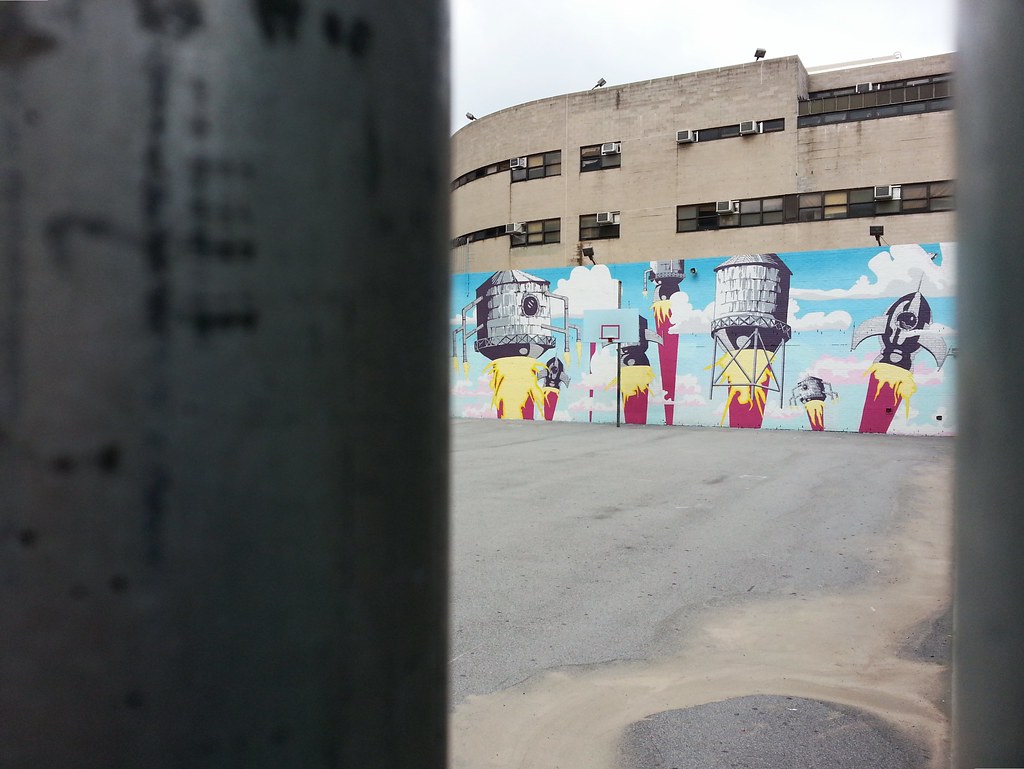
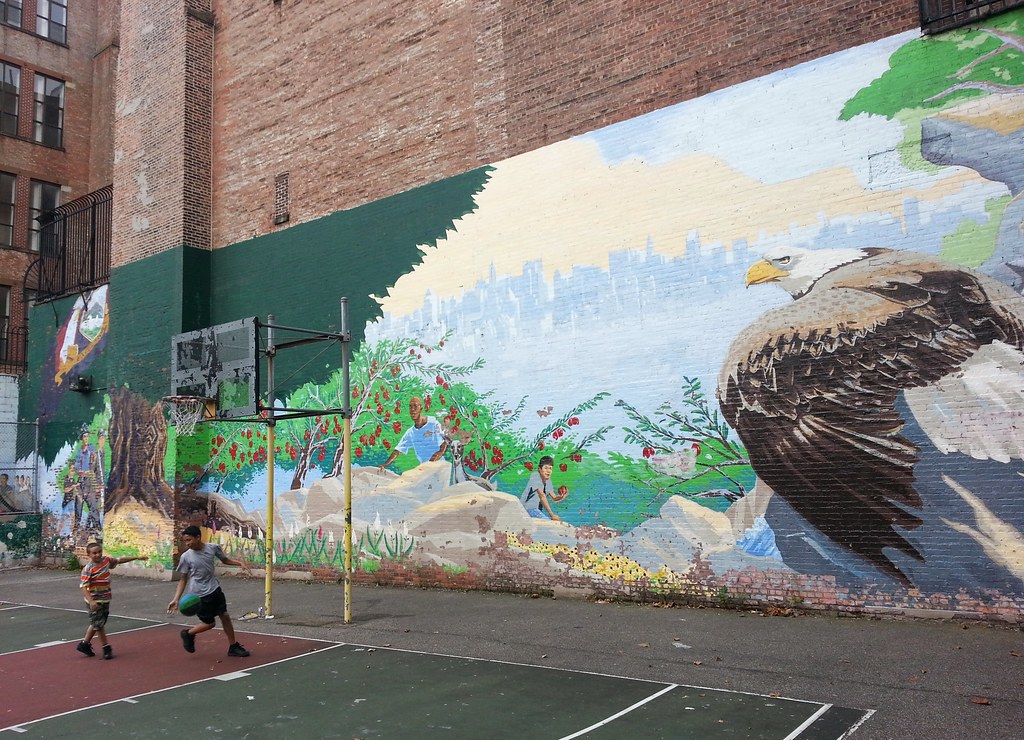
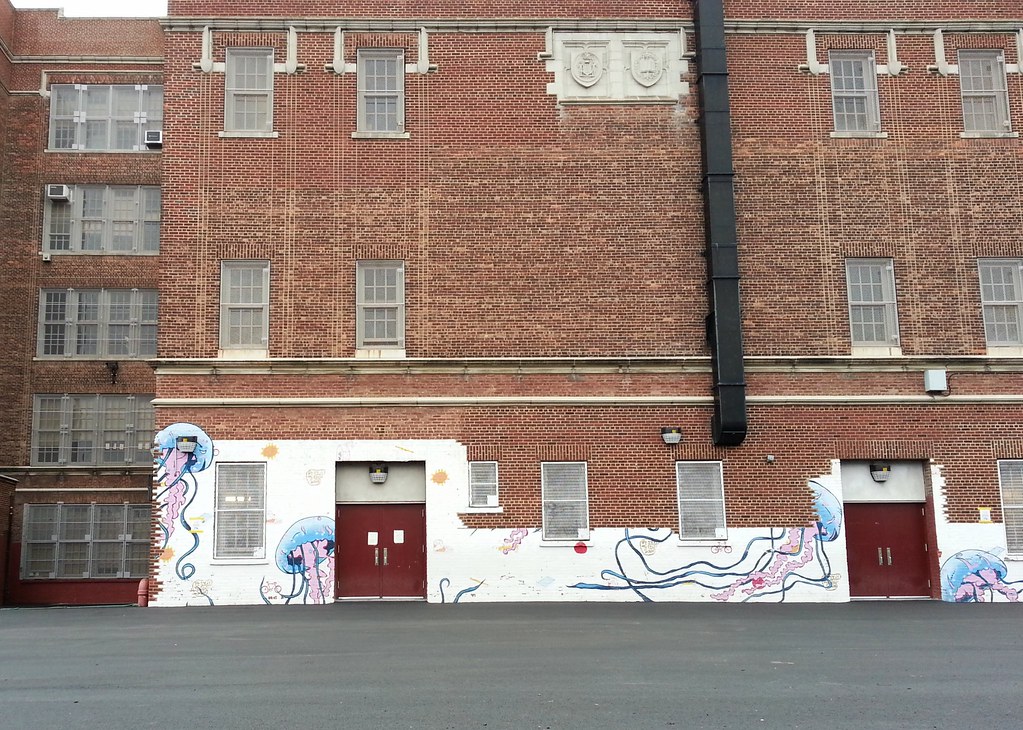
Rocket ships, along with some of NYC's iconic wooden rooftop water tanks, take flight in this mural at MS 131.
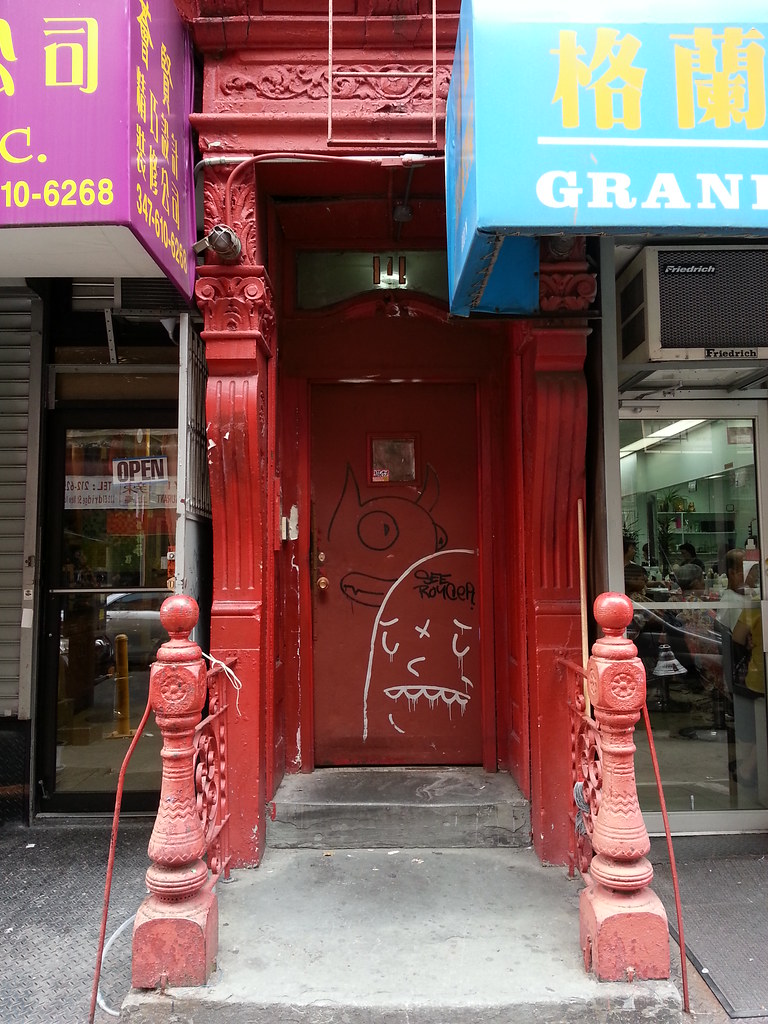
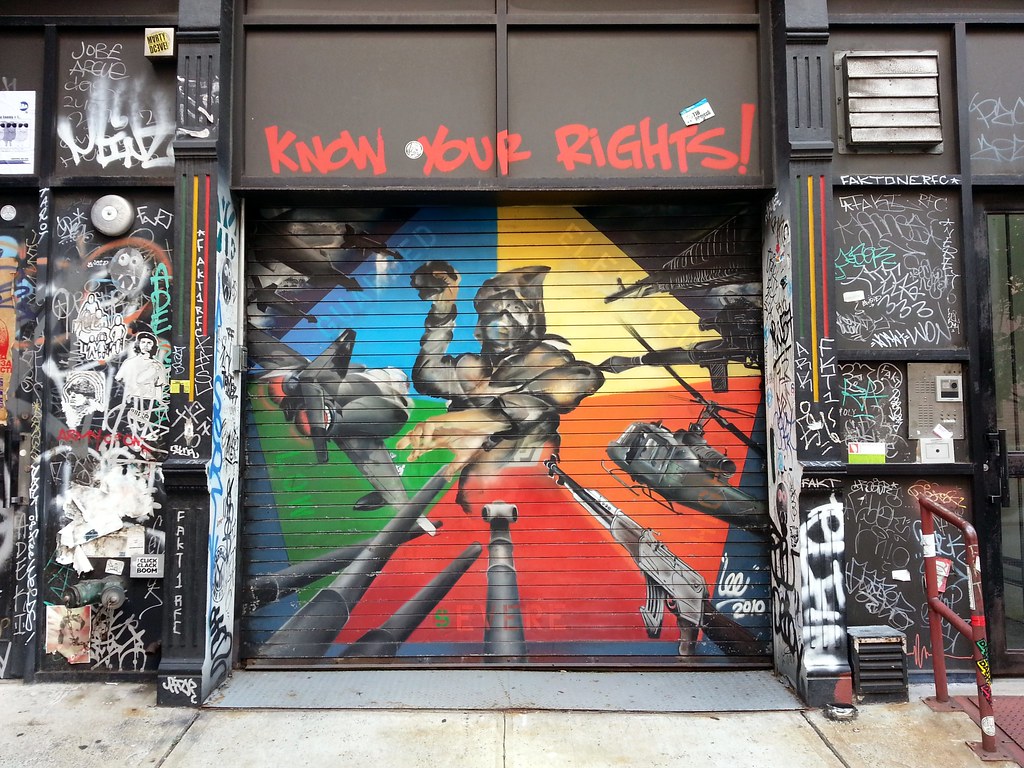
A different take on a theme we've seen several times before
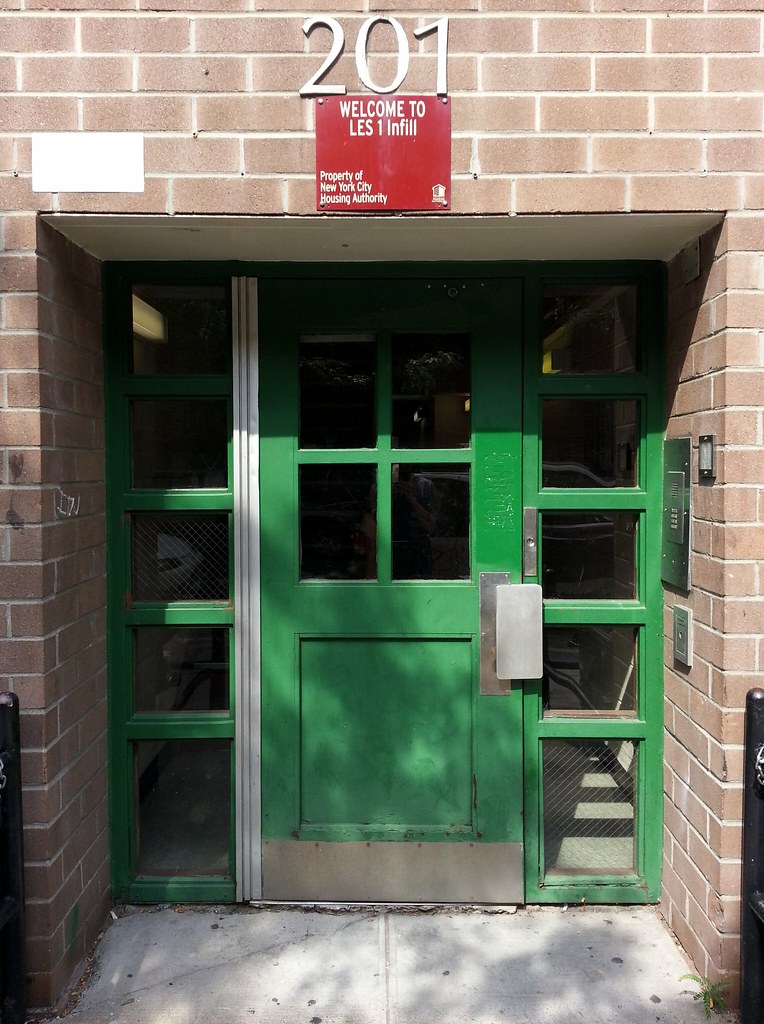
Yet another inspired name — only the best for our public housing developments!
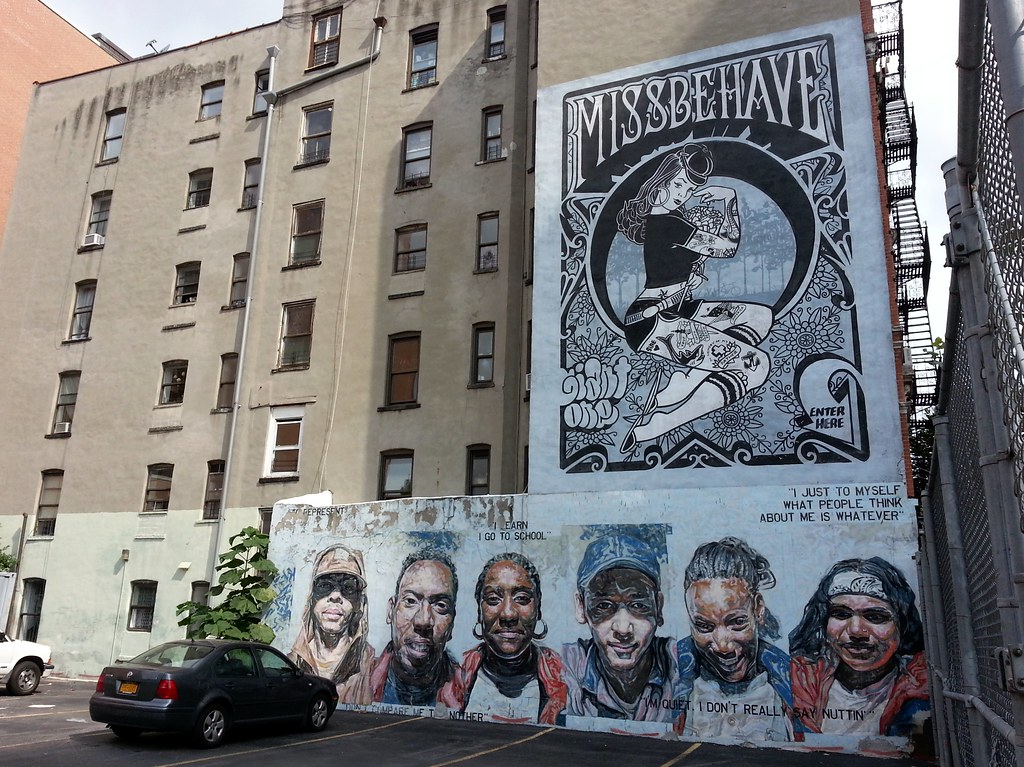

Incongruously plopped down in the middle of an otherwise forgotten-looking park
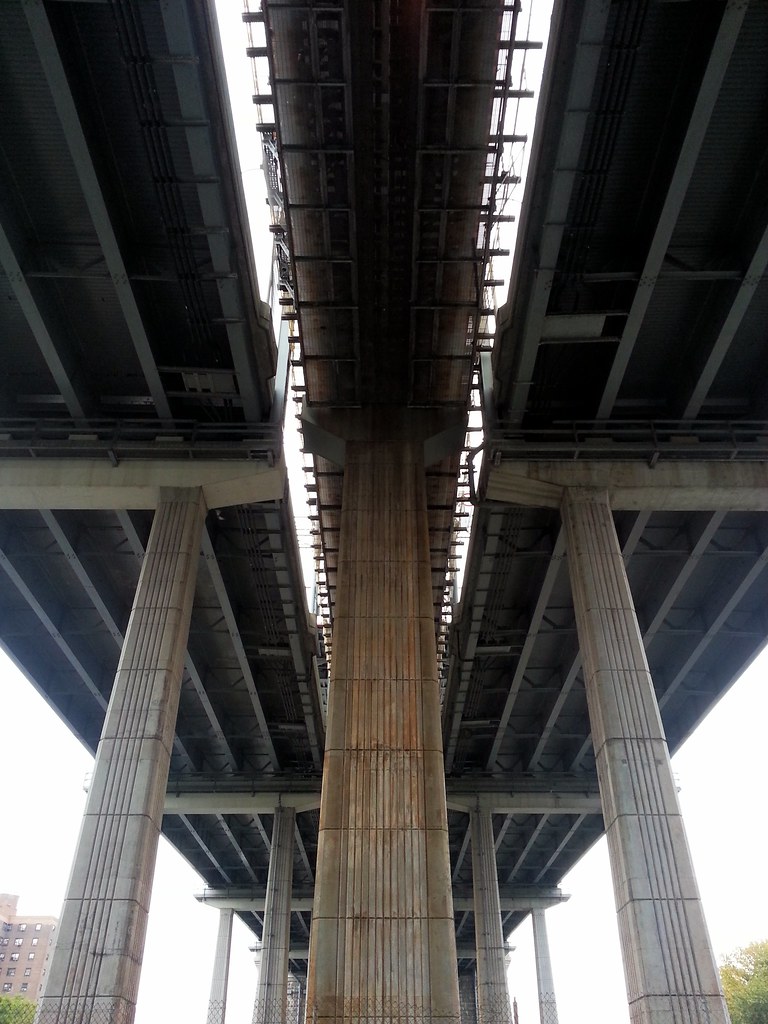
The columns running down the middle are holding up the subway tracks.
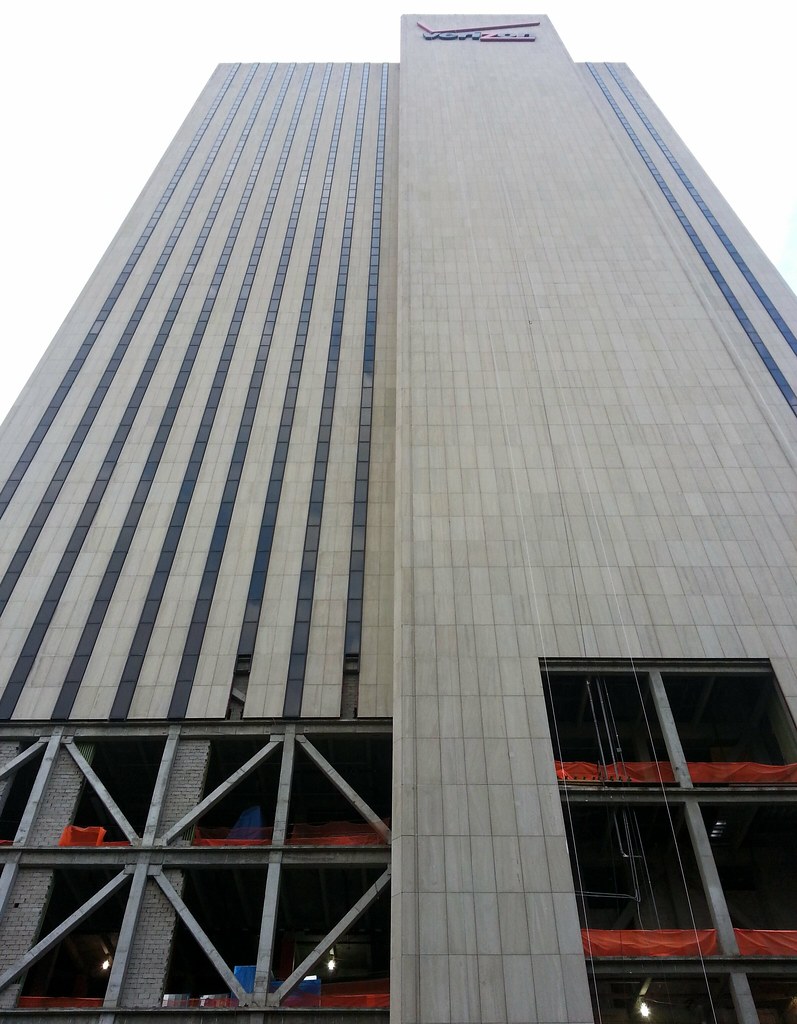
Pearl Street's monstrous Verizon building
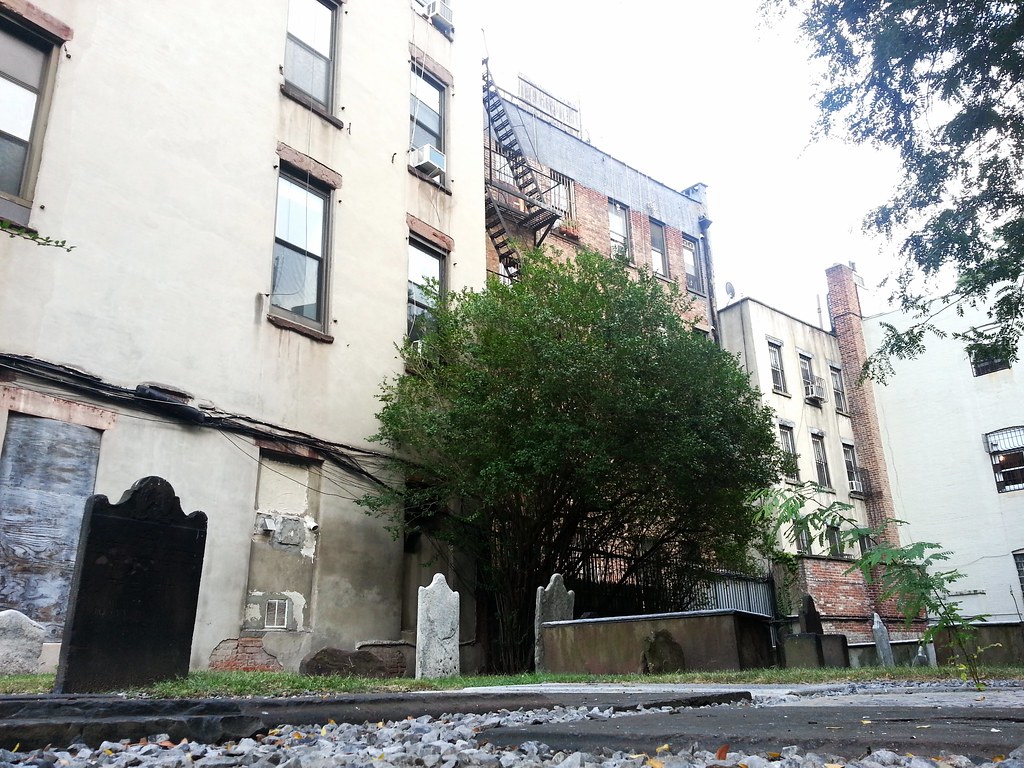
As we learned when we passed by this cemetery's successor: Shearith Israel, founded in 1654, was the first Jewish congregation in North America and the only one in New York City until 1825. The little graveyard above, which has been whittled down in size over the years, was established in 1682 and received its first interment in 1683, making it "the second oldest extant burial ground in Manhattan". It is known as Shearith Israel's "first cemetery", although there may have been an even older one: in 1656, the city's Jewish community was granted permission to use "a little hook of land situate outside of this city for a burial place", but there is no definite record of this burial ground's establishment or location. Still an active congregation today, Shearith Israel honors its Revolutionary War veterans with a ceremony here at the cemetery every year around Memorial Day.
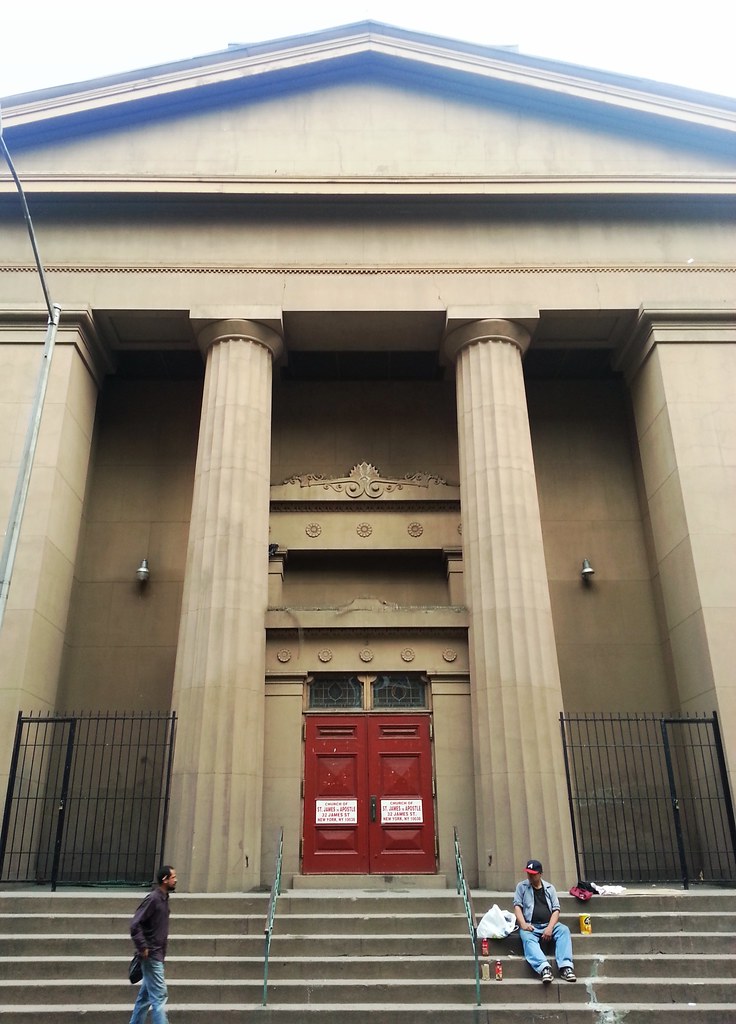
Opened in 1837, it's the city's second-oldest surviving Catholic church building (by some measures, anyway; this ranking is not as straightforward as it sounds). Check out these photos of the beautiful interior, taken on the final day of one man's two-and-a-half-year quest to attend mass at each of Manhattan's 96 Catholic churches.
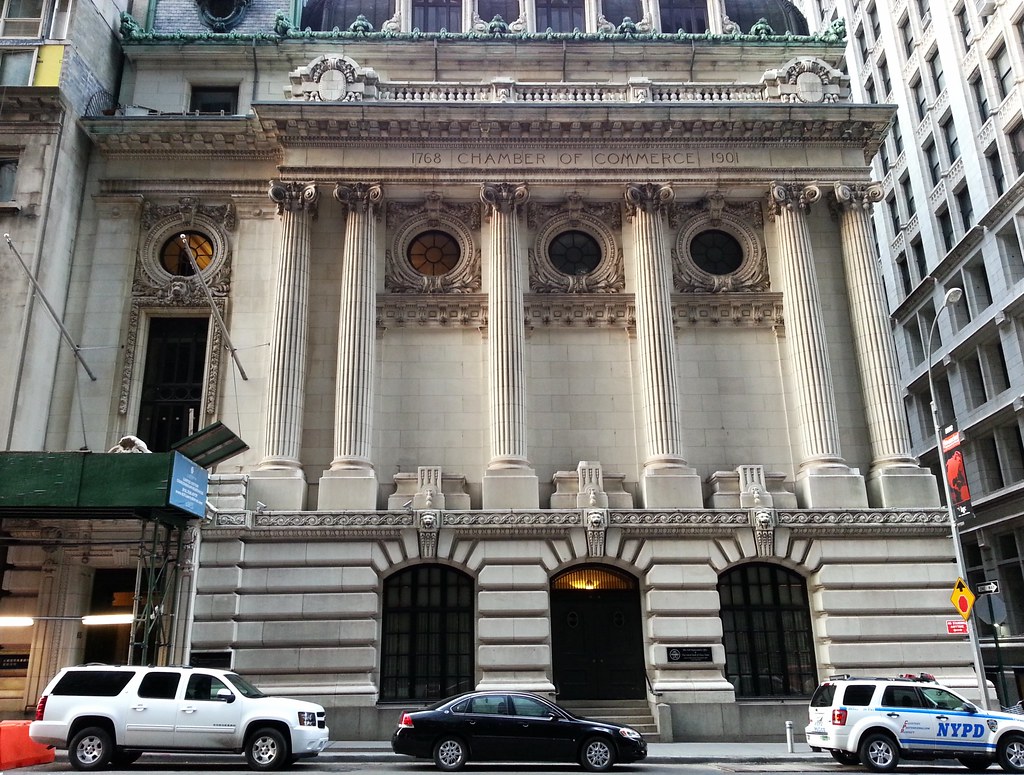
The New York Chamber of Commerce became the first such institution in the US upon its establishment in 1768. Perhaps the city's most influential business organization by the turn of the 20th century, it finally acquired a permanent home in 1902 when it built this "little Beaux-Arts treasure".
You can see a terrific collection of historical photos of the building here, including an image of the grand assembly hall with its stained-glass ceiling and walls lined with the Chamber's extensive collection of portraits of powerful New York business leaders and politicians. Four large marble statues (of Mercury, Alexander Hamilton, DeWitt Clinton, and John Jay) once adorned the facade (Mercury was above the door; the other three fellas stood atop the now-vacant pedestals located in the gaps between columns), but had to be removed after sustaining serious damage from years of acid rain.
The Chamber's prominence subsided as the 20th century wore on, and it moved to more modest quarters in 1980. The building sat vacant for a decade until it was purchased by the Taiwanese International Commercial Bank of China; it currently houses a representative office of Taiwan's central bank.
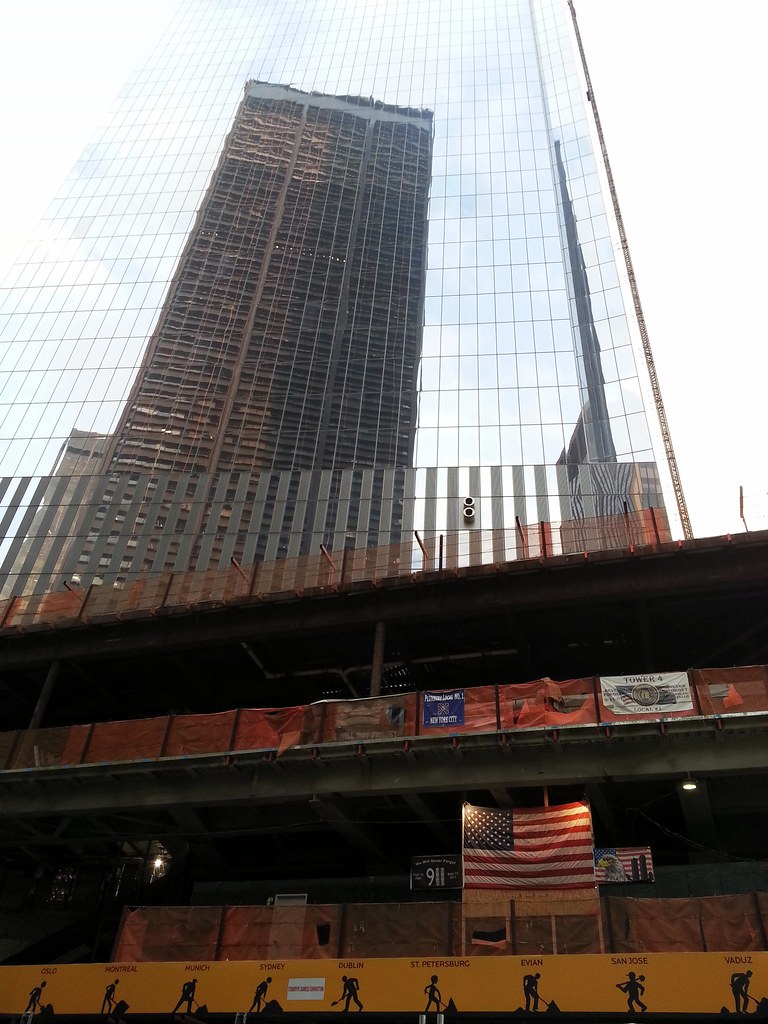
A construction-site shrine at Four World Trade Center. You can take a closer look here.
Visible at the bottom of the photo is Men at Work, the younger brother of Walking Men 99.
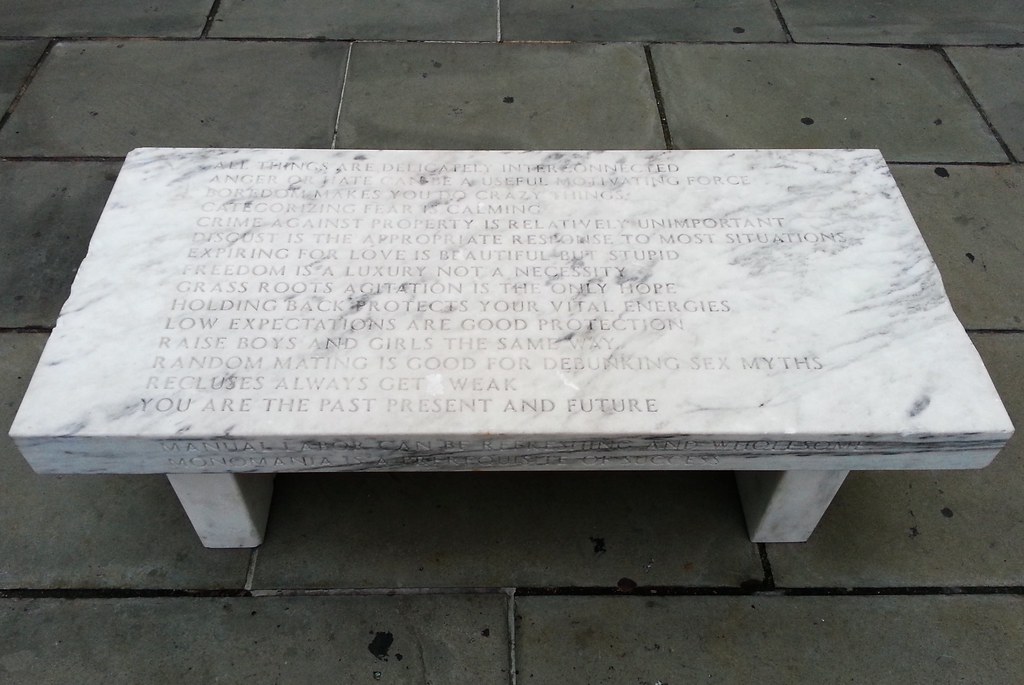
This piece, from Jenny Holzer's Truisms collection, is one of four benches by the artist featured in City Hall Park's Common Ground exhibition, a reimagining of civic monuments. These benches blend in with the surroundings so well that I just assumed they were stodgy old memorials until I started reading the text.
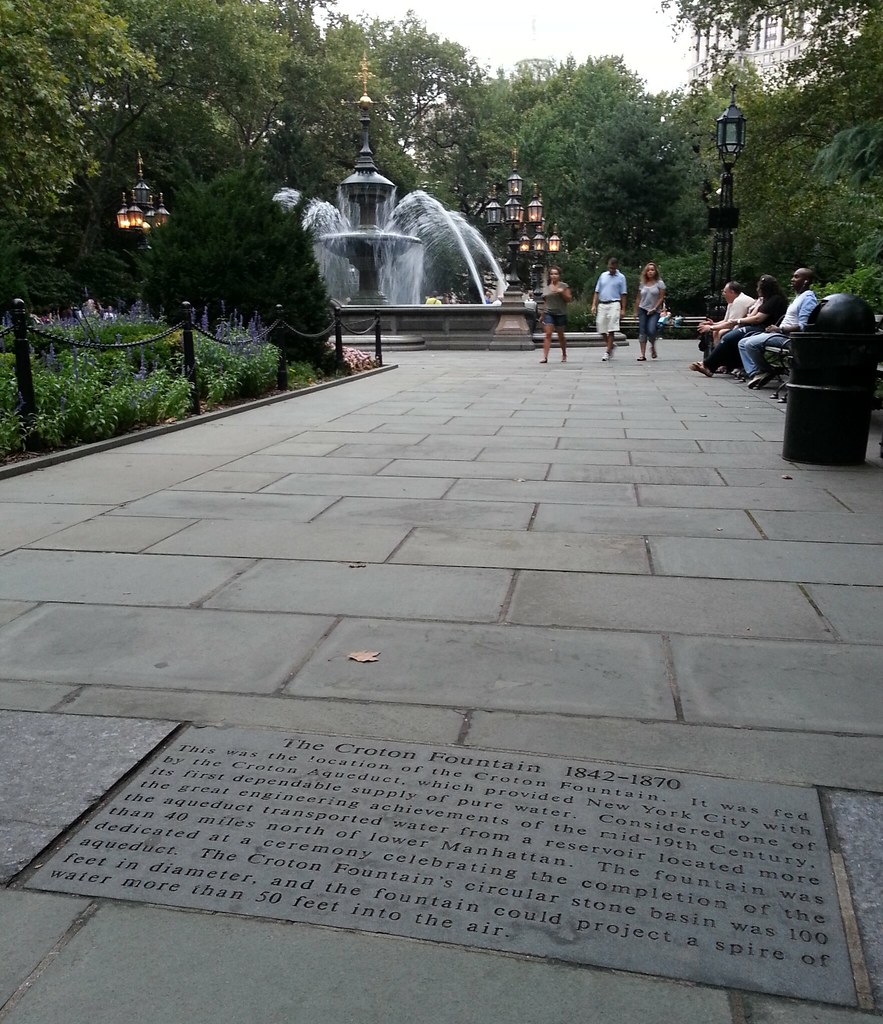
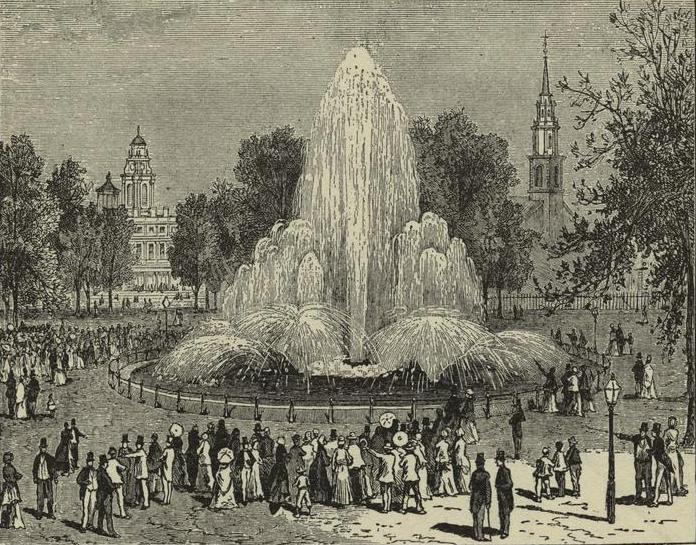
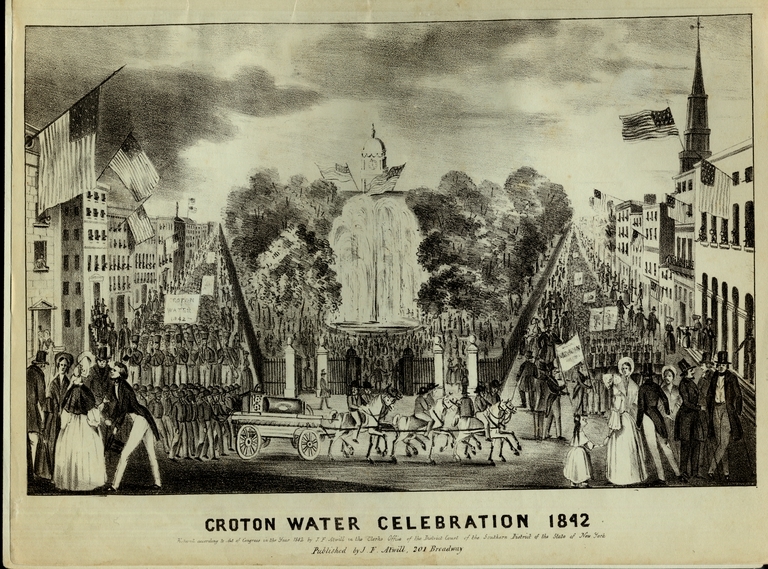
This plaque lies on a 100-foot-diameter stone ring marking the former location of the spectacular Croton Fountain, built in 1842 and fed by water from the monumental Croton Aqueduct. The aqueduct, as we learned back in July, was an extraordinary feat of engineering and a tremendous boon to the water-deprived city; it opened to great fanfare here at City Hall Park, and even had an official ode written for it ("Croton’s waves in all their glory / Troop in melody along"). In 1871, the fountain was replaced by the smaller (though quite ornate) one you see in the background (which itself was removed from the park in 1920 before making a return, complete with gas-burning lamps, after renovations in 1999).
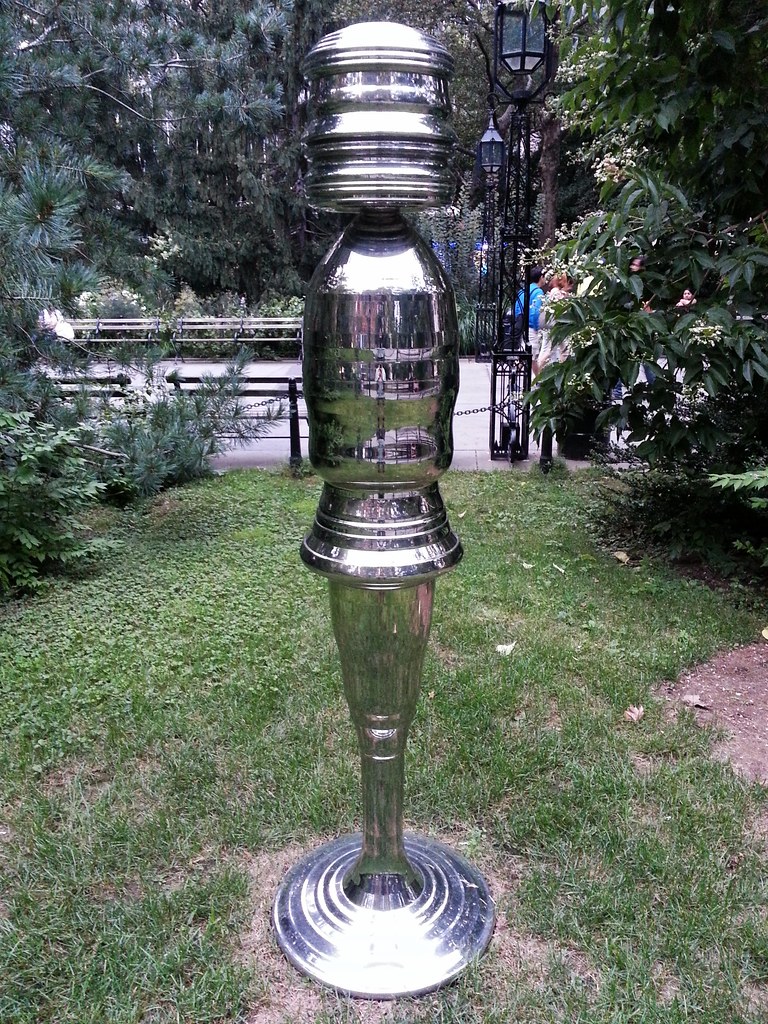
Also part of the Common Ground exhibition, this "unconventional self-portrait" is a 360° rotation of the (obviously bearded) artist's profile.
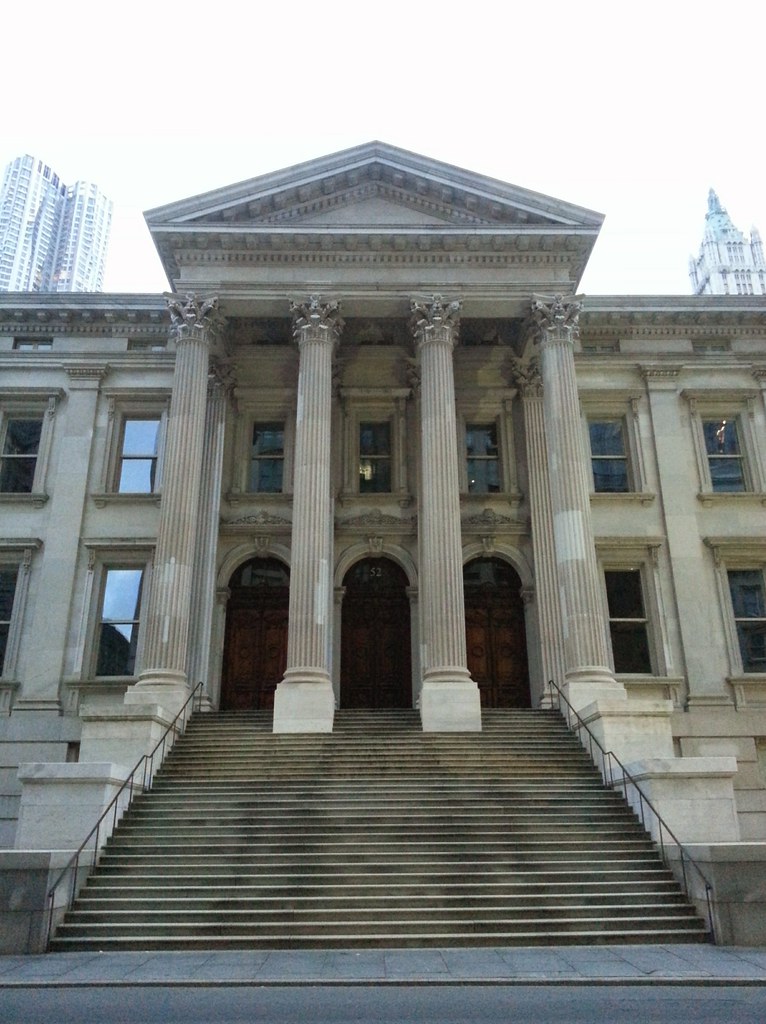
Built between 1861 and 1881, the Old New York County Courthouse (a.k.a. Tweed Courthouse) represents one of Boss Tweed's most notorious schemes to embezzle money from the city's coffers for himself and his Tammany Hall confederates. All the costs of construction were greatly inflated, with the excess going directly into the pockets of the so-called "Tweed Ring". A particularly egregious example of this graft: the plasterer, a Tammany crony, did two days' worth of work and was paid $133,187 — somewhere around 2.3 million of today's dollars! Tweed was eventually convicted of forgery and larceny in 1873 after being tried, fittingly, in an unfinished courtroom in this very building.
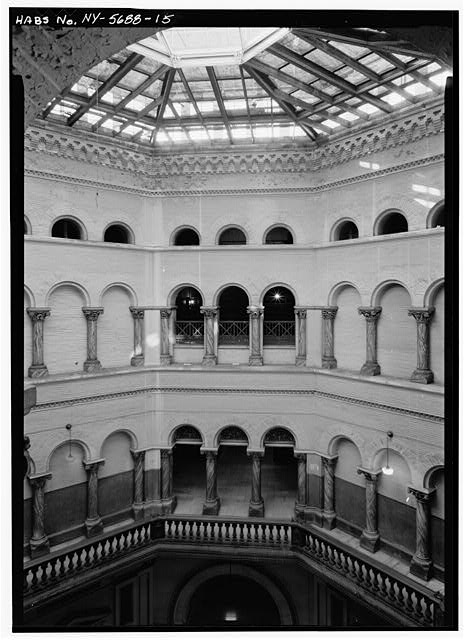
Judged on its own merits, the courthouse is a lavish work of artistry and craftsmanship (photos here), but it was long reviled because of its negative associations with greed and corruption. The NY Times reports:
By [the time it opened], the courthouse had become a looming symbol of public betrayal.The courthouse (which has not actually been used as a courthouse since 1961, when it became a municipal office building) languished for much of the 20th century, falling into disrepair (perfectly captured in this photo). Its front staircase was chopped off to make way for a street widening and vines began to overtake the portico. A painstaking (and extremely expensive...) renovation completed in 2001 brought the place back to life, however, restoring its opulence and grandeur (and even its staircase).
"The whole atmosphere is corrupt," said George C. Barrett, a reformer from that time. "You look up at its ceilings and find gaudy decorations; you wonder which is the greatest, the vulgarity or the corruptness of the place."
Such visceral reactions blinded people to the building's merits, according to several historians and architects. They say the building is a striking 19th-century structure, with marble walls, a Corinthian portico and a beautiful skylight rotunda.
There were plans for the Museum of the City of New York to move in after things were fixed up, but Mayor Bloomberg decided instead to relocate the Department of Education's headquarters to the courthouse instead. And just this year, a small public school opened on the premises; it will be housed here until 2015, when its own building is ready. In the meantime, this is going to be the world's snazziest kindergarten.
By the way, the city offers free tours of Tweed Courthouse! You can sign up here.

By leaving the deceptive permanence of our homes, we let go of the first and most damaging illusion that blocks our inner eye from seeing God's presence. This is the illusion that material security protects our vulnerability. But nothing material is eternal; the feeling of security and stability that comes from possessions is transient. The only enduring possession that any of us have is our essence.— Rebbetzin Tziporah Heller, "The Sukkah Experience"
I was surprised to find this sukkah-like structure being erected by non-Hasidic laborers outside a Hasidic synagogue so far in advance of the High Holidays. One man I spoke with said it is going to house overflow seating for Rosh Hashanah and Yom Kippur, and then be fully sukkah-fied for Sukkot. I was not aware of this, but apparently it is not uncommon for people to build their sukkot (that's the plural of "sukkah") before Yom Kippur, saving only the s'chach to add afterward.
Synagogues often build (or have others build for them) large sukkot for their congregations (I wonder what the Garfield Temple will do this year), but many individual families will construct their own modest sukkah at home as well. Interestingly, you can often identify an apartment building constructed for observant Jews by the layout of its balconies, which, as we've seen, will be staggered to provide each family's sukkah a clear view of the sky.

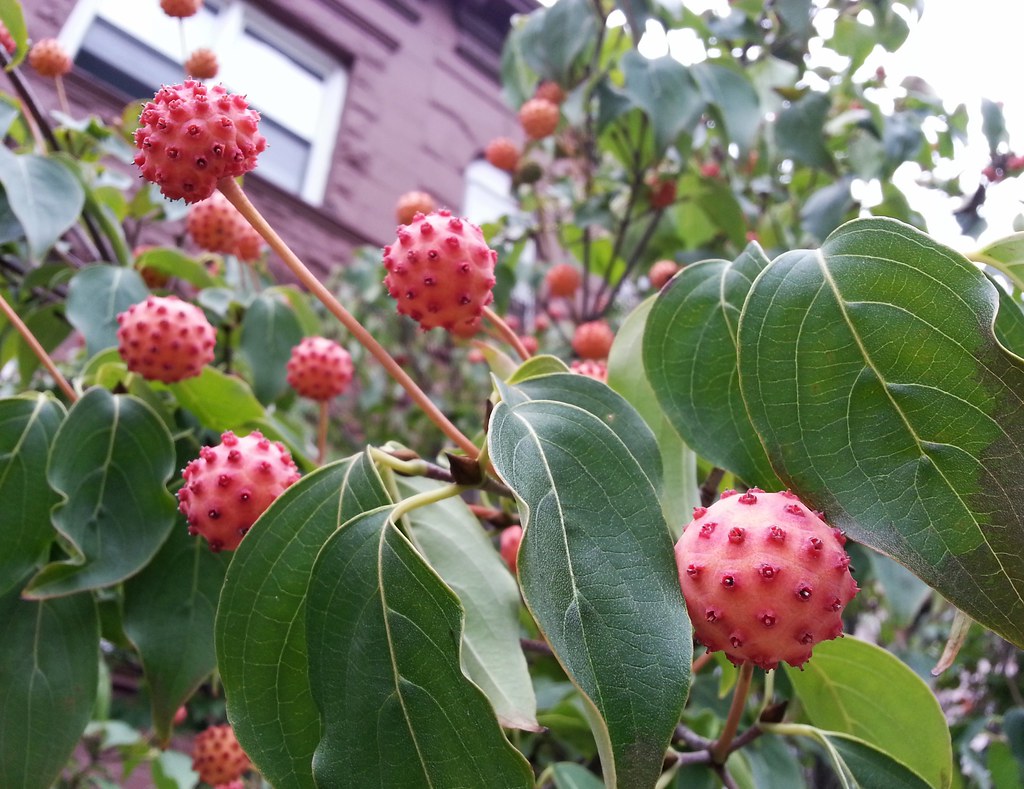
Believe it or not, these little alien pods are apparently good for the eatin'. I didn't know this at the time, so I can't offer any personal opinions, although I don't think this batch was ripe yet, anyway.
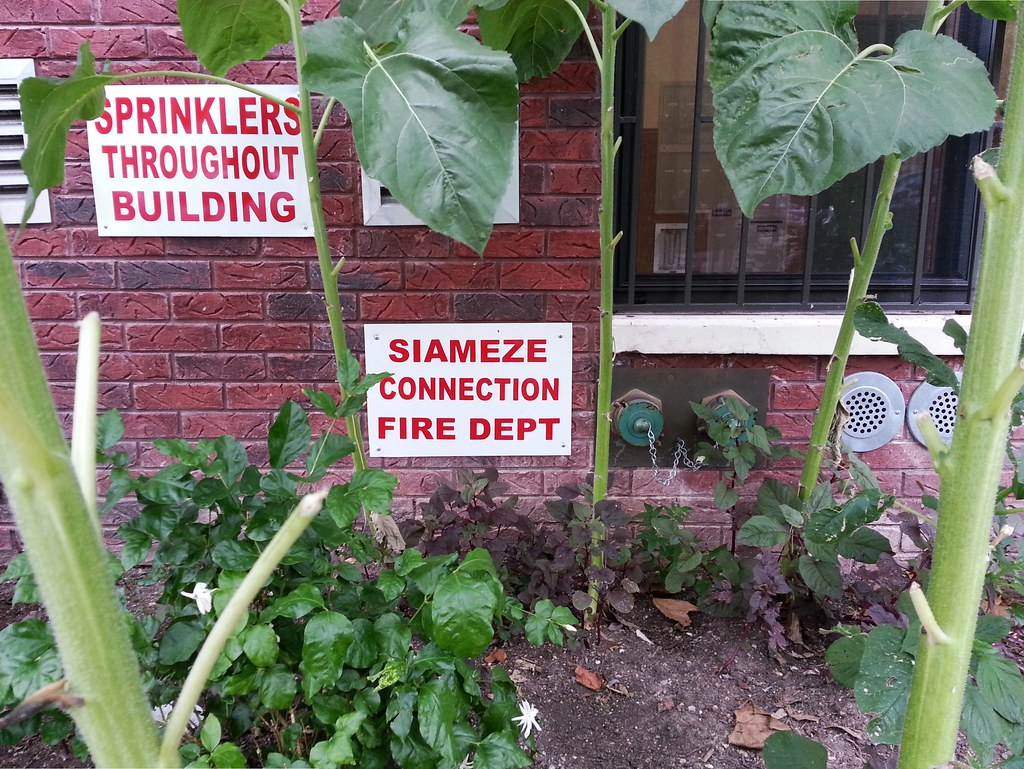


to tell me this garden was founded before March 26, 1997.

Despite all appearances, this massive boarded-up, razor-wired church still has a heartbeat: services take place in a ground-floor chapel, and there are several ministries and community service programs active at the parish. You can find a history of the structure, as well as photos of its interior, here.

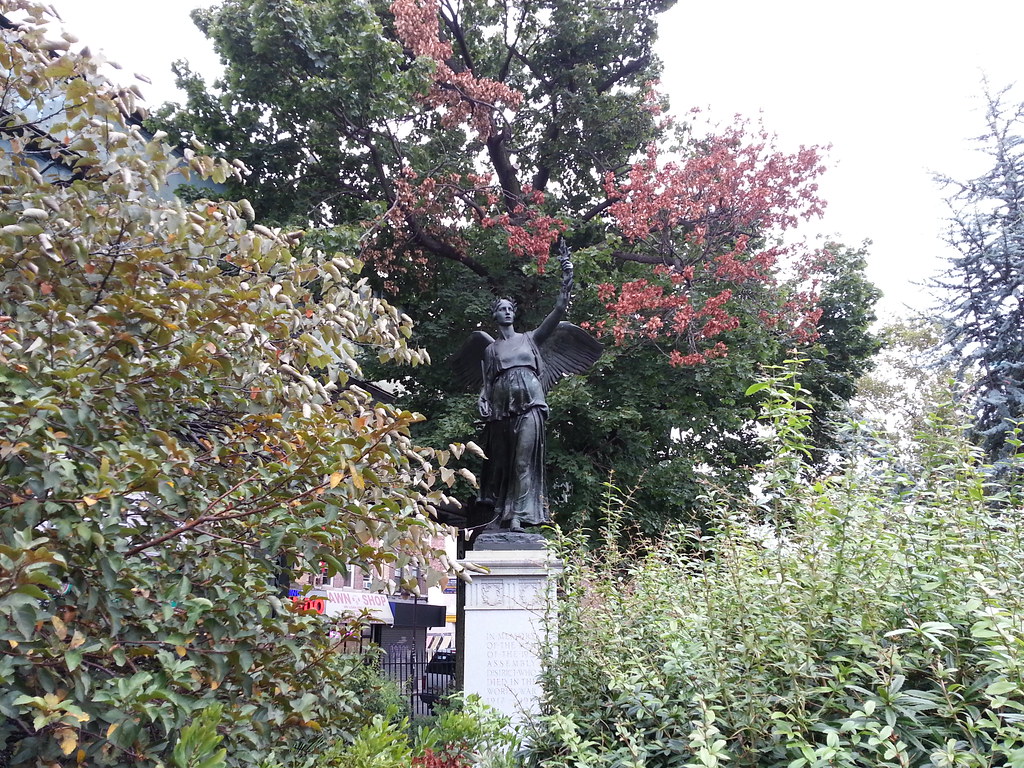
This World War I memorial stands inside Bushwick's Freedom Triangle.
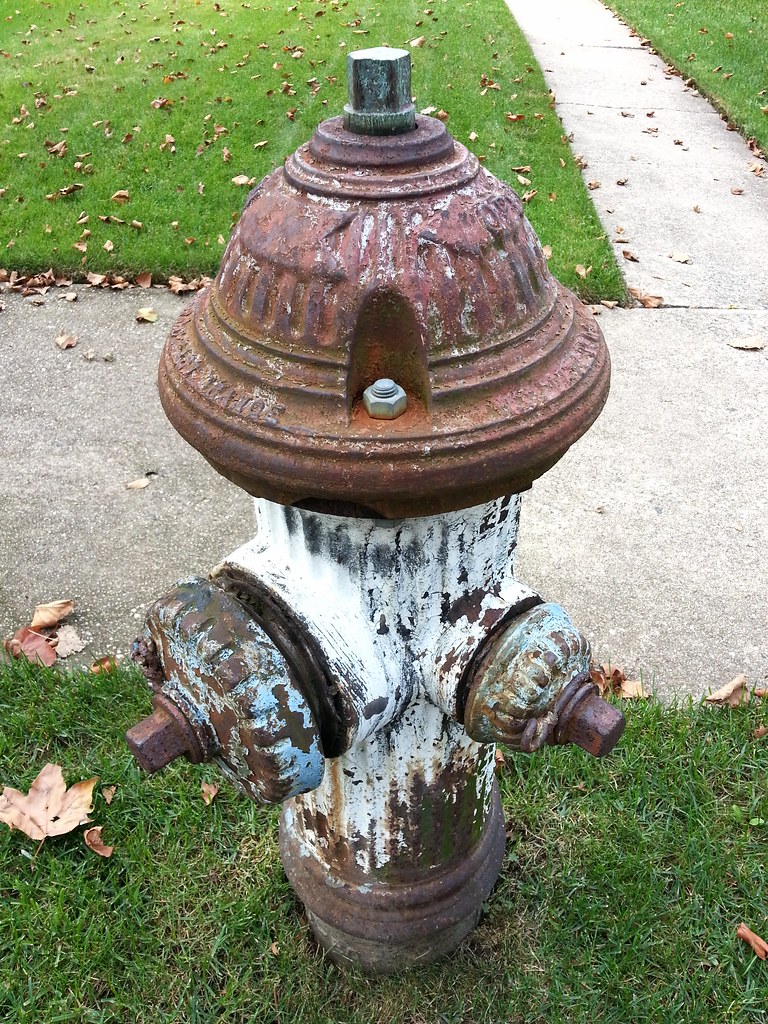
This is your typical Bicentennial-era fire hydrant (there's been no shortage of patriotic hydrants during my recent travels in Staten Island). You can still make out a red, white, and blue color scheme, but the paint is heavily faded and chipped. Quite a difference from the vibrant specimen we saw last week!

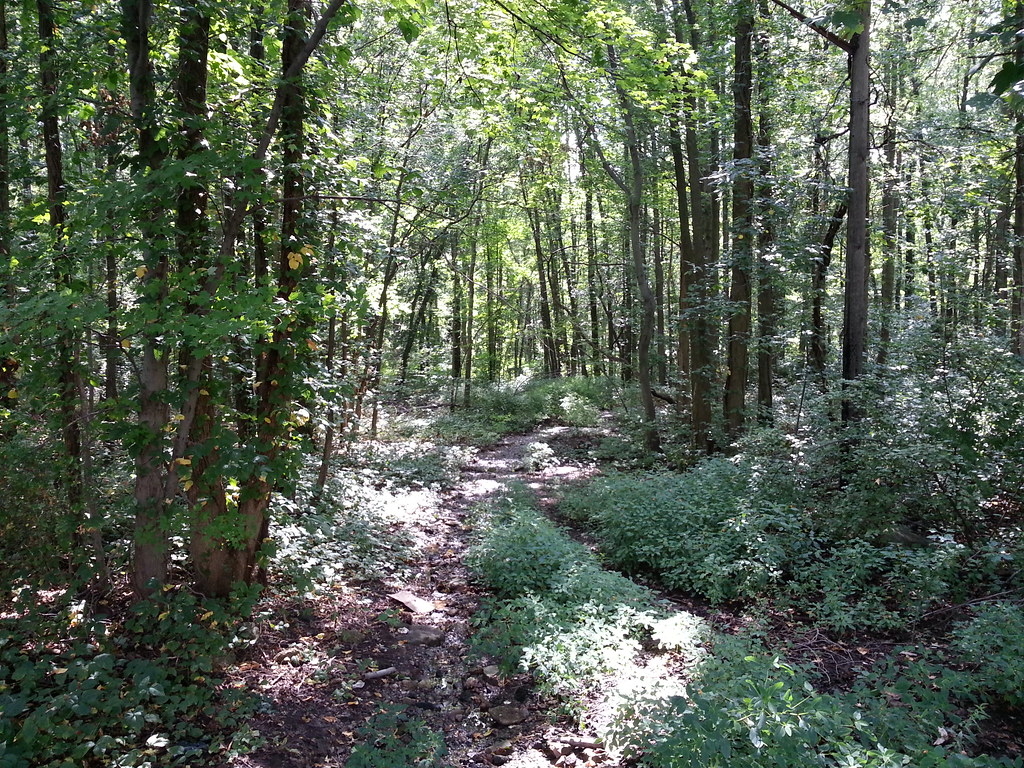
lies the Sweet Brook Bluebelt (which you can see from the air here).
What is a Bluebelt, you ask?
The Staten Island Bluebelt is an award winning, ecologically sound and cost-effective storm water management for approximately one third of Staten Island’s land area. The program preserves natural drainage corridors, called Bluebelts, including streams, ponds, and other wetland areas. Preservation of these wetland systems allows them to perform their functions of conveying, storing, and filtering storm water. In addition, the Bluebelts provide important community open spaces and diverse wildlife habitats. The Bluebelt program saves tens of millions of dollars in infrastructure costs when compared to providing conventional storm sewers for the same land area. This program demonstrates how wetland preservation can be economically prudent and environmentally responsible.

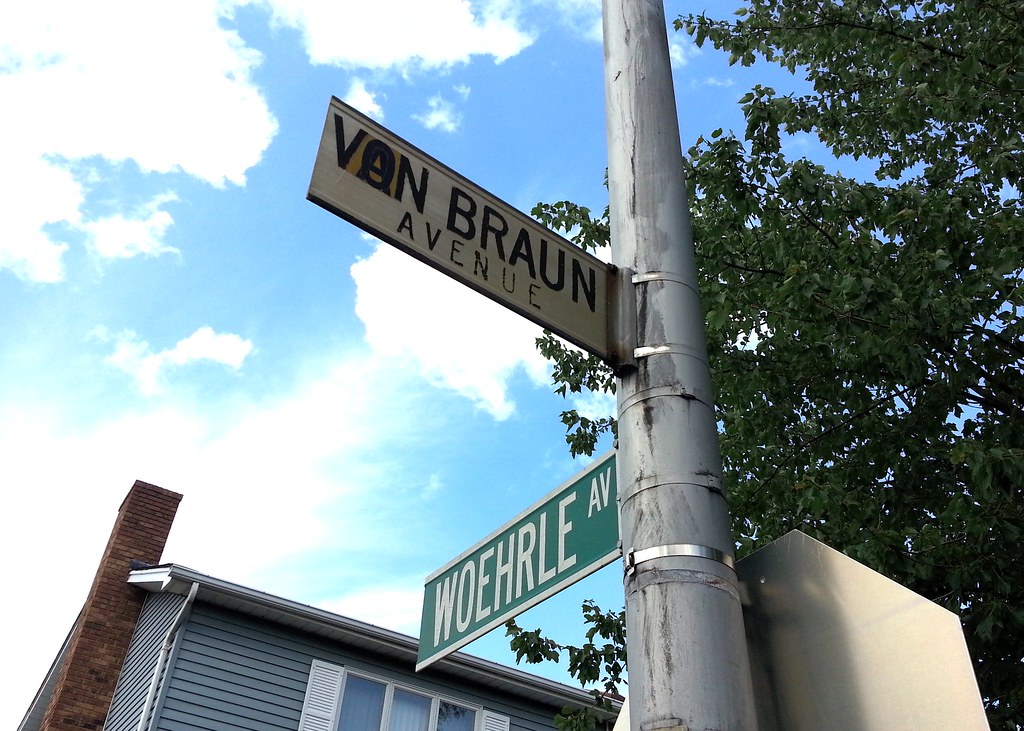
This old-timer dates back to the days when NYC color-coded its street signs by borough.