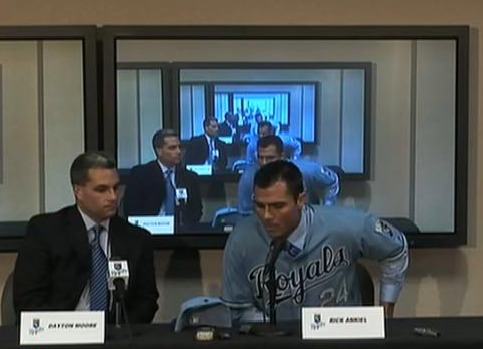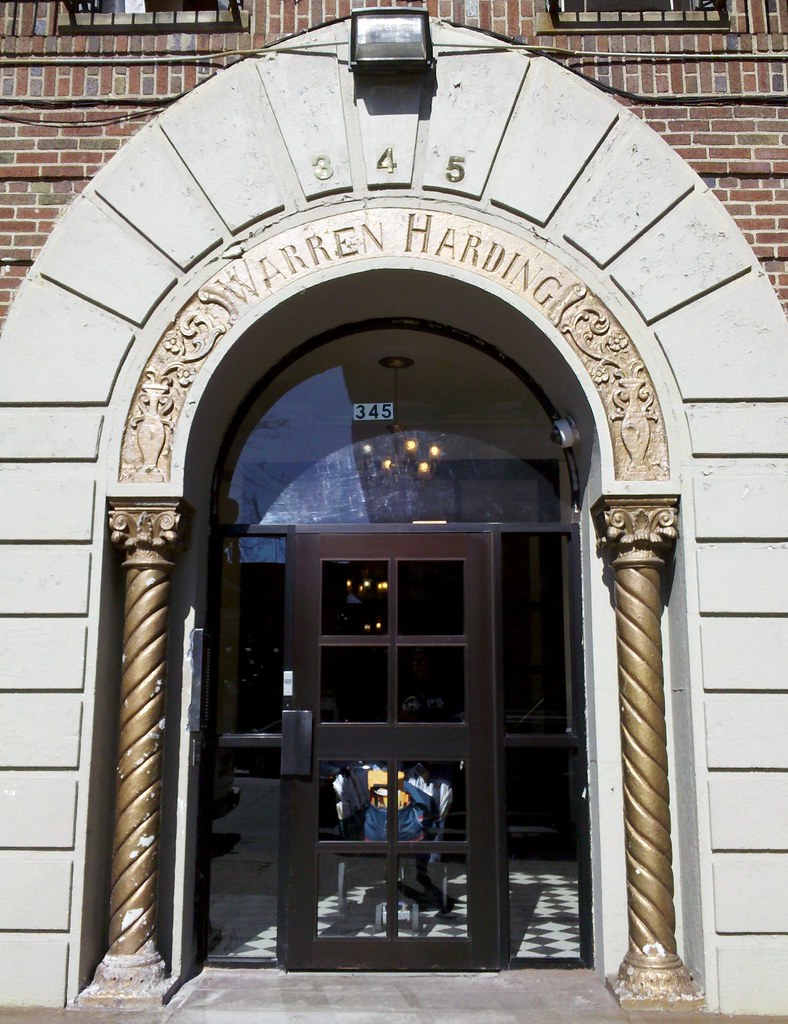
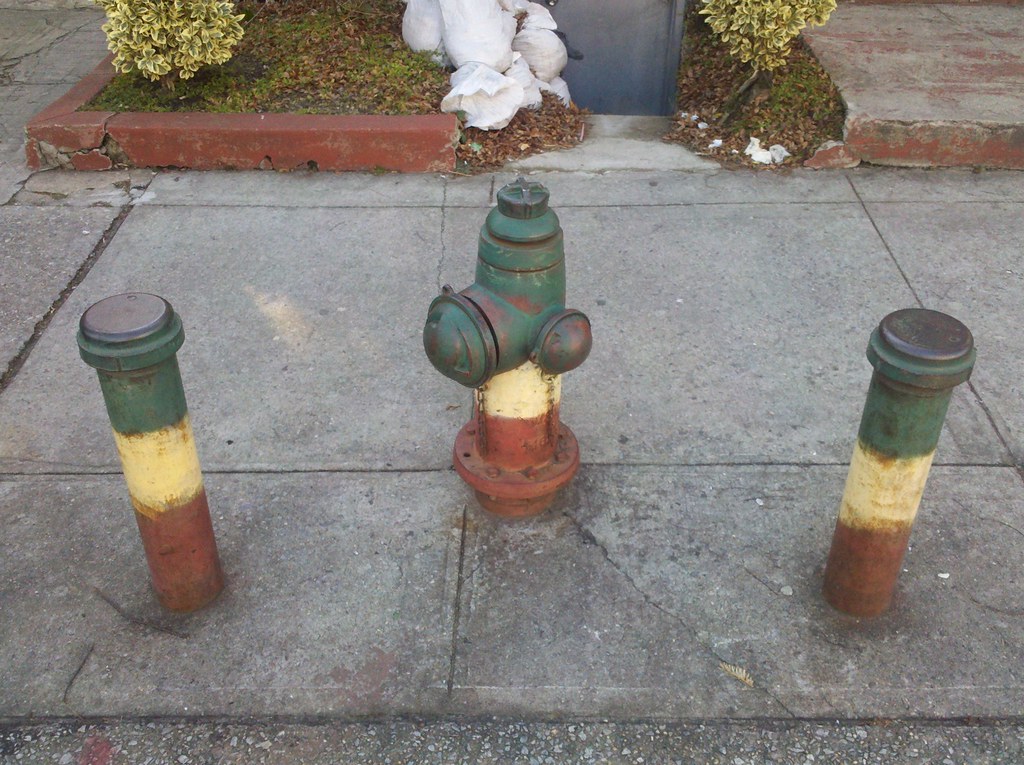
Tracy Jordan knows what it's like to live in a place like this.
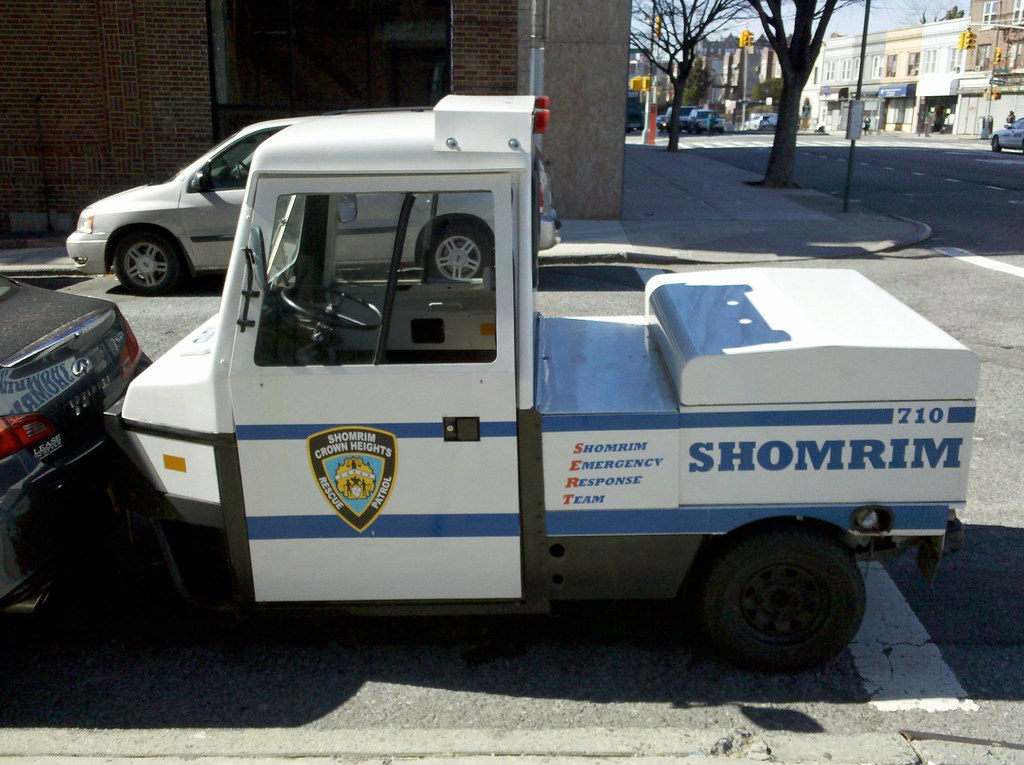
Shomrim is a volunteer Jewish civilian patrol. Some of their vehicles bear a striking similarity to those of the NYPD, and at least one of them parks very close to other cars on occasion.

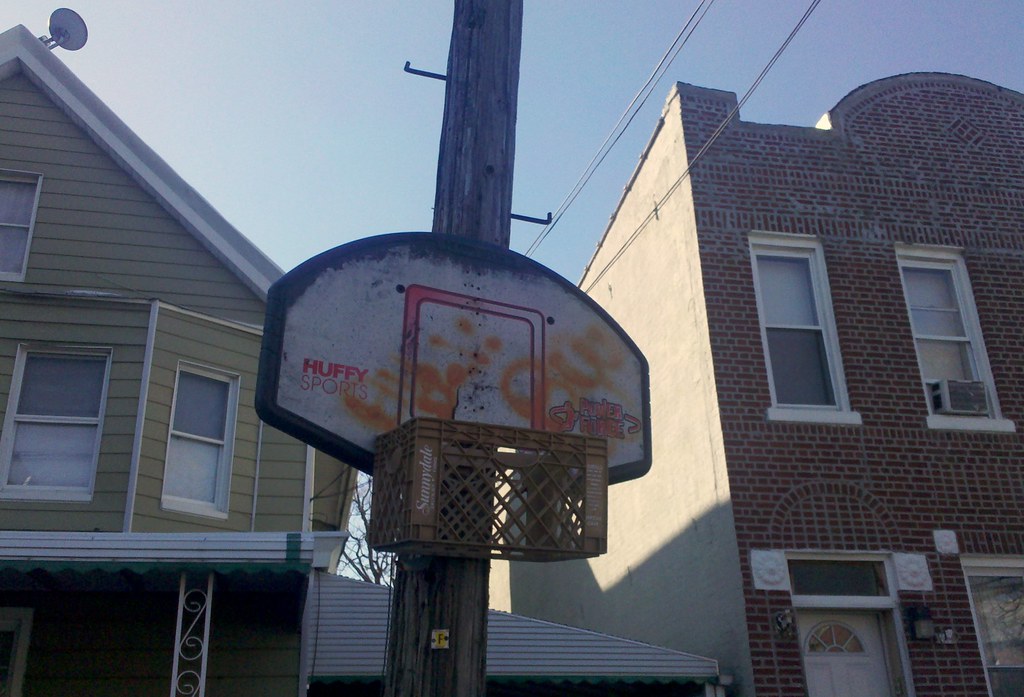

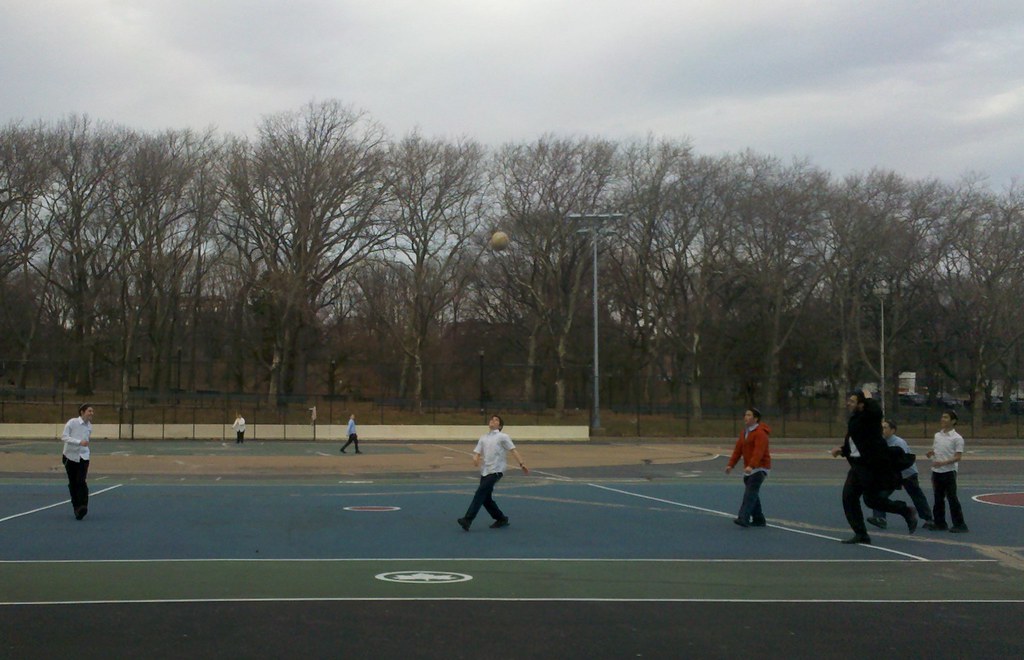
These three netball courts make up 60% of the city's total.
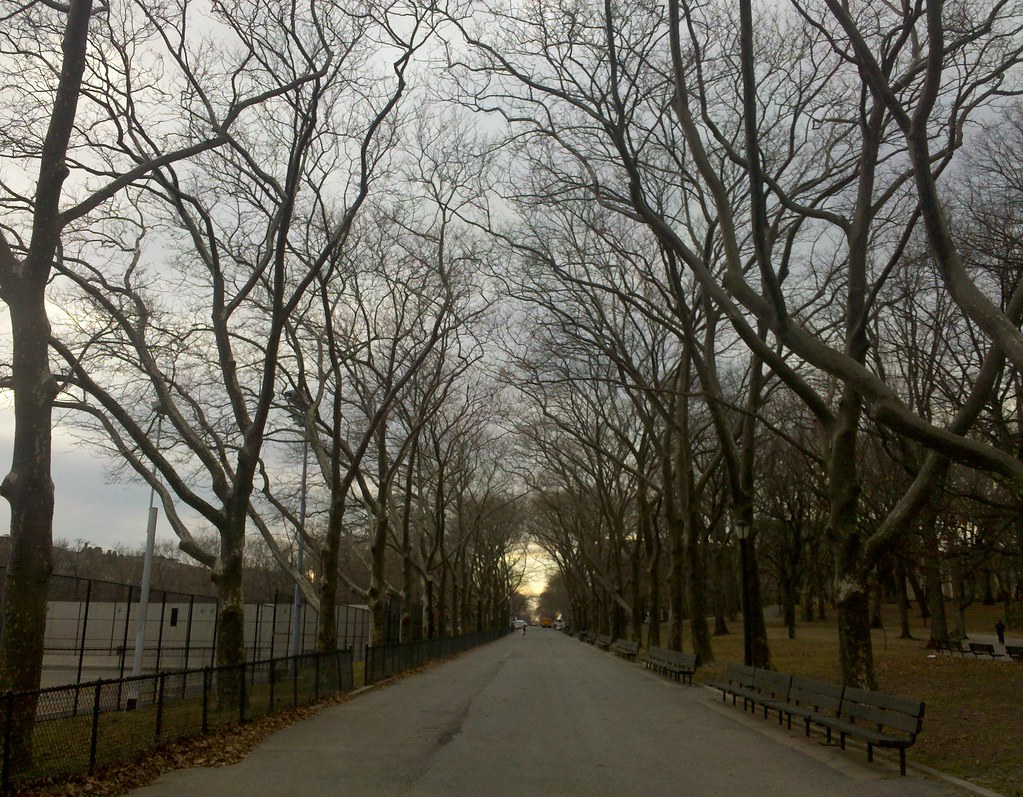
Once known as "Tickle Park", Lincoln Terrace served as a base for anti-aircraft guns during World War I.


Almost as loud as Ellwood and Jake's contraption, these speakers were blaring out something in Yiddish. I tried to ask the driver, who was not Jewish, about it, but we could barely hear each other over the noise. All I could understand is that someone is paying him to slowly drive around the neighborhood, blasting this message, whatever it is, to everyone within earshot.
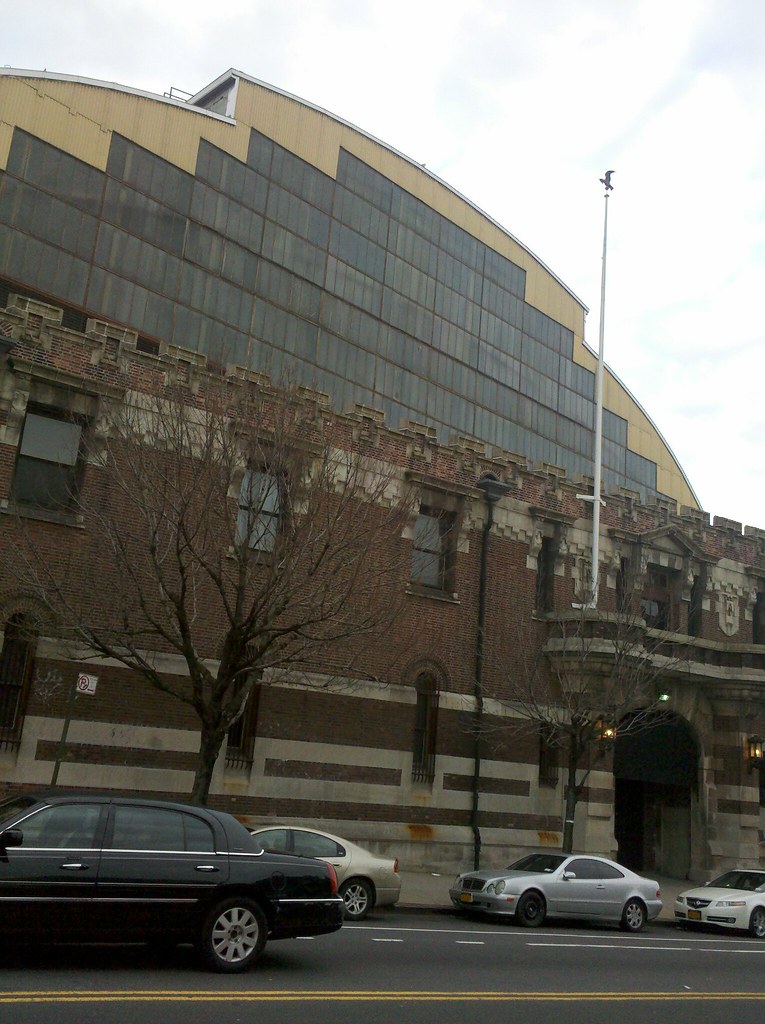
Not the first armory we've seen on Bedford Avenue. This one was completed in 1907, with its massive drill shed soaring above the rest of the facility. It was home to a National Guard unit up until last summer, and has also served as a film set for several movies. The state is now looking to transfer ownership of the facility to the city, and a community meeting was recently held to talk about possible future uses for the structure.

This enormous concrete monstrosity appears to exist solely to support the leaning tree. Does anyone know the story behind it?

There is a subtle feature of this mural that I missed when I first reported on it. I mentioned that the artist, Jason Das, avoided having to paint an infinite regress by cutting off the right side of his mural-within-a-mural. What I didn't notice was that he did this in an extremely clever way. As you can see here, his mural is slightly obscured by the panel to the right. If you look at the upper left side of that panel, you'll notice that Mr. Das actually extended his mural onto it, painting a smaller version of that panel on the panel itself. So the part of his mural that obstructs the edge of the mural-within-the-mural (preventing the infinite regress) is also the object that obstructs his mural in real life! Brilliant! (Although now we should see an infinite regress on that adjacent panel, I suppose...)
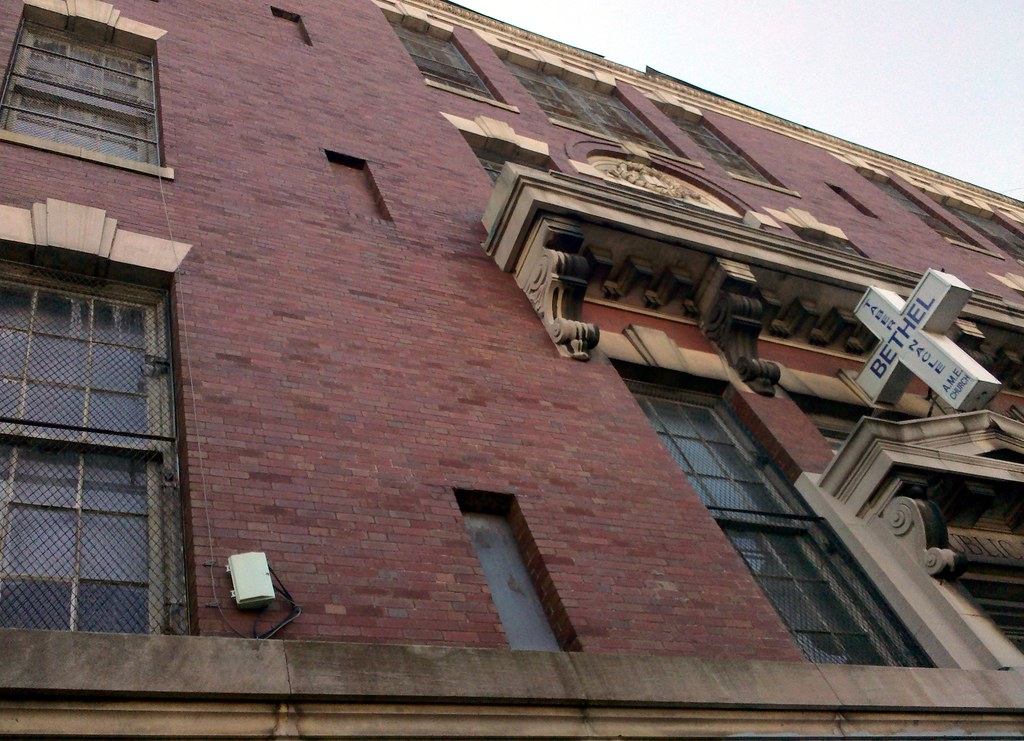
The original building that stood on this site was an African Free School, later renamed Colored School No. 2 after becoming part of Brooklyn's public school system. In 1893, it merged with the all-white PS 83 to form Brooklyn's first integrated school, with a racially mixed administration, faculty, and student body. The building you see here, constructed as a replacement for the original PS 83 building, was purchased from the city in 1978 by Bethel Tabernacle, one of the original churches of the Weeksville settlement. It was an expansive addition for the church, sure, but it had its drawbacks, too: the food was terrible and you needed a hall pass to use the bathroom. The church, whose main building is across the street, still owns this property, although they haven't used it in years.

This tunnel carries the Bay Ridge Branch beneath the previously encountered LIRR station.
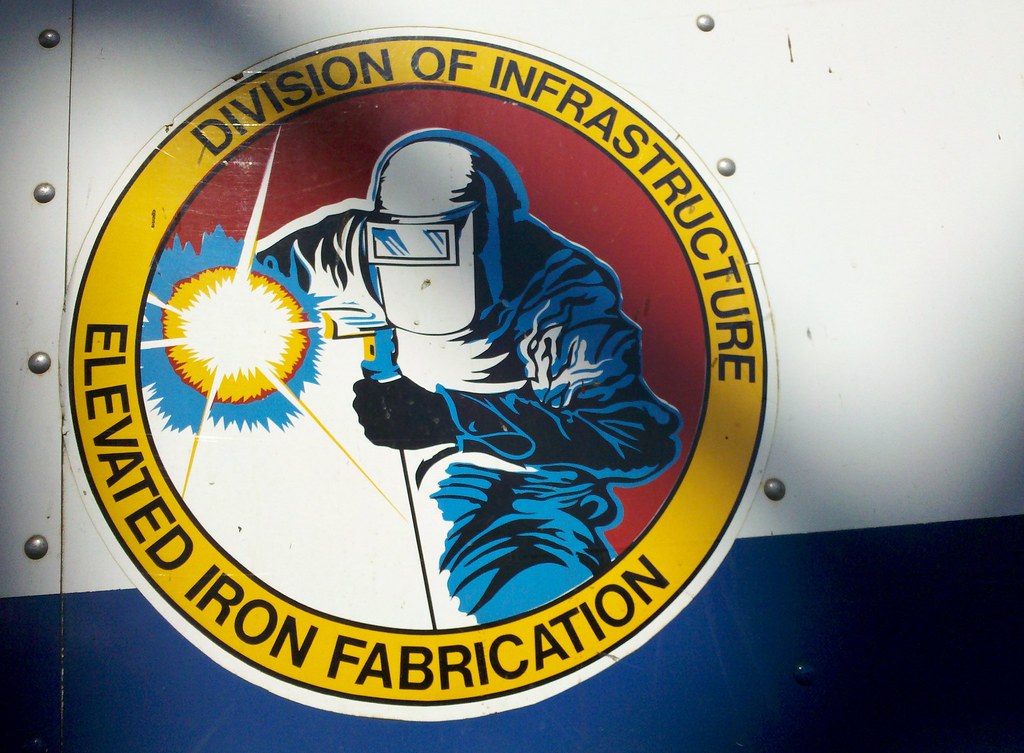
The Transit Authority has a number of obscure subdivisions, about which very little public information seems to exist. The only reason I'm aware of them at all is that I will occasionally come across the name of one on a work truck or a door in the subway system or something like that. In my experience, they often have excellent logos, and Elevated Iron Fabrication is certainly no exception. Today the EIF crew, just out of frame to the right of the previous photo, was doing some structural rehabilitation on the elevated Canarsie Line.
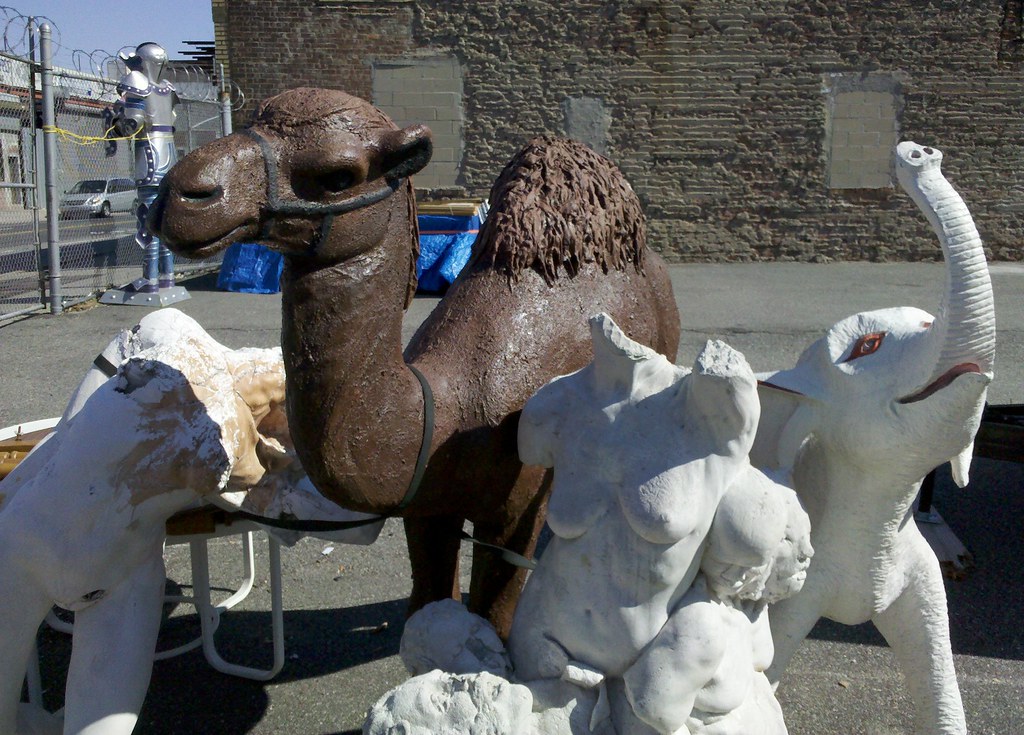
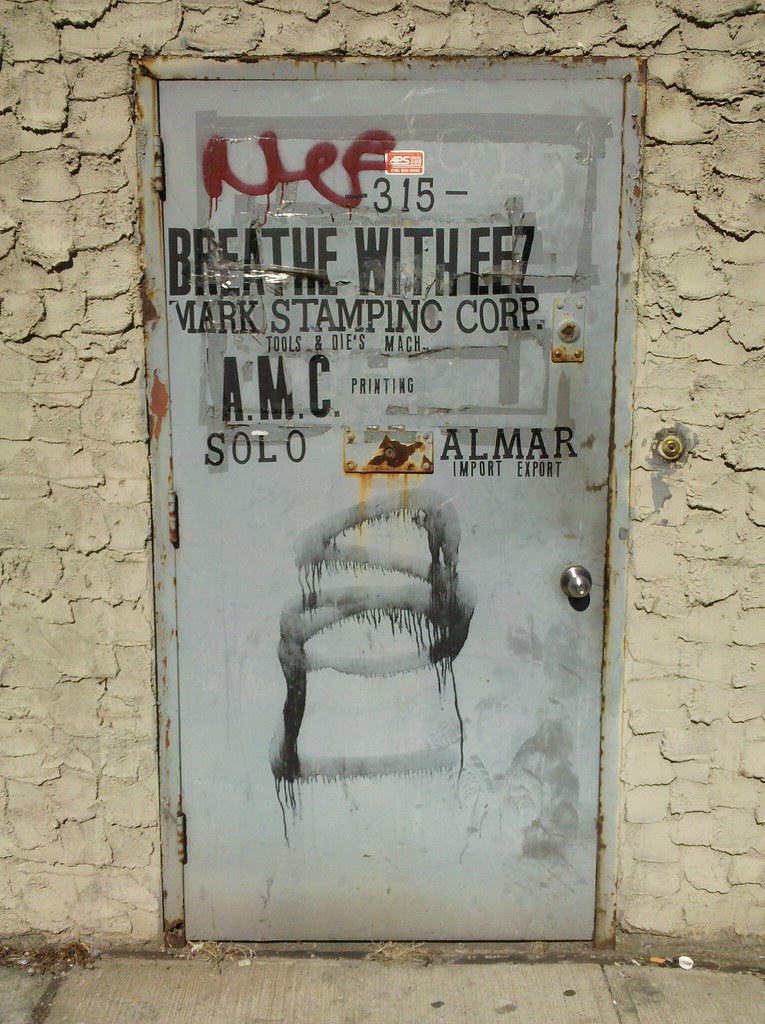
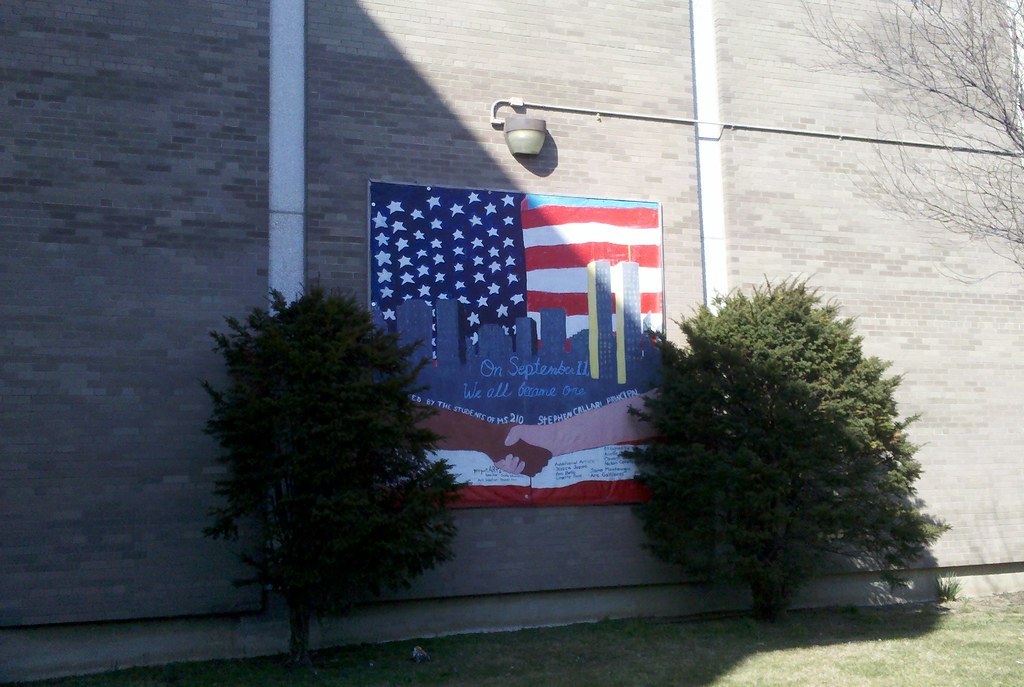
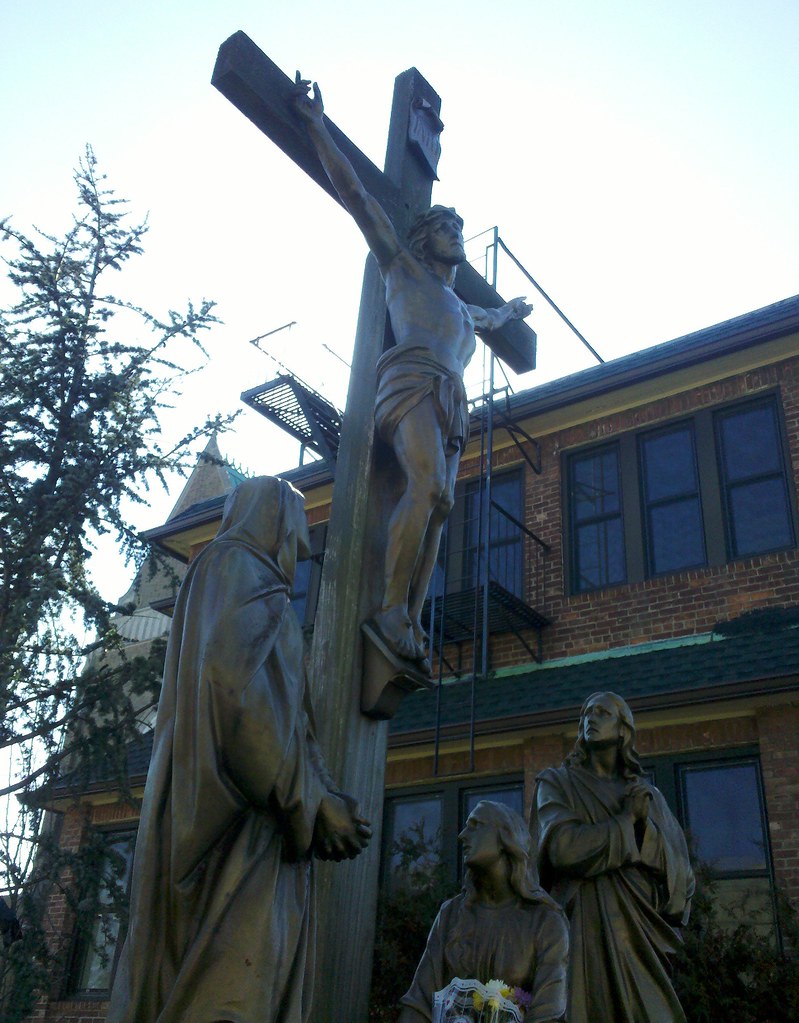
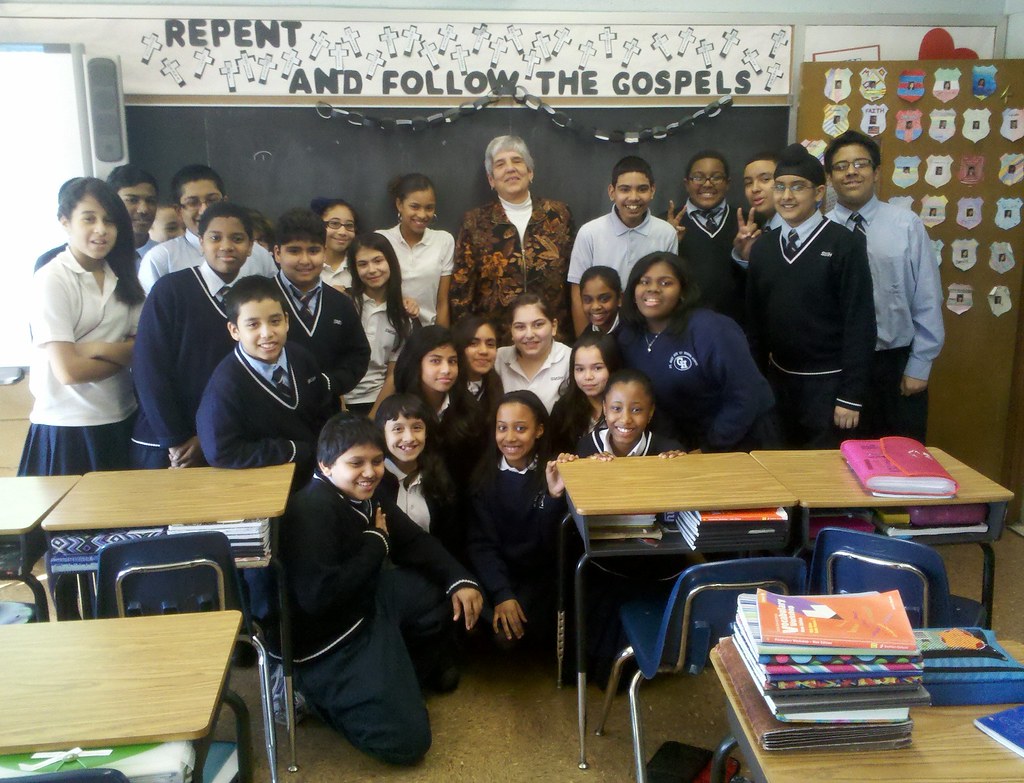
Benita Brucia, a teacher at St. Mary Gate of Heaven School in Ozone Park, wrote to me back in January asking if I would come talk to her class whenever I happened to walk by. Well, today was whenever! Her kids were shockingly well-behaved, asked lots of good questions, and sent me off with a bag full of parting gifts (some of which I am eating as we speak).

There is no shortage of these vibrant garments along 101st Avenue in South Richmond Hill.
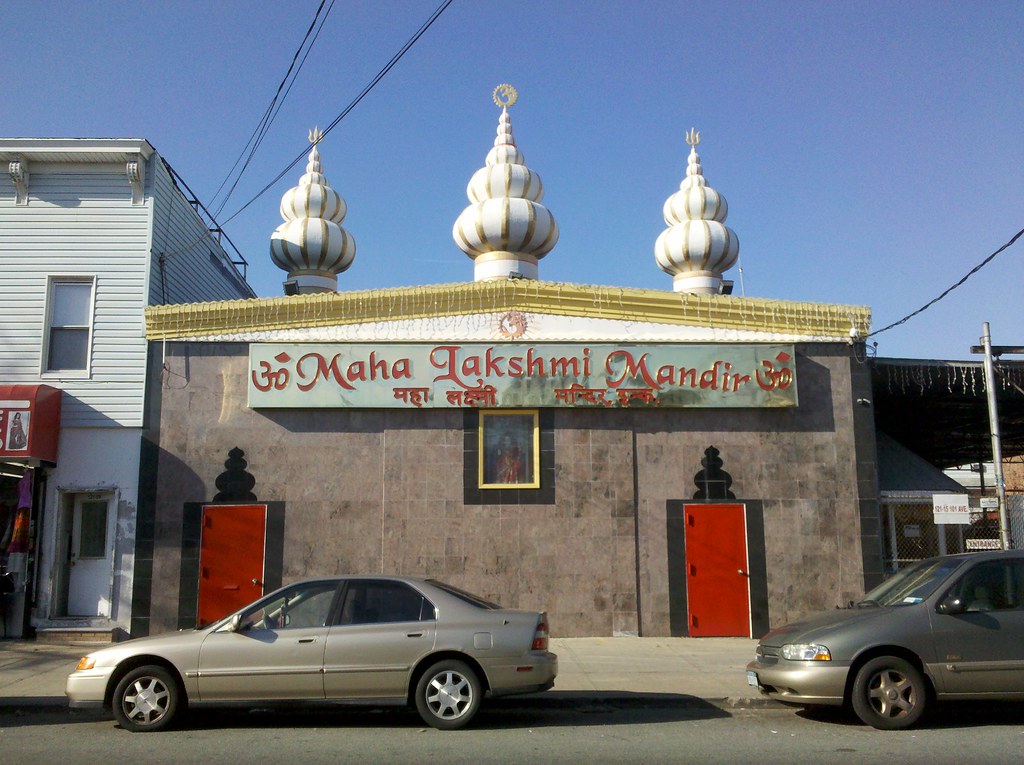
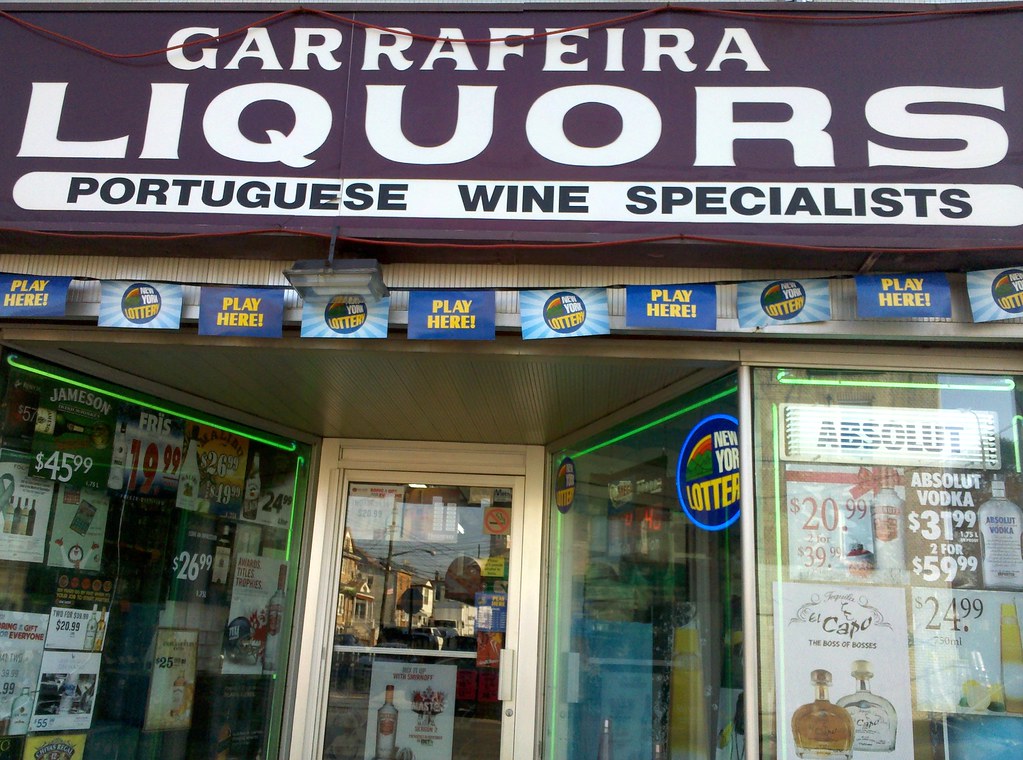
I was surprised to find that there's a little collection of Portuguese businesses out here in Jamaica, Queens.
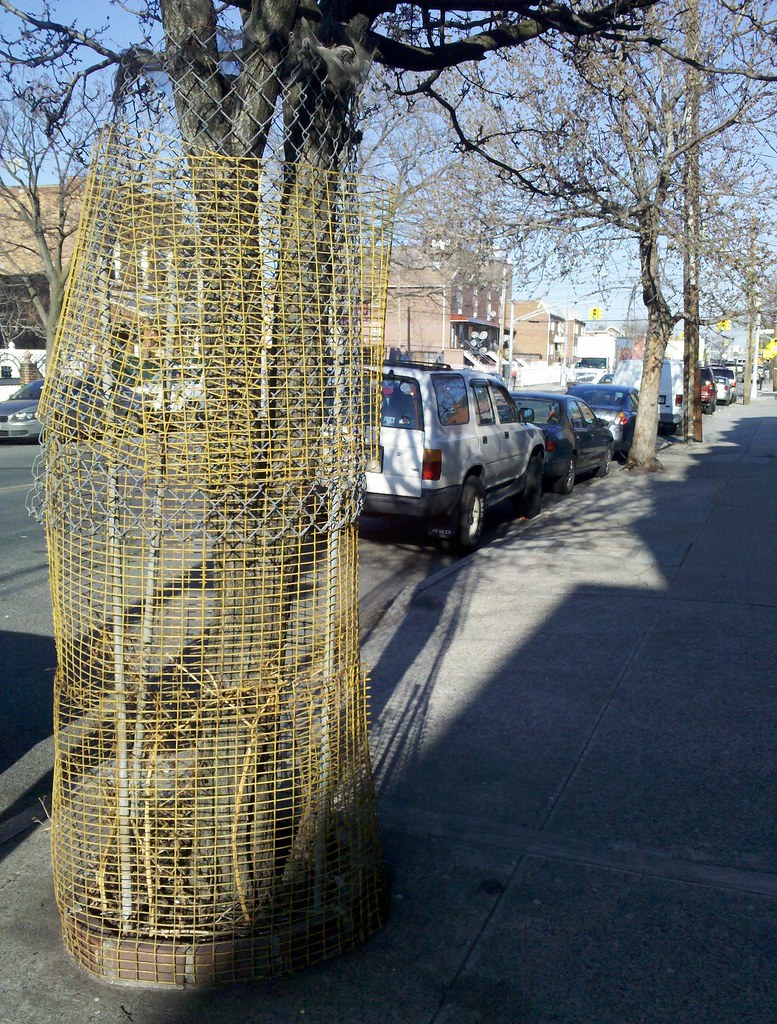
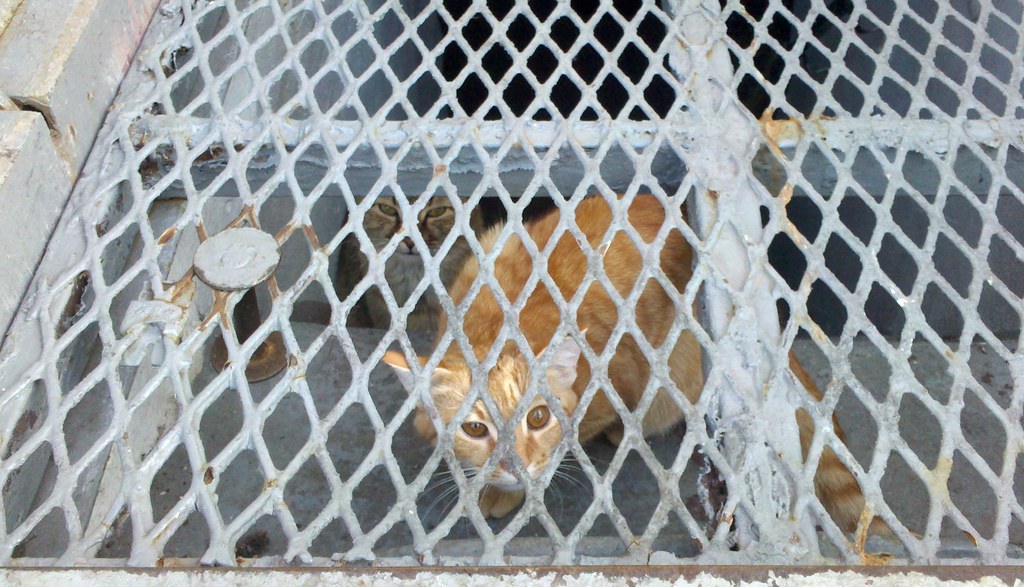
These bodega kitties are taking a break from their rodent-maintenance duties to enjoy some fresh air atop the basement stairs. There was a third cat sitting on the grate, but he ran away before I could snap a picture.
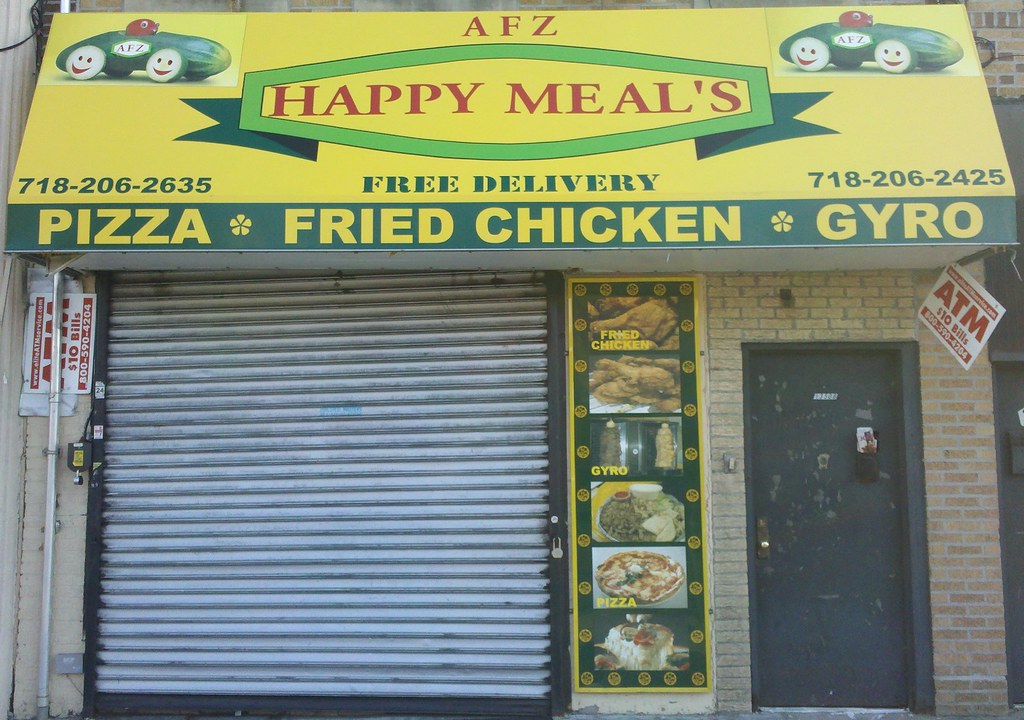
It's a cucumber car with happy cucumber wheels driven by, I believe, a grape tomato monster. The rest of the signage, however, indicates that the logo may be overrepresenting the amount of fresh vegetable matter available on the menu.


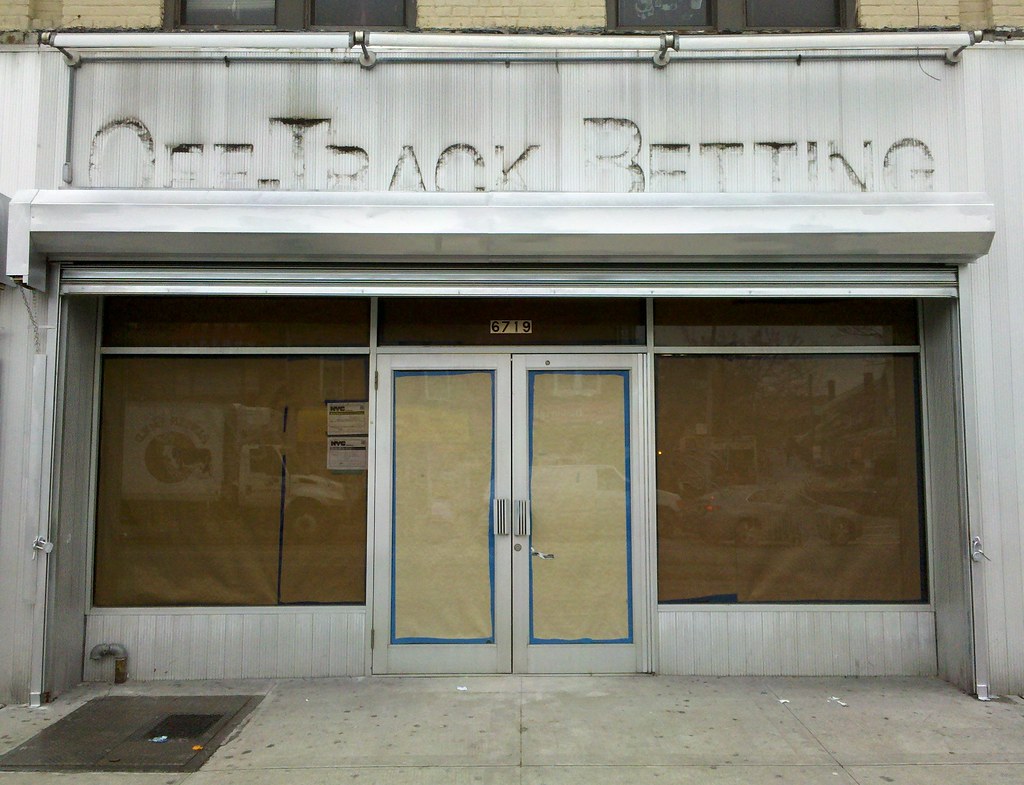
After struggling for years, all the NYC OTB parlors were finally shuttered in late 2010. A considerable number of them, however, have managed to eke out a pathetic sort of survival, courtesy of the sluggish economy: their signs and logos, or at least traces of them, still adorn many of the vacant, unrented storefronts that once housed the parlors. The former customers, of course, have had to move on, but what has become of Jesus Leonardo? Not to worry, friends: he just keeps on keepin' on.


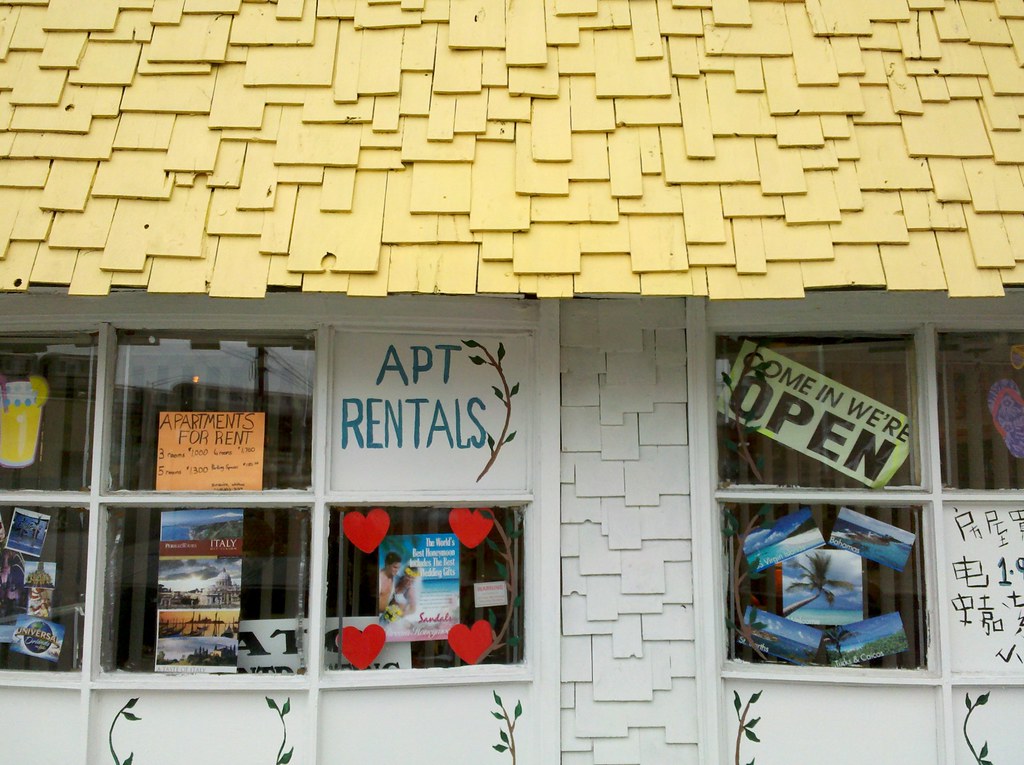
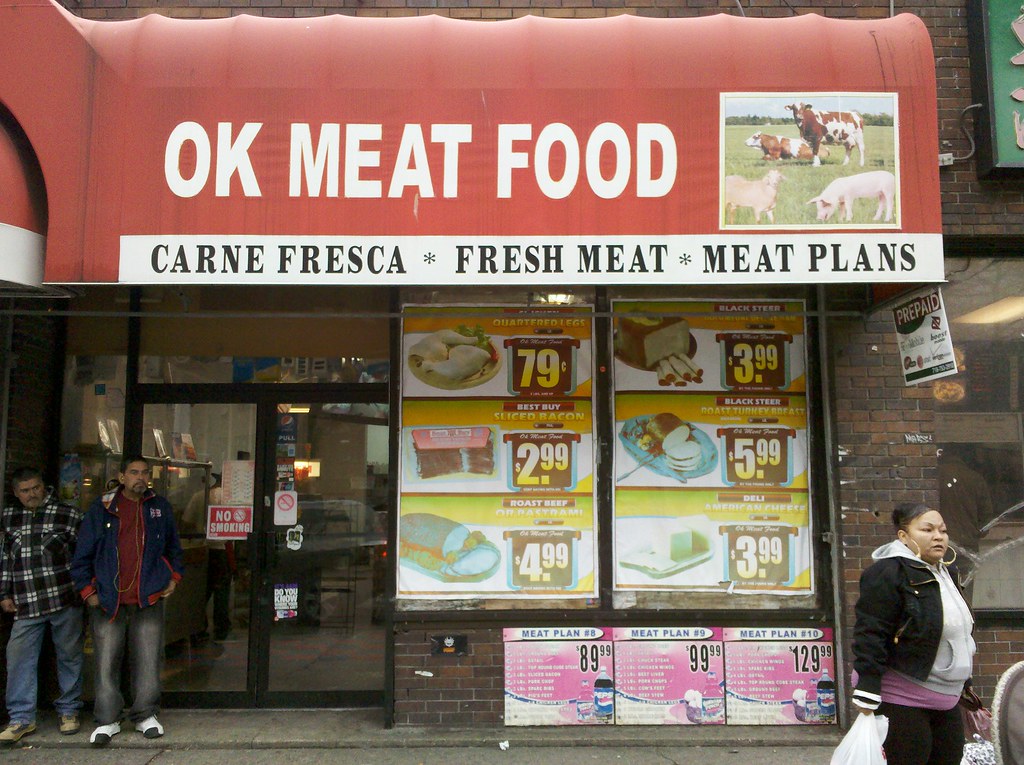
Oh, it's OK. Nothing special, but the meat plans keep me coming back.


Has this photo, or any of its goop-oozing ilk, ever sold a sandwich?
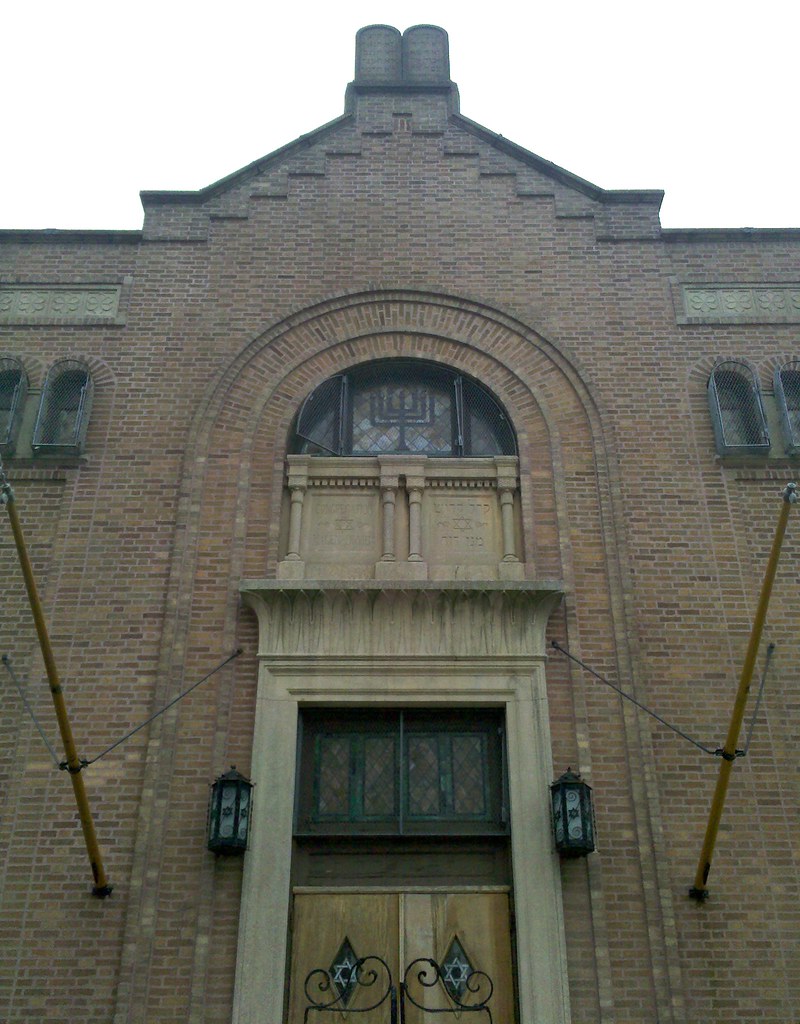
This is the mother synagogue of Brooklyn's highly insular and traditional Syrian Jewish community, which is said to be the largest community of Syrian Jews in the world.