


Mr. Hall was the first player in major league history to lead his league in home runs, swatting five homers (including two in one game — another first) in the National League's inaugural season of 1876. He would never hit another major league home run, however: after the following season, in which he went homerless, he and three teammates were banned from the league for life for conspiring to throw games. According to one baseball historian, this was the sport's "greatest scandal until the Black Sox in 1919."
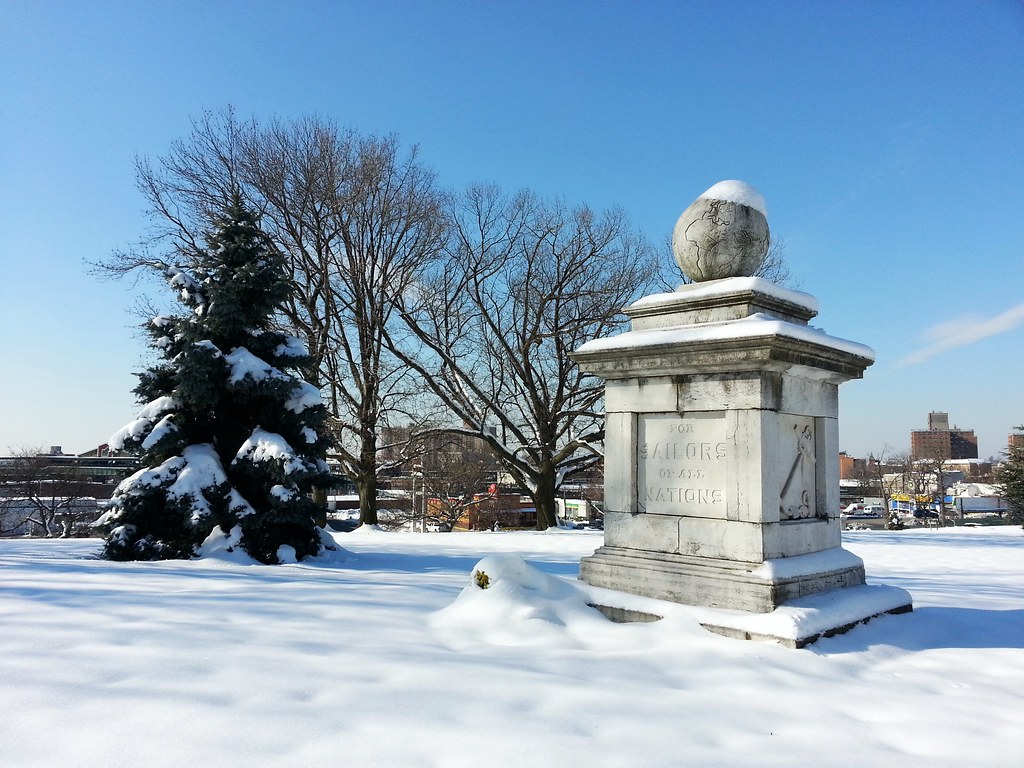
This plot at the Evergreens Cemetery was opened in 1853 for burials of "friendless mariners" from around the world who died while in port here in New York. As of 1893, some 1,200 sailors or more were estimated to have been interred here, with Norway, Sweden, Denmark, and Finland the most common nationalities, followed by the US and the British Isles, respectively. The monument above was originally much more prominent; the globe was perched atop a 50-foot-high column that was reportedly damaged when the monument was moved in the 1950s.

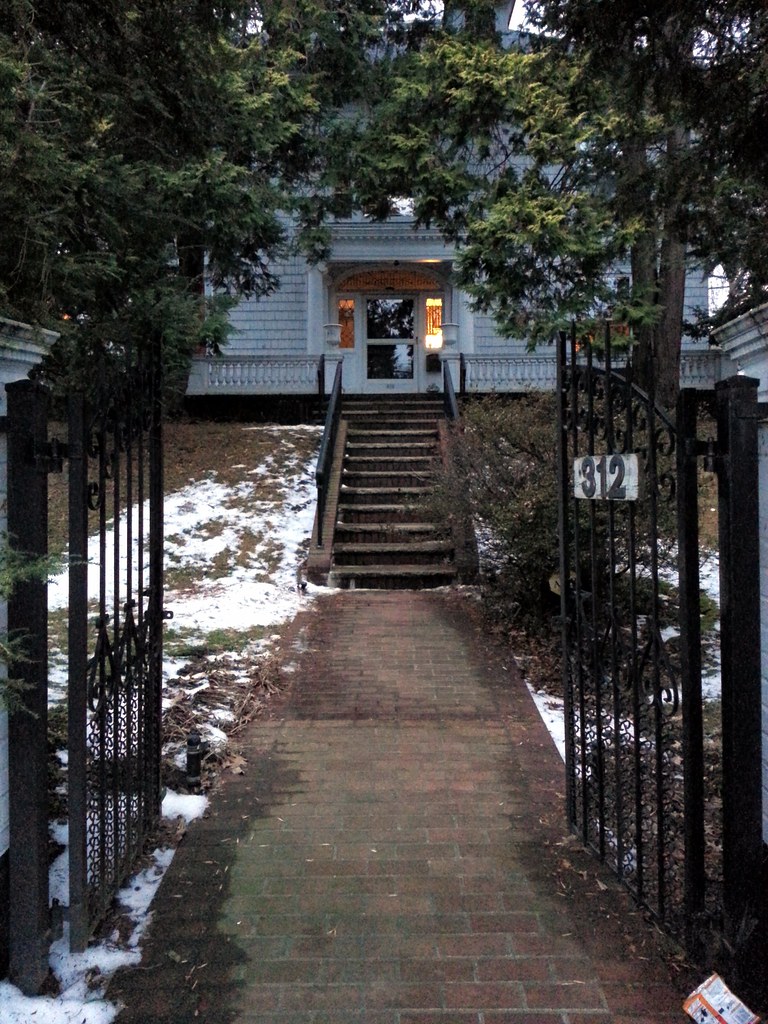

John Fischer died at the World Trade Center on 9/11. (I'm not including this in the official tally of 9/11 memorials because there's no mention of the event here.) This street corner was also renamed for Captain Fischer.
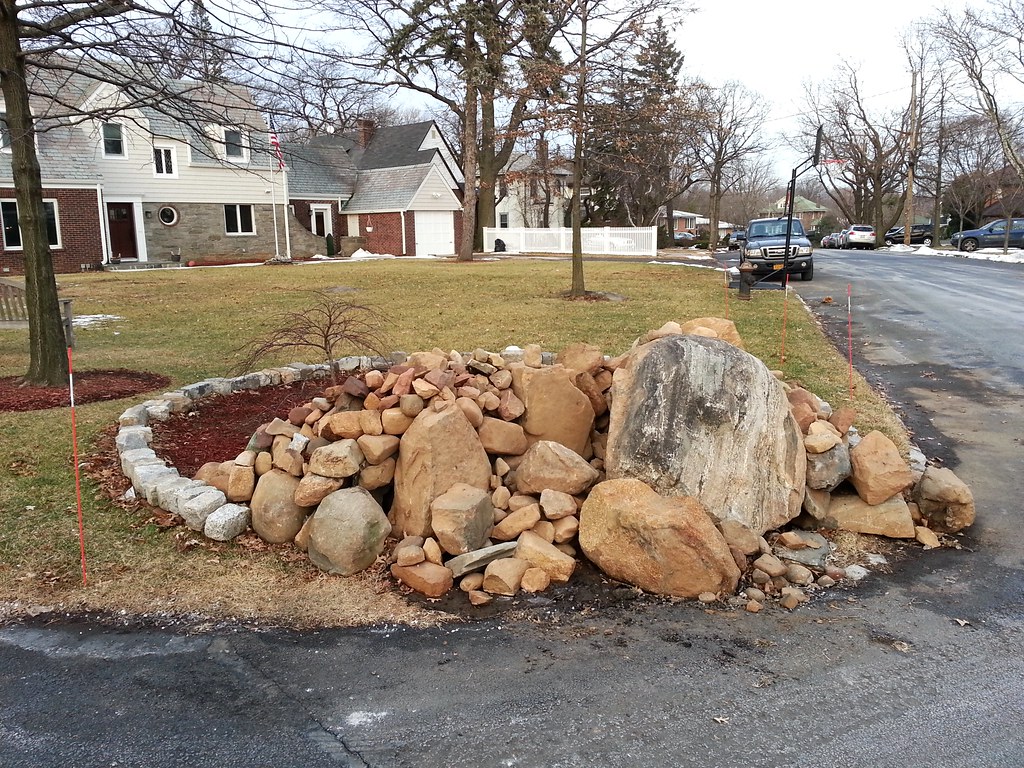
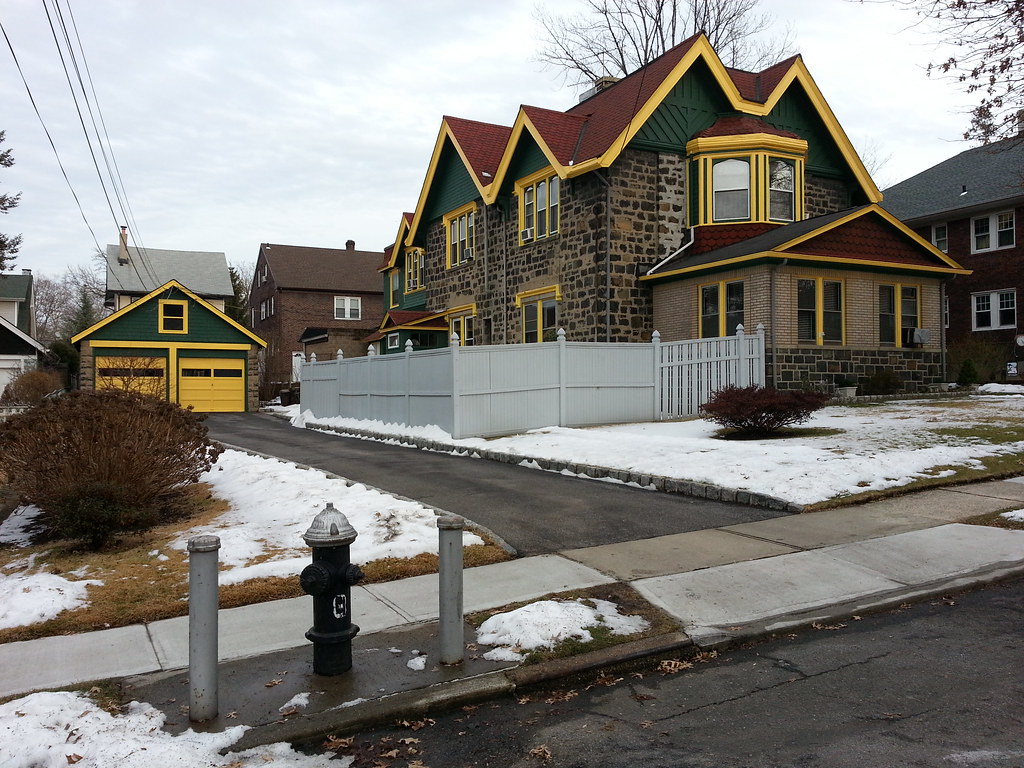
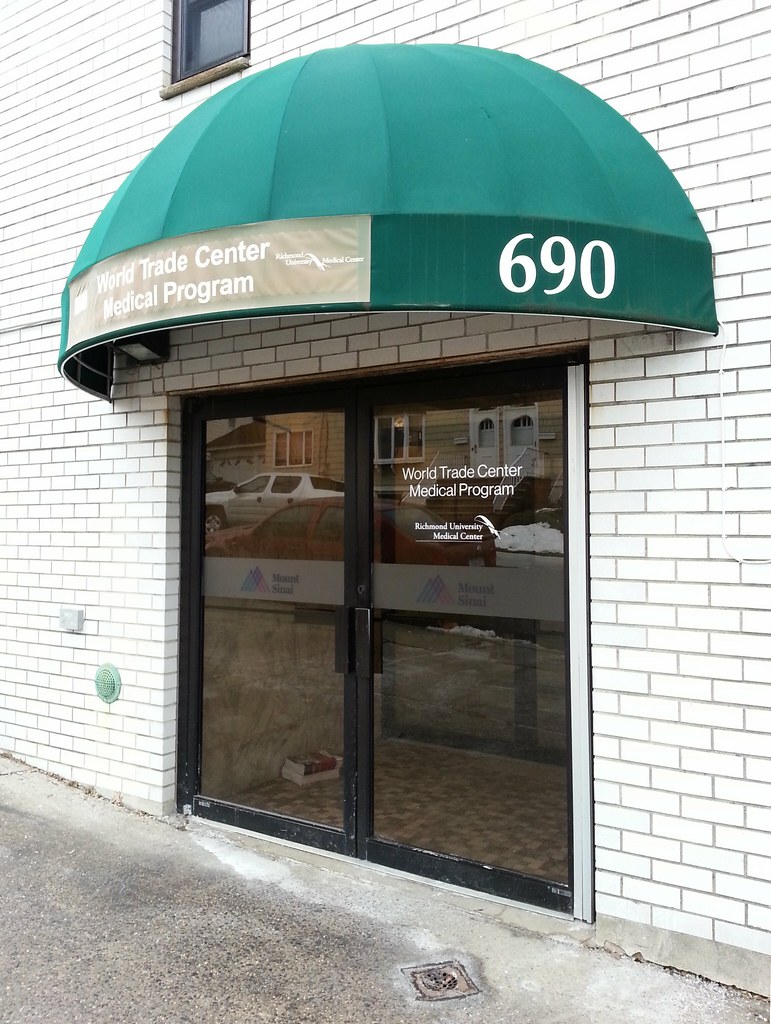
The World Trade Center Medical Monitoring and Treatment Program has been superseded by the more comprehensive World Trade Center Health Program.
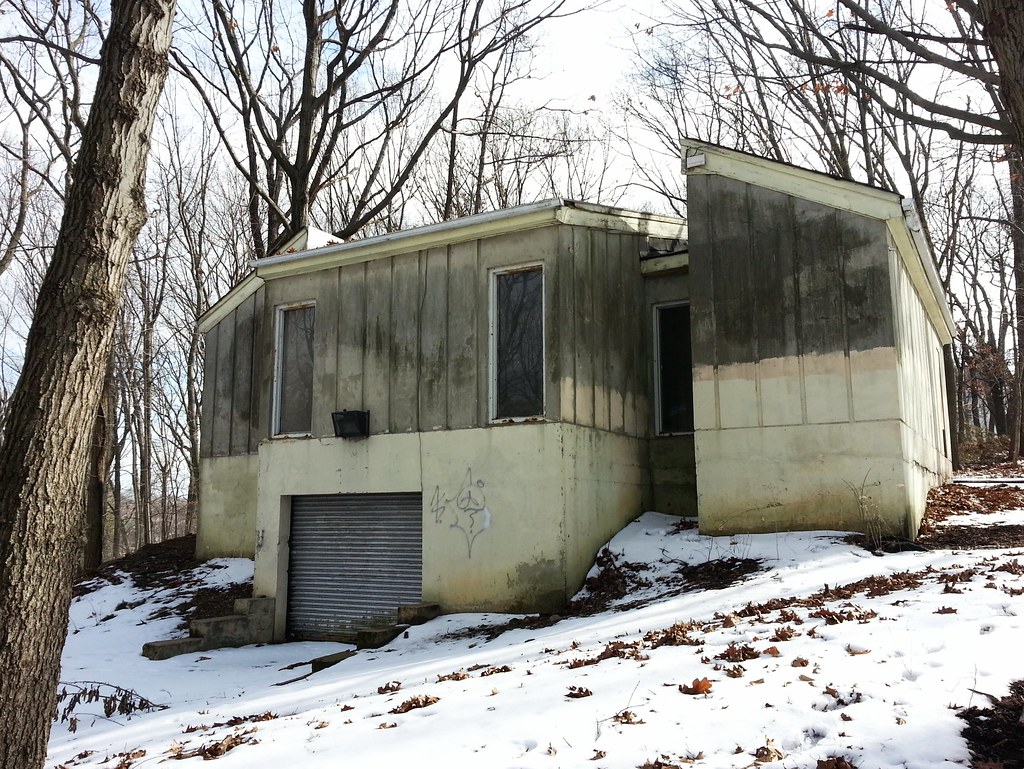
This is one of several abandoned buildings standing among the trees on the Goodhue Center's acres of wooded property.
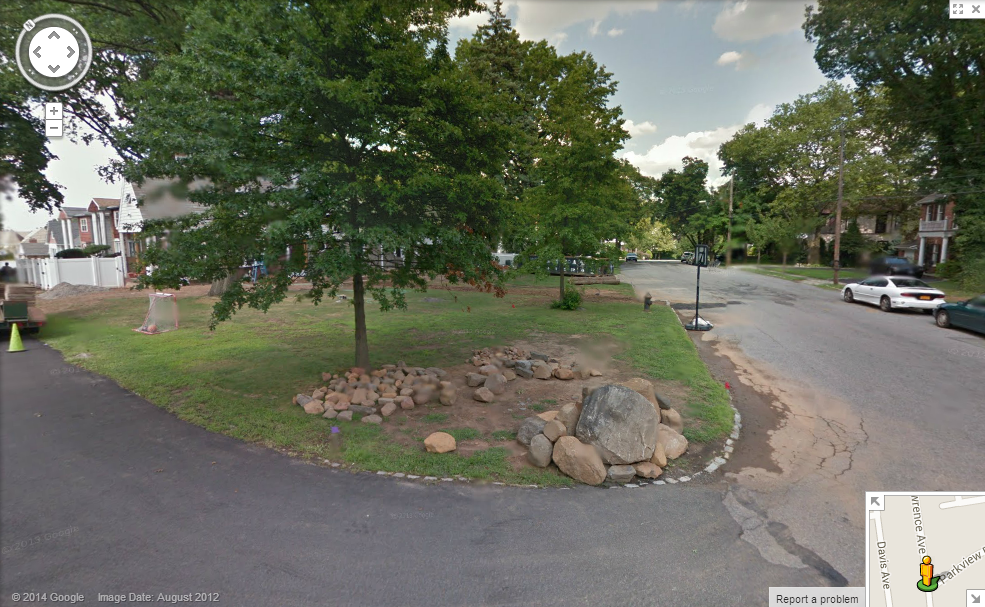
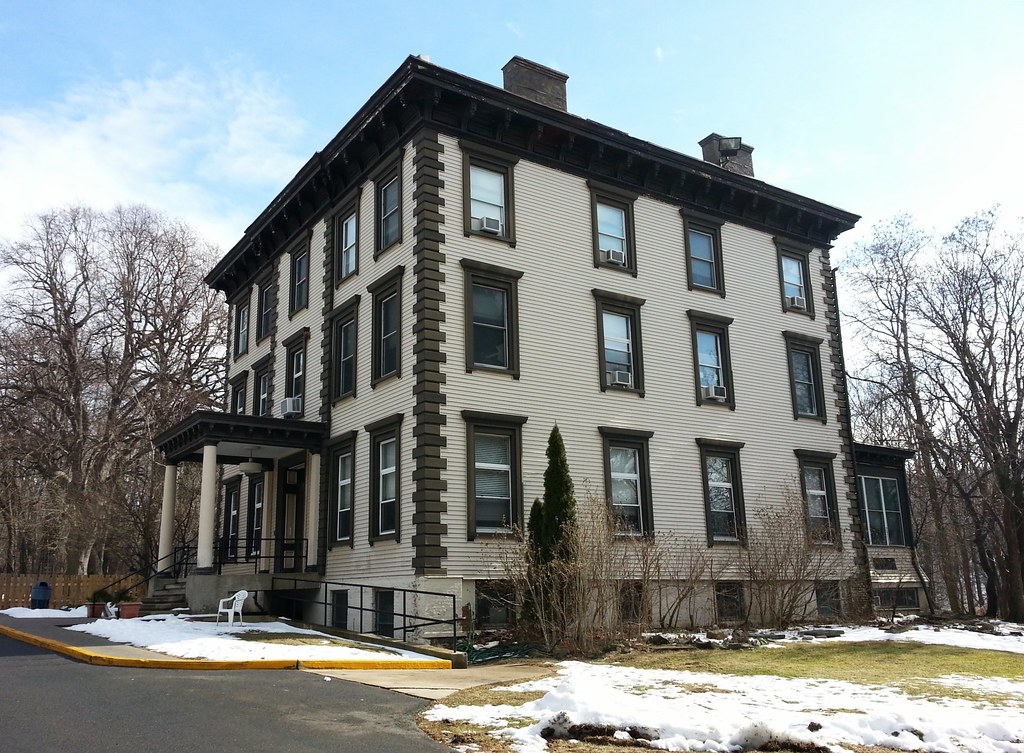
Now part of the Children's Aid Society's Goodhue Center, this former residence, built around 1845, "shows its age, but still conveys some of the elegance it possessed when it was a villa commanding the vast acreage of the Goodhue estate."
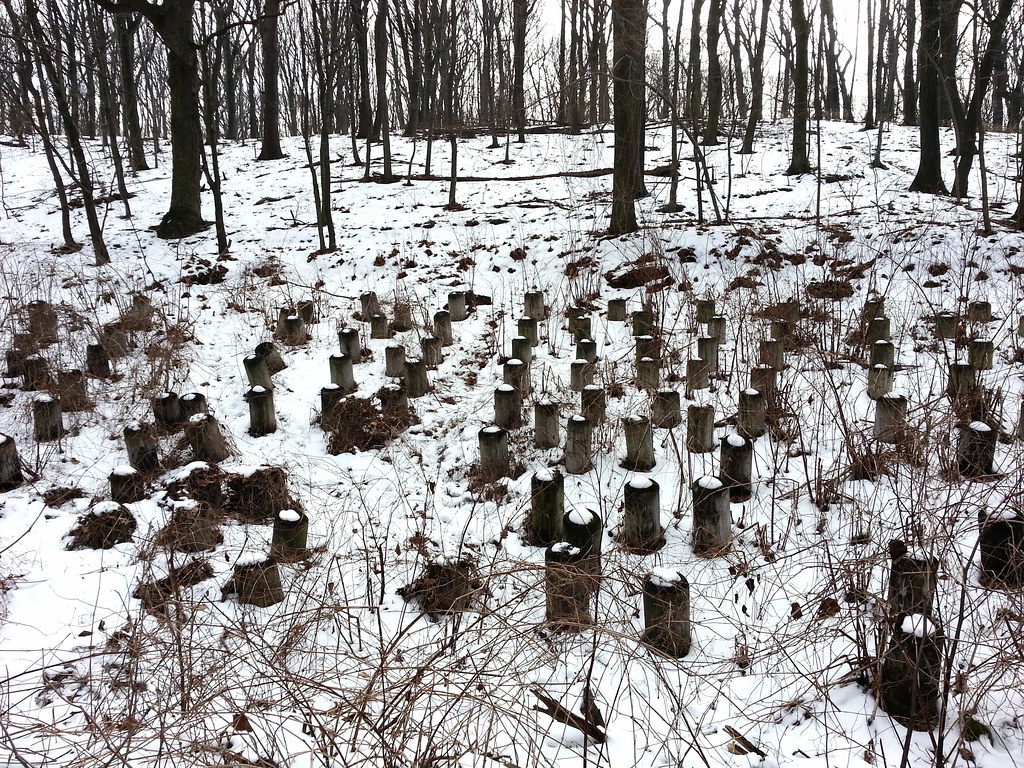
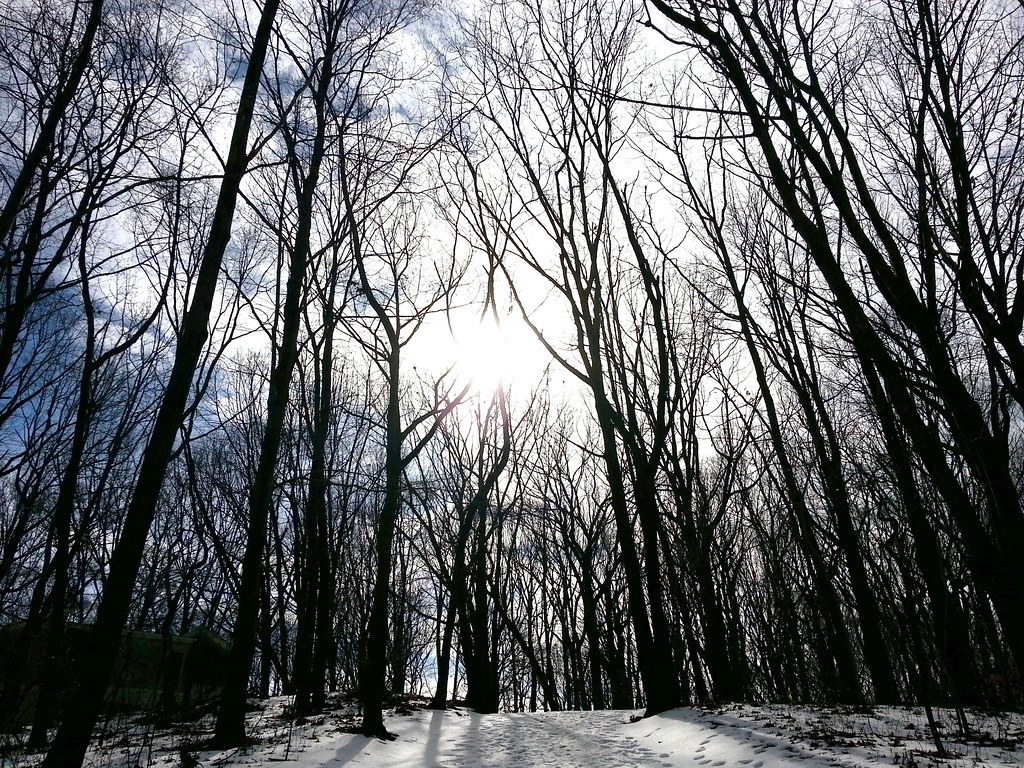
I'm standing on the elevated stage of what appears to be an overgrown woodland amphitheater; the stump-like seats visible in this photo constitute maybe a quarter of the total spread out before the stage. I stumbled across this odd scene on the grounds of the Goodhue Center, a century-old, 42-acre recreational/educational/summer-camp facility for kids that was formerly the estate of the Goodhue family. The city is currently in the process of purchasing most of the property from the Children's Aid Society for use as a public park.
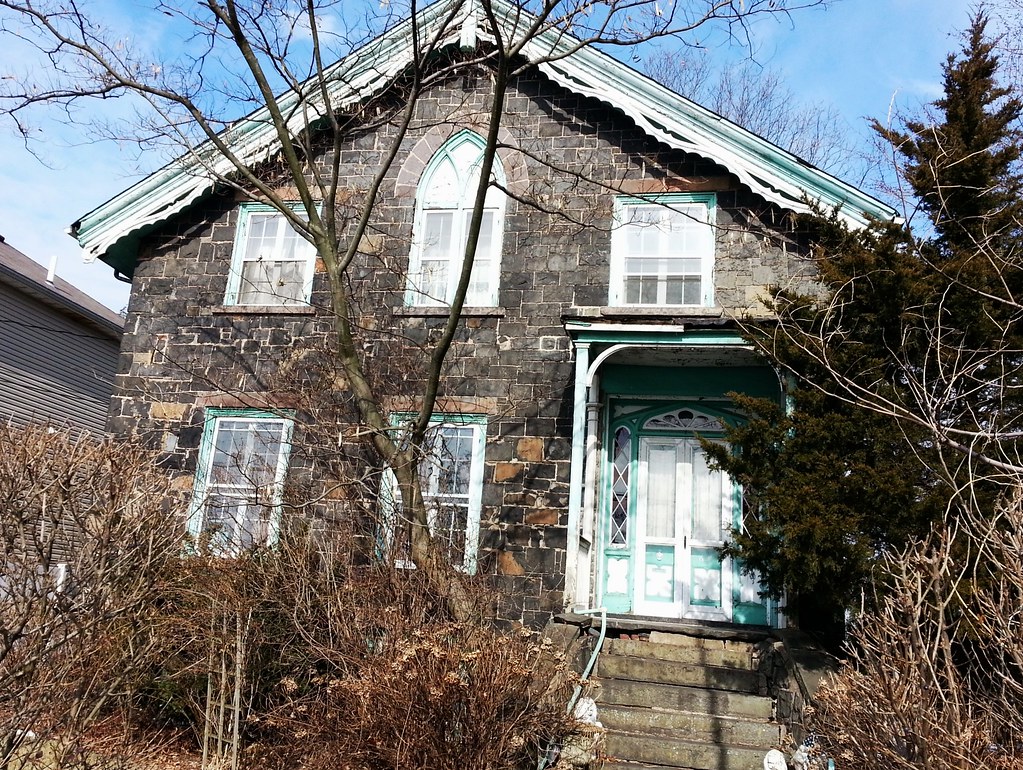
Dr. Samuel MacKenzie Elliott was a pioneering ophthalmologist who counted John Jacob Astor, Peter Cooper, Henry Wadsworth Longfellow, Horace Greeley, and John James Audubon among his patients. He built this house around 1840 from locally quarried stone, and supposedly designed more than 21 other similar structures (which are no longer standing, as far as I can tell). Dr. Elliott was a fervent abolitionist, and is said to have sheltered fugitive slaves in the cellar of his house (although I'm not sure if he ever lived in this particular building, or if he just designed it).
After Dr. Elliott's death in 1875, the New-York Tribune (founded by Mr. Greeley) remembered him as "emphatically one of the men who impart the element of the picturesque to common affairs. A person of very strong, original, eccentric character. A man of positive genius in his profession."
I'm walking every street in New York City.
This is the counterpoint to my walk across the US. Instead of seeing a million places for just a minute each, I'm going to spend a million minutes exploring just one place. By the time I finish walking every block of every street in all five boroughs, I'll have traveled more than 8,000 miles on foot — all within a single city. Details!
Email me at matt@imjustwalkin.com
Subscribe to my email list
Maps: Progress | Photos

~9,954 miles walked
Your donations allow me to keep walking full-time. If you think what I'm doing is valuable and you'd like to offer some support, I would be very grateful. On the other hand, if you think I'm a worthless bum, feel free to email me and tell me to get a job, bozo. Both are excellent options!
