
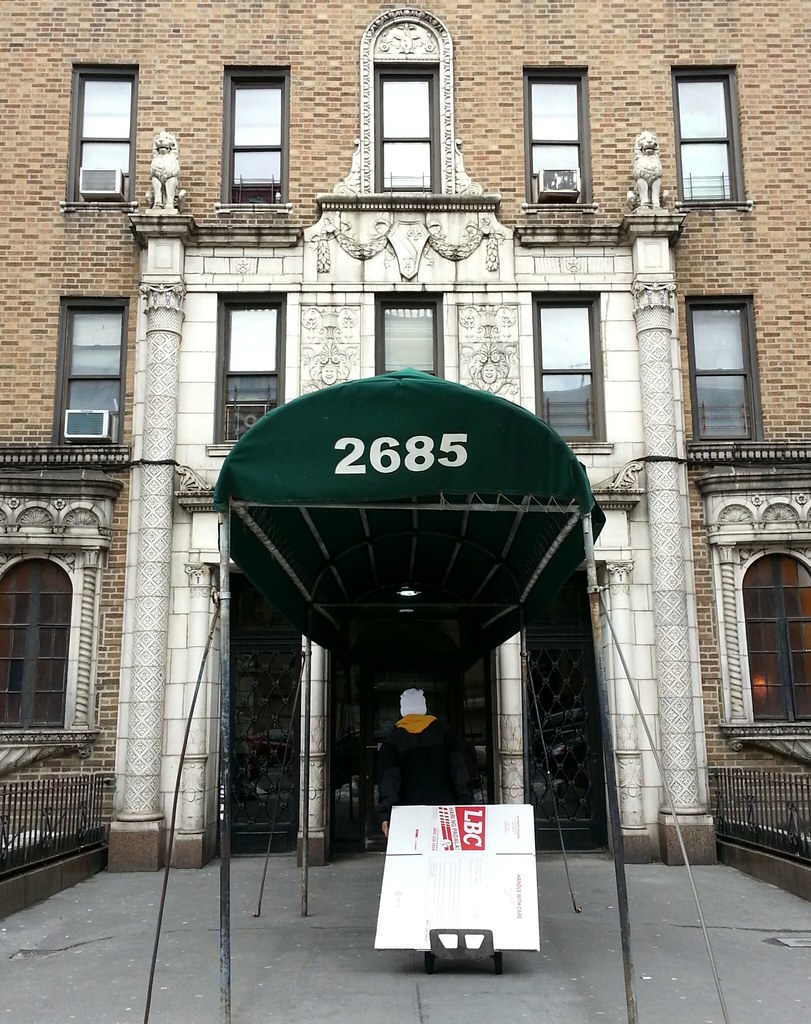
The University Avenue side of this building


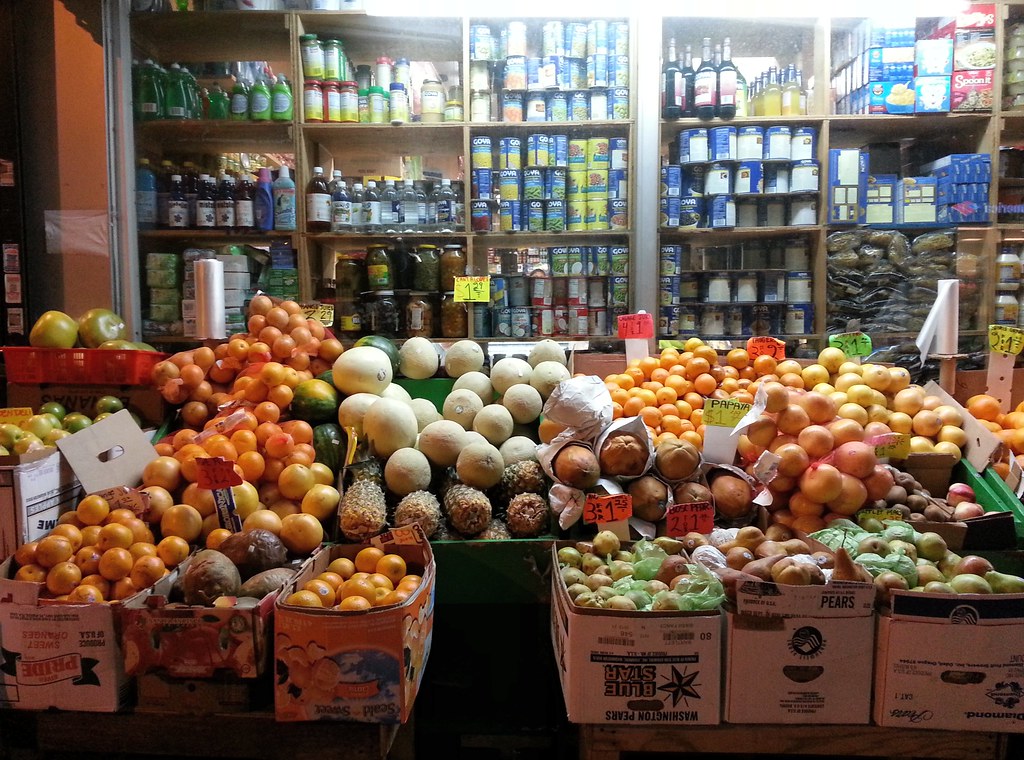

on the property of a building owned, I believe, by Montefiore Medical Center
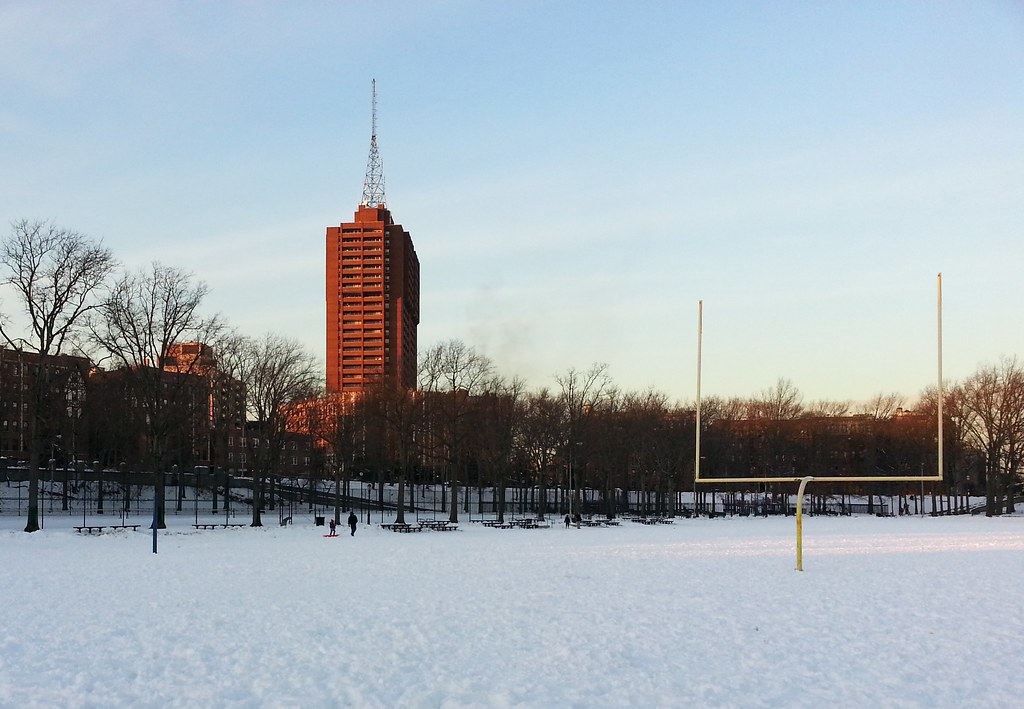
If anyone else out there is a fan of Fordham University's WFUV-FM, you might be interested to know that this is the station's main transmission tower, standing tall atop an apartment building owned by Montefiore Medical Center. The hospital offered to let Fordham locate its antenna on this rooftop in 2004 to resolve a decade-long dispute between the university and its next-door neighbor, the New York Botanical Garden, whose president and chairman were "shocked and deeply disturbed" by the radio tower Fordham had been building on its campus, calling it "a jarring intrusion" on the garden's "magnificent backdrop of unimpeded skyline".
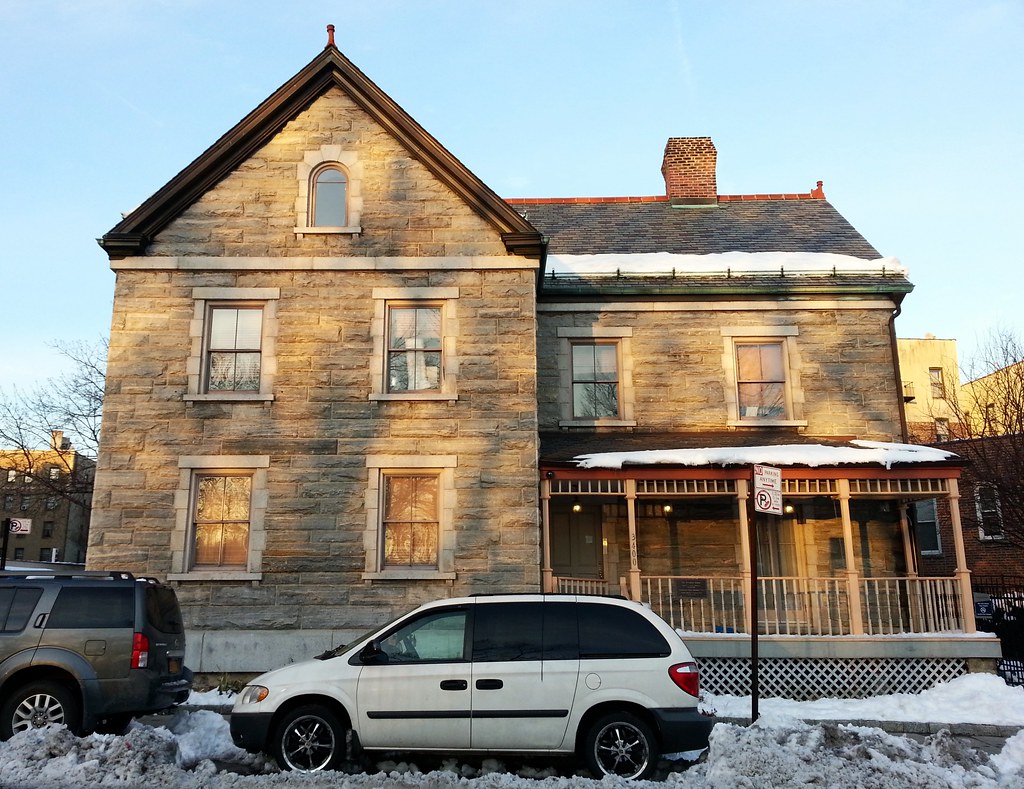
Built in 1889-90 as a residence for the reservoir keeper, this house was bought by Isaac Barkey, a physicist and engineer, in 1946. He constructed a chemical and biological laboratory in the basement, where he conducted his "confidential research", and spent many years trying to shape the structure into the mansion of his dreams. He never succeeded, though, and finally moved out, heartbroken, in 1998, selling the house to the Mosholu Preservation Corporation, which still owns it today.
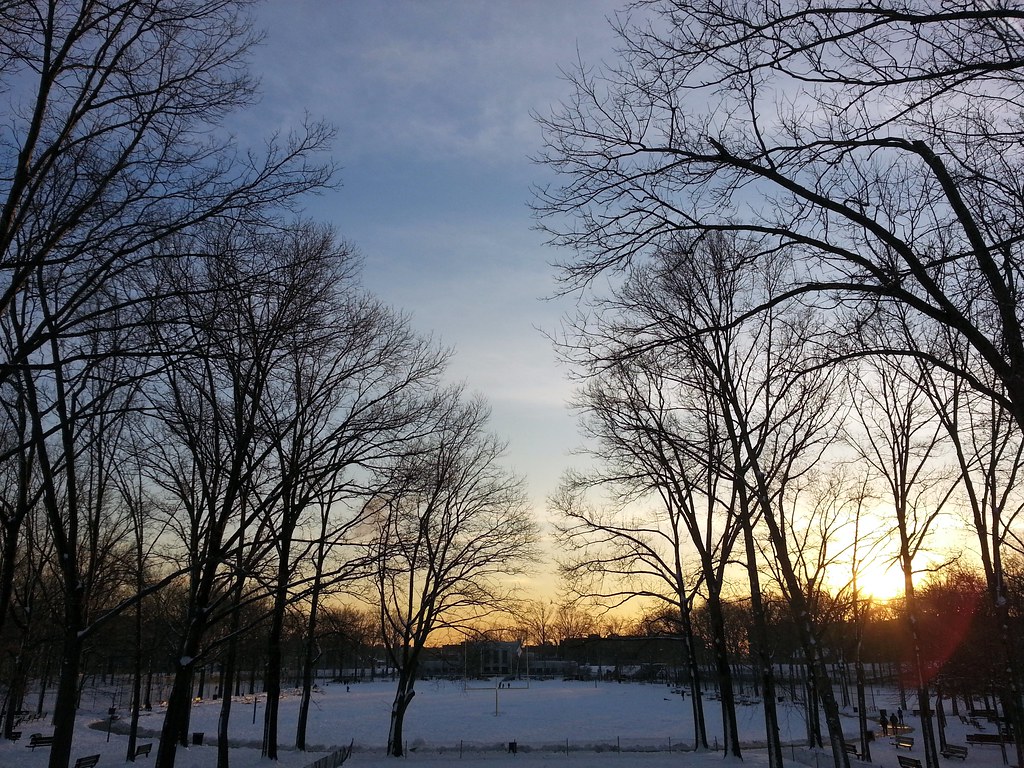
This park sits on top of the former Williamsbridge Reservoir, opened in 1888 to provide water, piped in from the Bronx and Byram Rivers, to the West Bronx, which had just been annexed by New York City in 1874. By 1919, the reservoir was no longer needed and was taken out of service, but it continued to be used as an emergency backup (and unauthorized neighborhood swimming hole) until being drained in 1925.
Robert Moses wanted to turn the site into a massive sports amphitheater with a seating capacity of 100,000, but this plan was shot down by local residents. Instead, the reservoir was partially filled in and converted into a public recreational facility; the opening ceremony in 1937 concluded with a race featuring Glenn Cunningham, the world-class track star who had managed to overcome a horrific childhood accident that left him burned and scarred and unable to walk for many months.

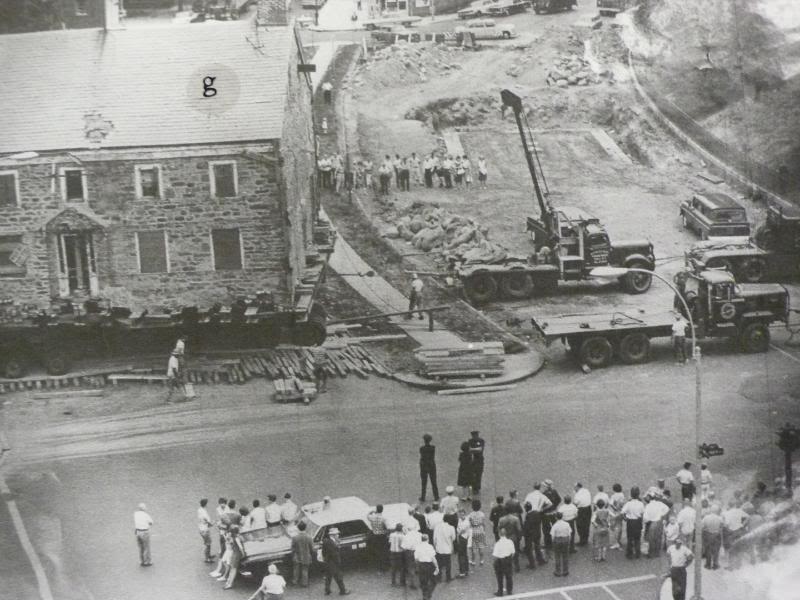
Built around 1758, just a decade after the Van Cortlandt mansion, this sturdy fieldstone structure is the Bronx's second-oldest house. It now serves as the Museum of Bronx History; after being donated to the Bronx County Historical Society in 1965, it was wheeled across the street to this spot on public parkland. (Actually, it was plopped down in the middle of what was then a street, and that section of street was subsequently incorporated into Williamsbridge Oval Park.) A few years later, the amphibious Bronx River Soldier was stationed here, and he's remained ever since.

Turns out they do.
The guy looking at the camera handed me a little flyer as I passed by. It reads, in part:
WE BUY GOLD
AMAZING LINEN CORP.
3481 JEROME AVE. BRONX, NY 10467
INSIDE THE CURTAIN STORE, NEXT TO
THE CITIBANK, ACROSS THE STREET
FROM THE POST OFFICE.


on the defunct New York and Putnam Railroad

In the early years of the 20th century, when the boys at the New York Central Railroad were planning to build Grand Central Terminal (declared by the NY Times to be "the greatest station, of any type, in the world" when it opened just over 100 years ago), they wanted to test out several different kinds of stone they were considering using for the building's facade. So they lined up 13 pillars* from various quarries here in Van Cortlandt Park beside the rails of the Old Put (which is now a walking trail) and waited to see which one fared best as it weathered. They ended up going with Indiana limestone, although that was apparently just because it was the cheapest to transport.
* Ignore the parts about Cornelius Vanderbilt in the link above; he was long dead by 1900.
I'm walking every street in New York City.
This is the counterpoint to my walk across the US. Instead of seeing a million places for just a minute each, I'm going to spend a million minutes exploring just one place. By the time I finish walking every block of every street in all five boroughs, I'll have traveled more than 8,000 miles on foot — all within a single city. Details!
Email me at matt@imjustwalkin.com
Subscribe to my email list
Maps: Progress | Photos

~9,954 miles walked
Your donations allow me to keep walking full-time. If you think what I'm doing is valuable and you'd like to offer some support, I would be very grateful. On the other hand, if you think I'm a worthless bum, feel free to email me and tell me to get a job, bozo. Both are excellent options!
