

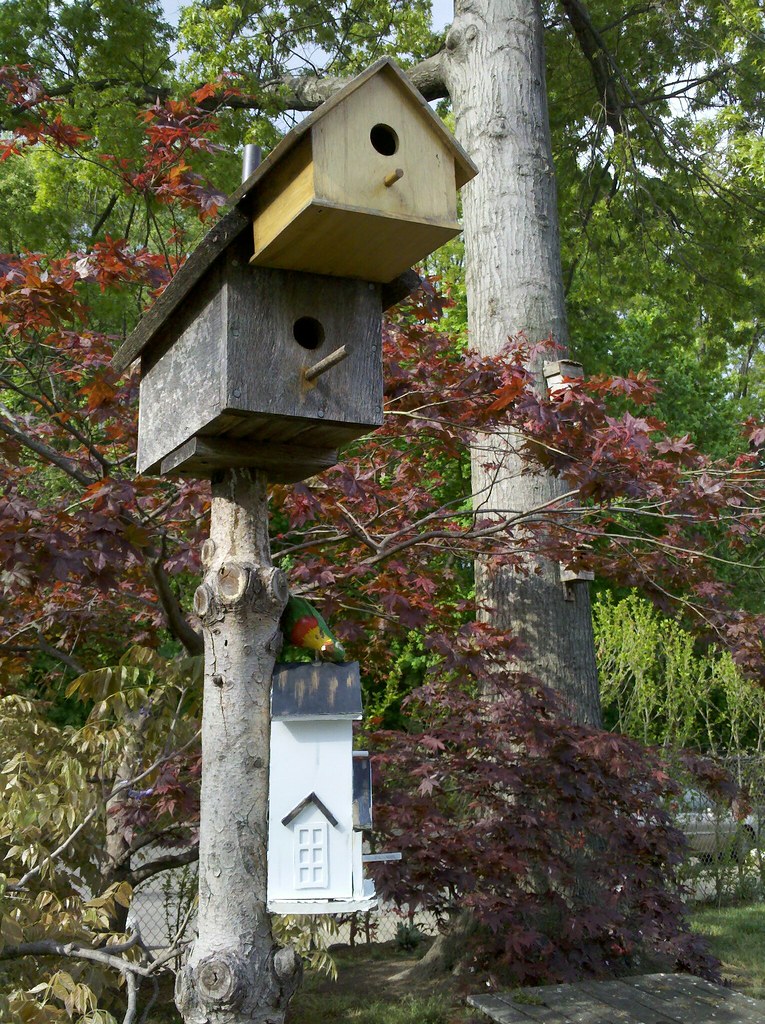
And this is just one tree's worth! There were about 50 avian abodes altogether on the property.


A social and athletic club descended from the gymnastic unions of 19th-century Germany

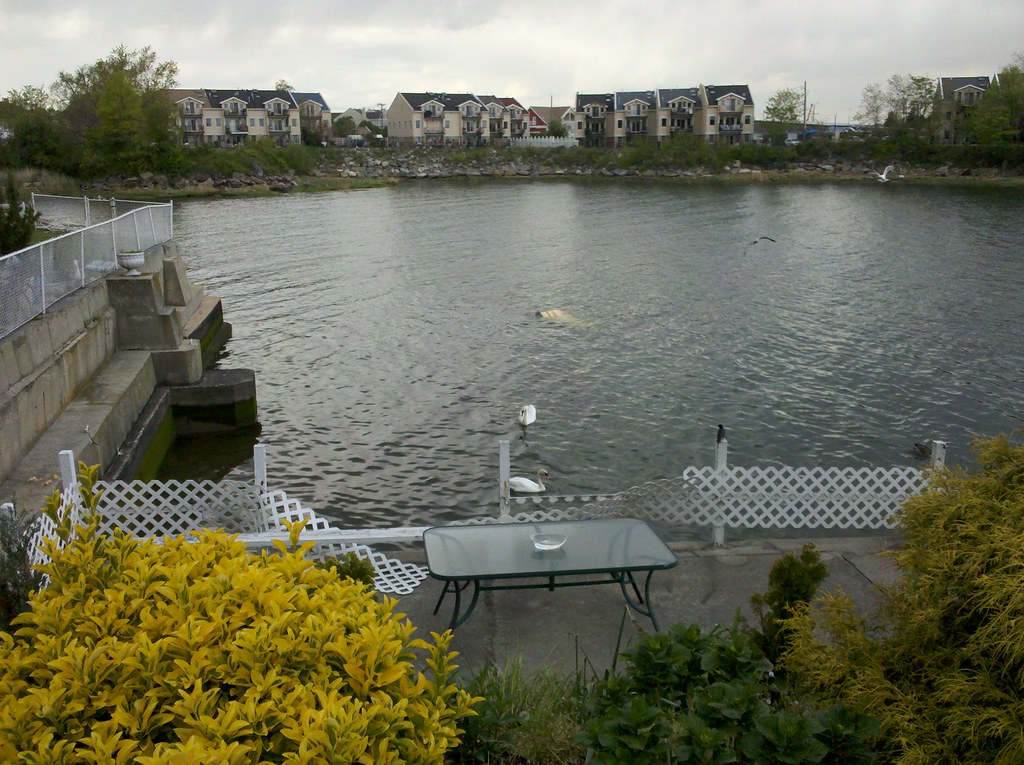
This little waterside community is full of densely packed houses with narrow lanes running between them.

These footpaths are almost as common as roads in Edgewater Park.
One of several volunteer fire departments remaining in the city, Hose Company No. 1 has to use special trucks that can negotiate the tight curves of Edgewater Park's cramped streets.



Little by little, we're learning more about this new force of evil on the rise. While the so-called Toyland Slayer (or Toy Slayer, as he was colloquially known) acted as a lone wolf, his successor appears to have control over an army of minions to carry out his every whim. The bodies of these two red demons will provide priceless scientific information in our ongoing War on Terror, but, sadly, their acquisition comes at a dear cost. Rest in peace, Green Lantern. You were one of our greatest allies and a steadfast friend to all toykind.

It's located on the campus of Providence Rest, a nursing home run by the Sisters of St. John the Baptist



Located next to the shrine from the previous picture


There are several scientific-sounding streets here in Country Club: Ampere, Ohm, Watt, Radio, Research, and Library (but no Volt!). They were likely named in honor of Isaac Rice, former president of the Electric Storage Battery Company, whose wife donated a million dollars to the city in 1919 for the construction of Rice Stadium, a tribute to her late husband, in nearby Pelham Bay Park.
Isaac Rice was also a chess master, a music scholar (one of his published works is titled "How the Geometrical Lines Have Their Counterparts in Music"), and, like Robert Fulton 100 years earlier, a pioneer in the field of submersibles. In 1899 he founded the Electric Boat Company, which built the US Navy's first submarine and which has been its primary supplier of such vessels ever since.
His wife, Julia, was a physician and a pioneer in her own right: she founded the Society for the Suppression of Unnecessary Noise, which fought against loud tugboats and boisterous schoolchildren, and was notably supported by Mark Twain.


I can't find much information about this place.
You may also want to take note of the boat behind the sign. It has a face drawn on the front of it — you can see its left eye and eyebrow.
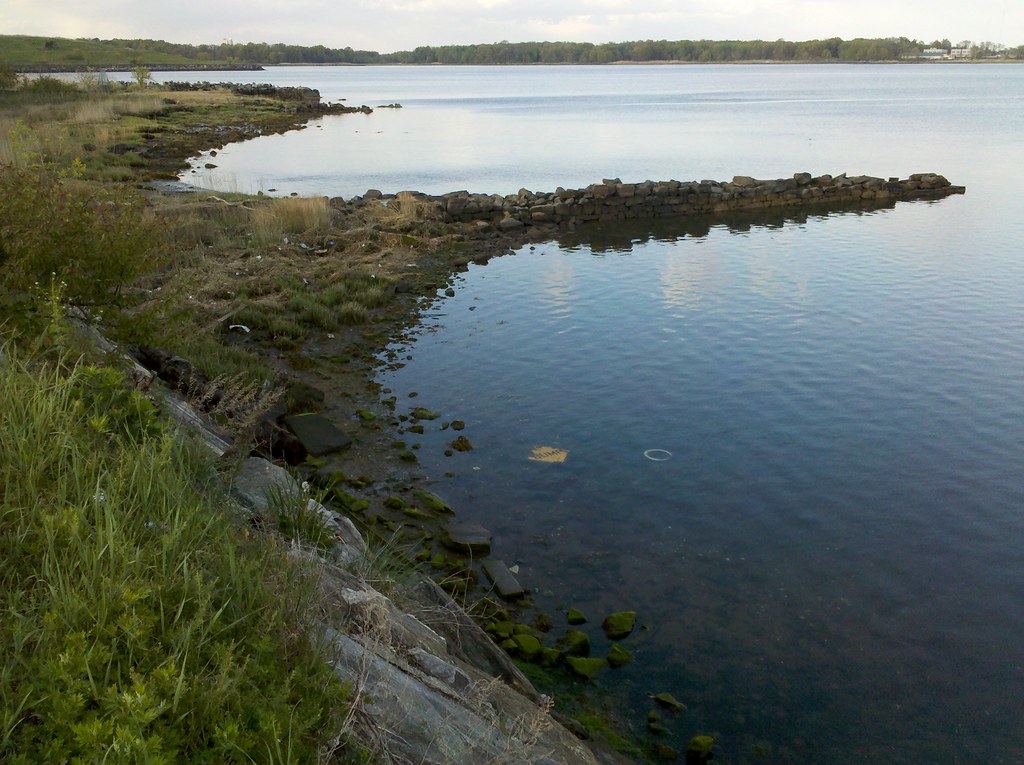
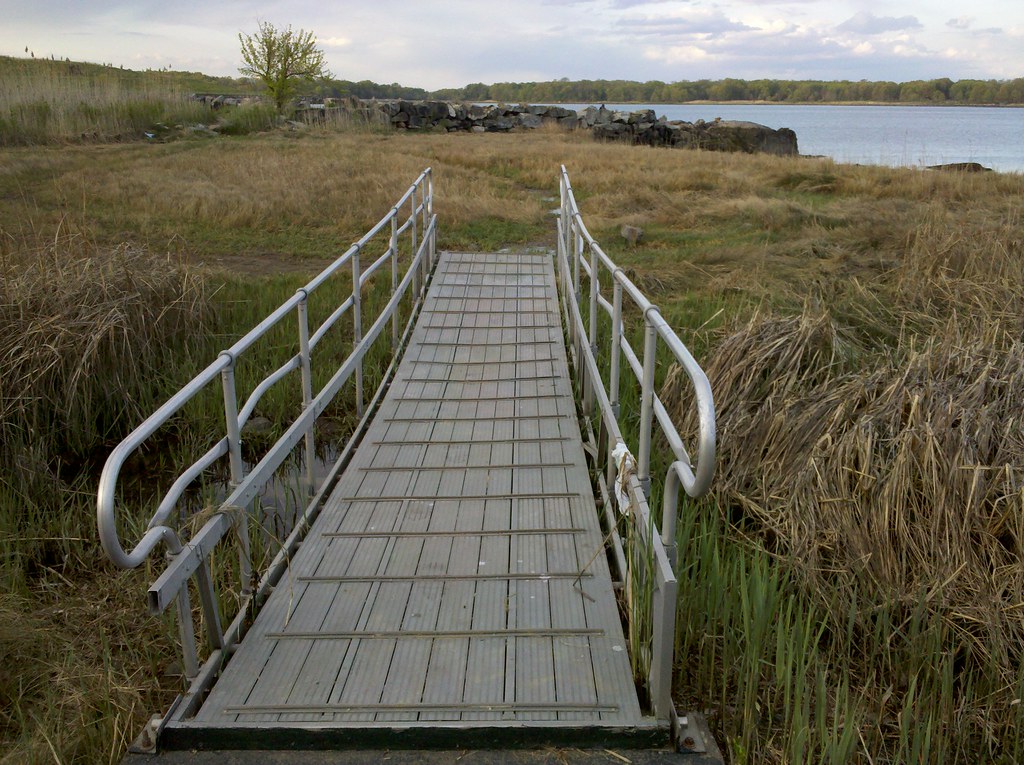
We've just entered the southern portion of Pelham Bay Park, the largest park in the city. (It's more than three times the size of Central Park.)
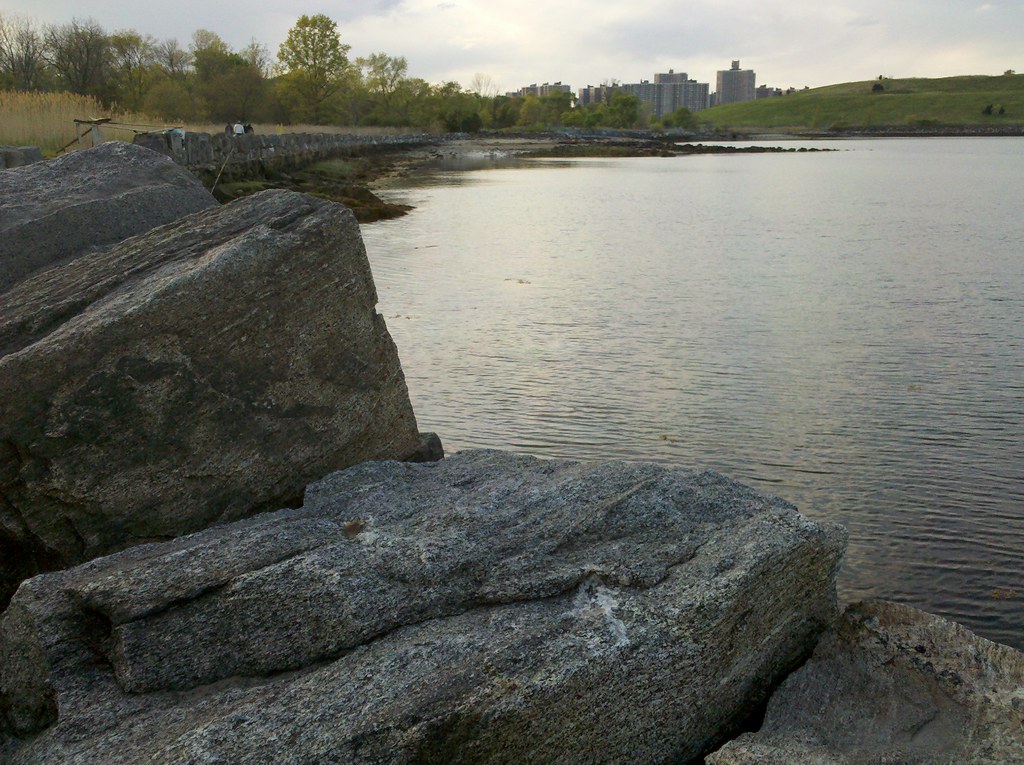
You can see them walking beside the rock wall to the left. Off in the distance is our loyal visual companion, Co-op City.


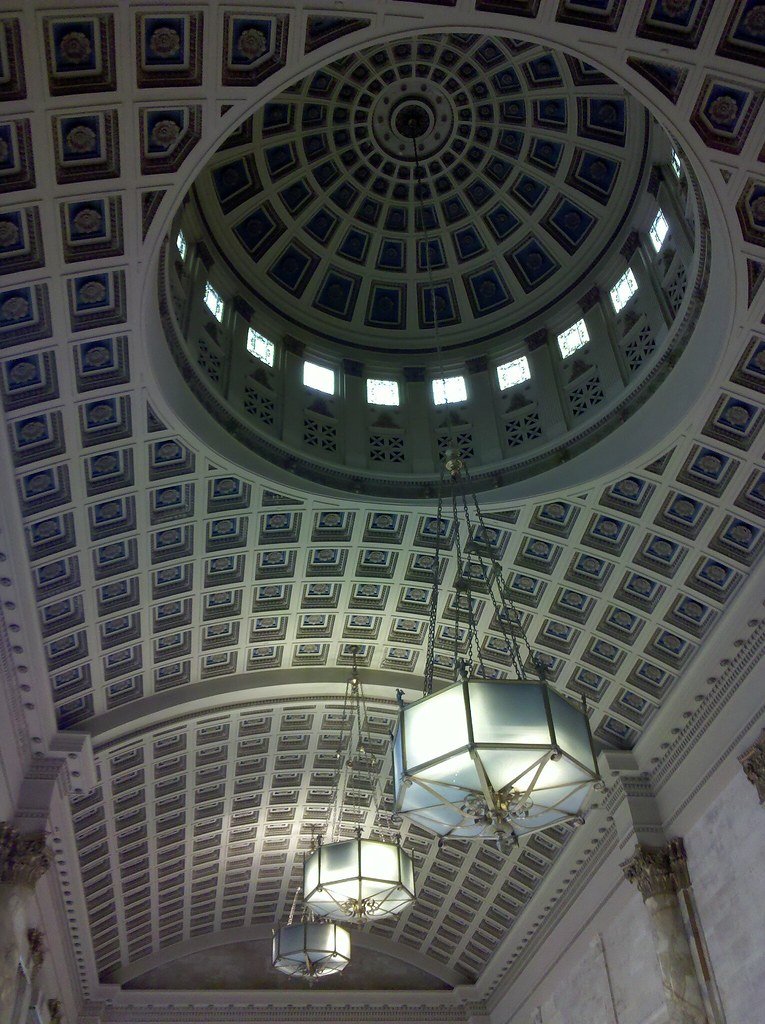
What sort of prestigious institution is housed within these magnificent confines?

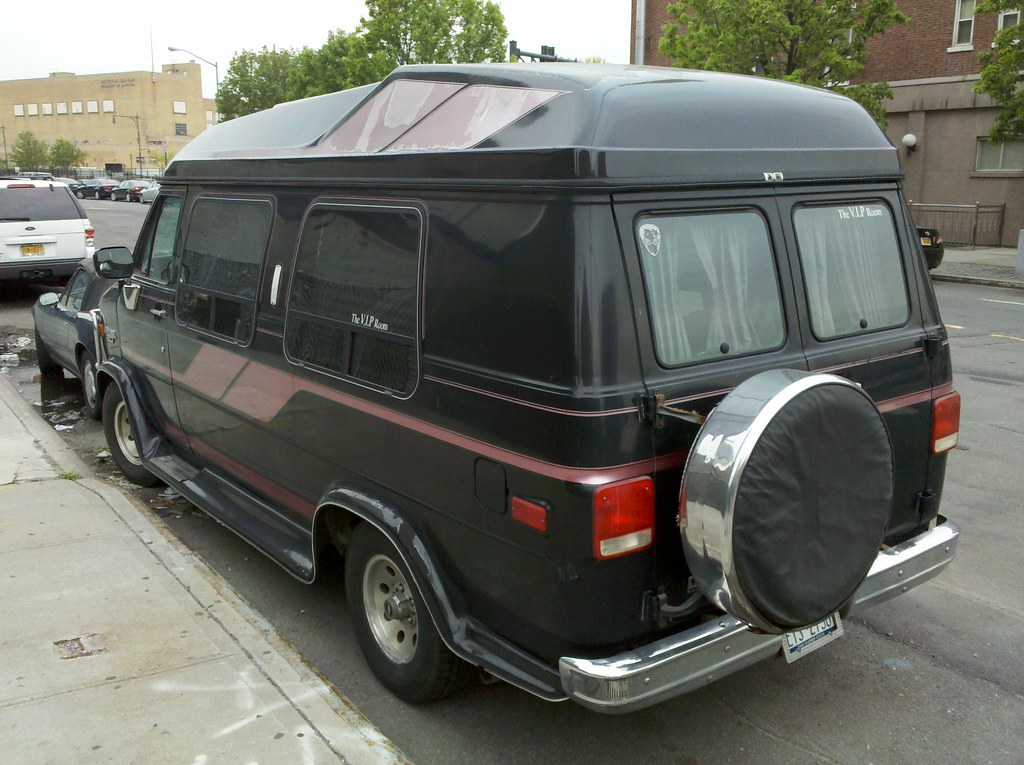

Originally the 13th Street Presbyterian Church, this Greek Revival building was converted to apartments in 1982.
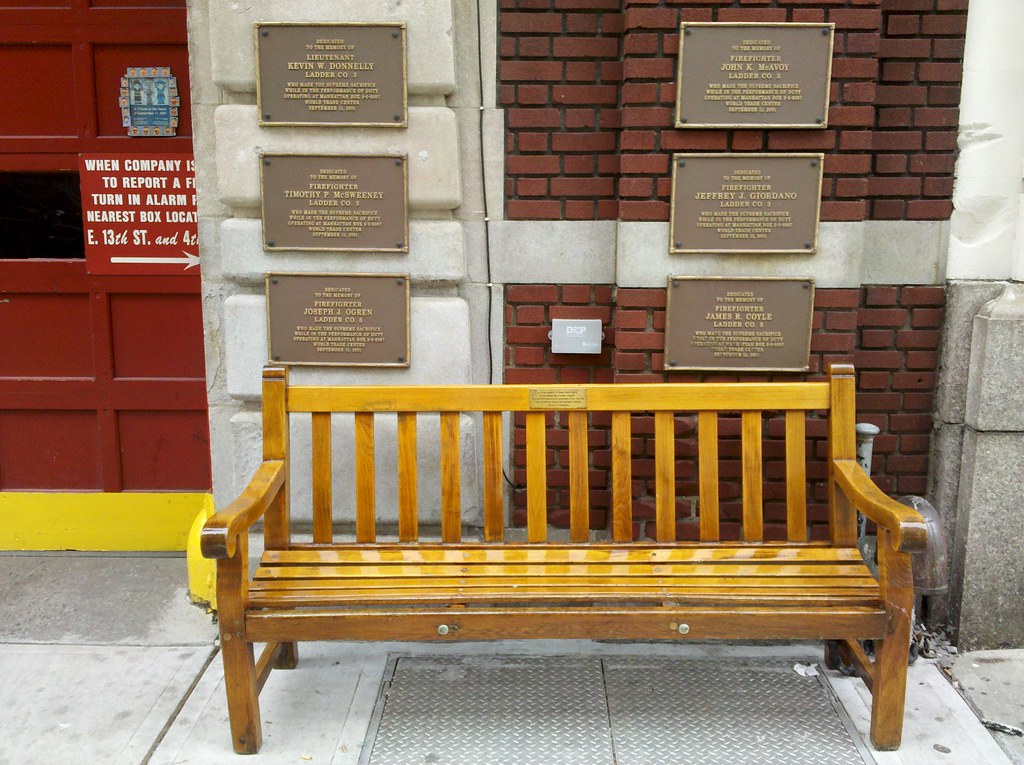
The plaque (which was made in Ireland) on the bench reads:
"In loving memory of Captain Patrick Brown and the gallant men of Ladder Company 3, who laid down their lives for the people of New York City. Their uncommon courage that September morning, will never be forgotten."
Here's a close-up of the artwork on the door.
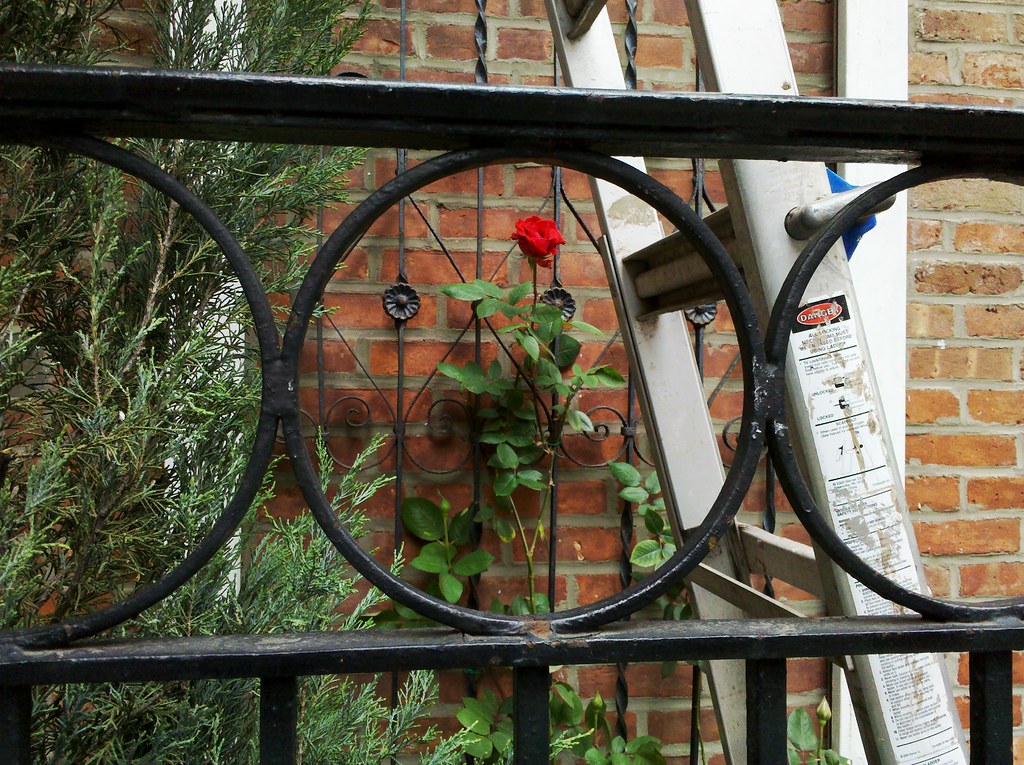
is growing outside the former studio of sculptors Karl Bitter (a known admirer of our friend Audrey Munson's hands and arms) and Giuseppe Moretti (sculptor of Vulcan in Birmingham, Alabama, the world's largest cast iron statue).


Even though we're well into spring, it's still unusual to find one open to the public.
FYI, the small circular objects embedded in the pathway are the bottoms of glass bottles.
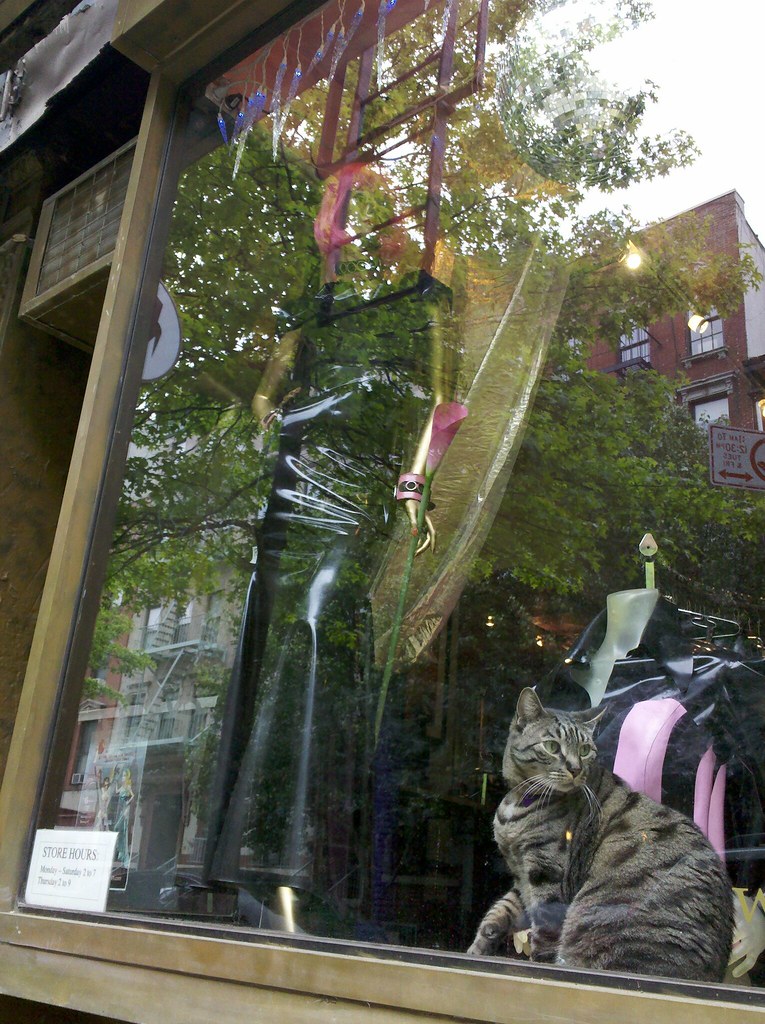
Co-proprietor, along with The Baroness, of an East Village latex fashion boutique, Mr. Mahj recently went on a grand tour of the American West (here's the complete set of photos from the trip).

A tribute to the poet Gil Scott-Heron, who died last year
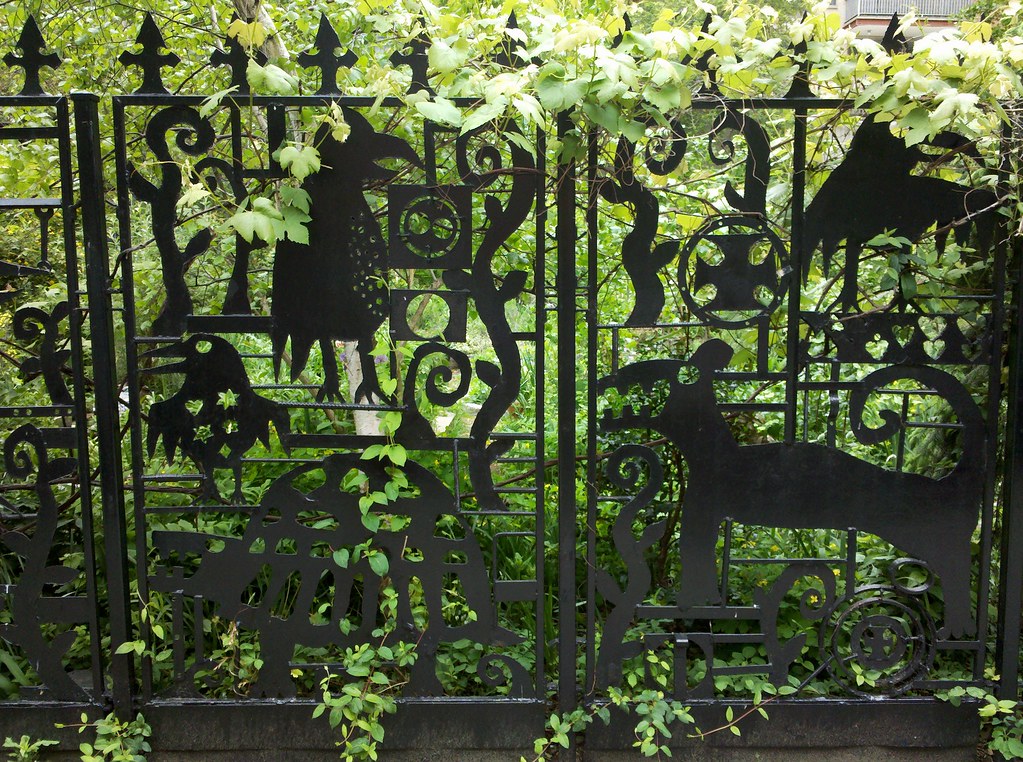
This amazing fence by the multi-talented Julie Dermansky stretches 100 feet along East 12th Street.

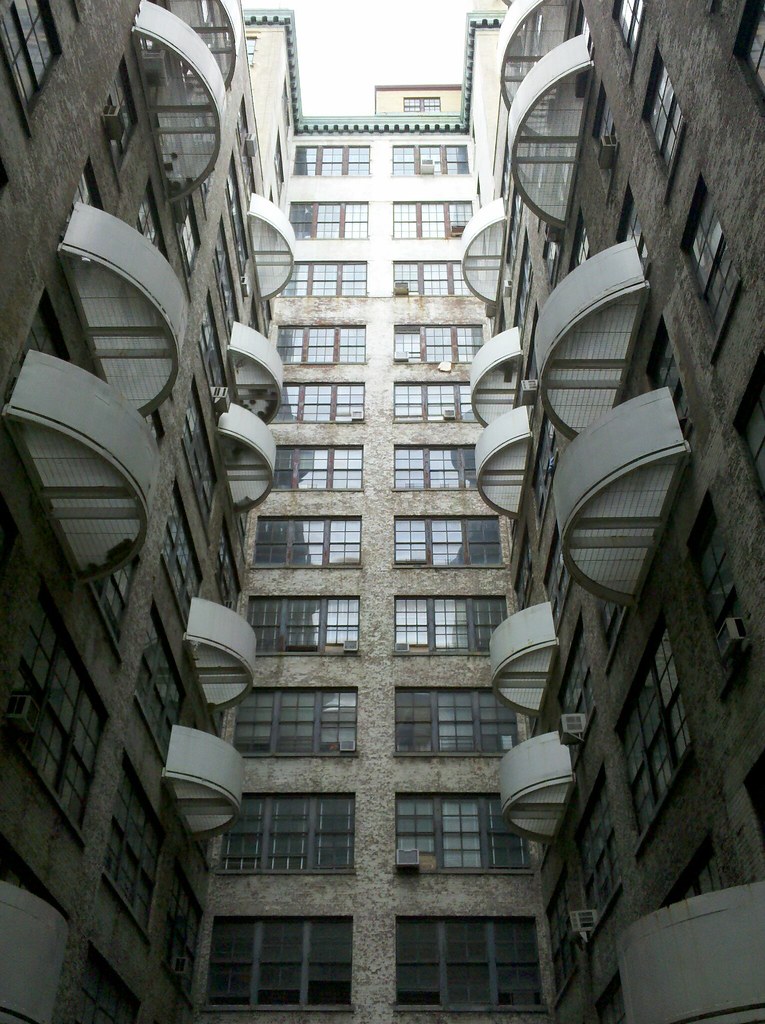
Opened in 1970, Westbeth was the first and is still the largest federally subsidized artists’ colony in the US. The buildings that house it were once the headquarters of Bell Labs, one of the world's great centers of innovation.