
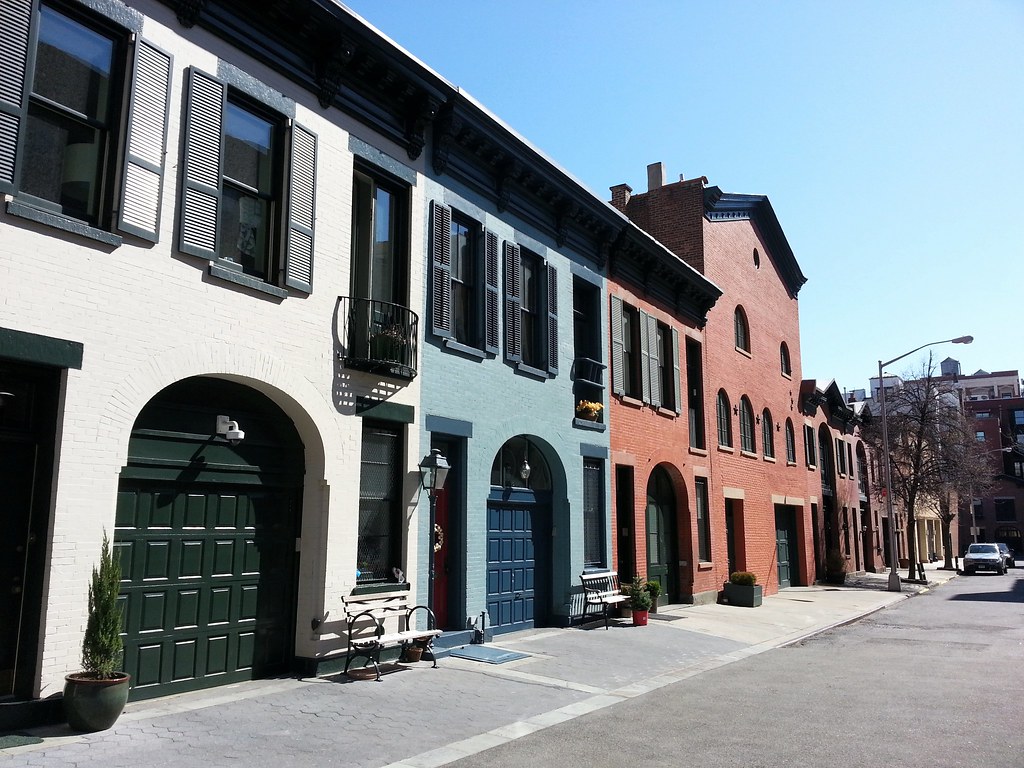
This old mews was presumably named for the nearby, and short-lived, Brooklyn Collegiate Institute for Young Ladies.
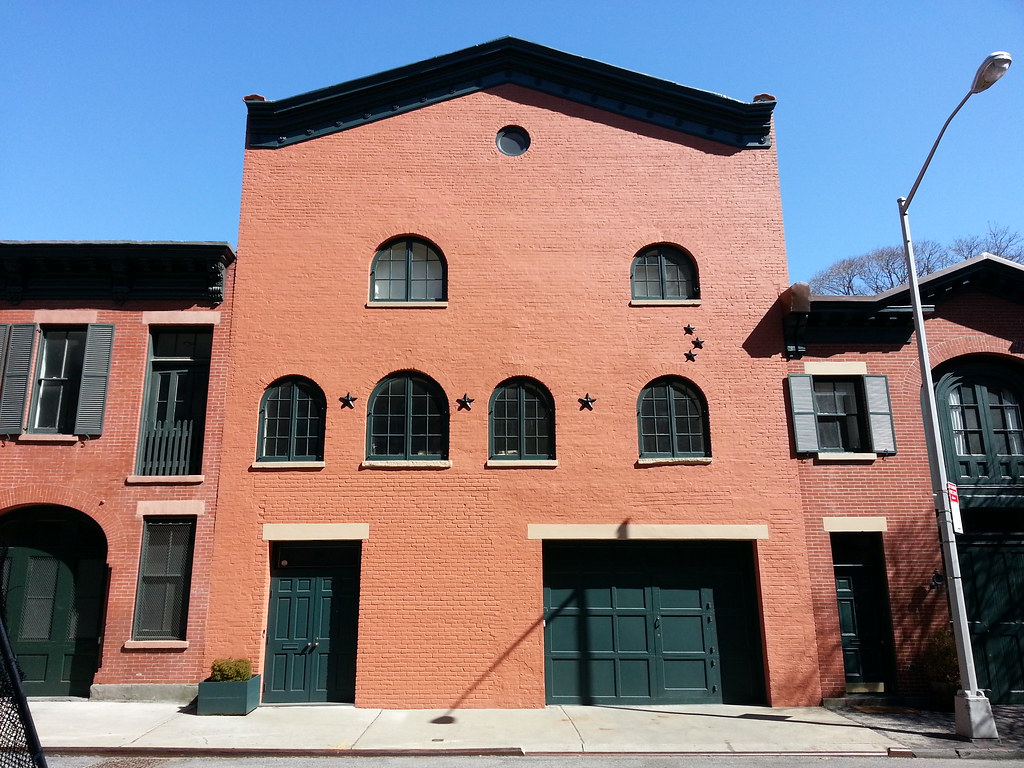
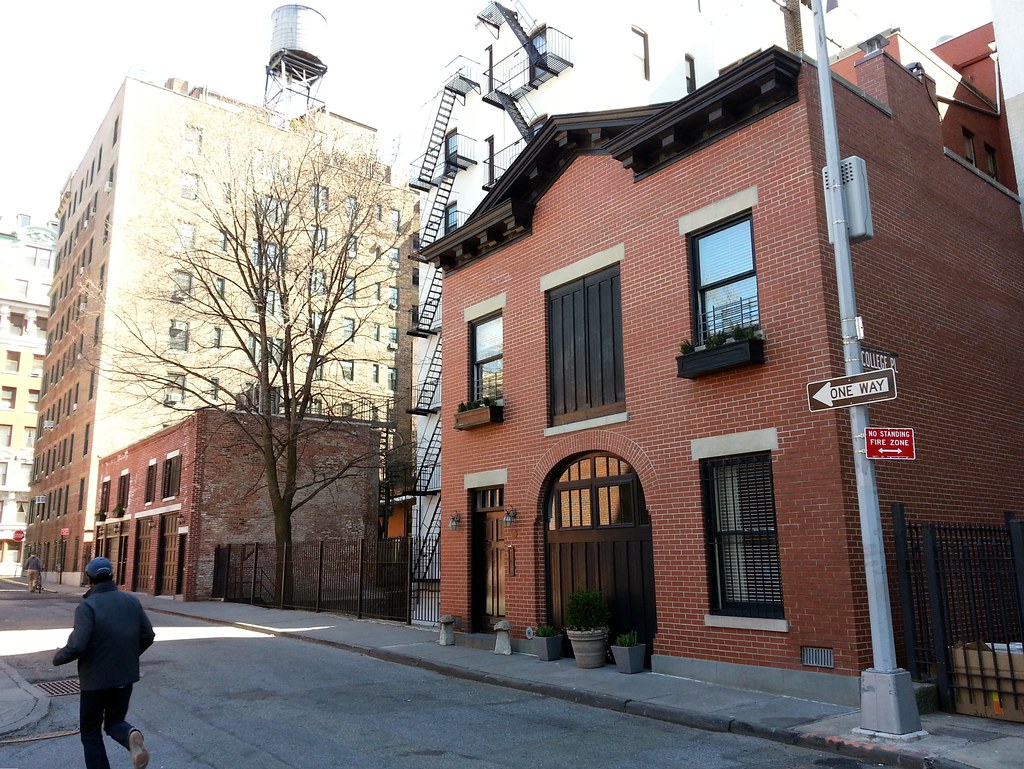
Not surprisingly, the street sign for this quiet, two-block-long lane has been stolen. Also not surprisingly, there are multiple opinions about the origin of the street's name. The Daily News, not known for its devotion to fact, claims:
Love Lane takes its name because it was a popular necking area where men would park their carriages in the 1880s before dropping their girlfriends off at the all-girls college around the corner (the Brooklyn Collegiate Institute for Young Ladies was built in 1822 and later became a hotel).I particularly like the time-travel aspect of this theory: the Brooklyn Collegiate Institute for Young Ladies had been out of existence for decades by the 1880s.
In their book Brooklyn by Name, Leonard Benardo and Jennifer Weiss, whose inaccurate reporting (as channeled through the writing of a Daily News columnist) touched off the Corbin Place controversy, make this assertion:
Two older, unmarried members of the DeBevoise family, John and Robert, adopted young Sarah, the daughter of their housekeeper. She later charmed a wealth of gentlemen callers. According to local folklore, Love Lane comes from the so-called love-lines — initials of Sarah DeBevoise and her suitors — scrawled across the fence near their home.But the best line of all can be found in Gerard Wolfe's New York: A Guide to the Metropolis: "Love Lane was, as its name implies, a favorite path in Colonial times for young swains to promenade with their maidens fair."
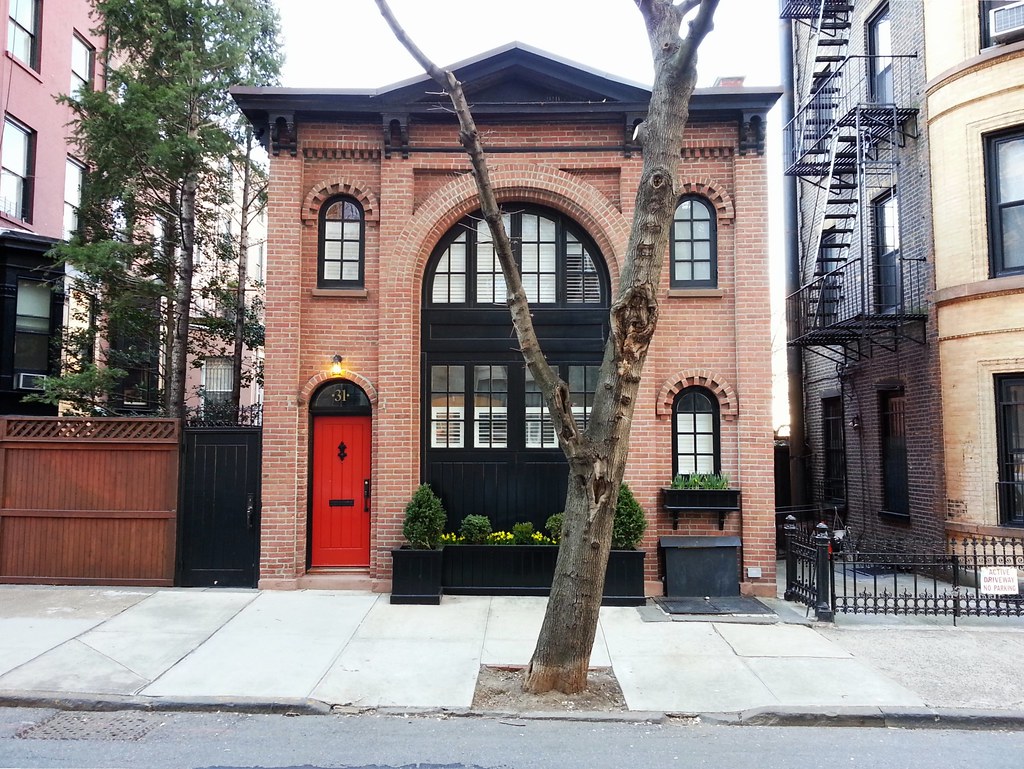
A converted stable built by the Brooklyn Fire Department in the 1880s
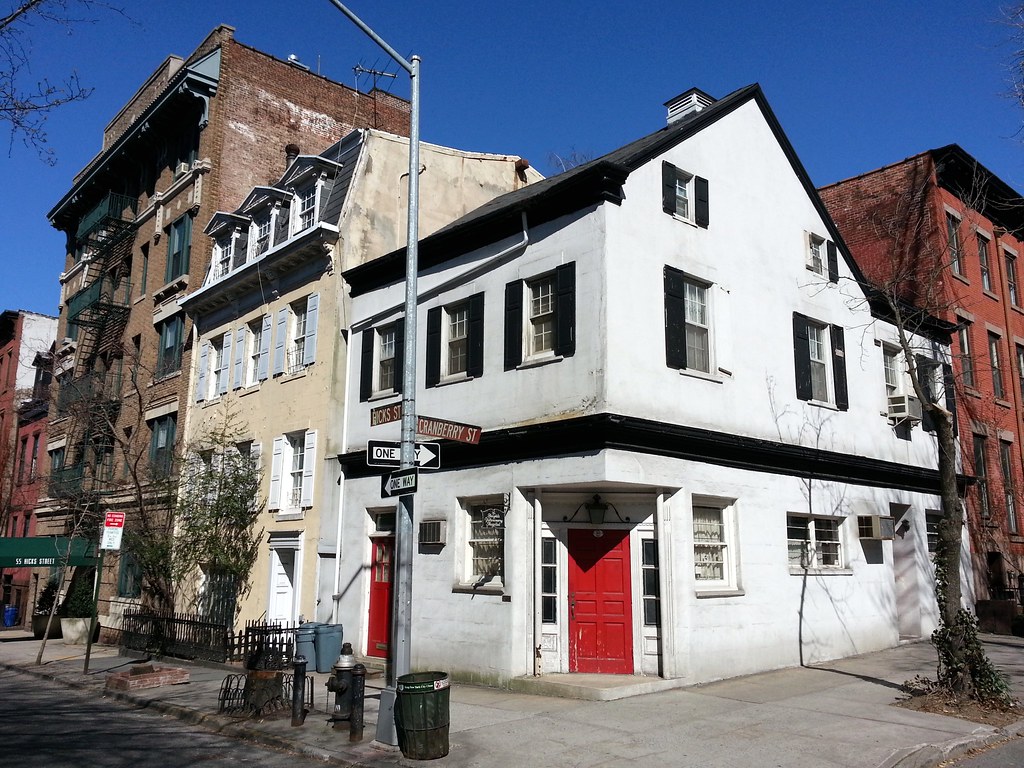
The sign's still hanging by the door, but the Heights Veterinary Hospital closed last January after more than 50 years in business. Supposedly, this building also served as the architectural office during the construction of the Brooklyn Bridge.
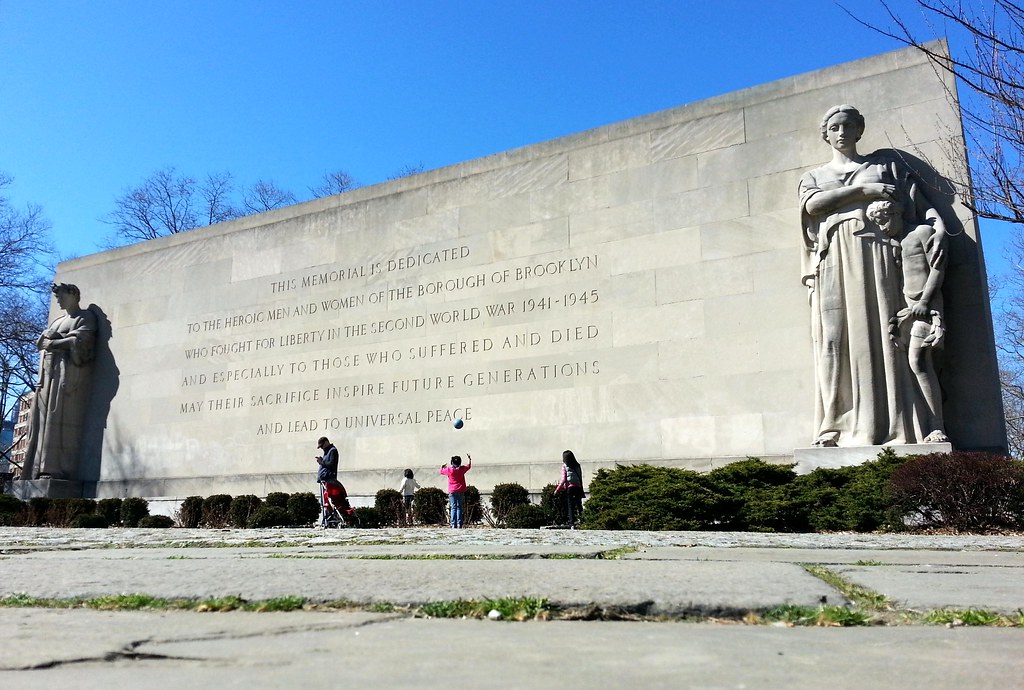
This is the massive Brooklyn War Memorial in Cadman Plaza. What you see here is one wall of the memorial hall, the interior of which is now closed to the public, its basement used by the city as office and storage space.
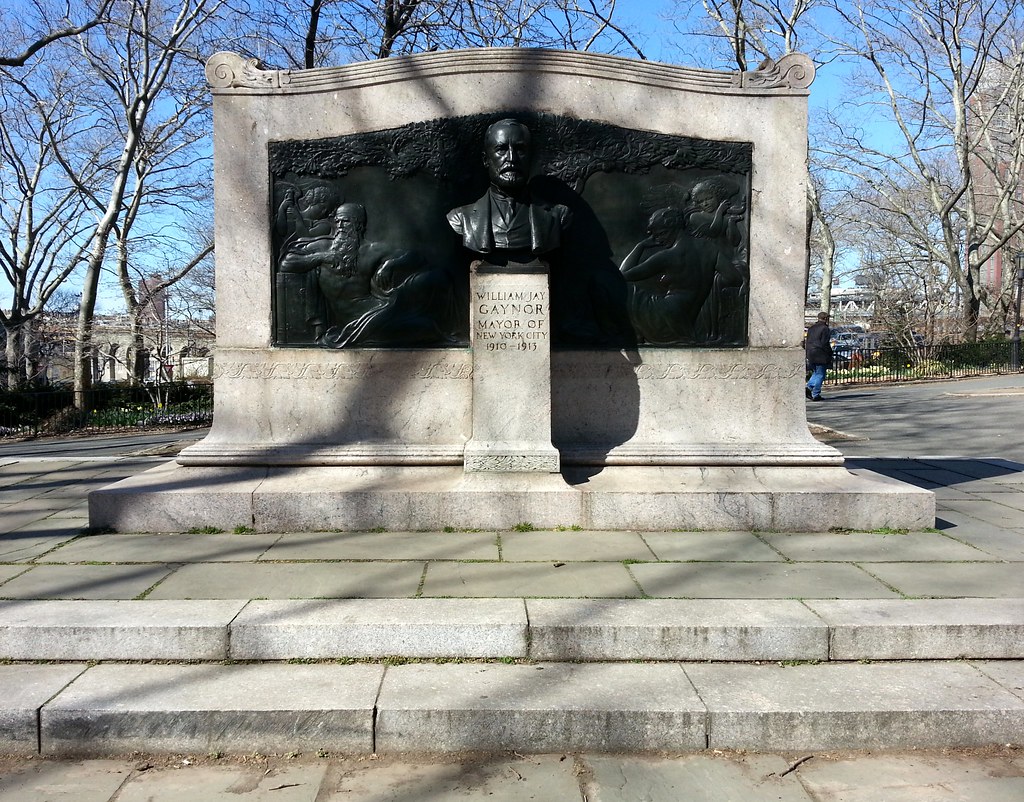
Largely forgotten today, William Jay Gaynor, a former judge who served as the city's mayor from 1910 to 1913, was an incorruptible, brutally sincere, singularly courageous political reformer, not to mention a member of Louis Windmuller's Pedestrians Club, "the most exclusive, distinguished, and enthusiastic walking club in America". Early on in his mayoralty, he was known for commuting exclusively by foot to City Hall from his home in Brooklyn, saying "I walk because I've always walked."
After several months on the job, in August of 1910, he was shot by a disgruntled ex-watchman who had recently been fired from the city's docks, making Gaynor the only mayor of NYC to be wounded in an assassination attempt. He seemingly made a solid recovery — although the bullet stayed lodged in his neck — but then died suddenly a few years later, near the end of his first term, possibly from complications of the shooting (sources vary on this).
In a review of a book about Gaynor by Louis H. Pink (eponym of the Pink Houses), H.L. Mencken had this to say about the man:
Gaynor was that great rarity in American political history: a judge who actually believed in the Bill of Rights. When he sat on the bench in Brooklyn he tried to enforce it to the letter, to the natural scandal of his brethren of the ermine. Scarcely a day went by that he did not denounce the police for their tyrannies. He turned loose hundreds of prisoners, raged and roared from the bench, and wrote thousands of letters on the subject, many of them magnificent expositions of Jeffersonian doctrine. Unfortunately, his strange ideas alarmed the general run of respectable New Yorkers quite as much as they alarmed his fellow judges, and so he was always in hot water. When Tammany, with sardonic humor, made him mayor, he began an heroic but vain effort to give New York decent government. He might as well have tried to make the stockyards of Chicago smell like a field of asphodel. In the end, worn out and embittered by the struggle, he died unlamented, and today political historians scarcely mention him. Yet he was a great political philosopher and a great soul. It is the tragedy of the Republic that such men are so few, and that their efforts, when they appear, go for so little. Gaynor's life was wasted. But was it really? Perhaps some young man will read Mr. Pink's excellent account of him, and come away from it remembering that there is still such a thing as decency, and that even when it fails it is somehow glorious.If you're interested in learning more about Mayor Gaynor, check out this fascinating collection of his letters and speeches. (He was a "prolific" and "perspicacious" letter writer who "spent a considerable amount of his workdays personally answering his constituents.")

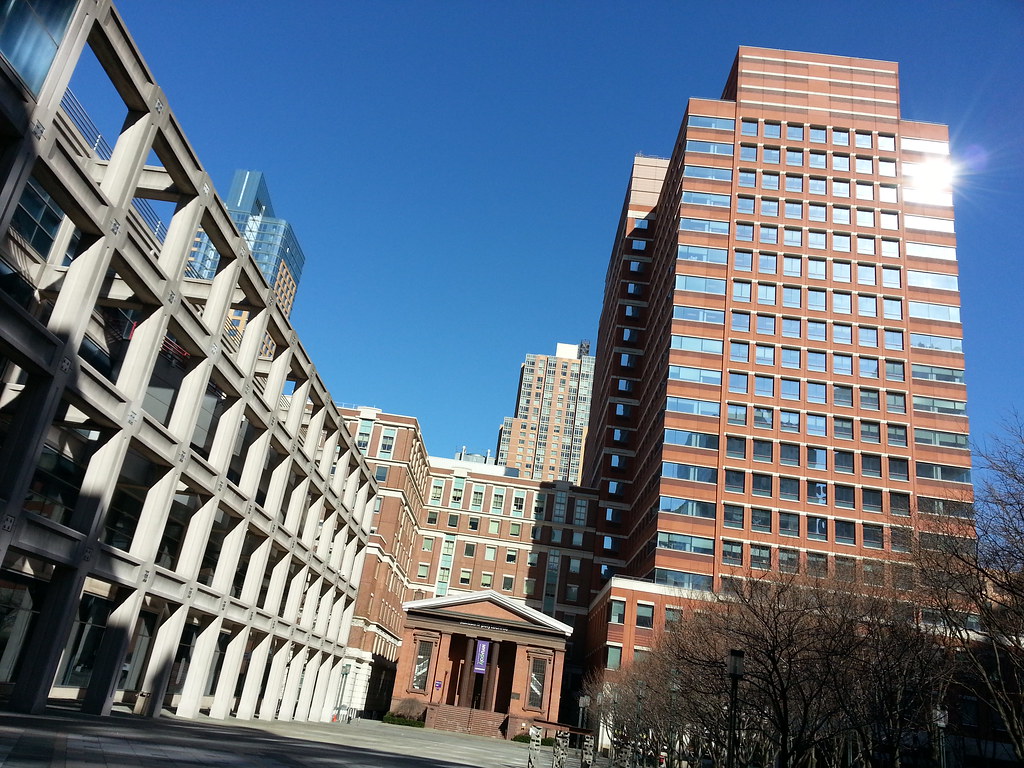
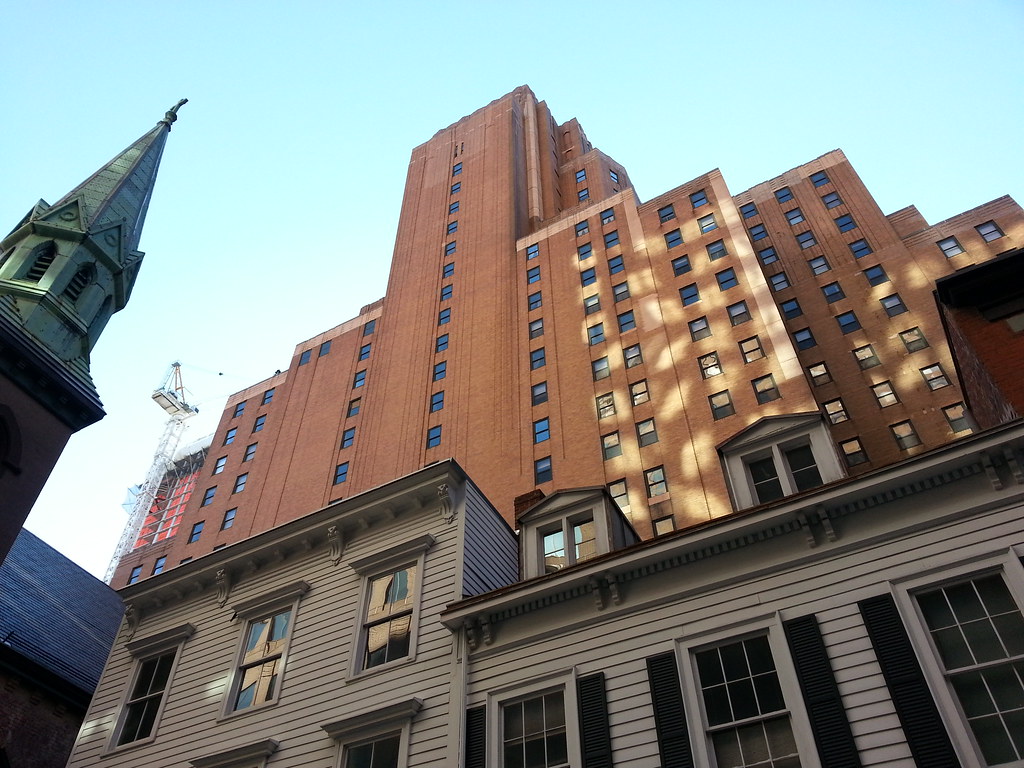
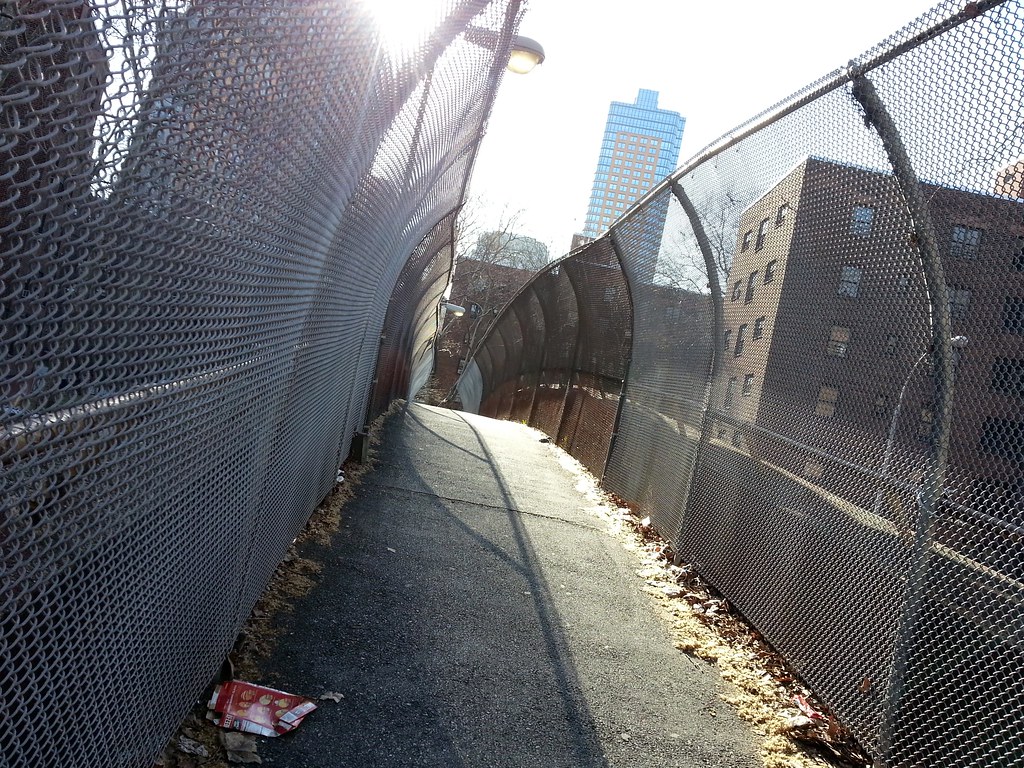
A "fresh flash point in a swiftly changing neighborhood where luxury apartment towers have risen in the last few years" — or maybe not.
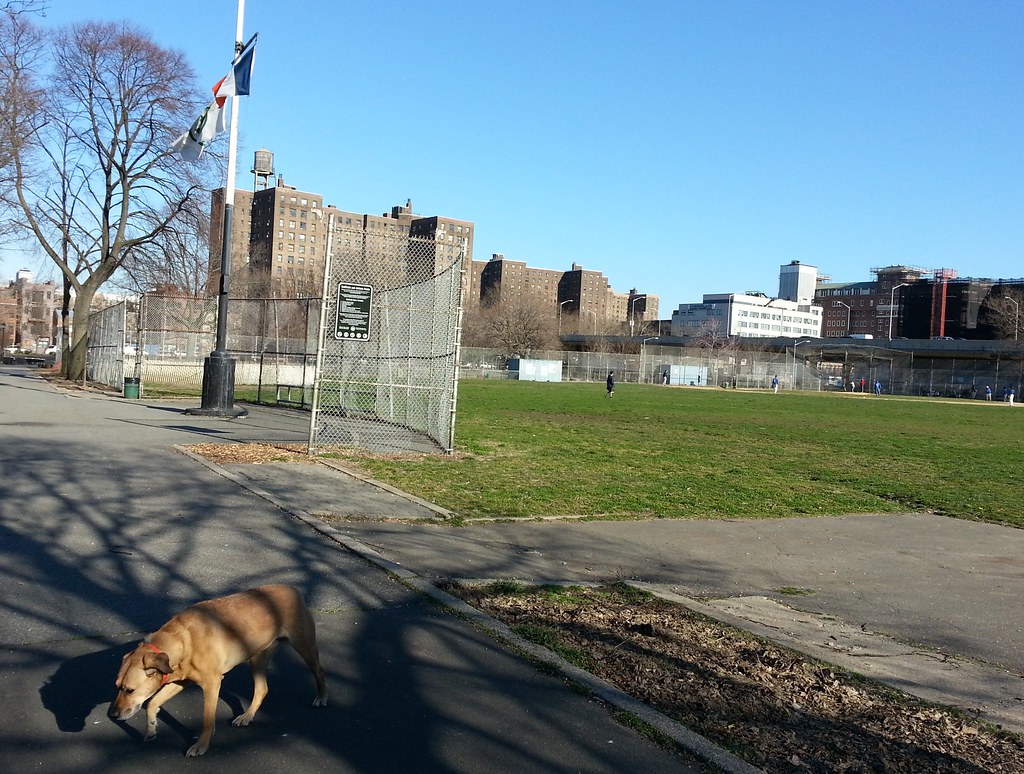
Originally known as City Park, this is Brooklyn's oldest park, dating back to 1836. It seems to have been largely neglected by the city for most of the 19th century, however, according to the Brooklyn Daily Eagle. Here's what the paper had to say about the park over the years:
1845, sarcastically: "We need hardly caution our readers not to linger too long at any one time in the midst of its enchantments."
1869, comparing it to the single-block Carroll Park, on which $19,000 had been spent during the previous year: "City Park is four blocks. If the Park Commissioners ever spent nineteen cents on it, not to say nineteen thousand dollars, the expenditure is not apparent."
1887, after referring to it as a "grotesquely so called pleasure ground": "The City Park is an unfortunate spot. It is not known to have ever contributed to the enjoyment of a single human being, while for most persons a visit to it is extremely depressing."

This building was once part of the Rockwood & Company cocoa and chocolate factory complex. In its prime, Rockwood was America's second-leading manufacturer of chocolate, trailing only Hershey's.


One of many lingering signs of the long-ago military days at the Brooklyn Navy Yard

The Church of St. Luke and St. Matthew, damaged a few months ago by a "suspicious fire"
reads the sign in the window of the once-genteel 532 Clinton Avenue

From our last visit to a Rubel Coal & Ice building:
The tale of Samuel Rubel exemplifies the classic American rags-to-riches story: Penniless Latvian immigrant arrives on the streets of New York; builds multi-million-dollar coal-and-ice empire from meager beginnings as a door-to-door peddler; proposes to employee, then later breaks off the engagement; she sues him; he has her arrested on charges of forgery and grand larceny; they later get married, have two kids, and live happily ever after.

"The only pure Greek Revival buildings in the [Clinton Hill Historic District] are the unusual pair of extremely wide (25 feet) clapboard houses at 448-450 Waverly Avenue, probably erected during the 1840s."

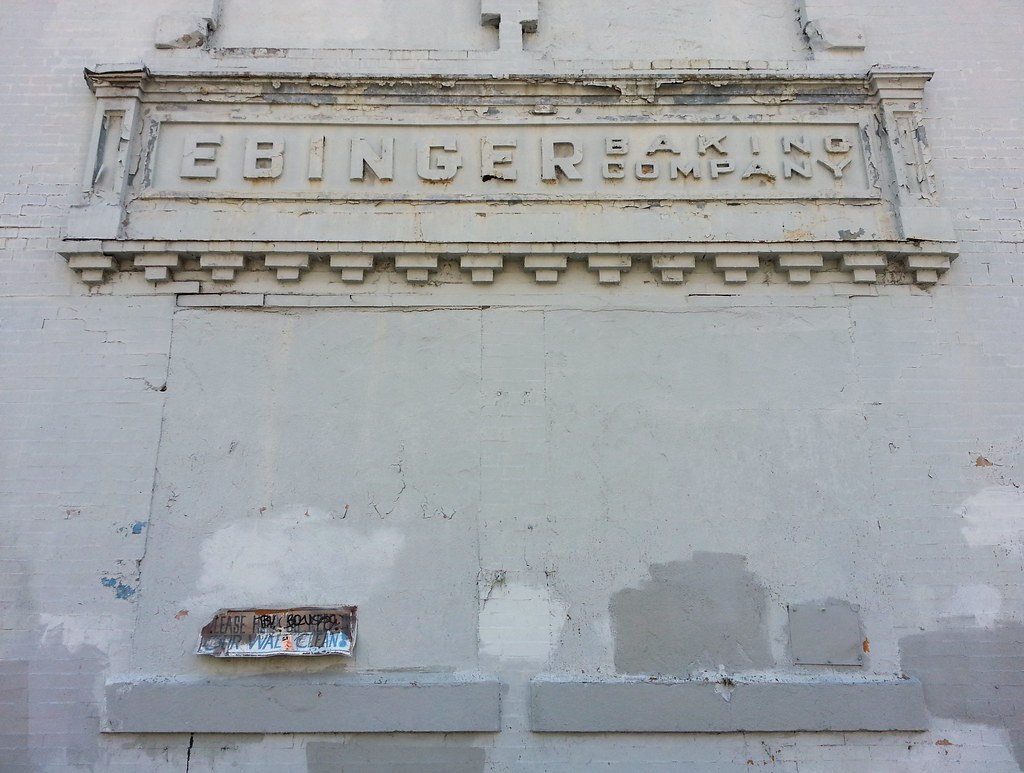
Home of the blackout, as well as some discriminatory hiring practices
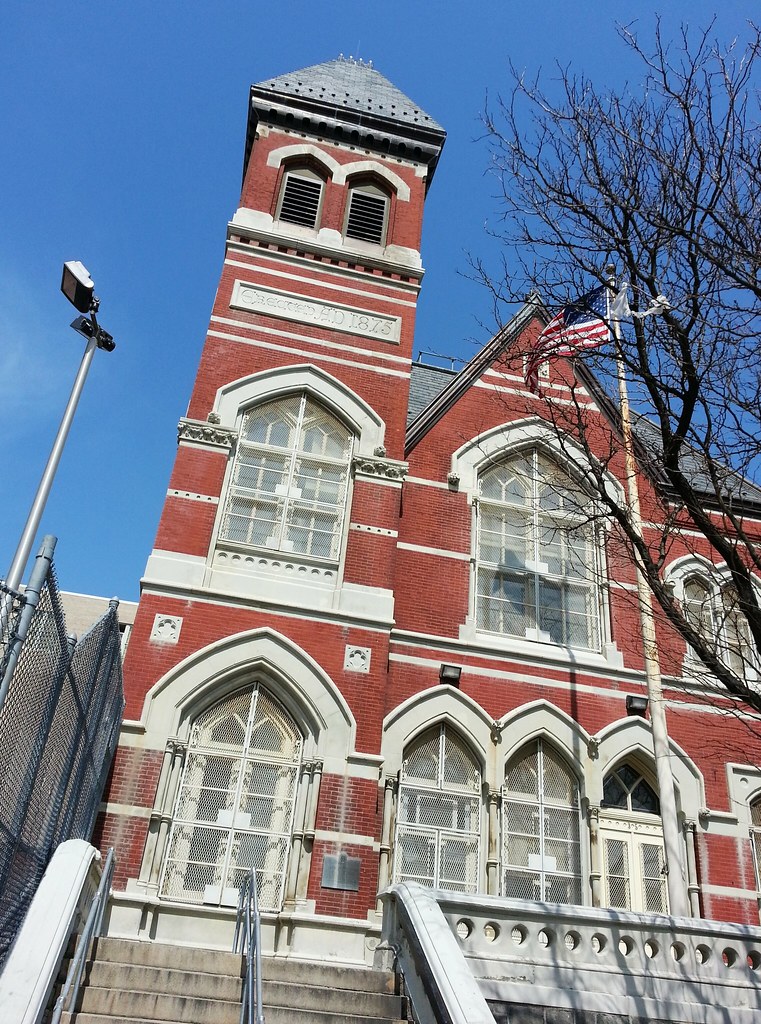
This building was erected in 1875, back when Flatbush was an independent town.

Mt. Zion Church of God (7th Day), formerly Congregation Ahavas Achim


Wandering around Holy Cross Cemetery today, I came upon this highly unusual family crypt. In order to access the vault, you have to turn that wheel at the base of the monument, which rotates the threaded shaft and slides the massive stone cover out of the way. It takes forever to open, according to one of the cemetery's maintenance workers who's had to do it a few times over the years.

This system helps ensure that the cemetery guards make their rounds in a timely manner.
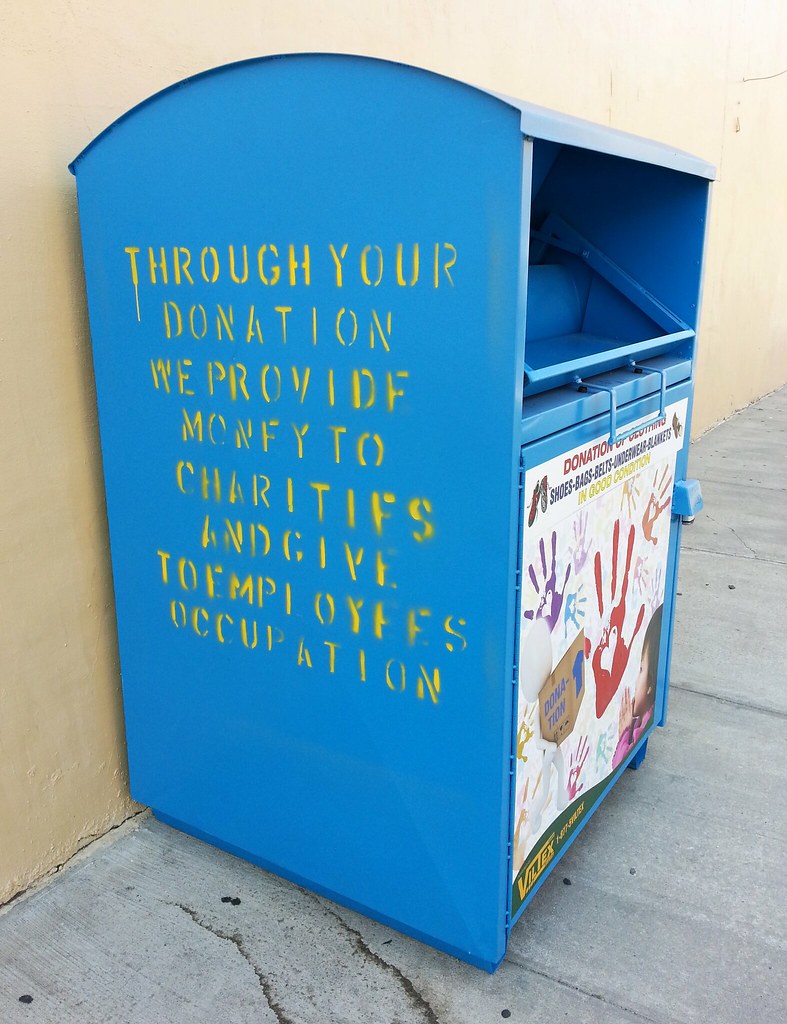
A little bit of Yoda-speak from this for-profit clothing donation bin

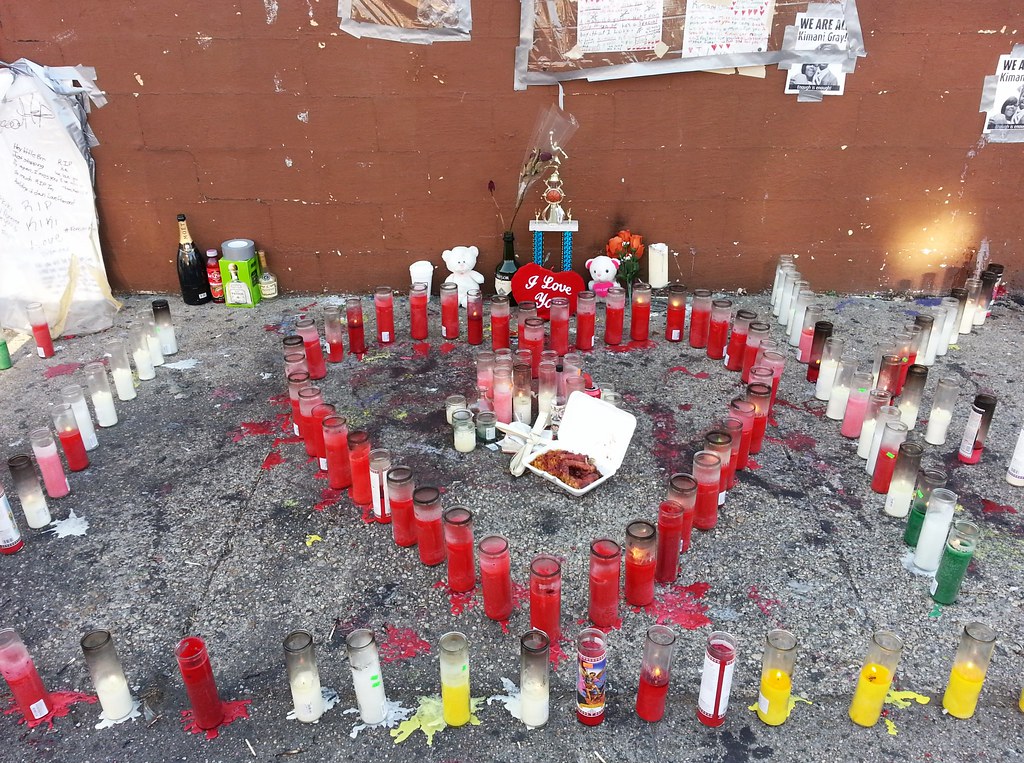
for Kimani Gray. You can see a wider shot here.




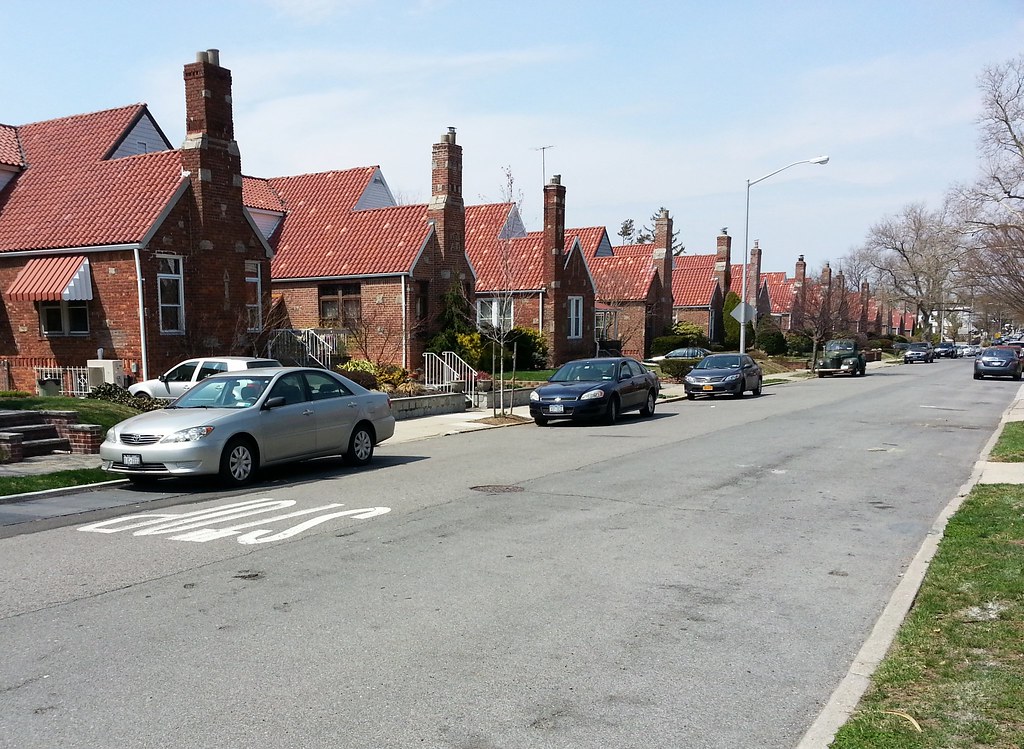

An unusual plant featured in several front yards on this block


