Someone hath absconded with the bark nuggets at Mount Hebron Cemetery.

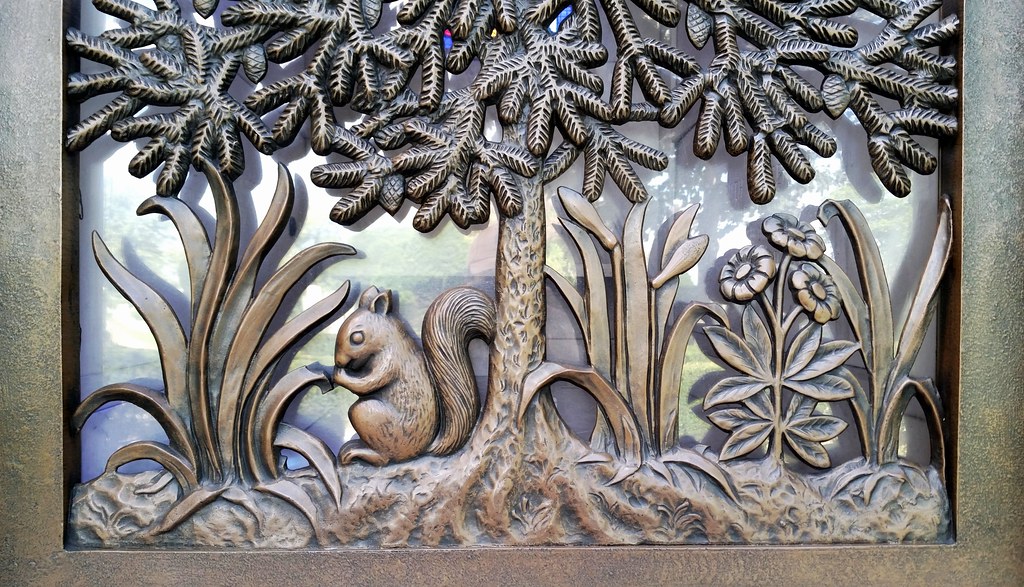
A detailed nature scene on the door of a mausoleum. Check out this distinct but very similar design I found on another mausoleum here at Mount Hebron Cemetery.

Sometime around 1988, Barbra Streisand built this mausoleum at Mount Hebron Cemetery as her future resting place. Her mother Diana was subsequently interred here*; her father Emanuel, who was long dead at the time of the mausoleum's construction, is buried elsewhere in the cemetery*, although there is reportedly a plan to move him here at some point. An inscription on the door reads: "Designed by Sheldon J. Streisand in memory of his beloved father, Emanuel Streisand".
* According to interment records on the cemetery's website.

Interred here is Sam LeFrak, the prolific and bombastic builder of middle-income housing. Peeking inside the mausoleum, I spotted a collection of pamphlets for some real estate projects developed in recent years by the family company, now run by Sam's son Richard.

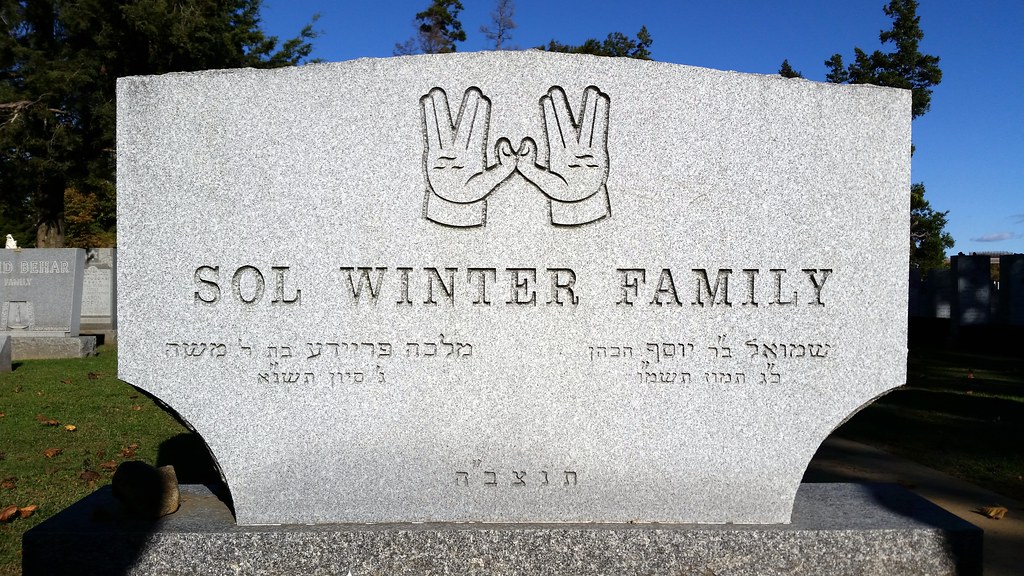
This section of Mount Hebron Cemetery features many former stars of Yiddish theater.

My grandparents! (My grandma was one of the famous Lee Sisters.)
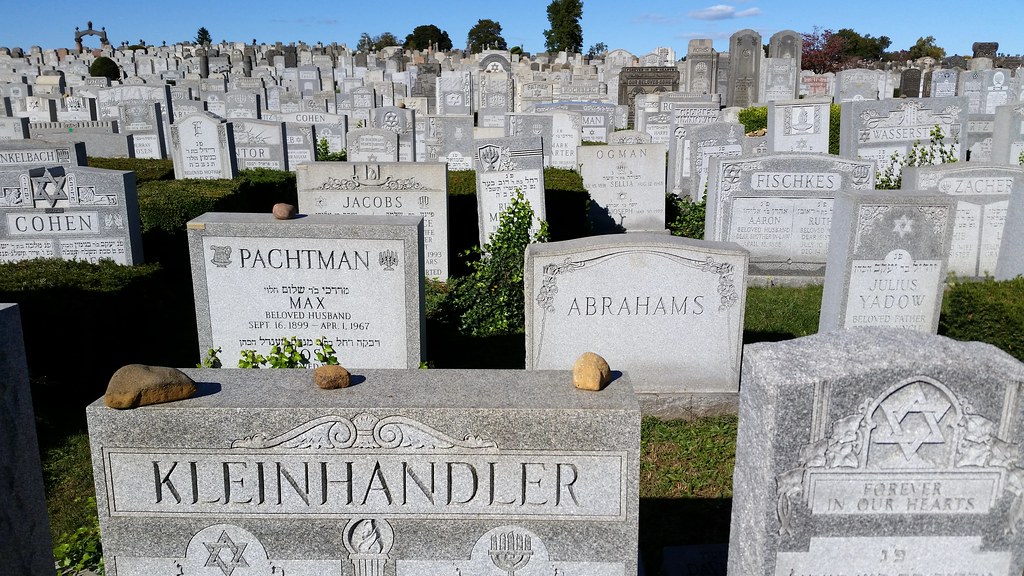
They're not too big on personal space here at Mount Hebron Cemetery.
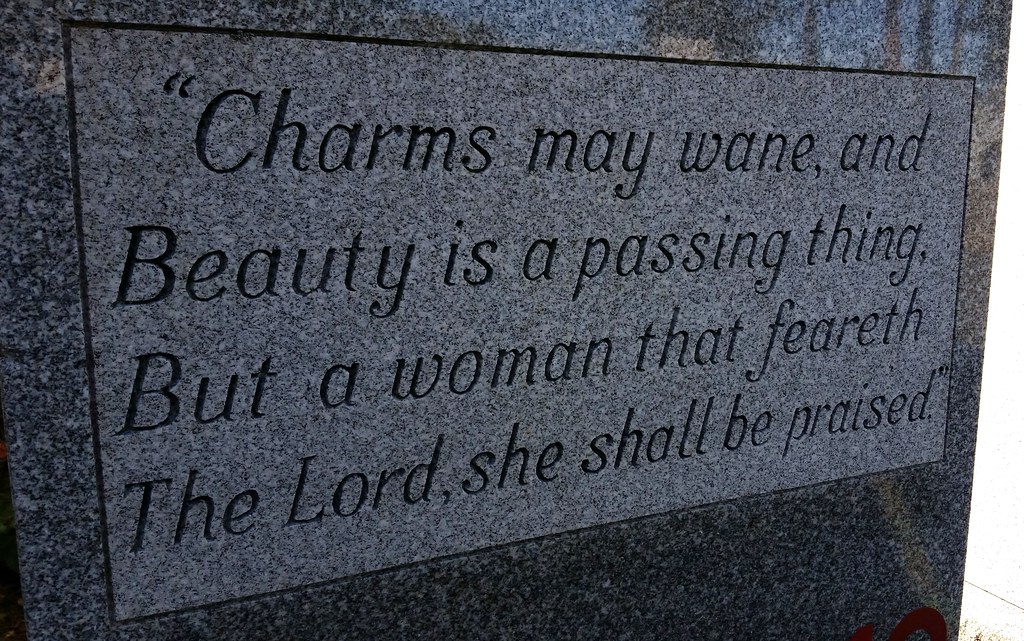
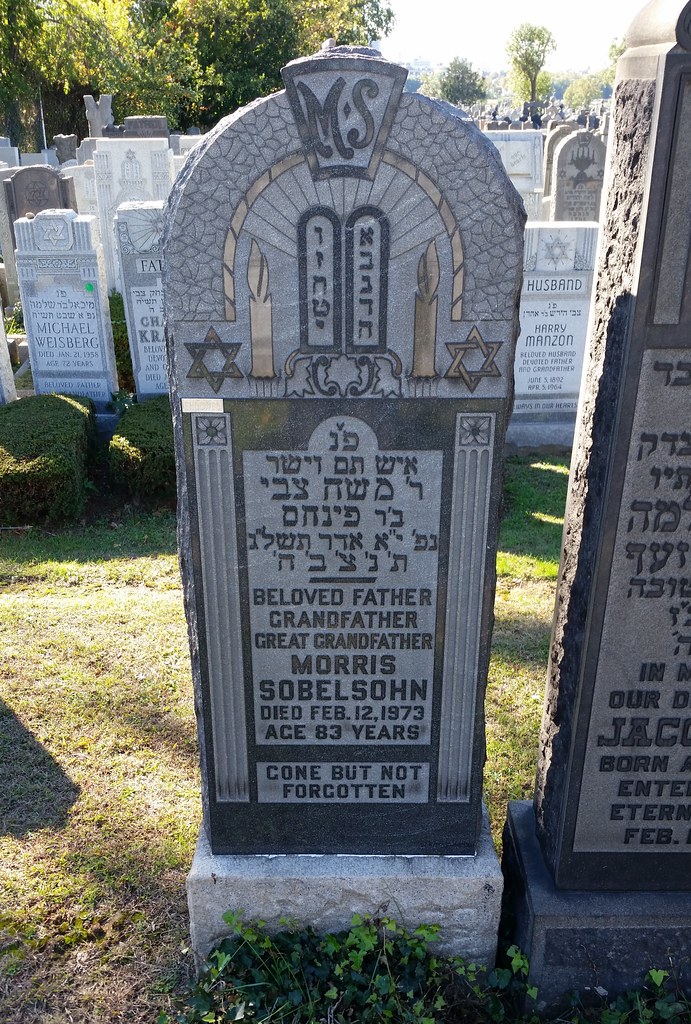
We previously caught sight of him from outside the cemetery fence.
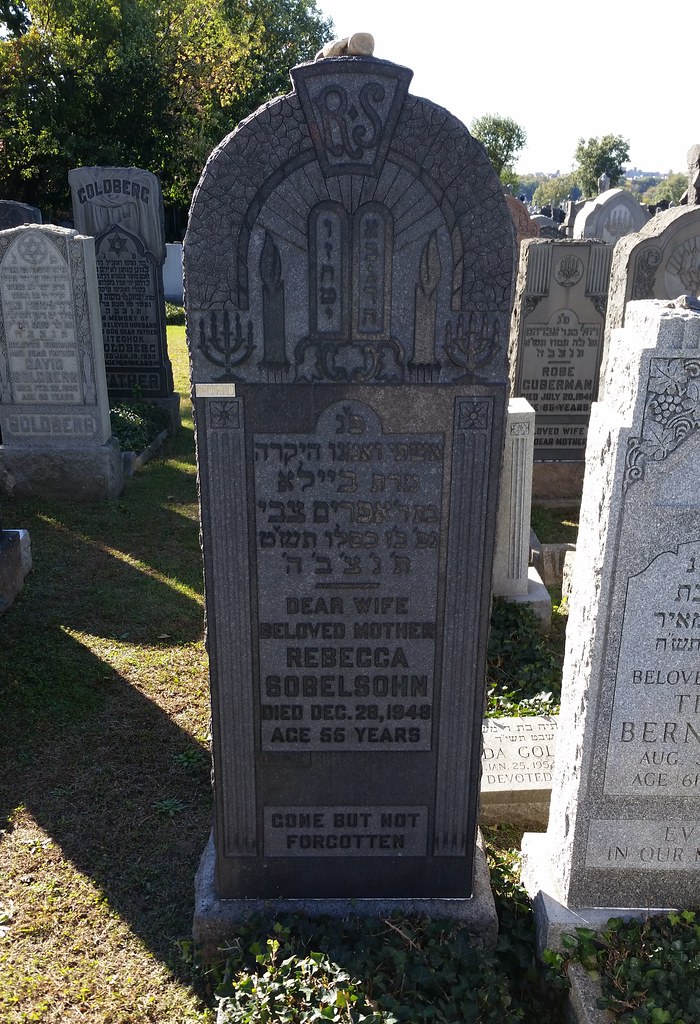

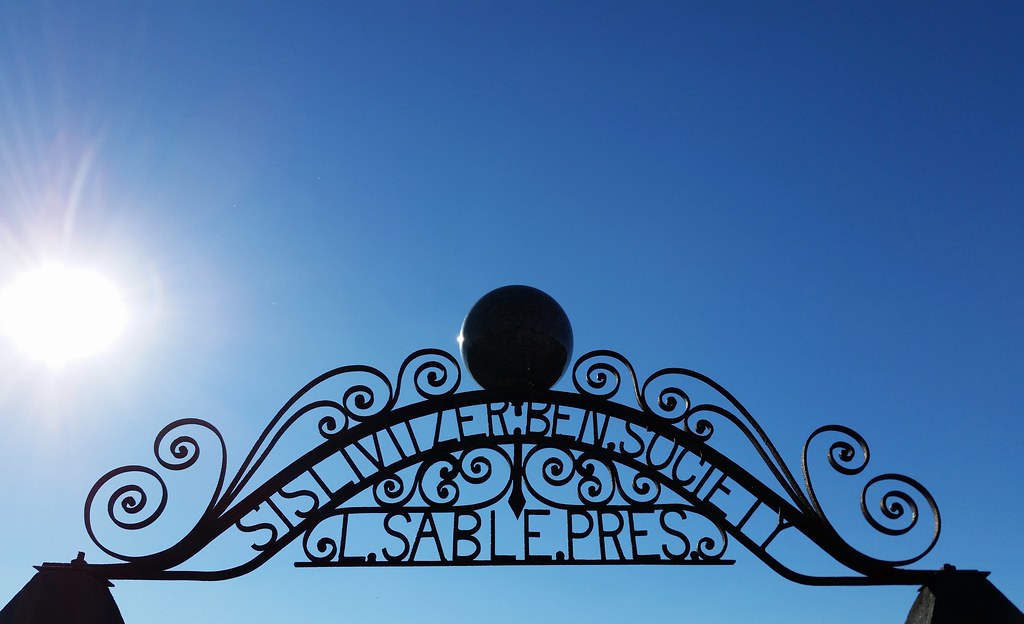
at Cedar Grove Cemetery. Mount Hebron Cemetery was carved out of Cedar Grove in 1909 and now occupies about 80% of the original property. There are no physical barriers between the two intermingled cemeteries; the only distinction is that Cedar Grove is non-sectarian, while Mount Hebron is Jewish.


A sink and a two-handled cup for ritual hand washing at Mount Hebron Cemetery
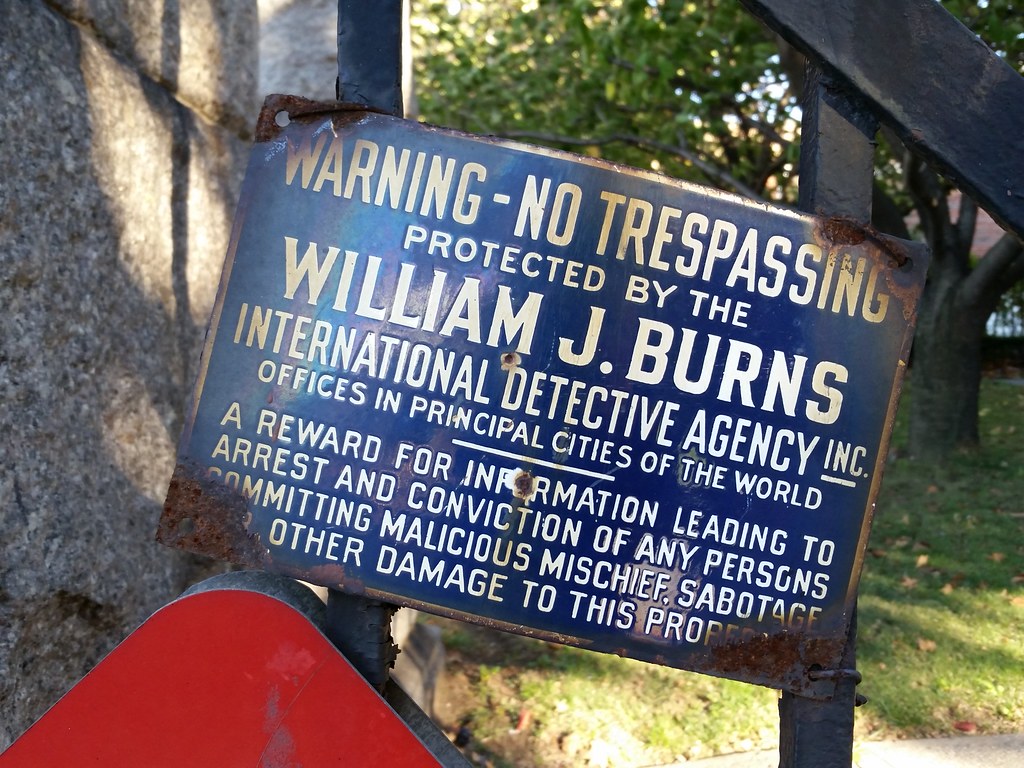
This eye-catching sign for the William J. Burns International Detective Agency reads like something out of a (Wes Anderson?) movie.

at the Queens Botanical Garden. A plaque at the base of this tree sculpture reads: "A symbol of strength and renewal, this tree is dedicated to the victims and heroes of 9/11 and to the power of hope, healing, and community."


This is one of two blue Atlas cedars flanking the Queens Botanical Garden's tree sculpture entrance on Main Street. The trees have been part of the garden since its first incarnation as the Gardens on Parade exhibit at the 1939-40 World's Fair. When the garden moved to its current site to make way for the 1964-65 World's Fair, the trees moved with it.
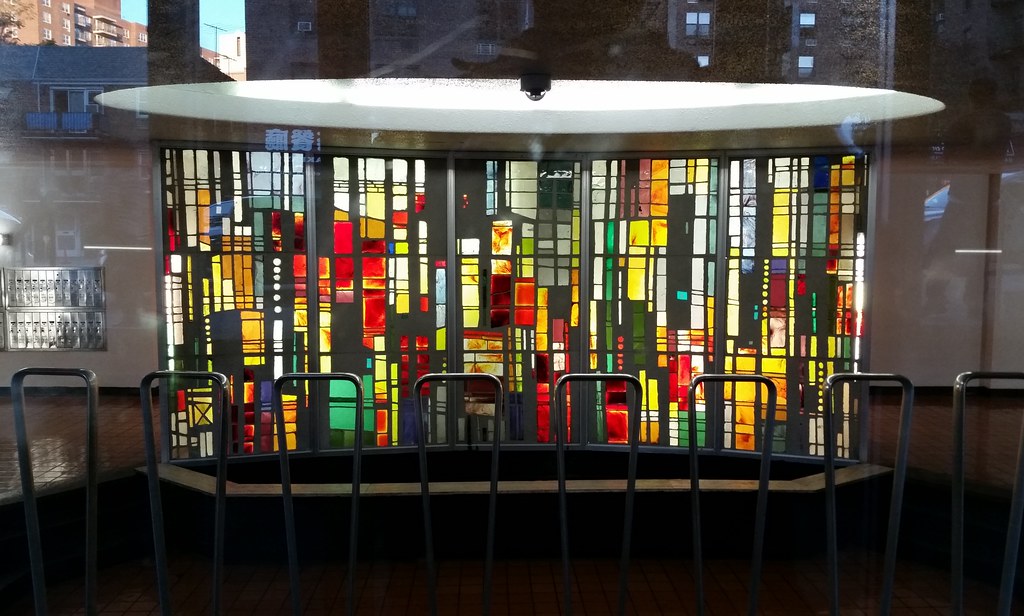

This structure, officially known as the Benjamin S. Rosenthal Post Office Building (it was renamed for a former congressman whose district office was located in the building), looks like it's in better shape than it was a year ago.
According to its listing on the National Register of Historic Places:
The building is the most distinguished of the Colonial Revival post offices erected in New York City during the 1930s, one of the most prolific periods of post office construction in the nation’s history. . . .
In addition to its architectural significance, the Flushing Post Office contains an artistically significant mural which runs around the entire lobby. This mural was commissioned by the Public Works of Art [Project] from Vincent Aderente and executed in 1933-4.

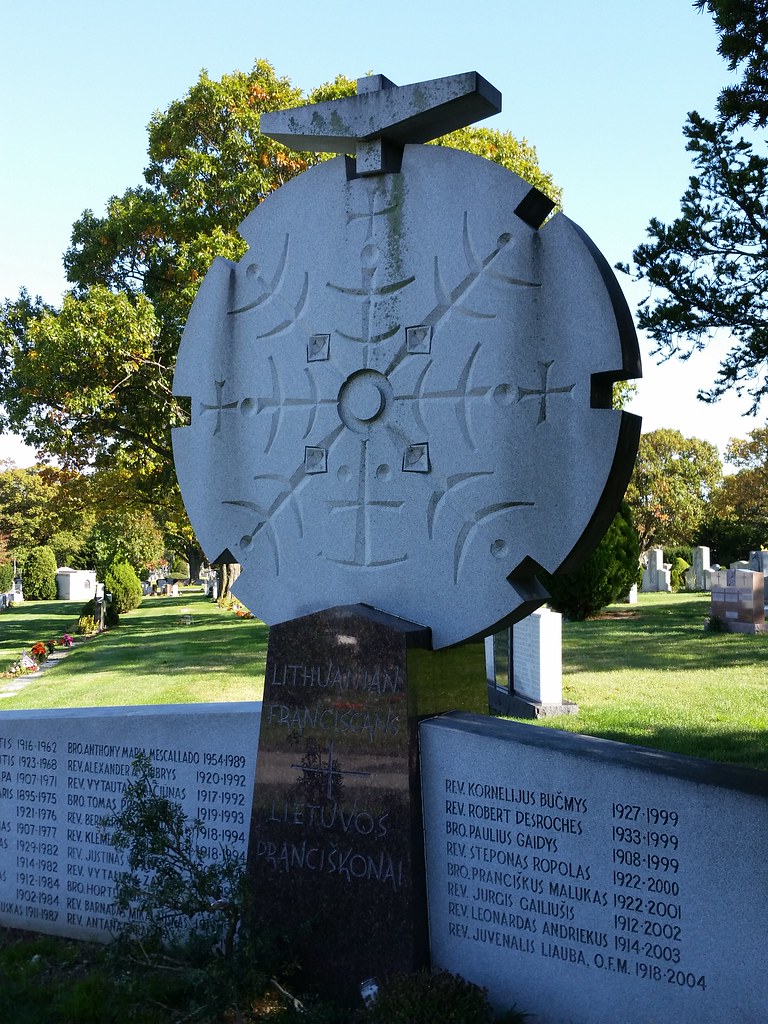
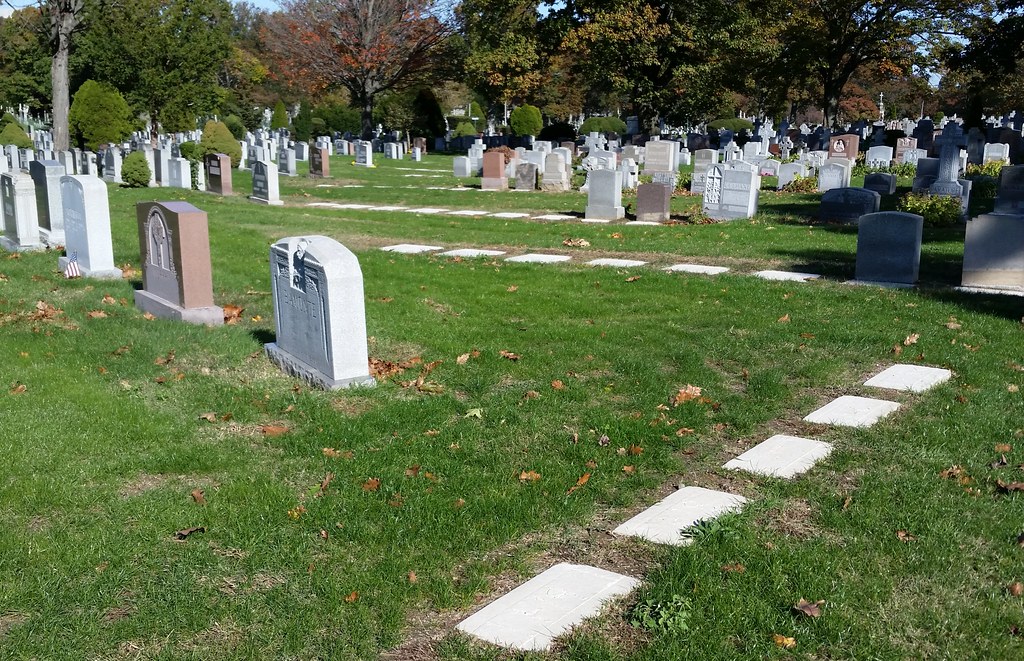
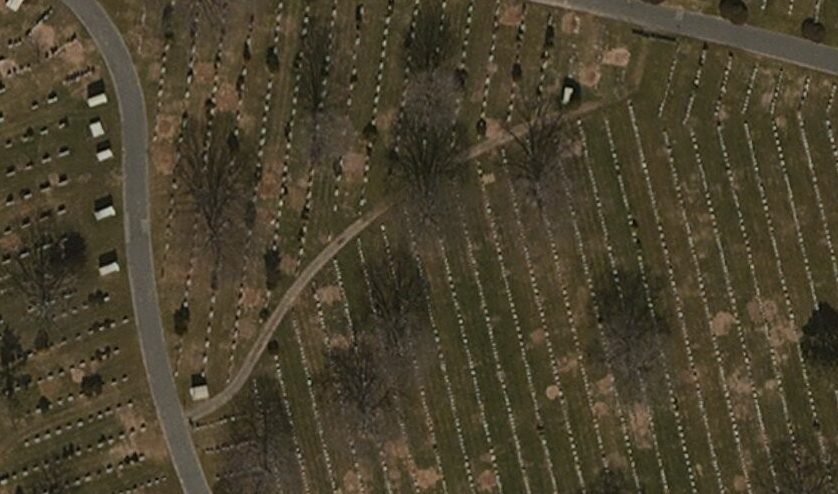
They're running out of places to bury people here at St. John Cemetery. In the photo above, we can see the former route of a path that has been removed (before and after) to make room for more graves.
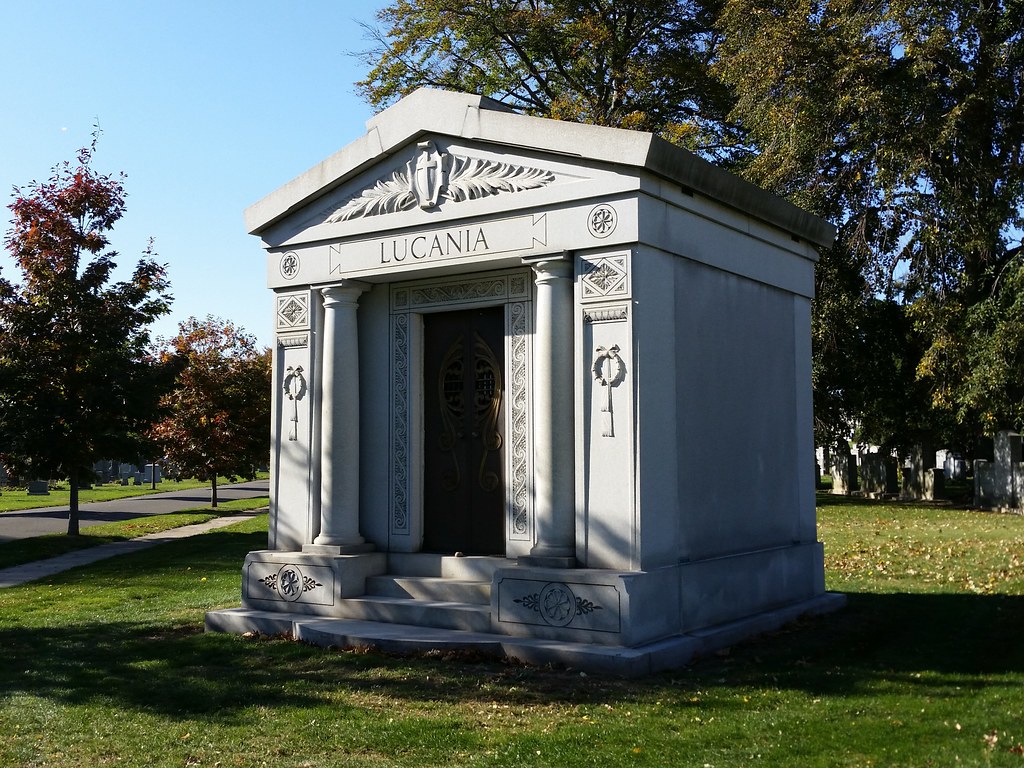
a.k.a. Lucky Luciano, one of a staggering number of prominent mobsters buried here in St. John Cemetery
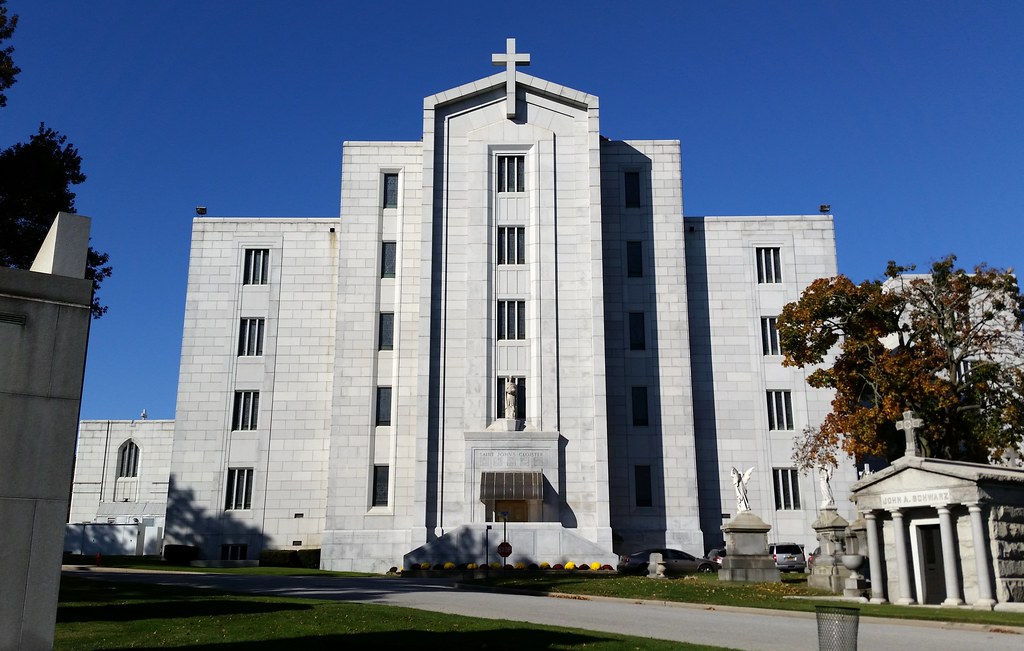
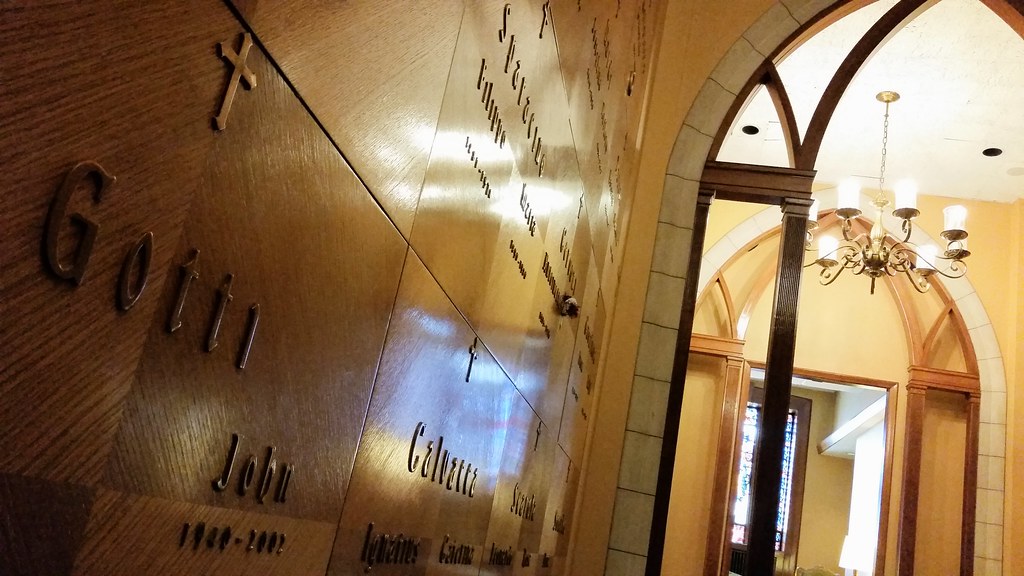
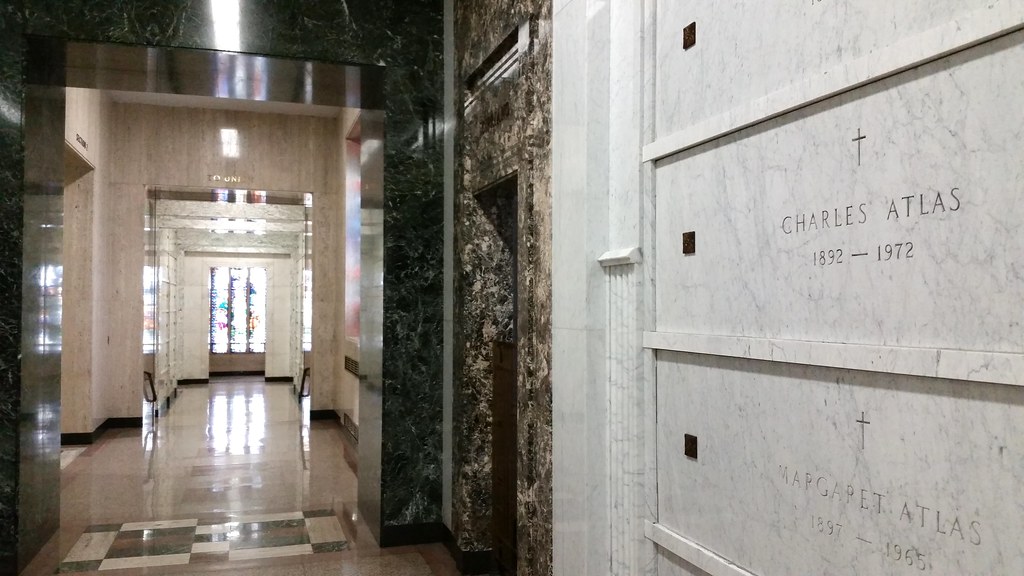
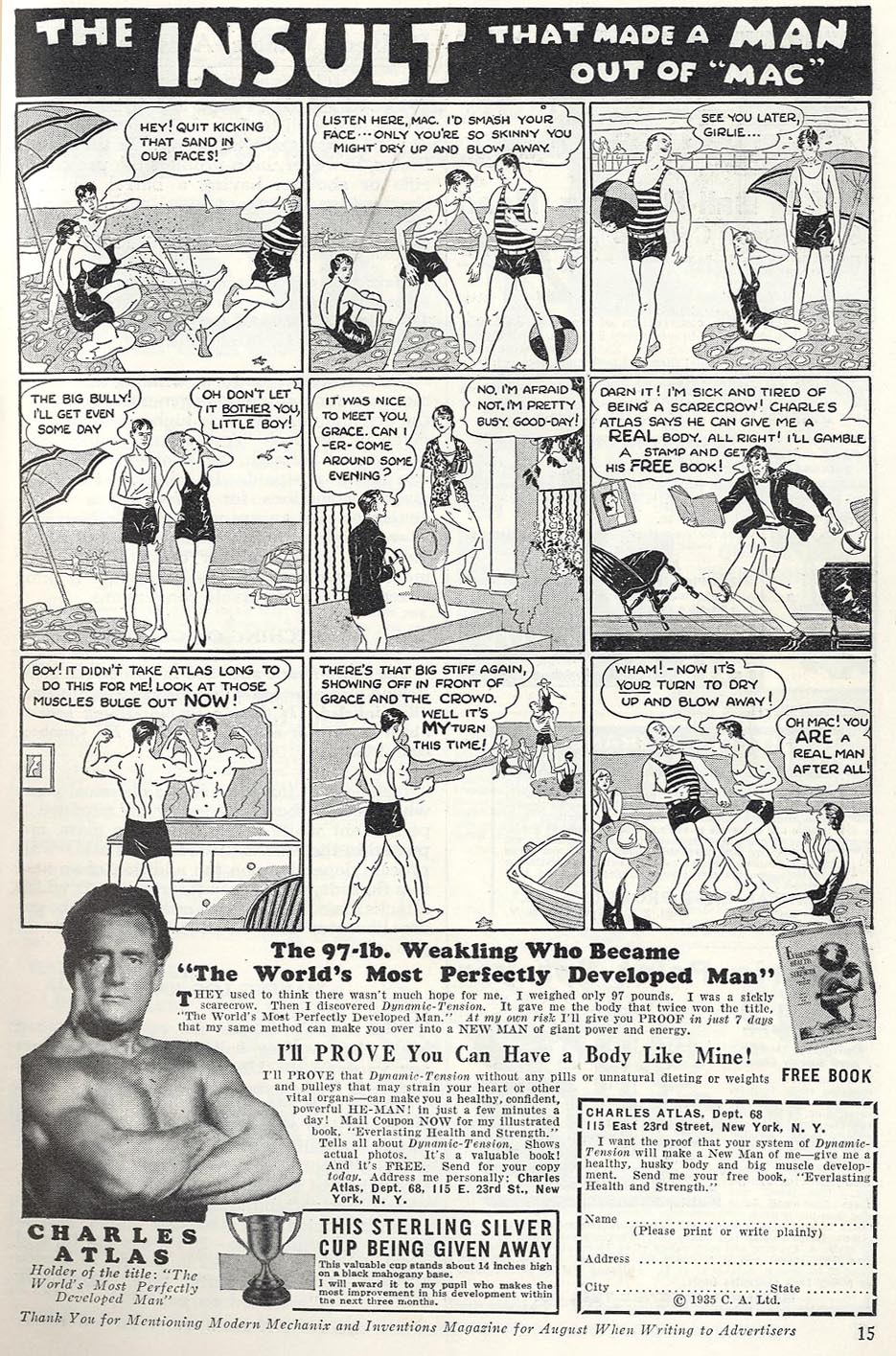
Angelo Siciliano was a "97-pound weakling" who transformed himself into Charles Atlas, the millionaire muscleman with the famously advertised mail-order fitness course.
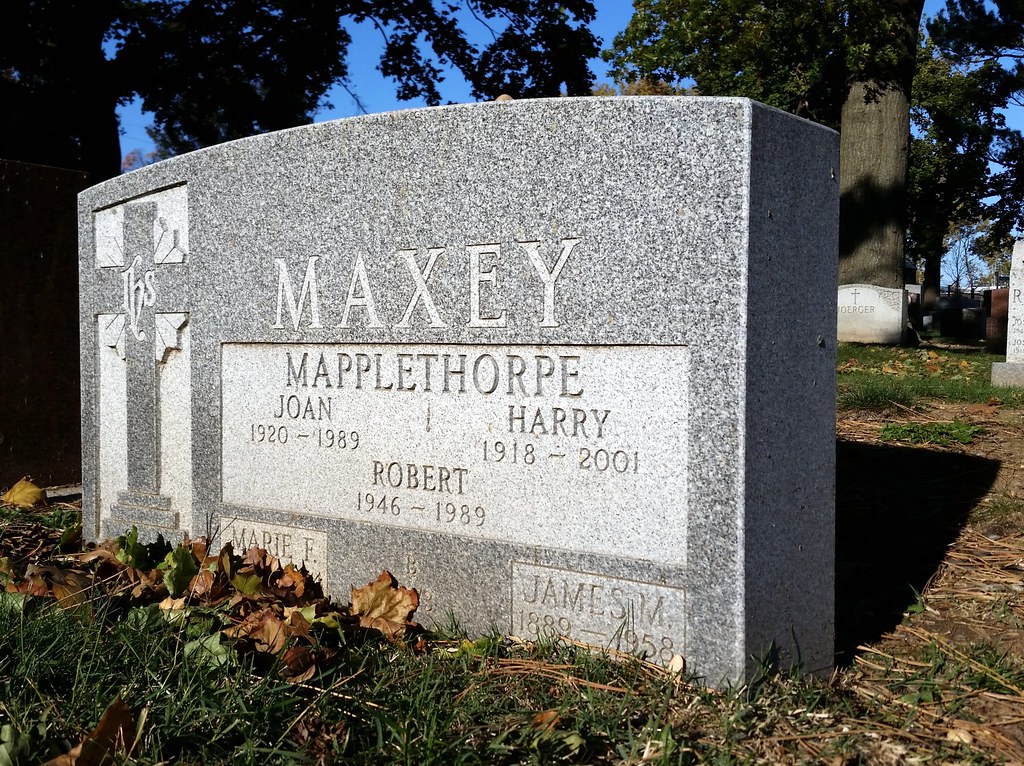
From his 1989 NY Times obituary:
Mr. Mapplethorpe first gained widespread notice in the late 1970's for his elegantly composed, beautifully printed black-and-white photographs of the male figure, many of which were explicitly homoerotic. But he photographed the female nude with equal stylishness. Throughout his career he made portraits and still lifes of an almost sublime simplicity and intensity.
His photographs show a remarkable ability to give even the most common photographic subjects the status of icons.

One of Brooklyn's most successful beer brewers and the man behind the spectacular St. Barbara's Church in Bushwick
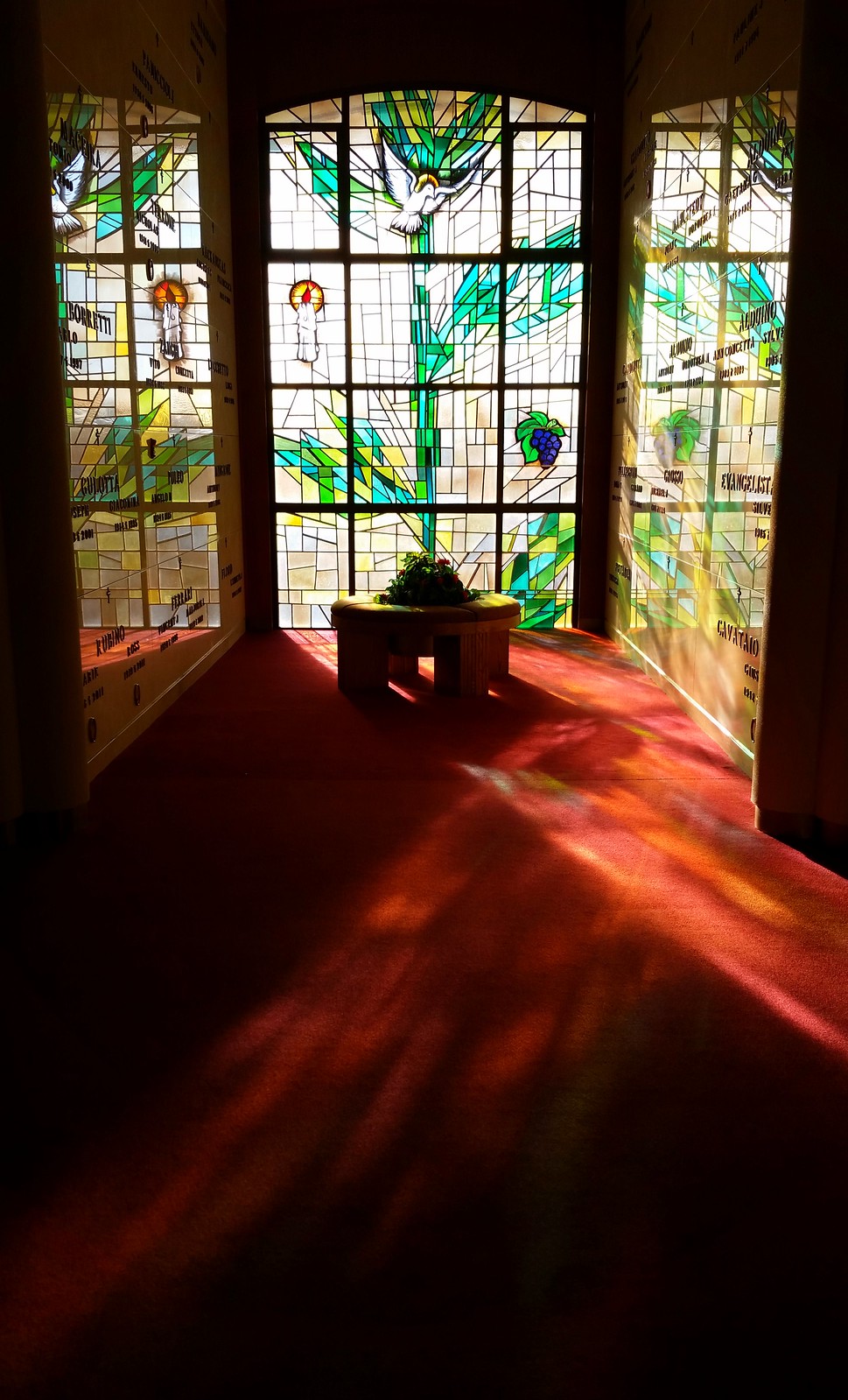
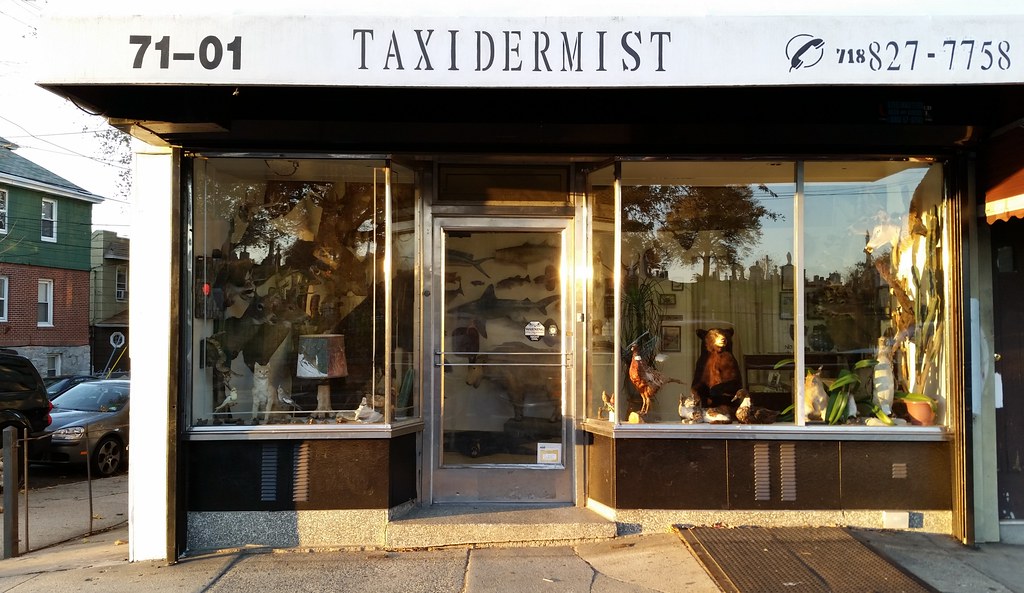
John Youngaitis stuffs animals large and small, wild and domestic.
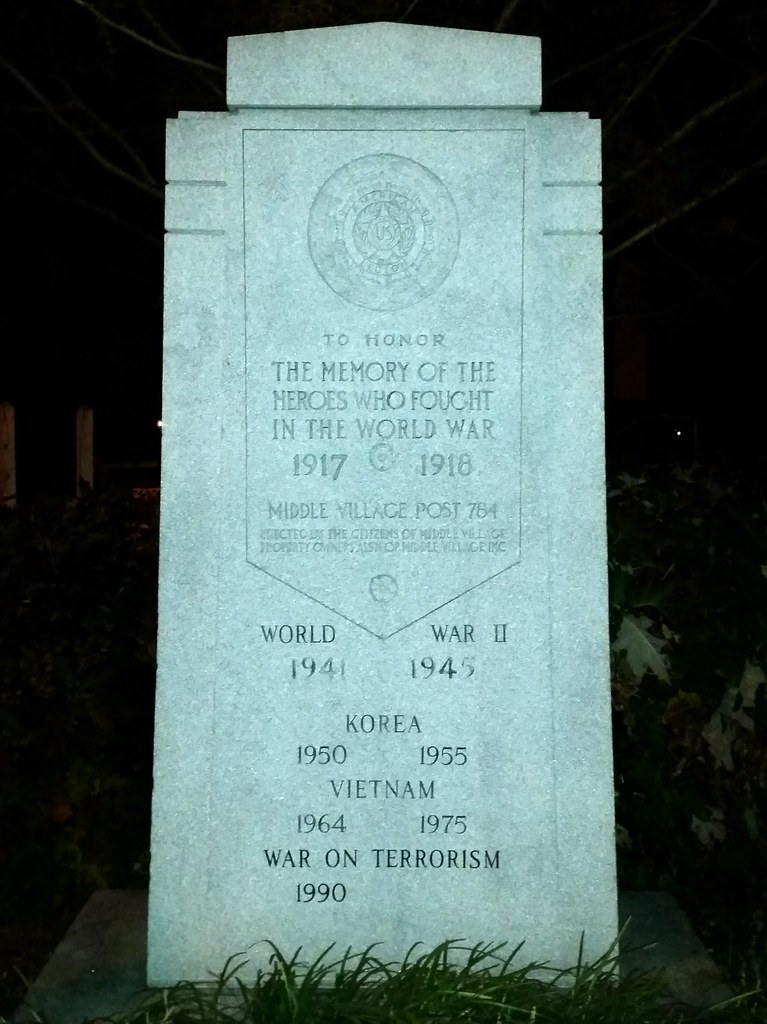
This monument (reminiscent in a way of one we saw in Bayside) is a little factually challenged. For one thing, the Korean War ended in 1953, not 1955. As for the most recently added conflict: 1990 was the start of the seven-month-long Gulf War against the state of Iraq, while the War on Terror(ism) commenced in 2001 after the 9/11 attacks.
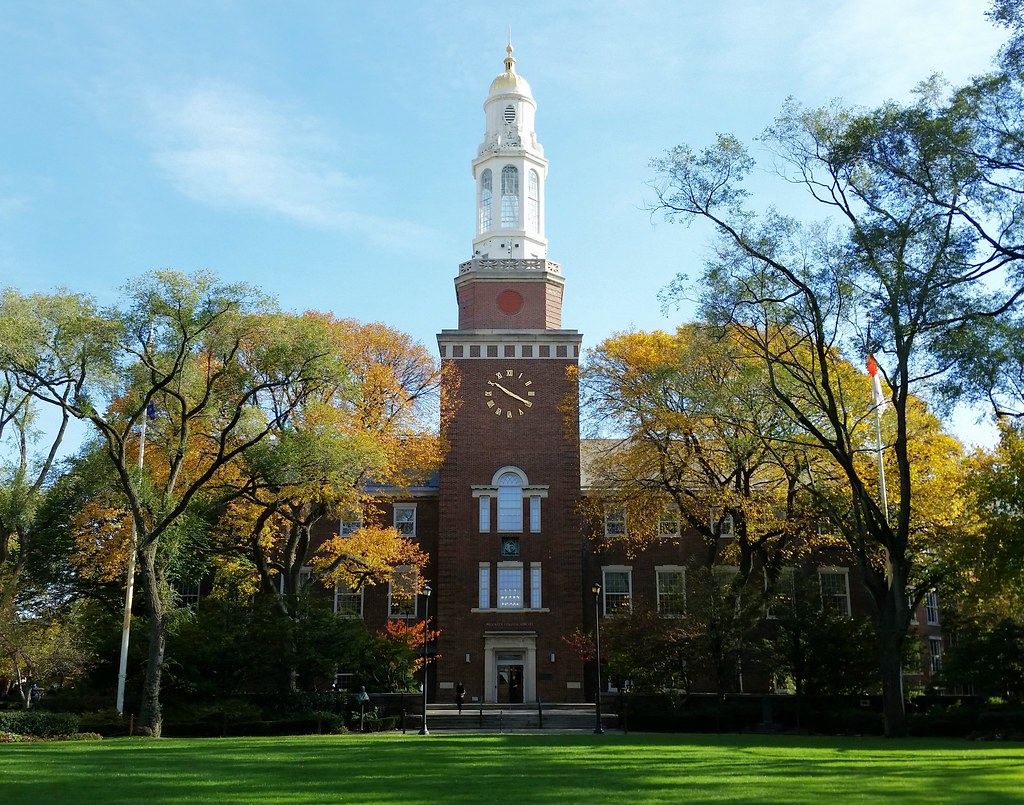

This tablet, a replica of a 4th-century B.C. stele (photo) that was discovered in Greece in 1932, bears the text of two oaths. The relevant one in this case is the Ephebic Oath, an ancient Athenian oath of citizenship that enjoyed a brief revival as a popular expression of civic virtue in 20th-century America. The oath has since largely fallen into obscurity again, but Brooklyn College still has its students recite this translation of it at graduation:
We will never bring disgrace to our city by any act of dishonesty or cowardice, nor ever desert our suffering comrades in the ranks; we will fight for the ideals and sacred things of the city, both alone and with many; we will revere and obey the city’s laws and do our best to incite a like respect and reverence in those about us who are prone to annul them and set them at naught; we will strive unceasingly to quicken the public’s sense of civic duty; and thus, in all these ways, we will strive to transmit this city not only not less, but greater, better, and more beautiful than it was transmitted to us.

I don't know if you can read the banners above, but Brooklyn College has been transformed into the fictional Townsend College for the TV show The Following.

but up in that light tower is a nest (closer look) belonging to the famed Brooklyn College flock of wild parakeets.
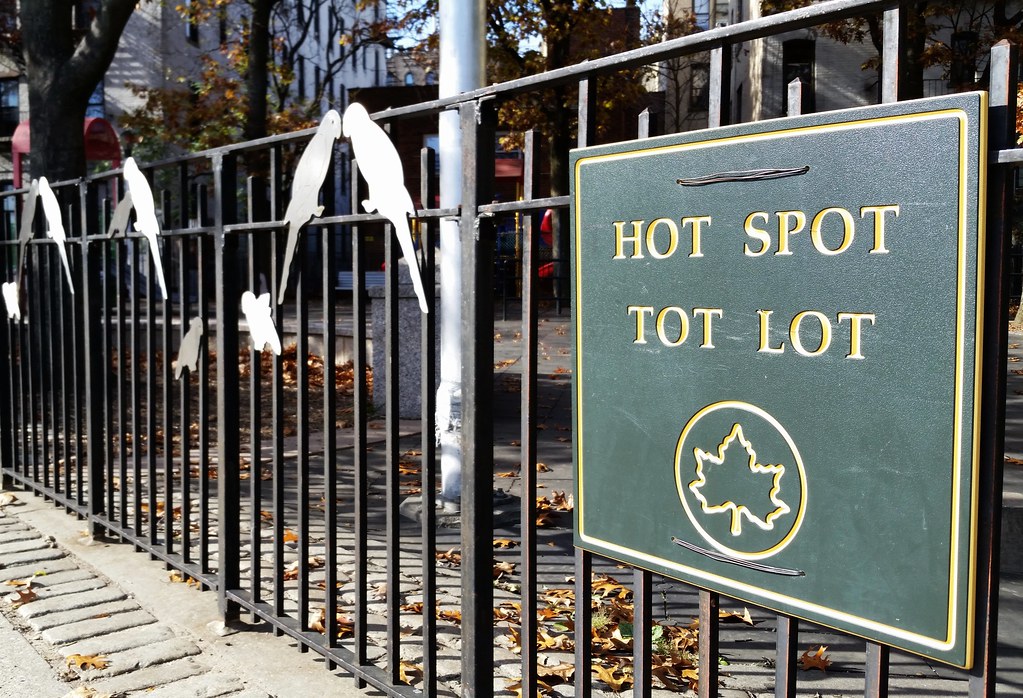
Located across the street from the "Wild Parrot Hot Spot" that is the Brooklyn College athletic field, this playground is appropriately decorated with parakeet silhouettes. (The zany name and animal art are clear signatures of former Parks Commissioner Henry Stern.)
P.S. Check out the crazy rules in effect here!
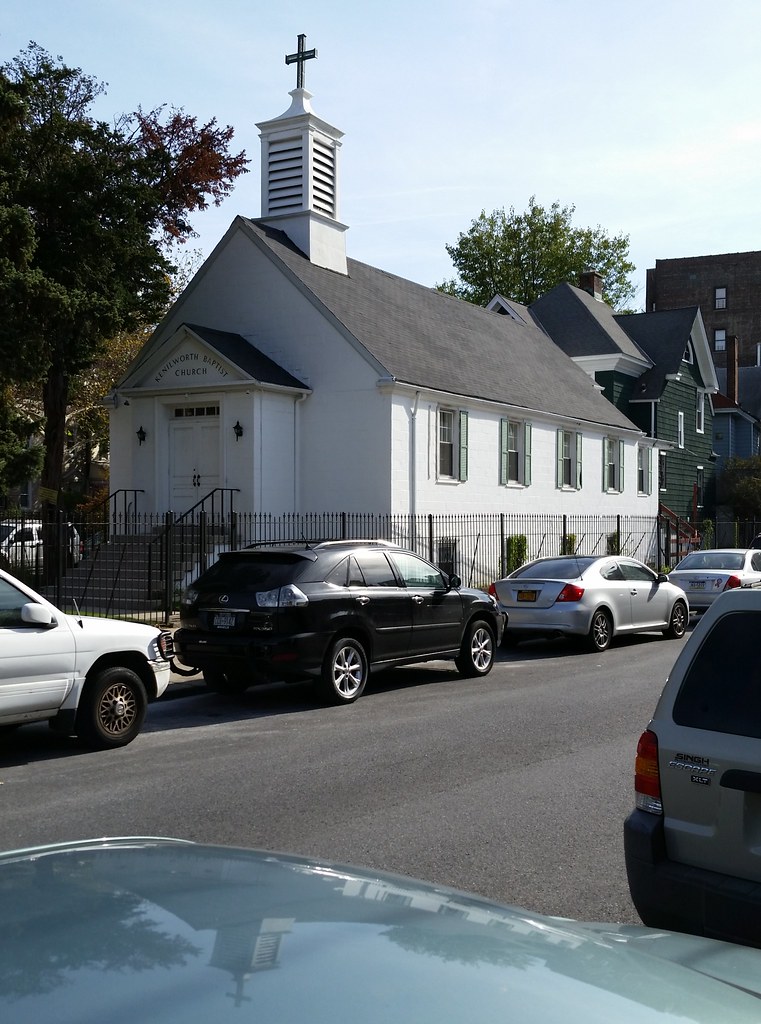
When this little church was dedicated in 1938, it didn't look much different than it does today.

The dawn redwood is often referred to as a "living fossil". In 1941, a Japanese paleobotanist identified a new genus of redwood in the fossil record. Once spread across large parts of the northern hemisphere, these trees appeared to have gone extinct. Within a few years, however, living specimens were discovered in central China. In the decades since, with seeds distributed around the globe, dawn redwoods have once again taken root in the US and elsewhere, and are now a popular street tree in New York. What seems to be the most well-known one in Brooklyn can be found on Willow Street in Brooklyn Heights (Street View).
(I'm no botanist, but I'm fairly certain the tree above is a dawn redwood. Here are closer looks at its foliage and its trunk.)
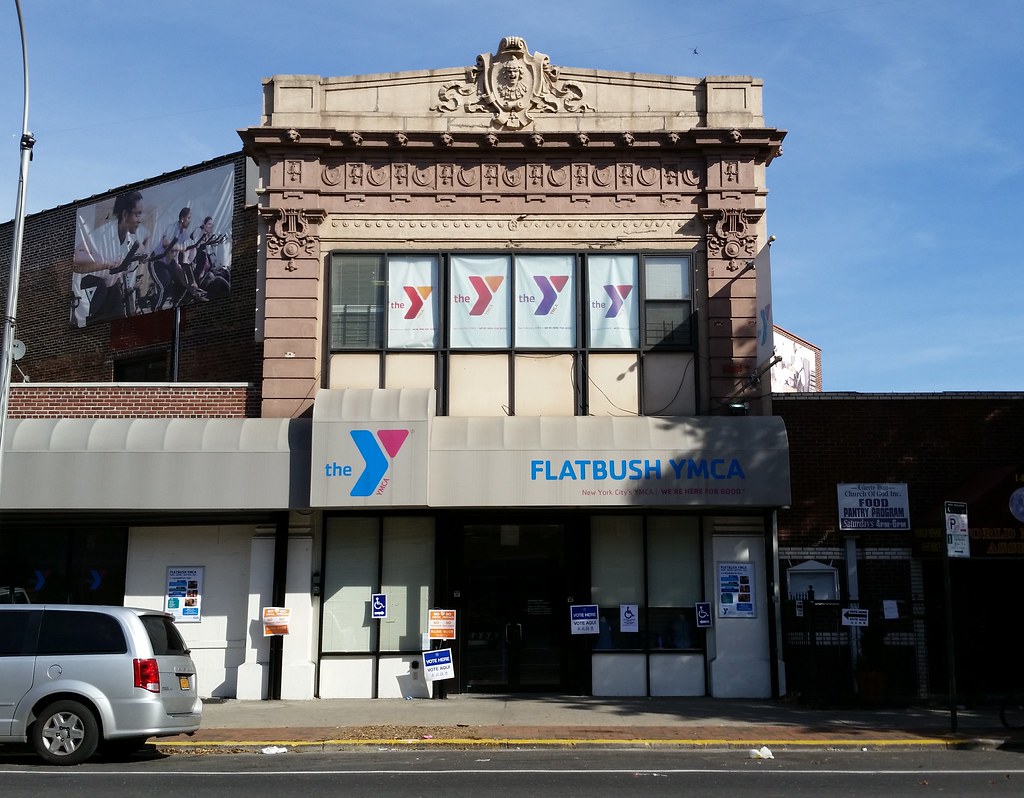
This theater (close-up) opened in 1920 and closed around 1959, after which it was converted into a short-lived bowling alley. You can see a couple of old photos of the place here.
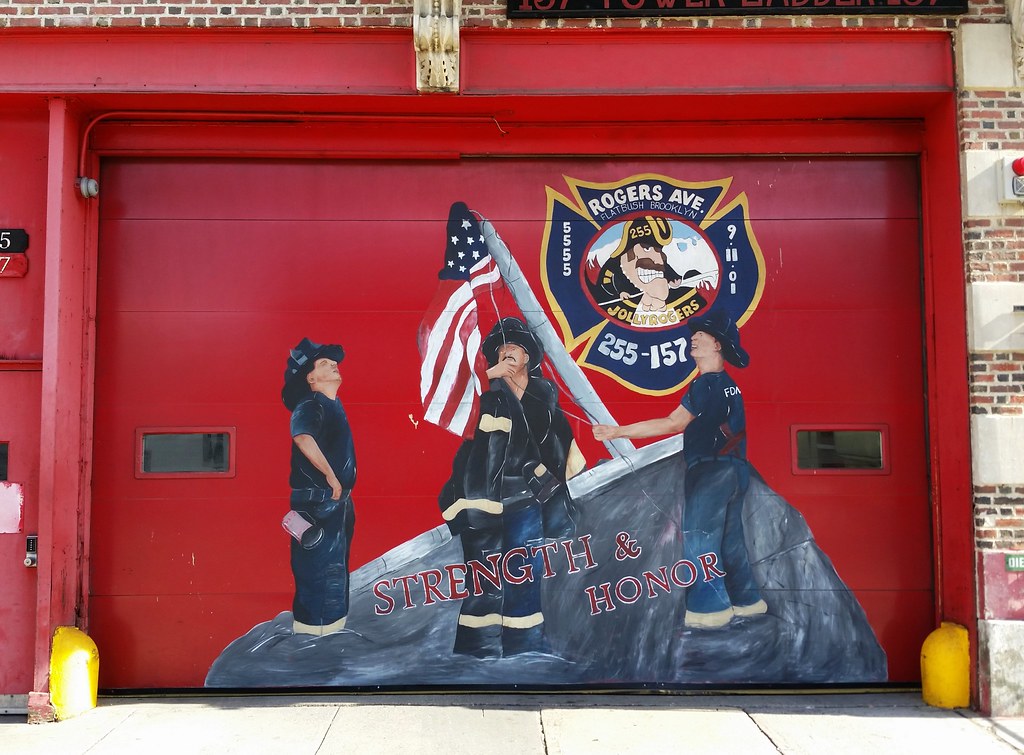
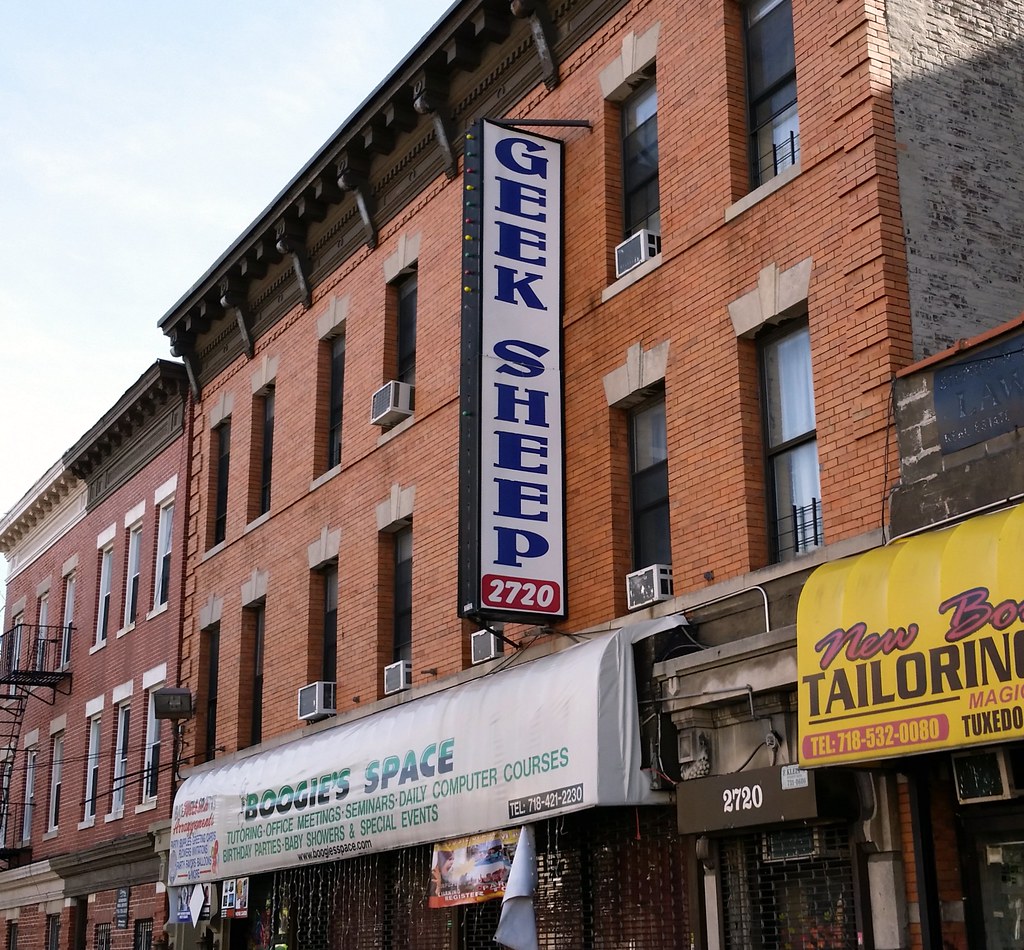
According to the internet, Geek Sheep is probably a livestock wholesaler, but could also possibly be a business coaching and consulting firm or a computer repair shop. I thrice tried calling them to ask, but to no avail. The first time, no one picked up and the outgoing message was just the sound of someone rustling papers in the background. The second time, there was about ten seconds of dead silence followed by a busy signal. And on my last attempt, the phone rang six times and then disconnected.