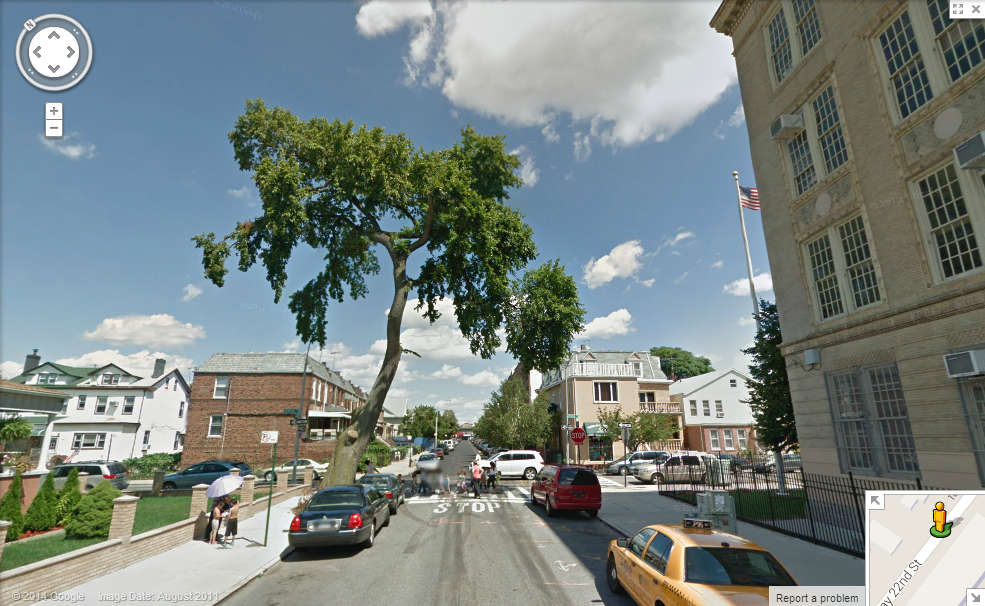
It always surprises me to see a big, stately courthouse built in an outlying neighborhood like Sunset Park rather than, say, Downtown Brooklyn, but there were actually quite a few local courthouses spread around the city before a 1962 reorganization centralized the court system.
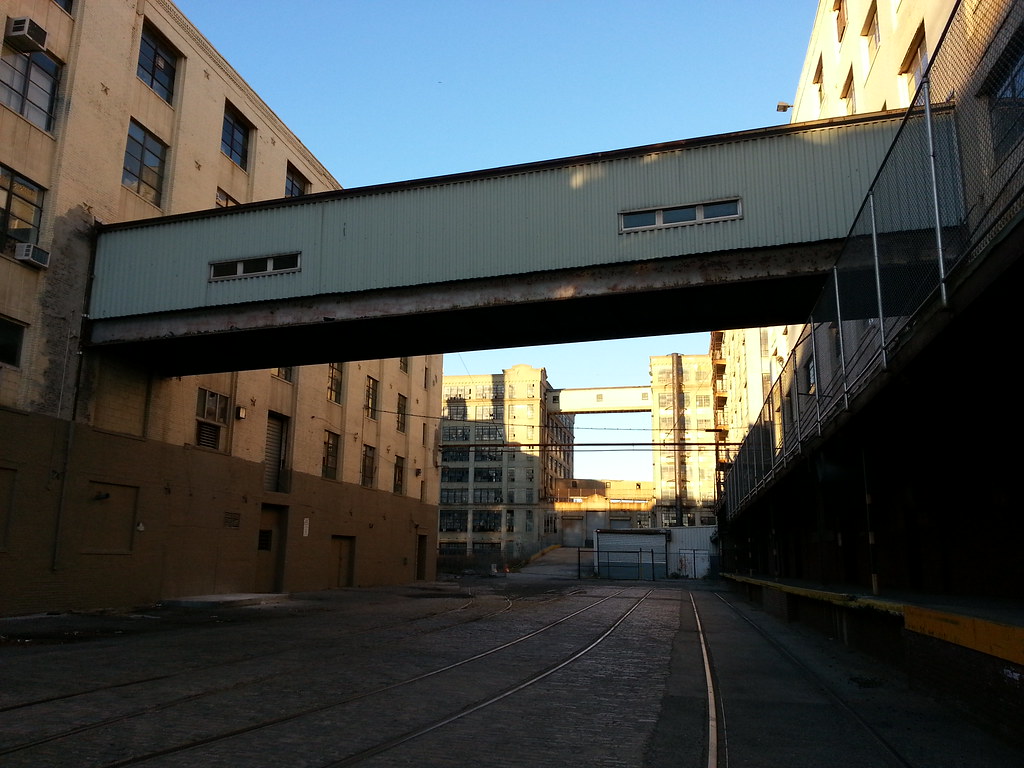
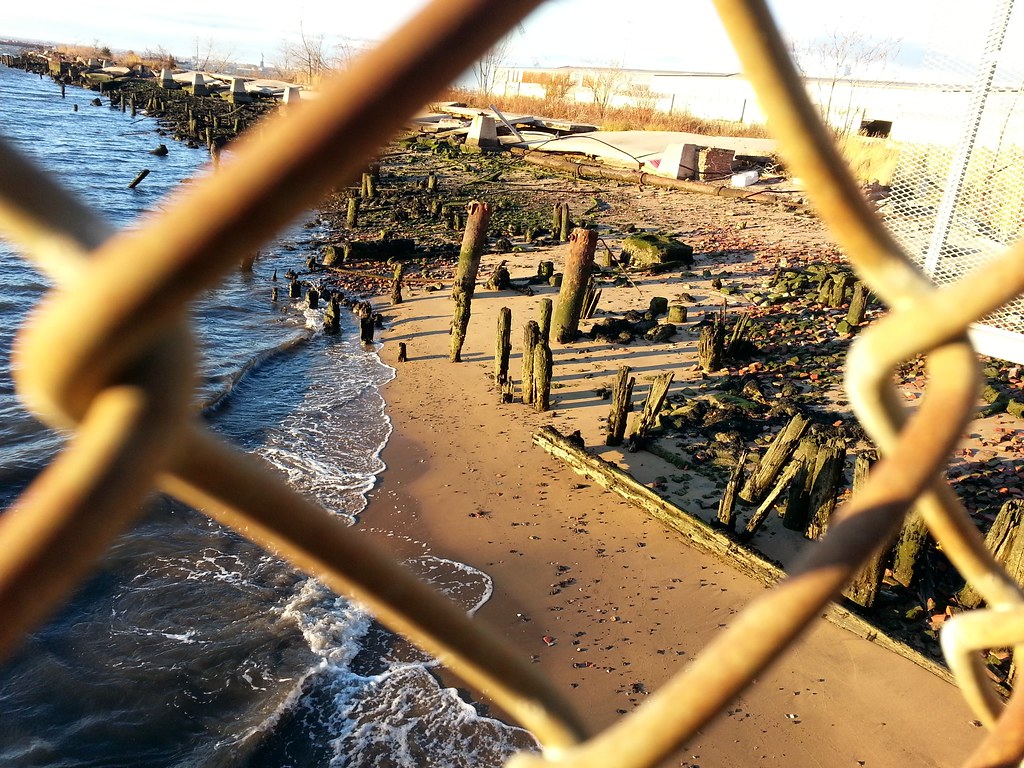
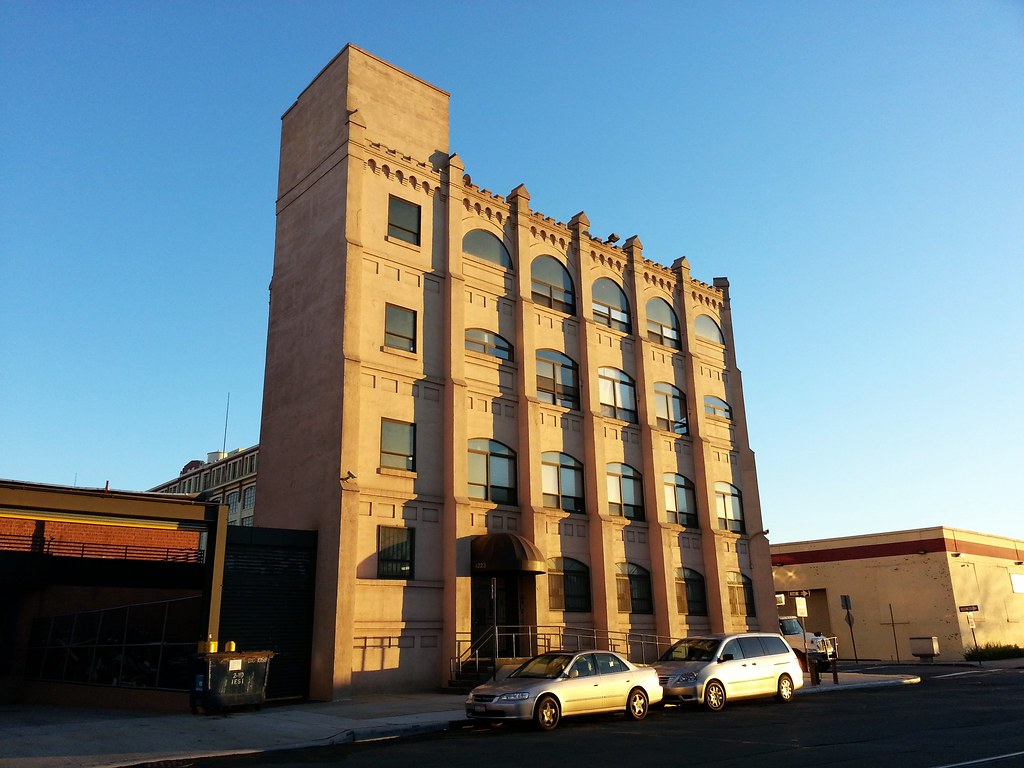
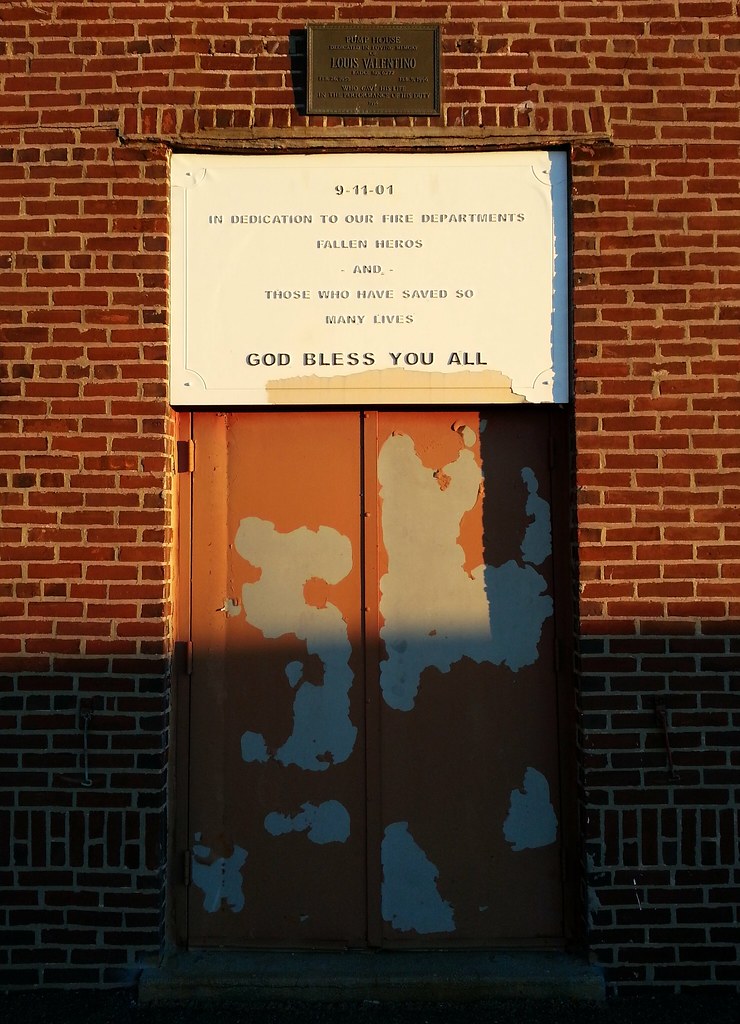
This is the Bush Terminal pump house, which, according to the plaque above the memorial, is dedicated to Louis Valentino.

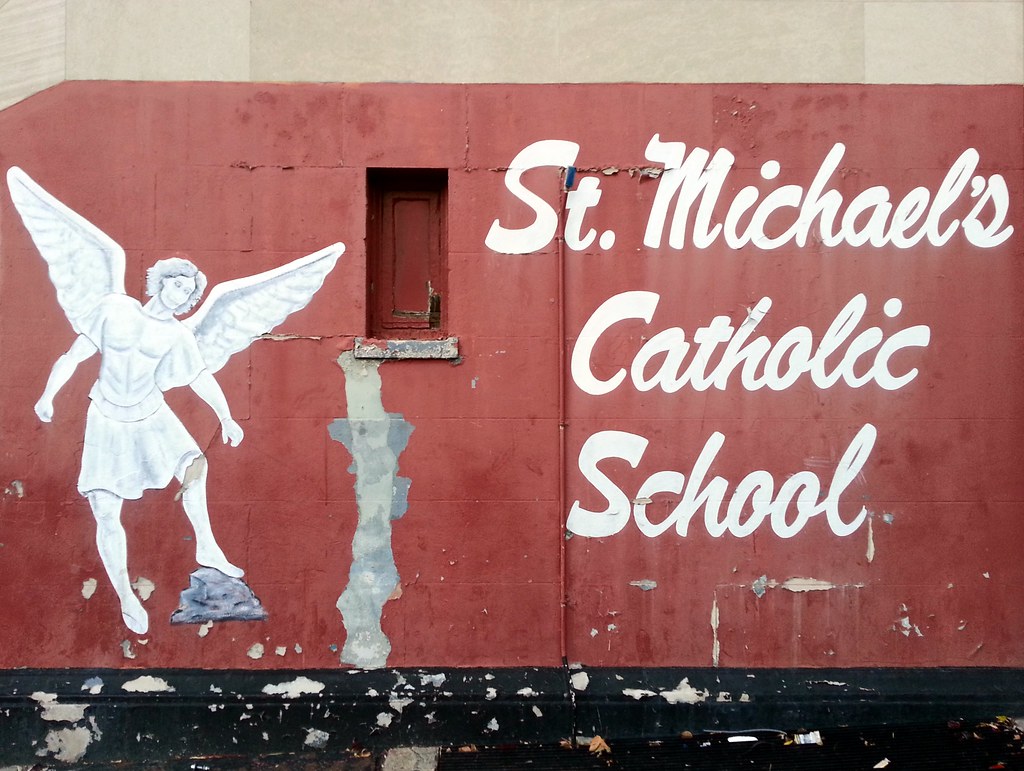
I've walked by enough botánicas to know that something's off here. They took away his sword and replaced Satan with a rock!
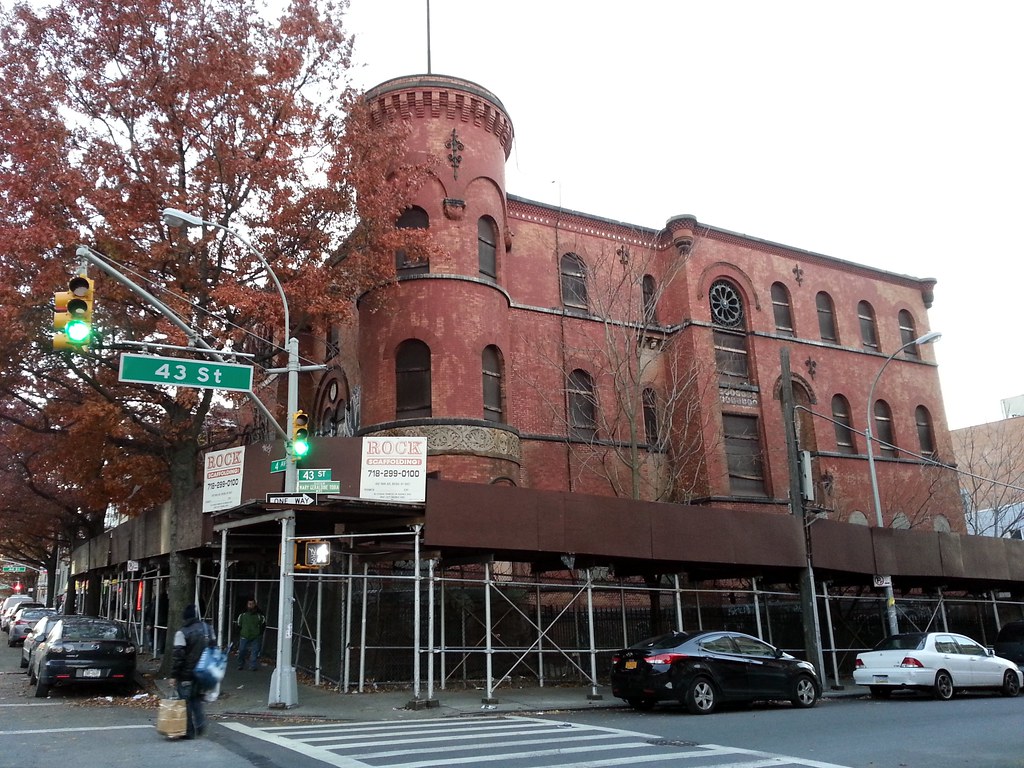
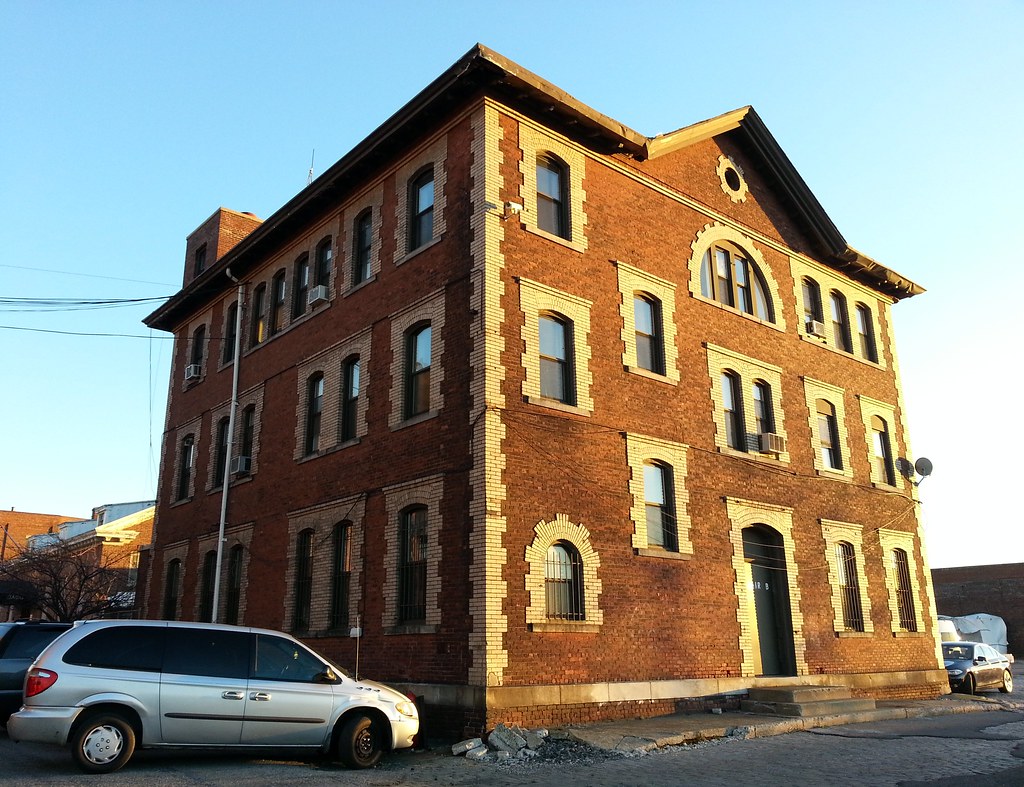
This "striking [example] of late 19th-century civic architecture", with its "chaotic variety of decorative forms: a corbeled parapet of rounded brick, rope moldings of terra cotta, zigzag and Romanesque carving, rock-faced brownstone and decorative ironwork", originally housed the 18th Police Precinct (which was subsequently renumbered many times, becoming the 43rd, 143rd, 76th, 32nd, and, finally, the 68th Precinct). The architecture was meant to intimidate potential wrongdoers; at the building's dedication in 1892 (covered by the Brooklyn Daily Eagle with the subheading "Where Gallant Policemen Will Often Pass With Just Pride, but Where, Probably, Many a Poor Wretch Will Leave Hope Behind"), the Brooklyn police commissioner said: "A man about to commit a crime would stand appalled at the sight of a station house such as this is."
The precinct moved to a new station house in 1970, and the building has largely been left to deteriorate for many years now, despite being designated a city landmark in 1983. You can see some photos of the interior and the adjoining stable here. Back in February, we passed by a very similar decrepit old station house, designed by the same architect, out in East New York.

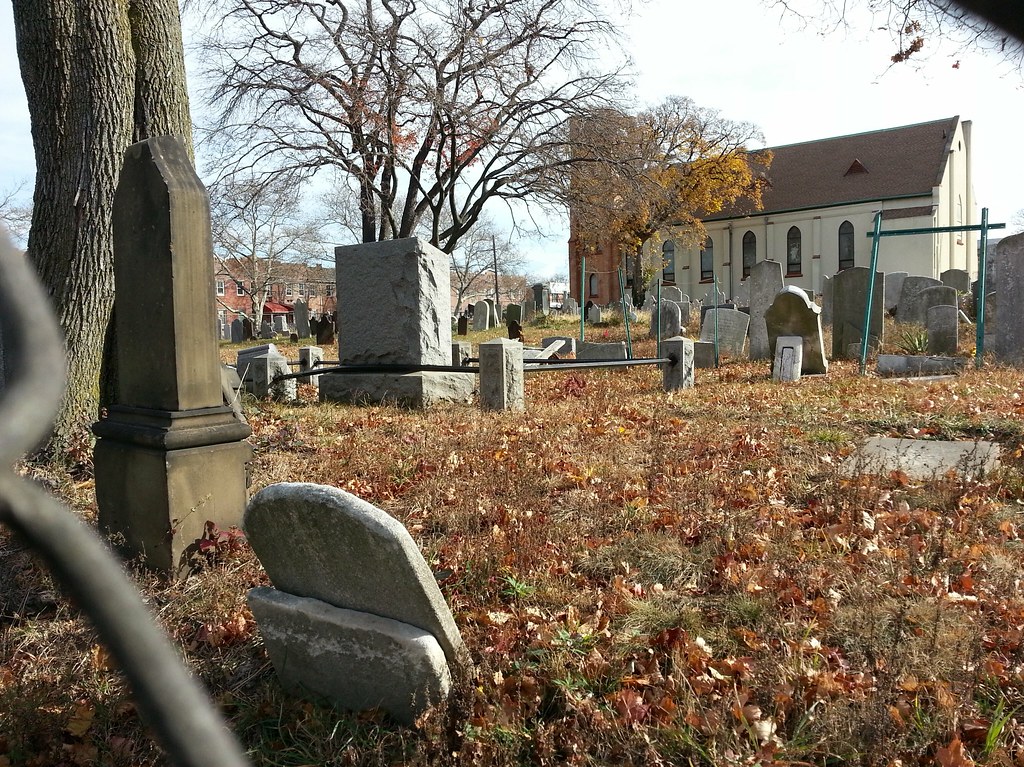
This cemetery was established around 1654 in the old town of New Utrecht. The building in the background, Metropolitan Baptist Church (originally St. John's Reformed German Evangelical Lutheran Church), stands near the site of the first New Utrecht Reformed Church, which was constructed in 1700 using stones originally brought over as ship ballast from Holland. After the church was later dismantled, its stones were reused once again, this time to build the current church of the same name a few blocks away in 1828-1829.
Here's some "evocative poetry" found on a headstone in the cemetery:
Behold and see as you pass by,
As you are now so once was I;
As I am now you soon will be,
Prepare for Death and follow me.
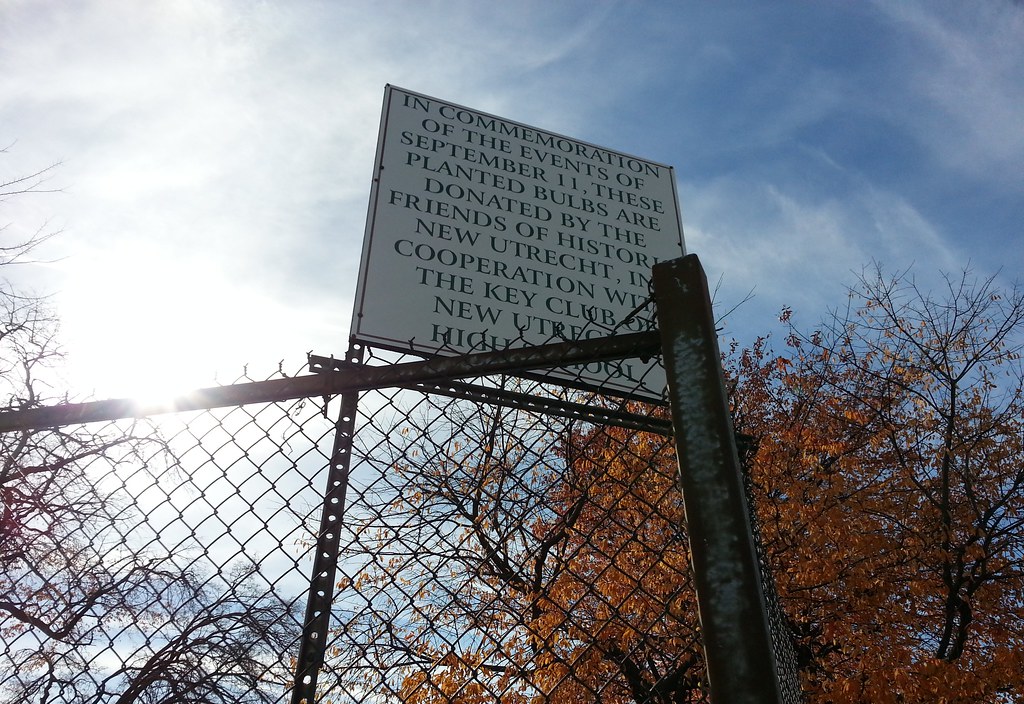
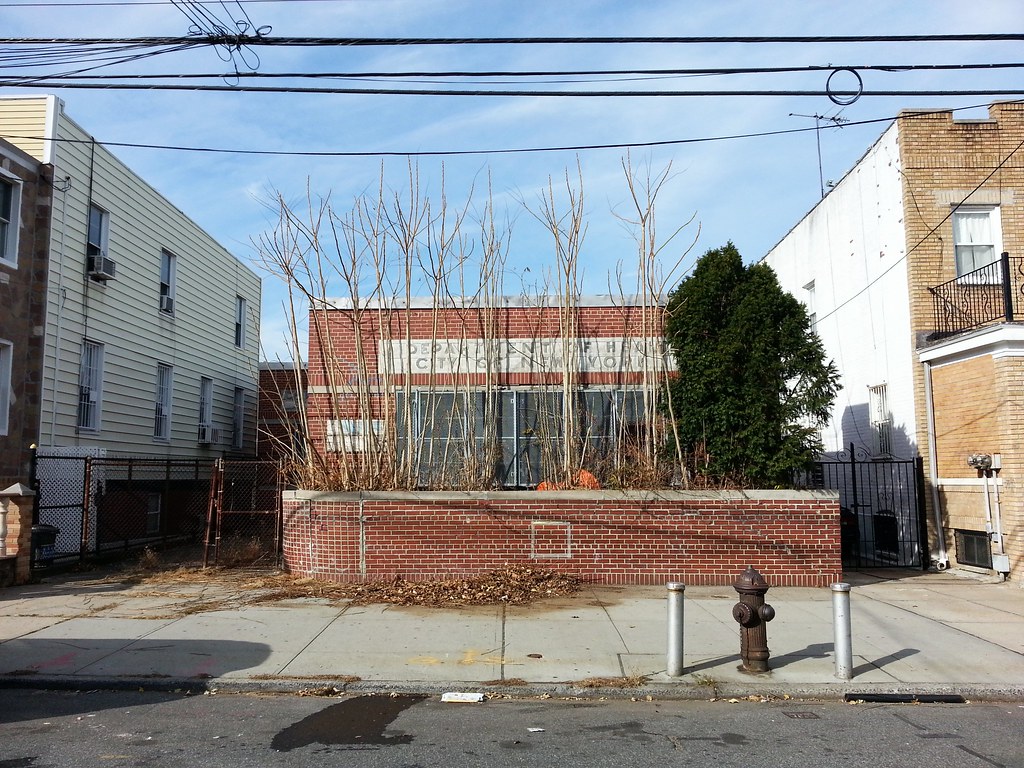
All I know about this seemingly abandoned building, tucked away incongruously in the middle of a row of houses on 16th Avenue, is that free flu shots were given here in 1983 to the elderly and chronically ill.
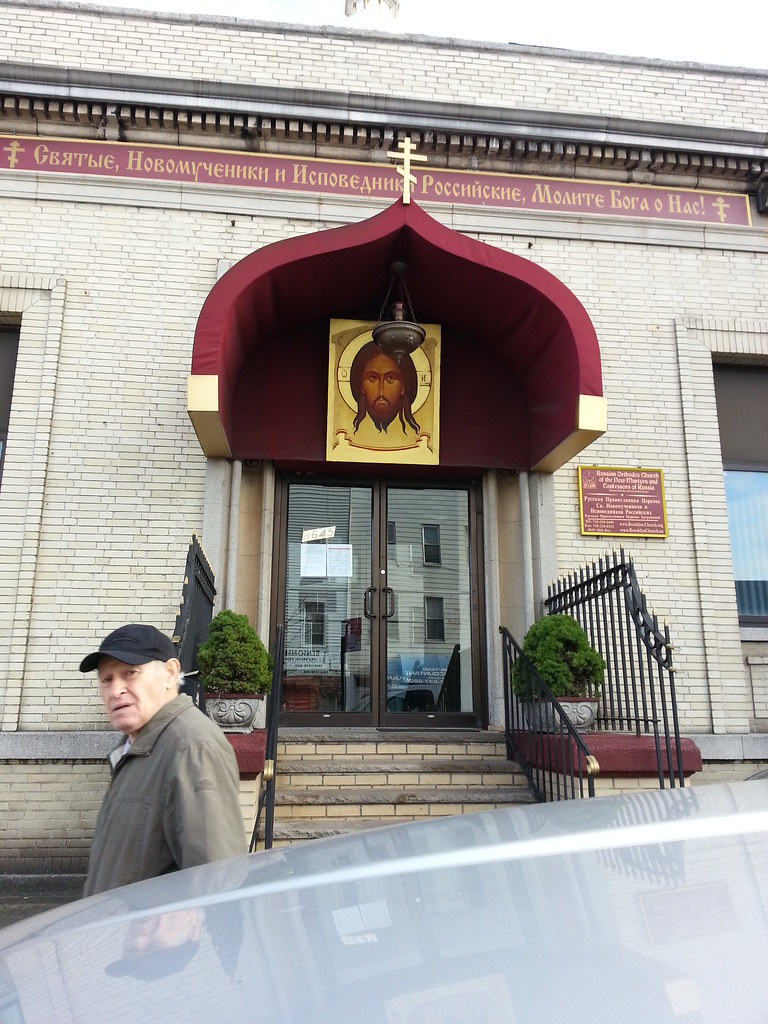
Russian Orthodox Church of the New Martyrs and Confessors of Russia, to be precise. Here are some beautiful photos taken inside during a service.
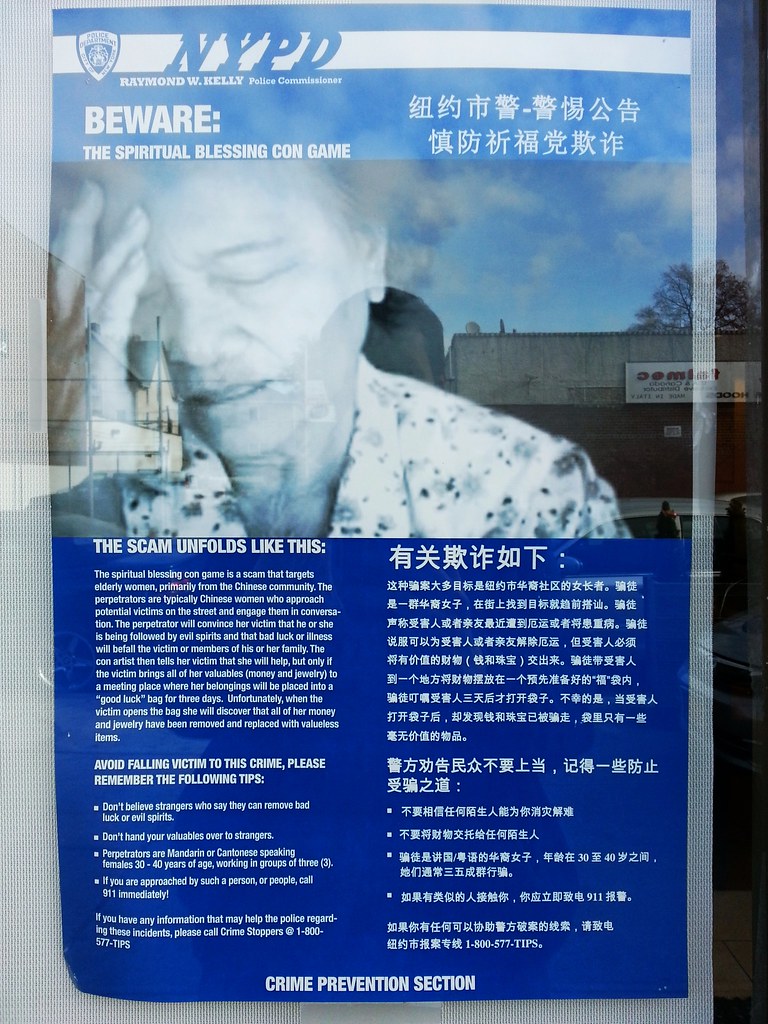
The spiritual blessing con game. This poster (close-up) was on display outside the Asian Senior Day Care center on 18th Avenue.
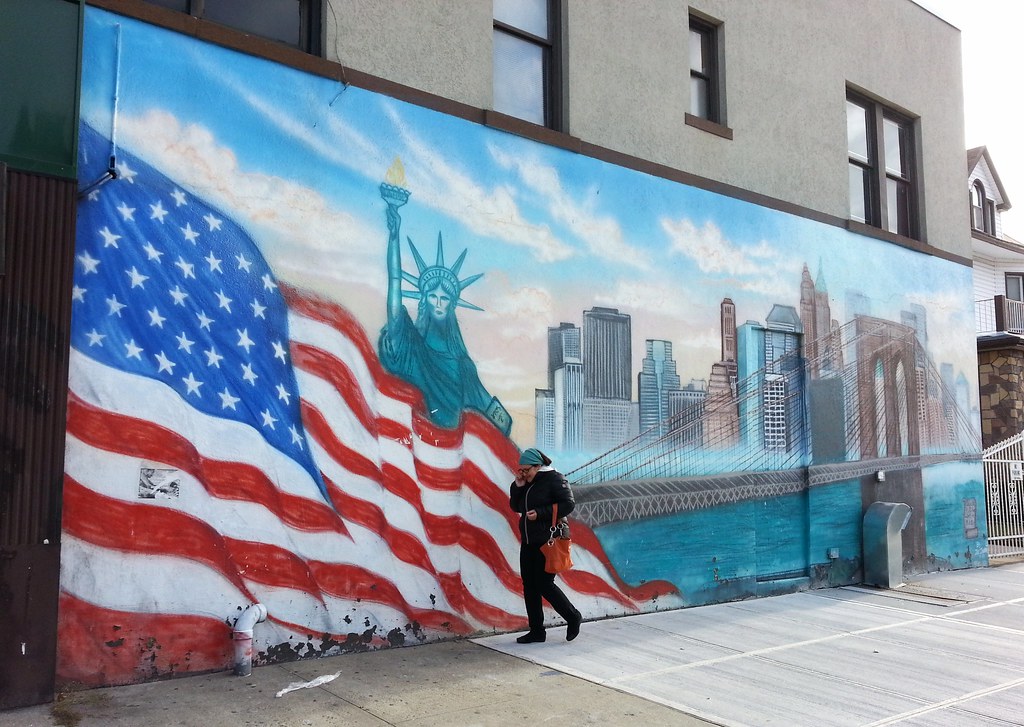
Yet another memorial by Joe Indart. There's no 9/11 imagery here, but a scroll painted on the far side dedicates the mural to all the victims.
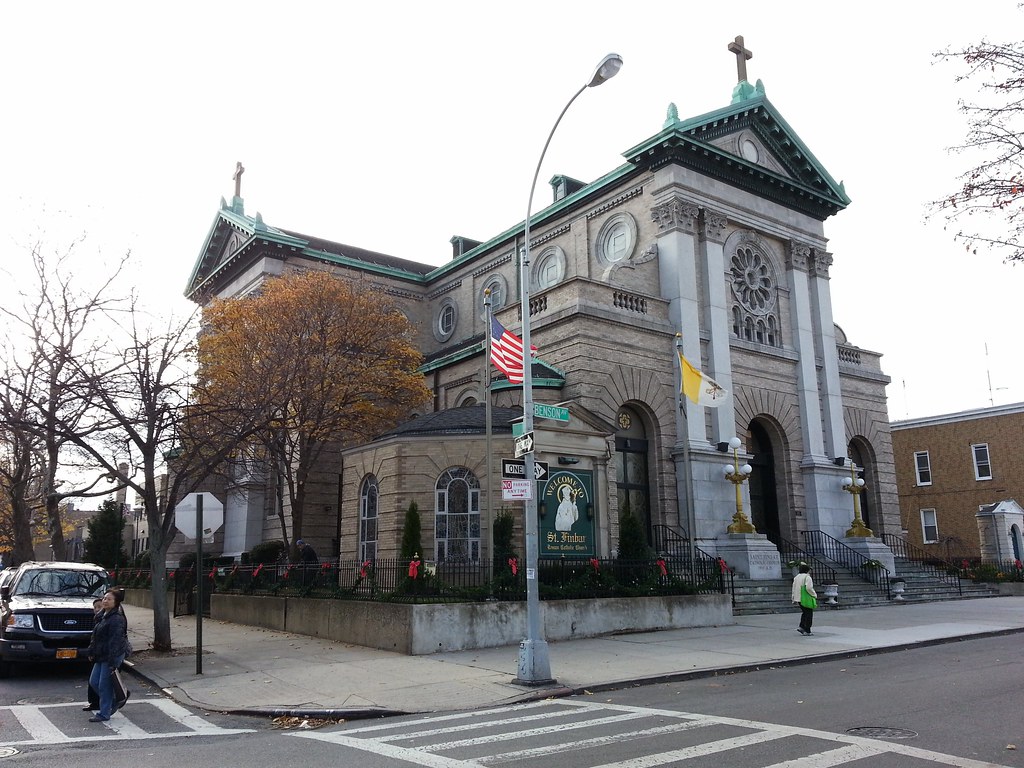
Here's a photo of the church from 1912, the year it was consecrated.


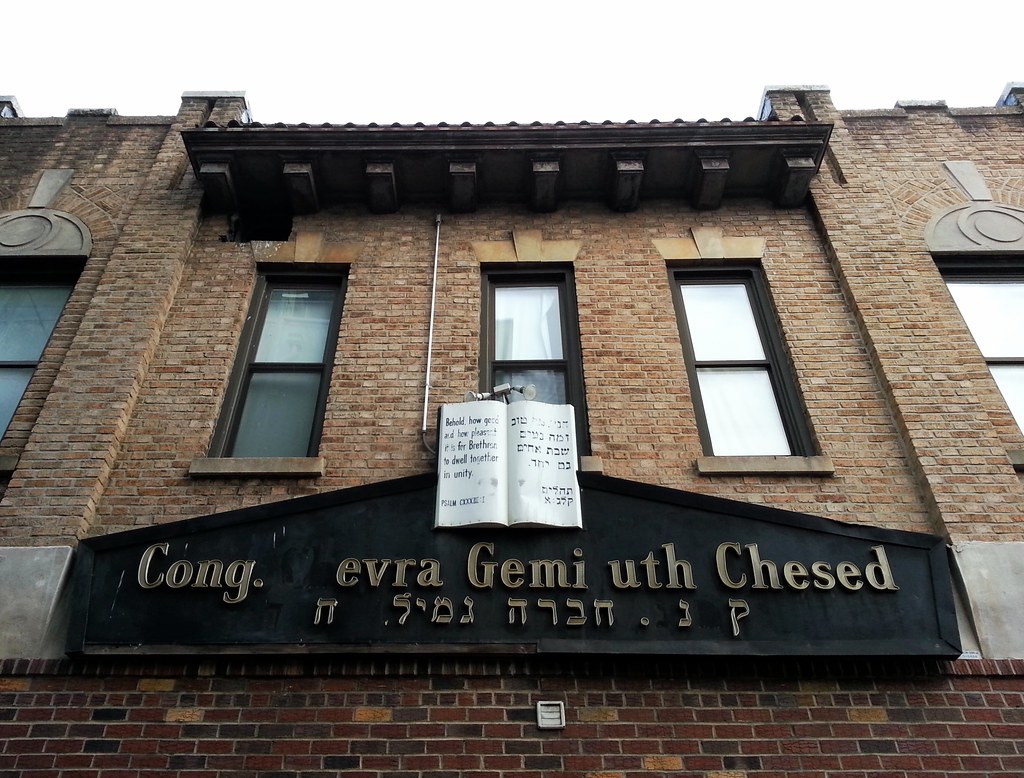
Behold, how good and how pleasant it is for Brethren to dwell together in unity.
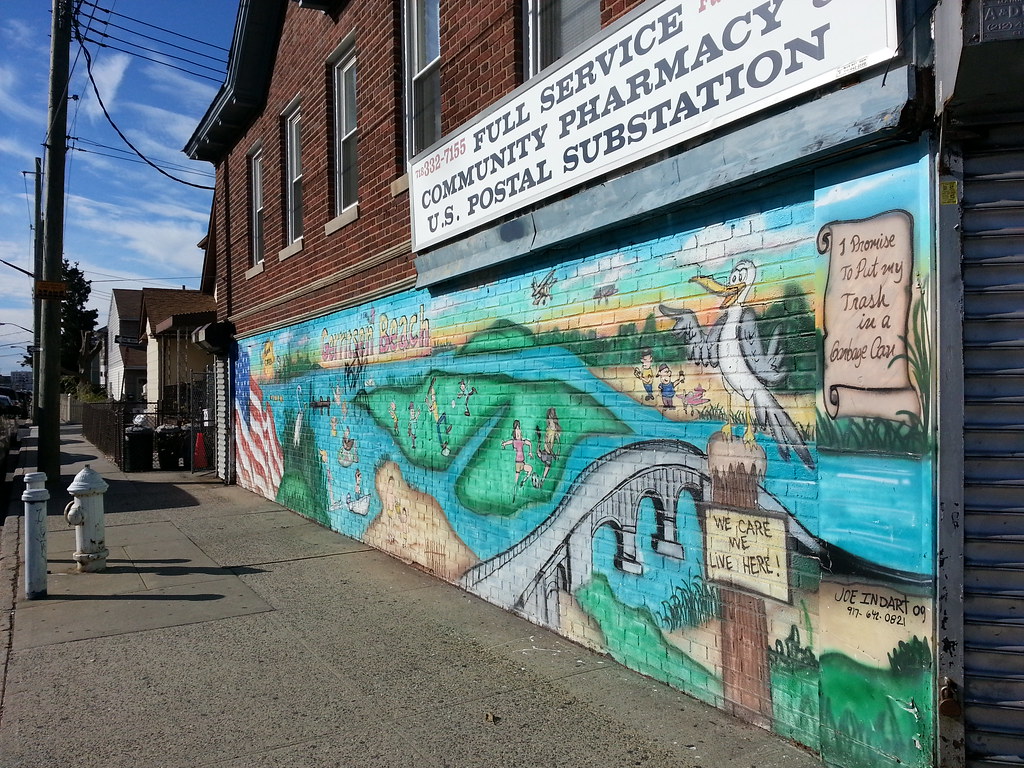
Welcome to the "insular to the bone", tightly packed seaside enclave of Gerritsen Beach, where we'll be spending our day today. (Mural by Joe Indart.)
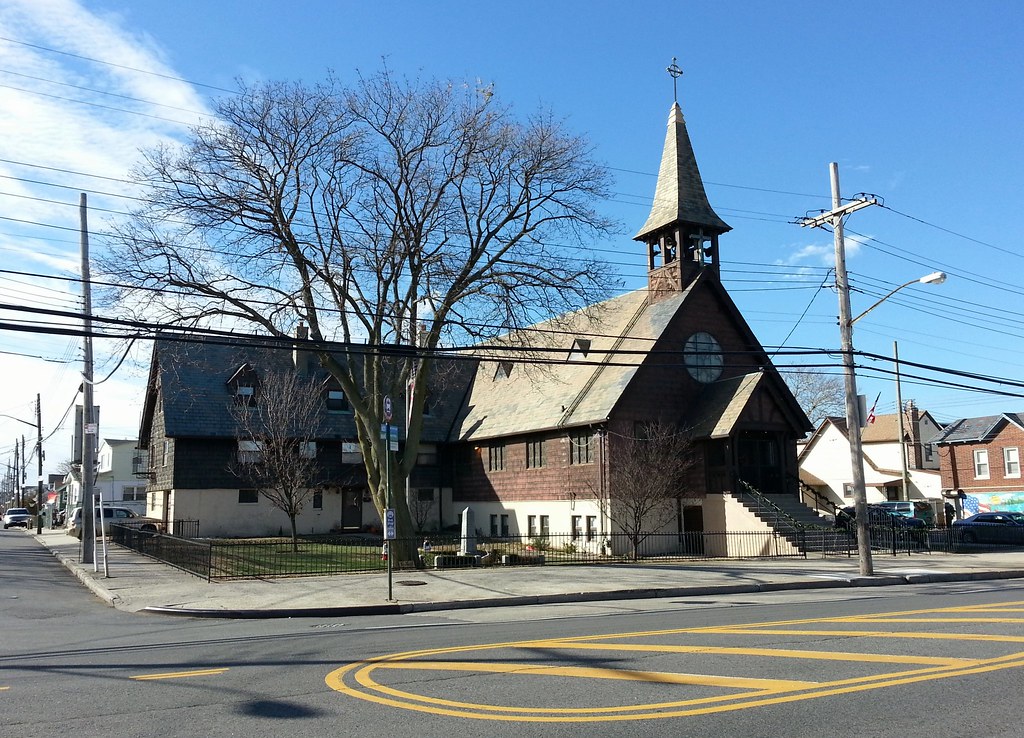
Here's what the AIA Guide to New York City has to say about this 1925 structure: "Gothic Revival by the sea. A handsome wooden house of worship that would barely dent the skyline of most neighborhoods, but in Lilliput [Gerritsen Beach] it's a towering landmark."
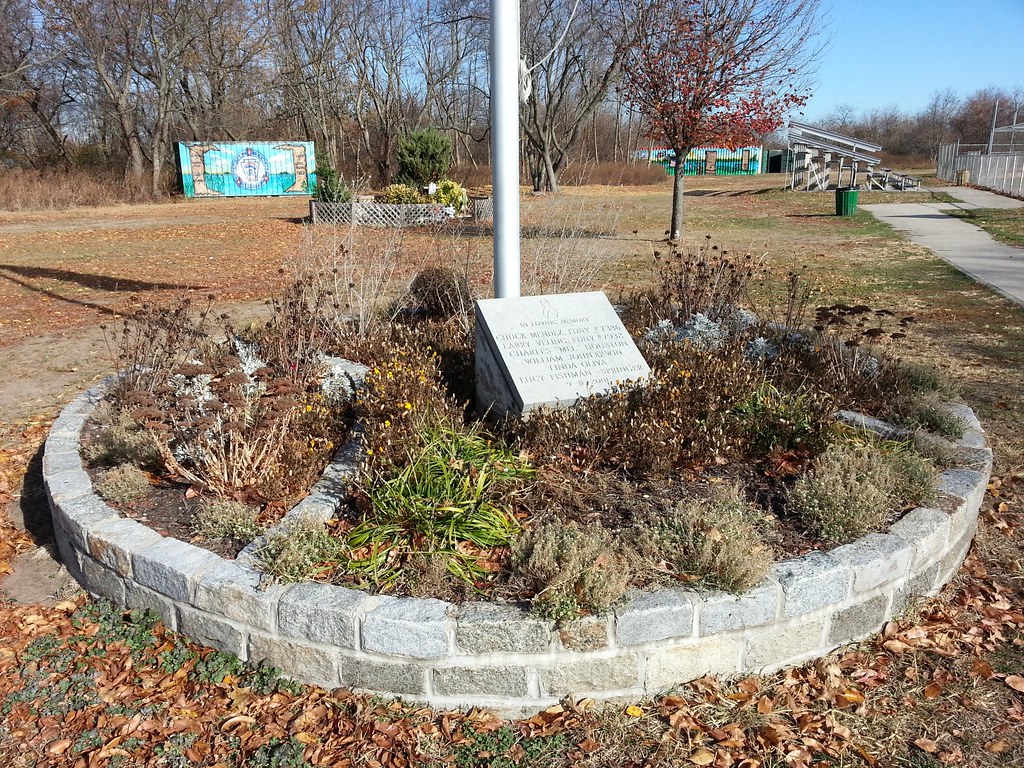

Adopted by the Radio Control Society of Marine Park. If you're curious, you can check out an aerial view of the field and watch some great video footage of the area shot by a model plane in flight.

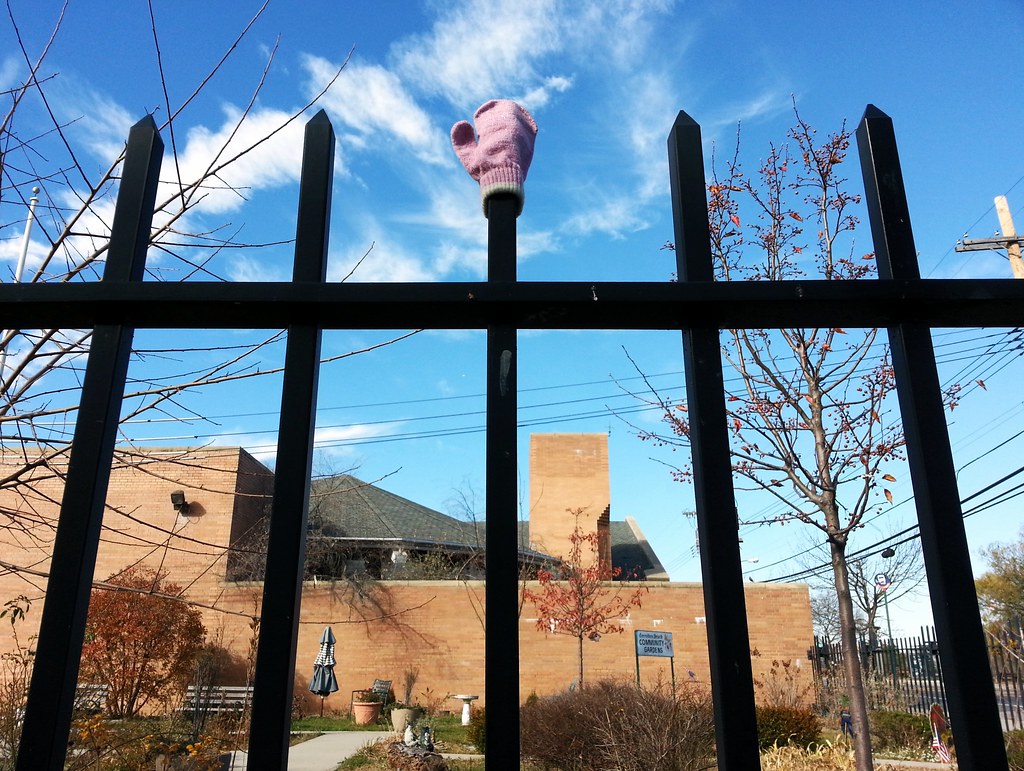
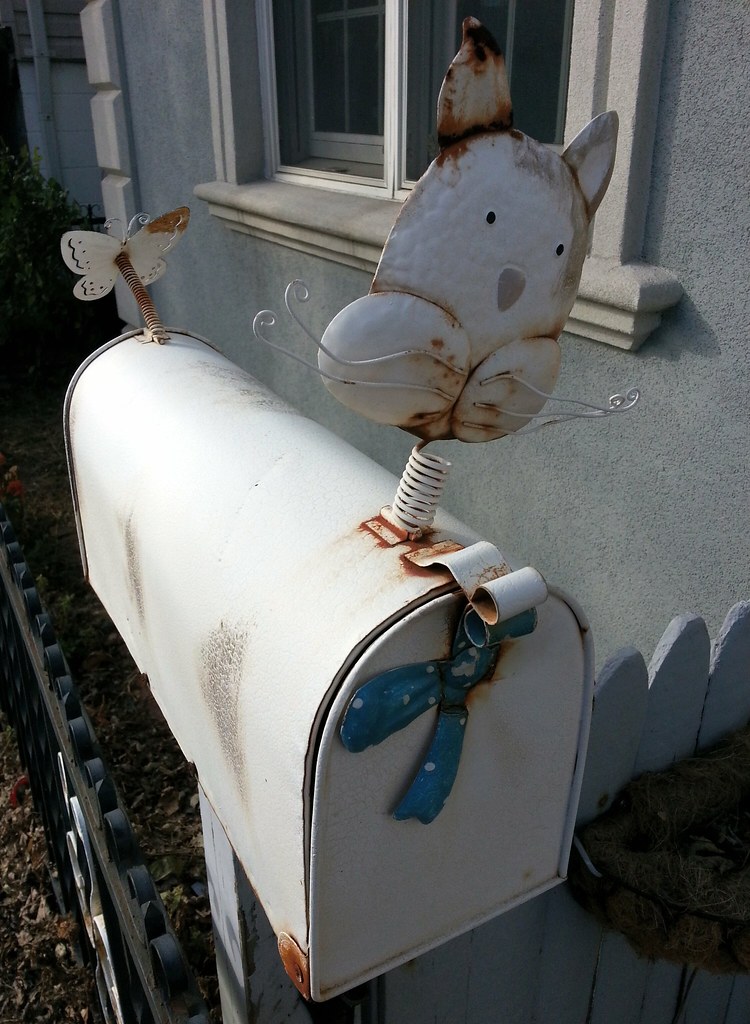
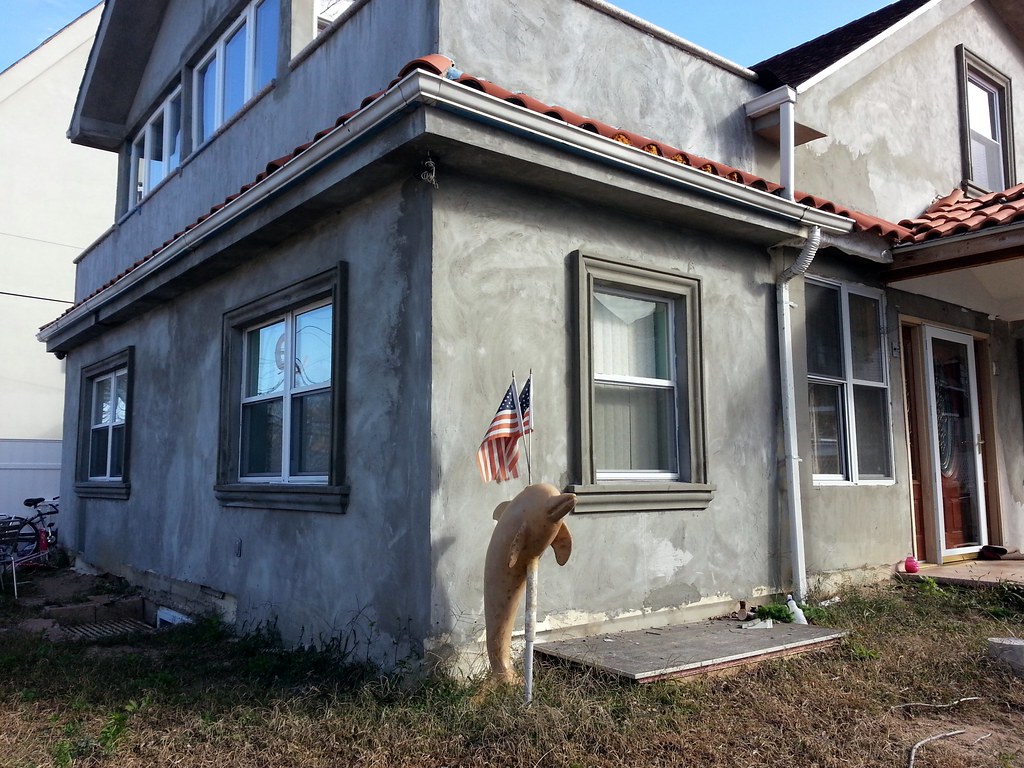
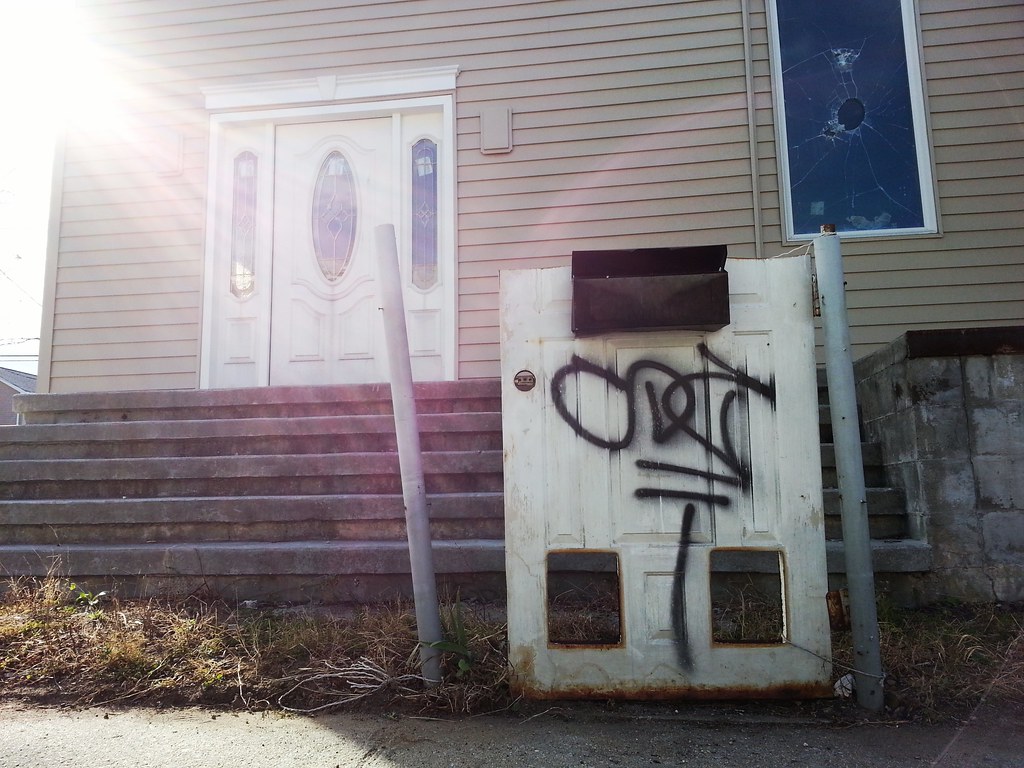

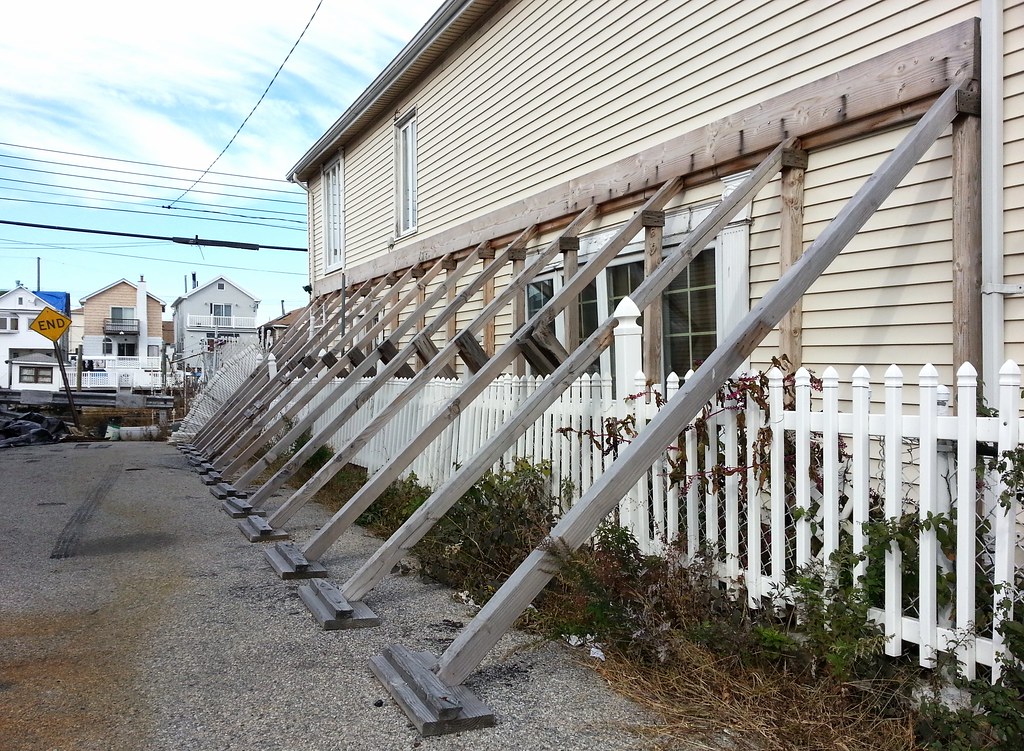
Gerritsen Beach was slammed by Hurricane Sandy (although the neighborhood did acquire a new bar that floated in on the storm surge); perhaps this temporary flying buttress is a result of said slamming.
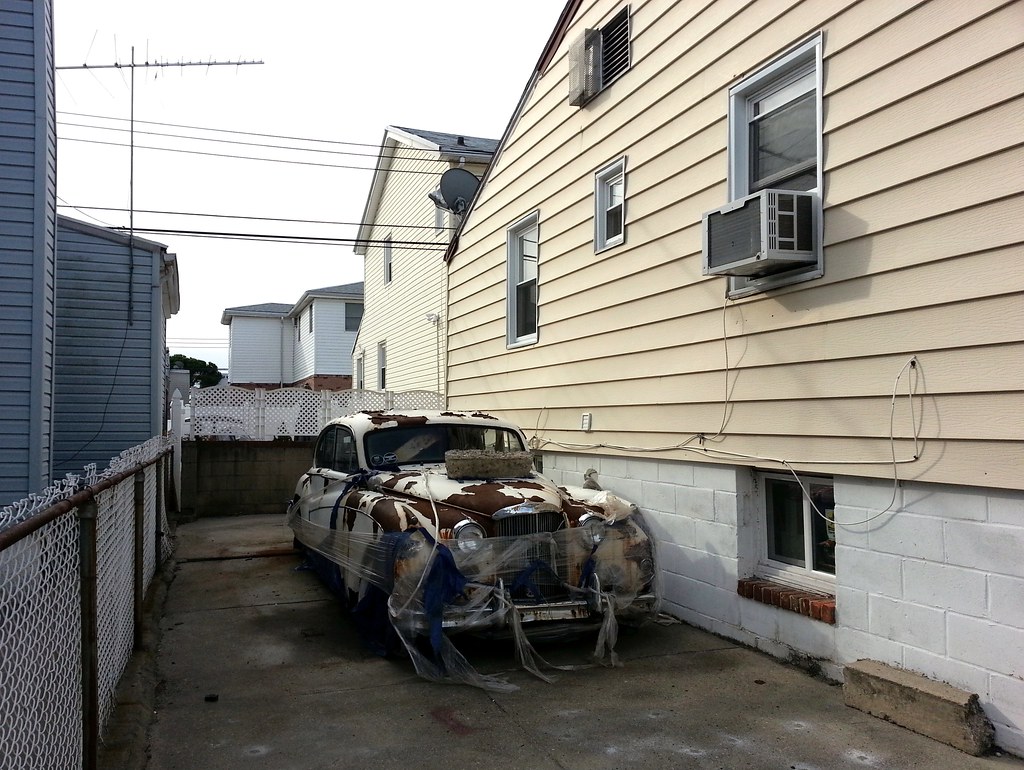

This is Sheepshead Bay Bicycles, a basement-and-garage used-bike shop that did maybe $300,000 in business over the past year, according to its owner.
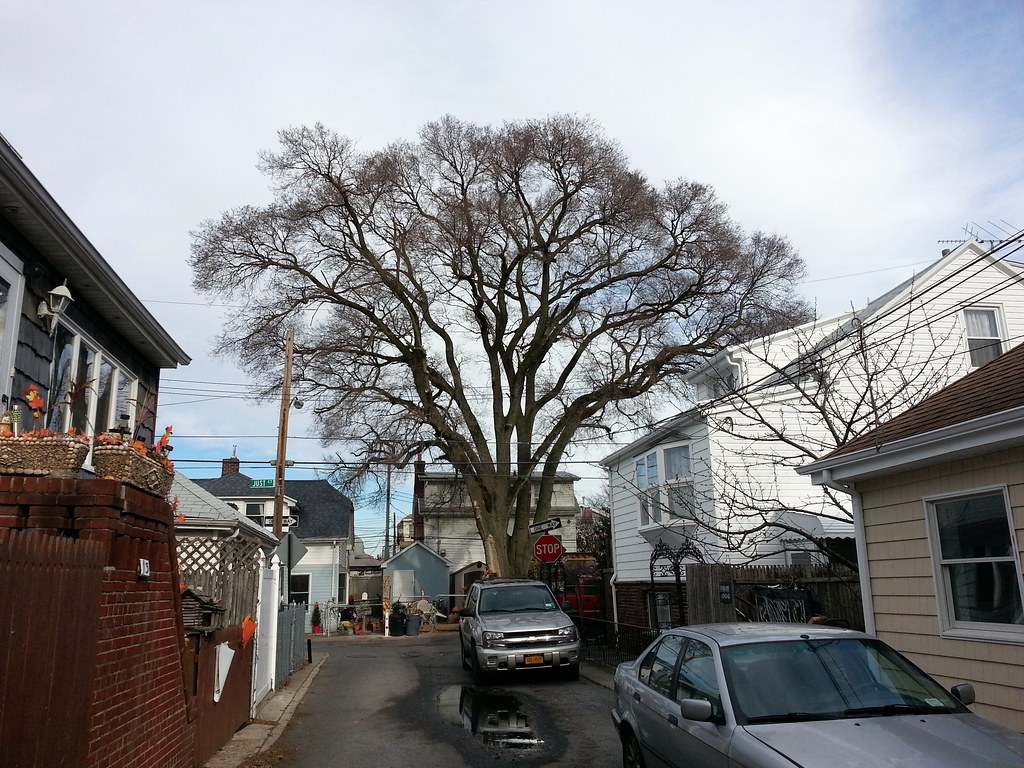
I think it probably is. Check it out (from a different angle) in Street View.
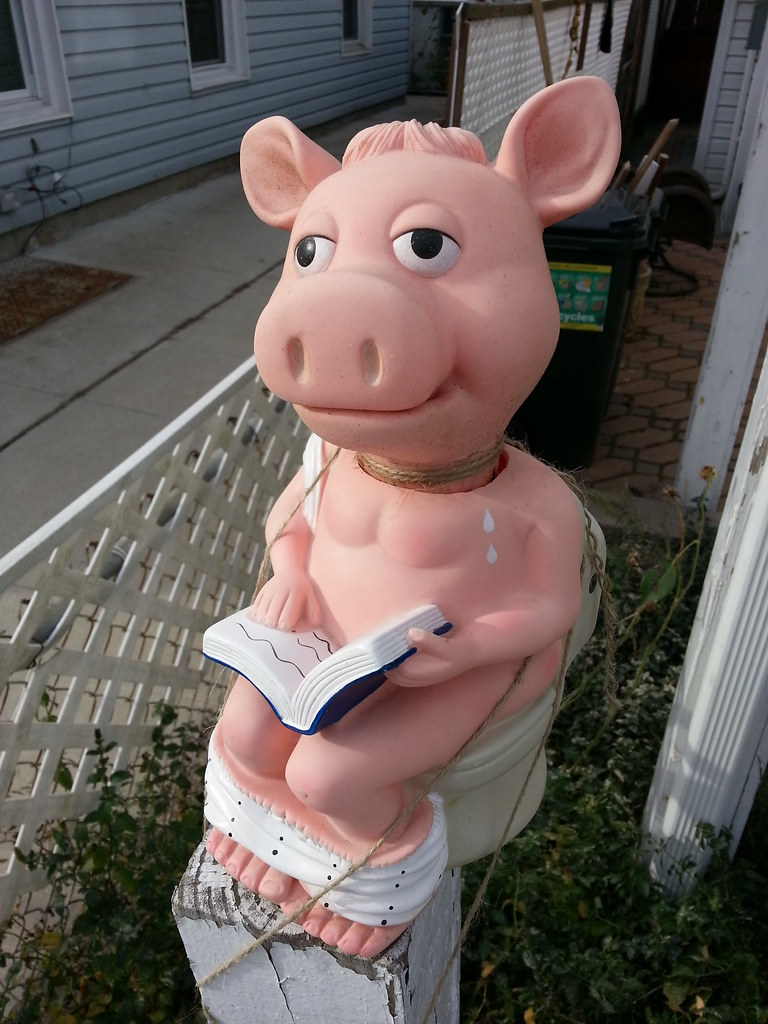
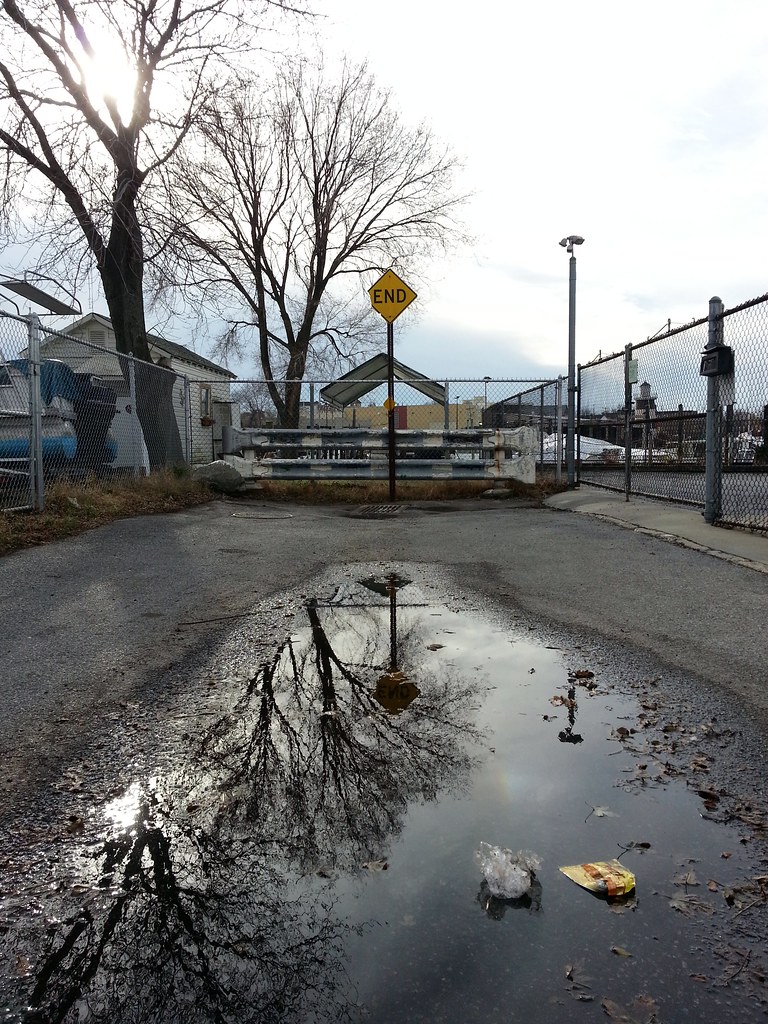


Then I realized it's a Sandy-inspired illustration of a big flood. Here's a closer look.

Each plaque represents one veteran. Here's a look at the whole building.
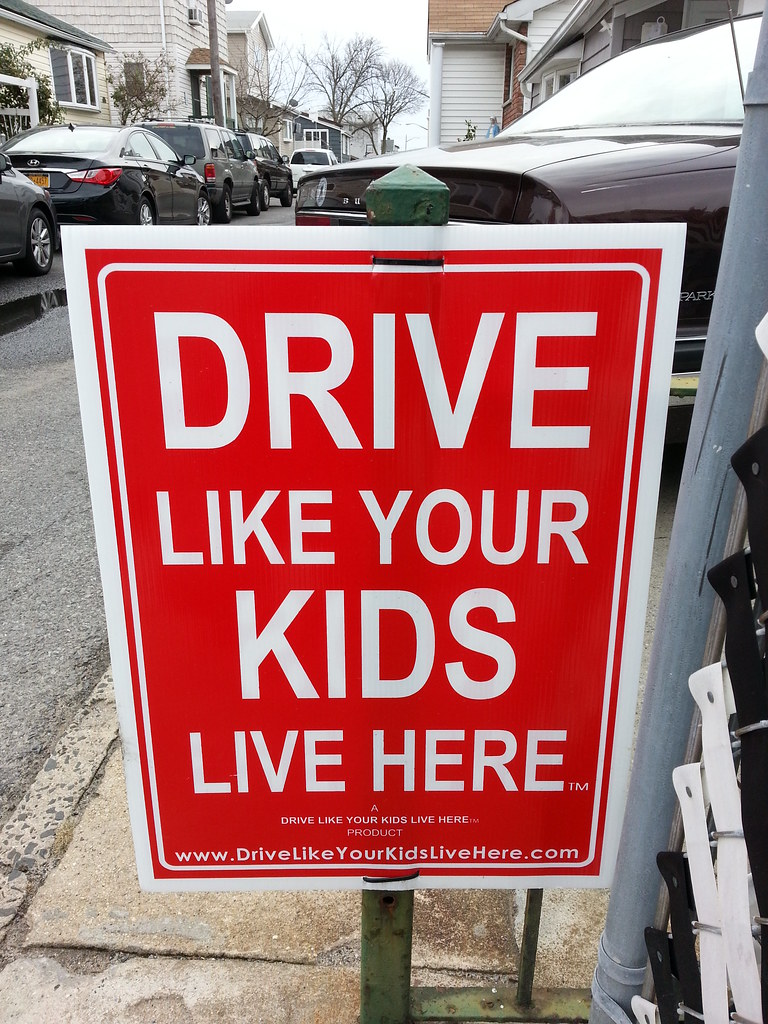
A DRIVE LIKE YOUR KIDS LIVE HERE™ PRODUCT
www.DriveLikeYourKidsLiveHere.com