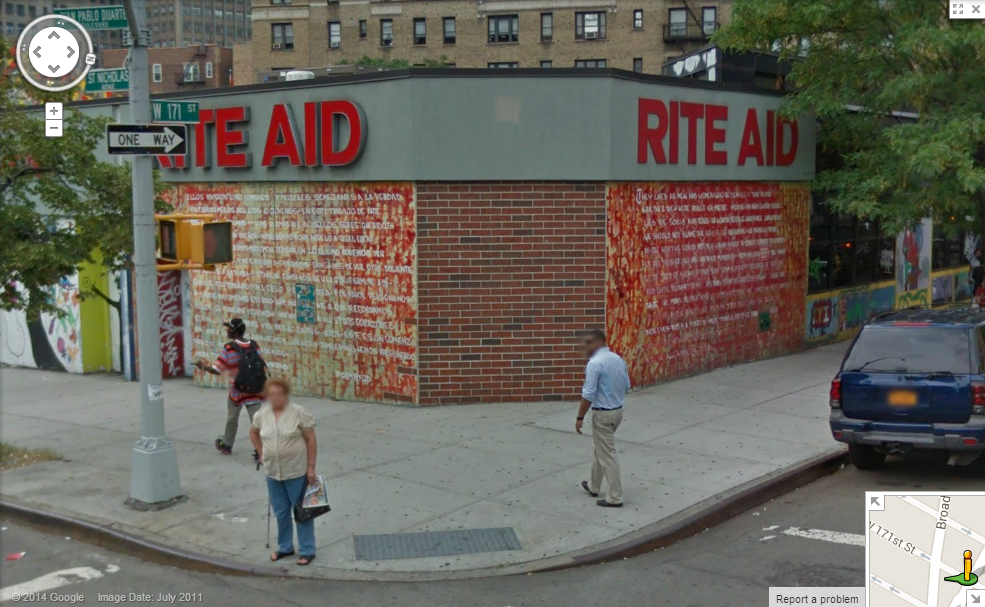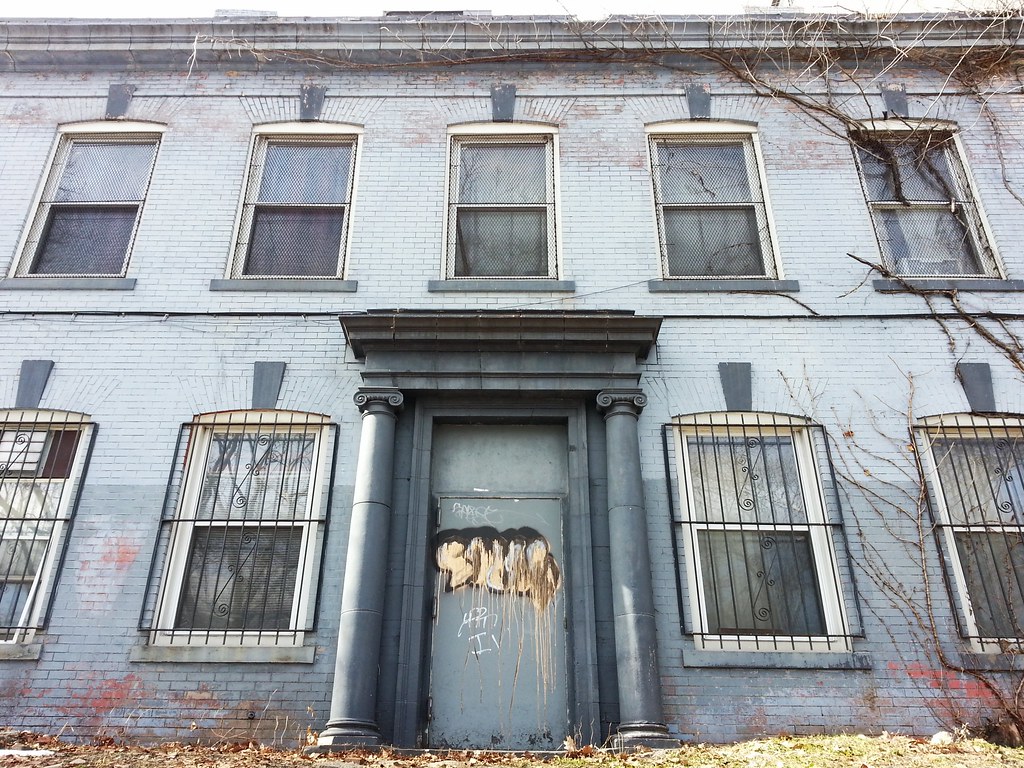
This is the rear facade of the old Washington Heights Free Library (currently Bethel Holy Church). Visible at right in the background of the previous photo, it faces out onto the Sugar Hill Luminaries Lawn, which was apparently known as the Library Lawn in the early years of the 20th century.
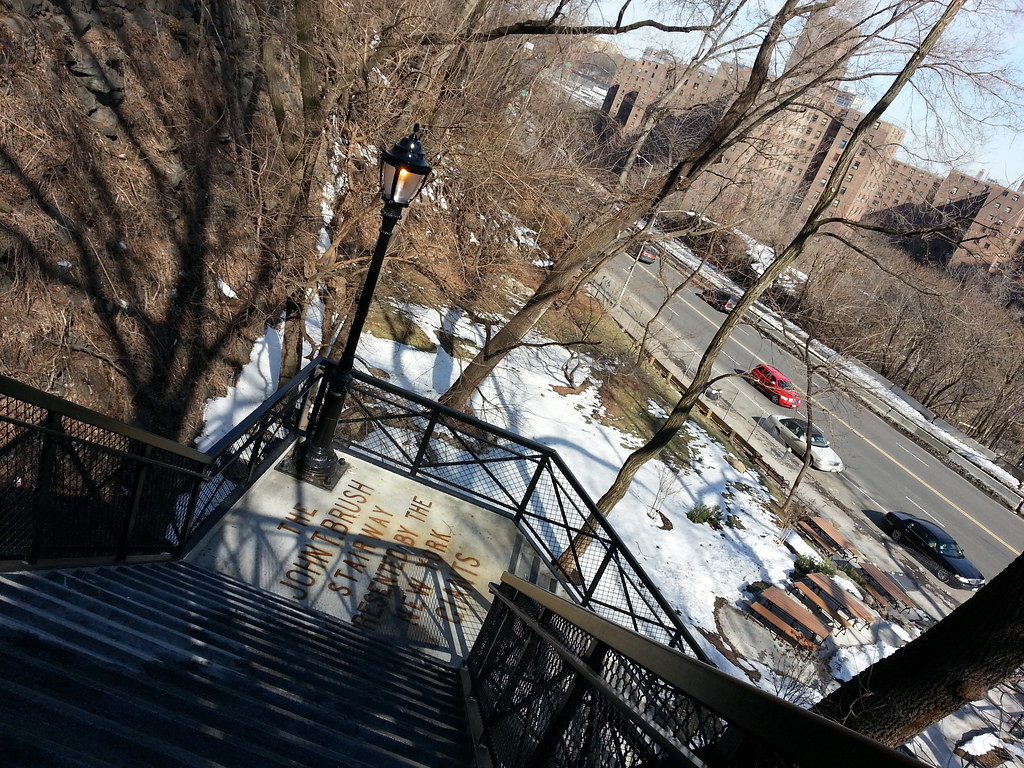
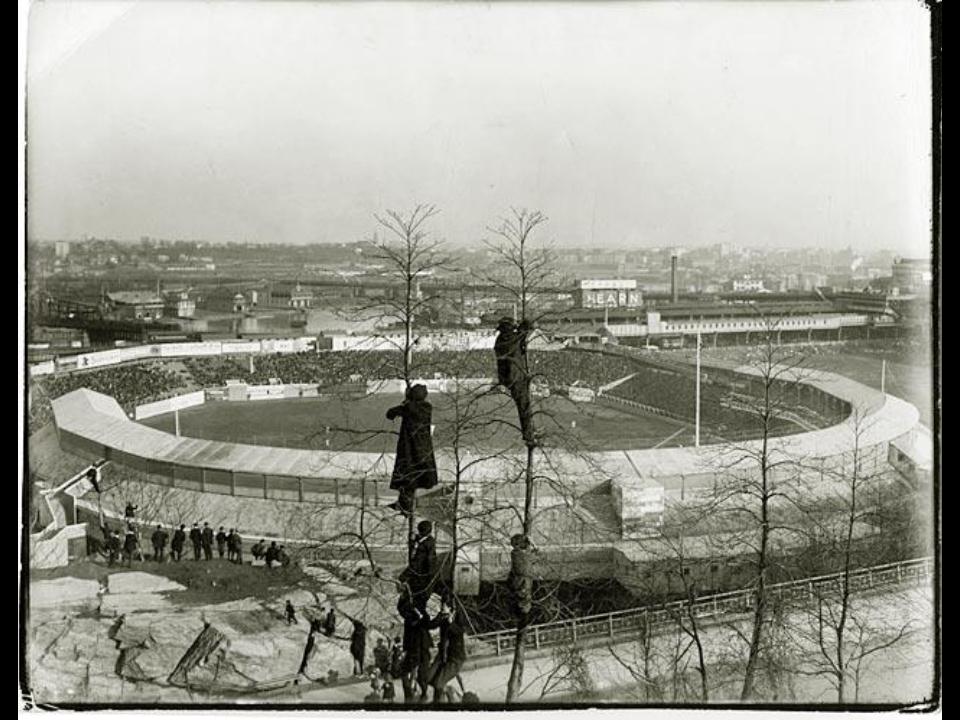
Just over 100 years ago, the John T. Brush Stairway was dedicated in honor of a former owner of baseball's New York Giants. It provided passage from the top of Coogan's Bluff down to the Polo Grounds, where the Giants played. (As evidenced by this hilarious photo, Coogan’s Bluff was, according to the NY Times, "a sort of Tightwad Hill for local fans, a place where those unwilling or unable to pay the stadium’s entrance fee had a clear, if distant, view of the proceedings at no charge.")
After decades of deterioration, the stairway recently underwent a $950,000 reconstruction (here's a view from the bottom), although it's still off limits to the public. It was supposed to reopen about a year and a half ago, but I've learned that it's exceedingly rare for any construction project in New York to run on schedule, even something as seemingly simple as a staircase.
From what I can tell, the steel letters visible in the landing above ("THE JOHN T. BRUSH STAIRWAY PRESENTED BY THE NEW YORK GIANTS") are the only parts of the original stairway that were retained during the reconstruction. With the Polo Grounds itself long gone, these letters are quite possibly the last surviving physical link to the old ballpark.
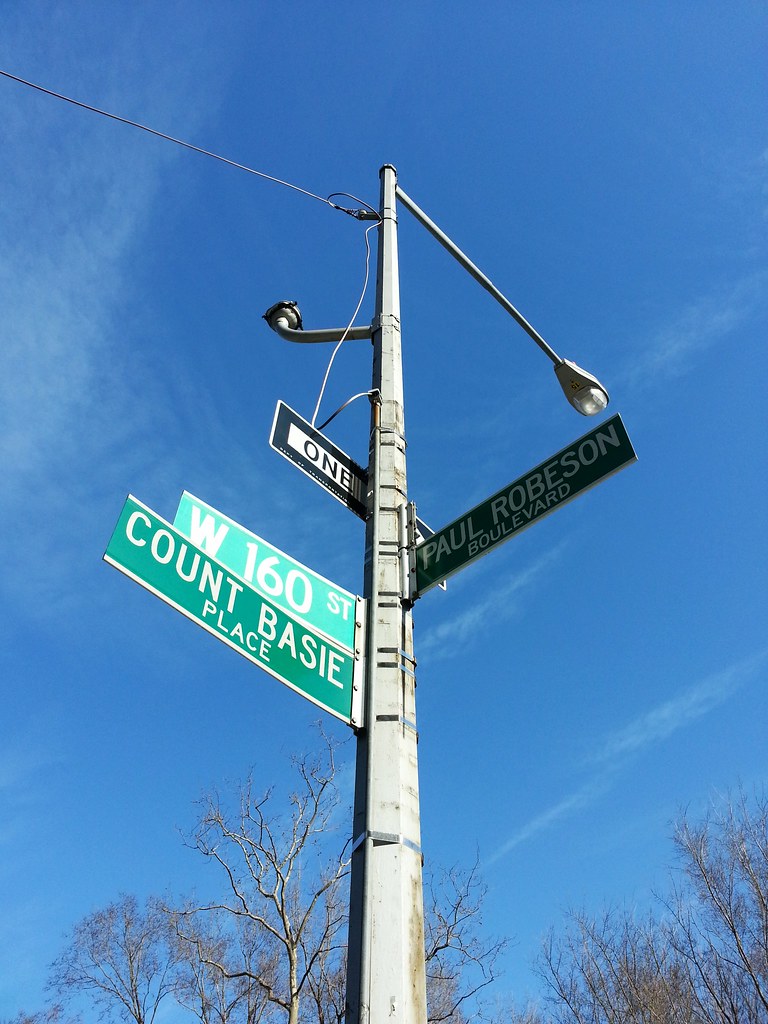
Count Basie and Paul Robeson were both residents of 555 Edgecombe Avenue (Street View), the apartment building that stands at this corner.
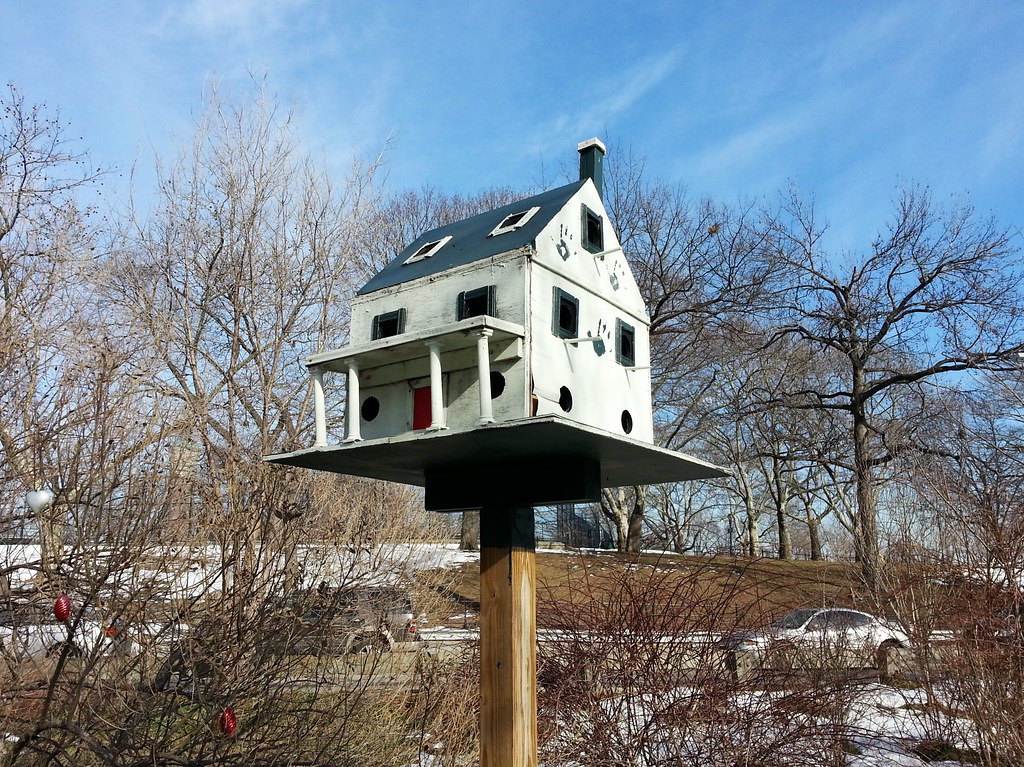
Located across from the 33rd Precinct station house on the outskirts of Highbridge Park
once again, this time at the former location of this mural (wider shot).
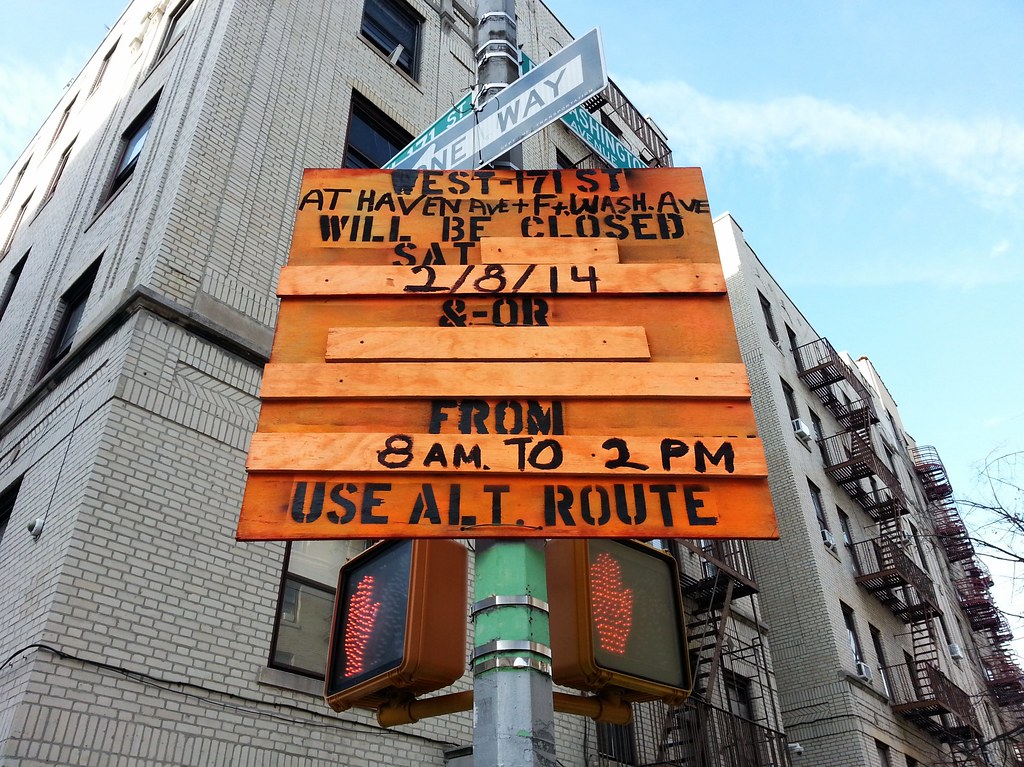
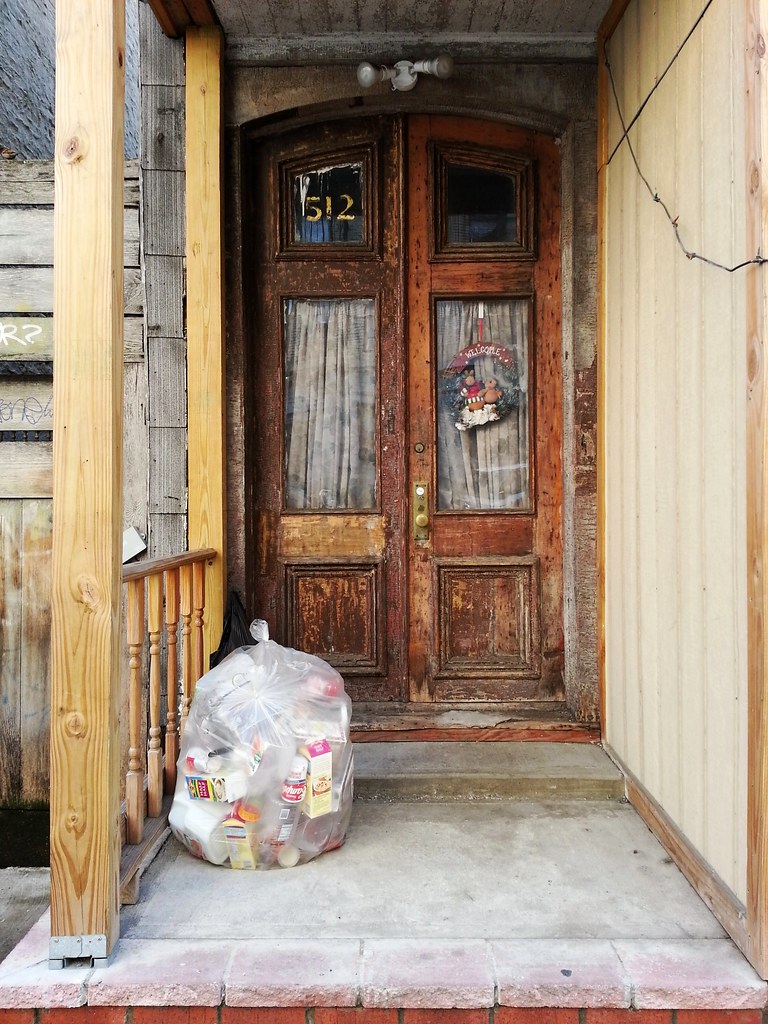
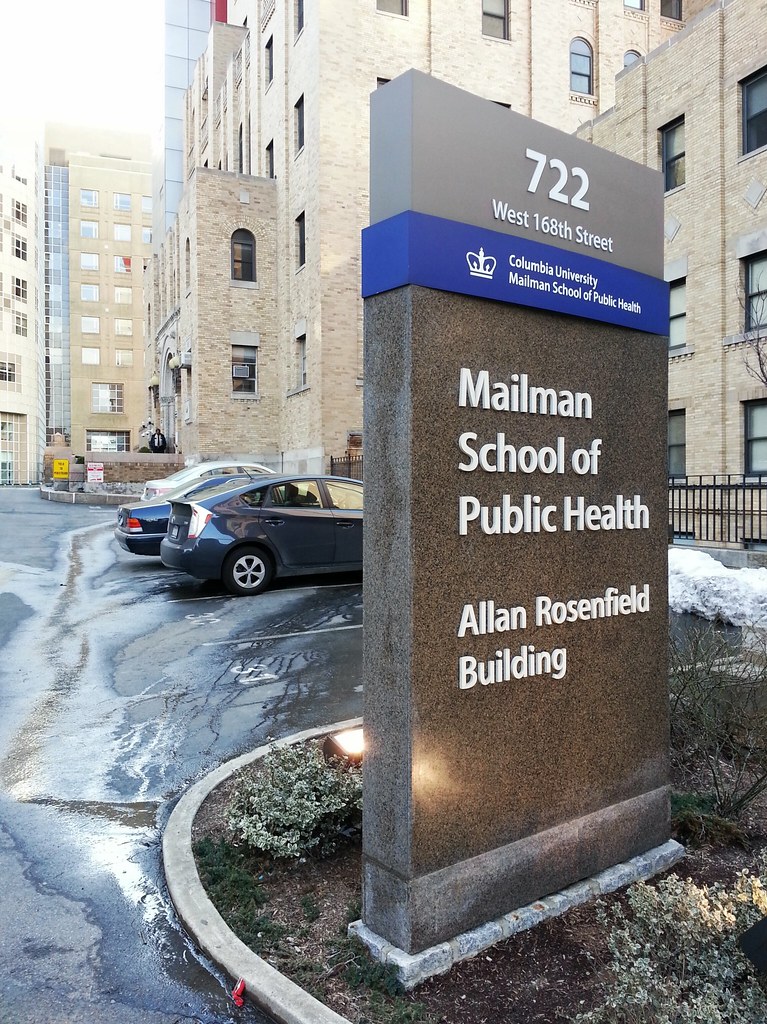
Specializing in the treatment of dog bites

Here we are again at this World War I memorial sculpted by Gertrude Vanderbilt Whitney, founder of the Whitney Museum of American Art. The surrounding park, Mitchel Square, is named for John Purroy Mitchel, the former NYC mayor who, after joining the Army's aviation service during World War I, fell out of his plane on a training flight and plummeted to his death.
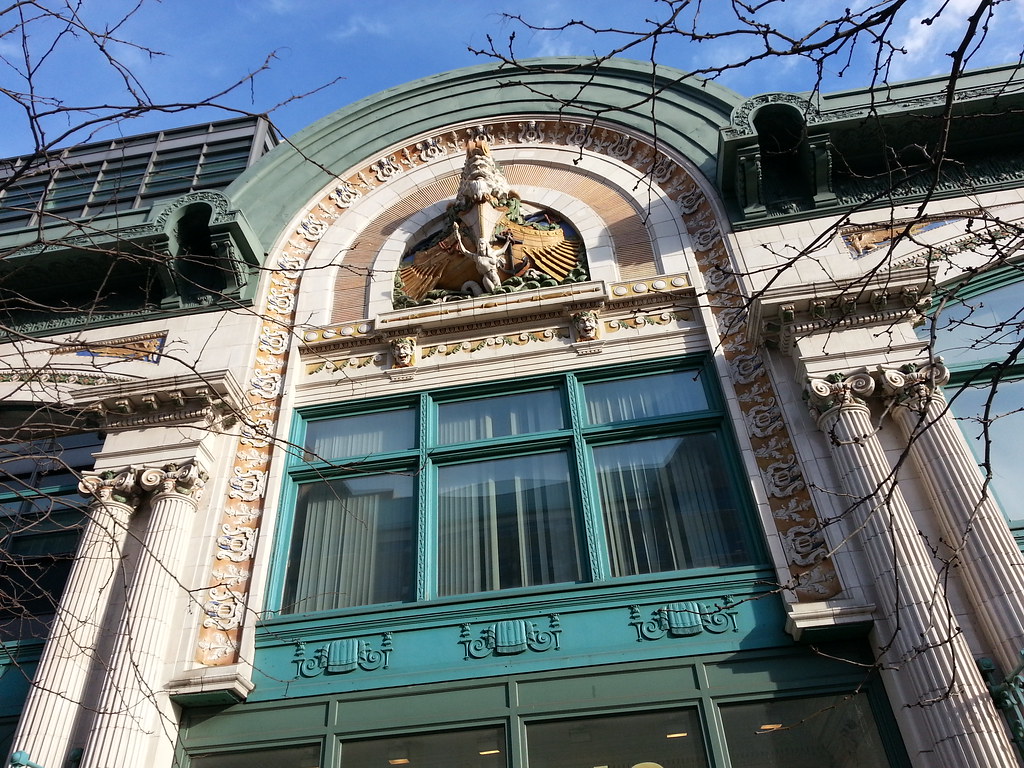
Neptune and the Argo (closer look) preside over the main entrance to the former Audubon Ballroom and Theater, where Malcolm X was shot and killed in 1965. Columbia University has since built the multi-story Audubon Business and Technology Center on the site (partially visible at left; bird's-eye view), while also restoring a good portion of the original facade and part of the ballroom where the shooting occurred, and providing space inside for the Malcolm X and Dr. Betty Shabazz Memorial and Educational Center.
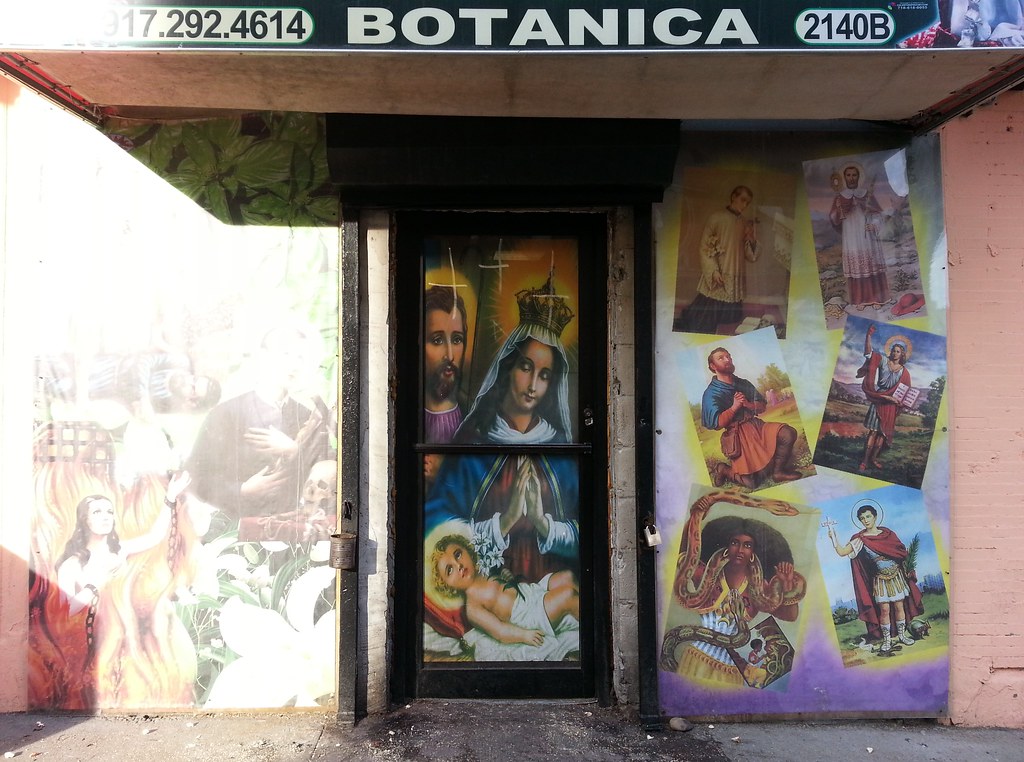
In the lower left, you can see the Anima Sola, whom we previously encountered, in three dimensions, at another botánica.
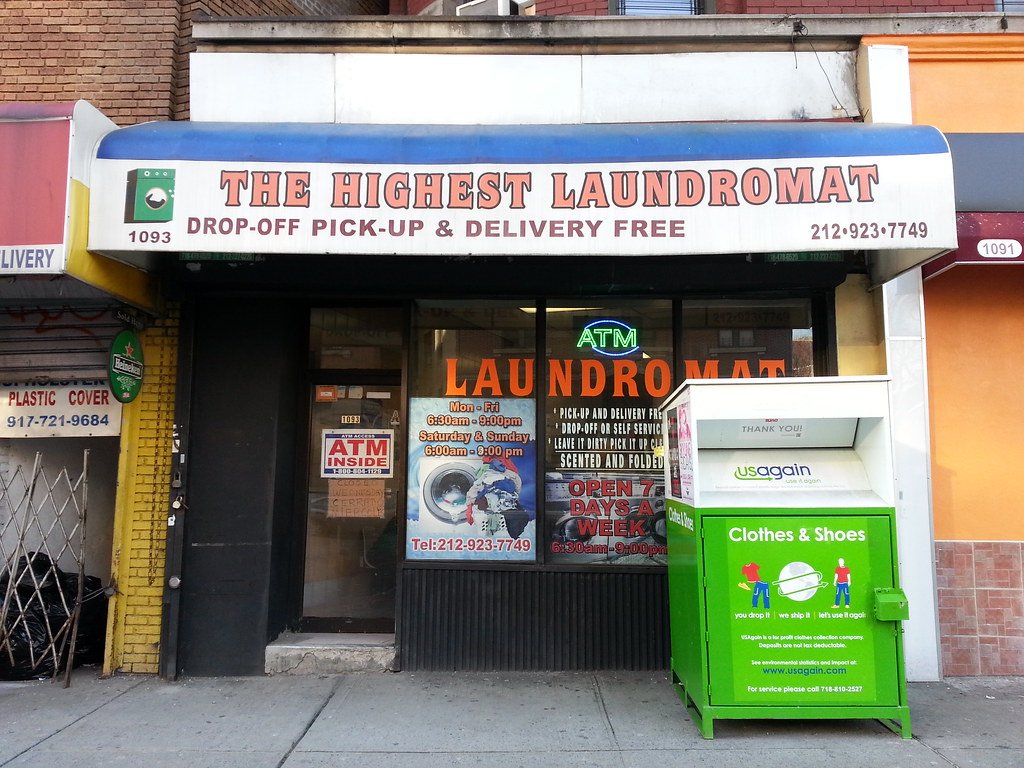
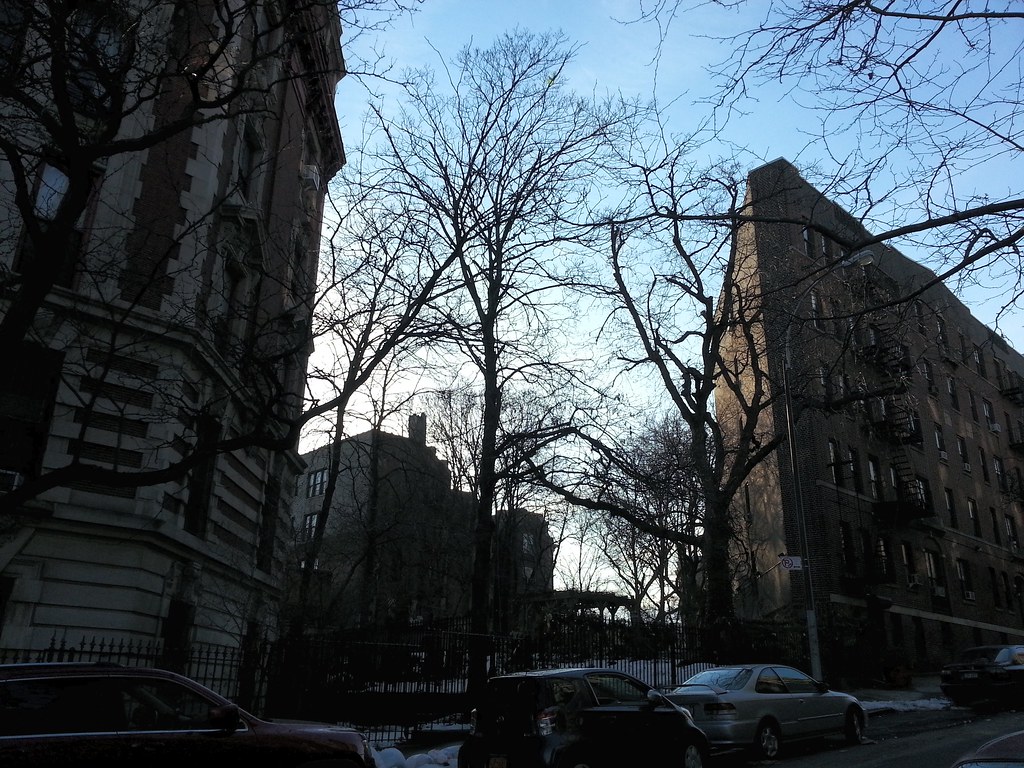
The Old Croton Aqueduct, out of service for several decades now, still cuts a slanted swath across the street grid of Upper Manhattan on its subterranean path from the southern end of Highbridge Park down toward 151st Street, where it turns south and runs directly beneath Amsterdam Avenue for a couple of miles. Standing on 153rd Street, above, you can see some oddly shaped buildings whose oblique walls skirt the course of the aqueduct as it slices diagonally through the middle of the block on its way toward 152nd Street. The aqueduct's route through this area is clearly visible as a treed corridor in aerial photos, and as a chain of elongated lots arcing across the city's tax map with total disregard for any sense of rectilinear real estate order.
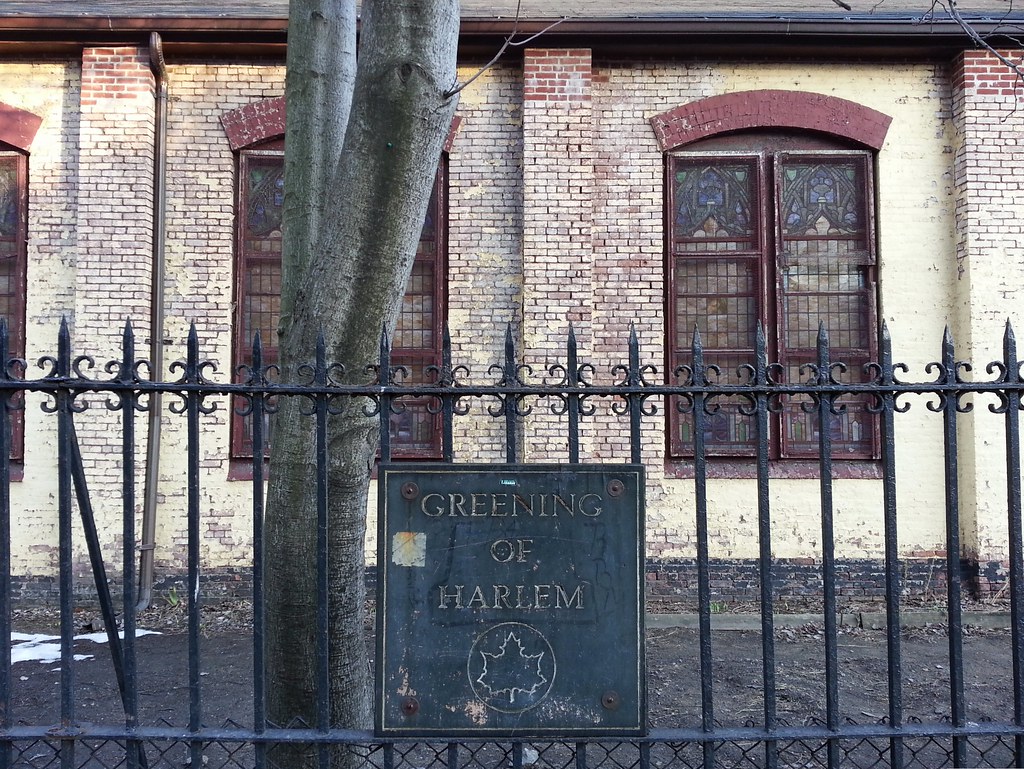
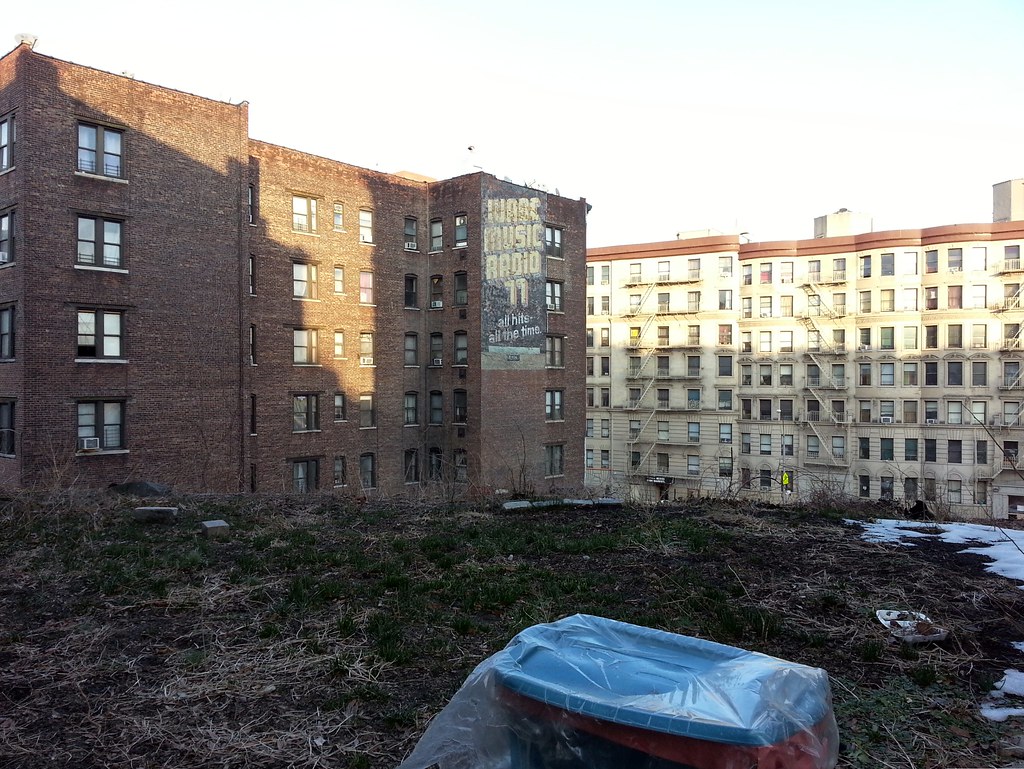
I'm not sure if the organization of that name still exists; perhaps the group's memory now lives on in this hopefully fertile patch of earth beside Mt. Zion Lutheran Church.


The property has been left alone, and is still owned by the surviving son.
"He's in there," Mrs. Barfield said. "We all know this."
In — there? That seems very unlikely. The gate was padlocked, the windows boarded up, and there was no apparent heat or electricity. . . .
Mrs. Barfield offered one hypothesis circulating among neighbors: the bunker. Years ago, she said, when the roundabout at 225th Street and 141st Avenue was being dug, the father and sons were seen at night hauling stones back to their house to build what the neighbors thought — though they had no evidence to support it — was an underground chamber.
That piggybacked on other baseless rumors that were fueled by the fact that the father was German and that in 1964 an otherwise ordinary German housewife in Maspeth, Queens, was unmasked as a former guard at a Nazi death camp.
Nevertheless, rumors, a reality in every neighborhood, persisted.
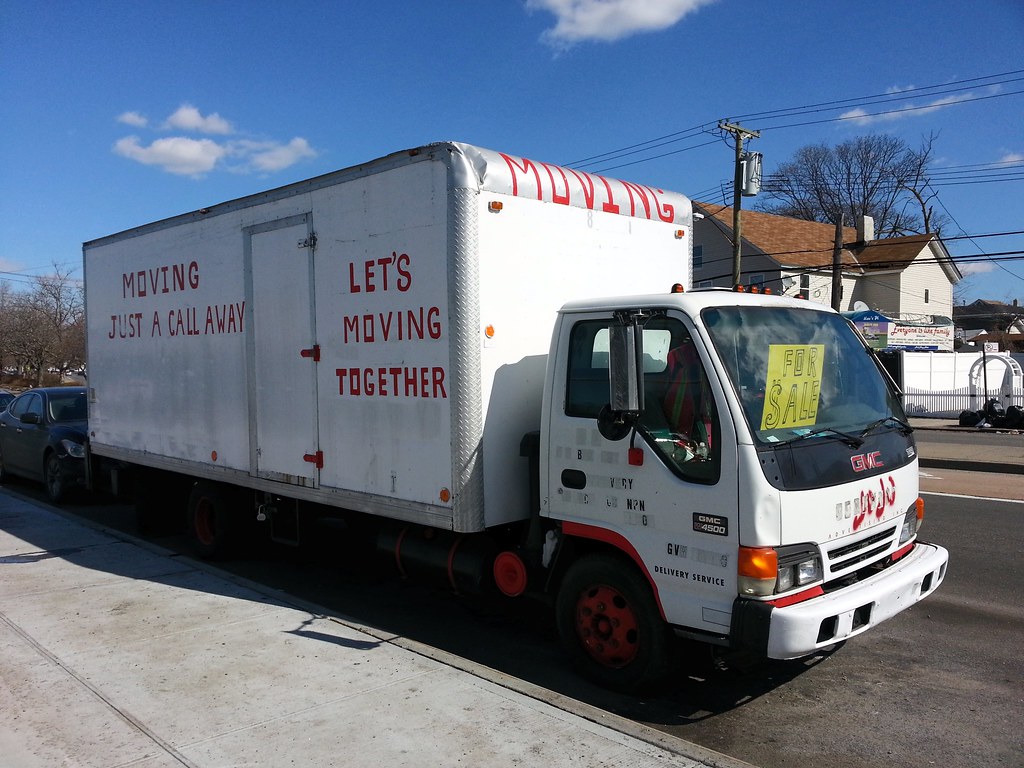
A glance at the other side of this truck reveals an association with Kev's Place across the street, where "Everyone is like family".
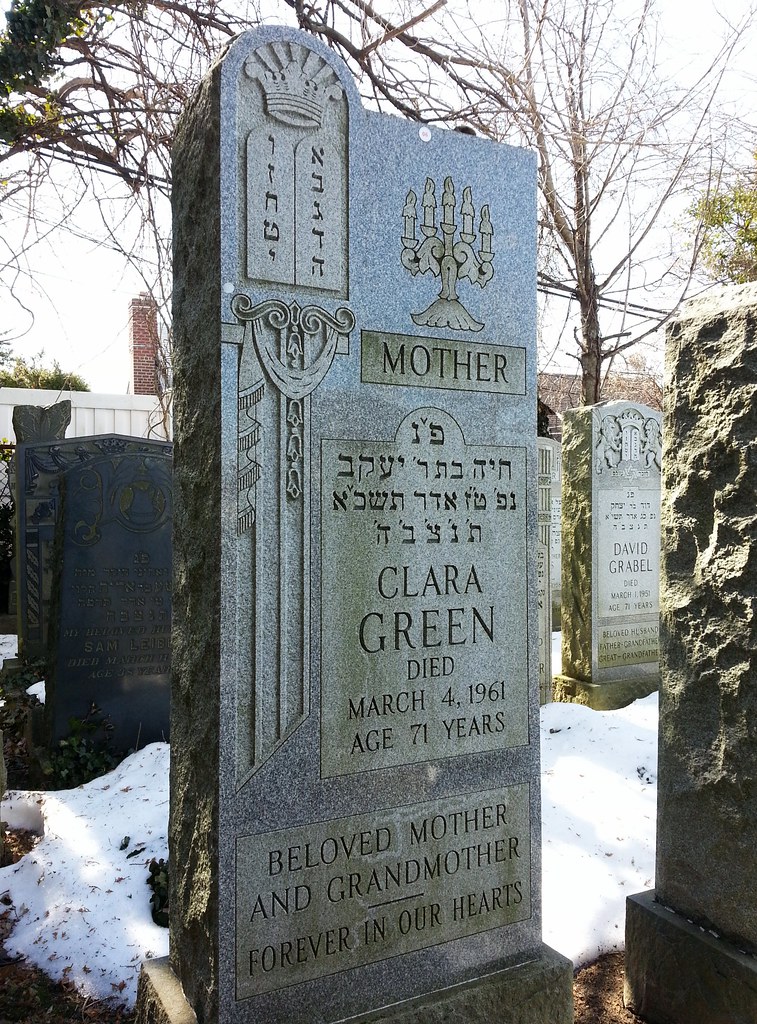
My great-grandmother! I thought I had discovered her grave the last time I was here at Montefiore Cemetery, but it turned out I had found a different Clara Green.
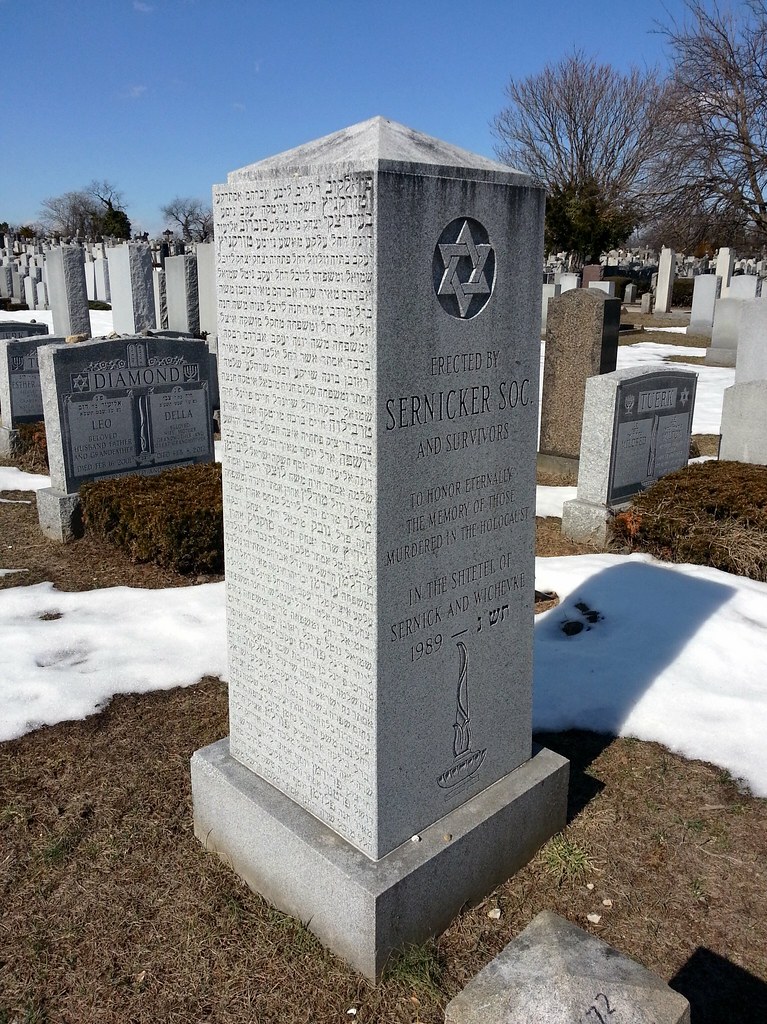
You can see photos of all four sides here.
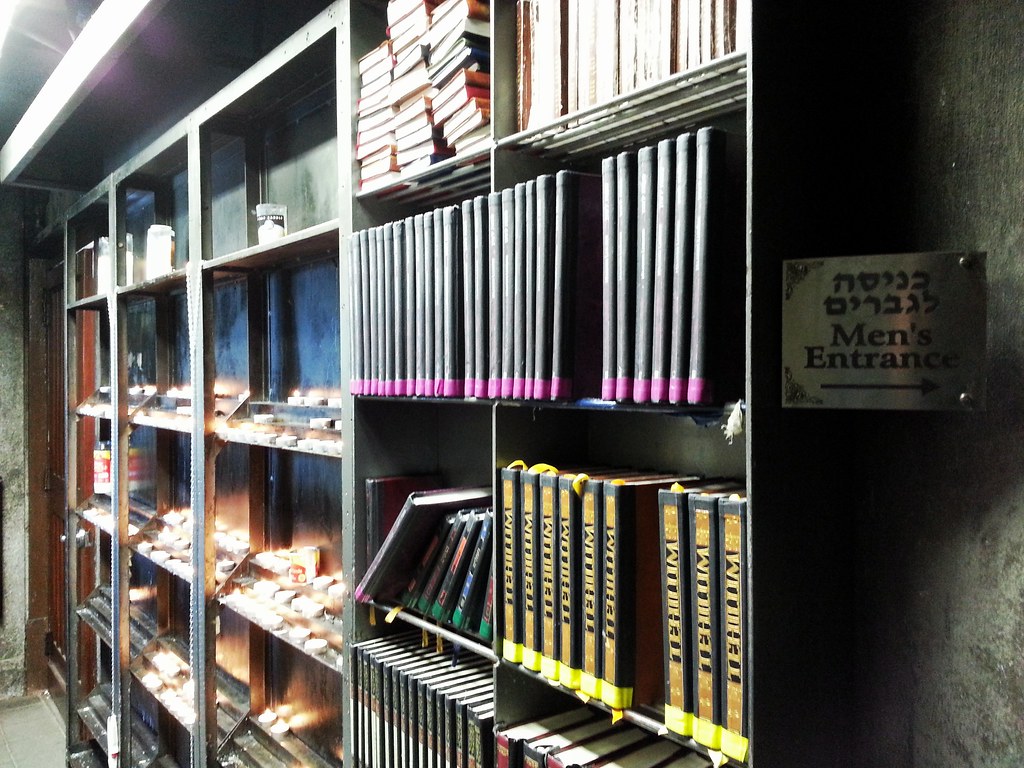
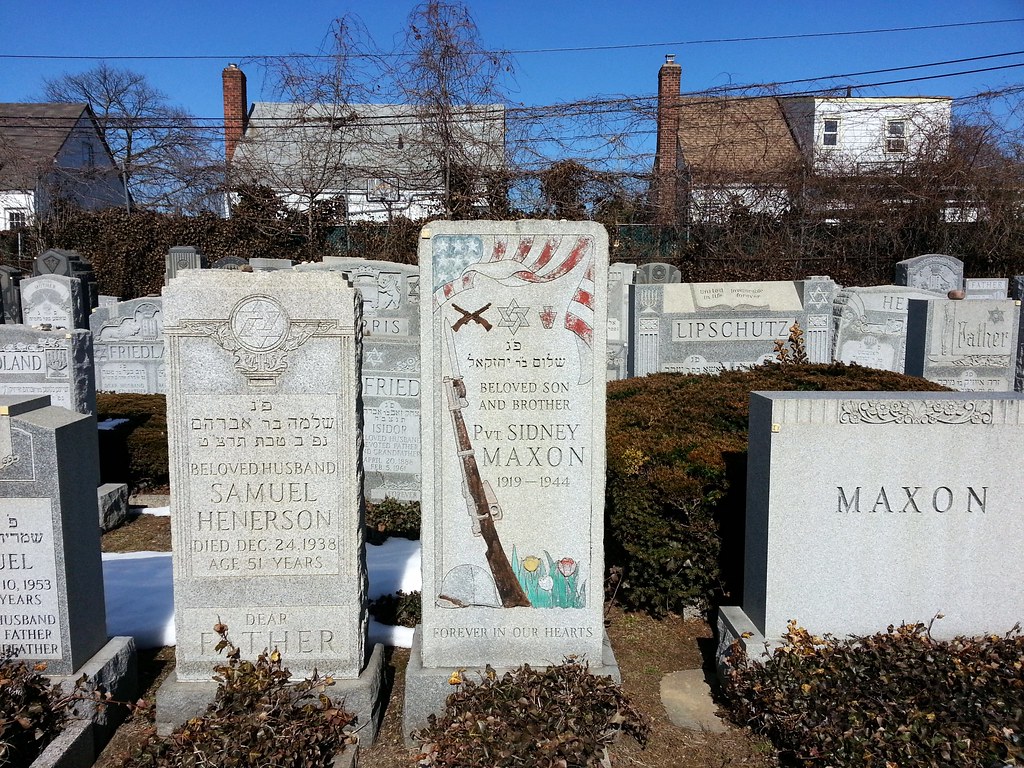
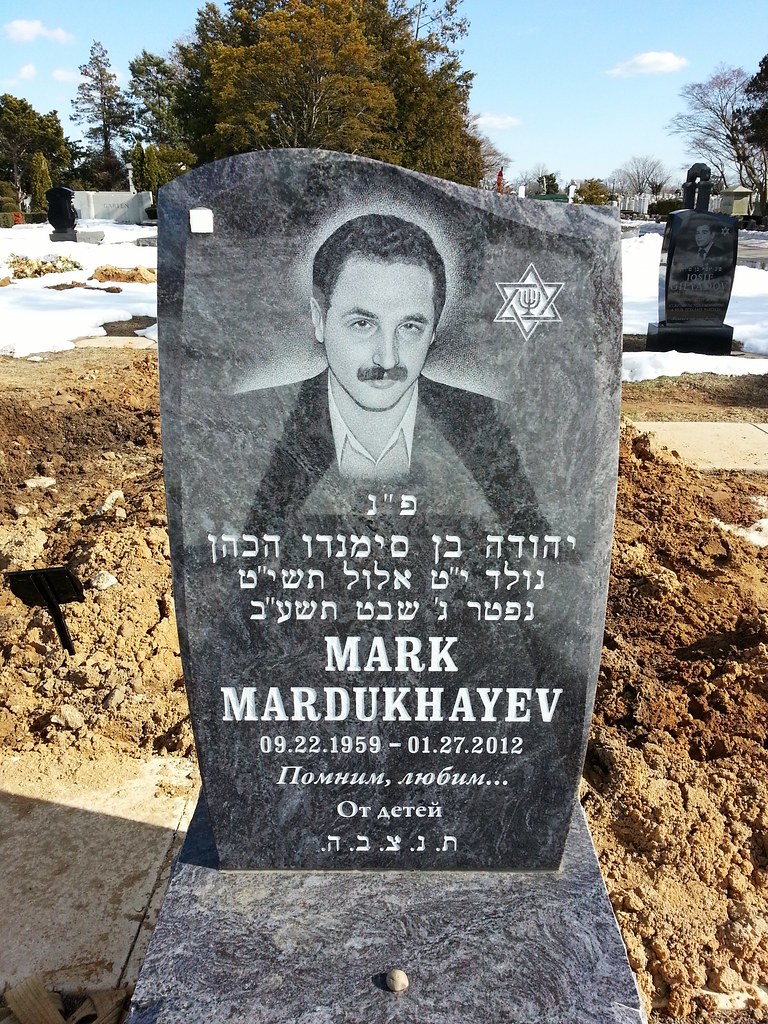
This new burial area here at Montefiore Cemetery seems to be populated exclusively by laser-etched headstones for Jews from the former Soviet Union. We saw the same phenomenon last year at Washington Cemetery in Brooklyn.
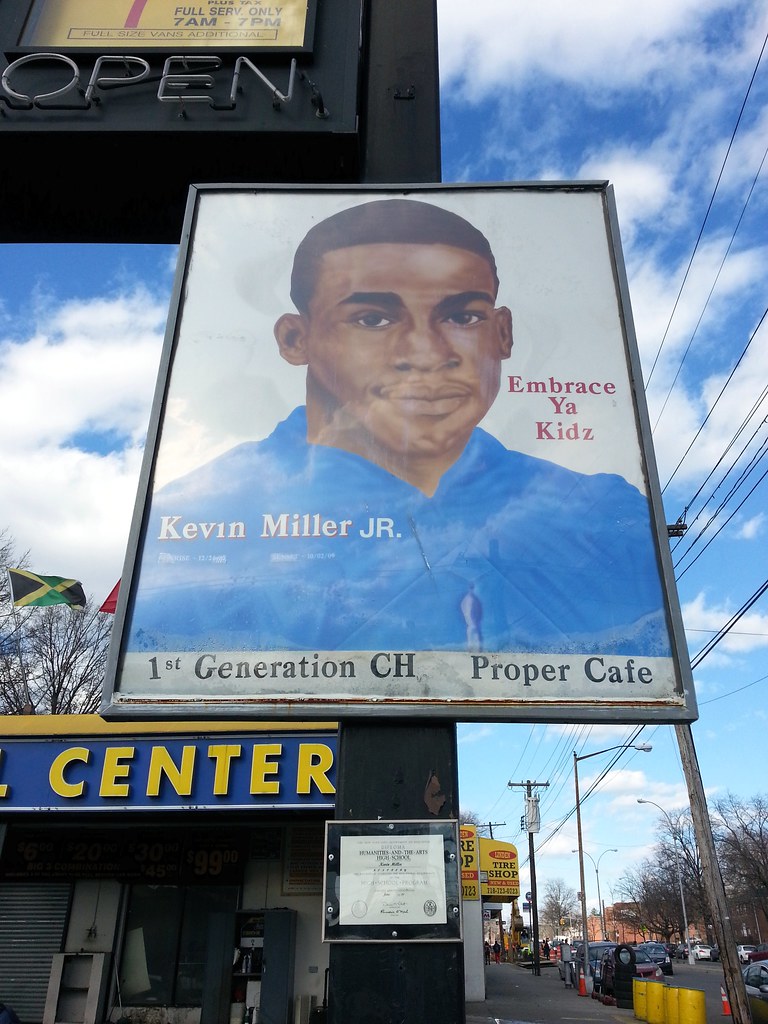
Kevin Miller Jr., killed by stray gunfire at the age of 13
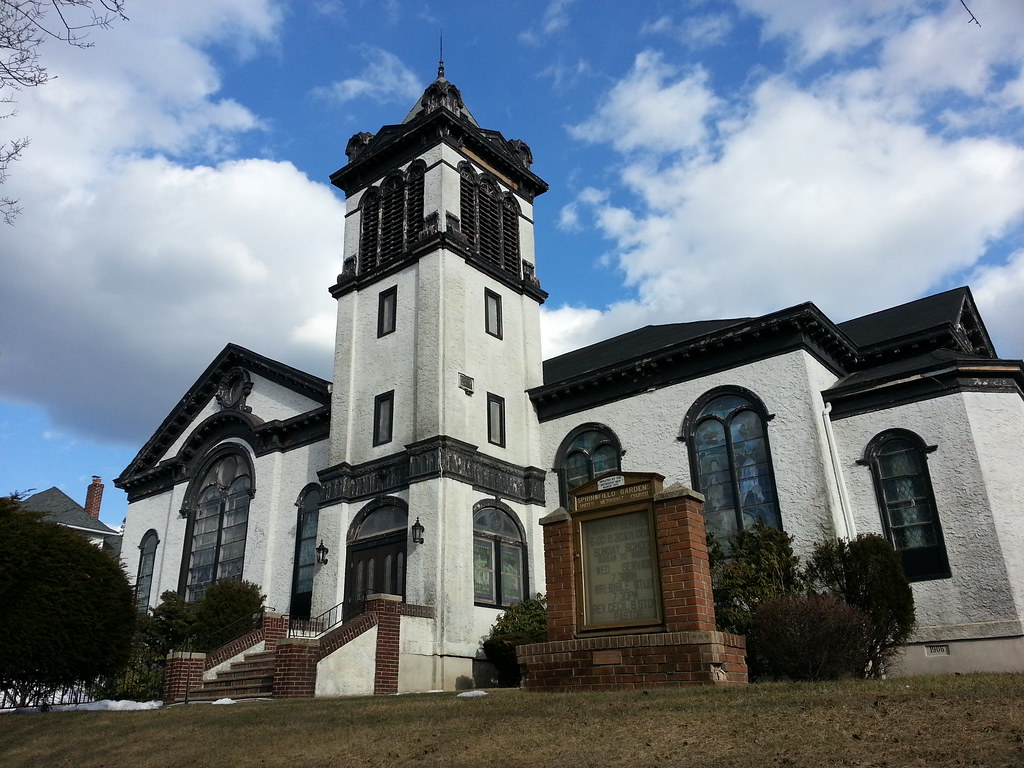
Architecturally reminiscent of the nearby First Presbyterian Church of Springfield Gardens. Here's what this church looked like in 1916.
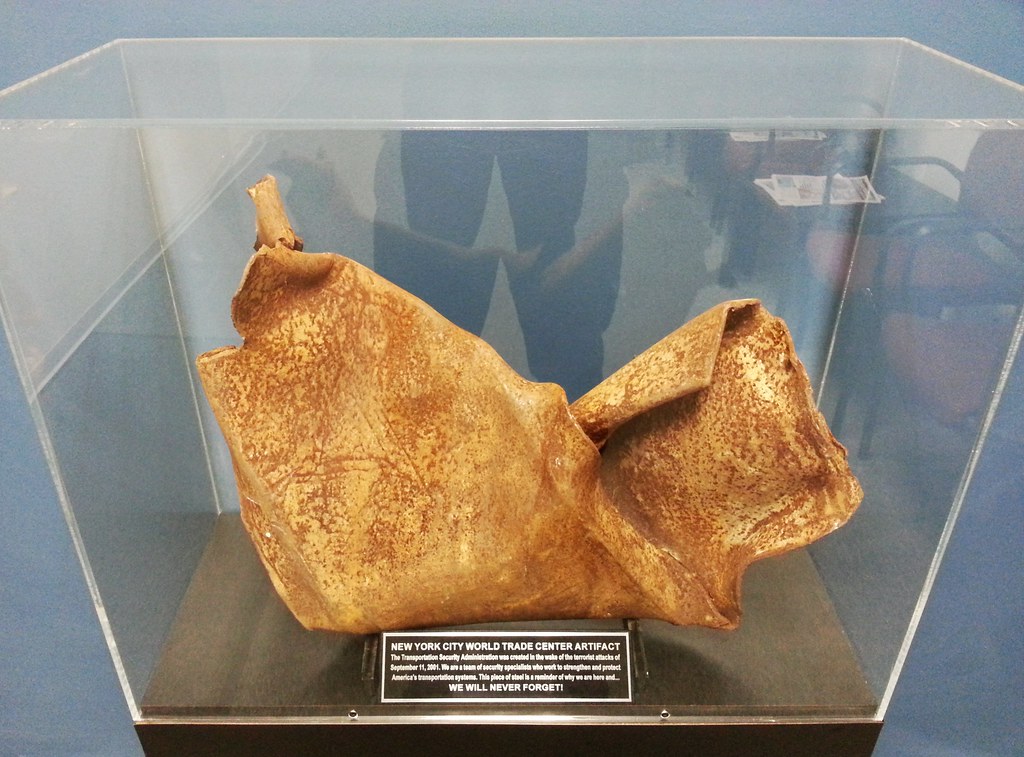
I had to make a midday trip over to the TSA lost-and-found office near JFK Airport and found this in the waiting area. The plaque reads:
NEW YORK CITY WORLD TRADE CENTER ARTIFACT
The Transportation Security Administration was created in the wake of the terrorist attacks of
September 11, 2001. We are a team of security specialists who work to strengthen and protect
America's transportation systems. This piece of steel is a reminder of why we are here and...
WE WILL NEVER FORGET!
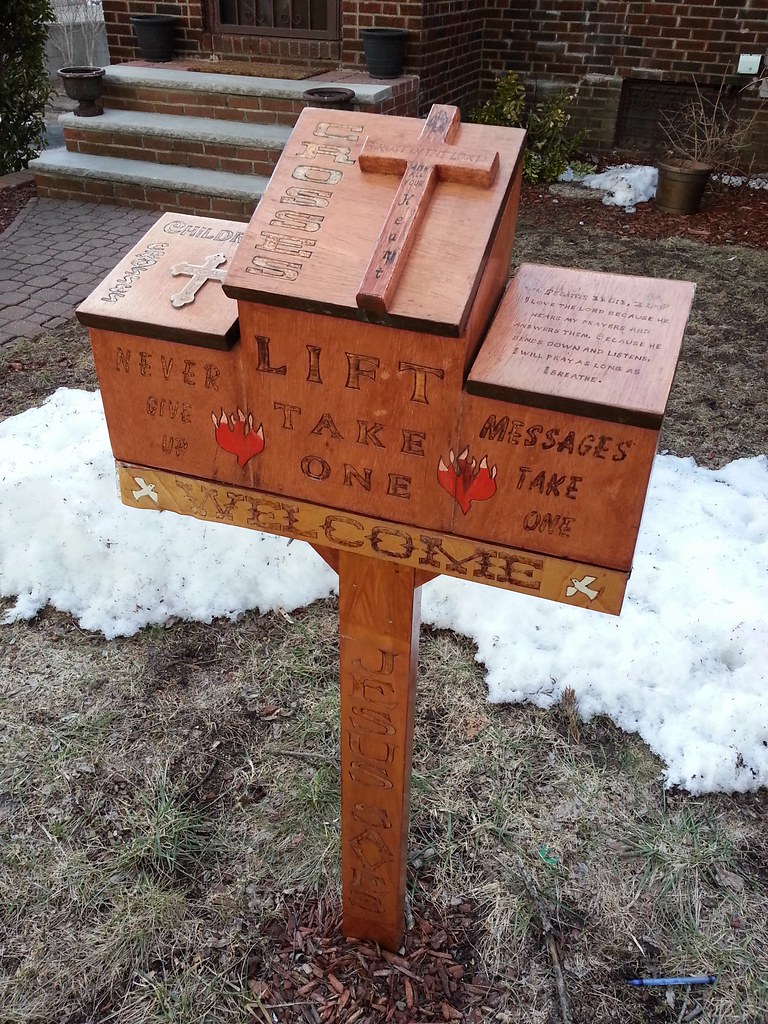
Here's a closer look at the whole thing, and here's what's inside one of the compartments.

This circa-1864 structure, "one of a few surviving frame houses in Harlem which date from the period in the city's history when Harlem was still a rural village", is said to feature one of New York's earliest mansard roofs, predating by a few years "the mansard mania of 1868 to 1873 [which] swept over New York with a peculiar incandescence, but then went out like a guttering candle." (The roof is referred to as a mansard by many architectural sources more knowledgeable than me, but I don't think that is an accurate description, as the roof does not appear to be hipped.) You can see a couple of old photos of this building, as well as one interior shot, here.
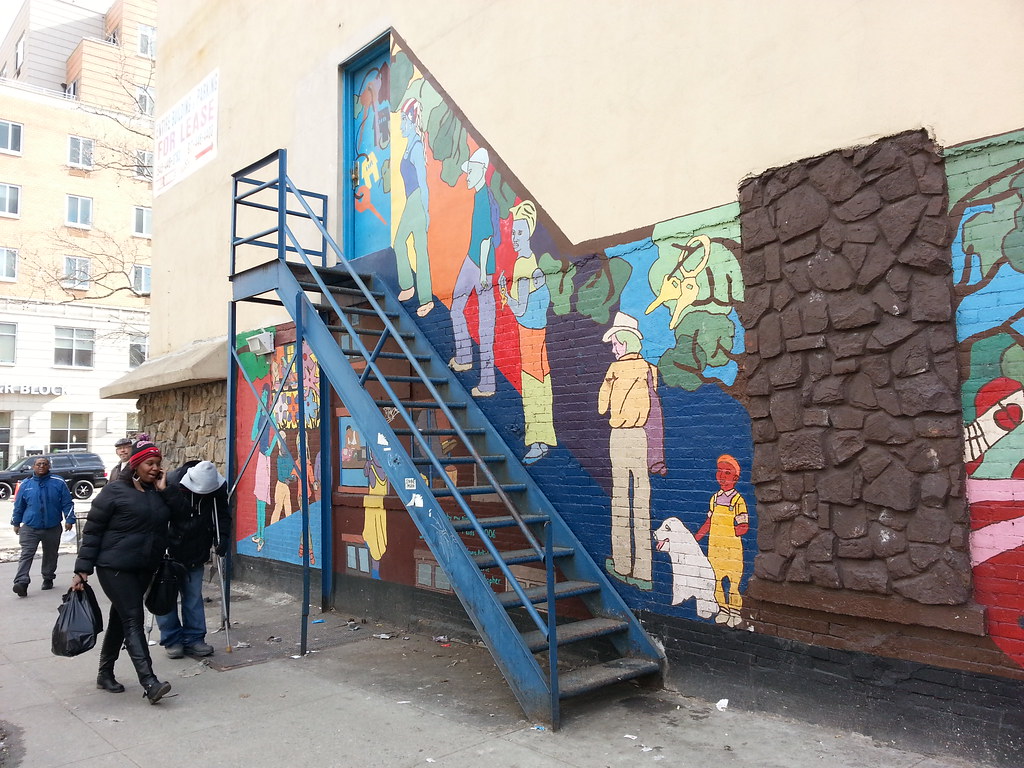
This is the home of Homebase, an organization that works to "[prevent] homelessness throughout Manhattan by helping clients resolve any immediate housing crises that placed them at risk of becoming homeless."
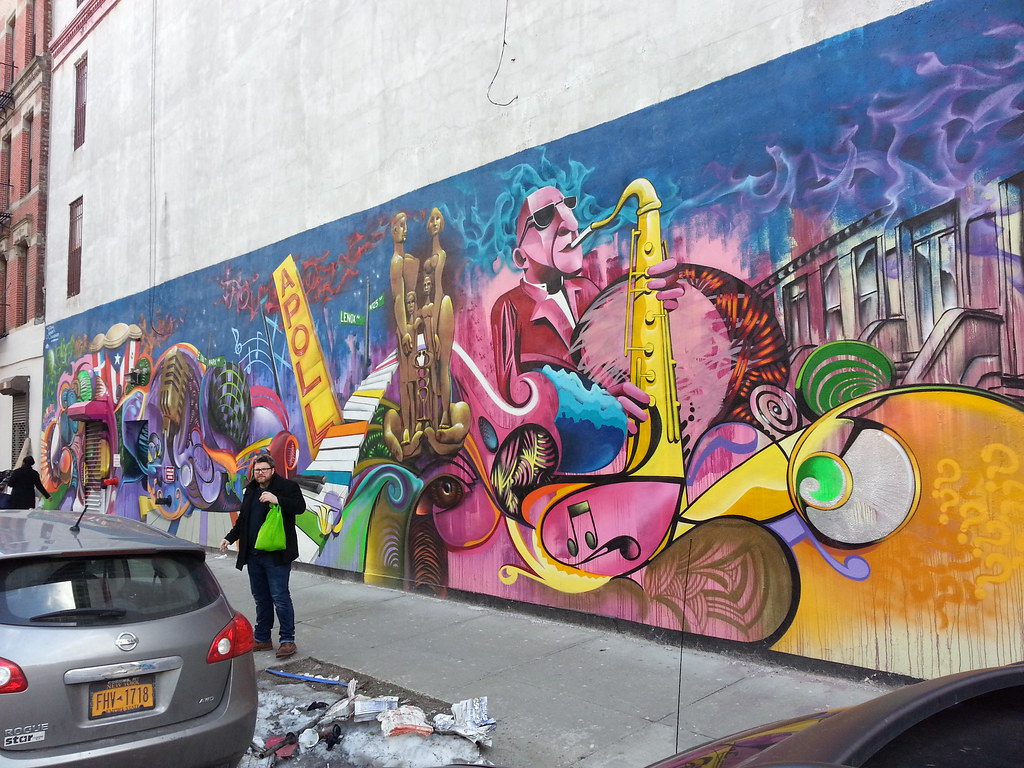
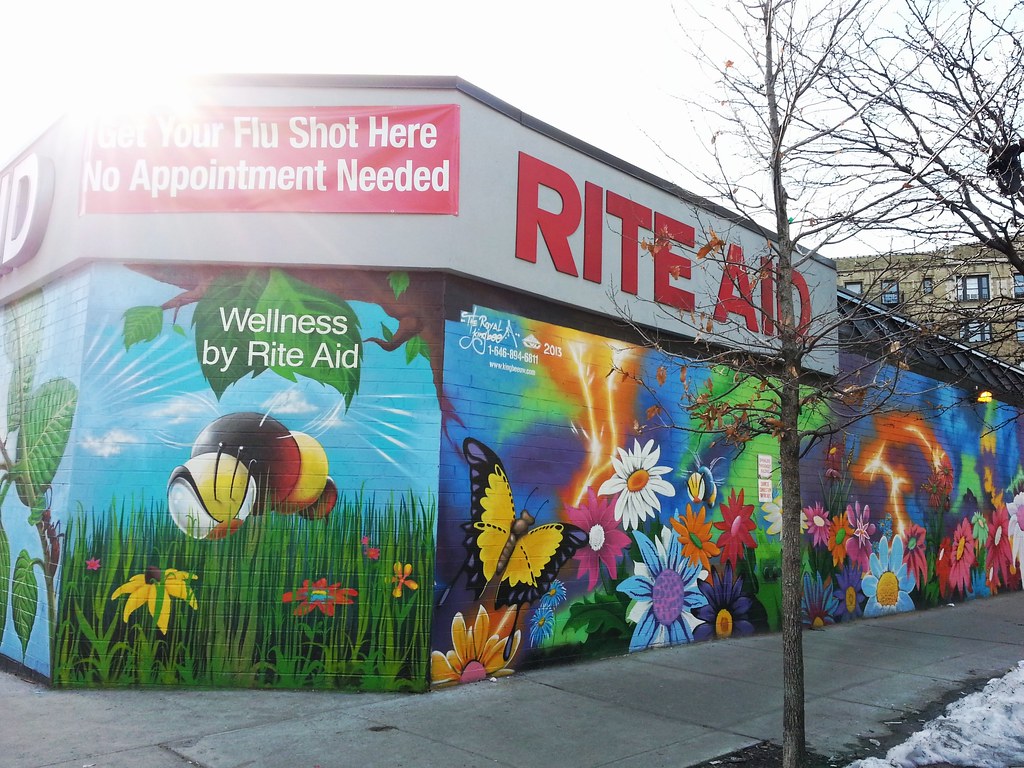
Painted by — no surprise — the Royal Kingbee, whose relationship with the drug store chain now clearly transcends the bounds of the Bronx.
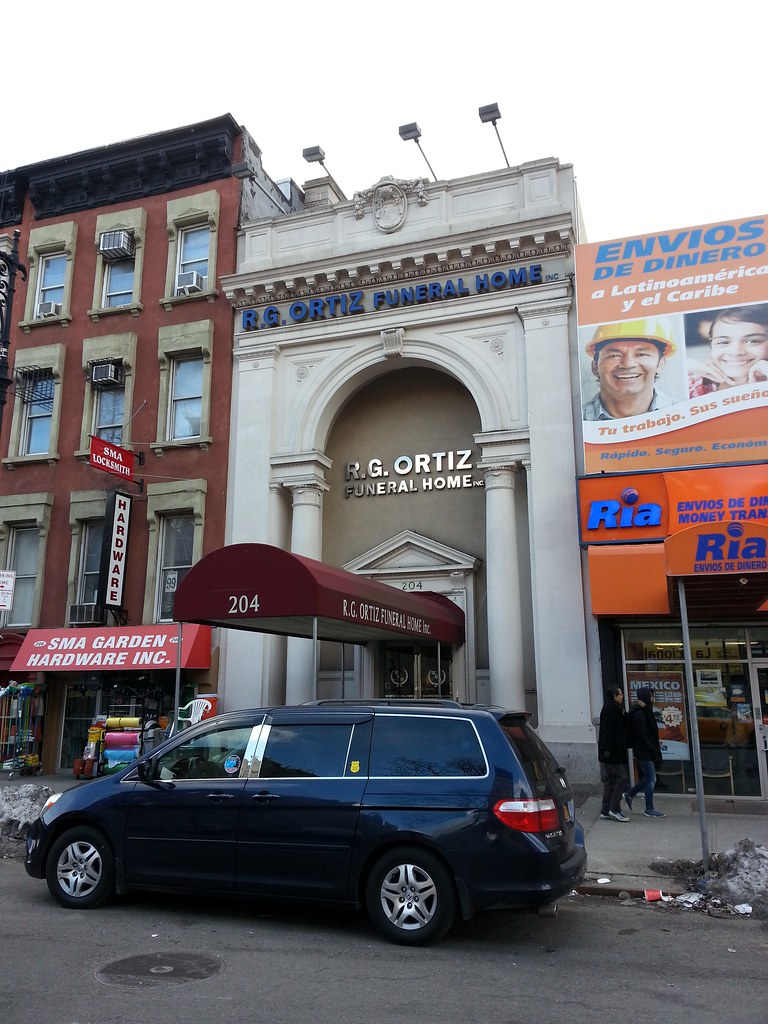
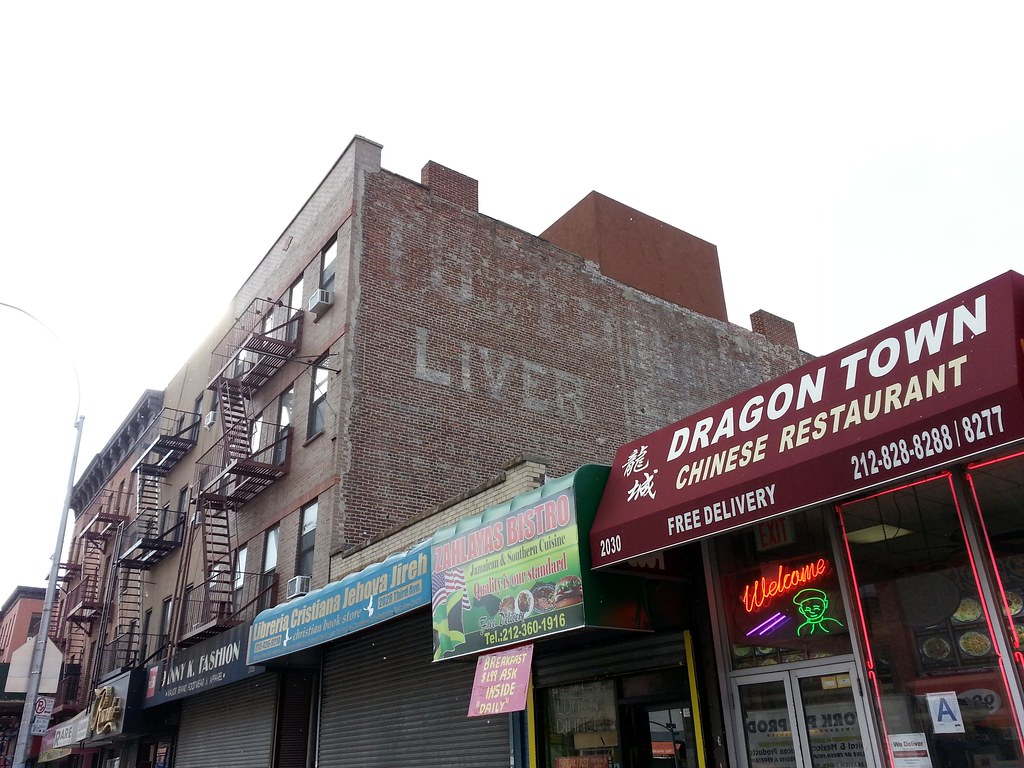
I believe this was once an ad for Dr. Tutt's Liver Pills. Why Dr. Tutt's? Because "constipation is a crime against nature . . . Dr. Tutt's Liver Pills is the remedy . . . Get a box and see how it feels to have your liver and bowels resume their health-giving natural functions."
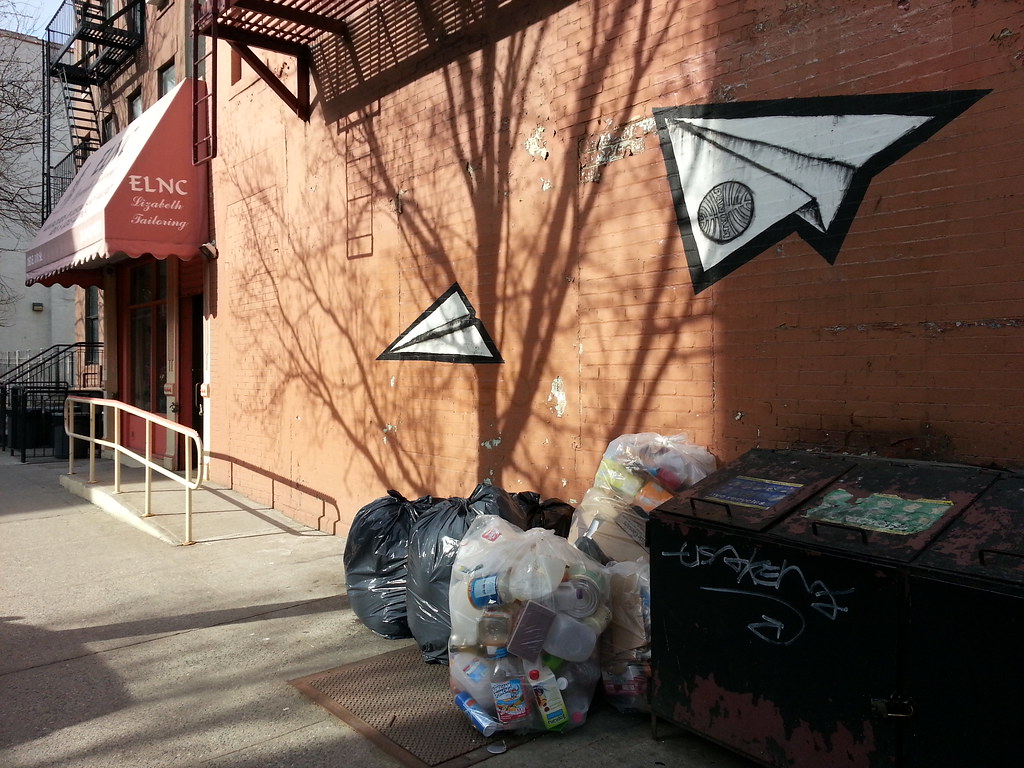

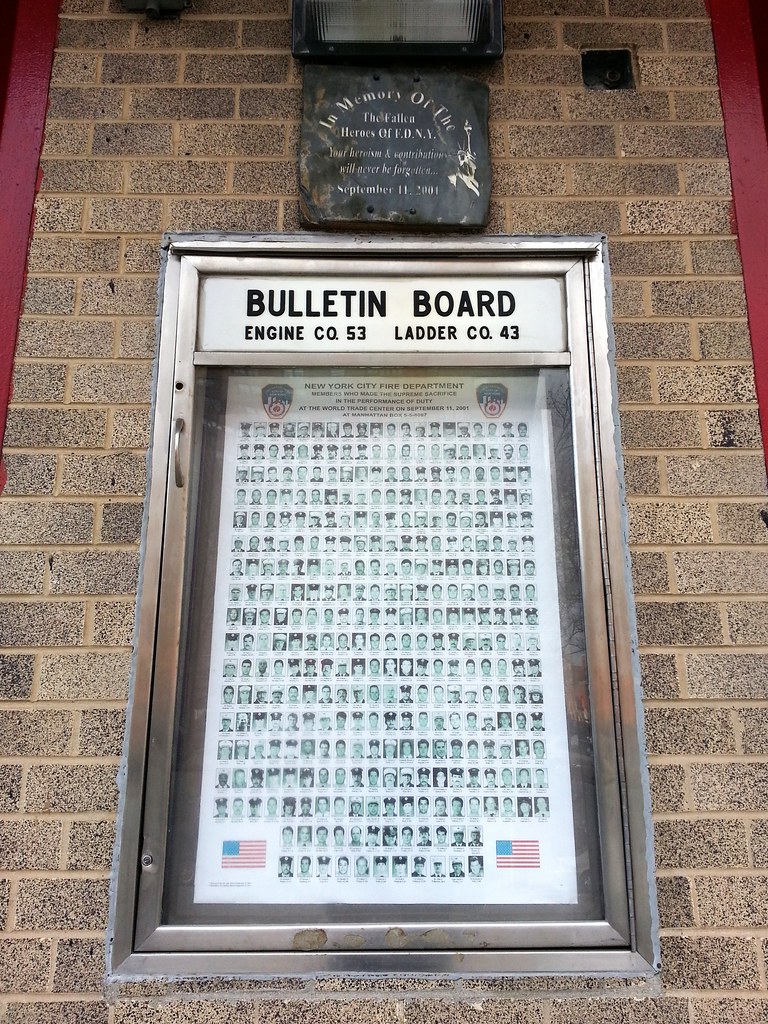
Here's the second part of it. Each of the component pieces of this memorial is identical or at least very similar to something we've seen before, but I think the combination of them all warrants inclusion in the official list as a unique memorial.


Heading south into Metro-North's Park Avenue railroad tunnel is what I believe is a ballast tamper (I'm pretty sure that blue blur on the side reads "Tamper"), followed by some tools and supplies being pushed by a clown car.
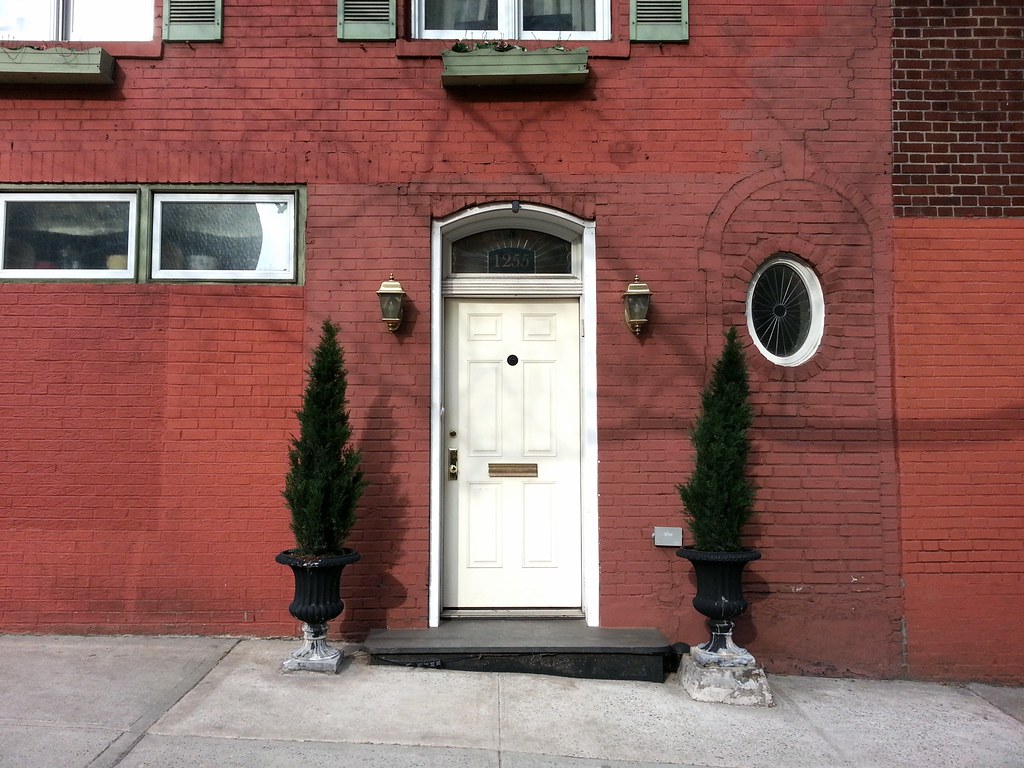
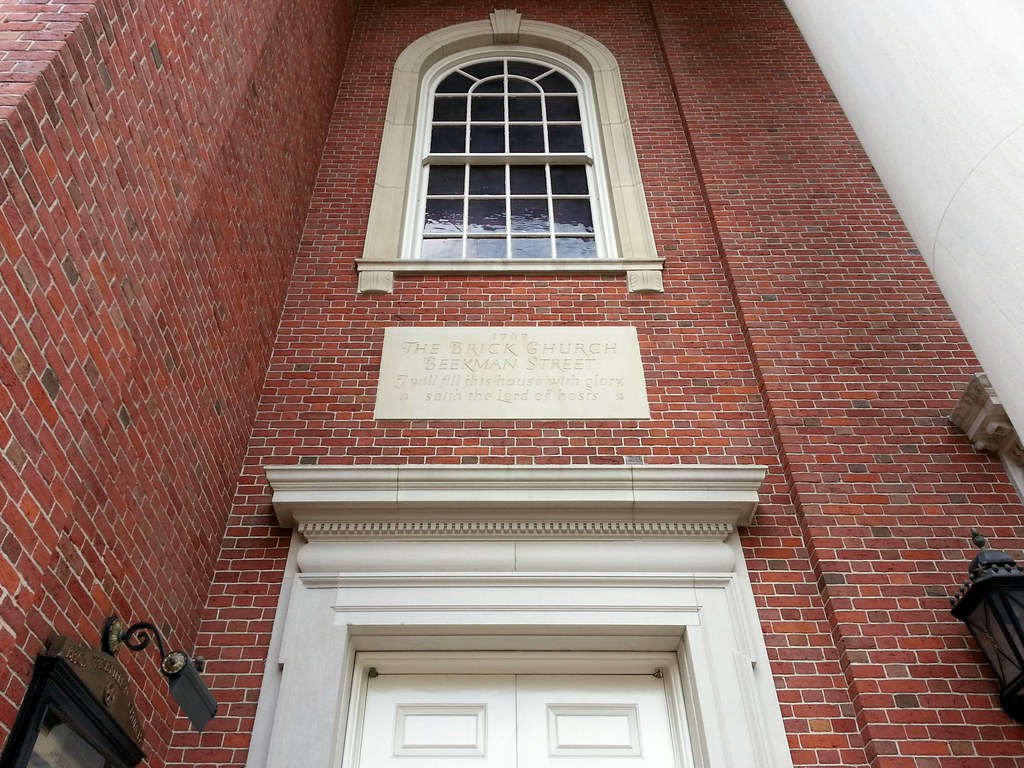
As the text inscribed above the doorway indicates, the first incarnation of this Upper East Side church was built around 1767 down on Beekman Street. That structure served the congregation until 1856, with the exception of several years during the Revolutionary War when the British used it briefly as a prison and then turned it into a hospital. The second Brick Church opened in 1858 on Fifth Avenue and 37th Street, and the present building was dedicated here at Park Avenue and 91st Street in 1940.
Tucked away in a little indentation in the facade is a stone that reads "PVB Livingsto 1767". It is apparently a replica of a foundation stone from the original church building; Peter Van Brugh Livingston was an elder of the congregation who, according to the church, "was instrumental in securing" a perpetual lease for the site on Beekman Street, which a 1909 NY Times article described as "about the finest piece of property the city owned . . . that very choice bit of real estate bounded to-day by Nassau and Beekman Streets and Park Row". (Full disclosure: the Times's headquarters occupied the same site for almost half a century after the church left in 1856.) A history of the church published in 1909, whose release prompted the aforementioned Times article, offers a different opinion, however, saying that "the property in question had in 1765 comparatively little value. . . . [The land] was on the extreme northern edge of the city."
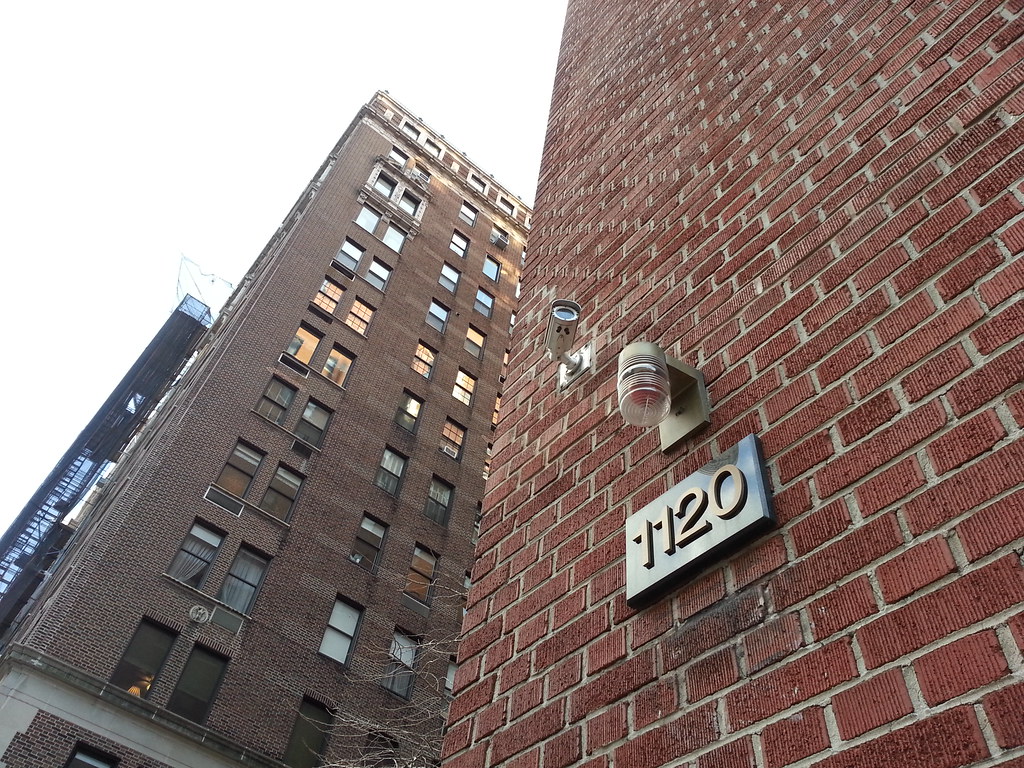
I saw several buildings on Park Avenue today with similar lights; the idea is that a doorman will turn on the bulb when a resident of his building needs a cab at night. (The security camera above the light is unrelated to the taxi-signaling efforts.)
According to a 2003 NY Times article entitled "Futile Beacons of a Bygone Age":
Hundreds of these little lights can still be found in the city's upscale neighborhoods. . . .
An informal poll of more than a dozen doormen on the Upper East and West Sides suggests that the system has long stopped working.
"They just drive on by," said a doorman at a building on 79th Street near York Avenue. "We only do it to make the residents happy." . . .
Andrew Alpern, the author of "Luxury Apartment Houses of Manhattan: An Illustrated History," suggests that these urban fireflies date to the 1940's, or more specifically World War II. As men went off to war, a dearth of doormen ensued.
"Without a doorman to hail the cab for you," Mr. Alpern said, "they may have started putting in these lights so that the elevator man could flip on the taxi light. And that would be the extent of his trying to get a cab for you."
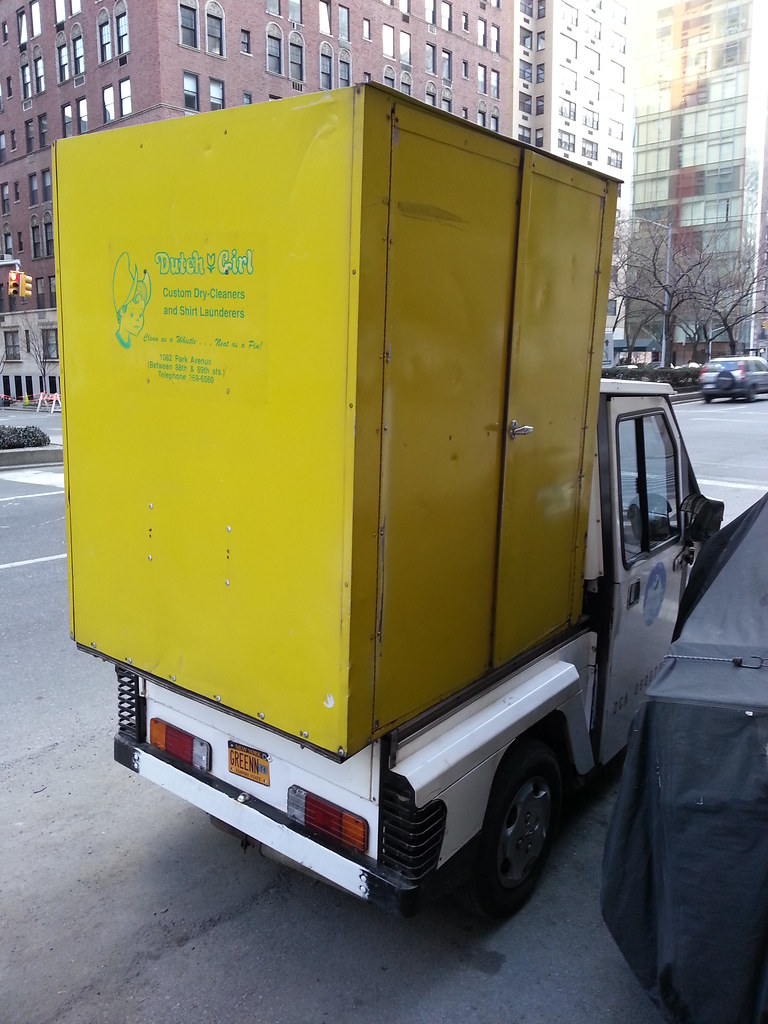
Parked outside the Dutch Girl Cleaners at 1082 Park Avenue, a.k.a. "Sicily in terra cotta"