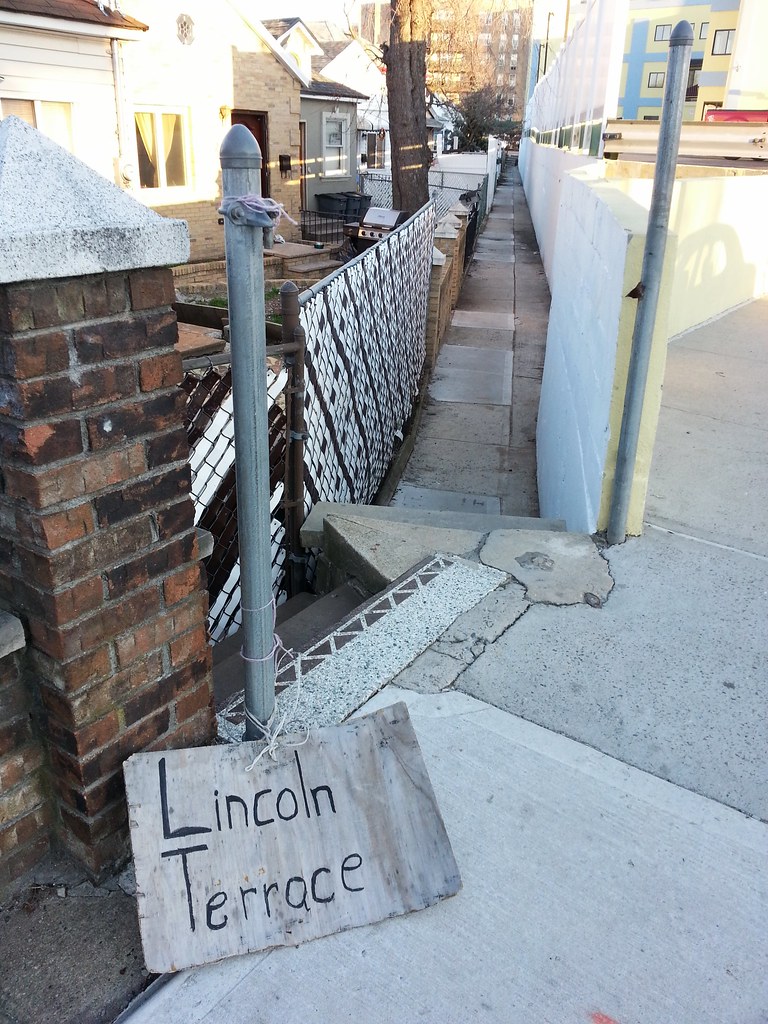
One last little Sheepshead Bay passageway

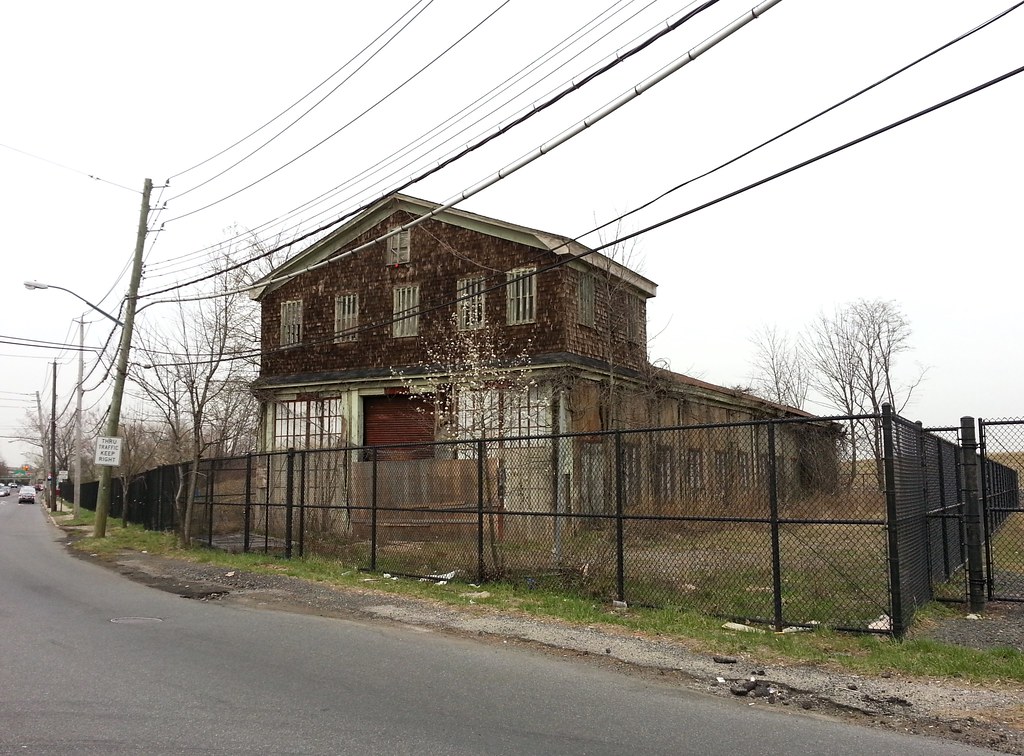
Standing at the edge of the old Brookfield landfill (which, like its neighbor Fresh Kills, is currently being turned into a park), this structure originally served as a garage for Staten Island trolley buses in the 1920s.

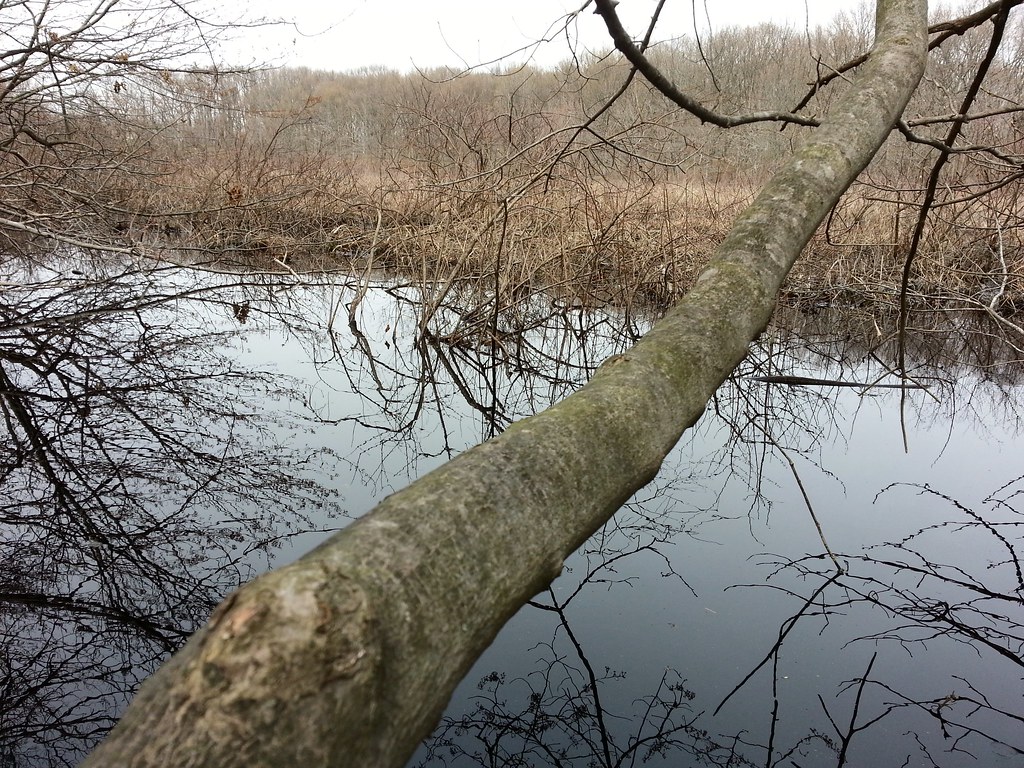
This seemingly unnamed little forest is just a couple of square blocks in area, tucked into the street grid between rows of houses.


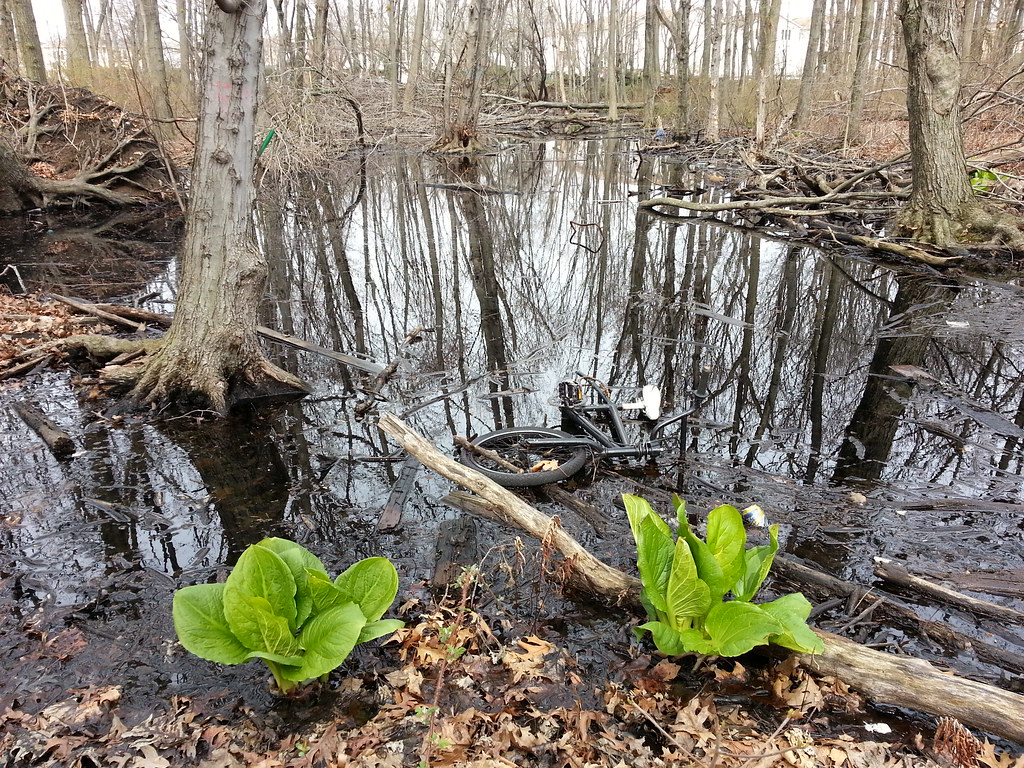
I counted eight blue Pathmark carts plus the red one at left.

According to Wikipedia: "Skunk cabbage is notable for its ability to generate temperatures of up to 15-35°C (59-95°F) above air temperature by cyanide resistant cellular respiration in order to melt its way through frozen ground, placing it among a small group of plants exhibiting thermogenesis."
Here's an NY Times tribute to the generally unsung, if not always unsmelled, plant: "Seduced By a Skunk Cabbage".
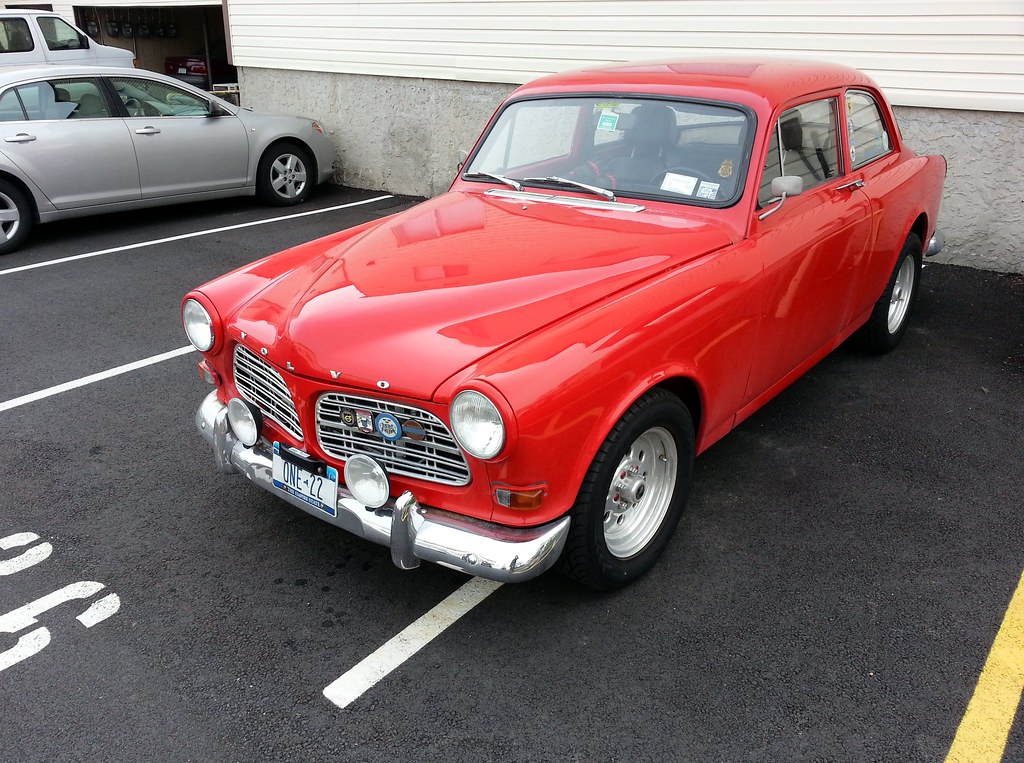

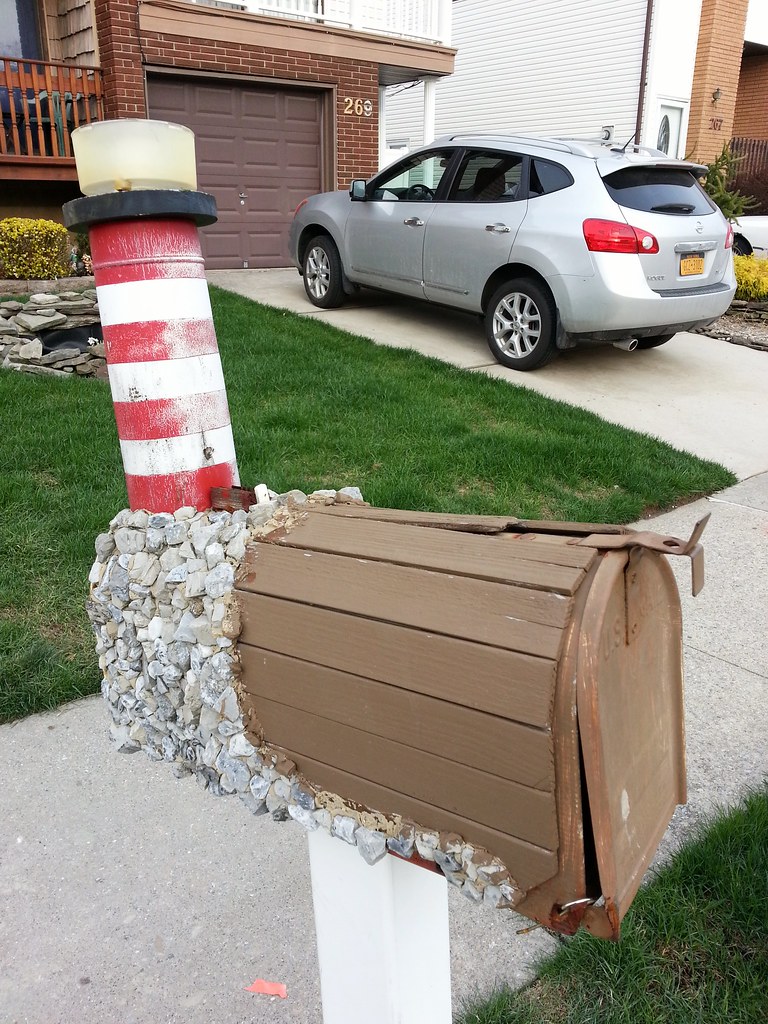
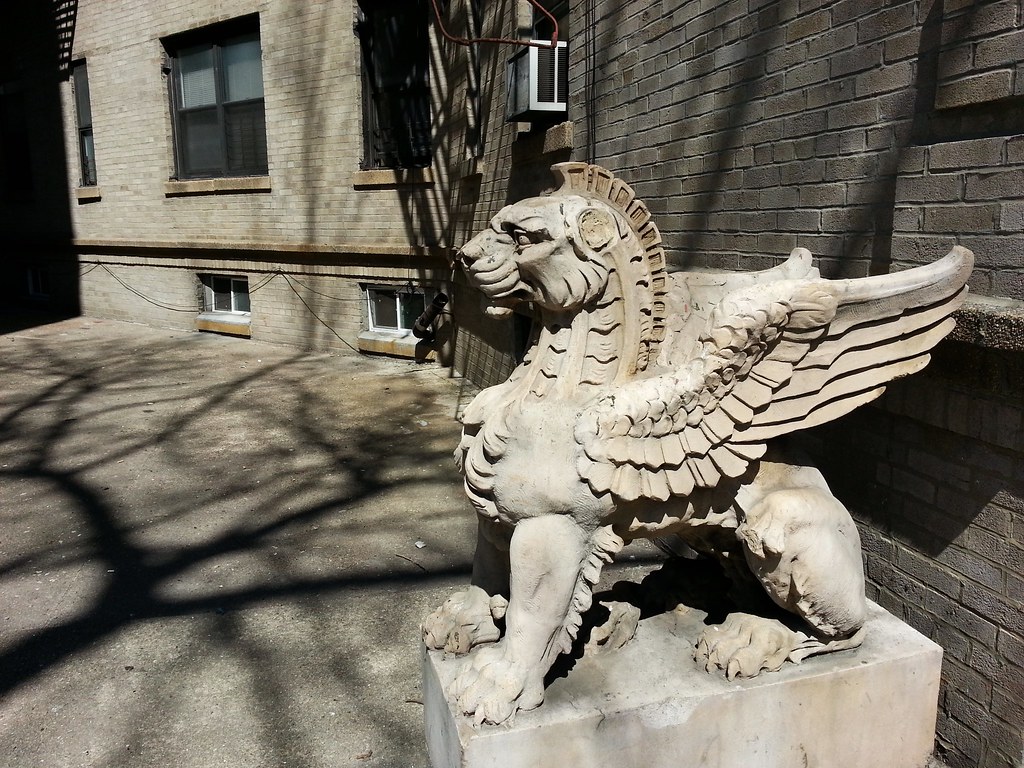


Listo El Pollo, a former tiki bar transformed into "the Colombian Hooters", has apparently gone out of business.
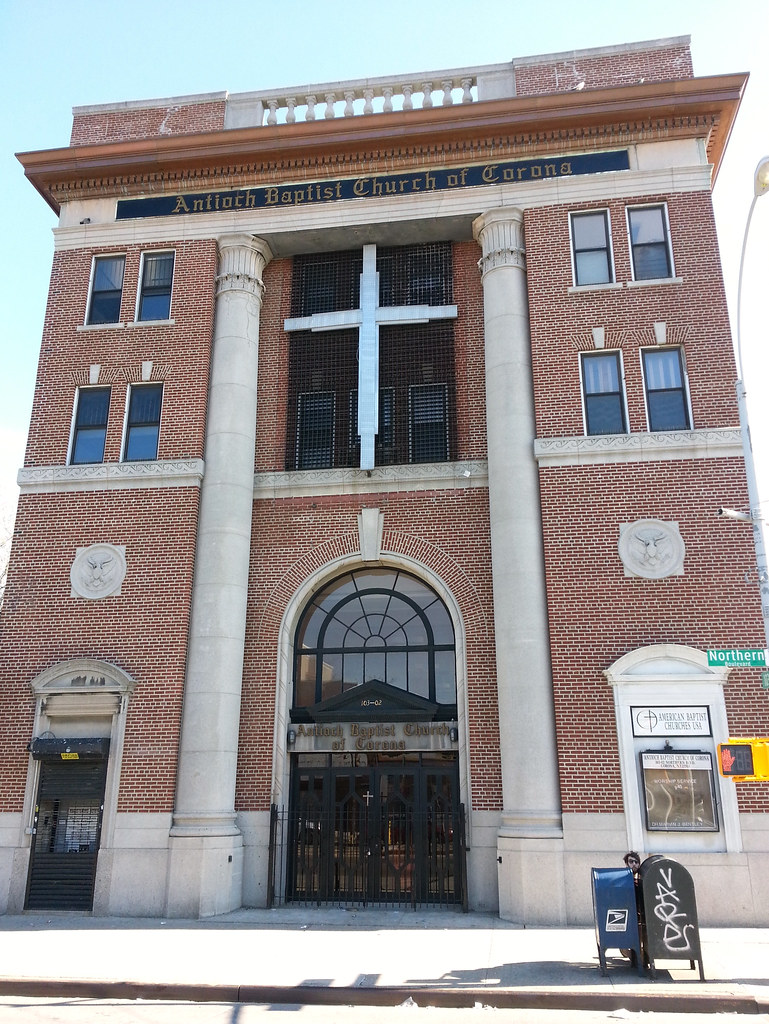
Antioch Baptist Church of Corona, formerly the Queensboro National Bank
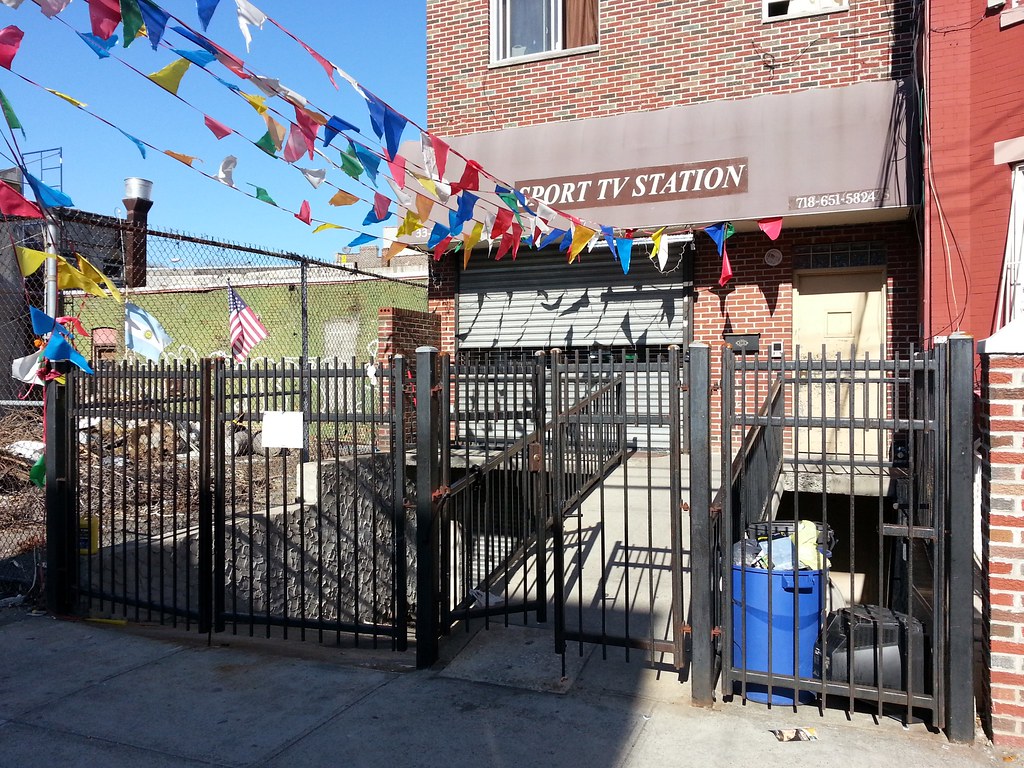

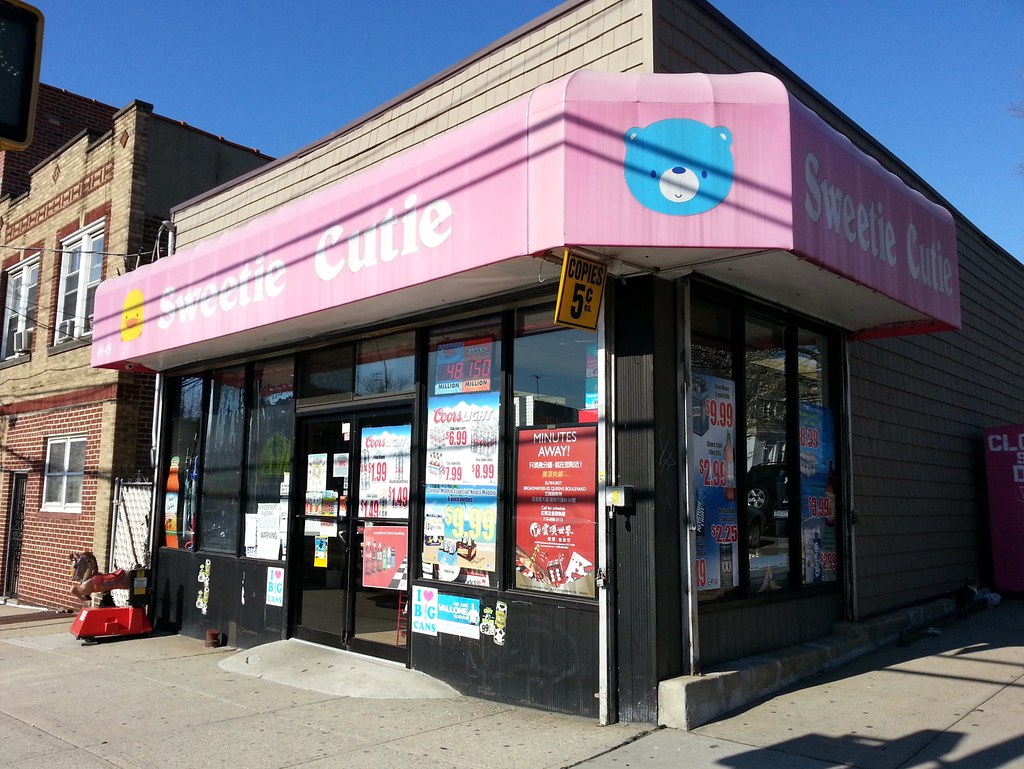

Built around 1911, this is "thought to be the oldest synagogue in Queens". The congregation was originally Ashkenazi, but "in the late 1990s, a charismatic kosher butcher and rabbi from Central Asia moved to the area and slowly transformed the synagogue into the spiritual home of a community of impoverished Bukharan Jewish immigrants from the former Soviet Union." Here's an NY Times profile of that butcher-rabbi and his community (and here's a brief follow-up piece).
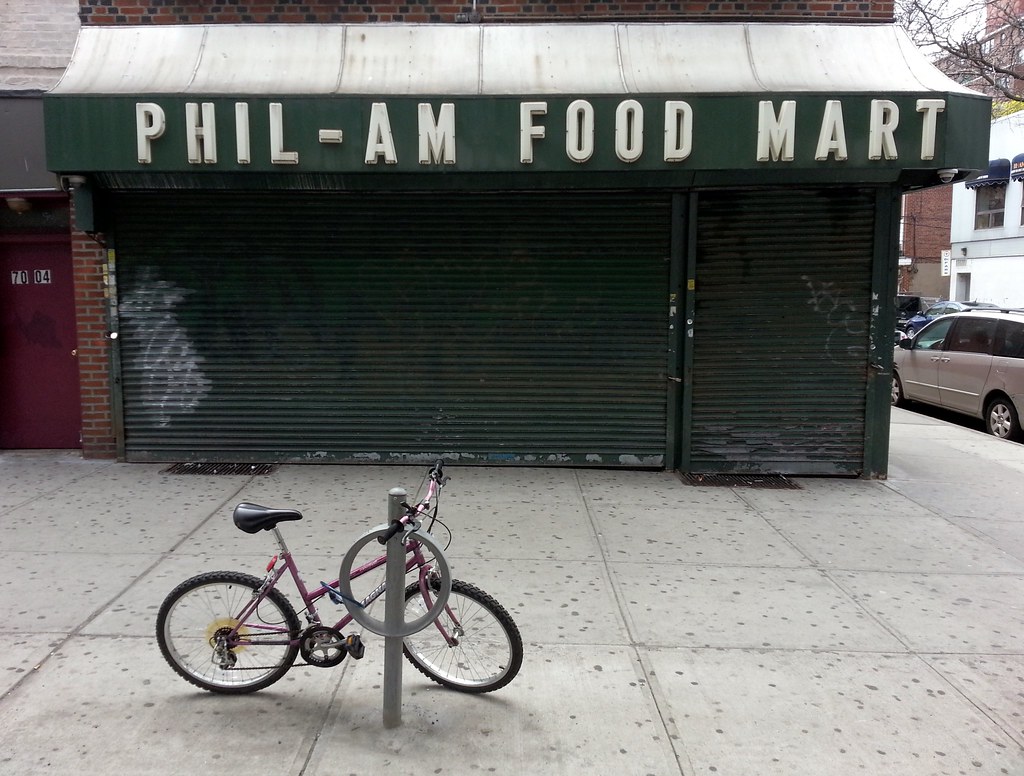
The bike rack in the foreground used to be a parking meter. Coin-fed meters (a.k.a. unofficial bike racks) have disappeared from the sidewalks of the city, replaced by multispace Muni-Meters, but some of the decapitated meter posts have been left in place and converted into official bike racks with the addition of a ring that riders can lock their bikes to.
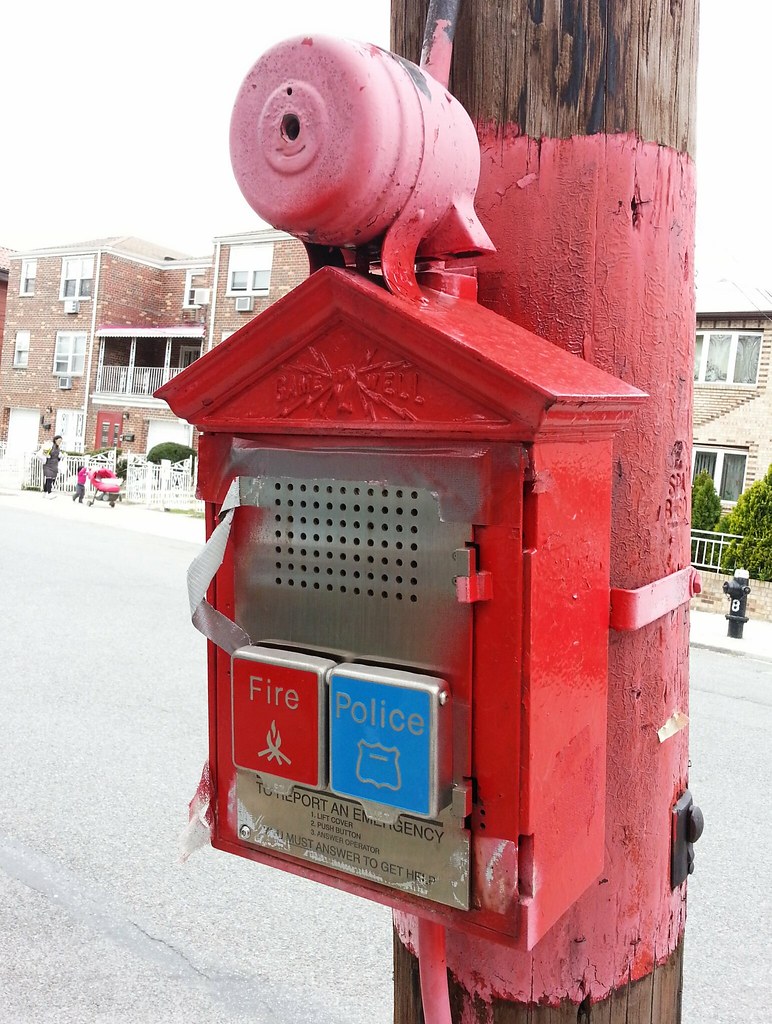
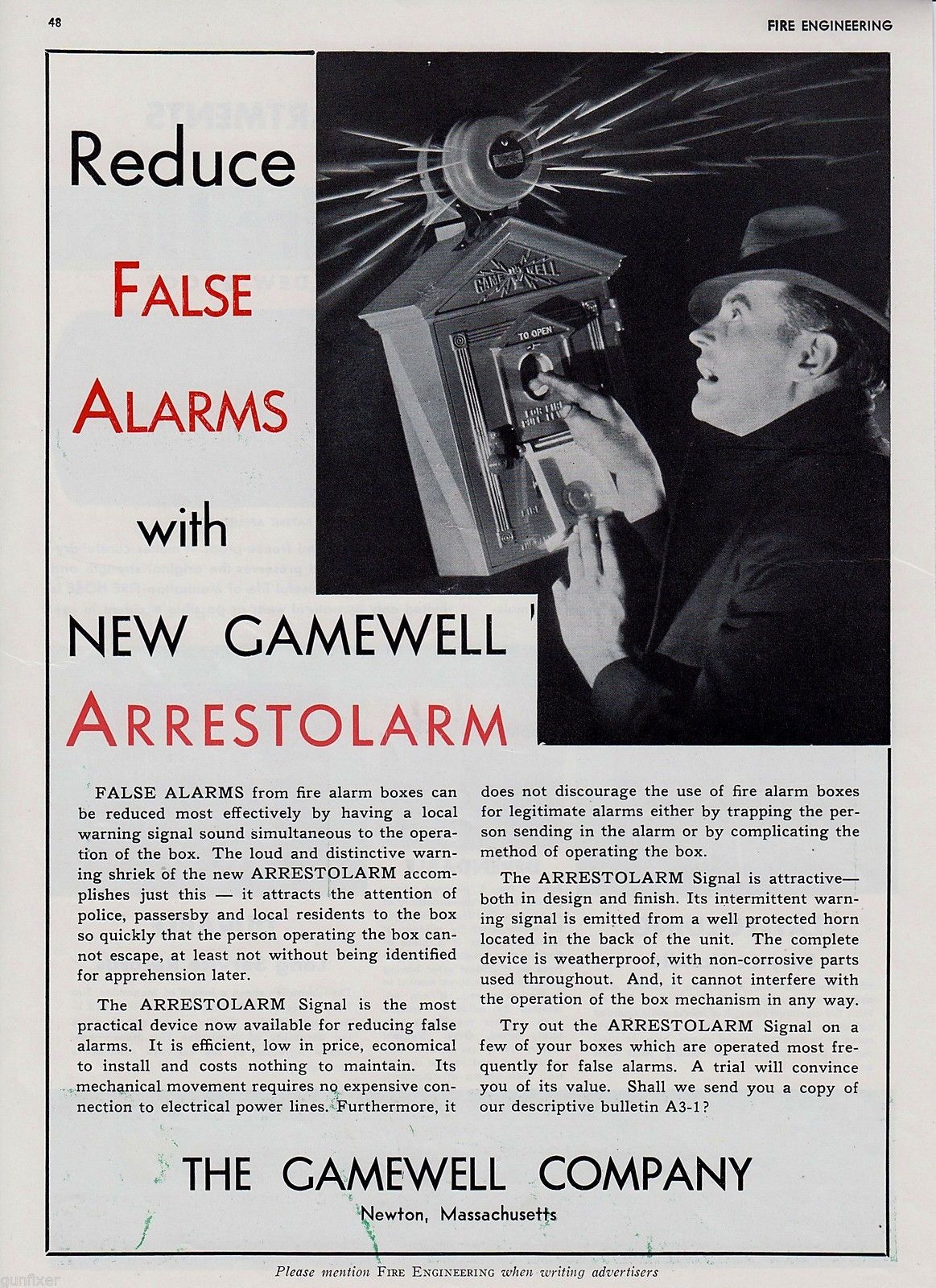
As we've seen, New York's emergency call boxes come in many different forms. This is the shell of an old Gamewell (check out the awesome logo) telegraphic fire alarm box with a modern telephonic fire/police button unit installed inside it. Gamewell was the dominant manufacturer of fire call boxes in the US, but this is the first Gamewell box I've noticed in NYC — within the city, they're apparently only found in a few neighborhoods in Queens.
The cylindrical thing mounted on top of the box is a mechanical Arrestolarm, which would have blasted a "loud and distinctive warning shriek" whenever the box was triggered. This was intended to discourage pranksters from setting off false alarms by drawing immediate attention to anyone reporting a fire.
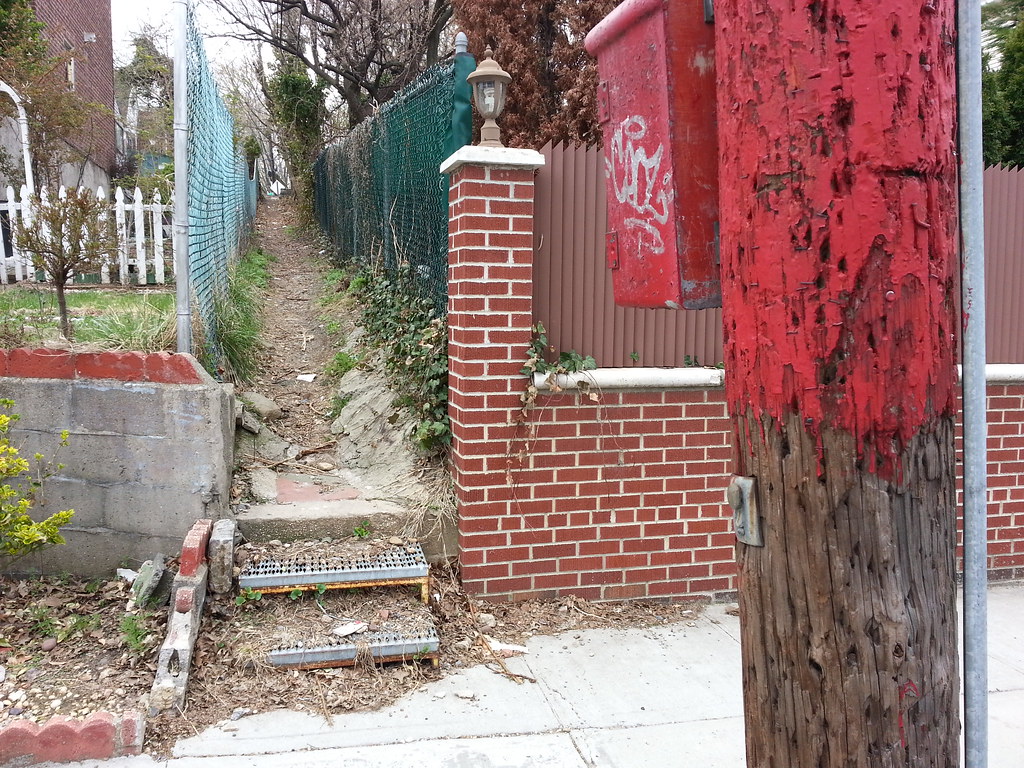
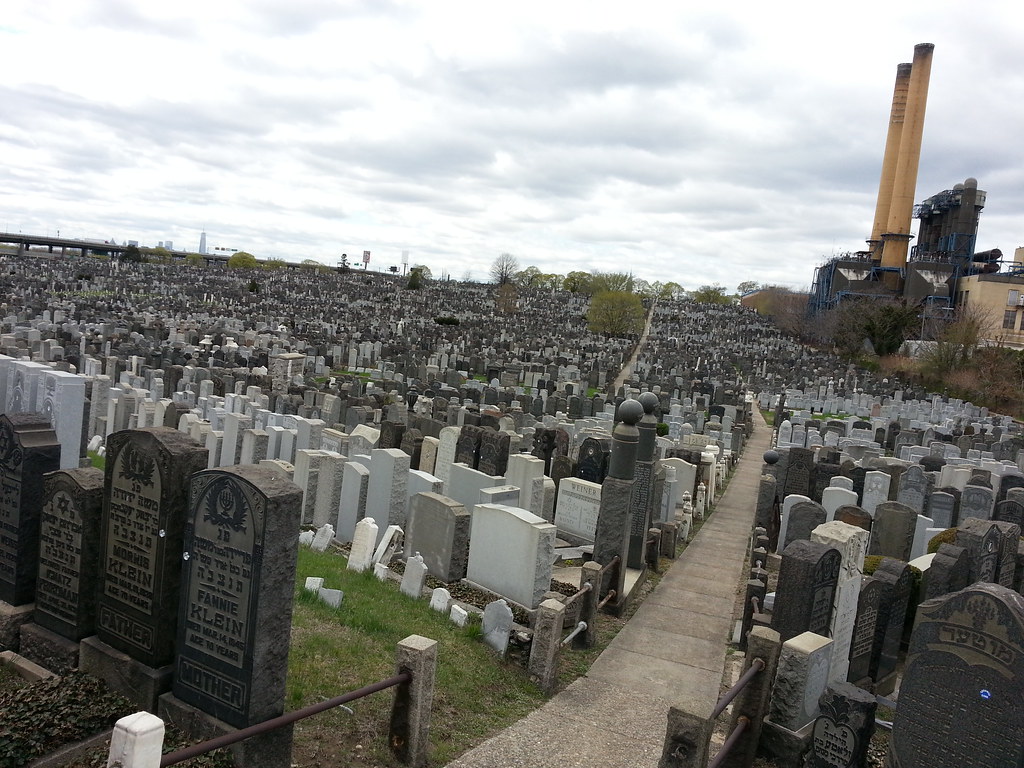
Mount Zion Cemetery, towered over by the stacks of the defunct Betts Avenue incinerator
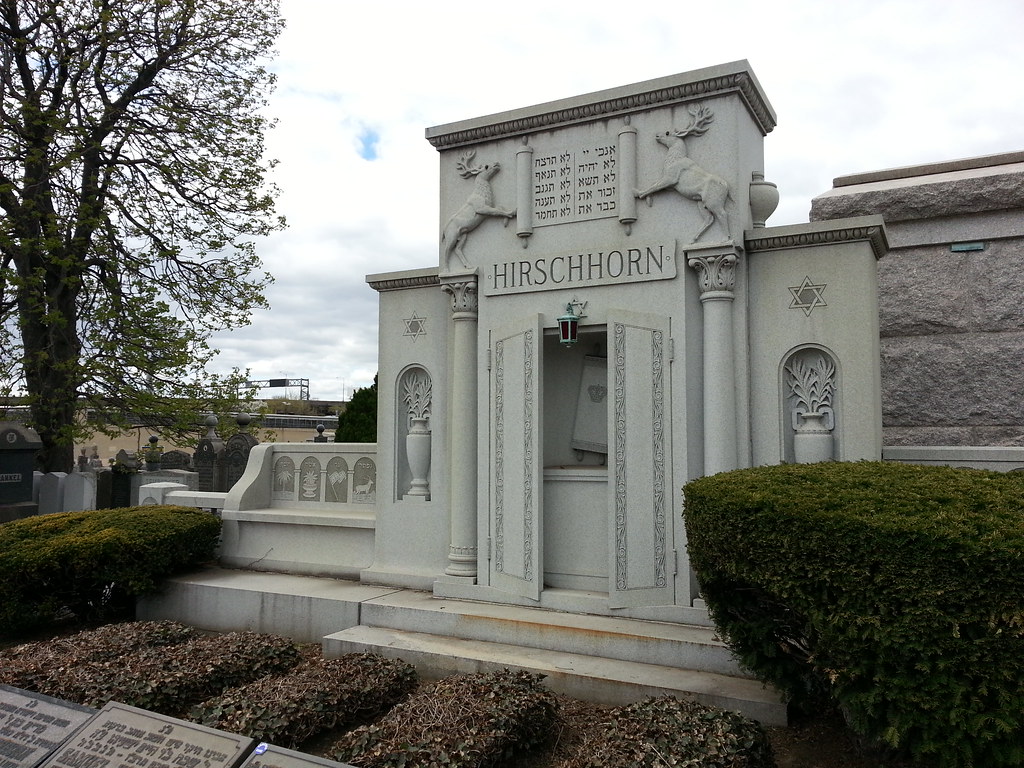
An ark with a Torah inside, appropriately decorated with a couple of stags
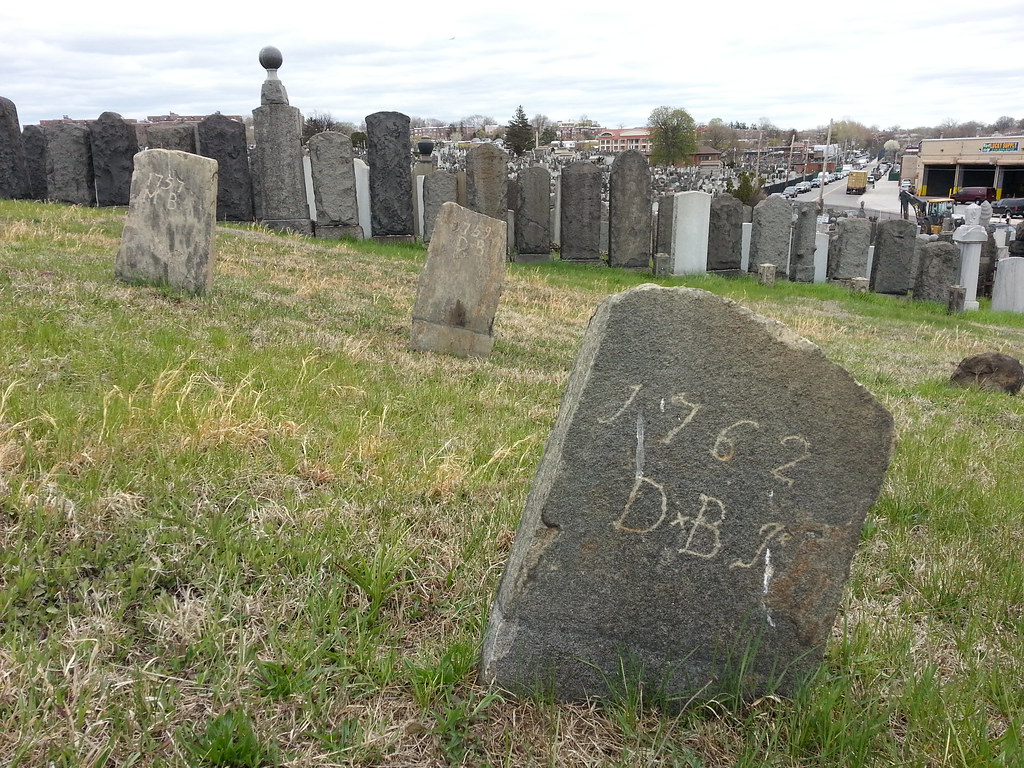
Opened in 1893, Mount Zion Cemetery contains within its bounds the tiny, and much older, Betts family cemetery, whose relative scarcity of headstones sets it apart from its jam-packed surroundings. This area was once part of the estate of Captain Richard Betts, who is said to have dug his own (unmarked) grave here in 1713 at the age of 100. The stone in the foreground belongs to Daniel Betts Jr., Captain Richard's great-grandson, whose wife supposedly outlived him by 76 years, dying at the age of 109!
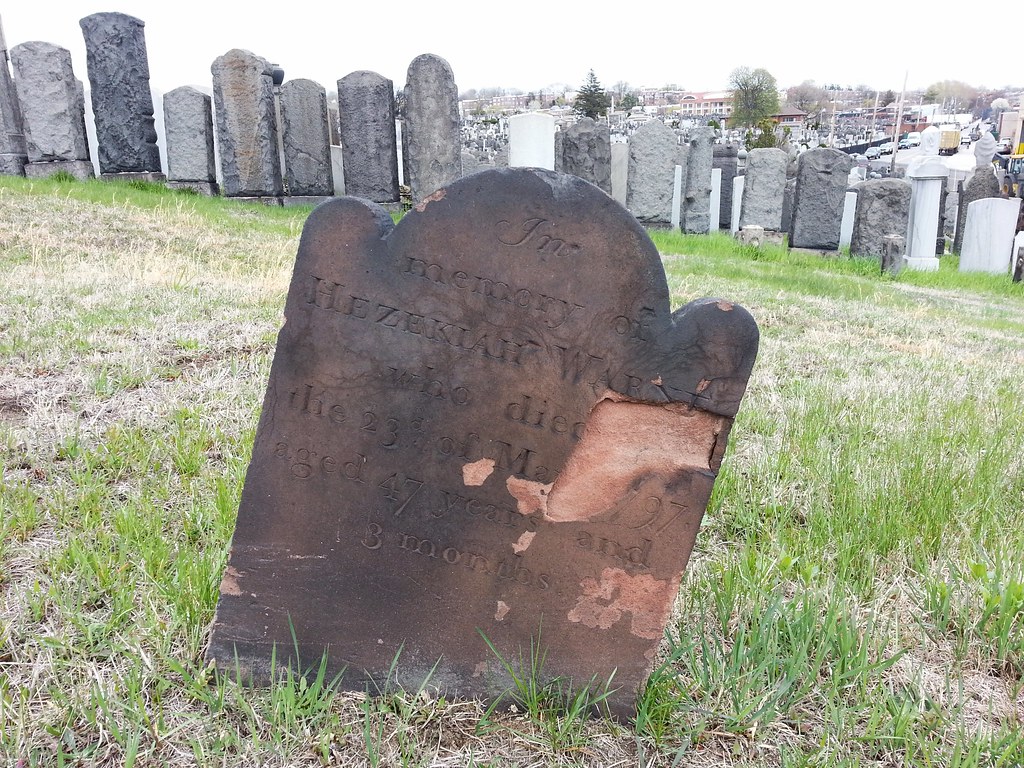
I feel like this name is due for a comeback soon.
In fact, it's already started. After having last been one of the top 1000 male baby names in the US in 1923, it re-emerged on the list in 2004, and was ranked No. 823 in 2012.
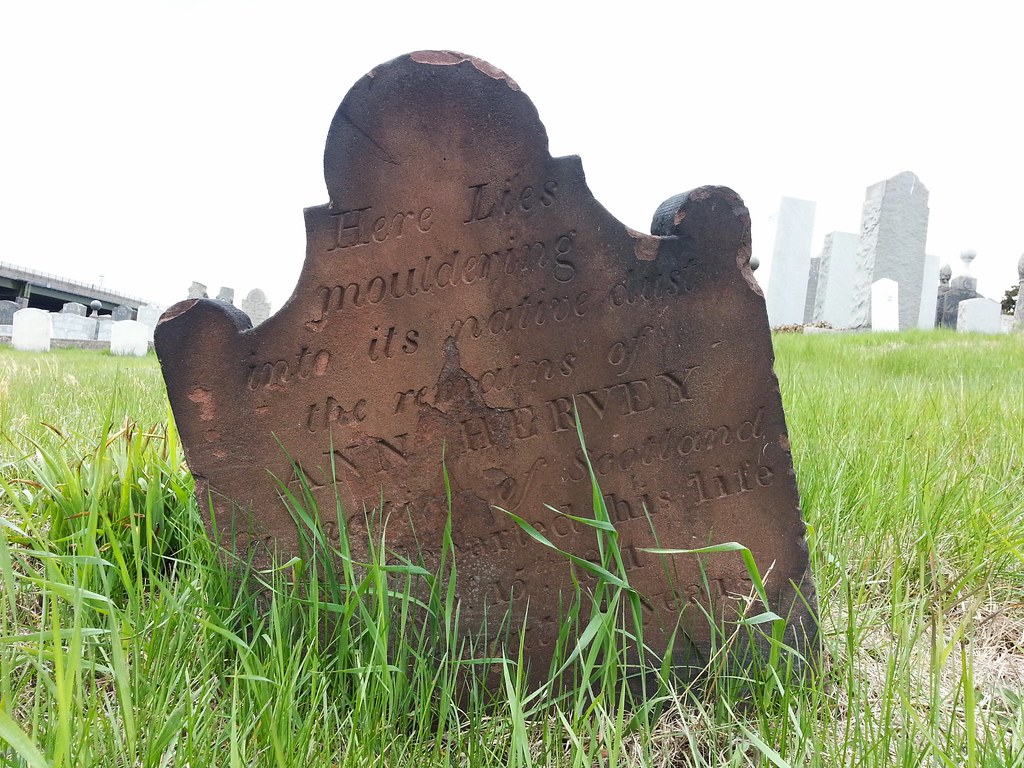
into its native dust
the remains of
ANN HERVEY
a native of Scotland

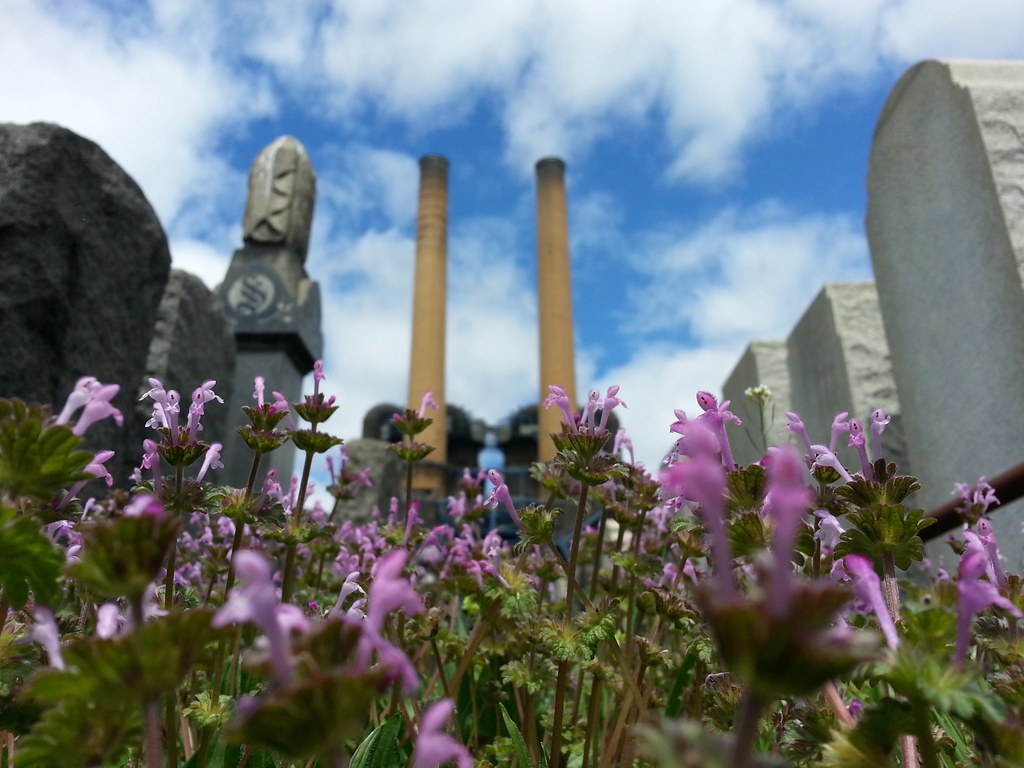
This apparently edible weed is growing in abundance between rows of graves in the shadow of the old Betts Avenue incinerator.


Mr. Hamlisch is the only person in history to have won an Emmy, a Grammy, an Oscar, a Tony, a Pulitzer, and a Golden Globe.
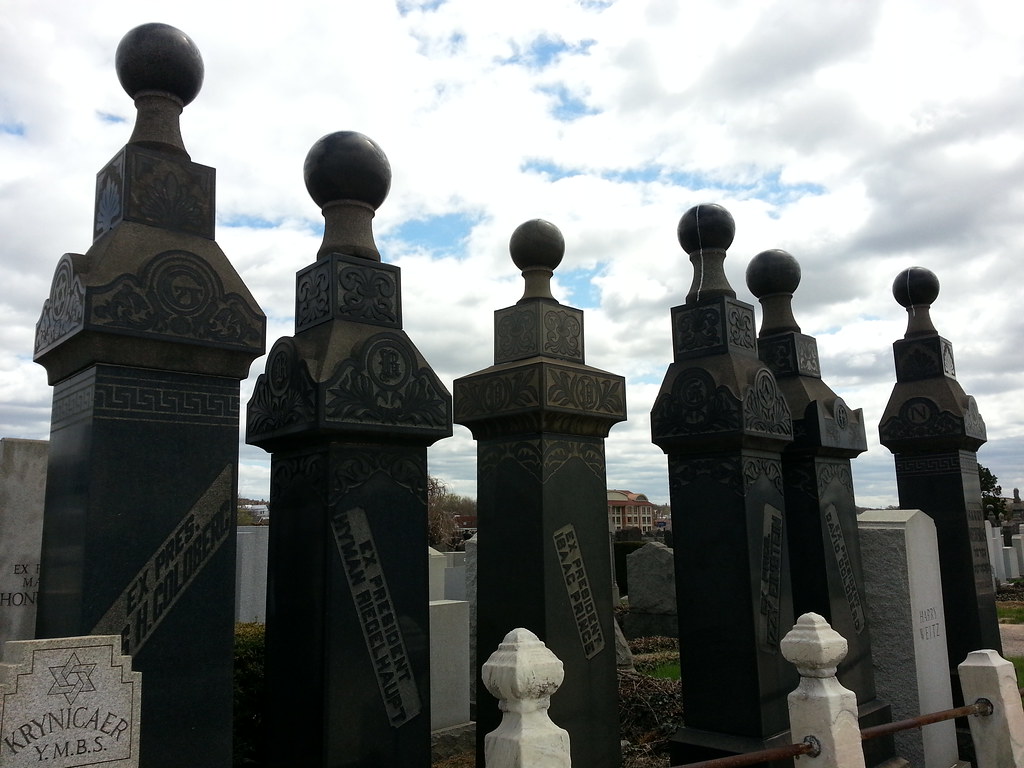


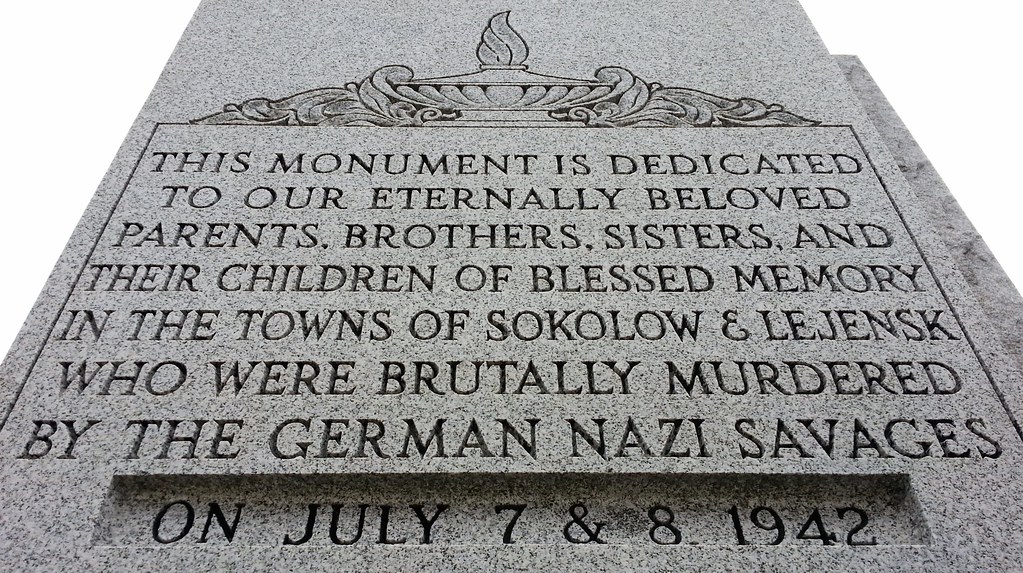
This is the Workmen's Circle section here at Mount Zion. Just to the left is a small monument commemorating those killed in the 1911 Triangle shirtwaist factory fire. As we'll see, there's a much larger memorial to the victims located inside this section.

of the 1911 Triangle shirtwaist factory fire, the deadliest industrial accident in New York history, in which 146 garment workers perished. One witness to the tragedy recalled the horrific scene years later:
Word had spread through the East Side, by some magic of terror, that the plant of the Triangle Waist Company was on fire and that several hundred workers were trapped. Horrified and helpless, the crowds — I among them — looked up at the burning building, saw girl after girl appear at the reddened windows, pause for a terrified moment, and then leap to the pavement below, to land as mangled, bloody pulp. This went on for what seemed a ghastly eternity. Occasionally a girl who had hesitated too long was licked by pursuing flames and, screaming with clothing and hair ablaze, plunged like a living torch to the street. Life nets held by the firemen were torn by the impact of the falling bodies.Each of the 14 pillars above seems to be dedicated to one person who died in the disaster, so I assume that means 14 of the victims are buried here at Mount Zion. Also buried in the cemetery is Rose Freedman, who was the last survivor of the fire before she passed away in 2001, after a "colorful and courageous" life, at the age of 107.
The emotions of the crowd were indescribable. Women were hysterical, scores fainted; men wept as, in paroxysms of frenzy, they hurled themselves against the police lines.

This section of the wall (Street View) is made in large part of grave markers and other cemetery stones! You can see that some are lying flat on their sides, while others are standing upright. Many of them look broken, and perhaps the rest were surplus — not a bad way to get some use out of what would otherwise just be a bunch of junk.
Or as Mitch Waxman puts it, much more colorfully:
As one nears Laurel Hill Blvd. and the stature of the masonry wall shrinks back to a human scale, a curious heterogeneousness in its composition is noticed. Suddenly granite and "finishing marble" is noticed. . . . Proceeding up the block, certain familiar shapes become recognizable in the wall, and a cold dread is realized. Tombstones. They used tombstones to make this part of the wall.
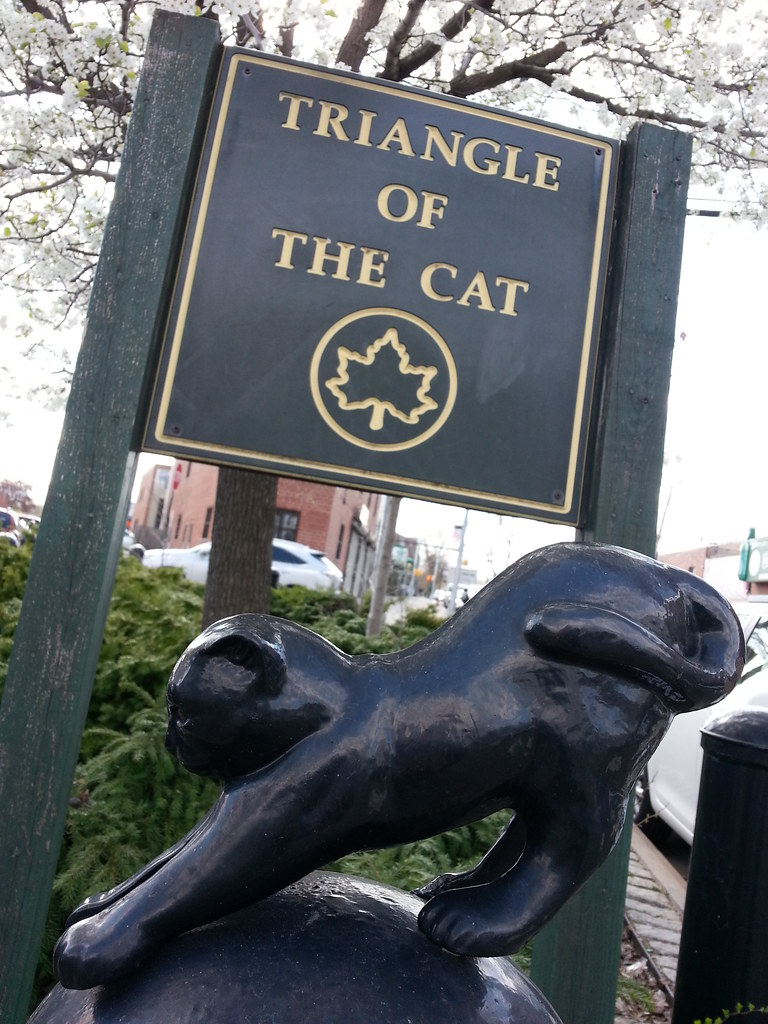
I can't find any information about this little parklet online, but I think it's safe to assume it was the work of Mr. Henry Stern.
UPDATE: It was indeed named by Mr. Stern (thanks, Gigi!), and for a very Sternish reason: one of the adjacent streets is Garfield Avenue.

Some sort of hideous attempt to keep the birds away from future figs?

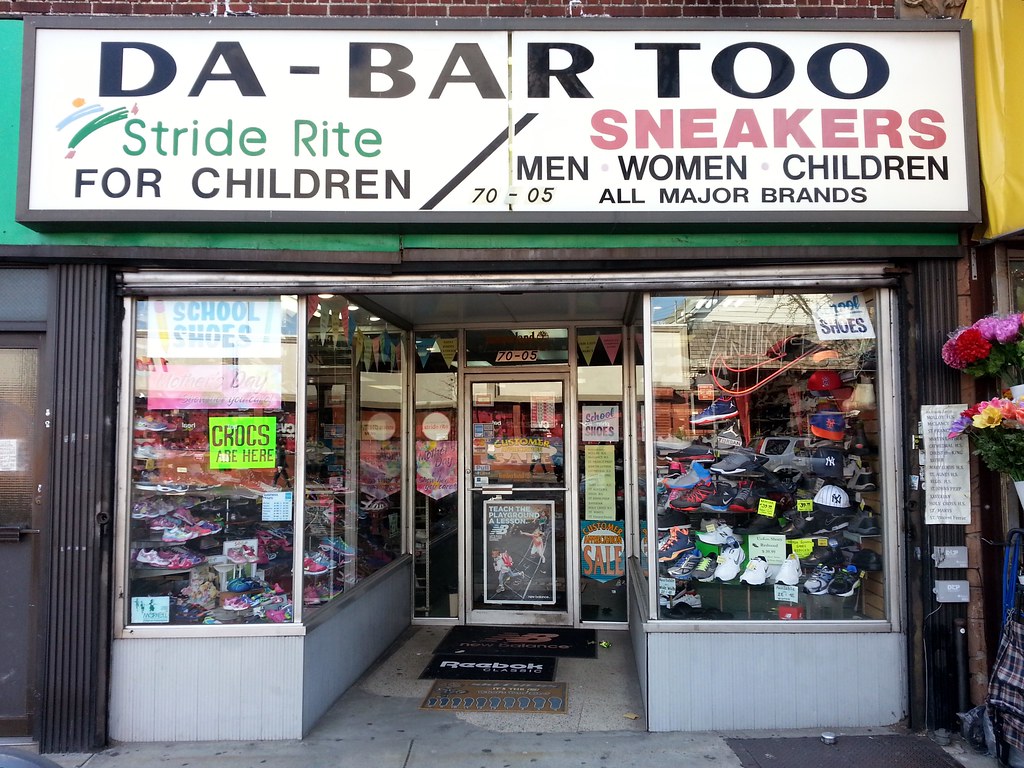
Looks like they only have room for one more shoe-company doormat.