
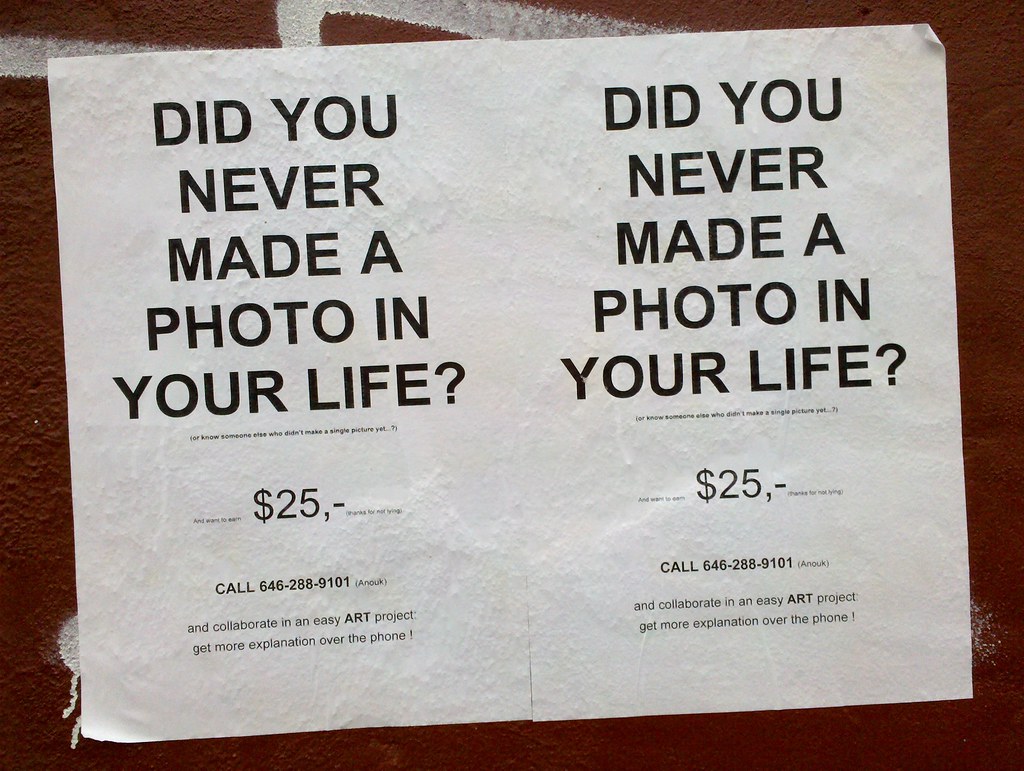
of what I might be publicizing here.
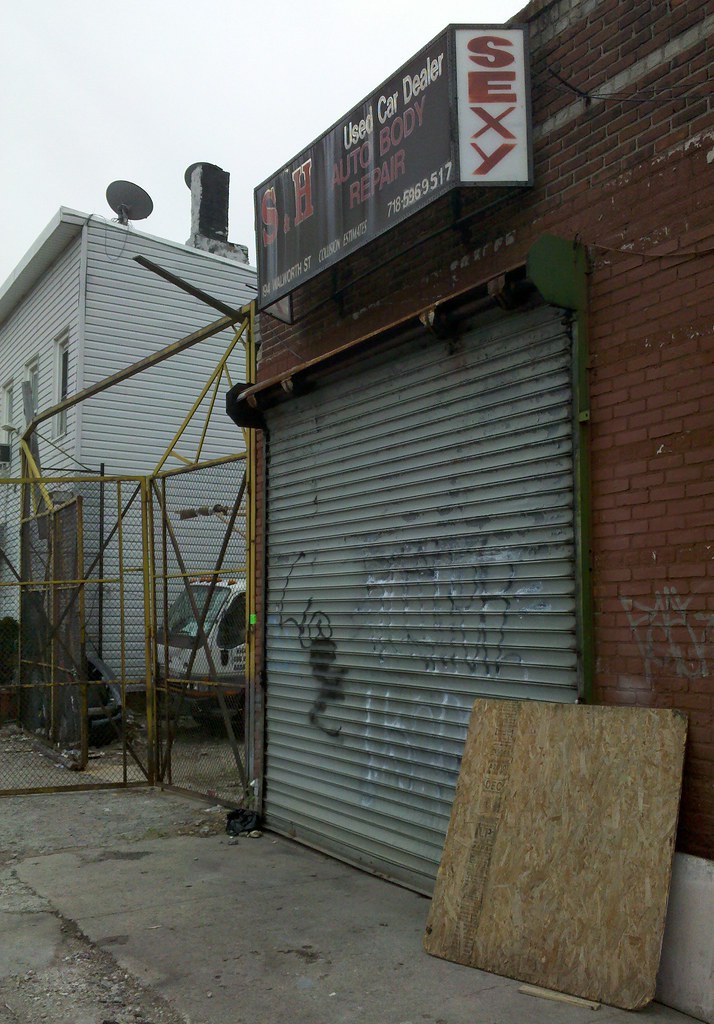
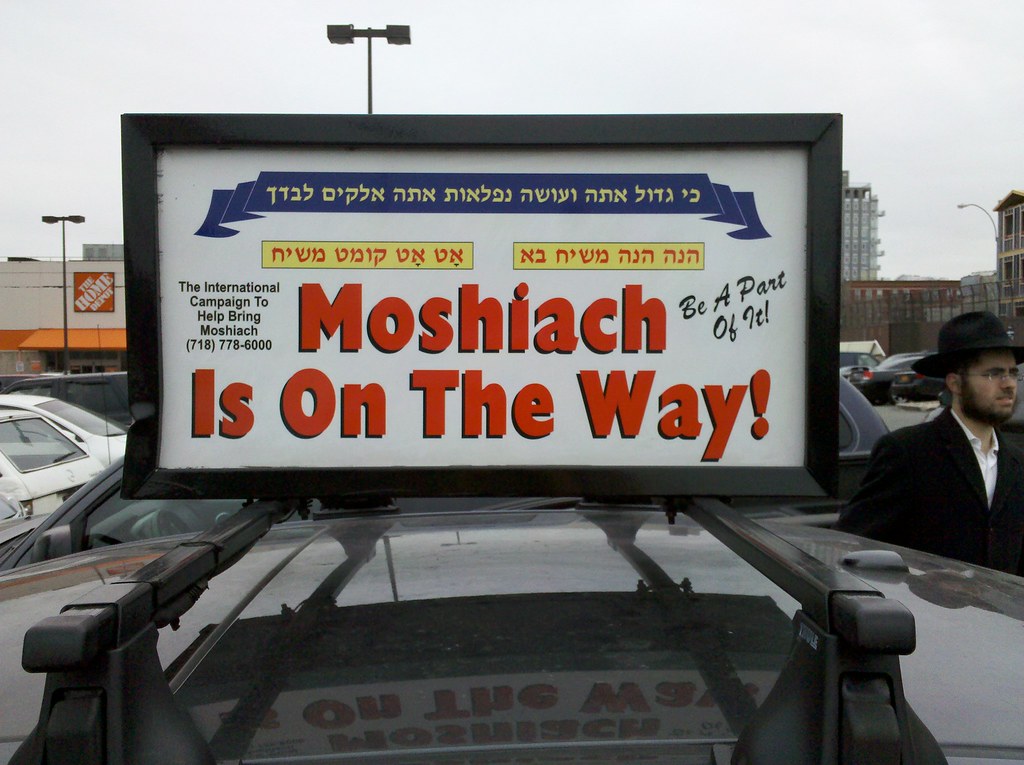
Just text "ENDofDAYZ" to 18018!
But seriously folks, here's a primer, written from an Orthodox perspective, on the concept of the messiah in Judaism. The sign above is part of a campaign within the Chabad-Lubavitch movement.
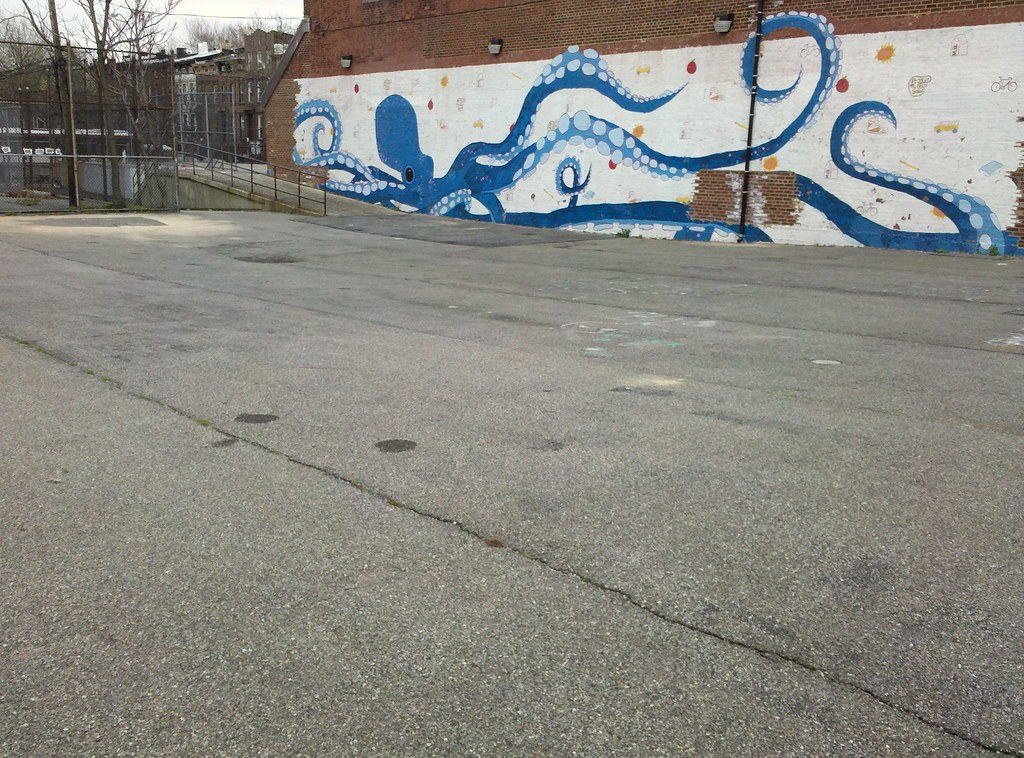
I'm sure this octopus has crept into the nightmares of many little children over the years.

This would have been better.
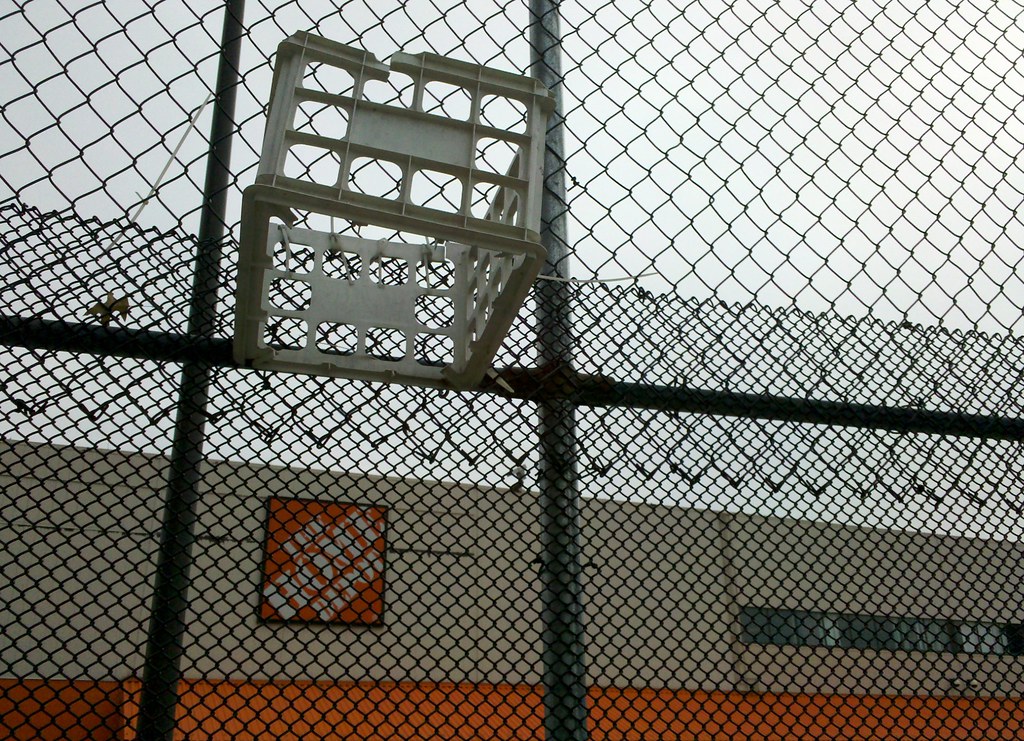

Prohibited during Passover, chametz is traditionally removed from one's possession, and often destroyed, before the start of the holiday. Passover doesn't begin for almost two weeks, but perhaps this gentleman is about to leave town for a while and won't have an opportunity to do this later.

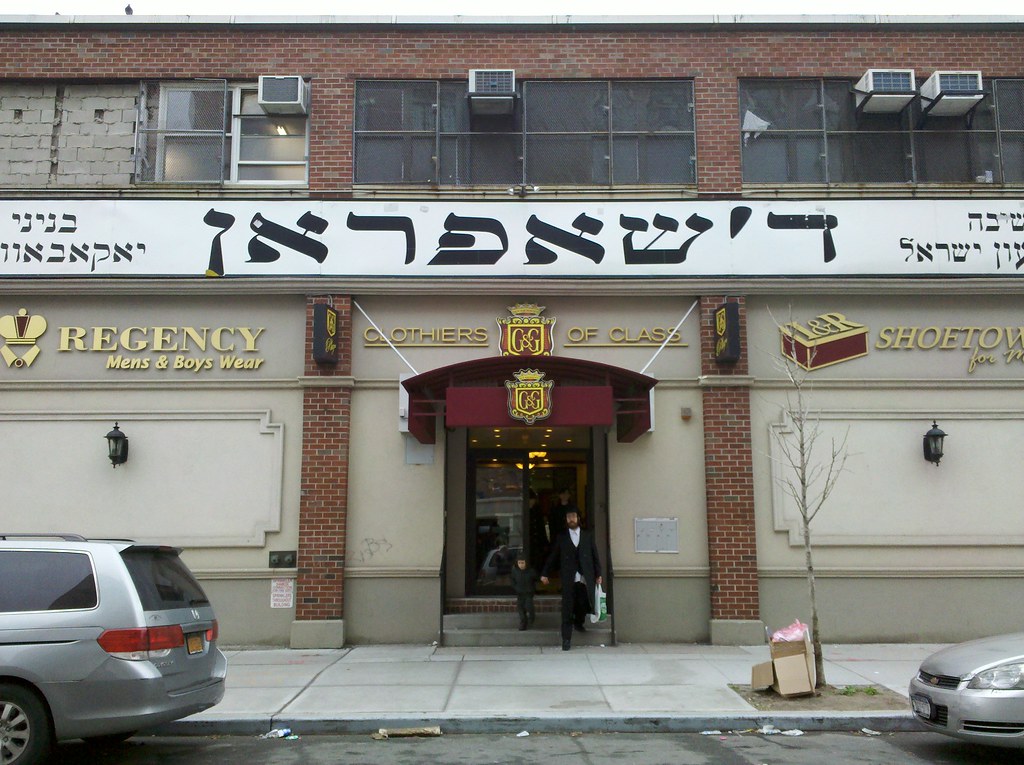
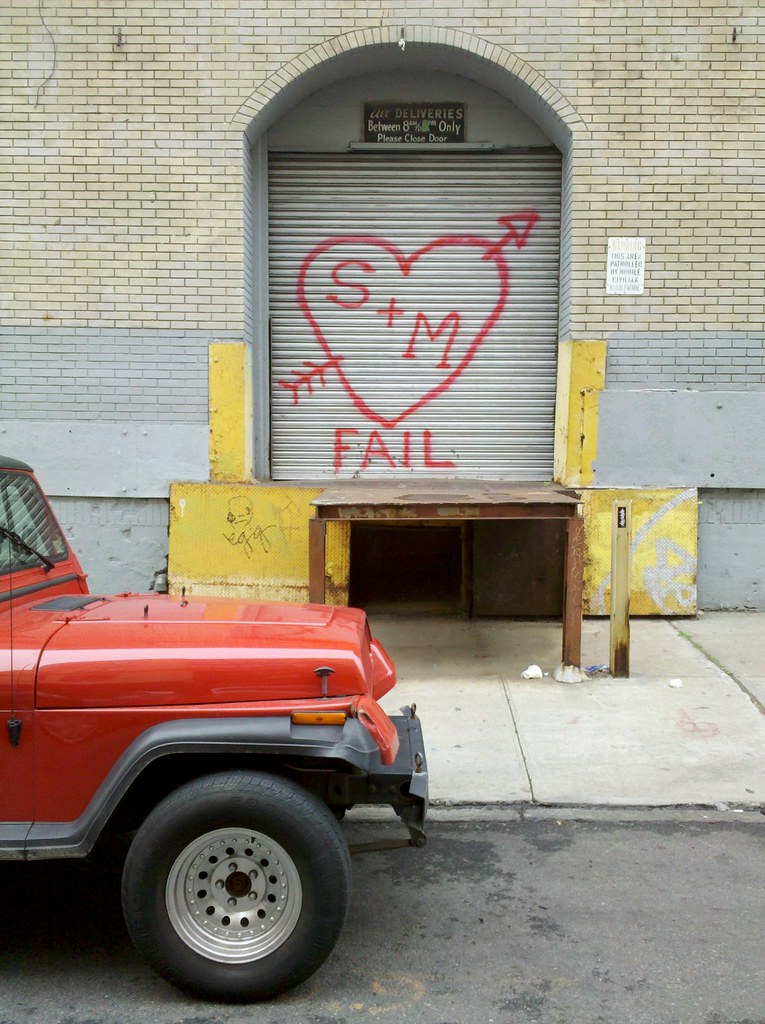
I think all relationship graffiti should be kept up to date. If you're going to tell the world you love someone, it's your responsibility to let people know when things change.


That's what their website claims. It's certainly a brazen van, at any rate.
Also, their logo closely resembles that of Stand With Wisconsin, although, in a geographic reversal, it's a right hand instead of a left.


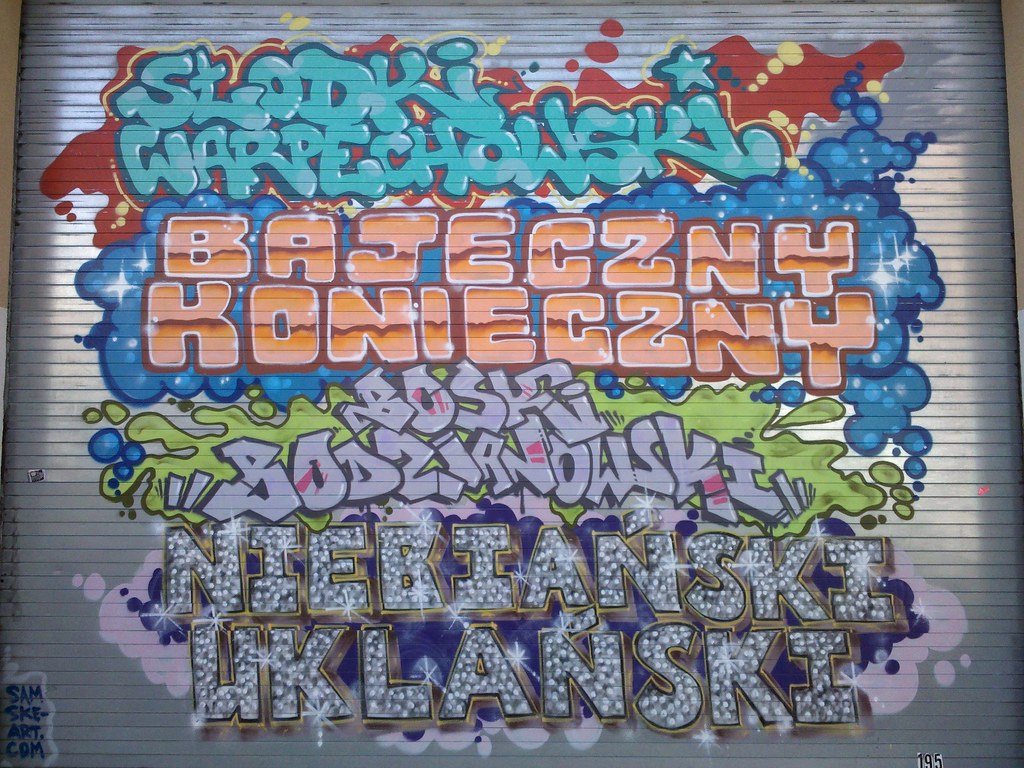
This is just one panel of a pretty incredible wall. Here's some footage of the whole thing. Or, as (almost) always, you can just check it out in Street View.

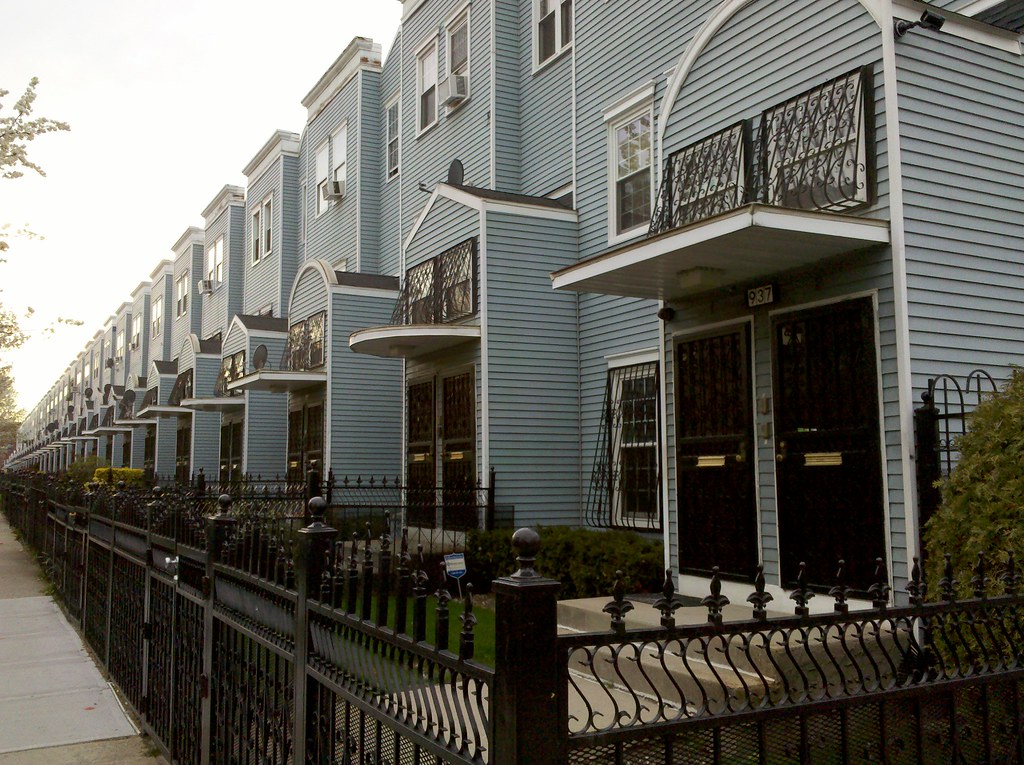
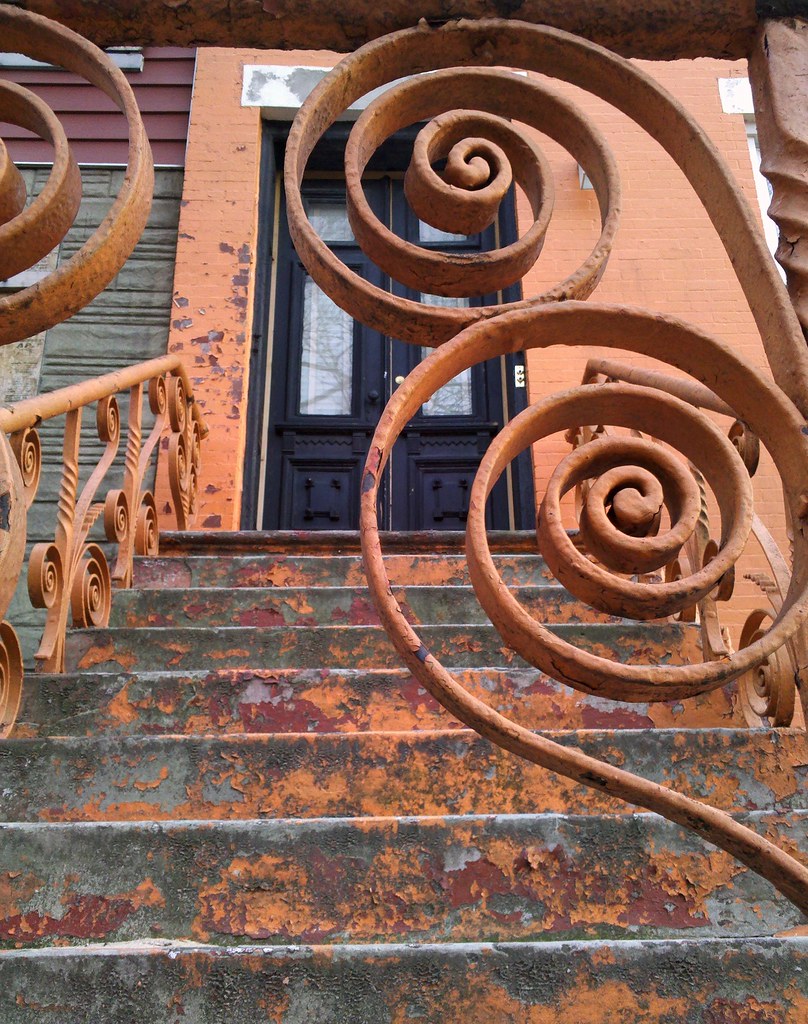


This house is one of many architectural gems on a gorgeous block.
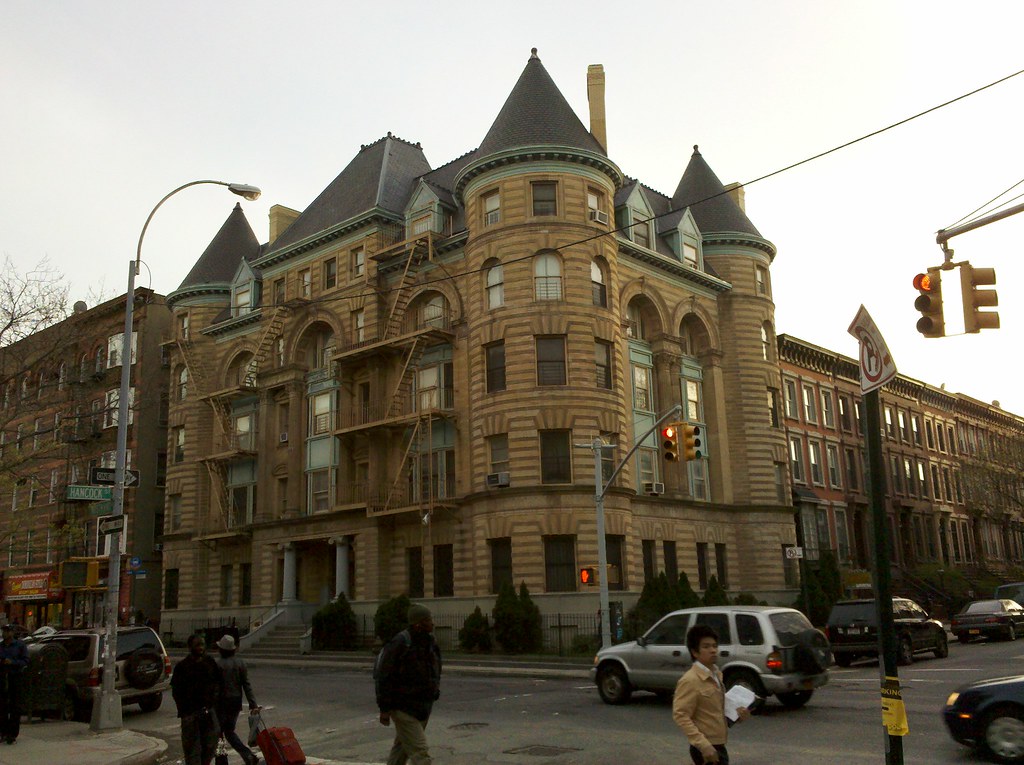
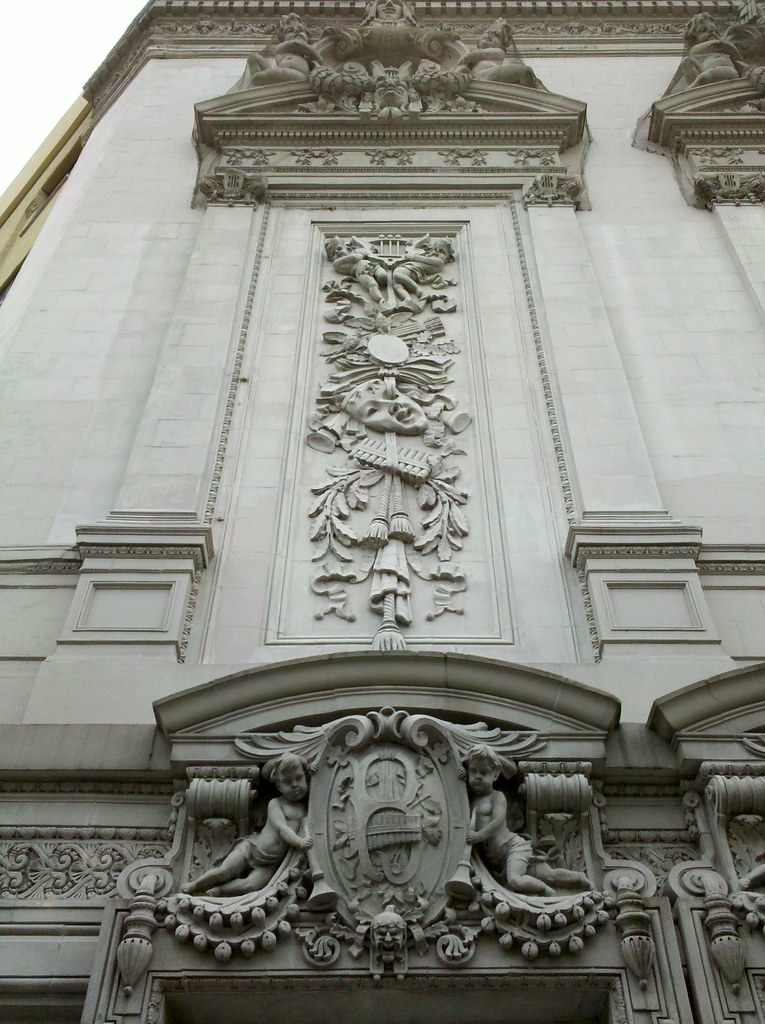
The Renaissance looks awfully similar to the Imperial, which we happened upon last month. So similar, in fact, that I had to double-check my map to make sure I hadn't veered off course. Not surprisingly, both were designed by the prolific Montrose Morris, who also built several houses on the block mentioned in the previous photo (including the one featured in the photo — his own house, which stood next door to that one, burned down 40-some years ago).
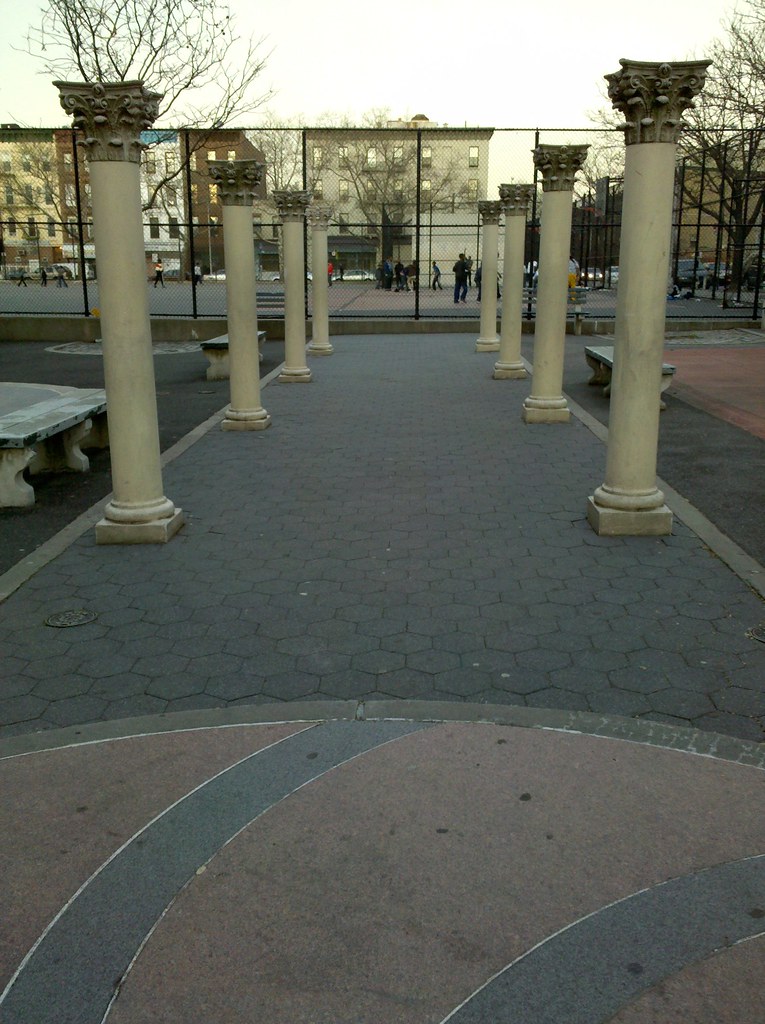

Today was, apparently, election day in Senegal. I discovered this as I was passing by John Hancock Playground in Brooklyn, when a stream of people came jubilantly pouring out of PS 3, chanting and clapping as they walked down the street. They had just closed down the local Senegalese polling station (here's a story about Senegalese New Yorkers voting in the first round of the presidential election back in February), but, thanks to the time zone difference, they already knew the current president, Abdoulaye Wade, had conceded defeat to his rival, Macky Sall. There had been some concern that Wade wouldn't hand over power peacefully, but, fortunately, those fears proved unfounded.
It's easy to become jaded by politics and take our relatively smooth-functioning democracy for granted. Seeing these joyous people emerging from a playground named for the first signer of the Declaration of Independence was a beautiful reminder of how empowering it can be to have a say in your country's future.
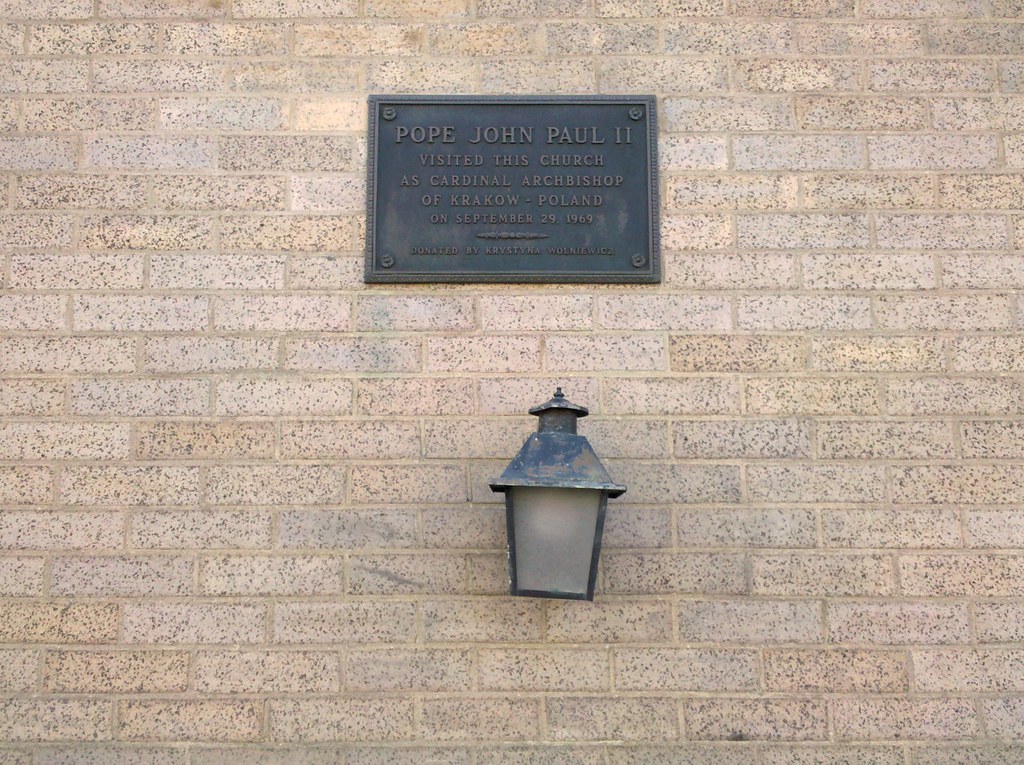
An anchor of the Polish Community in Greenpoint, this church was visited by, obviously, Pope John Paul II (in his pre-pope days), and also by Lech Walesa. It's a striking building, inside and out, as you can see here.



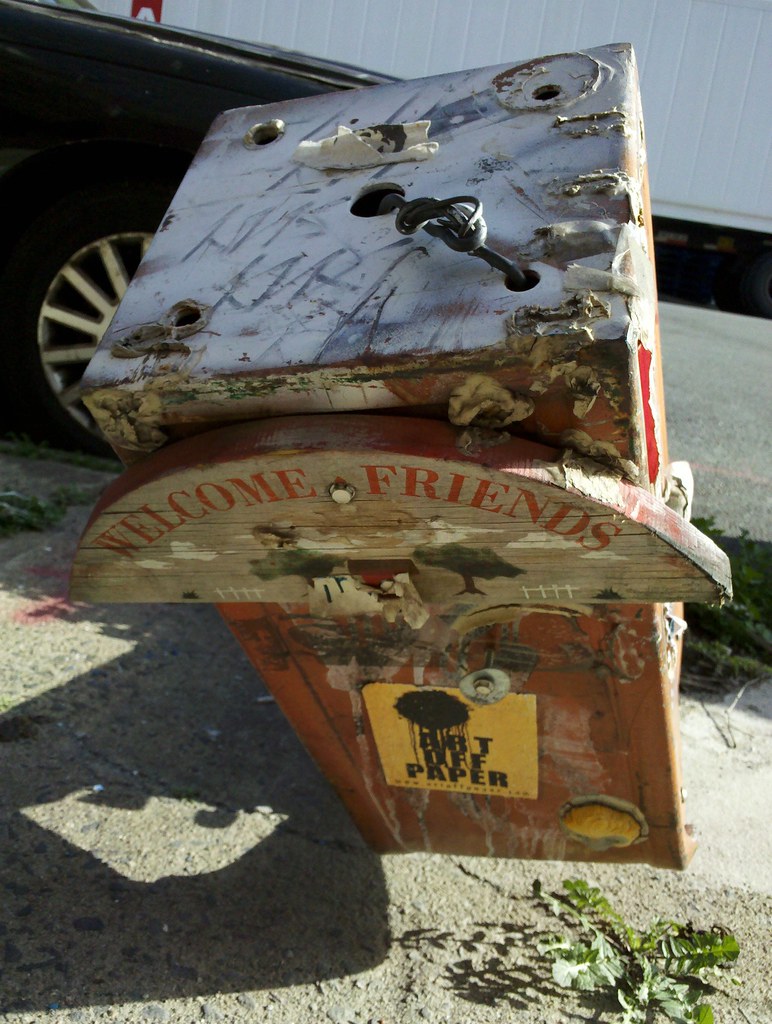
This poor call box has suffered countless indignities over the years, but its warm and welcoming attitude has not flagged.


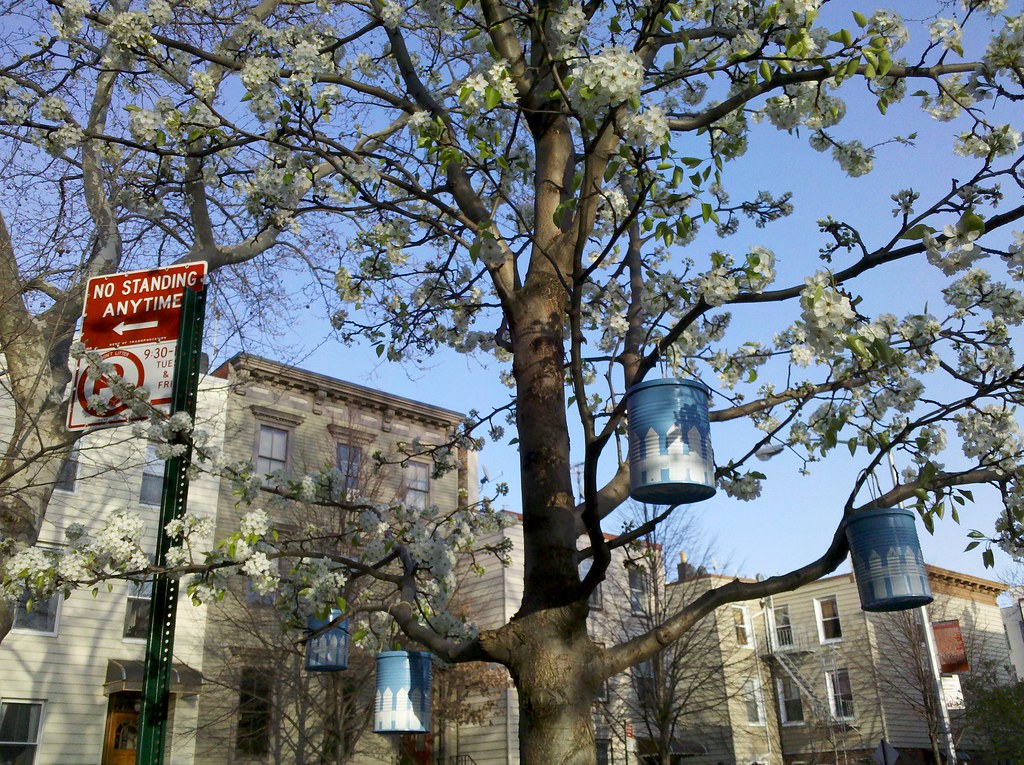
They're not bird feeders. There's nothing inside them — at least nothing with a noticeable amount of weight — and there are no openings in them. What are they?


Sir Giles Gilbert Scott makes an appearance — or two — in Greenpoint.

This towering Greenpoint landmark is always something to behold, no matter how many times you pass by it.

You can see one of my favorite shots of this church here — just scroll to the bottom of the page.
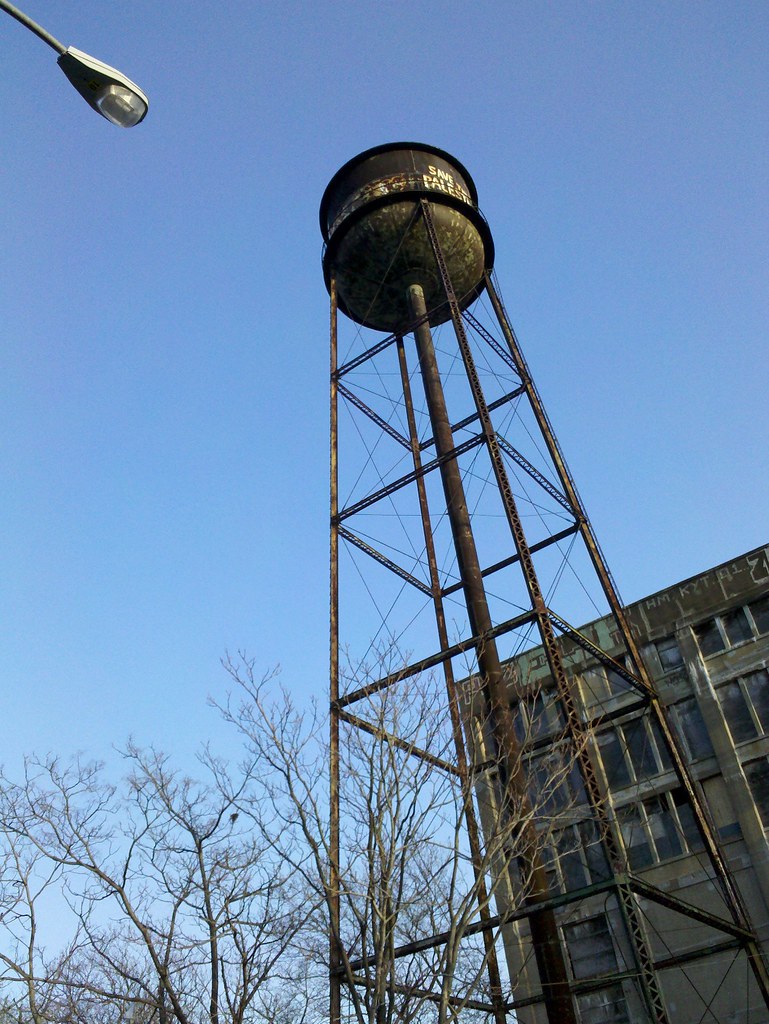
That's the slogan emblazoned on one side of this water tower (a Polish flag is painted on the other), which once served the Greenpoint Terminal Market, a 19th-century collection of warehouses that, despite having been abandoned by the end of the 20th century, still saw a fair amount of activity into the 21st. Many of the buildings were destroyed in 2006, when a massive fire — the city's largest in over a decade, with the exception of 9/11 — roared through the complex.
At that time, I had been in New York for less than a year. I worked around Madison Square Park, and I remember seeing smoke billowing into the sky from across the East River on my way into the office. It seemed like a pretty big fire, but what did I know? Maybe this kind of thing happens all the time in New York. I probably heard it was the Greenpoint Terminal Market that was burning, but that name would have meant nothing to me back then. It's only now, reading these articles, that I realize it was this tremendous blaze that I was seeing.
The fire was originally pinned on a 59-year-old homeless Polish immigrant and "enthusiastic vodka drinker", but it seems unlikely he was the real culprit. After having won a green card in the early 1990s, he worked in asbestos removal and assisted in the cleanup effort at ground zero in 2001 before his alcoholism finally drove him onto the streets. Fortunately, after being deported to Poland a couple years ago, he seems to have turned his life around.

He also appears to be a famous Polish actor and comedian. And — maybe — he'll be starring in a historically important Polish opera (The Krakowians and the Highlanders) written in the late 18th century. Or perhaps it's a satire of that opera? Can anyone fill in the gaps here?
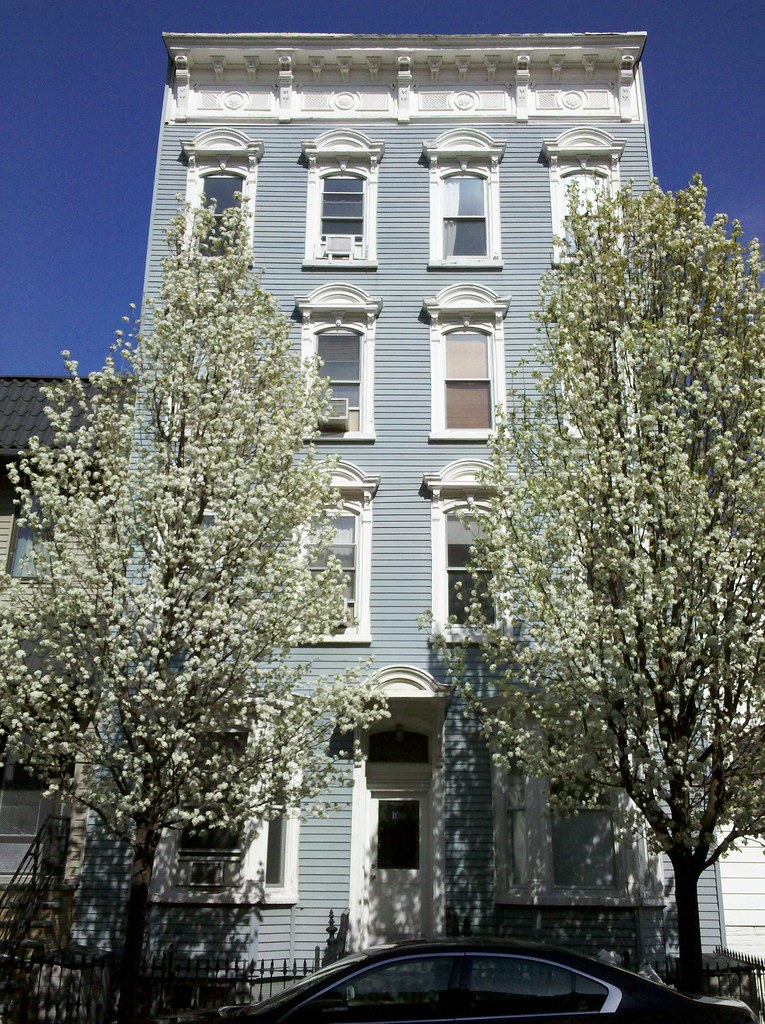
Certain sections of Greenpoint and Williamsburg are infamous for the ubiquitous vinyl- and aluminum-sided houses that line their streets. While these buildings are often rather bland and featureless, I think they also possess a certain humble, homely charm, particularly when they branch out along the color spectrum. Buildings like the one pictured above — where you see some loftier architectural elements poking out through the siding — are especially endearing, in my opinion (we saw another nice example of this back in January). For a good sampling of Greenpoint siding, just start right here and take a stroll down Newel Street.

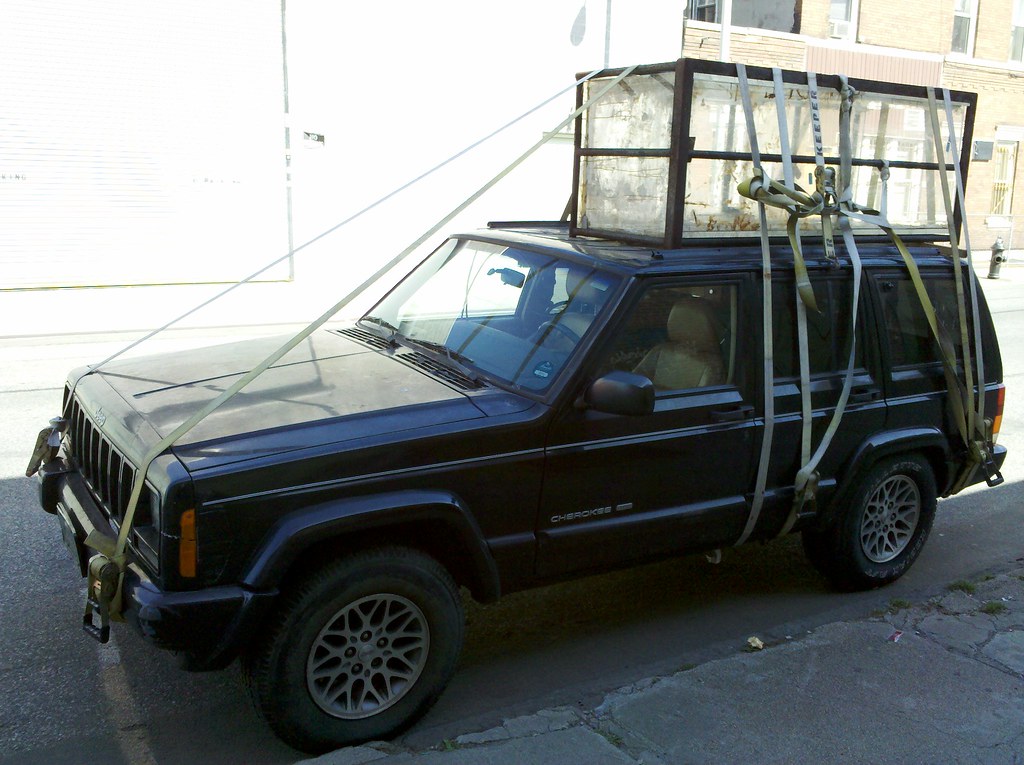
This is how they transport that invigorating pine scent from the Rockies to your air freshener.

